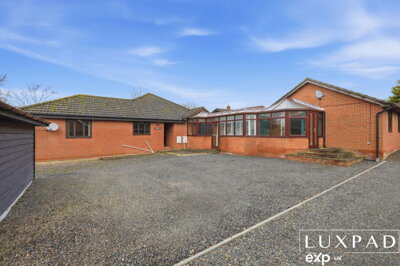
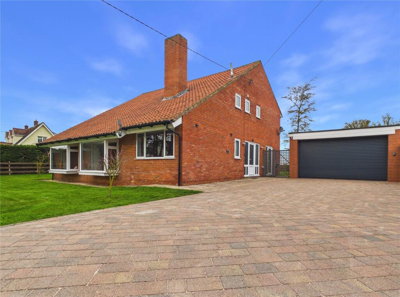
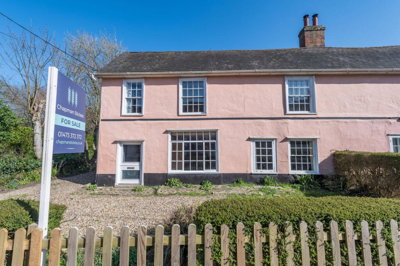
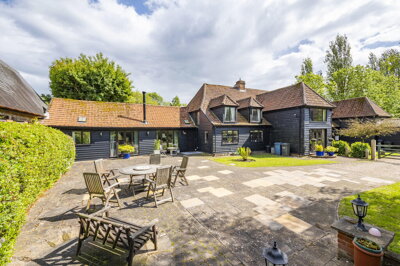
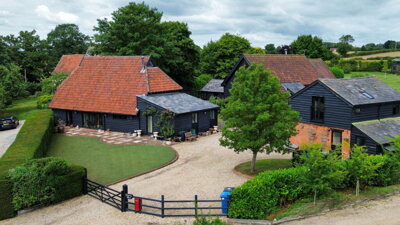
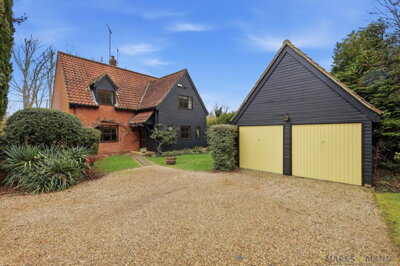
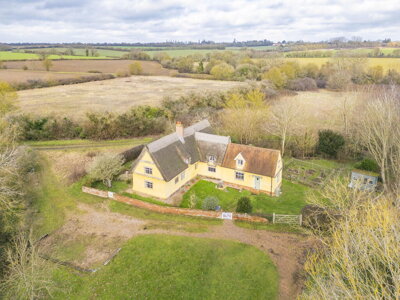
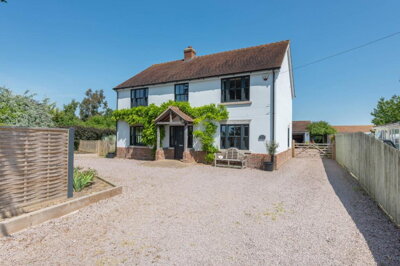
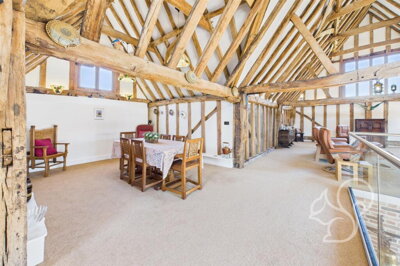
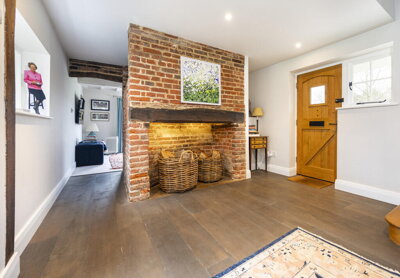
Browse 13 homes for sale in Kettlebaston, Babergh from local estate agents.
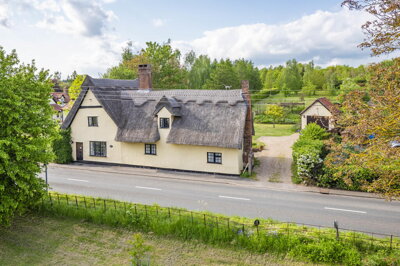
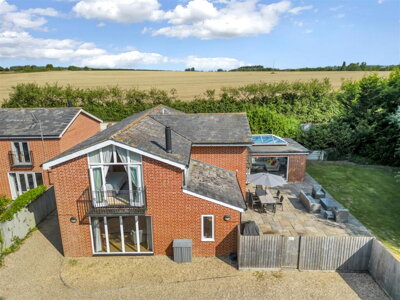
The larger property sector typically features multiple bathrooms, substantial reception space, and private gardens or off-street parking. Four bedroom houses in Kettlebaston span detached, semi-detached, and occasionally terraced configurations, with styles ranging from period properties to modern executive homes.
£0k
0
0
0
Source: home.co.uk
Showing 0 results for 4 Bedroom Houses for sale in Kettlebaston, Babergh.
The Kettlebaston property market reflects the characteristics of a small, rural Suffolk village with limited but steady activity. Properties in the IP7 postcode district have maintained stable values over the past twelve months, with zero percent change recorded in average prices. This stability suggests a market that, while modest in volume, offers predictable conditions for buyers seeking long-term investment in rural England. The average property price of £468,750 positions the village within the mid-range of Suffolk village property values, offering good value compared to more commuter-belt locations further east.
Property types available in the Kettlebaston area span a traditional range that appeals to buyers seeking character and space. Detached properties command the highest average prices at £570,000, reflecting the desirability of standalone homes with generous gardens in this countryside setting. Semi-detached properties average £360,000, offering more accessible entry points for families or couples seeking traditional village living without the premium attached to fully detached homes. Terraced properties average £300,000, while flats in the area average around £180,000, though flats remain exceptionally rare in the village itself due to the predominantly residential character of the housing stock.
New build activity within Kettlebaston itself remains limited, with no verified active developments in the village. New housing in the wider Babergh district tends to concentrate in larger towns such as Hadleigh, Sudbury, or the county town of Ipswich. This scarcity of newbuild stock within the village itself reinforces the character of the area and means that buyers in Kettlebaston are typically acquiring properties with genuine heritage and established gardens. The lack of new development also contributes to the stable nature of the local market, as supply remains consistently tight.
For buyers entering the Kettlebaston market, understanding the profile of available properties is essential. The village's housing stock divides broadly into several categories: historic timber-framed cottages dating from the sixteenth and seventeenth centuries, Georgian and Victorian farmhouses and village houses, early twentieth-century semis and terraces built for agricultural workers, and later twentieth-century infill properties. Each category carries its own maintenance considerations and potential defect patterns that a thorough survey can identify before purchase.

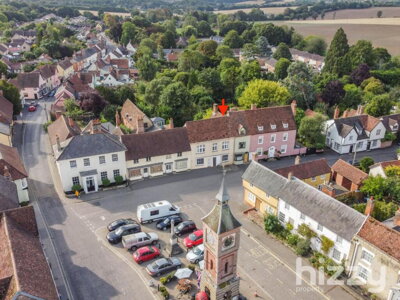
Kettlebaston offers a lifestyle defined by the rhythms of rural Suffolk, where community connections run deep and the pace of life allows residents to truly appreciate their surroundings. With a population of just 157 people according to the most recent Census data, the village maintains an intimate character where neighbours know one another and local events bring the community together throughout the year. The village centre features a notable collection of historic buildings including the Church of St Mary and Kettlebaston Hall, both contributing to the area's timeless appeal. Walking through the village, visitors pass timber-framed cottages, flint-stone walls, and winding lanes that have changed little over generations.
The surrounding Suffolk landscape provides ample opportunities for outdoor recreation and countryside pursuits. The area's geology, characterised by Cretaceous chalk overlain by glacial deposits, creates the rolling hills and patchwork fields that define the region. Nearby public footpaths and bridleways invite exploration of the countryside, while the wider Babergh district offers additional amenities in nearby towns. The village's location provides a balance between peaceful seclusion and reasonable access to larger settlements for those times when comprehensive shopping, healthcare, or entertainment facilities are required.
Daily life in Kettlebaston typically involves travel to neighbouring villages or towns for essential amenities, as the village's small scale means it relies on surrounding communities for certain services. Residents frequently visit Hadleigh, approximately 15 minutes by car, for supermarkets, GP surgeries, and other everyday requirements. The village's lack of through-traffic creates a safe environment for children and contributes to the peaceful atmosphere that defines village life. Those considering a move to Kettlebaston should embrace the rural lifestyle and understand that privacy and tranquility come hand in hand with reduced immediate access to urban conveniences.
The local economy in and around Kettlebaston revolves primarily around agriculture, small local businesses, and residents who commute to larger employment centres. The village's proximity to Hadleigh, Sudbury, and Ipswich means that many residents balance the benefits of countryside living with the practicalities of working in these market towns or the county town. This commuting pattern influences the type of buyer drawn to Kettlebaston, typically those who work from home frequently or have flexible arrangements that accommodate the approximately 40-minute journey to Ipswich.

Families considering a move to Kettlebaston will find educational provision within the wider Babergh district rather than within the village itself. The nearest primary schools are located in surrounding villages and towns, typically within a comfortable driving distance. Primary education in the area tends to be provided through a mix of community primary schools and those affiliated with local church foundations, offering parents various educational philosophies to consider when choosing a school for their children. Many families in the Kettlebaston area choose schools in Hadleigh or Lavenham, both of which offer established primary school provision with good reputations within the local community.
Secondary education options for Kettlebaston residents include schools in Sudbury and Hadleigh, with several notable secondary schools within commuting distance in the Babergh district. Parents should research specific catchment areas and admission policies when considering schools, as these can significantly influence which schools children may access. Some families in the wider area opt for grammar school education, with the county's grammar school system providing an alternative route for academically able students. Transport arrangements for secondary education typically involve school bus services or private car travel, a common feature of rural education provision across Suffolk.
For families with older children seeking further education, the Sudbury area provides access to sixth form colleges and further education establishments offering a wide range of A-level and vocational courses. The county town of Ipswich also offers comprehensive further and higher education options within approximately 45 minutes' travel time. When purchasing property in the Kettlebaston area, prospective buyers with school-age children should carefully research current school allocations, admission criteria, and transport arrangements to ensure their educational needs can be adequately met. The proximity to Sudbury's Samuel Ward Academy and Hadleigh High School provides reasonable options for secondary-aged children, with both schools serving substantial rural catchment areas.
Transport connectivity from Kettlebaston reflects its rural village character, with residents relying primarily on private vehicle travel for most daily requirements. The village sits within reasonable distance of the A1141, providing access to the wider Suffolk road network without subjecting residents to heavy traffic volumes. For those working in Hadleigh, the journey typically takes around 15 minutes by car, while Sudbury can be reached in approximately 25 minutes. The county town of Ipswich, with its comprehensive retail, healthcare, and employment offerings, lies approximately 40 minutes away via the A1071, making it accessible for those who need to travel there regularly but prefer countryside living.
Public transport options serving the Kettlebaston area include local bus services connecting villages to market towns, though frequencies tend to be limited compared to urban routes. Bus services in rural Suffolk typically operate on a reduced timetable, making private vehicles essential for most residents regardless of age. Those considering Kettlebaston as a base for commuting should factor in the necessity of car ownership and understand that journey times to major employment centres will be longer than those enjoyed by urban or commuter-belt residents. However, many residents find that the quality of life benefits of rural living more than compensate for increased travel times.
For those needing to access rail services, the main line stations in Sudbury or Colchester provide connections to London's Liverpool Street, with journey times to the capital typically ranging from 60 to 90 minutes depending on the service and interchange requirements. Stansted Airport can be reached within approximately 90 minutes by car, providing international travel connections for business and leisure purposes. Cyclists will find the Suffolk countryside both beautiful and challenging, with rolling hills creating a more demanding environment than flat coastal routes, though the scenic rewards make the effort worthwhile for enthusiastic riders.
Begin by exploring the Kettlebaston property market through Homemove's listings, understanding the average prices in the IP7 postcode area and the types of property available. Given the village's small population and limited stock, properties come to market infrequently, so registered interest with local estate agents can prove invaluable when suitable homes become available. Set up property alerts to be notified immediately when new listings appear, as competition for the limited properties that become available can be surprisingly strong.
Once you identify properties of interest, arrange viewings through the listing agents or Homemove's platform. View multiple properties to compare character, condition, and value before making offers. Remember that many Kettlebaston properties are period homes requiring varying degrees of maintenance and renovation. Take photographs and notes during viewings to help compare properties later, and don't hesitate to revisit properties that particularly appeal to you.
Before making offers, secure a mortgage agreement in principle from a lender. This strengthens your position when negotiating with sellers and demonstrates your serious intent. Homemove's mortgage comparison tool helps you find competitive rates across multiple lenders. Having your finances arranged before searching also helps you set realistic budgets and avoid disappointment by viewing properties outside your price range.
Given the age of many Kettlebaston properties and the local geology, we strongly recommend commissioning an RICS Level 2 Survey before purchase. This professional assessment identifies structural issues, damp, timber defects, and other concerns common to period properties in rural Suffolk. Our inspectors have extensive experience surveying historic properties in the Babergh district and understand the specific construction methods and defect patterns found in local housing stock.
Appoint a solicitor to handle the legal aspects of your purchase, including searches, contracts, and land registry matters. Conveyancing costs in the Kettlebaston area typically start from competitive rates, and Homemove's comparison service helps you find experienced property solicitors. Ensure your solicitor conducts all appropriate searches, including drainage and environmental searches specific to the Babergh district, which can reveal issues not immediately visible during property viewings.
Once surveys, searches, and negotiations are complete, your solicitor will exchange contracts and agree a completion date. On completion day, the remaining funds transfer and you receive the keys to your new Kettlebaston home. Before moving day, arrange buildings insurance from exchange of contracts onwards to protect your investment, and notify utility companies of your moving date.
Properties in Kettlebaston require careful inspection given the village's historic character and the age of much of its housing stock. The predominant construction materials in the area include Suffolk brick (typically a warm red or orange), timber framing often with rendered infill, and flint stone in older or more prominent buildings. Roofs commonly feature clay tiles or slate, and walls are typically solid construction without cavity insulation. Understanding these traditional building methods helps buyers appreciate both the character and potential maintenance requirements of period properties in the village.
The underlying geology of the Kettlebaston area presents specific considerations for prospective buyers. The presence of clay deposits in the Suffolk geology indicates potential shrink-swell risk, particularly for properties with shallow foundations near mature trees. During periods of drought followed by wet weather, clay soils can contract and expand, potentially causing subsidence or heave that manifests as cracking in walls or doors and windows becoming difficult to open. A thorough RICS Level 2 Survey will assess foundation conditions and identify any signs of movement that might require further investigation or remediation by a structural engineer.
Flood risk in Kettlebaston primarily takes the form of surface water flooding during heavy rainfall and potential fluvial flooding from smaller local watercourses. Before purchasing, buyers should consult the government's flood risk information service to understand specific risks affecting individual properties. Properties near trees should be inspected for potential root damage to foundations, and those with original single-glazed windows or solid walls should be assessed for insulation quality and energy efficiency. Given the village's listed buildings, any plans for modification or extension will require relevant consents, adding complexity and cost to renovation projects.
The village's collection of listed buildings means that several properties in Kettlebaston benefit from or are subject to heritage protection. While listed status preserves the character of these homes, it also imposes obligations on owners regarding maintenance and alterations. Standard home insurance policies may not adequately cover the full reinstatement cost of period properties, and specialist heritage insurance might be required. Buyers should factor these ongoing costs into their budgeting alongside purchase price and immediate renovation requirements. Properties with listed status often require specific materials and methods for repairs, which can increase maintenance costs compared to equivalent non-listed properties.
The average property price in Kettlebaston, within the IP7 postcode district, stands at £468,750 as of early 2026. This figure encompasses all property types sold in the area over the past twelve months. Detached properties average £570,000, semi-detached homes around £360,000, terraced properties approximately £300,000, and flats around £180,000. The market has shown 0% change over the past twelve months, indicating stable conditions in this rural Suffolk village. With only around 10 property sales recorded in the IP7 postcode over the past year, the market is relatively thin, meaning individual property prices can vary considerably based on condition, location within the village, and specific characteristics.
Properties in Kettlebaston fall under Babergh District Council's council tax system. Bands range from A through H, with the specific band for any property depending on its assessed value. Period properties and smaller cottages often fall into bands A through D, while larger detached homes and converted farm buildings may be placed in higher bands. Prospective buyers should check individual property details through the Valuation Office Agency website or request this information during the conveyancing process. Council tax in Babergh supports local services including waste collection, road maintenance, and local authority services across the district.
Kettlebaston itself does not have its own school, so families rely on schools in surrounding villages and towns. Primary options include schools in Hadleigh and Lavenham, both offering good reputations and reasonable driving distances. St Mary's Church of England Primary School in Lavenham and Hadleigh Community Primary School provide popular options for local families. Secondary education is available at schools in Sudbury and Hadleigh, with several established options in the wider Babergh district. Parents should research specific catchment areas and admission policies, as these directly affect school allocations for residential addresses in the village. The county's grammar school system in Suffolk provides additional options for academically able students, with places determined by the 11-plus examination.
Public transport connectivity from Kettlebaston is limited, reflecting its status as a small rural village. Local bus services operate to surrounding towns but on reduced frequencies typical of rural Suffolk routes, with some routes operating only on certain days of the week. The nearest mainline railway stations are in Sudbury and Colchester, providing connections to London Liverpool Street. Most residents consider car ownership essential for daily life, with Hadleigh approximately 15 minutes away and Ipswich around 40 minutes by car. Those who work from home find Kettlebaston particularly suitable, as the property's peaceful setting supports productive remote working without the need for daily commuting.
Kettlebaston offers property investment potential primarily through the appeal of period homes in a desirable rural setting. The IP7 postcode area has shown stable prices over the past twelve months with 0% change, suggesting a market less affected by short-term volatility than urban areas. Properties in the village tend to appeal to buyers seeking lifestyle purchases, families prioritising space and character, and those escaping larger towns for countryside living. However, the village's small population and limited amenities may restrict rental demand compared to more accessible locations. Capital growth prospects should be considered alongside lifestyle benefits when evaluating investment potential in this particular village.
Stamp duty rates for properties in Kettlebaston follow standard UK thresholds. From April 2025, buyers pay 0% on the first £250,000 of property value, 5% on the portion from £250,001 to £925,000, 10% on the portion from £925,001 to £1.5 million, and 12% on any value above £1.5 million. First-time buyers receive relief on the first £425,000 (paying 5% between £425,001 and £625,000), though this relief does not apply above £625,000. Most Kettlebaston properties fall within the first two threshold bands. For a typical village property at the average price of £468,750, a standard buyer would pay approximately £10,938 in stamp duty, calculated on the portion between £250,001 and £468,750 at the 5% rate.
Given that many Kettlebaston properties predate 1919, common defects include damp issues (rising, penetrating, and condensation-related), timber defects such as wet rot, dry rot, and woodworm, deterioration of original clay tile or slate roofs, and potential subsidence or heave related to the underlying clay geology. Properties may also have outdated electrical systems, plumbing, and heating installations that require upgrading to meet current standards. A professional RICS Level 2 Survey provides the most thorough assessment of these potential issues before purchase. Our inspectors are experienced in assessing timber-framed properties common to the area and understand how to identify both obvious defects and hidden issues that might affect your investment.
The age of Kettlebaston's housing stock makes professional surveys particularly valuable. A significant proportion of village properties are over 50 years old, meaning they were built before modern building regulations and construction standards. These older properties often lack cavity wall insulation, may have original electrical wiring, and frequently show signs of age-related wear that only becomes apparent through professional inspection. Our RICS Level 2 Survey examines the property's condition systematically, from roof structure to foundation, identifying defects that might require expensive remediation after purchase. For listed properties in particular, understanding the condition before purchase helps buyers budget accurately for any works required to maintain the property appropriately.
From £400
Detailed assessment of property condition ideal for period homes in Kettlebaston
From £600
Comprehensive structural survey recommended for older or listed properties
From £80
Energy performance certificate required for all property sales
From £499
Expert property solicitors familiar with Babergh district
Purchasing a property in Kettlebaston involves several costs beyond the purchase price itself. Understanding these expenses upfront helps buyers budget accurately and avoid surprises during the transaction process. The primary additional cost is Stamp Duty Land Tax (SDLT), which applies to all property purchases above £250,000. For a typical Kettlebaston property at the village average of £468,750, a buyer who is not a first-time purchaser would pay SDLT calculated on the portion between £250,001 and £468,750 at the 5% rate, resulting in approximately £10,938 in stamp duty. This calculation assumes the property falls entirely within the standard rate band and does not include any additional residential surcharges that may apply to certain buyer categories.
First-time buyers purchasing property in Kettlebaston benefit from increased thresholds, paying 0% on the first £425,000 and 5% on the portion between £425,001 and £625,000. Given that most Kettlebaston properties fall below £625,000, many first-time buyers would pay significantly reduced SDLT or potentially none at all if purchasing at lower price points. The relief is restricted to properties up to £625,000, and buyers who have previously owned property anywhere in the world do not qualify for first-time buyer relief regardless of their current residency status. First-time buyers should ensure they have the necessary documentation to prove their eligibility when completing SDLT returns.
Beyond SDLT, buyers should budget for solicitor conveyancing costs, which typically start from around £499 for straightforward transactions in the Kettlebaston area. Survey costs for an RICS Level 2 Survey typically range from £400 to £700 depending on property size and complexity, with larger or more complex period properties attracting higher fees. Mortgage arrangement fees vary by lender but commonly range from 0% to 1.5% of the loan amount. Removal costs, property contents insurance from completion day, and potential renovation or repair costs should also be factored into your total moving budget when purchasing in this historic Suffolk village. Properties in Kettlebaston frequently require some degree of renovation or updating, so setting aside a contingency fund equal to at least 10% of the purchase price is prudent for period properties requiring maintenance or improvement works.
Properties for Sale In London

Properties for Sale In Plymouth

Properties for Sale In Liverpool

Properties for Sale In Glasgow

Properties for Sale In Sheffield

Properties for Sale In Edinburgh

Properties for Sale In Coventry

Properties for Sale In Bradford

Properties for Sale In Manchester

Properties for Sale In Birmingham

Properties for Sale In Bristol

Properties for Sale In Oxford

Properties for Sale In Leicester

Properties for Sale In Newcastle

Properties for Sale In Leeds

Properties for Sale In Southampton

Properties for Sale In Cardiff

Properties for Sale In Nottingham

Properties for Sale In Norwich

Properties for Sale In Brighton

Properties for Sale In Derby

Properties for Sale In Portsmouth

Properties for Sale In Northampton

Properties for Sale In Milton Keynes

Properties for Sale In Bournemouth

Properties for Sale In Bolton

Properties for Sale In Swansea

Properties for Sale In Swindon

Properties for Sale In Peterborough

Properties for Sale In Wolverhampton

Enter your details to see if this property is within your budget.
Loans, cards, car finance
Estimated property budget
Borrowing + deposit
You could borrow between
Typical borrowing
Monthly repayment
Est. at 4.5%
Loan-to-value
This is an estimate only. Your actual budget may vary depending on interest rates, credit history, and personal circumstances. For an accurate affordability assessment, speak to one of our free mortgage advisors.
This calculator provides estimates for illustrative purposes only and does not constitute financial advice. Your home may be repossessed if you do not keep up repayments on your mortgage. Estimates based on 4.5% interest rate, repayment mortgage. Actual rates depend on your circumstances.
Homemove is a trading name of HM Haus Group Ltd (Company No. 13873779, registered in England & Wales). Homemove Mortgages Ltd (Company No. 15947693) is an Appointed Representative of TMG Direct Limited, trading as TMG Mortgage Network, which is authorised and regulated by the Financial Conduct Authority (FRN 786245). Homemove Mortgages Ltd is entered on the FCA Register as an Appointed Representative (FRN 1022429). You can check registrations at NewRegister or by calling 0800 111 6768.

We use cookies to show you personalised content and improve your experience of our website. Find out more in our Privacy policy and Cookie policy.