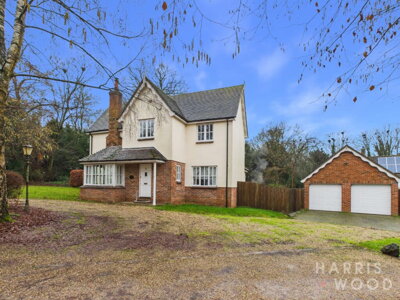
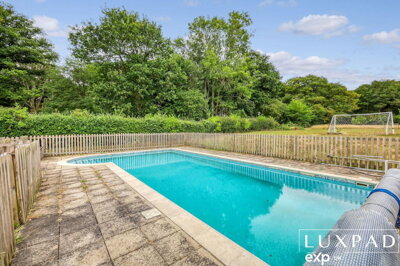
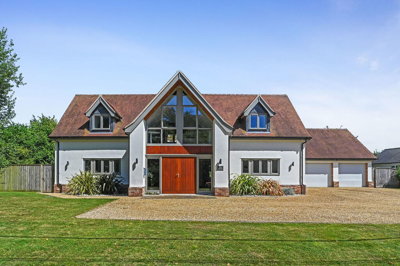
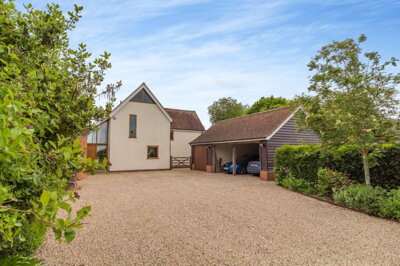
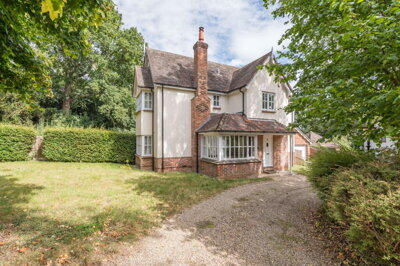
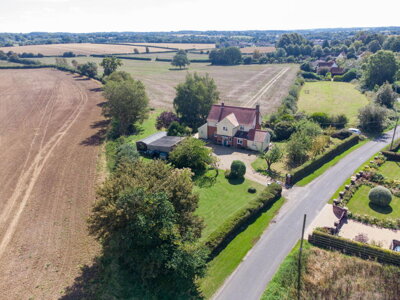
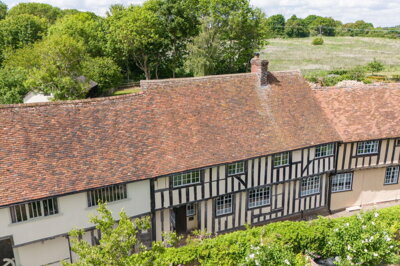
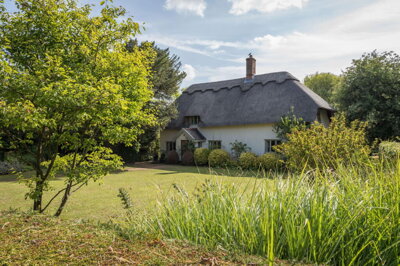
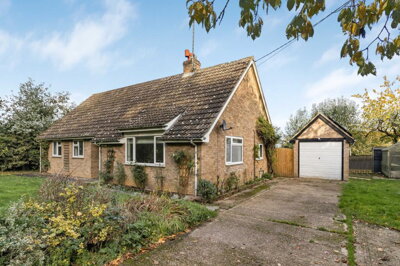
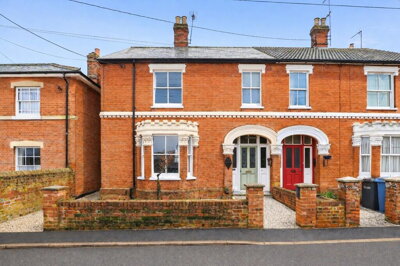
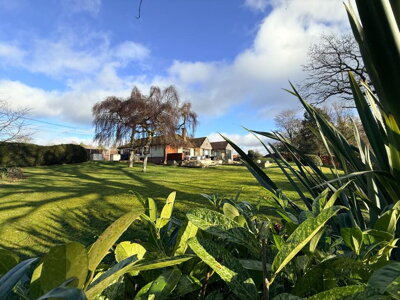
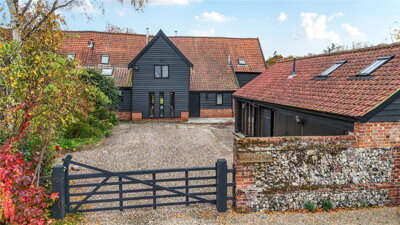
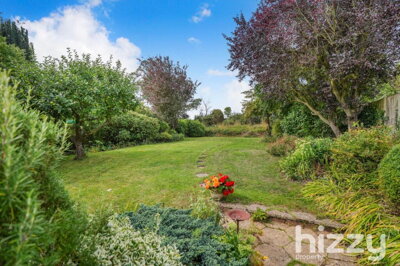
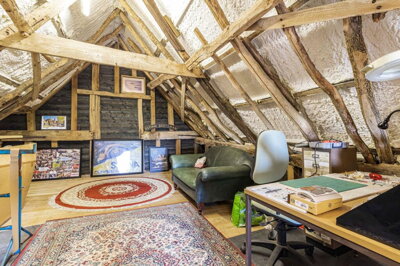
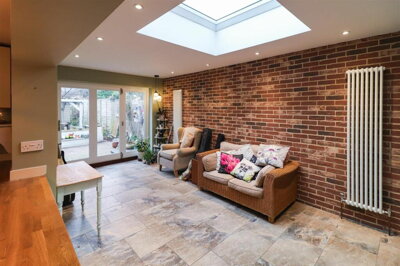
Browse 16 homes for sale in Kersey, Babergh from local estate agents.
The larger property sector typically features multiple bathrooms, substantial reception space, and private gardens or off-street parking. Four bedroom houses in Kersey span detached, semi-detached, and occasionally terraced configurations, with styles ranging from period properties to modern executive homes.
£975k
1
0
25
Source: home.co.uk
Showing 1 results for 4 Bedroom Houses for sale in Kersey, Babergh. The median asking price is £975,000.
Source: home.co.uk
Detached
1 listings
Avg £975,000
Source: home.co.uk
Source: home.co.uk
The Kersey property market presents an exceptional opportunity to own a piece of Suffolk history. Our current listings include detached period homes with an average price of around £840,000, reflecting the substantial character of these historic properties. Semi-detached homes average approximately £635,000, offering more accessible entry points into this prestigious village while still benefiting from Kersey's unique architectural heritage. The village's medieval housing stock, predominantly timber-framed construction dating from the 14th to 16th centuries, provides character that simply cannot be replicated in modern developments.
Recent market data shows varied price movements across the Kersey area, with Rightmove recording a 27% year-on-year increase while other platforms show more modest fluctuations. These variations reflect the limited transaction volumes typical of small villages, where individual high-value sales can significantly impact aggregate statistics. Suffolk county-wide, there were 9,700 property sales in the past twelve months, representing a 14.1% decrease from the previous year, indicating broader market adjustments that are influencing even premium villages like Kersey. New build development within the village itself remains absent, preserving Kersey's historic character for those seeking authentic period properties.
The village's location between Hadleigh and Bildeston places it within easy reach of local services while maintaining its rural character. For buyers considering a move to Kersey, the combination of limited housing supply, strong demand from those seeking historic properties, and the absence of new development creates a market where properties that do become available attract significant interest. Working with estate agents who understand the nuances of this specialist market can help buyers navigate the process and identify properties that match their requirements.

Life in Kersey offers an authentic taste of rural Suffolk that has captivated visitors and residents for centuries. The village's name is forever linked to the medieval Suffolk wool trade, specifically the renowned "Kersey cloth" that brought prosperity to the Brett Valley from the 12th century onwards. This historical wealth funded the construction of the village's remarkable collection of timber-framed houses and cottages, many dating from the 15th century, which remain largely unchanged today thanks to later centuries of economic decline that paradoxically preserved the village's architectural heritage. Walking through Kersey today, you will encounter buildings featuring the distinctive Suffolk pink-wash render, medieval pargetting decorative plasterwork, and traditional thatched roofs that create an unmistakable visual identity.
The village falls within two wider economic clusters, one centred on Hadleigh and another on Bildeston, providing residents with access to local services and employment opportunities in retail, services, and light industry. Community life in Kersey is supported by a local pub and the village hall, while more comprehensive shopping, healthcare, and banking facilities are available in nearby Hadleigh, approximately 4 miles away. The surrounding countryside offers extensive walking opportunities, with public footpaths crossing the rolling farmland of the Brett Valley. Local walkers particularly enjoy the routes along Kersey Brook and towards the village of Lindsey, taking in the stunning Suffolk countryside that defines this area.
A practical consideration for prospective residents is that 58% of households in Kersey rely on oil-fired heating, which is significantly higher than many comparable areas and should be factored into running costs when evaluating properties. The village's proximity to Hadleigh provides access to supermarkets, independent shops, and the twice-weekly market that has operated in the town for centuries. For those seeking additional amenities, the county town of Ipswich is approximately 14 miles away, offering comprehensive retail, cultural, and healthcare facilities. The village's position in the Brett Valley also provides easy access to the A14 trunk road, connecting residents to Cambridge, Felixstowe port, and the wider motorway network.

Families considering a move to Kersey will find educational options within reasonable driving distance, though the village itself does not contain a primary school. Primary education is available at several nearby settings, including Great Waldingfield Primary School serving the local area, Kettleburgh Primary School in the neighbouring village, and St Mary's Church of England Voluntary Controlled Primary School in Hadleigh. Parents should check specific catchment areas and admissions policies, as school places in popular rural villages can be competitive and admission criteria may differ from urban areas.
Secondary education options in the wider Babergh area include Hadleigh High School, which serves the primary town of the local cluster and has a strong reputation for academic achievement and extracurricular activities. Stour Valley Community School located in Clare provides another option for families in this direction, while several other secondary schools in the surrounding towns offer additional choices. For families seeking grammar school provision, the nearest options are in Colchester or Ipswich, requiring consideration of the associated travel arrangements and admissions criteria, which can be particularly demanding for daily school commutes from a rural village.
Sixth form provision is available at several secondary schools and colleges in surrounding towns, with Suffolk's further education colleges providing additional pathways for older students. Hadleigh Community Centre and nearby further education establishments offer adult learning opportunities that can be valuable for families considering career development or retraining. Prospective buyers with school-age children should contact Suffolk County Council's admissions team for the most current information on school places, catchment boundaries, and transport arrangements available to Kersey residents, as policies can change and rural areas sometimes have limited school transport options.
Kersey sits in the heart of the Suffolk countryside, approximately 12 miles north of Colchester and 14 miles from Ipswich, positioning it between two of the county's principal towns. The village is accessed via the A1141, which connects to the A1071 leading towards Hadleigh and Ipswich. For commuters, Colchester railway station provides regular services to London Liverpool Street, with journey times of approximately 50 minutes, making day commuting feasible for those working in the capital. Manningtree station, offering services on the same line towards London, is also within reasonable driving distance at approximately 15 miles.
Bus services connect Kersey with surrounding villages and towns, though rural bus frequencies mean that private vehicle ownership remains practically essential for most residents. The village's position offers reasonable access to the A14 trunk road, providing connections to Cambridge, Felixstowe port, and the wider motorway network. For those working locally, the market towns of Hadleigh and Sudbury provide employment opportunities in retail, services, and light industry. The A14 is particularly valuable for those travelling to Felixstowe port, one of the UK's largest container ports, for business purposes.
Cyclists will find the quiet country lanes of the Brett Valley enjoyable for recreational cycling, though the rolling Suffolk countryside can present physical challenges for less experienced riders. The National Cycle Network provides routes connecting to surrounding villages and towns, making it possible to explore the local area by bike. Parking within the village is generally adequate given the low traffic volumes, though the narrow historic lanes can pose difficulties for larger vehicles and those unaccustomed to rural Suffolk driving conditions. For international travel, Stansted Airport is approximately 45 miles away, offering flights to destinations across Europe and beyond.
Spend time exploring Kersey at different times of day and week to understand the community, traffic patterns, and local atmosphere. Visit nearby Hadleigh to assess practical amenities and speak with current residents about living in the Brett Valley. Given the village's flood risk profile, review the Environment Agency flood maps for any properties you are considering and factor this into your decision-making process. Understanding the local area thoroughly before committing to a purchase in a specialist market like Kersey is particularly important.
Obtain a mortgage agreement in principle before beginning property viewings, as this strengthens your position when making offers on desirable properties like those in Kersey. Given average property values exceeding £600,000, ensure your financial arrangements cover the full purchase price and associated costs including stamp duty, solicitor fees, and survey costs. First-time buyers should be aware that stamp duty relief applies up to £625,000 for properties purchased without previous ownership, which can significantly reduce the upfront costs of purchasing in Kersey.
Work with local estate agents who understand the Kersey market and can provide context on why properties are available and pricing trends. For the village's historic properties, consider attending viewings with awareness that medieval construction methods may result in features that differ from modern standards. Take detailed notes and photographs to help compare properties later, particularly given the village's varied architectural styles from different centuries. The village's two Grade I listed buildings and ten Grade II* listed buildings represent the highest heritage designations and may require additional considerations for potential buyers.
Given Kersey's predominantly medieval housing stock, a thorough survey is essential before purchasing. A RICS Level 2 Home Buyers Survey is appropriate for conventional properties in reasonable condition, though many Kersey homes may benefit from the more comprehensive RICS Level 3 Building Survey due to their age, timber-frame construction, and non-standard features. The village's flood risk history and shrink-swell clay subsidence susceptibility make professional surveys particularly valuable for identifying potential issues. Specialist surveyors with experience in historic buildings can provide insights that generic surveyors might miss.
Choose a solicitor experienced in rural Suffolk property transactions to handle the legal aspects of your purchase. They will conduct local authority searches with Babergh District Council, check for any planning restrictions affecting the property, and investigate rights of way or easements that may impact your enjoyment of the home. Given Kersey's Conservation Area status and the presence of 62 listed buildings, additional searches regarding planning constraints may be necessary. Properties with listed building status may have additional legal requirements that your solicitor should advise on.
Once all surveys, searches, and mortgage arrangements are satisfactory, your solicitor will exchange contracts with the vendor's legal team, at which point the transaction becomes legally binding. A typical completion period of 4-6 weeks follows exchange, after which you will receive the keys to your new Kersey home. On the day of completion, ensure you have buildings insurance in place, as this is typically required by mortgage lenders before funds are released. Consider arranging utilities transfers and change of address notifications well in advance of completion day.
Purchasing a property in Kersey requires careful attention to several factors specific to this historic village. Flood risk is a primary consideration, as Kersey faces significant threat from both fluvial flooding via Kersey Brook and the River Brett, and surface water flooding during heavy rainfall events. The devastating flooding from Storm Babet in October 2023, which internally flooded at least six properties, demonstrates the real impact this risk can have on homeowners. Prospective buyers should request flood history information from vendors, review Environment Agency data, and consider whether appropriate flood mitigation measures have been implemented for any property under consideration.
The village's clay soils present a shrink-swell subsidence risk that affects properties throughout the area, particularly older buildings with potentially shallow foundations. Signs of subsidence include cracking around doors and windows, uneven floors, and distorted door frames. The British Geological Survey identifies Kersey as being in an area with notable shrink-swell hazard, meaning that properties with trees nearby or those that experienced recent drought conditions may be particularly susceptible. A professional survey can identify whether any existing movement has been properly addressed or whether remedial work may be needed.
Given Kersey's Conservation Area status and the presence of 62 listed buildings, planning restrictions are significantly more extensive than in many locations. Any modifications to properties, including extensions, window replacements, or structural alterations, may require consent from Babergh District Council. These restrictions help preserve the village's character but must be understood before committing to a purchase. The two Grade I listed buildings in the village, including St Mary's Church and Numbers 1-4 Ancient Houses, represent the highest level of heritage protection, while the ten Grade II* listed buildings carry significant restrictions that affect what owners can and cannot do to their properties.
The predominant medieval timber-frame construction of Kersey's housing stock brings both charm and maintenance considerations. Traditional features such as wattle-and-daub infill panels, lime mortar pointing, and thatched roofing require specialist knowledge and ongoing maintenance. Properties may have outdated electrical systems, plumbing, and insulation that do not meet modern standards, necessitating careful budgeting for upgrades. The age of the housing stock means that rising damp, timber decay including wet rot and dry rot, and roof deterioration are more common issues than in newer properties, making professional surveys particularly valuable. Understanding the distinction between Grade I, Grade II*, and Grade II listed status is important, as more significant restrictions apply to higher-grade buildings.
Average house prices in Kersey currently range from approximately £635,000 to £737,500 depending on the data source consulted. Detached properties average around £840,000, while semi-detached homes command approximately £635,000. These figures reflect the premium associated with Kersey's exceptional collection of medieval properties and the village's sought-after position in the Brett Valley. The village's limited housing stock and strong demand from buyers seeking historic rural properties contribute to prices that are significantly above the Suffolk county average. Zoopla reports prices at £635,000 in the last twelve months, while Rightmove shows £737,500, with the variation reflecting different data aggregation methodologies.
Properties in Kersey fall under Babergh District Council's council tax banding, which ranges from Band A through to Band H depending on property value. Given the village's high property values and significant number of period homes, many properties will fall into the higher bands, typically Band E through Band H for substantial period properties. Prospective buyers should check specific properties on the Valuation Office Agency website to confirm the exact band and associated annual charges. Band D properties in Babergh currently pay approximately £1,900 to £2,000 annually, though this varies by band and the council may revise rates periodically.
Kersey itself does not have a primary school within the village boundaries, so families will need to factor in school transport arrangements when choosing a property. The nearest primary schools include Great Waldingfield Primary School, Kettleburgh Primary School, and St Mary's Church of England Primary School in nearby Hadleigh. For secondary education, Hadleigh High School serves the local area and is generally the most accessible option for Kersey families, with additional options including Stour Valley Community School in Clare. Families should verify current catchment areas with Suffolk County Council, as admissions policies can change and popularity means places can be competitive for rural villages.
Public transport options in Kersey are limited, consistent with its rural village location. Bus services connect the village with surrounding communities, though frequencies are low, making private vehicle ownership essential for most residents. Colchester railway station, approximately 12 miles away, provides regular services to London Liverpool Street with journey times of around 50 minutes. Manningtree station offers similar London services and is approximately 15 miles from Kersey. The village's position between Hadleigh and Bildeston means access to these local service centres is straightforward by car, and the A14 trunk road provides connections to Cambridge, Felixstowe, and the wider motorway network for those needing to travel further afield.
Kersey offers a compelling investment proposition for buyers seeking something beyond conventional property. The village's exceptional architectural heritage, with arguably the finest collection of medieval buildings in East Anglia, ensures its continued desirability among buyers who value authentic period character. Limited new development within the village preserves scarcity value, while the broader Suffolk property market has shown resilience despite national economic uncertainties. Properties requiring renovation may offer opportunities for value addition, though buyers should budget carefully for the specialist maintenance demands of medieval timber-framed buildings. The village's Conservation Area status and listed building concentrations provide some protection against undesirable development that might diminish character.
Stamp duty Land Tax rates for Kersey purchases in 2024-25 are 0% on the first £250,000 of property value, 5% on values between £250,001 and £925,000, 10% on values between £925,001 and £1.5 million, and 12% on values exceeding £1.5 million. First-time buyers benefit from relief on the first £425,000, with 5% applied between £425,001 and £625,000. Given average Kersey property prices around £635,000, a first-time buyer would pay approximately £10,500 in stamp duty, while existing homeowners would pay around £21,750 on a typical village property. Additional costs including solicitor fees, survey costs, and mortgage arrangement fees should be factored into the total budget for purchasing.
From 4.5%
Finance your Kersey property purchase with competitive mortgage rates
From £499
Expert legal services for your property purchase, including Conservation Area and listed building searches
From £400
Comprehensive survey for conventional properties in reasonable condition
From £600
Detailed structural survey recommended for medieval timber-framed properties
Budgeting for a property purchase in Kersey requires careful consideration of all associated costs beyond the purchase price itself. For a typical Kersey property valued at approximately £635,000, stamp duty Land Tax for existing homeowners amounts to around £21,750, calculated at 5% on the portion between £250,000 and £925,000. First-time buyers benefiting from relief would pay approximately £10,500, as the threshold extends to £425,000 with 5% applied up to £625,000. These figures represent a significant budget item that must be accounted for alongside deposit and mortgage arrangement fees.
Professional survey costs are an essential investment when purchasing any property, but particularly so in Kersey given the age and construction of the housing stock. A RICS Level 2 Home Buyers Survey typically costs between £400 and £600 for a standard property in the area, rising to £600 or more for larger homes with four or five bedrooms. Given that many Kersey properties are medieval timber-framed buildings with non-standard construction, buyers should consider whether a more comprehensive RICS Level 3 Building Survey would be more appropriate, potentially costing £700 or more depending on property size and complexity. The extra cost of a Level 3 survey is often worthwhile for historic properties where standard assessments may miss specialist issues.
Solicitors' fees for conveyancing typically start from around £500 to £800 for standard transactions, though Kersey purchases may involve additional work due to Conservation Area and listed building considerations. Search fees with Babergh District Council, drainage and water authority searches, and Land Registry fees typically add several hundred pounds to legal costs. Buildings insurance must be arranged from the point of contract exchange, and life insurance and buildings combined policies are available from various providers. Mortgage arrangement fees, valuation fees, and broker charges should also be factored in, with total buying costs for a £635,000 property typically ranging from £30,000 to £40,000 when stamp duty, legal fees, surveys, and associated charges are all included.
Properties for Sale In London

Properties for Sale In Plymouth

Properties for Sale In Liverpool

Properties for Sale In Glasgow

Properties for Sale In Sheffield

Properties for Sale In Edinburgh

Properties for Sale In Coventry

Properties for Sale In Bradford

Properties for Sale In Manchester

Properties for Sale In Birmingham

Properties for Sale In Bristol

Properties for Sale In Oxford

Properties for Sale In Leicester

Properties for Sale In Newcastle

Properties for Sale In Leeds

Properties for Sale In Southampton

Properties for Sale In Cardiff

Properties for Sale In Nottingham

Properties for Sale In Norwich

Properties for Sale In Brighton

Properties for Sale In Derby

Properties for Sale In Portsmouth

Properties for Sale In Northampton

Properties for Sale In Milton Keynes

Properties for Sale In Bournemouth

Properties for Sale In Bolton

Properties for Sale In Swansea

Properties for Sale In Swindon

Properties for Sale In Peterborough

Properties for Sale In Wolverhampton

Enter your details to see if this property is within your budget.
Loans, cards, car finance
Estimated property budget
Borrowing + deposit
You could borrow between
Typical borrowing
Monthly repayment
Est. at 4.5%
Loan-to-value
This is an estimate only. Your actual budget may vary depending on interest rates, credit history, and personal circumstances. For an accurate affordability assessment, speak to one of our free mortgage advisors.
This calculator provides estimates for illustrative purposes only and does not constitute financial advice. Your home may be repossessed if you do not keep up repayments on your mortgage. Estimates based on 4.5% interest rate, repayment mortgage. Actual rates depend on your circumstances.
Homemove is a trading name of HM Haus Group Ltd (Company No. 13873779, registered in England & Wales). Homemove Mortgages Ltd (Company No. 15947693) is an Appointed Representative of TMG Direct Limited, trading as TMG Mortgage Network, which is authorised and regulated by the Financial Conduct Authority (FRN 786245). Homemove Mortgages Ltd is entered on the FCA Register as an Appointed Representative (FRN 1022429). You can check registrations at NewRegister or by calling 0800 111 6768.

We use cookies to show you personalised content and improve your experience of our website. Find out more in our Privacy policy and Cookie policy.