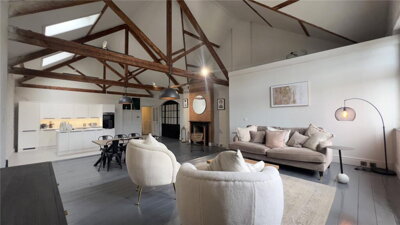
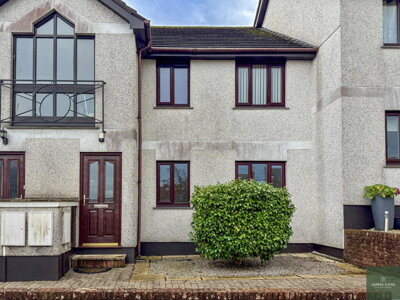
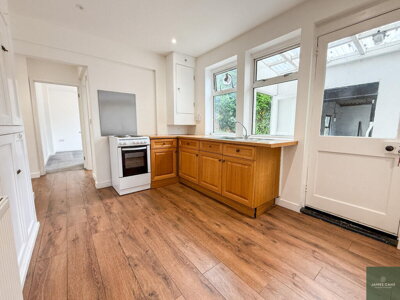
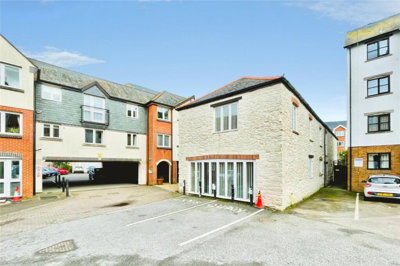
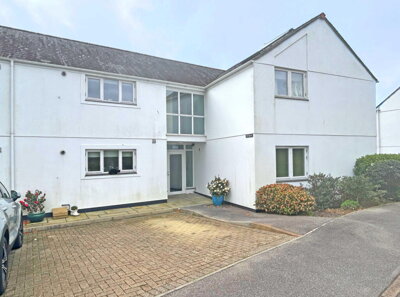
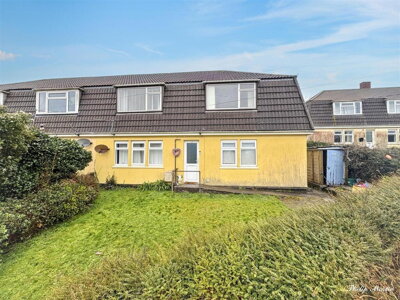
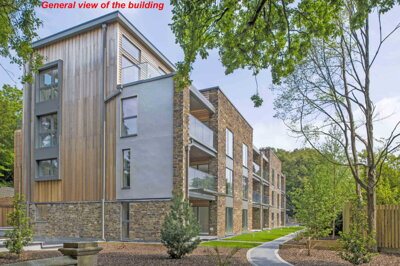
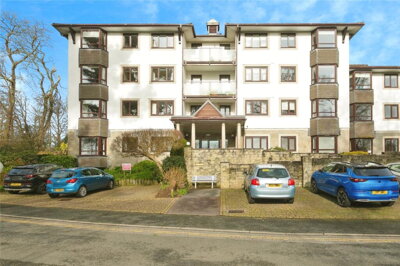
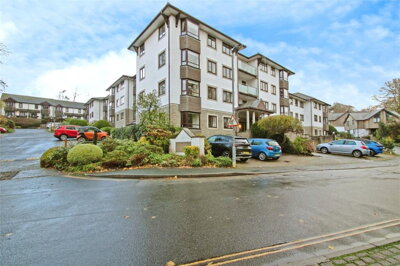
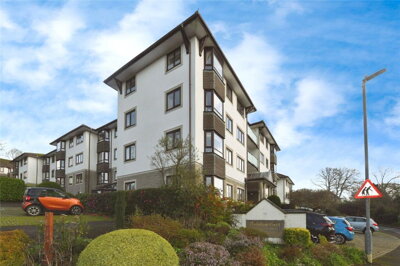
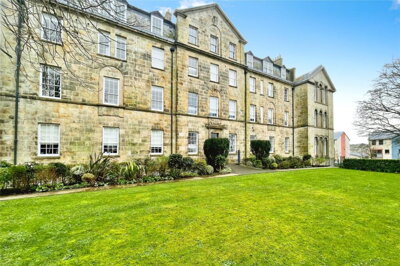
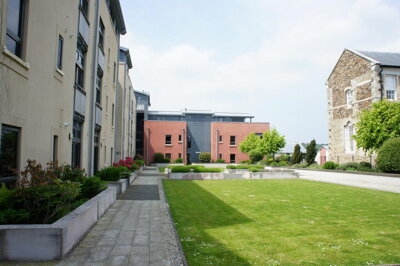
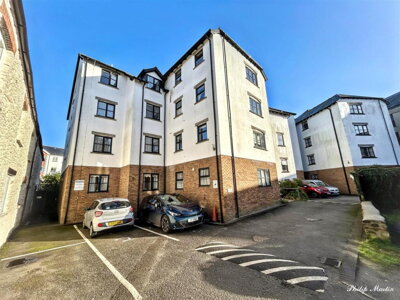
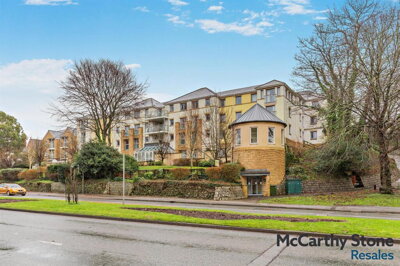
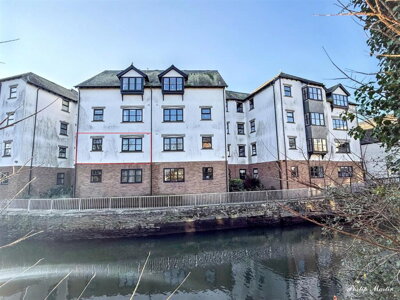
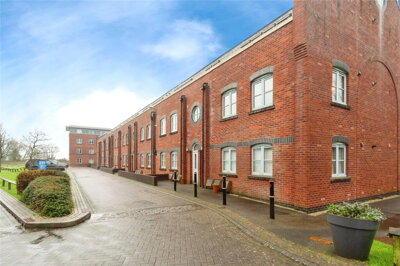
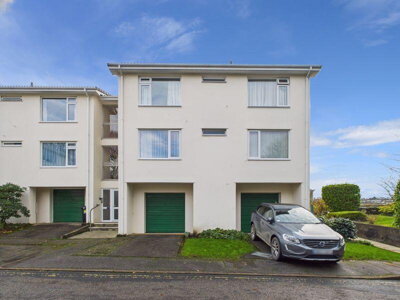
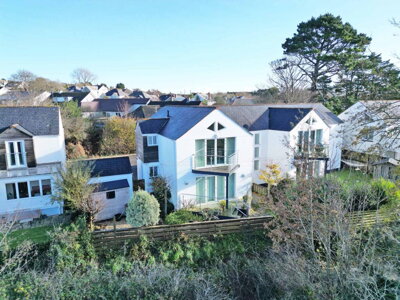
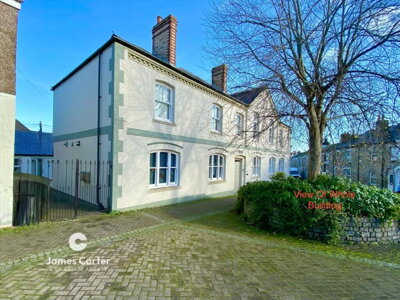
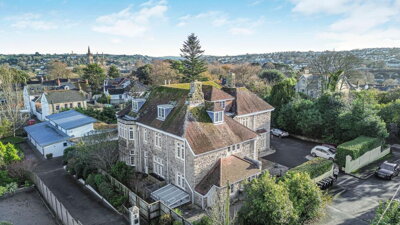
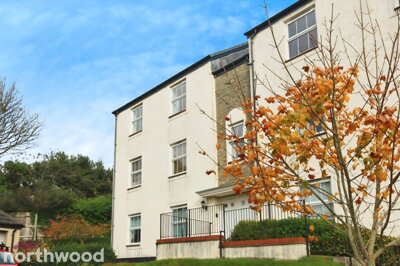
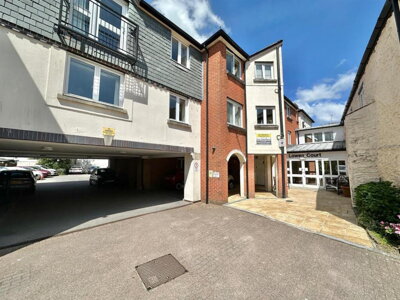
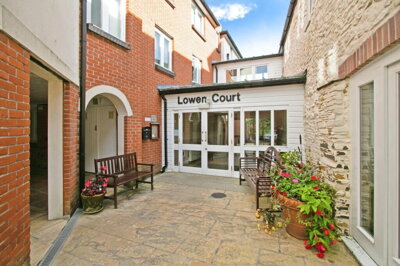
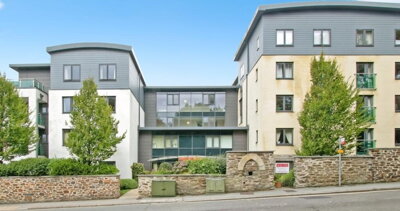
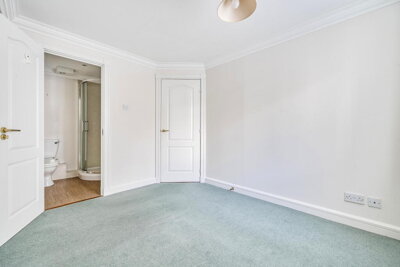
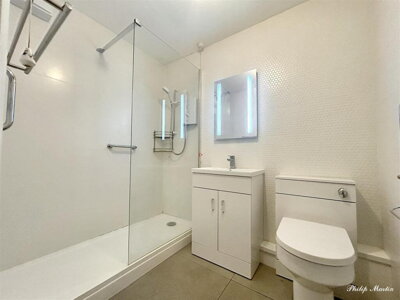
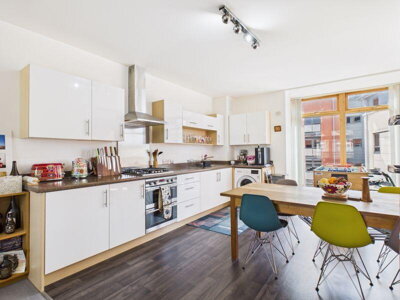
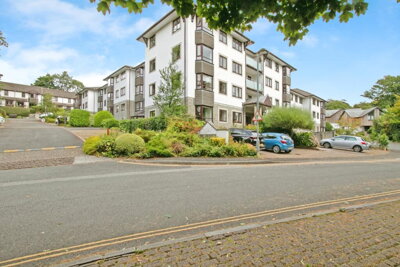
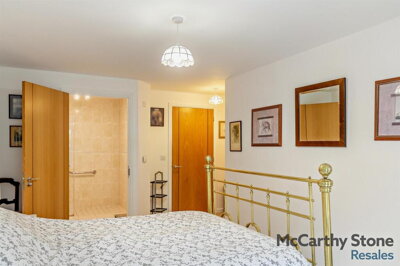
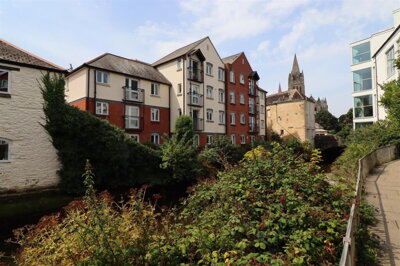
Browse 48 homes for sale in Kenwyn, Cornwall from local estate agents.
The 2 bed flat sector typically includes two separate bedrooms, dedicated living areas, and bathroom facilities. Properties in Kenwyn span purpose-built blocks, converted period houses, and modern apartment complexes on various floors.
£182k
1
0
135
Source: home.co.uk
Showing 1 results for 2 Bedroom Flats for sale in Kenwyn, Cornwall. The median asking price is £182,250.
Source: home.co.uk
Flat
1 listings
Avg £182,250
Source: home.co.uk
Source: home.co.uk
The Coton in the Elms property market has experienced notable price adjustments over the past year, with average house prices falling approximately 33.2% compared to the previous twelve months. The current average price of £264,500 represents a 22% reduction from the 2022 peak of £339,851, creating potential opportunities for buyers who are looking to enter the market at a more accessible price point. These price corrections have brought detached properties within reach at around £281,167 and semi-detached homes at approximately £252,000 on average. Recent sales data shows properties on Elms Road achieving values between £240,750 and £330,000 depending on size, condition, and specific location within the village.
Property types available in the village include detached houses with four bedrooms, which represent the most common listing type in the DE12 area. Semi-detached properties form the majority of recent sales, while terraced houses and flats are also available although they appear less frequently in listings. The village's housing stock includes a mix of periods and styles, with older properties featuring traditional construction methods such as timber-framed cores encased in red brick with tile roofs, reflecting the agricultural and mining heritage of the area.
New build activity within Coton in the Elms itself is limited, with no major developments currently underway in the village. However, buyers seeking brand new homes can explore nearby developments in Burton-on-Trent and Swadlincote, where schemes such as Springwood by Bellway offer properties ranging from £204,950 to £357,500. Branston Leas by St Modwen Homes in Burton upon Trent provides additional options priced between £230,000 and £400,000. A potential development site on Mill Street has been identified for residential use, though no developer interest has materialised at present.
Life in Coton in the Elms revolves around community spirit and the village's rich historical heritage. The village contains three Grade II listed buildings that showcase its architectural legacy, including The Old School House with its 16th or 17th century timber-framed core, Manor Farmhouse dating from the early 18th century, and the Church of St Mary constructed between 1844 and 1847. The Queen's Head Inn, a public house dating back to the 17th century, provides a traditional setting for locals to gather, while the village hall serves as a focal point for community events and activities.
The village has evolved from its mining and agricultural roots, with former coal mines to the north-east of the village reflected in local road names such as Coalpit Lane. Today, the community serves largely as a commuter base for residents who work in the surrounding towns of Burton-on-Trent, Swadlincote, and Tamworth. The presence of the Pestlebrook watercourse adds to the rural character of the area and forms part of the local landscape. This blend of historical character and modern practicality makes Coton in the Elms an appealing choice for buyers who want to escape the busier town centres while remaining connected to employment opportunities.
Local amenities include a primary school serving families with young children, while the village hall hosts various community groups and events throughout the year. The presence of traditional public houses provides social venues within walking distance of most properties. For shopping and leisure, residents typically travel to nearby towns, though the village's position in South Derbyshire provides good access to a range of amenities across the region.
Properties in Coton in the Elms reflect the building traditions of South Derbyshire, with construction methods that have evolved over several centuries. The village's oldest buildings, including The Old School House and Manor Farmhouse, demonstrate traditional timber-framed construction with red brick encasing and clay tile roofing. These historic building methods remain visible throughout the village's older housing stock, with Georgian and Victorian brick-built properties adding to the architectural variety. The Church of St Mary, constructed between 1844 and 1847 in local stone, represents later Victorian building techniques that incorporated more durable materials.
Understanding local construction types is essential when evaluating properties in Coton in the Elms. Timber-framed buildings require specialist knowledge to assess properly, as the structural timber may be partially hidden within brick cladding. Traditional red brick construction with lime-based mortars can be susceptible to frost damage and may require repointing over time. Clay tile roofs, while durable, often require individual tile replacement rather than whole-roof renewal. Properties built before modern building regulations may have different insulation standards and electrical systems that require updating.
Education provision in Coton in the Elms centres on the village primary school, which serves families with children of reception age through to Year 6. For secondary education, pupils typically attend schools in the surrounding towns, with several options available within reasonable travelling distance. Parents buying property in Coton in the Elms should research specific catchment areas and admission arrangements for their preferred secondary schools, as these can significantly influence educational outcomes for children. Schools in nearby Burton-on-Trent and Swadlincote offer diverse options including grammar school provision for academically selective pupils.
The village's historic school building, The Old School House, dates from the 16th or 17th century and stands as testament to the long-standing importance of education in this community. While specific Ofsted ratings for local schools should be verified through official channels, the village has historically maintained reasonable educational provision for its resident families. Secondary school options in nearby towns offer a broader range of choices including specialist subjects and extracurricular programmes not available at smaller primary schools.
For families considering further education, the proximity to larger towns provides access to further education colleges and sixth form provision. The nearby cities of Derby and Nottingham offer universities and a full range of higher education options within reasonable commuting distance. This educational pathway from primary through to higher education makes Coton in the Elms a practical base for families at various stages of their children's development.
Transport connectivity from Coton in the Elms relies primarily on road networks, with the village positioned to take advantage of connections to surrounding towns and cities. The village lies within easy reach of the A38 dual carriageway, which provides direct routes to Derby to the north and Burton-on-Trent to the south. Access to the M42 motorway is available via the A444, connecting residents to Birmingham and the wider motorway network for those who need to commute further afield. The road network makes daily commuting to major employment centres feasible for those working in regional centres.
Bus services operate in the area, connecting Coton in the Elms with nearby towns and villages, though the frequency of services means that residents without private vehicles should carefully consider timetables before purchasing property here. For air travel, East Midlands Airport is located approximately 21.6 miles away, providing international connections and domestic flights. The village's position away from major airports means it avoids associated noise pollution while remaining accessible when travel is required.
Railway access is available at nearby stations in Burton-on-Trent and Tamworth, which offer regular services to major cities including Birmingham, Derby, Nottingham, and London via East Midlands Railway and CrossCountry services. The journey times from these stations make day commuting feasible for those working in regional centres. For cyclists, the rural road network offers quieter routes for local travel, though longer-distance cycling requires careful route planning. Parking provision within the village itself is generally adequate for residents, reflecting its semi-rural character.
Before viewing properties in Coton in the Elms, obtain a mortgage agreement in principle from a lender. This strengthens your position when making offers and demonstrates to sellers that you have financing secured. Use Homemove's mortgage comparison tools to explore rates and find the most suitable product for your circumstances.
Spend time exploring Coton in the Elms at different times of day and week. Visit the local amenities, check commute times to your workplace, and speak to existing residents about village life. Understanding the local property market trends, including the 33% price reduction over the past year, will help you negotiate confidently on your purchase.
View multiple properties in the village to compare condition, character, and value. Given the mix of older properties including listed buildings, pay attention to construction type, potential maintenance needs, and any planning restrictions that may apply to heritage properties. Take notes and photographs to help compare properties after viewings.
Before completing your purchase, arrange a RICS Level 2 Survey to assess the condition of the property. Given the age of many properties in Coton in the Elms, with buildings dating from the 16th century onwards, a thorough survey is essential to identify any structural concerns, potential defects, or needed repairs before you commit to the purchase.
Choose a conveyancing solicitor to handle the legal aspects of your purchase. They will conduct searches, review contracts, and coordinate with the Land Registry to transfer ownership. Homemove offers conveyancing services with competitive fixed fees for buyers in South Derbyshire.
Once all searches are satisfactory and finances are confirmed, you will exchange contracts and pay your deposit. Completion typically follows within days or weeks, at which point you will receive the keys to your new home in Coton in the Elms.
Properties in Coton in the Elms include a significant proportion of older homes, with buildings dating from the 16th, 17th, 18th, and 19th centuries present in the village. When viewing older properties, pay particular attention to the condition of timber-framed elements, brickwork pointing, and roof coverings. Traditional construction using red brick with tile roofs requires ongoing maintenance, and previous owners may have carried out modernisation work that should be verified through documentation and survey reports.
The presence of historical mining activity in the area, particularly to the north-east of the village near Coalpit Lane, means that buyers should consider the potential for ground stability issues. While specific subsidence claims are not widely documented, a RICS Level 2 Survey will assess structural integrity and flag any concerns related to ground conditions. Properties in mining areas may have specific insurance considerations that should be discussed with your solicitor and mortgage lender. The proximity to the Pestlebrook watercourse also warrants attention during property surveys.
Conservation considerations apply to the three Grade II listed buildings in the village, and buyers purchasing similar heritage properties should understand that listed building consent may be required for certain alterations. The village lacks a designated conservation area, which provides some flexibility, but planning restrictions still apply to properties near listed buildings and in areas of historic character. Your solicitor should conduct a local authority search to identify any planning constraints or proposed developments that might affect the property.
Service charges and leasehold arrangements should be verified for any flat or apartment purchases, even though these property types are less common in Coton in the Elms. For freehold houses, verify boundaries, rights of way, and any shared maintenance responsibilities with neighbours. The village's rural setting means that factors such as septic tank maintenance, oil heating systems, and broadband connectivity should be investigated before committing to a purchase.
A RICS Level 2 Survey provides valuable protection for buyers considering properties in Coton in the Elms, where the housing stock includes numerous older buildings with traditional construction methods. Our inspectors assess timber-framed elements, traditional brickwork, tile roofs, and other features specific to historic South Derbyshire properties. The survey identifies defects that might not be visible during a standard viewing, allowing you to budget for necessary repairs or negotiate with the seller before completing your purchase.
Older properties in the village often present issues related to their age and construction type. Timber-framed buildings require specialist assessment to evaluate structural condition, while traditional brickwork may show signs of deterioration in pointing or moisture penetration. Roof conditions in tile-covered properties warrant close inspection, as individual tile damage or structural movement can lead to water ingress. A thorough survey addresses these common issues and provides documented evidence of property condition.
The potential for ground stability concerns related to historical mining activity in the area makes professional assessment particularly valuable. While not all properties will be affected, a RICS Level 2 Survey will identify any signs of movement, cracking, or other indicators that warrant further investigation. This professional evaluation gives you confidence in your purchase decision and protects your investment against unexpected repair costs.
The current average house price in Coton in the Elms stands at £264,500 based on sales over the last twelve months. Detached properties average £281,167 while semi-detached homes are priced around £252,000. Prices have fallen approximately 33% over the past year and are 22% below the 2022 peak of £339,851, creating potential opportunities for buyers entering the market at a more accessible price point. Recent transactions on Elms Road have ranged from £240,750 to £330,000, reflecting the variety of property types and conditions available.
Properties in Coton in the Elms fall under South Derbyshire District Council for council tax purposes. Bands range from A through to H depending on property value and size, with most village properties likely falling in the lower to middle bands given the average property values. Specific bands should be verified through the Valuation Office Agency or on the South Derbyshire council website, as these affect the annual council tax payable and should be factored into overall running costs when budgeting for a home purchase.
Coton in the Elms has a primary school serving the village and surrounding area for children from reception through to Year 6. For secondary education, families typically consider schools in nearby Burton-on-Trent, Swadlincote, or Tamworth, with several options available within reasonable travelling distance. Parents should research specific school catchments, admission criteria, and current Ofsted ratings for both primary and secondary options, as these can significantly impact educational provision and property desirability in particular areas. Grammar schools in the region provide additional options for academically selective pupils.
Public transport options from Coton in the Elms are limited, with bus services connecting the village to nearby towns but with frequencies that require careful planning for daily commuting. The nearest railway stations are in Burton-on-Trent and Tamworth, offering East Midlands Railway and CrossCountry services to Birmingham, Derby, Nottingham, and London. Most residents rely on private vehicles for daily travel, making adequate parking and vehicle storage important property considerations when purchasing in the village.
Coton in the Elms offers potential for buyers seeking affordable property in a characterful South Derbyshire village with good road connections to major employment centres in Burton-on-Trent, Swadlincote, and Tamworth. The recent price correction has brought values to levels not seen since before 2022, potentially making this an attractive entry point for first-time buyers or those looking to upsize. The village's limited new build supply and stable commuter population provide baseline demand, though property values will depend on local economic conditions and any transport improvements in the wider region.
Stamp duty rates for England from April 2025 apply no SDLT on the first £250,000 of residential property value. The rate then rises to 5% on values between £250,001 and £925,000, 10% on the next slice up to £1.5 million, and 12% on any value above that. First-time buyers benefit from relief on the first £425,000, with 5% applying between £425,001 and £625,000. For a typical property priced at the village average of £264,500, standard rate buyers would pay SDLT of £725, while first-time buyers would pay nothing under the current thresholds.
Beyond the property purchase price, buyers in Coton in the Elms should budget for several additional costs including stamp duty, solicitor fees, survey charges, and moving expenses. For a typical home priced at the village average of £264,500, standard rate buyers would pay SDLT of £725, calculated at 5% on the £14,500 portion above the £250,000 threshold. First-time buyers would pay no stamp duty on the first £425,000, meaning this purchase would be entirely SDLT-free for those eligible under current rates.
Survey costs represent an important investment given the age of many properties in Coton in the Elms. A RICS Level 2 Survey typically costs between £400 and £800 depending on property size and value, with the national average around £455. For the average £264,500 property in the village, expect to pay approximately £450 to £550 for a comprehensive survey that identifies structural issues, damp, roof condition, and any concerns related to the property's construction type. Older and listed properties may require a more detailed RICS Level 3 Survey, which carries higher costs due to the additional time and specialist expertise required.
Solicitor conveyancing fees for buying a property in South Derbyshire typically range from £500 to £1,500 depending on complexity and whether the property is freehold or leasehold. Additional costs include local authority searches (approximately £250 to £350), Land Registry fees (currently around £300 to £500 depending on property value), and electronic money transfer charges. Factor in mortgage arrangement fees if applicable, and remember that buildings insurance must be in place from exchange of contracts. Moving costs, decorator and surveyor fees for any post-purchase work, and connection charges for utilities complete the picture of total purchase costs.
Properties for Sale In London

Properties for Sale In Plymouth

Properties for Sale In Liverpool

Properties for Sale In Glasgow

Properties for Sale In Sheffield

Properties for Sale In Edinburgh

Properties for Sale In Coventry

Properties for Sale In Bradford

Properties for Sale In Manchester

Properties for Sale In Birmingham

Properties for Sale In Bristol

Properties for Sale In Oxford

Properties for Sale In Leicester

Properties for Sale In Newcastle

Properties for Sale In Leeds

Properties for Sale In Southampton

Properties for Sale In Cardiff

Properties for Sale In Nottingham

Properties for Sale In Norwich

Properties for Sale In Brighton

Properties for Sale In Derby

Properties for Sale In Portsmouth

Properties for Sale In Northampton

Properties for Sale In Milton Keynes

Properties for Sale In Bournemouth

Properties for Sale In Bolton

Properties for Sale In Swansea

Properties for Sale In Swindon

Properties for Sale In Peterborough

Properties for Sale In Wolverhampton

Enter your details to see if this property is within your budget.
Loans, cards, car finance
Estimated property budget
Borrowing + deposit
You could borrow between
Typical borrowing
Monthly repayment
Est. at 4.5%
Loan-to-value
This is an estimate only. Your actual budget may vary depending on interest rates, credit history, and personal circumstances. For an accurate affordability assessment, speak to one of our free mortgage advisors.
This calculator provides estimates for illustrative purposes only and does not constitute financial advice. Your home may be repossessed if you do not keep up repayments on your mortgage. Estimates based on 4.5% interest rate, repayment mortgage. Actual rates depend on your circumstances.
Homemove is a trading name of HM Haus Group Ltd (Company No. 13873779, registered in England & Wales). Homemove Mortgages Ltd (Company No. 15947693) is an Appointed Representative of TMG Direct Limited, trading as TMG Mortgage Network, which is authorised and regulated by the Financial Conduct Authority (FRN 786245). Homemove Mortgages Ltd is entered on the FCA Register as an Appointed Representative (FRN 1022429). You can check registrations at NewRegister or by calling 0800 111 6768.

We use cookies to show you personalised content and improve your experience of our website. Find out more in our Privacy policy and Cookie policy.