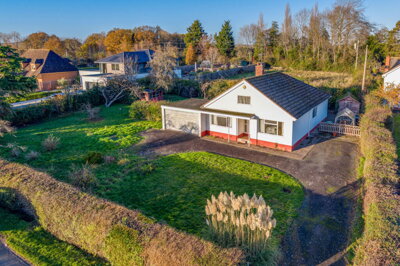
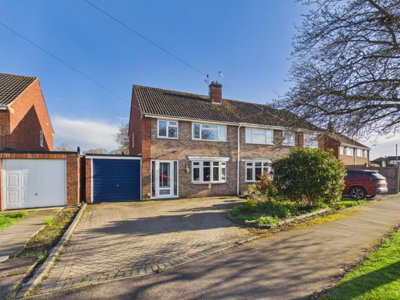
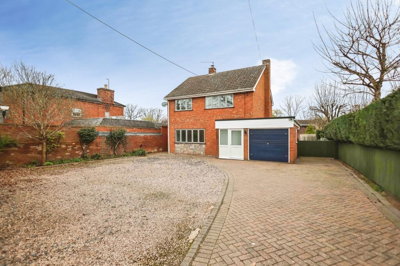
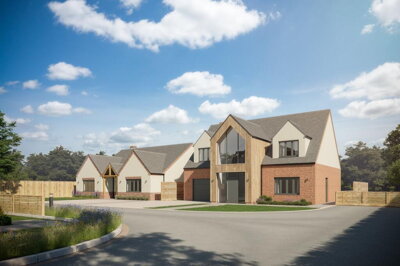
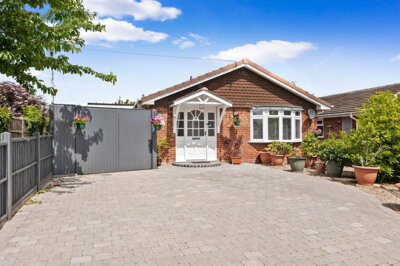
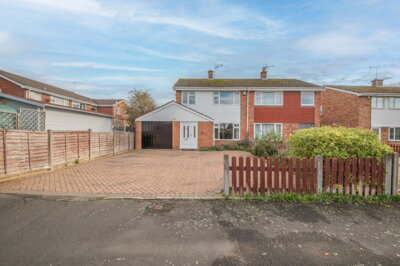
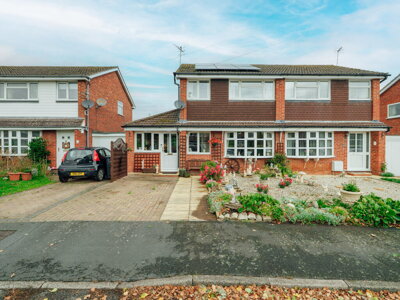
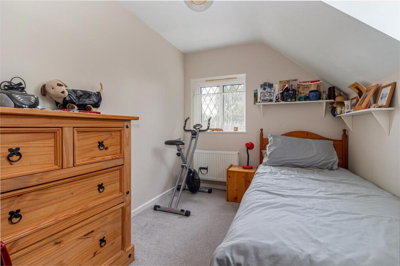
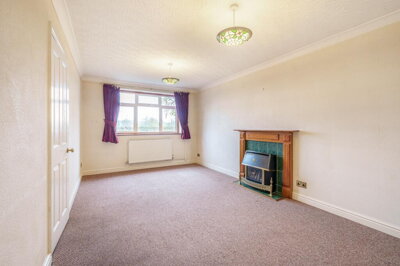
Browse 9 homes for sale in Kenswick, Malvern Hills from local estate agents.
Three bedroom properties represent a significant portion of the Kenswick housing market, offering space for families with multiple reception rooms and gardens in many cases. Browse detached, semi-detached, and terraced options ranging from period character homes to contemporary developments.
£0k
0
0
0
Source: home.co.uk
Showing 0 results for 3 Bedroom Houses for sale in Kenswick, Malvern Hills.
The Kenswick property market has demonstrated remarkable resilience, with village-specific prices rising 10% over the past year, reaching an average of £488,865. This growth positions Kenswick favourably against broader trends in the WR6 postcode district, where properties have experienced a modest decline of -1.97% over the same period and -9.13% over five years. The wider district, encompassing surrounding villages and rural areas, saw 113 residential sales in the last twelve months, with the majority of transactions falling within the £338,000 to £436,000 price bracket. For buyers seeking Kenswick specifically, the market offers a diverse range of property types reflecting the village's rich architectural heritage.
Kenswick's housing stock comprises an attractive mix of historic and contemporary properties. The village centre features distinguished period homes including Kenswick Manor, a medieval manor house, alongside The Kedges, a former farmhouse, and Kenswick Mill with its associated traditional barns. These heritage properties represent a significant proportion of the local housing stock and command premium prices due to their character and historical significance. Modern housing developments at Pig Bridge and the former Manor of Woodhall provide alternatives for buyers seeking newer construction with contemporary amenities, typically offering larger rooms, energy-efficient systems, and low-maintenance gardens.
The WR6 postcode district encompasses several larger villages and small towns beyond Kenswick, including Martley, Great Witley, and other rural communities. This broader context provides additional context for the Kenswick property market, where limited availability and strong demand create competitive conditions when properties do come to market. The predominance of detached and semi-detached homes in the area reflects the rural character of the district, with terraced properties and apartments representing a smaller proportion of overall housing stock compared to urban centres.

Life in Kenswick revolves around its distinctive rural character and strong sense of community. The village sits at the confluence of Laugherne Brook and Fitcher Brook, creating a landscape of low-lying agricultural fields and woodlands that have shaped local life for centuries. As an agriculturally focused community, Kenswick maintains extensive farmland and countryside walks, making it ideal for families, professionals seeking space, and retirees looking to escape the hustle of larger towns. The village's small population of approximately 95 residents fosters genuine neighbourly connections, with community events and local traditions forming an integral part of daily life.
Residents of Kenswick enjoy practical access to essential services through nearby Worcester, which lies just 4 miles to the southeast. The city provides comprehensive healthcare facilities including Worcestershire Royal Hospital, major supermarkets, independent shops, and a vibrant dining scene. For everyday needs, the surrounding area offers village pubs, local farm shops, and garden centres. The Kenswick area is entirely off-grid for energy provision, meaning properties rely on oil, LPG, or renewable sources rather than mains gas, a characteristic that influences both property character and utility costs for prospective buyers.
The civil parish of Kenswick and Wichenford supports an economically active population, with 73% of working-age residents engaged in employment. Many residents commute to Worcester or further afield for work, benefiting from the village's position while enjoying countryside living. The close-knit community means residents often know their neighbours by name, creating an atmosphere that contrasts sharply with urban living. Local traditions, seasonal events, and village gatherings provide regular opportunities for social connection, though the small population also means residents frequently connect with neighbouring villages like Wichenford for social activities and shared amenities.
Families considering a move to Kenswick will find educational provision primarily centred in the nearby city of Worcester, approximately 4 miles away. Primary education is available through several well-regarded schools in surrounding villages and the city outskirts, including establishments in Claines, St. Peters, and the wider WR6 district. These schools serve the Kenswick community with Reception through Year 6 programmes, with many offering strong reputations for pastoral care and academic achievement. Parents should verify current catchment areas and admissions criteria with Worcestershire County Council, as school places can be competitive in popular locations.
Secondary education in the area includes comprehensive schools and academy options in Worcester, with several institutions offering sixth-form provision for students continuing their education beyond GCSE. The city hosts notable secondary schools with strong examination results and extracurricular programmes. For families prioritising independent education, Worcester also offers private school options at both primary and secondary levels. Given Kenswick's small population and rural setting, home-to-school transport arrangements are common, with many families factored transport distances into their school selection process.
Transport to schools from Kenswick requires consideration given the village's rural location. Primary school pupils typically travel by car or organised bus services, with journey times varying based on school catchment areas and traffic conditions. Secondary school students often use dedicated school transport services or are driven by parents, particularly during early morning and afternoon hours. Families moving to Kenswick should factor school transport logistics into their decision-making, alongside academic reputation and extracurricular offerings when evaluating educational options.
Transport connectivity defines the Kenswick lifestyle, balancing rural seclusion with practical access to major cities. The village sits approximately 4 miles from Worcester, where Shrub Hill Station provides regular rail services to Birmingham New Street (journey time approximately 45-60 minutes) and London Paddington via Worcester Foregate Street (approximately 2 hours 15 minutes). For commuters working in Birmingham, the M5 motorway provides direct access from the nearby A4440 southern bypass, making the city accessible by car in under an hour. This connectivity makes Kenswick attractive to professionals who require access to larger employment centres while maintaining countryside living.
Public transport options within Kenswick itself are limited, reflecting its small village character. Bus services connect the village to Worcester and surrounding communities at intervals, though many residents consider car ownership essential for daily practicality. The village's position within Worcestershire's rural landscape means cycling infrastructure varies, with country lanes popular among recreational cyclists but requiring caution given narrow roads and agricultural vehicles. For air travel, Birmingham Airport lies approximately 45 minutes north via the M5 and M42, providing international connections. Parking provision in Kenswick is generally ample given the low-density residential nature of the village, with most properties offering off-street parking.
The A4440 Worcester southern bypass provides key road connectivity for Kenswick residents, linking the village to the wider motorway network without requiring direct travel through Worcester city centre. This bypass connects to the M5 at Junction 7, facilitating straightforward access to Birmingham, Bristol, and the wider motorway network. For daily commuting, the road infrastructure generally copes well with traffic volumes, though peak hour congestion can occur during school holidays and local events. Residents working in Worcester city centre benefit from the A38 and other routes that avoid the most congested areas.
Spend time exploring the village at different times of day, visiting local amenities in Worcester, and understanding the community atmosphere. Kenswick's rural character and proximity to the city make it essential to understand both the peaceful village setting and practical access to services. Visit local pubs, walk the countryside paths, and speak with residents to gauge whether the village lifestyle matches your expectations before committing to a purchase.
Contact lenders or mortgage brokers to obtain an Agreement in Principle before viewing properties. This strengthens your position when making offers and demonstrates your financial readiness. Average property prices in Kenswick range from £287,700 for terraced homes to £537,576 for detached properties, so understanding your borrowing capacity is crucial. Comparing deals from multiple lenders or using a mortgage broker can help secure competitive rates.
View multiple properties across different price points to understand what your budget buys in Kenswick. Consider the age of properties, their energy efficiency (remembering most are off-grid for gas), and potential maintenance requirements. A RICS Level 2 Survey is particularly important for the village's historic properties, helping identify any issues before you commit to a purchase.
Once you find your ideal home, submit a competitive offer through the estate agent. Instruct a conveyancing solicitor experienced with Worcestershire properties to handle the legal process, including local searches and any specific considerations for rural properties. The solicitor will manage all correspondence and ensure all documentation is in order.
Your solicitor will conduct local authority searches, drainage checks, and environmental searches. For Kenswick properties near waterways, flood risk assessments are particularly important. Consider a RICS Level 2 Survey (costs typically between £450 and £700 in the Worcester area) to identify any property defects before commitment. These reports can reveal issues that a standard mortgage valuation would miss.
Once all searches are satisfactory and your mortgage is approved, you will exchange contracts and pay your deposit. Completion typically follows within 2-4 weeks, after which you will receive your keys and can begin moving into your new Kenswick home. Your solicitor will coordinate the final arrangements and notify all parties of the completion date.
Purchasing property in Kenswick requires attention to specific local factors that distinguish this rural Worcestershire village. Flood risk awareness is paramount given the village's position at the confluence of Laugherne Brook and Fitcher Brook. Prospective buyers should request flood risk reports, verify property flood history, and consider the elevation and drainage characteristics of any specific plot. Properties near waterways may face higher insurance premiums, so obtaining buildings insurance quotes before completing is advisable. The presence of brooks and low-lying land means thorough drainage inspections during surveys are money well spent.
Energy provision represents another critical consideration unique to Kenswick and surrounding WR6 properties. Unlike urban areas with mains gas, Kenswick operates entirely off-grid, with properties typically using oil, LPG, or renewable energy sources for heating and hot water. This affects both installation costs for new systems and ongoing utility expenses. Prospective buyers should inspect the condition of existing heating systems, understand the age of oil tanks, and factor potential upgrade costs into their budgeting. Properties with modern air source heat pumps or solar installations may offer improved running costs and energy efficiency ratings.
Given Kenswick's heritage properties including medieval manor houses and former farmhouses, buyers should investigate whether properties are listed buildings requiring specialist maintenance considerations. Listed status imposes restrictions on alterations and renovations, while older properties may harbour hidden defects including damp penetration, timber deterioration, or outdated electrical systems. A comprehensive RICS Level 2 Survey is particularly valuable for these properties, identifying issues that a standard mortgage valuation might overlook. Buyers should also verify boundary arrangements and rights of way, which can differ significantly in rural village settings.

The average property price in Kenswick stands at approximately £488,865, with detached properties averaging £537,576 and semi-detached homes around £394,600. Terraced properties in the village average £287,700. Over the past year, Kenswick prices have risen 10%, showing stronger growth than the wider WR6 postcode district, which saw a -1.97% decline. The village prices remain slightly below the 2022 peak of £496,661. Prices reflect the premium for Kenswick's rural character, heritage properties, and proximity to Worcester.
Properties in Kenswick fall under Malvern Hills District Council and Worcestershire County Council for council tax purposes. Bands range from A through H depending on property value, with most detached rural properties in the C to F range. Prospective buyers should verify the specific band with the Land Registry or during conveyancing, as council tax bands can significantly impact annual outgoings. The Malvern Hills area generally offers competitive council tax rates compared to larger urban centres.
Primary education near Kenswick is served by schools in surrounding villages and Worcester's outskirts, including well-regarded options in Claines and St. Peters. Secondary education is primarily provided through Worcester's comprehensive schools and academies, several of which offer sixth-form provision and strong academic records. Parents should consult Worcestershire County Council's admissions portal for current catchment information, as distances and catchment boundaries are subject to annual review. Private schooling options are available in Worcester city.
Kenswick has limited public transport reflecting its small village character. Bus services connect the village to Worcester at intervals throughout the day, though frequency is lower than urban routes. Rail access is available via Worcester Shrub Hill and Worcester Foregate Street stations, approximately 4 miles away, offering regular services to Birmingham and London. For commuting purposes, car ownership is practically essential for most residents, with the M5 motorway providing road connectivity to Birmingham and the West Midlands.
Kenswick offers several investment considerations for buyers. Village-specific prices have shown 10% annual growth, outperforming the wider WR6 area. The limited supply of properties in this small community, combined with strong demand for rural lifestyle homes near Worcester, supports ongoing value. However, rural properties can be sensitive to economic conditions, and the off-grid energy arrangements may affect some buyers' preferences. Properties near waterways require careful flood risk assessment. For long-term hold strategies, Kenswick's heritage character and limited development potential suggest stable values.
Stamp Duty Land Tax (SDLT) rates from April 2025 are 0% on the first £250,000 of residential purchases, 5% on £250,001 to £925,000, 10% on £925,001 to £1.5 million, and 12% above £1.5 million. First-time buyers receive relief on the first £425,000 (0% rate), with 5% applied between £425,001 and £625,000. For a typical Kenswick property at the village average of £488,865, standard buyers pay no stamp duty on the first £250,000 plus 5% on £238,865, totalling £11,943. First-time buyers would pay £3,193.
Kenswick sits at the confluence of Laugherne Brook and Fitcher Brook, creating potential fluvial flood risk for properties near watercourses or in low-lying areas. Properties closer to the brooks may face elevated flood risk during periods of heavy rainfall or sustained wet weather. Surface water flooding can also occur in low-lying areas. Prospective buyers should request Environment Agency flood risk data, verify property flood history with vendors, and consider requesting a specific flood risk report during conveyancing. Buildings insurance availability and premiums may be affected by flood risk proximity.
From 4.5%
Compare mortgage rates from leading lenders
From £499
Solicitors specialising in Worcestershire property transactions
From £450
Expert property surveys for Kenswick homes, especially valuable for historic properties
From £85
Energy performance certificates for property listings
Understanding the full cost of purchasing property in Kenswick extends beyond the sale price to encompass stamp duty, legal fees, survey costs, and ongoing outgoings. For a typical family home in Kenswick averaging £488,865, standard buyers without first-time buyer status would incur SDLT of £11,943, calculated at 5% on the portion between £250,001 and £488,865. First-time buyers benefit from relief on the first £425,000, reducing their SDLT liability to £3,193 under current thresholds. These costs are payable to HMRC within 14 days of property completion and must be budgeted alongside deposit and mortgage arrangement fees.
Legal costs for conveyancing in the Worcestershire area typically range from £499 for basic transactions up to £1,500 or more for complex purchases involving listed buildings or additional due diligence. Survey costs warrant particular attention in Kenswick given the prevalence of heritage properties. A RICS Level 2 HomeBuyer Report costs between £450 and £700 for properties in the Worcester area, with higher fees possible for larger or more complex homes. For historic properties, a RICS Level 3 Building Survey at higher cost may prove more appropriate. Additional costs include Land Registry fees, local authority search fees (typically £150-£300), and electronic money transfer charges from your solicitor.
Ongoing costs following purchase include council tax (bands vary by property, typically C to F in the Malvern Hills area), buildings and contents insurance (premiums may be higher near waterways), and utilities. Kenswick's off-grid energy status means heating costs differ from gas-connected properties, with oil or LPG deliveries requiring forward planning. Factor in potential maintenance costs for older properties, including roof repairs, damp treatments, or heating system replacements. Service charges or maintenance fees do not typically apply to Kenswick's predominantly freehold housing stock, though this should be verified for any specific property.
Properties for Sale In London

Properties for Sale In Plymouth

Properties for Sale In Liverpool

Properties for Sale In Glasgow

Properties for Sale In Sheffield

Properties for Sale In Edinburgh

Properties for Sale In Coventry

Properties for Sale In Bradford

Properties for Sale In Manchester

Properties for Sale In Birmingham

Properties for Sale In Bristol

Properties for Sale In Oxford

Properties for Sale In Leicester

Properties for Sale In Newcastle

Properties for Sale In Leeds

Properties for Sale In Southampton

Properties for Sale In Cardiff

Properties for Sale In Nottingham

Properties for Sale In Norwich

Properties for Sale In Brighton

Properties for Sale In Derby

Properties for Sale In Portsmouth

Properties for Sale In Northampton

Properties for Sale In Milton Keynes

Properties for Sale In Bournemouth

Properties for Sale In Bolton

Properties for Sale In Swansea

Properties for Sale In Swindon

Properties for Sale In Peterborough

Properties for Sale In Wolverhampton

Enter your details to see if this property is within your budget.
Loans, cards, car finance
Estimated property budget
Borrowing + deposit
You could borrow between
Typical borrowing
Monthly repayment
Est. at 4.5%
Loan-to-value
This is an estimate only. Your actual budget may vary depending on interest rates, credit history, and personal circumstances. For an accurate affordability assessment, speak to one of our free mortgage advisors.
This calculator provides estimates for illustrative purposes only and does not constitute financial advice. Your home may be repossessed if you do not keep up repayments on your mortgage. Estimates based on 4.5% interest rate, repayment mortgage. Actual rates depend on your circumstances.
Homemove is a trading name of HM Haus Group Ltd (Company No. 13873779, registered in England & Wales). Homemove Mortgages Ltd (Company No. 15947693) is an Appointed Representative of TMG Direct Limited, trading as TMG Mortgage Network, which is authorised and regulated by the Financial Conduct Authority (FRN 786245). Homemove Mortgages Ltd is entered on the FCA Register as an Appointed Representative (FRN 1022429). You can check registrations at NewRegister or by calling 0800 111 6768.

We use cookies to show you personalised content and improve your experience of our website. Find out more in our Privacy policy and Cookie policy.