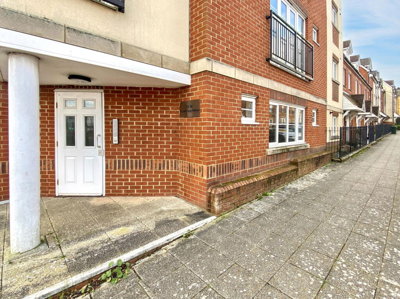
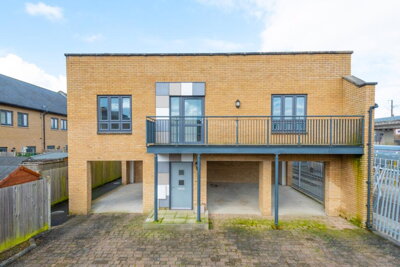
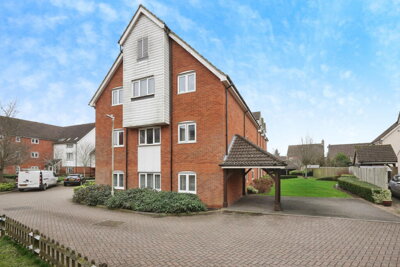
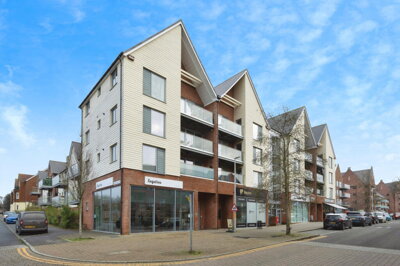
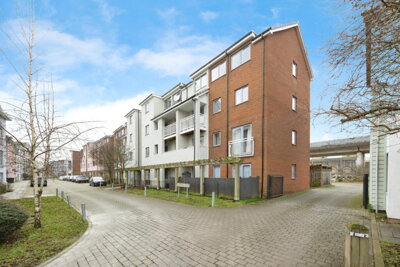
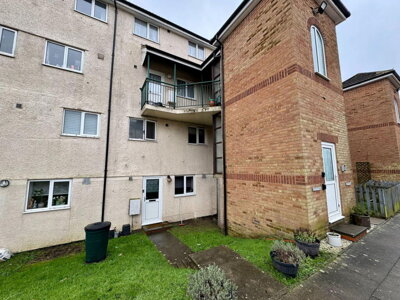
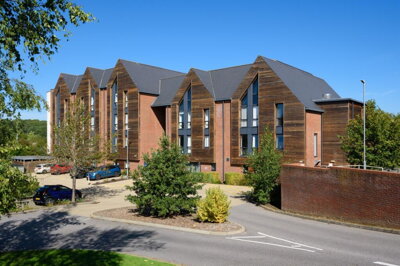
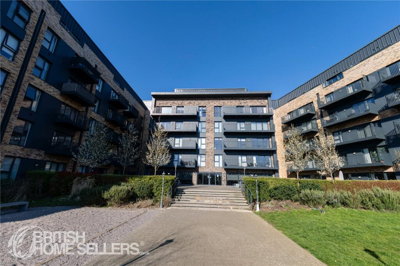
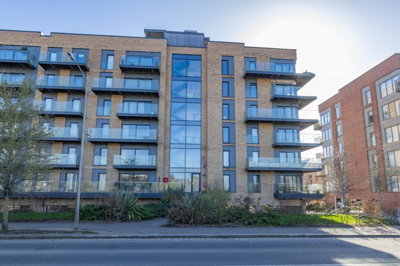
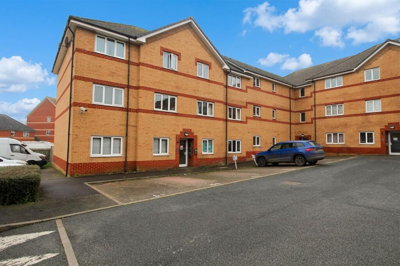
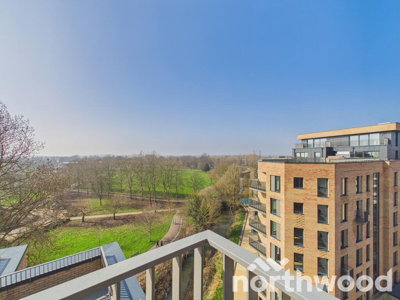
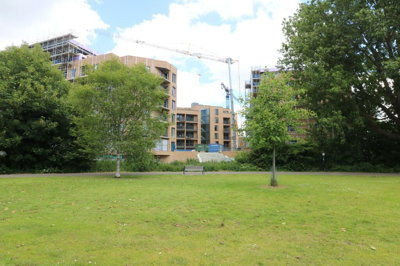
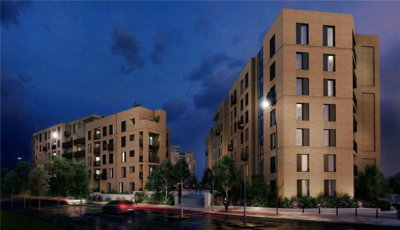
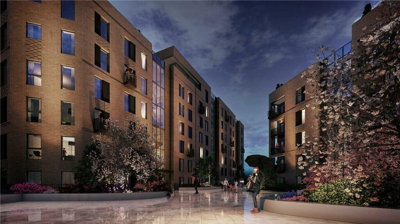
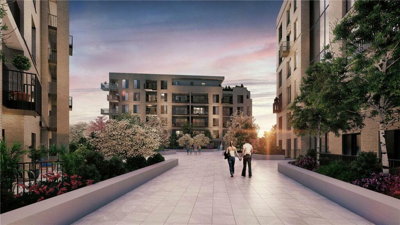
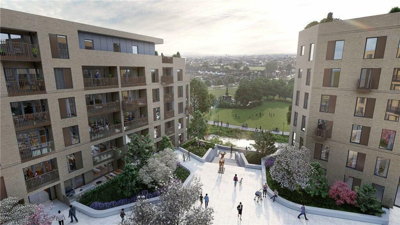
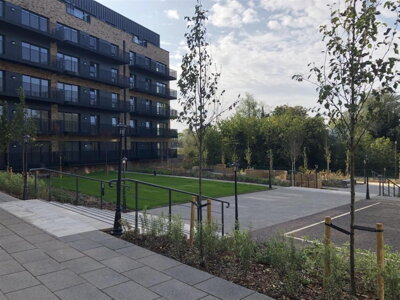
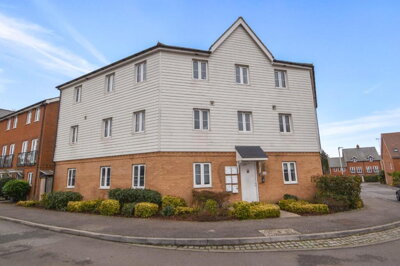
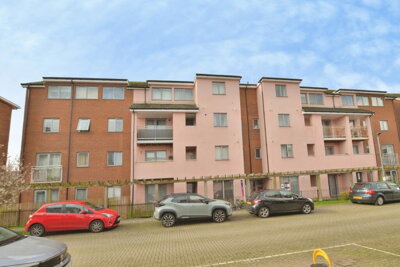
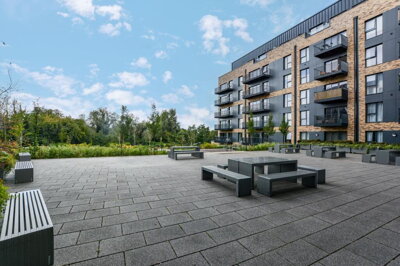
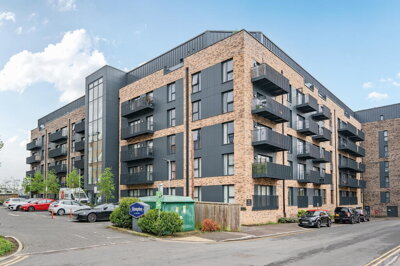
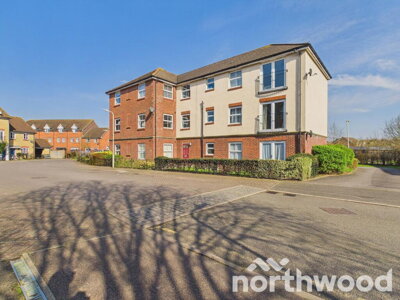
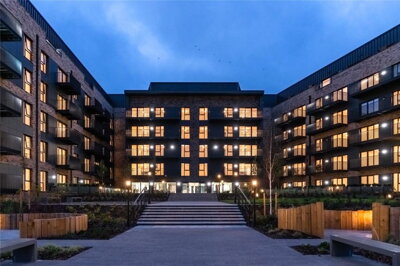
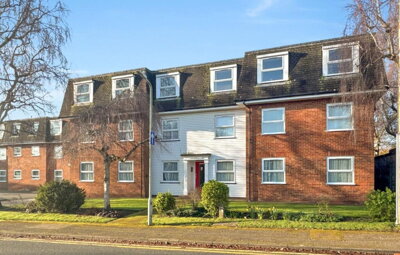
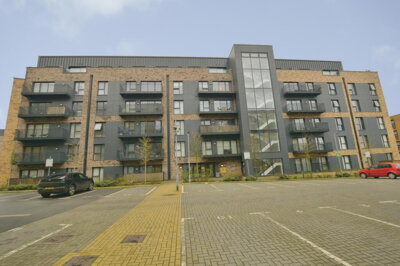
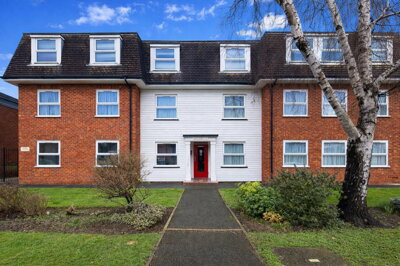
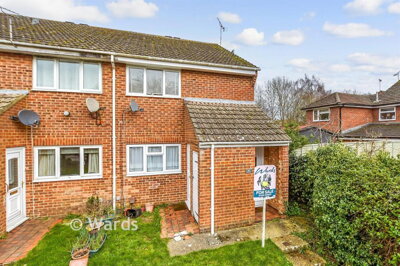
Browse 123 homes for sale in Kennington from local estate agents.
Studio apartments feature open-plan living spaces without separate bedrooms, incorporating sleeping, living, kitchen, and bathroom facilities. The Kennington studio market includes properties in modern apartment complexes, converted Victorian and Georgian buildings, and purpose-built developments.
The Llangynfelyn property market presents a diverse range of housing options reflecting the village's traditional character and rural setting. Our records show 16 property sales recorded in the parish since 2018, with a healthy mix of detached, semi-detached, and terraced properties. Detached homes command the highest prices here, averaging £285,138 based on 29 sales since 2018, offering generous space and often featuring the characteristic rubble-stone construction of traditional Welsh cottages. Semi-detached properties average £199,444 from 9 recorded sales, while terraced homes average £160,923 from 28 sales, providing more affordable entry points into this desirable rural community.
Recent market activity shows encouraging trends for prospective buyers. In 2024, the median sale price in Llangynfelyn reached £200,000 across recorded transactions, representing a 100% increase compared to the previous year. The 28 households within the SY20 8PU postcode area have seen properties sell between £150,000 and £200,000 in recent years. Sales volumes have remained steady, with 13 transactions recorded in 2023 at an average price of £251,035, and 6 sales in 2025 averaging £198,500. These figures demonstrate consistent buyer interest in the local market despite its relatively small scale.
For those seeking character properties, the village contains several Grade II listed buildings including Lodge Park and the notable chimney at Llancynfelin lead mine, offering unique acquisition opportunities for buyers interested in historic homes with planning considerations. The local housing stock predominantly dates from before 1919, featuring traditional construction methods that require specialist knowledge during purchase. No active new-build developments exist within the SY20 postcode area, meaning buyers purchasing in Llangynfelyn will typically acquire period properties requiring varying degrees of maintenance and renovation.

Life in Llangynfelyn revolves around community connection and appreciation for West Wales natural beauty. The village forms part of a sparse rural community where traditional Welsh culture remains vibrant, and local residents enjoy access to stunning coastal estuaries and inland hills. The nearby River Dyfi (Dovey) provides not only scenic beauty but also recreational opportunities including walking routes and wildlife observation points. The adjacent Gors Fochno bog forms part of the Dyfi Valley UNESCO Biosphere Reserve, highlighting the international ecological significance of this corner of Ceredigion. The village's proximity to both coastline and mountains makes it ideal for outdoor enthusiasts seeking diverse landscapes on their doorstep.
The demographic makeup of Llangynfelyn reflects its appeal to those seeking quieter lifestyles away from urban centres. Historically, the area supported itself through lead and copper mining at sites like Erglodd Mine and Neuadd-yr-Ynys mine, as well as salt-making industries in the 16th century. Today, the economy centres on agriculture and small local enterprises, with many residents commuting to nearby towns for employment. The village maintains essential services and community facilities while preserving its architectural heritage. Traditional building methods using local rubble-stone, 'clom' walls (earth, straw, and manure mixture), timber framing, and thatch roofing have shaped the distinctive character that makes Llangynfelyn properties so sought after by buyers seeking authentic Welsh countryside living.
The local economy benefits from tourism related to the Dyfi Valley's natural attractions, with holiday lets and bed-and-breakfast establishments serving visitors drawn to the area's walking trails, birdwatching opportunities, and cultural heritage. Properties along the A487 corridor offer convenient access to the wider region while retaining the village's peaceful atmosphere. Community events and the Welsh language continue to thrive here, with many residents speaking Welsh as their first language and maintaining cultural traditions passed down through generations. The parish church of St Cynfelyn, rebuilt in the 19th century on a site dating back to the 6th century, serves as a focal point for community gatherings and reflects the enduring spiritual heritage of this corner of Ceredigion.

Families considering a move to Llangynfelyn will find educational provision available through nearby village schools and the wider Ceredigion school system. The local primary school serving the community provides Foundation Phase and Key Stage 2 education within a short distance, with transport arrangements typically available for rural pupils. For secondary education, pupils usually attend schools in the surrounding market towns, with school transport provided by the local authority. Ceredigion maintains a tradition of Welsh-medium education, and many local schools offer bilingual teaching that reflects the cultural heritage of this traditionally Welsh-speaking region.
Parents should research specific school performance data and catchment area boundaries before committing to a property purchase, as school admissions in rural areas can be competitive. The nearest secondary schools offer a range of GCSE and A-Level courses, with sixth form provision available in Aberystwyth for those seeking higher-level academic pathways. For families requiring childcare or early years education, local village facilities and childminders serve the community. The availability of Welsh-language education options makes Llangynfelyn particularly attractive for families wishing to raise children with bilingual skills in both English and Welsh, preserving the cultural identity of rural Ceredigion communities.
Estyn, the Welsh education inspectorate, provides performance data for all schools in Ceredigion, allowing parents to compare local educational options before purchasing property. Schools in nearby towns like Aberystwyth and Machynlleth offer broader subject choices and extracurricular activities than those available in smaller villages, though transport arrangements may affect daily routines for secondary pupils. The Ysgol Gyfun Aberystwyth and Ysgol Gyfun Llanilar serve as Welsh-medium secondary options in the region, while English-medium secondary education is available at schools including the secondary campus in Aberystwyth. Parents should confirm current catchment area arrangements with Ceredigion County Council, as these can change and may impact which school their children can attend.
Transport connections from Llangynfelyn reflect its rural character while still providing access to regional centres. The village sits within reasonable distance of the A487 coast road, which runs through the nearby village of Tre Taliesin and connects communities along the Ceredigion coastline. For rail travel, the Cambrian Line provides services from nearby stations, linking passengers to Aberystwyth to the south and the national rail network via Shrewsbury to the east. The nearest railway station is typically accessible within a short drive, with regular services connecting Llangynfelyn residents to major employment centres and transport hubs.
Daily commuters should note that car ownership remains common in rural West Wales, and a vehicle provides essential flexibility for accessing employment, shopping, and services. The journey time to Aberystwyth takes approximately 30-40 minutes by car, while Machynlleth is reachable in around 20 minutes. For those working in larger cities, the journey to Swansea takes approximately two hours, and Birmingham can be reached in around four hours via the A470 and motorway network. Local bus services operate on limited timetables typical of rural areas, so residents should factor transport arrangements into their property search criteria. Cycling infrastructure is developing in the region, with scenic routes available for recreational purposes and shorter local journeys.
The Cambrian Line railway serves several stations within reasonable driving distance of Llangynfelyn, including Aberystwyth, Borth, and Dovey Junction where connections can be made to destinations across the UK rail network. Trains from Aberystwyth run to Birmingham New Street, Manchester Piccadilly, and London Euston via changes at Shrewsbury, providing access to major employment centres without requiring car ownership. However, the frequency of services should be checked before relying on rail commuting, as rural lines typically operate less frequently than urban networks. For air travel, Birmingham Airport is approximately four hours by car, while Cardiff Airport can be reached in around three hours, both offering international connections for business and leisure travel.
Purchasing property in Llangynfelyn requires careful consideration of factors specific to this historic Welsh village and its unique geology. The area's mining heritage presents potential ground stability concerns that buyers should investigate thoroughly. Former lead and copper mines such as Erglodd Mine and Neuadd-yr-Ynys mine suggest possible underground workings that could affect certain properties. A thorough structural survey should be commissioned to assess any subsidence risks, and buyers should request mining search records from the Coal Authority or relevant authorities to establish whether the property falls within a former mining area.
Flood risk assessment is essential given Llangynfelyn's position between the River Leri estuary and the navigable River Dyfi. Low-lying areas near the estuaries and the presence of Gors Fochno bog indicate potential for river flooding and surface water accumulation. Prospective buyers should check Environment Agency flood maps and discuss any historical flooding with current owners or neighbours. Properties on elevated ground may offer more protection, and flood resilience measures such as raised electrics and hard flooring may be evident in properly prepared homes. The proximity to the Dyfi estuary also means certain coastal flood risks apply during severe weather events, particularly for properties in lower-lying areas west of the village centre.
For the substantial proportion of older properties in Llangynfelyn, traditional construction methods require specialist knowledge. Many homes feature solid walls without cavity insulation, original timber framing, thatch roofing, and wattle and daub chimney construction. These features contribute to the village's character but require ongoing maintenance and specialist insurance coverage. Buyers should verify that any listed building restrictions have been complied with for previous works, and factor the cost of maintaining traditional materials like thatch into their budget. Electrical and plumbing systems in older cottages may require updating to meet modern standards, and solid wall properties may have higher heating costs due to limited insulation.
Common defects in Llangynfelyn's traditional housing stock include penetrating damp through ageing rubble-stone walls, deteriorating thatch roofing requiring specialist renewal, timber defects such as rot and woodworm where ventilation has been compromised, and outdated electrical systems not meeting current safety standards. Lead pipework may still be present in the oldest properties, and drainage arrangements in rural locations can differ significantly from urban standards. Our inspectors have extensive experience surveying traditional Welsh cottages and understand the specific construction methods used in this region, from 'clom' wall structures to wattle and clay chimney construction. Commissioning a thorough survey before purchase helps identify these issues early, allowing you to budget for necessary repairs and renovations.
Explore property listings on Homemove and familiarise yourself with the Llangynfelyn market. With median prices around £159,000 and detached properties averaging £285,138, understanding the price range for different property types will help you set realistic expectations. Consider factors like proximity to the River Leri estuary if flood risk is a concern, and note which properties are listed buildings requiring specialist consideration. The village contains several Grade II listed properties where planning restrictions may affect renovation options.
Before arranging viewings, obtain a mortgage agreement in principle from a lender. This strengthens your position when making offers and demonstrates your financial credibility to sellers. Local mortgage brokers understand the West Wales property market and can advise on suitable products for rural properties including traditional stone cottages and farm buildings with non-standard construction. Given the age of many properties in Llangynfelyn, some lenders may require specialist valuations for non-standard construction, so discussing this with your broker early is advisable.
Visit shortlisted properties to assess their condition, character, and suitability. Pay particular attention to the construction materials typical of Welsh cottages, including rubble-stone walls, thatch or slate roofs, and any signs of damp or structural movement. For listed properties, discuss with the seller any recent works undertaken and any outstanding planning conditions. We recommend visiting properties at different times of day to assess light levels, noise from nearby roads, and the general atmosphere of the neighbourhood.
Before completing your purchase, instruct a qualified RICS surveyor to conduct a Level 2 HomeBuyer Report. Given Llangynfelyn's history of lead and copper mining and the prevalence of older properties, this survey will identify any subsidence risks, mining-related ground movement, damp issues common in solid-walled construction, and roof condition. Survey costs typically range from £376 for properties under £200,000, rising to around £586 for homes valued above £500,000. For complex historic properties or those with significant defects, a RICS Level 3 Building Survey may be more appropriate.
Appoint a solicitor experienced in rural Welsh property transactions to handle the legal work. They will conduct local authority searches, check drainage arrangements common in rural properties, and ensure all planning permissions for any alterations are in place. For listed buildings, they will advise on any Cadw requirements affecting the transaction. Mining search records should be obtained to confirm whether the property sits above or near former mine workings that could affect structural integrity.
Once all surveys and legal checks are satisfactory, you will exchange contracts and pay your deposit. Your solicitor will coordinate with the seller's representatives to agree a completion date. On completion day, you will receive the keys to your new Llangynfelyn home and can begin your new life in this historic Ceredigion village. We recommend arranging buildings insurance to commence from the date of completion, particularly for older properties where maintenance issues may arise quickly.
Understanding local construction methods is essential when purchasing property in Llangynfelyn, where traditional Welsh building techniques have shaped the housing stock for centuries. The characteristic rubble-stone cottages use locally sourced stone laid in irregular courses, creating thick walls that provide excellent thermal mass but limited insulation. Where suitable stone was scarce, builders used 'clom' construction, a mixture of earth, straw, and animal manure that formed durable if unconventional walls. These traditional methods create homes with distinctive character but require understanding of their maintenance needs and limitations.
Timber construction in traditional Llangynfelyn properties often uses trees cut 'in the round' rather than processed into planks, reflecting the historical availability of materials and skills. Roof structures typically feature timber rafters covered with locally sourced thatch made from reeds or rushes, though many properties have been re-roofed with slate during later periods. Chimneys were traditionally constructed from wattle covered with a mixture of clay and dung, requiring careful maintenance and often replacement with more durable materials during renovation. Post-1919 properties in the area typically feature brick or dressed stone with slate roofing and cavity wall construction where applicable.
Many Llangynfelyn properties predate modern building regulations, meaning previous alterations may not meet current standards. This is particularly relevant for electrical rewiring, where many older cottages retain original wiring that cannot safely handle modern loads. Plumbing systems may include lead pipework that requires replacement, and drainage arrangements may connect to private septic tanks or treatment systems rather than mains sewerage. A thorough survey by our inspectors will identify these issues and help you understand the true cost of maintaining traditional Welsh property. For listed buildings, any works must be carried out in accordance with heritage guidelines, typically requiring lime-based mortars, traditional materials, and specialist contractors.
The median property price in Llangynfelyn is £159,000 based on 16 recorded sales since 2018. Detached properties average £285,138, semi-detached homes average £199,444, and terraced properties average £160,923. Properties in the SY20 8PU postcode have sold between £150,000 and £200,000 in recent years, with the most expensive properties achieving around £200,000. The market showed strong activity in 2024 with a median sale price of £200,000, up significantly from the previous year.
Properties in Llangynfelyn fall under Ceredigion County Council's jurisdiction for council tax purposes. The village contains a mix of property types and ages, with traditional cottages potentially in Bands A through D and larger detached properties or more recent conversions in higher bands. Specific band allocations depend on the property's valuation and should be confirmed through the Land Registry or Ceredigion County Council's records when considering a specific property. The council tax bands affect not only annual bills but also provide an indication of property values relative to the wider market.
Llangynfelyn is served by local primary schools in nearby villages, with secondary education typically provided by schools in the Aberystwyth or Machynlleth areas. Ceredigion offers strong Welsh-medium education options reflecting the bilingual nature of the community. Parents should research individual school performance data through Estyn (the Welsh education inspectorate) and confirm catchment area boundaries with Ceredigion County Council, as admission policies can affect access to preferred schools. The Welsh-medium primary schools in surrounding villages provide early years education through to Key Stage 2, with Welsh as the primary language of instruction.
Public transport options in Llangynfelyn reflect its rural location, with limited bus services operating on routes connecting to nearby towns. The Cambrian Line railway provides rail connections from stations within driving distance, linking to Aberystwyth and the national rail network via Shrewsbury. Most residents rely on private vehicles for daily transport, and car ownership is considered essential for full participation in community life and access to employment, shopping, and services in surrounding towns. The nearest railway station is typically reachable within 15-20 minutes by car, with regular services to Aberystwyth and connections to destinations across the UK.
Llangynfelyn offers potential for buyers seeking long-term investment in rural Welsh property, though the market is relatively small with limited transaction volumes. The village's historic character, traditional architecture, and location within a UNESCO Biosphere Reserve contribute to its appeal. Demand for character cottages and rural retreats in Ceredigion remains steady, though capital growth may be slower than in urban areas. Properties requiring renovation or those with development potential (subject to planning) may offer value opportunities for investors willing to commit to longer-term projects. Holiday let potential exists for properties in this desirable rural location, though buyers should check current planning regulations regarding short-term letting.
For standard residential purchases in 2024-25, you pay no stamp duty on properties up to £250,000. For properties priced £250,001 to £925,000, the rate is 5%. Above £925,000, rates increase to 10% and 12% for the highest value properties. First-time buyers benefit from relief on properties up to £425,000, paying 0% on the first £425,000 and 5% between £425,001 and £625,000. Given Llangynfelyn's median price of £159,000, most purchases would attract zero stamp duty for all buyers, making this an attractive market from a tax perspective. The nil-rate threshold applies to the entire purchase price for most village properties.
Properties in Llangynfelyn carry potential flood risk due to the village's position between the River Leri estuary and River Dyfi, plus the presence of low-lying bogland at Gors Fochno. River flooding, coastal flooding from the estuary, and surface water flooding can affect certain areas, particularly properties in valley locations or near watercourses. Buyers should obtain a professional flood risk assessment, check Environment Agency data, and discuss any flood events with current owners. Properties on elevated ground or with documented flood resilience measures may present lower risk. Flood resilience features to look for include raised electrical sockets, solid flooring instead of carpet, and non-porous wall finishes in lower floors.
Llangynfelyn has a significant history of lead and copper mining, with former workings at Erglodd Mine and Neuadd-yr-Ynys mine documented in historical records. This mining heritage presents potential ground stability risks that buyers should investigate before purchasing. Underground mine workings can cause subsidence or collapse, particularly where old shafts or tunnels have not been properly treated. A mining search through the Coal Authority or relevant records should be obtained during conveyancing, and our surveyors will assess any signs of movement or cracking that might indicate mining-related issues. Properties within defined mining search areas may require specialist insurance or warranties.
Broadband connectivity in rural parts of Llangynfelyn can vary significantly depending on location within the village. Standard broadband services are available through phone lines, though speeds may be slower than urban areas due to the distance from exchange infrastructure. Full fibre broadband rollout is ongoing in parts of Ceredigion but may not yet reach all properties in Llangynfelyn. Mobile broadband through 4G or 5G networks provides an alternative where fixed line services are limited. For those working from home or requiring reliable internet, checking available providers and expected speeds before committing to a purchase is advisable, as this can significantly affect daily life and property value.
One of the significant advantages of buying property in Llangynfelyn is the favourable stamp duty position created by the village's moderate property prices. With the median house price at £159,000 and most properties selling below the £250,000 threshold, many buyers will pay zero Stamp Duty Land Tax on their purchase. This represents a substantial saving compared to purchasing in more expensive regions and makes Llangynfelyn particularly attractive for first-time buyers and those downsizing who may be releasing equity from previous property sales. The government's zero-rate threshold applies to all residential purchases under £250,000, meaning terraced properties and smaller cottages in the village will typically fall into this category.
First-time buyers benefit from the increased relief threshold of £425,000, allowing them to purchase a wider range of properties without incurring stamp duty. For those purchasing character cottages or larger detached homes priced above £425,000, the first £425,000 remains tax-free, with 5% applying to the portion between £425,001 and £625,000. Beyond £625,000, first-time buyer relief is not available. Beyond stamp duty, buyers should budget for survey costs (RICS Level 2 surveys start from £376 for properties under £200,000), legal fees typically starting from £499 for conveyancing, and removal costs. For properties requiring renovation, factor in potential costs for updating electrical systems, addressing damp issues common in solid-walled cottages, and maintaining traditional features like thatch roofing.
Additional purchasing costs include Land Registry fees for registering the title transfer (currently ranging from £20 to £680 depending on property price), search fees from the local authority, and potentially mortgage arrangement fees charged by lenders. For properties in rural locations like Llangynfelyn, drainage searches and environmental searches may reveal issues requiring further investigation or remediation budgeting. Factor in mortgage valuation fees if applicable, and consider the cost of buildings insurance from completion date onwards. Our platform provides estimates for these costs, though individual circumstances and property-specific factors will affect the total expenditure involved in completing your purchase.
From 4.5%
Expert mortgage advice for Llangynfelyn properties including traditional cottages
From £499
Specialist rural property solicitors handling Welsh transactions
From £376
Detailed inspection of traditional Welsh properties
From £600
Comprehensive survey for older or complex properties
Properties for Sale In London

Properties for Sale In Plymouth

Properties for Sale In Liverpool

Properties for Sale In Glasgow

Properties for Sale In Sheffield

Properties for Sale In Edinburgh

Properties for Sale In Coventry

Properties for Sale In Bradford

Properties for Sale In Manchester

Properties for Sale In Birmingham

Properties for Sale In Bristol

Properties for Sale In Oxford

Properties for Sale In Leicester

Properties for Sale In Newcastle

Properties for Sale In Leeds

Properties for Sale In Southampton

Properties for Sale In Cardiff

Properties for Sale In Nottingham

Properties for Sale In Norwich

Properties for Sale In Brighton

Properties for Sale In Derby

Properties for Sale In Portsmouth

Properties for Sale In Northampton

Properties for Sale In Milton Keynes

Properties for Sale In Bournemouth

Properties for Sale In Bolton

Properties for Sale In Swansea

Properties for Sale In Swindon

Properties for Sale In Peterborough

Properties for Sale In Wolverhampton

Enter your details to see if this property is within your budget.
Loans, cards, car finance
Estimated property budget
Borrowing + deposit
You could borrow between
Typical borrowing
Monthly repayment
Est. at 4.5%
Loan-to-value
This is an estimate only. Your actual budget may vary depending on interest rates, credit history, and personal circumstances. For an accurate affordability assessment, speak to one of our free mortgage advisors.
This calculator provides estimates for illustrative purposes only and does not constitute financial advice. Your home may be repossessed if you do not keep up repayments on your mortgage. Estimates based on 4.5% interest rate, repayment mortgage. Actual rates depend on your circumstances.
Homemove is a trading name of HM Haus Group Ltd (Company No. 13873779, registered in England & Wales). Homemove Mortgages Ltd (Company No. 15947693) is an Appointed Representative of TMG Direct Limited, trading as TMG Mortgage Network, which is authorised and regulated by the Financial Conduct Authority (FRN 786245). Homemove Mortgages Ltd is entered on the FCA Register as an Appointed Representative (FRN 1022429). You can check registrations at NewRegister or by calling 0800 111 6768.

We use cookies to show you personalised content and improve your experience of our website. Find out more in our Privacy policy and Cookie policy.