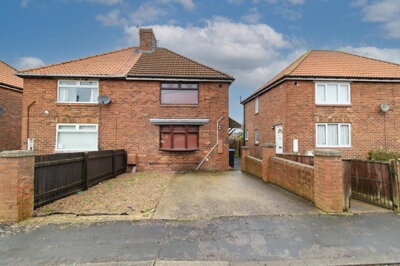
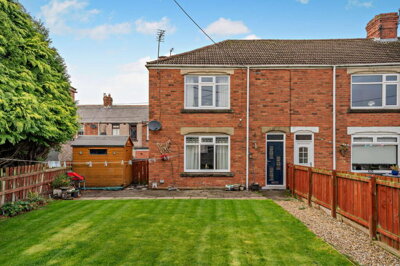
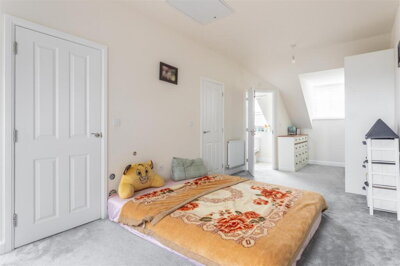
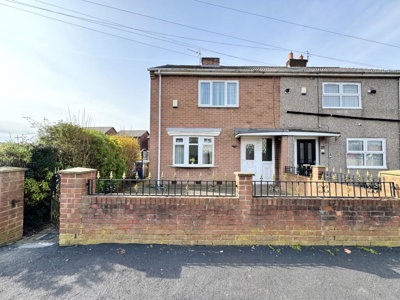
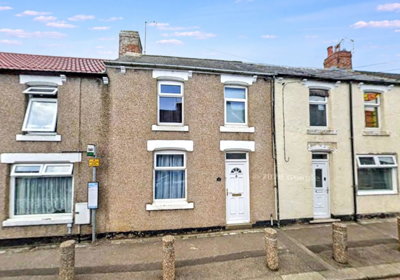
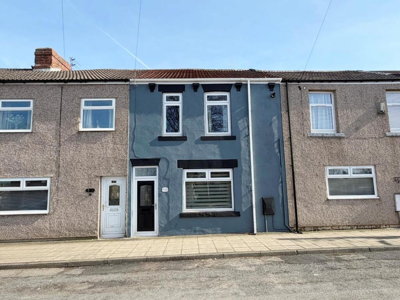
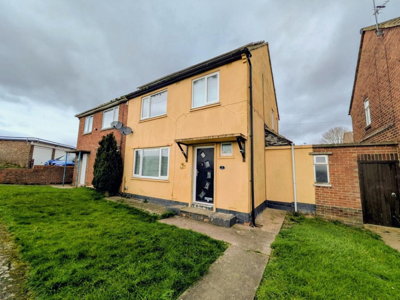
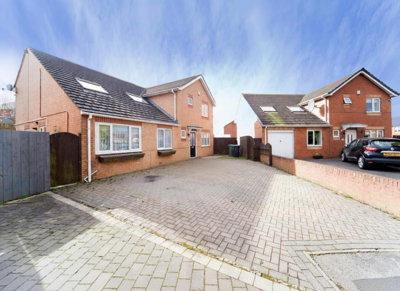
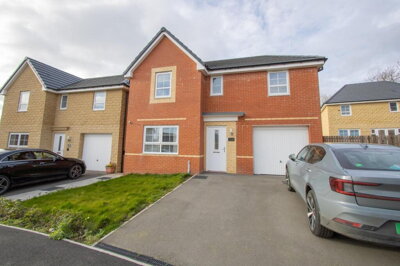
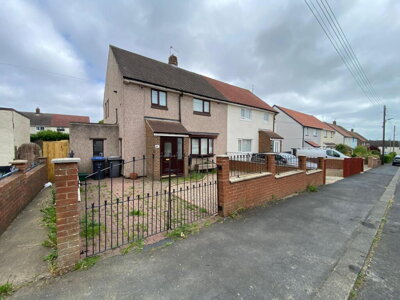
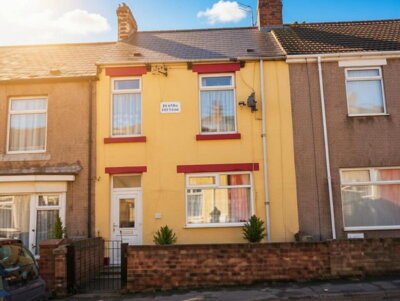
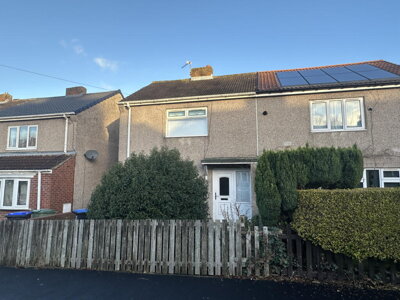
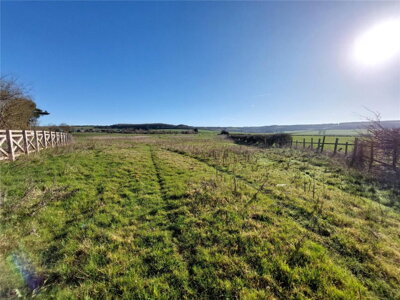
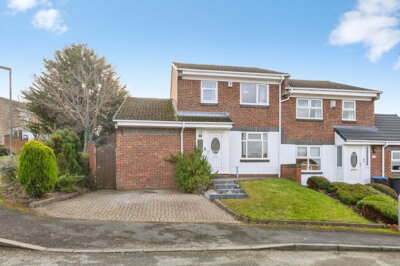
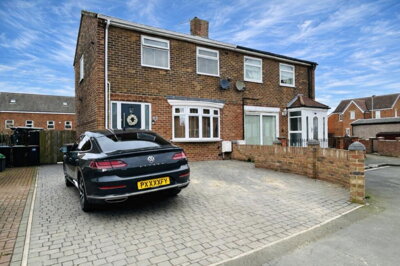
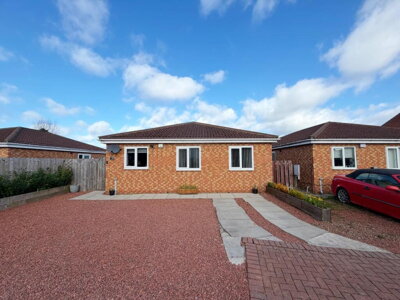
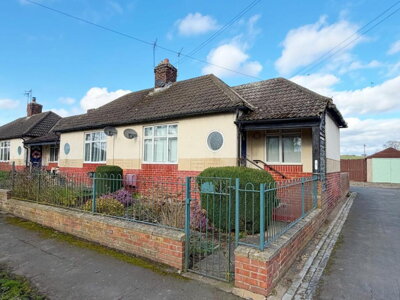
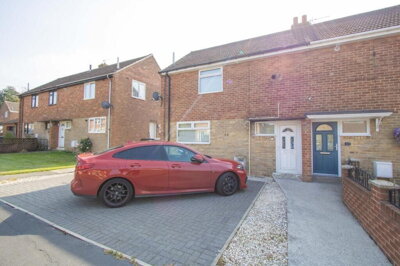
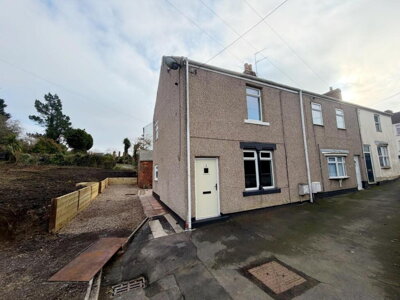
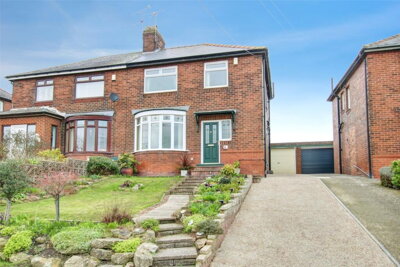
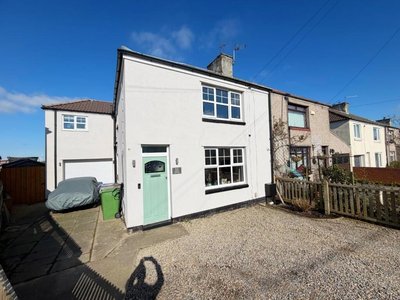
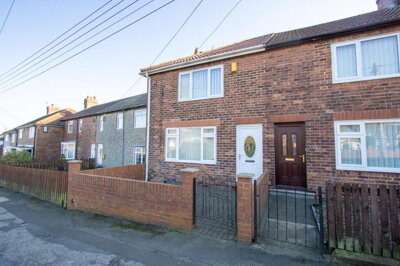
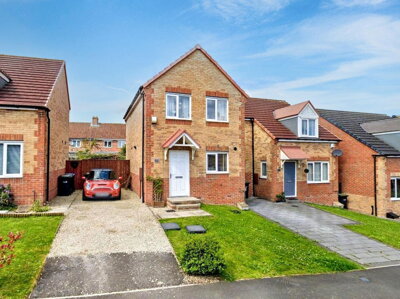
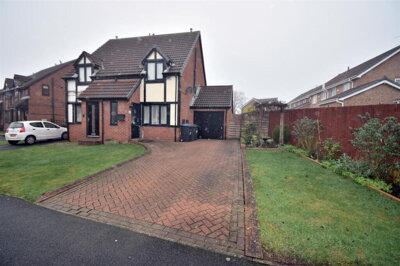
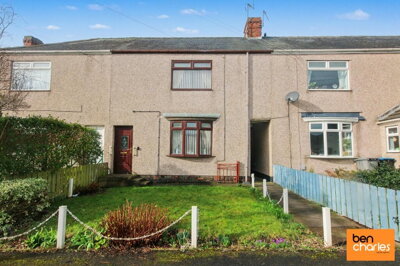
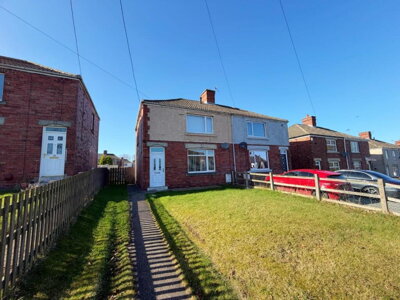
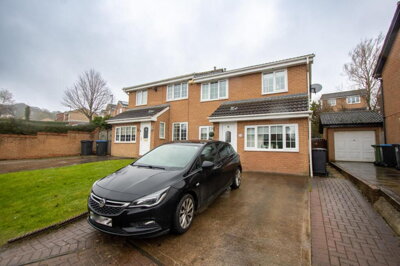
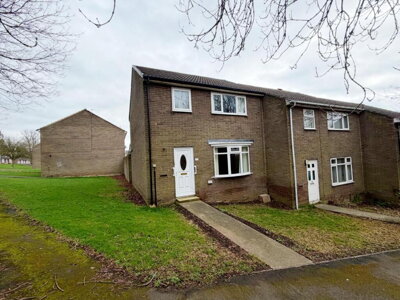
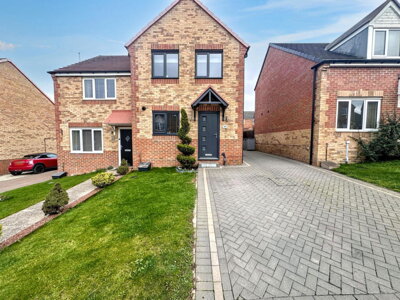
Browse 164 homes for sale in Kelloe, County Durham from local estate agents.
The Kelloe property market offers detached, semi-detached, and terraced houses spanning various price ranges and neighbourhoods. Each listing includes detailed property information, photographs, and direct contact with the marketing agent.
£115k
6
0
181
Source: home.co.uk
Showing 6 results for Houses for sale in Kelloe, County Durham. The median asking price is £114,975.
Source: home.co.uk
Semi-Detached
5 listings
Avg £106,690
Detached
1 listings
Avg £575,000
Source: home.co.uk
Source: home.co.uk
The Puncheston property market embodies the characteristics of rural Pembrokeshire, where demand often outstrips supply for quality family homes. Properties in this area tend to fall into several categories, including traditional stone-built cottages, farmhouses, and detached homes set within generous plots. The village's medieval origins and 19th-century infrastructure, including remnants of the former railway line that operated between 1895 and 1949, contribute to a housing stock rich in character and history. Our listings reflect properties ranging from compact cottages ideal for first-time buyers to substantial family homes commanding higher values.
Data specific to Puncheston alone can be limited due to the village's small scale, with property statistics often aggregated at the broader Pembrokeshire or SA postcode level. However, the SA62 5RJ postcode area shows an average property price of approximately £160,000, providing a useful benchmark for buyers budgeting their search. The broader Pembrokeshire market has shown relative stability, with regional trends indicating modest annual price movements that align with national patterns. For comparison, nearby Swansea recorded an average price of £200,833 with a 2.0% annual change, illustrating how Puncheston offers more affordable entry points into the Welsh property market.
New build activity in Puncheston remains minimal, as is typical for small rural communities in southwest Wales. The absence of large development sites means that buyers seeking newly constructed properties may need to broaden their search to nearby towns such as Haverfordwest or Fishguard. However, this scarcity of new supply contributes to the enduring appeal of existing properties, many of which benefit from traditional construction methods using local stone and slate that have stood for generations. This scarcity also means that properties occasionally come to market that represent genuine rarities, such as traditional cottages with planning consent or agricultural buildings with conversion potential.

Life in Puncheston revolves around the rhythms of rural Wales, where community bonds run deep and the landscape offers daily rewards for residents. The village sits just outside the boundary of the Pembrokeshire Coast National Park, meaning residents enjoy easy access to one of Britain's most spectacular coastlines while residing in a quieter inland setting. The Afon Anghof river meanders through the community, adding to the pastoral charm and providing gentle walking routes along its banks. The underlying geology of the area consists of Ordovician sedimentary rocks, including ancient sandstones and mudstones, overlaid by post-Ice Age boulder clays that shape the rolling topography.
Puncheston's population of 551 reflects a stable community that has maintained its character despite wider trends of rural depopulation in parts of Wales. The population decreased slightly from 568 in the 2011 Census to 551 in 2021, a pattern seen in many small rural parishes where younger residents sometimes relocate to larger towns for employment opportunities. However, this decline has been modest, and the community continues to sustain local amenities and events that bring residents together. The presence of multiple hamlets within the parish, including Morvil and Tufton, creates a network of small communities that share facilities and social activities. This interconnectedness means that new residents are often quickly integrated into community life through local events, parish meetings, and the various activities hosted at St. Mary's Church.
The area's heritage is evident throughout the parish, with the ringwork castle of Castell Mael standing as its medieval Anglo-Norman origins dating to the 12th century. St. Mary's Church, rebuilt in the early 19th century, serves as a focal point for the community, while traditional cottages such as Ty Newydd and the White Hart exemplify the architectural heritage that makes Puncheston so distinctive. Residents enjoy a peaceful lifestyle supported by strong community networks, with local events and gatherings regularly bringing together the approximately 221 households that call this parish home. The village's proximity to both the Preseli Mountains and the coastal paths of the National Park makes it ideal for those who appreciate outdoor pursuits, including walking, cycling, and exploring the diverse wildlife of Pembrokeshire.
Families considering a move to Puncheston will find educational provision organised across primary and secondary levels within reach of the village. Primary education is typically accessed through local schools serving the surrounding hamlets, with pupils traveling to nearby villages where smaller class sizes allow for individual attention and strong community relationships between staff and students. The rural nature of the area means that primary schools often serve as community hubs, hosting events and activities that involve parents and local residents beyond the school day itself. These schools typically serve catchment areas that extend across multiple small communities, meaning that class sizes remain manageable and teachers develop close relationships with families over several years.
Secondary education for Puncheston residents involves travel to larger settlements such as Haverfordwest, the county town of Pembrokeshire, where a wider range of secondary schools and specialist facilities are available. Haverfordwest hosts several secondary schools offering comprehensive curricula, sixth form provision, and a variety of extracurricular activities. Parents should research specific school catchments and admission arrangements, as catchment areas in rural Pembrokeshire can span significant distances. Transport arrangements for secondary school pupils are typically provided or supported by Pembrokeshire County Council for those living beyond walking distance, with school buses serving the route between Puncheston and Haverfordwest's secondary schools.
For families seeking faith-based education or specialized curricula, the broader Pembrokeshire area offers additional options including faith schools and independent educational establishments. Further and higher education opportunities are concentrated in Haverfordwest and the university city of Swansea, which is accessible via the A40 trunk road connecting Puncheston to major urban centres. Students pursuing higher education may choose to commute from the family home during term time or relocate closer to their chosen university, a decision often influenced by the availability of parking at Swansea University and the cost of train travel on the West Wales line. The journey from Puncheston to Swansea University by car takes approximately 90 minutes via the A40 and M4, while train connections from Clarbeston Road offer an alternative for those preferring public transport.
Transport connectivity from Puncheston reflects its status as a rural Pembrokeshire village, with residents relying on a combination of private vehicles and limited public transport options. The A487 coastal road passes through the wider area, providing connections to the county town of Haverfordwest to the west and the market town of Fishguard to the north. The A40 trunk road, which connects Fishguard to Swansea and the M4 motorway, offers access to broader Welsh and English destinations for those prepared to travel to the nearest junction. For daily commuting, a private vehicle remains essential for most residents, though this should be factored into cost-of-living calculations when budgeting for a move to Puncheston.
Public transport options serving Puncheston include bus routes that connect the village to nearby towns and villages, though frequencies are typical of rural areas, with services often operating at hourly or less frequent intervals. The nearest railway stations are located in Clarbeston Road and Haverfordwest, offering connections on the West Wales line to destinations including Carmarthen, Swansea, and Cardiff. Journey times by train to Swansea typically take around 90 minutes, while reaching Cardiff requires a change at Swansea and takes approximately two and a half hours. These rail connections make Puncheston viable for occasional commuters who can work remotely for part of the week, with many residents finding that the combination of rural living and modern connectivity suits their working patterns.
For international travel, Cardiff Airport provides the nearest scheduled flights, with the journey from Puncheston taking approximately two hours by car via the A40 and M4 motorway. Bristol Airport offers an alternative for residents in the southern parts of England, while the ferry port at Fishguard provides regular crossings to Rosslare in Ireland, connecting Puncheston to European destinations via the Irish Sea route. Cyclists will find the quiet lanes of rural Pembrokeshire enjoyable for local journeys, though the hilly terrain and absence of dedicated cycle lanes make cycling for longer distances challenging. The Preseli Mountains to the north provide demanding terrain for enthusiastic cyclists, while the coastal routes of the National Park offer spectacular but challenging rides for those seeking longer excursions.
Begin by exploring our platform to browse currently available properties in Puncheston and the surrounding SA62 postcode area. Understanding the local market conditions, including typical prices for different property types, will help you set realistic expectations and identify properties that match your requirements. Consider factors such as proximity to schools, transport links, and the Pembrokeshire Coast National Park boundary when evaluating locations within the parish.
Before viewing properties, obtain a mortgage agreement in principle from a lender to confirm your borrowing capacity. This document demonstrates to sellers that you are a serious buyer with financial backing already arranged. Given that Puncheston properties may attract multiple interest from buyers seeking rural homes in Pembrokeshire, having your finances confirmed gives you a competitive edge in the purchasing process.
Visit properties that match your criteria, paying attention to the specific characteristics of homes in Puncheston. Older properties may require attention to damp, roof condition, and timber integrity, while newer homes will have their own considerations around construction quality and energy efficiency. Take notes and photographs to help distinguish between properties during your search, and consider visiting properties at different times of day to assess lighting, noise levels, and traffic patterns.
Given the age of many properties in Puncheston and the presence of boulder clays that can cause ground movement, we strongly recommend commissioning a RICS Level 2 Survey before completing your purchase. This survey, sometimes called a HomeBuyer Report, identifies structural issues, defects, and areas requiring attention, providing you with negotiating leverage or highlighting properties to avoid. Our inspectors frequently find issues in older Pembrokeshire properties that require further investigation, including signs of subsidence related to clay shrink-swell and deterioration of traditional stonework.
Appoint a solicitor with experience in Pembrokeshire property transactions to handle the legal aspects of your purchase. Your solicitor will conduct searches with Pembrokeshire County Council, investigate title deeds, and manage the transfer of funds on completion. For listed buildings or properties within conservation areas, additional checks may be required, and our team can recommend conveyancers familiar with heritage property transactions in the Puncheston area.
Once all searches are satisfactory and your mortgage offer is confirmed, your solicitor will coordinate the exchange of contracts with the seller's legal team. A deposit, typically 10% of the purchase price, is paid at exchange, with the remaining balance transferred on completion day. Keys are handed over, and your move to Puncheston begins.
Purchasing property in Puncheston requires attention to specific factors that distinguish this rural Pembrokeshire location from urban markets. The geological conditions in the area, particularly the presence of boulder clays, mean that properties may be susceptible to ground movement issues that manifest as subsidence or heave. Our inspectors often encounter properties in rural Pembrokeshire where clay-related movement has caused structural distress over time, particularly during prolonged dry spells or periods of heavy rainfall that affect soil moisture levels. Buyers should carefully inspect properties for signs of cracking, doors that stick, or uneven floors, and should commission a thorough structural survey for any property showing potential concerns.
Flood risk deserves consideration despite Puncheston's inland position, as the Afon Anghof river flows through the community. While specific flood risk maps for individual properties were not detailed in available research, buyers should investigate the proximity of any property to watercourses and ask sellers or agents about any history of flooding. Surface water flooding can affect rural areas during periods of heavy rainfall, and properties in low-lying positions adjacent to streams or drainage channels warrant additional investigation. We recommend checking the Natural Resources Wales flood risk mapping service and discussing any concerns with our survey team before committing to a purchase in the Puncheston area.
The five listed buildings and 21 Scheduled Ancient Monuments within the Puncheston parish mean that buyers may encounter properties subject to planning restrictions or requiring specialist consents for alterations. Listed building consent is required for significant external or internal changes to designated properties, and this should factor into any renovation budgets or plans. While no specific conservation area was identified for Puncheston itself, the concentration of heritage assets means that the planning authority applies careful scrutiny to development proposals in the parish. Properties with historic significance may require specialist surveys beyond a standard RICS Level 2 assessment, and our team can arrange heritage-focused inspections for listed properties in the Puncheston area.
Specific average house prices for Puncheston alone are limited due to the village's small scale, with data typically aggregated at the broader Pembrokeshire level. The SA62 5RJ postcode area shows average prices around £160,000 for certain property types, while comparable rural properties in Pembrokeshire range across various price points depending on size, condition, and location. For a more detailed breakdown of current listings, browse our property search platform which aggregates available homes in Puncheston and surrounding hamlets including Henry's Moat, Little Newcastle, and Castlebythe.
Properties in Puncheston fall under Pembrokeshire County Council's tax bands, with rural properties typically occupying bands in the lower to mid-range of the valuation scale. Council tax bands in Wales range from A to I, with Band A properties commanding the lowest charges and Band I the highest. The specific band for any property depends on its assessed value as of April 2003, and buyers can check current bands through the Welsh Government's council tax database or request this information from the selling agent. Given the mix of traditional cottages and farmhouses in the Puncheston area, properties may fall anywhere from Band A to Band C depending on their assessed value.
Puncheston itself has limited primary school provision, with children typically attending schools in nearby villages or traveling to larger settlements. The nearest primary schools serve the surrounding hamlets, while secondary education is provided in Haverfordwest, accessible via school transport arranged by Pembrokeshire County Council. Research shows that schools in Haverfordwest include both community schools and faith schools, with Good and Outstanding Ofsted ratings reported for several establishments. Parents should verify current school performance data and catchment area boundaries before purchasing, as admission policies can change and catchment areas in rural Pembrokeshire can span significant distances.
Public transport connections from Puncheston reflect its rural location, with bus services providing access to nearby towns but at frequencies lower than urban areas. The nearest railway stations at Clarbeston Road and Haverfordwest offer connections on the West Wales line to Swansea, Cardiff, and London via the Great Western Railway. Journey times to Swansea by train are approximately 90 minutes, making Puncheston viable for occasional commuters who can work from home for part of the week. A private vehicle remains essential for most daily transport needs, and residents should factor this into their decision-making when considering properties in the Puncheston area.
Puncheston offers investment potential for buyers seeking rural Welsh property with heritage credentials and proximity to the Pembrokeshire Coast National Park. The village's small population and limited new build supply suggest that demand for quality properties may remain stable, particularly as remote working enables more people to relocate from urban centres. Properties with planning permission for conversion or extension may attract premium values, though the small market means that liquidity is lower than in larger towns. Investors should consider holding periods of five years or more to account for limited buyer pool size, and should factor in potential maintenance costs for older properties with traditional construction methods.
Stamp Duty Land Tax rates for purchases in England and Wales are set nationally, with current thresholds applying to Puncheston as a Welsh property. For standard purchases, you pay 0% on the first £250,000, 5% on the portion from £250,001 to £925,000, and 10% on amounts up to £1.5 million. First-time buyers benefit from relief on the first £425,000, paying 5% between £425,001 and £625,000. Properties above £625,000 do not qualify for first-time buyer relief. Given that the average property price in the Puncheston area sits around £160,000, most standard purchases and many first-time buyer acquisitions will attract zero SDLT liability.
The geology of Puncheston, with its underlying boulder clays, creates potential for ground movement that can manifest as subsidence or heave in properties. Older properties built with traditional methods using local stone and slate may show signs of weathering, mortar deterioration, or structural movement over time. Our inspectors recommend paying particular attention to the condition of roof coverings, as slipped slates are a common issue in older Pembrokeshire properties. Properties near the Afon Anghof river should be checked for any history of flooding or water damage, and buyers should commission appropriate surveys before completing any purchase in the Puncheston area.
From £350
A detailed inspection of the property condition, ideal for standard homes
From £450
A comprehensive structural survey for older or complex properties
From £80
Energy performance certificate for your property
Understanding the full costs of purchasing property in Puncheston requires careful budgeting beyond the advertised asking price. Stamp Duty Land Tax represents a significant expense for most buyers, with current rates applying to your purchase from the moment you complete. For a typical Puncheston property priced at £160,000, a standard buyer would pay no SDLT on the first £250,000, resulting in zero stamp duty liability. First-time buyers purchasing properties up to £425,000 also pay no SDLT, meaning many Puncheston purchases may attract no stamp duty at all, making this an attractive proposition for those entering the property market in rural Pembrokeshire.
Additional buying costs include solicitor fees for conveyancing, which typically range from £500 to £1,500 depending on the complexity of the transaction and whether the property is freehold or leasehold. Search fees with Pembrokeshire County Council cover local authority searches investigating planning history, environmental factors, and drainage arrangements. Survey costs should be budgeted at £350 to £600 for a RICS Level 2 Survey, which is particularly important given the age of properties in Puncheston and the geological conditions that may cause ground movement. Mortgage arrangement fees, typically 0.5% to 1.5% of the loan amount, may apply depending on your lender, and borrowers should compare offers carefully to secure the most competitive deal.
Ongoing costs after purchase include council tax payable to Pembrokeshire County Council, with rural properties often falling into lower bands than urban equivalents. Buildings insurance is essential and may cost more for older properties with traditional construction, while contents insurance protects your belongings. Energy Performance Certificates rate properties from A to G, and older cottages in Puncheston may score lower due to less effective insulation. Budget for potential energy efficiency improvements when assessing the true cost of owning property in this historic Welsh village, as upgrading solid-walled properties to modern insulation standards can require significant investment.
Properties for Sale In London

Properties for Sale In Plymouth

Properties for Sale In Liverpool

Properties for Sale In Glasgow

Properties for Sale In Sheffield

Properties for Sale In Edinburgh

Properties for Sale In Coventry

Properties for Sale In Bradford

Properties for Sale In Manchester

Properties for Sale In Birmingham

Properties for Sale In Bristol

Properties for Sale In Oxford

Properties for Sale In Leicester

Properties for Sale In Newcastle

Properties for Sale In Leeds

Properties for Sale In Southampton

Properties for Sale In Cardiff

Properties for Sale In Nottingham

Properties for Sale In Norwich

Properties for Sale In Brighton

Properties for Sale In Derby

Properties for Sale In Portsmouth

Properties for Sale In Northampton

Properties for Sale In Milton Keynes

Properties for Sale In Bournemouth

Properties for Sale In Bolton

Properties for Sale In Swansea

Properties for Sale In Swindon

Properties for Sale In Peterborough

Properties for Sale In Wolverhampton

Enter your details to see if this property is within your budget.
Loans, cards, car finance
Estimated property budget
Borrowing + deposit
You could borrow between
Typical borrowing
Monthly repayment
Est. at 4.5%
Loan-to-value
This is an estimate only. Your actual budget may vary depending on interest rates, credit history, and personal circumstances. For an accurate affordability assessment, speak to one of our free mortgage advisors.
This calculator provides estimates for illustrative purposes only and does not constitute financial advice. Your home may be repossessed if you do not keep up repayments on your mortgage. Estimates based on 4.5% interest rate, repayment mortgage. Actual rates depend on your circumstances.
Homemove is a trading name of HM Haus Group Ltd (Company No. 13873779, registered in England & Wales). Homemove Mortgages Ltd (Company No. 15947693) is an Appointed Representative of TMG Direct Limited, trading as TMG Mortgage Network, which is authorised and regulated by the Financial Conduct Authority (FRN 786245). Homemove Mortgages Ltd is entered on the FCA Register as an Appointed Representative (FRN 1022429). You can check registrations at NewRegister or by calling 0800 111 6768.

We use cookies to show you personalised content and improve your experience of our website. Find out more in our Privacy policy and Cookie policy.