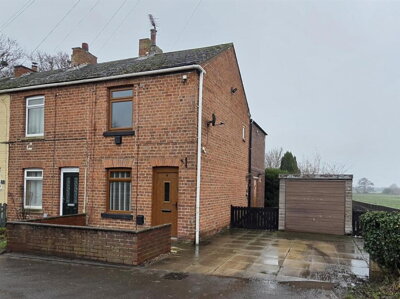
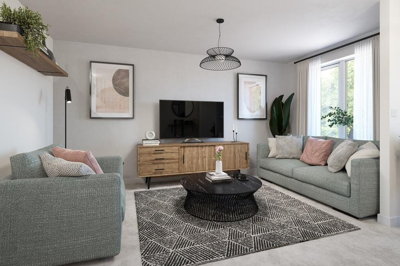
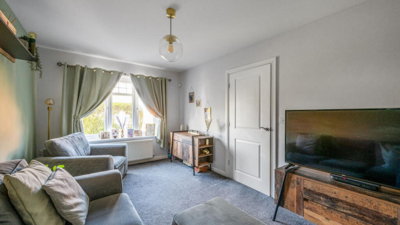
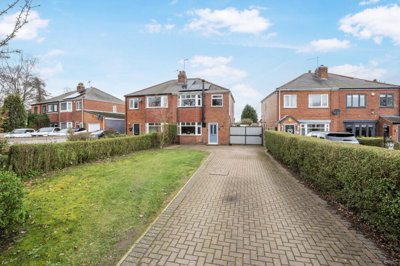
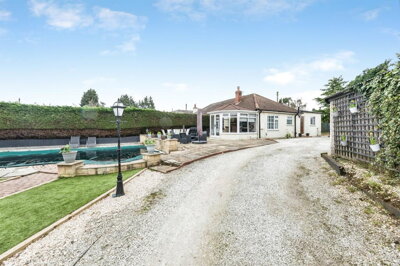
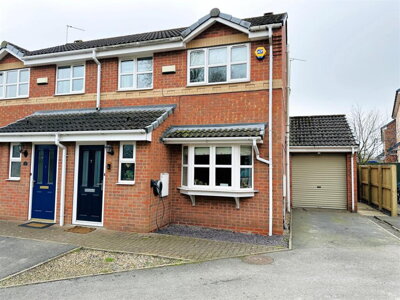
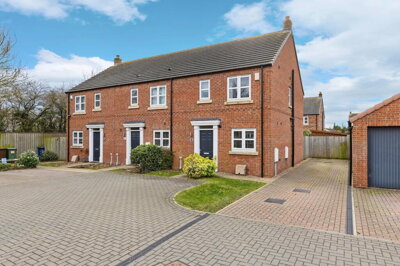
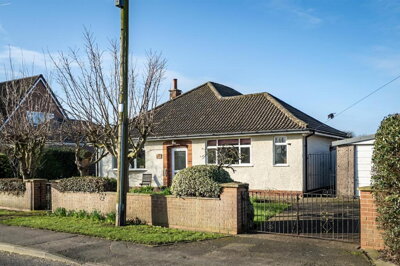
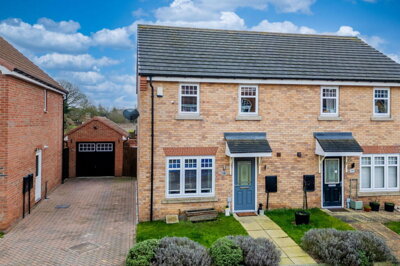
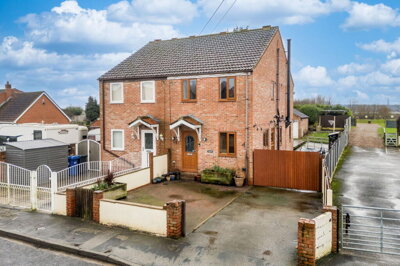
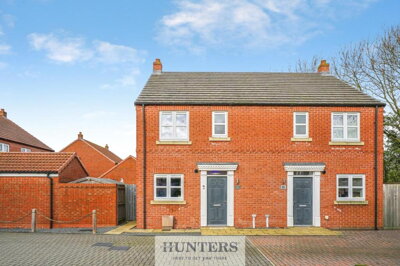
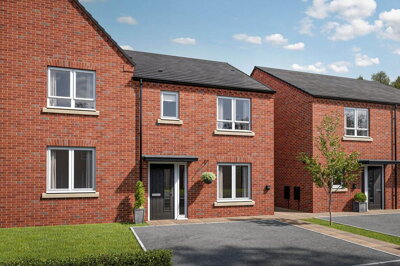
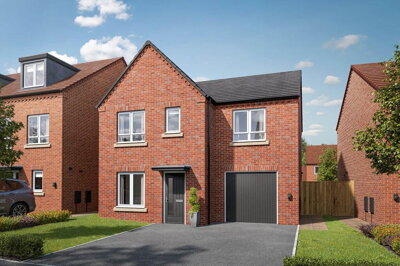
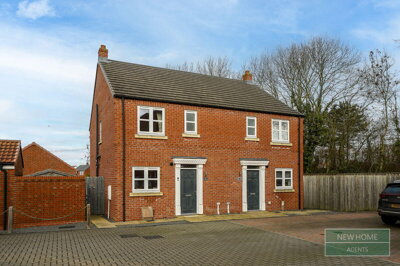
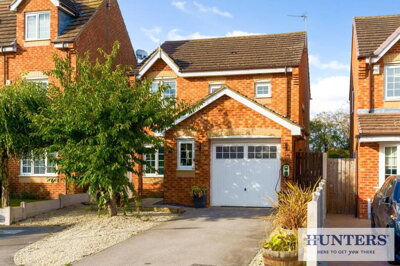
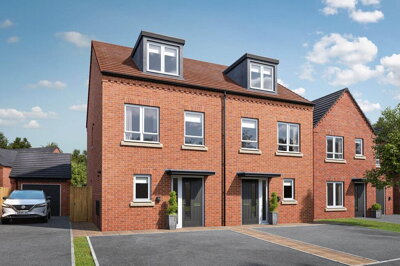
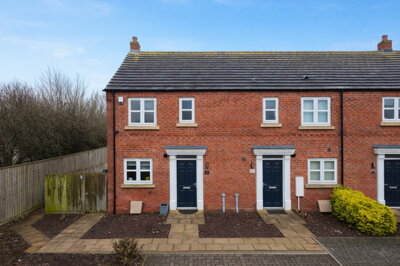
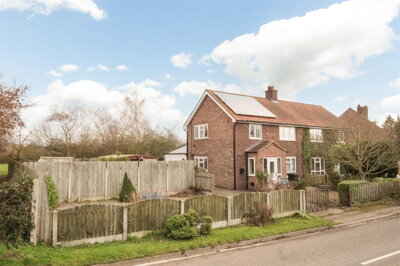
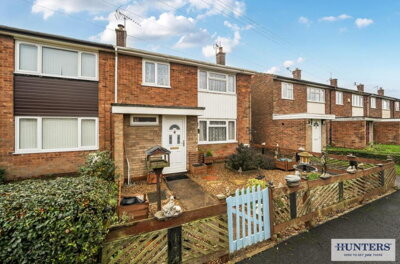
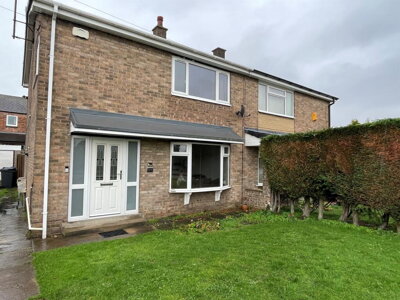
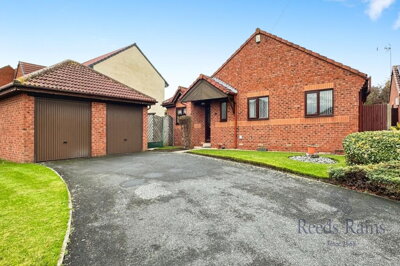
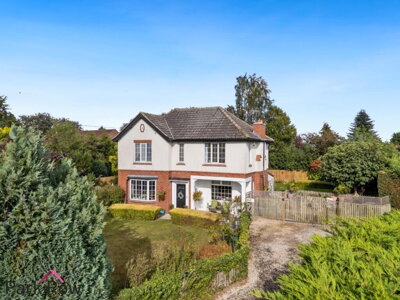
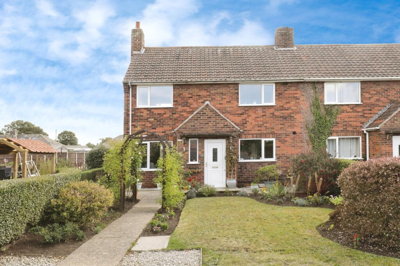
Browse 36 homes for sale in Kellington, North Yorkshire from local estate agents.
Three bedroom properties represent a significant portion of the Kellington housing market, offering space for families with multiple reception rooms and gardens in many cases. Browse detached, semi-detached, and terraced options ranging from period character homes to contemporary developments.
£395k
1
0
214
Source: home.co.uk
Showing 1 results for 3 Bedroom Houses for sale in Kellington, North Yorkshire. The median asking price is £395,000.
Source: home.co.uk
Detached
1 listings
Avg £395,000
Source: home.co.uk
Source: home.co.uk
The Kellington property market presents attractive opportunities for buyers seeking value in North Yorkshire. Detached properties command the highest prices, averaging around £281,500, while semi-detached homes typically sell for approximately £221,200. Terraced properties offer the most affordable entry point at around £164,125, making them ideal for first-time buyers or those seeking a compact village home. Recent market analysis indicates that prices have adjusted by approximately 16 percent over the past year, creating potential for buyers to secure property at competitive levels compared to the previous market peak.
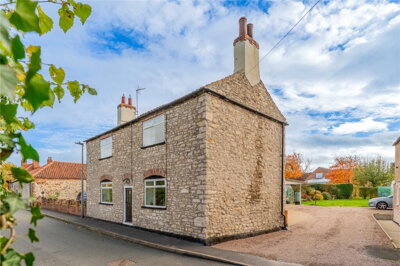
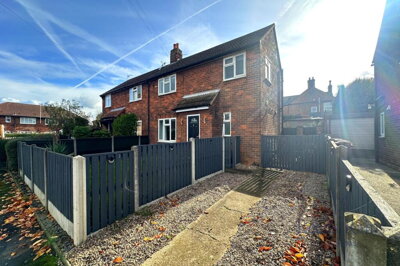
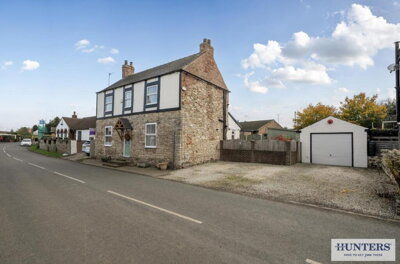
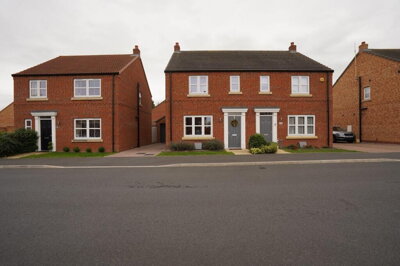
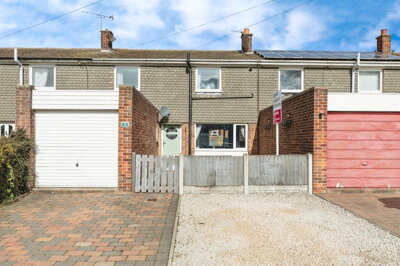
The village contains a diverse mix of housing stock to suit different requirements and budgets. Traditional country cottages dot the village centre, many built from local materials with characteristic features that reflect Kellington's long history. Former council properties from the mining era provide affordable options, while modern housing estates constructed more recently offer contemporary living with gardens and off-street parking. This variety means buyers can find everything from charming period properties requiring some modernisation to move-in ready homes on established estates.
New housing development is coming to Kellington, with Persimmon Homes submitting plans for 62 new houses on land at Lunn Lane to the north-west of the village. This proposed development will include a central children's play area, two interlinked footpaths, and 10 percent affordable homes, which could bring fresh options to the local market. The mix of traditional housing stock, including country cottages and former council properties, combined with modern housing estates gives Kellington a diverse property landscape that caters to various buyer requirements and budgets.

Kellington embodies the essence of traditional Yorkshire village life, sitting alongside the River Aire in a landscape shaped by centuries of agriculture and industry. The village grew significantly during the mining era, particularly with the opening of Kellingley Colliery in 1965, which brought housing development to accommodate workers. Although the colliery closed in 2015 and the site is earmarked for commercial redevelopment, Kellington has retained its tight-knit community spirit while adapting to changing economic circumstances. The village supports a hotel and restaurant at Kellington Manor Hotel, along with a care and retirement home, providing essential local amenities for residents.
The local architecture reflects Kellington's layered history, with magnesian limestone featuring prominently in historic structures including the Church of St Edmund, dating from at least 1177, and the distinctive Kellington Windmill now converted into residential use. The village contains six listed buildings recorded in the National Heritage List for England, including gate piers to Roall House and a milestone along the A19 road. This heritage character gives the village considerable charm and provides properties with character that newer developments cannot replicate.
The surrounding countryside offers pleasant walking routes along the River Aire and through agricultural land, while the proximity to larger towns ensures access to wider retail and leisure facilities. Kellington sits in the shadow of nearby Eggborough Power Station, though the village itself maintains its rural character away from major commercial development. The small convenience store and Post Office have closed in recent years, meaning residents travel to nearby towns for everyday shopping, but the village maintains its community spirit through local events and organisations. The Humber region location provides access to various economic hubs while retaining the peace and character of village living.

Families considering a move to Kellington will find educational provision within the village itself, with a primary school serving the local community. The village's small population means that class sizes are typically modest, allowing for more individual attention and a strong sense of community between pupils, parents, and teaching staff. For secondary education, pupils typically travel to schools in nearby towns such as Selby, Knottingley, or Pontefract, where a wider range of secondary schools and specialist subjects are available. Parents should research specific school catchment areas and admission policies when considering properties, as these can significantly impact educational placement.
The broader Selby district offers various educational pathways including sixth form provision and further education colleges for older students. Local schools in the surrounding North Yorkshire area have shown varying performance in recent Ofsted inspections, and prospective residents are encouraged to consult the latest Ofsted reports for current information. The village's position within North Yorkshire means that some families may also consider schools in the adjacent West Yorkshire authorities, particularly in towns accessible via the M62 corridor. Schools in the nearby towns of Selby, Knottingley, and Pontefract serve as the main secondary options, with each offering different curricula, extracurricular activities, and admission criteria.
When purchasing property in the village, understanding the local education landscape and transport options to schools is essential for family buyers. Many secondary school pupils travel by bus to surrounding towns, and bus routes should be checked when considering properties at different ends of the village. Private schooling options are available in the wider region for families seeking alternatives to state education.
Kellington benefits from excellent road connections that make it attractive to commuters and those needing to travel regularly for work. The village sits close to the A19 trunk road, providing direct north-south routes to towns including Selby, York, and Doncaster. The M62 motorway is also easily accessible via junction 34, connecting Kellington to Leeds, Bradford, Hull, and Manchester beyond. These road links have contributed to steady population growth in the village as residents enjoy the benefits of semi-rural living while maintaining access to major employment centres.
Public transport options for Kellington include bus services connecting the village to surrounding towns and villages, though frequency may be limited compared to urban areas. For rail travel, passengers typically travel to larger stations in nearby towns where Greater Anglia, Northern, and other operators provide services across the region. The village's position in the Humber region of North Yorkshire places it within reasonable distance of various economic hubs, though those working in major cities may need to factor commuting time and costs into their property decisions. Cycling infrastructure in the area consists mainly of country lanes and rural routes, which can be enjoyable for leisure but may present challenges for daily commuting.
For commuters who drive to work, the A19 and M62 corridors provide relatively uncongested routes compared to urban motorways, particularly outside peak hours. The strategic position of Kellington between major northern cities has supported gradual population growth as more buyers discover the advantages of semi-rural living with straightforward access to employment. Factor in typical journey times to your workplace before committing to a purchase, as commuting costs form a significant part of household budgets.
Spend time exploring Kellington before committing to a purchase. Visit at different times of day and week, check local amenities, speak to residents, and understand the flood risk profile of specific streets and properties. The village's proximity to the River Aire means flood history varies significantly between locations. Walk the streets you might live on, check drainage patterns after rain, and speak to shop owners or pub staff about the local area.
Before viewing properties, obtain an agreement in principle from a lender. This confirms your borrowing capacity and strengthens your position when making offers. With average property prices around £212,000, most buyers will need a mortgage, and having finance arranged demonstrates seriousness to sellers. Start comparing lenders early, as rates and criteria vary considerably between providers.
Use Homemove to browse available properties and schedule viewings through listed estate agents. When viewing, pay attention to property condition, potential maintenance issues, and how the property sits within the wider flood risk zones. Ask about flooding history, any previous insurance claims, and the vendor's reasons for selling. Take measurements and photos to compare properties objectively.
Before completing your purchase, arrange a thorough property survey from a qualified RICS surveyor. Given Kellington's varied housing stock including older properties, former council homes, and listed buildings, a Level 2 survey will identify any structural issues, damp problems, or defects requiring attention before purchase. Our team can connect you with local RICS surveyors who understand Kellington's specific property types and common defects.
Appoint a conveyancing solicitor to handle the legal aspects of your purchase. They will conduct local searches including flood risk assessments, mining records given Kellington's history, and check for any planning restrictions affecting the property. Exchange contracts and completion dates will be managed through this legal process. Budget for search fees, registration costs, and Stamp Duty if applicable.
Prospective buyers in Kellington should pay particular attention to flood risk, given that approximately 60 percent of land within the settlement falls within Flood Zone 3a. The River Aire runs to the north of the village, approximately 900 to 1000 metres from some properties, and flood defences form the northern boundary of the settlement. Properties in Marigold Terrace, Bird Lane, Ings Lane, and Water Garth have been specifically affected by flooding historically, with the area experiencing significant flooding as recently as 2000. Beal Carrs, a watered area created due to extensive flooding in 1999, sits just inside the village boundary. Always ask vendors about flood history, check insurance implications, and consider the elevation and drainage of any property you are viewing.
The village's mining heritage is another factor to consider when purchasing property. Kellington grew substantially to accommodate workers at Kellingley Colliery, which opened in 1965 and closed in 2015, with the site now earmarked for commercial redevelopment. While past mining activities can sometimes result in ground instability issues, most properties in residential areas do not experience problems. A thorough survey should identify any structural concerns related to ground conditions. Additionally, buyers interested in listed properties should be aware that the six listed buildings in Kellington, including the converted windmill and structures near the Church of St Edmund, are subject to specific planning restrictions and may require Listed Building Consent for alterations.
Construction materials vary across Kellington's housing stock, reflecting the village's different eras of development. Historic properties often feature magnesian limestone, the same material used in the Grade I listed Church of St Edmund and other listed structures. The underlying geology in this part of North Yorkshire includes sedimentary layers of limestone and gritstone, with clay-rich soils common in flood-prone areas. Clay soils are susceptible to shrink-swell movement as moisture levels change, which can affect foundations. Modern housing estates constructed from the 1980s onwards typically use contemporary brick construction with cavity wall insulation. Given these varied construction types and the environmental factors specific to Kellington, investing in a professional RICS Level 2 Survey before purchase is particularly valuable.
The average house price in Kellington is currently around £212,389 according to Rightmove data, though Zoopla reports a slightly lower average of £191,385 for properties sold in the last 12 months. Detached properties average approximately £281,500, semi-detached homes around £221,200, and terraced properties typically sell for £164,125. Prices have adjusted by approximately 16 percent over the past year, making this an opportune time for buyers to enter the market at more accessible price points than the previous peak. OnTheMarket recorded an average price paid of £207,000 as of February 2026.
Properties in Kellington fall under the Selby District Council and North Yorkshire Council administration. Council tax bands range from A to H depending on property value, with most traditional cottages and smaller homes likely falling into bands A to C, while larger detached properties and converted historic buildings may be in higher bands. Prospective buyers should check specific bandings with the local council or use online valuation tools before budgeting for ongoing costs.
Kellington has a primary school serving the local community, providing education for younger children within the village itself with the benefit of smaller class sizes and community atmosphere. For secondary education, pupils typically attend schools in surrounding towns including Selby, Knottingley, and Pontefract, with each offering different curricula, extracurricular activities, and admission criteria. Parents should research specific school catchment areas as admission policies vary and can significantly affect which schools children can access. The nearest further education colleges are located in larger nearby towns.
Kellington has bus services connecting to surrounding towns and villages, though frequencies are lower than in urban areas and schedules should be checked before relying on public transport for daily commuting. For rail travel, residents typically travel to larger stations in nearby towns. The village is exceptionally well-connected by road, with the A19 and M62 junction 34 providing easy access to Leeds, York, Doncaster, Hull, and Manchester. This makes Kellington particularly attractive to commuters who drive to work but want semi-rural living at affordable prices.
Kellington offers potential for investors seeking affordable North Yorkshire property with good road access to major employment centres. The proposed Persimmon Homes development of 62 houses at Lunn Lane, including 10 percent affordable homes, indicates ongoing interest in the area from developers and buyers alike. The village's mix of traditional cottages, former council housing, and modern estates provides various investment options. However, significant flood risk affecting 60 percent of the settlement is a factor that investors must carefully consider, as it can affect insurance costs, resale value, and tenant demand.
Stamp duty rates for 2024-25 are zero percent on properties up to £250,000, 5 percent on the portion between £250,001 and £925,000, 10 percent between £925,001 and £1.5 million, and 12 percent above £1.5 million. First-time buyers pay zero percent on properties up to £425,000 and 5 percent between £425,001 and £625,000. Given Kellington's average price of £212,389, most buyers will pay no stamp duty at all, with first-time buyers certainly avoiding this cost entirely on virtually all properties in the village.
The primary risk factor for Kellington properties is flooding, with approximately 60 percent of the settlement in Flood Zone 3a including significant areas near the River Aire. Properties near the River Aire, particularly along Ings Lane, Marigold Terrace, Bird Lane, and Water Garth, have documented flood history with significant flooding as recently as 2000. Ground conditions related to clay soils susceptible to shrink-swell movement and potential past mining activity should also be investigated through surveys and local searches before purchase. Six listed buildings in the village also carry planning restrictions that affect what owners can do with their properties.
From 4.5%
Compare mortgage deals from leading lenders for your Kellington purchase
From £499
Expert property solicitors to handle your legal work
From £350
Professional property survey to identify defects before purchase
From £60
Energy performance certificate for your new property
One of the significant advantages of buying property in Kellington is the favourable stamp duty position for most buyers. With the current threshold at £250,000 for standard purchases, and the village's average property price of £212,389 sitting comfortably below this mark, many buyers will pay zero stamp duty on their purchase. This effectively puts thousands of pounds back in your pocket compared to buying in more expensive areas of Yorkshire or the UK. First-time buyers benefit from an even more generous threshold of £425,000, meaning virtually all properties in Kellington fall entirely outside stamp duty liability.
Beyond stamp duty, buyers should budget for additional purchase costs including solicitor conveyancing fees typically starting from around £499, mortgage arrangement fees which vary by lender, and survey costs. A RICS Level 2 Survey costs between £350 and £600 depending on property value and size, with the national average around £455 according to industry data. Given Kellington's varied housing stock, including traditional cottages with magnesian limestone construction and potential mining-era properties, investing in a thorough survey is particularly prudent to identify any issues before completion. Search fees, Land Registry fees, and moving costs complete the picture of expenses beyond the property price itself. Budgeting carefully for these costs ensures a smooth path to completing your Kellington property purchase without unexpected financial surprises.
Properties for Sale In London

Properties for Sale In Plymouth

Properties for Sale In Liverpool

Properties for Sale In Glasgow

Properties for Sale In Sheffield

Properties for Sale In Edinburgh

Properties for Sale In Coventry

Properties for Sale In Bradford

Properties for Sale In Manchester

Properties for Sale In Birmingham

Properties for Sale In Bristol

Properties for Sale In Oxford

Properties for Sale In Leicester

Properties for Sale In Newcastle

Properties for Sale In Leeds

Properties for Sale In Southampton

Properties for Sale In Cardiff

Properties for Sale In Nottingham

Properties for Sale In Norwich

Properties for Sale In Brighton

Properties for Sale In Derby

Properties for Sale In Portsmouth

Properties for Sale In Northampton

Properties for Sale In Milton Keynes

Properties for Sale In Bournemouth

Properties for Sale In Bolton

Properties for Sale In Swansea

Properties for Sale In Swindon

Properties for Sale In Peterborough

Properties for Sale In Wolverhampton

Enter your details to see if this property is within your budget.
Loans, cards, car finance
Estimated property budget
Borrowing + deposit
You could borrow between
Typical borrowing
Monthly repayment
Est. at 4.5%
Loan-to-value
This is an estimate only. Your actual budget may vary depending on interest rates, credit history, and personal circumstances. For an accurate affordability assessment, speak to one of our free mortgage advisors.
This calculator provides estimates for illustrative purposes only and does not constitute financial advice. Your home may be repossessed if you do not keep up repayments on your mortgage. Estimates based on 4.5% interest rate, repayment mortgage. Actual rates depend on your circumstances.
Homemove is a trading name of HM Haus Group Ltd (Company No. 13873779, registered in England & Wales). Homemove Mortgages Ltd (Company No. 15947693) is an Appointed Representative of TMG Direct Limited, trading as TMG Mortgage Network, which is authorised and regulated by the Financial Conduct Authority (FRN 786245). Homemove Mortgages Ltd is entered on the FCA Register as an Appointed Representative (FRN 1022429). You can check registrations at NewRegister or by calling 0800 111 6768.

We use cookies to show you personalised content and improve your experience of our website. Find out more in our Privacy policy and Cookie policy.