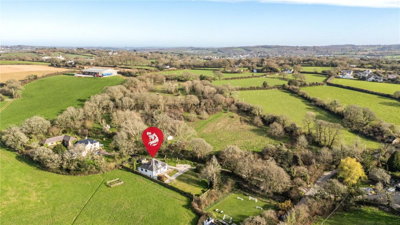
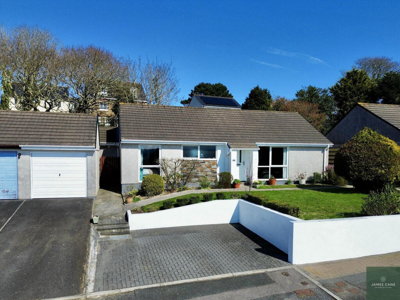
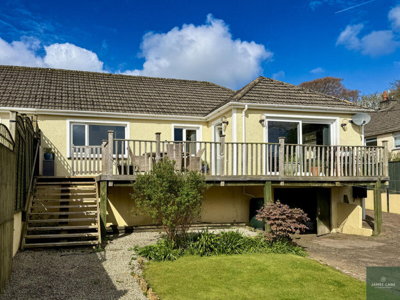
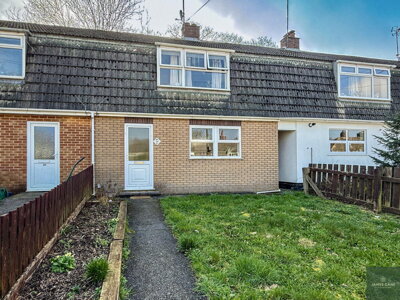
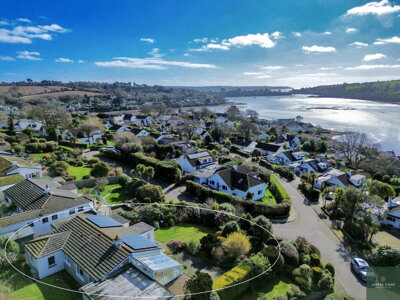
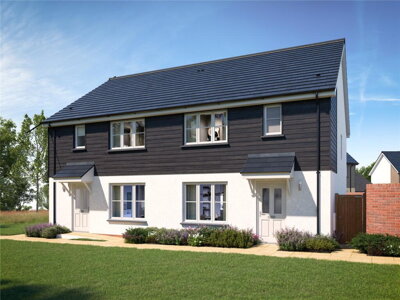
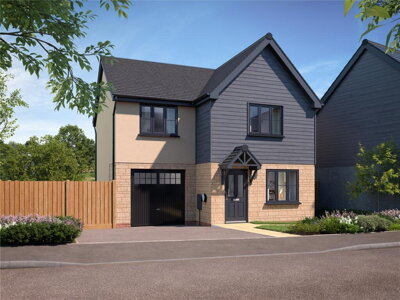
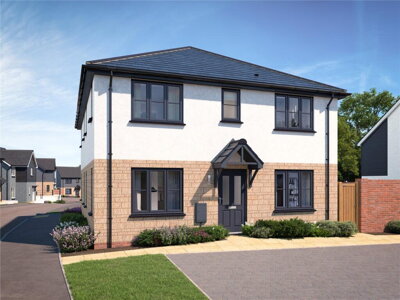
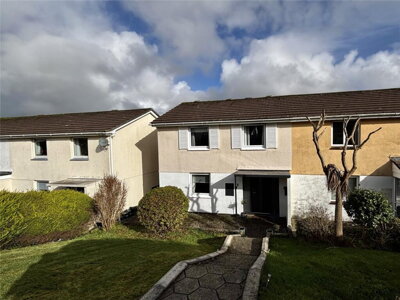
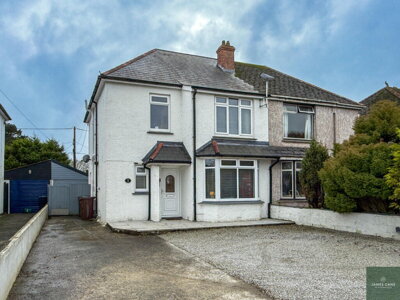
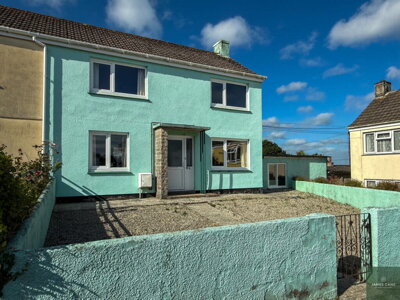
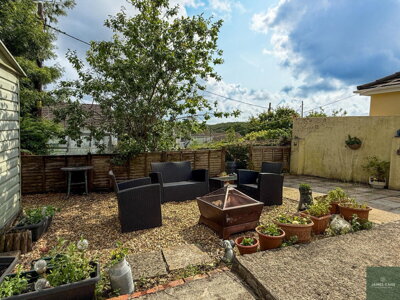
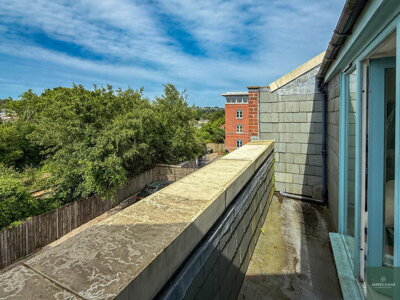
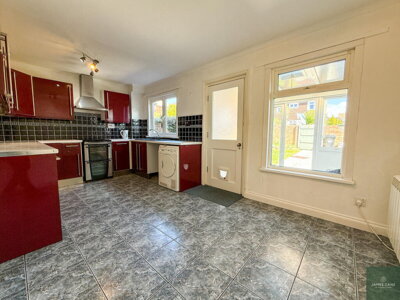
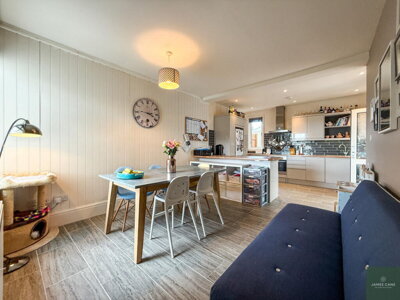
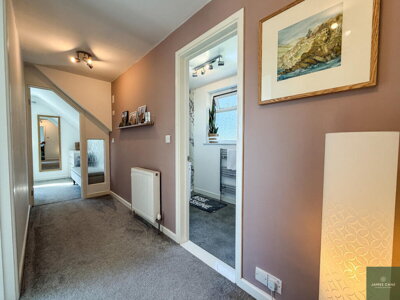
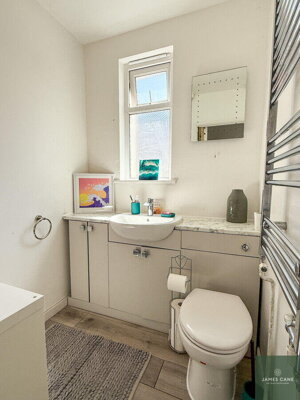
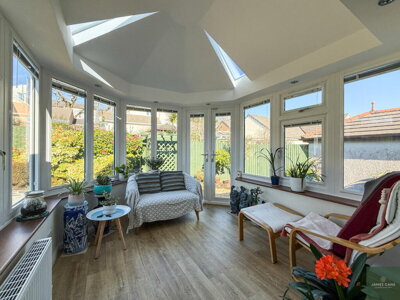
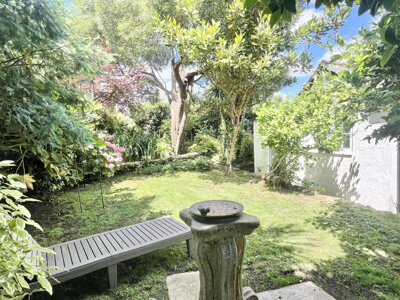
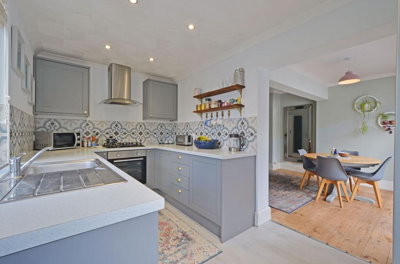
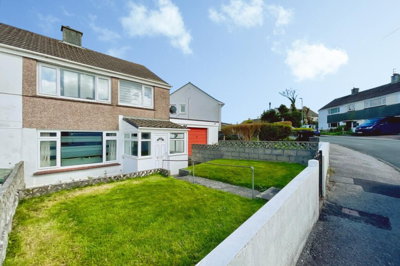
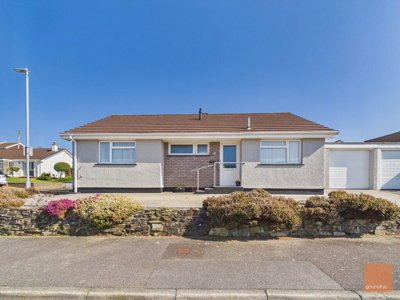
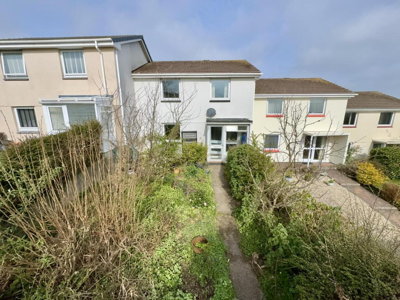
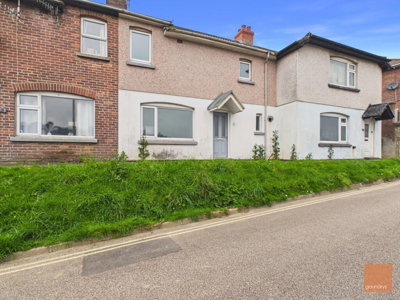
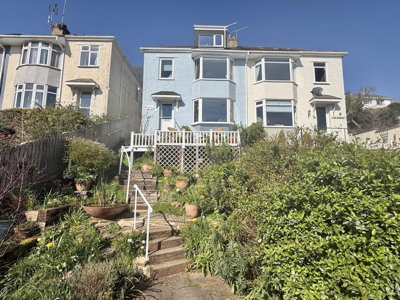
Browse 140 homes for sale in Kea, Cornwall from local estate agents.
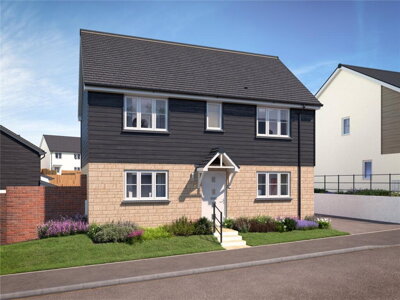
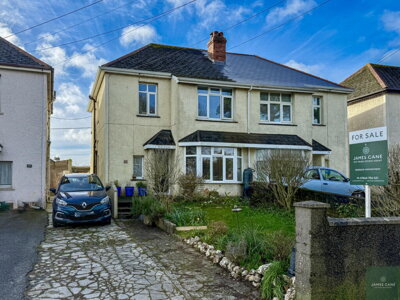
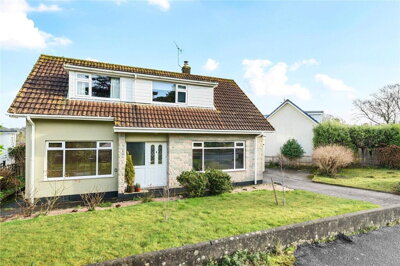
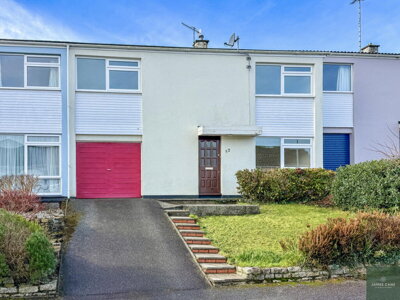
Three bedroom properties represent a significant portion of the Kea housing market, offering space for families with multiple reception rooms and gardens in many cases. Browse detached, semi-detached, and terraced options ranging from period character homes to contemporary developments.
£437k
2
0
71
Source: home.co.uk
Showing 2 results for 3 Bedroom Houses for sale in Kea, Cornwall. The median asking price is £437,000.
Source: home.co.uk
Detached
2 listings
Avg £437,000
Source: home.co.uk
Source: home.co.uk
The Kea property market reflects the desirability of this exceptional Cornish location. Properties within the TR3 postcode district have achieved notable sale prices in recent years, with individual homes selling between £559,000 and £625,000 in developments such as Penelewey Barns during 2022. More substantial residences have commanded even higher figures, with one property on Treveth achieving £1,100,000 in 2019 and another at Benallack selling for £980,000 the same year. These figures underscore the premium nature of property ownership in this part of Cornwall.
Property types in Kea span the full range from historic cottages built using traditional Cornish materials to substantial detached homes with river views. The housing stock includes characterful terraces along Ropework Row, period farmhouses with generous land, and individual homes positioned to take advantage of the parish's stunning riverside setting. New build activity remains limited within the Kea parish itself, though recent planning applications indicate small-scale residential development in neighbouring Calenick at Tinneyside Close, where five dwellings have been approved. This scarcity of new supply continues to support property values and makes existing character homes particularly desirable to buyers seeking immediate occupation.
The broader Feock and Kea electoral division consistently demonstrates strong performance relative to Cornwall averages, with prices running approximately 81% above typical county figures. This premium reflects the combination of the area's exceptional natural setting, the quality of local schools, and the strong sense of community that defines life in this part of south Cornwall. First-time buyers should note that achieving mortgage financing for properties at these price levels will require careful financial planning and likely a substantial deposit. Given the limited availability of properties for sale in Kea itself, buyers should also be prepared to act decisively when suitable properties become available.

Kea offers an enviable quality of life that draws buyers seeking escape from urban pressures. The parish sits on the western bank of the Truro River, with its northern boundary marked by Calenick Creek, creating a landscape defined by water, rolling countryside, and traditional Cornish farmland. The village centre centres around All Hallows Church, a Grade II* listed building constructed from cream Killas stone with granite dressings that dates back centuries and serves as a focal point for community life. The church and its surrounding churchyard, containing numerous listed monuments, speak to the deep historical roots of this settlement.
The character of Kea reflects its mining heritage as much as its agricultural traditions. The parish lies within a former tin and copper mining area south of Truro, and this industrial past has left its mark on the landscape and architecture. Traditional buildings throughout the area showcase the distinctive materials that define Cornish construction: granite for strength and weather resistance, slate and Killas stone for roofing, white quartz for decorative accents, and cob for wall construction. Properties such as Halwyn, a former farmhouse featuring slatestone rubble walls with cob, demonstrate how these materials were combined to create homes suited to local conditions. These building traditions continue to influence property styles today and give Kea its unmistakable architectural character.
Community life in Kea revolves around the parish church, the nearby Baldhu Methodist Church and Sunday School, and the traditional watering holes that serve residents. The Feock and Kea electoral division attracts a population that values both privacy and community engagement, creating a demographic profile that supports local services and village events. Residents enjoy excellent walking opportunities along the riverbanks and lanes, with the surrounding countryside offering endless exploration for those who appreciate Cornwall's natural beauty. The proximity to Truro means that cultural events, shopping, and major services are within easy reach, while Kea itself provides the peace and seclusion that many buyers seek.

Families considering relocation to Kea will find educational provision centred primarily in nearby Truro, which offers a comprehensive range of state and independent schooling options. Primary education within easy reach includes institutions serving the surrounding villages, with several rated good or outstanding by Ofsted inspectors. The rural nature of Kea means that school transport arrangements are well-established, with bus services connecting the parish to primary schools in the surrounding area. Parents should research specific catchment areas and admission policies, as Cornwall's school placement system operates on defined geographic zones.
Secondary education in the Truro area includes several well-regarded comprehensive schools, alongside grammar school options that serve the wider Cornwall region. Truro School, a prestigious independent co-educational day and boarding school founded in 1880, provides an alternative to the state sector and attracts students from across Cornwall. The city's educational infrastructure means that families moving to Kea can access a broader range of schooling options than might be available in more isolated rural locations. Sixth form provision in Truro is particularly strong, with both state and independent institutions offering A-level programmes and preparation for university entry.
Early years and childcare provision in the surrounding villages serves families with young children, with several settings offering flexible hours to accommodate working parents. The community spirit evident in Kea and neighbouring parishes supports informal childcare networks among residents. For families considering private education, the proximity to Truro's independent schools makes Kea particularly attractive, as children can access these institutions without the long daily commutes that affect families living further from educational centres. Researching school performance data and admission criteria before committing to a property purchase is strongly advisable, as catchment boundaries can change and competition for places in popular schools remains significant.
Kea benefits from a strategic position that balances rural seclusion with excellent connectivity. The parish lies just south of Truro, Cornwall's principal city, providing residents with direct access to the county's mainline railway station. Truro railway station offers regular services to London Paddington, with journey times of approximately four and a half hours, alongside connections to Plymouth, Bristol, and regional destinations across Cornwall. For commuters working in Truro, the journey from Kea takes just minutes by car, making this an ideal location for professionals who work in the city but wish to enjoy countryside living.
Road connections from Kea provide access to the A39 Atlantic Highway and the A30 trunk road, which forms Cornwall's main east-west spine. The A30 provides swift connections to the airport at Newquay, the ferry port at Plymouth, and destinations throughout the county. Daily commuting to Exeter or beyond is feasible for those with flexible working arrangements, though the distance means that full-time office-based commuting would prove demanding. Local bus services connect Kea with Truro and surrounding villages, providing options for those who prefer not to drive. The riverside position of the parish offers opportunities for water-based travel, with the River Fal providing scenic routes to Falmouth and the Roseland Peninsula.
For cyclists and walkers, the lanes around Kea offer miles of scenic routes through Cornish countryside. The proximity to the coast and the creeks of the Fal estuary provides additional recreational travel opportunities. Many residents of Kea combine multiple transport modes, using the train for longer journeys while enjoying the health benefits of walking and cycling for local trips. Parking provision at Truro station is limited during peak periods, so residents commuting by rail often benefit from living close enough to cycle to the station rather than requiring parking arrangements.
Before beginning your property search in Kea, arrange a mortgage agreement in principle with a lender. This document confirms your borrowing capacity and signals to estate agents that you are a serious buyer. Given that properties in Kea typically command premium prices, ensure your financial position can support purchases at this level before investing time in viewings.
Study available listings and recent sales data for Kea and the surrounding Feock and Kea electoral division. Understanding price ranges for different property types helps you identify realistic options. Note that limited new build supply means that existing character properties form the majority of available stock, and planning restrictions related to listed buildings may affect renovation possibilities.
Schedule viewings of properties matching your criteria, taking time to assess not just the property itself but the surrounding neighbourhood, noise levels, and proximity to amenities. In Kea, pay particular attention to the flood risk associated with the Truro River and Calenick Creek boundaries, and verify the condition of traditional construction materials including granite, slate, and cob.
Once you have agreed a purchase, instruct a qualified surveyor to conduct a RICS Level 2 Homebuyer Report. This inspection is particularly important for older properties in Kea, where traditional construction methods and the presence of clay soils may indicate potential issues with subsidence or shrink-swell movement. The survey identifies defects that may not be visible during viewings.
Choose a solicitor experienced in Cornwall property transactions to handle the legal aspects of your purchase. They will conduct searches with Cornwall Council, investigate rights of way, and manage the transfer of ownership. For listed buildings or properties in conservation areas, additional checks regarding planning history and permitted development rights will be necessary.
Once all searches are satisfactory and financing is confirmed, you will exchange contracts and pay your deposit. Completion typically follows within weeks, after which you will receive the keys to your new Kea home. Register your ownership with the Land Registry and update your address with relevant organisations.
Understanding traditional construction methods is essential when buying property in Kea, where historic buildings form a significant proportion of the housing stock. The local geology has shaped building traditions over centuries, with materials sourced from the surrounding Cornish landscape. Granite, prized for its durability and weather resistance, features prominently in foundations, doorways, and structural elements throughout the parish. The distinctive cream-coloured Killas stone, a slaty mudstone unique to this part of Cornwall, provides an attractive facing material seen on structures including the Grade II* All Hallows Church.
White quartz stone represents another characteristic feature of traditional Kea buildings, used decoratively to create visual interest in walls and Cornish hedges that line the country lanes. This gleaming stone, quarried locally, catches the light and gives properties a distinctive appearance that buyers quickly come to associate with the area. Slate, locally referred to as killas, serves multiple purposes in traditional buildings - roofing slates, wall cladding, and the construction of the famous Cornish hedges that define field boundaries throughout the parish. Properties throughout Kea showcase these materials in various combinations, reflecting the practical wisdom of generations of builders.
Cob construction, using a mixture of clay, sand, straw, and water, provides excellent insulation properties and features in several traditional properties including the former farmhouse Halwyn. While cob walls offer thermal benefits, they require appropriate maintenance to prevent moisture ingress, and a thorough survey will assess their condition. The presence of clay in the ground, suggested by the historical use of cob and the local geology of Cornwall, means that potential buyers should investigate shrink-swell risk, particularly for properties with mature trees or those situated on clay-prone subsoils. Our inspectors are experienced in assessing these traditional construction methods and can identify any concerns before you commit to your purchase.
Purchasing property in Kea requires careful attention to several factors specific to this part of Cornwall. The parish contains a significant number of listed buildings, including Grade II* All Hallows Church and numerous Grade II structures. If you are considering a listed property, understand that permitted development rights may be restricted, meaning that extensions, alterations, and even exterior painting may require Listed Building Consent from Cornwall Council. These restrictions protect the character of Kea but will limit your ability to modify the property in future. Albany Farmhouse represents just one example of the Grade II listed residential properties you may encounter during your search.
The geographical position of Kea, bounded by the Truro River and River Fal, creates potential flood risk for properties located near watercourses. When viewing properties, ask about any history of flooding and review Environment Agency flood maps for the specific location. Properties constructed using cob, while offering excellent insulation, may be susceptible to moisture issues if not properly maintained. A thorough RICS Level 2 survey will identify any concerns with the condition of traditional materials, including potential shrink-swell risks associated with clay content in the ground.
The mining heritage of the Kea area means that some properties may be affected by historical mining activity. Standard searches will reveal whether the property lies within a former mining area, and a specialist mining search may be advisable given the tin and copper mining history south of Truro. Understanding the implications for foundations and ground stability will inform your purchasing decision and any future building work. Service charges and maintenance arrangements for shared amenities should also be clarified, particularly for any modern properties that may have been created through conversions of traditional buildings.
While specific aggregated average prices for Kea itself are not publicly available, the broader Feock and Kea electoral division records house prices approximately 81% above the Cornwall average. Recent sales data from the TR3 postcode district shows properties ranging from £559,000 to £625,000 for standard family homes in developments such as Penelewey Barns, with premium properties achieving over £980,000 at locations including Benallack and Treveth. The premium nature of this location reflects the exceptional setting, quality of local schools, and limited supply of properties for sale. Buyers should expect to pay substantially above Cornwall average prices to secure a property in this sought-after parish.
Properties in Kea fall under Cornwall Council's jurisdiction and are assigned council tax bands based on their valuation. The rural and often historic nature of many Kea properties means that bands vary considerably depending on the property type and size. Most residential properties in the parish fall within bands C through F, though substantial detached homes with river views may be placed in higher bands. You can check the specific band for any property through the Cornwall Council website or by requesting this information during your conveyancing process.
Kea itself has limited schooling provision, with primary schools located in nearby villages and Truro serving the area. The surrounding Truro area offers several well-regarded primary schools and secondary schools, including the notable Truro School, an independent institution with an excellent academic reputation founded in 1880. Families should research specific catchment areas as Cornwall Council's admission policies determine which schools serve each address. School performance data and Ofsted ratings for nearby institutions are publicly available and should factor into decisions for families with children. The strong sixth form provision in Truro means that secondary-age children can access excellent A-level programmes without requiring boarding arrangements.
Kea benefits from proximity to Truro, Cornwall's main transport hub, which lies just minutes away by car. Truro railway station provides regular services to London Paddington, Plymouth, Bristol, and destinations across Cornwall, with journey times to London of approximately four and a half hours. Local bus services connect Kea with Truro and surrounding villages, though frequency may be limited compared to urban routes. For daily commuting, car ownership remains practical necessity for most residents, though the short distance to Truro means that cycling is viable for many journeys. The A30 trunk road provides additional connectivity for those travelling further afield.
Kea presents a compelling investment case due to its combination of limited supply, premium pricing, and consistent demand. Properties in the Feock and Kea electoral division have demonstrated strong values relative to Cornwall averages, and the area attracts buyers seeking quality of life alongside practical connectivity to Truro. However, investors should note that the limited new build activity means that rental demand may be more constrained than in larger towns, and the premium purchase prices may limit yield potential. Properties requiring renovation may offer value opportunities for investors willing to accept the complexities of listed building restrictions and traditional construction maintenance.
Stamp duty rates in Kea follow standard England rates as Cornwall does not have devolved property taxation. For main residences, buyers pay nothing on the first £250,000, then 5% on the portion up to £925,000, 10% up to £1.5 million, and 12% on any amount above that. First-time buyers benefit from relief on the first £425,000, with 5% charged between £425,000 and £625,000. Given that most Kea properties exceed these thresholds, many buyers will pay stamp duty at standard rates. Your solicitor will calculate the exact liability based on the purchase price and your circumstances.
Properties in Kea located near the Truro River, River Fal, or Calenick Creek may face elevated flood risk due to their proximity to these watercourses. The parish boundaries reflect this geographical positioning, with the eastern edge defined by the rivers and the northern boundary marked by Calenick Creek. When purchasing property in these locations, ask about historical flooding and review Environment Agency flood mapping data. Buildings with cob construction may also present moisture-related concerns that require professional assessment. Our surveyors can evaluate these risks as part of a comprehensive property inspection.
Kea contains a notable concentration of listed buildings, including the Grade II* All Hallows Church of Saint Kea, the terraces at Ropework Row, Albany Farmhouse, and Baldhu Methodist Church and Sunday School. Properties with listed status are subject to restrictions on alterations, extensions, and even routine maintenance that might affect the historic fabric. Anyone considering a listed property should consult with Cornwall Council regarding permitted development rights and Listed Building Consent requirements before proceeding. These restrictions help preserve Kea's distinctive character but will influence any future renovation plans.
From 4.5%
Compare mortgage options for your Kea purchase
From £499
Expert property solicitors for your Kea transaction
From £350
Professional survey for your Kea property
From £60
Energy performance certificate for your Kea home
Buying a property in Kea involves several costs beyond the purchase price itself. Stamp Duty Land Tax represents the most significant additional expense, and the premium nature of Kea properties means that most buyers will pay duty at standard rates rather than benefiting from first-time buyer relief. For a typical Kea property priced at £600,000, a main residence buyer without first-time buyer status would pay nothing on the first £250,000, then £12,500 on the portion between £250,000 and £600,000 (at 5%), totalling £17,500. Properties at higher price points attract duty at progressive rates up to 12% on amounts exceeding £1.5 million.
First-time buyers should note that relief applies only up to £625,000, with no benefit available above this threshold. This means that first-time buyers purchasing premium Kea properties will pay stamp duty on the full amount, though the relief on the first £425,000 still provides some benefit. Given the typical prices in Kea, many buyers at this level are likely to have owned property before, making standard rates the relevant consideration. Your solicitor will calculate the exact liability based on your specific circumstances and whether the property will be your main residence.
Additional costs include solicitor fees, typically ranging from £500 to £2,000 depending on complexity, alongside searches and registration fees of several hundred pounds. Survey costs for a RICS Level 2 Homebuyer Report start from approximately £350 for a standard property, rising for larger homes. Given the historic nature of many Kea properties, you may wish to budget for a more detailed survey to assess traditional construction elements. Mortgage arrangement fees, valuation fees, and insurance costs complete the picture of purchasing expenses. Building insurance must be in place from completion, and life or mortgage protection insurance is advisable for buyers financing with significant borrowing.
Properties for Sale In London

Properties for Sale In Plymouth

Properties for Sale In Liverpool

Properties for Sale In Glasgow

Properties for Sale In Sheffield

Properties for Sale In Edinburgh

Properties for Sale In Coventry

Properties for Sale In Bradford

Properties for Sale In Manchester

Properties for Sale In Birmingham

Properties for Sale In Bristol

Properties for Sale In Oxford

Properties for Sale In Leicester

Properties for Sale In Newcastle

Properties for Sale In Leeds

Properties for Sale In Southampton

Properties for Sale In Cardiff

Properties for Sale In Nottingham

Properties for Sale In Norwich

Properties for Sale In Brighton

Properties for Sale In Derby

Properties for Sale In Portsmouth

Properties for Sale In Northampton

Properties for Sale In Milton Keynes

Properties for Sale In Bournemouth

Properties for Sale In Bolton

Properties for Sale In Swansea

Properties for Sale In Swindon

Properties for Sale In Peterborough

Properties for Sale In Wolverhampton

Enter your details to see if this property is within your budget.
Loans, cards, car finance
Estimated property budget
Borrowing + deposit
You could borrow between
Typical borrowing
Monthly repayment
Est. at 4.5%
Loan-to-value
This is an estimate only. Your actual budget may vary depending on interest rates, credit history, and personal circumstances. For an accurate affordability assessment, speak to one of our free mortgage advisors.
This calculator provides estimates for illustrative purposes only and does not constitute financial advice. Your home may be repossessed if you do not keep up repayments on your mortgage. Estimates based on 4.5% interest rate, repayment mortgage. Actual rates depend on your circumstances.
Homemove is a trading name of HM Haus Group Ltd (Company No. 13873779, registered in England & Wales). Homemove Mortgages Ltd (Company No. 15947693) is an Appointed Representative of TMG Direct Limited, trading as TMG Mortgage Network, which is authorised and regulated by the Financial Conduct Authority (FRN 786245). Homemove Mortgages Ltd is entered on the FCA Register as an Appointed Representative (FRN 1022429). You can check registrations at NewRegister or by calling 0800 111 6768.

We use cookies to show you personalised content and improve your experience of our website. Find out more in our Privacy policy and Cookie policy.