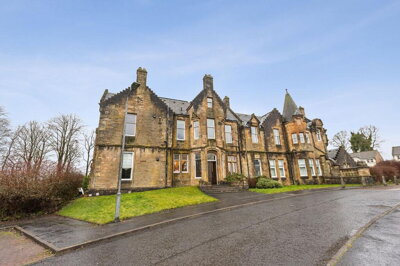
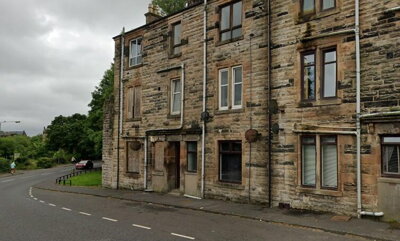
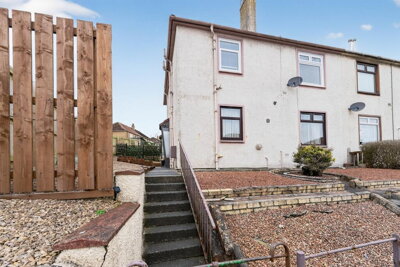
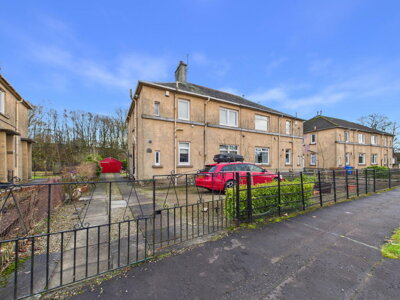
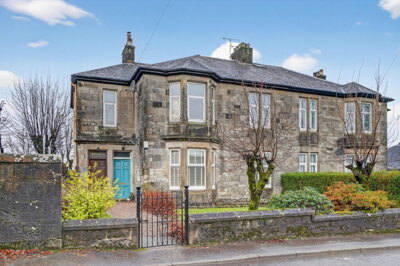
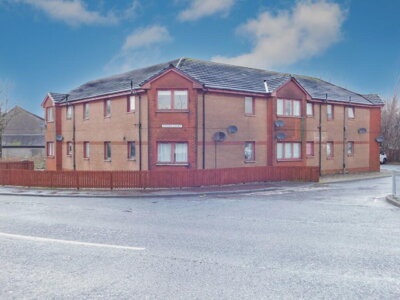
Browse 7 homes for sale in KA25 from local estate agents.
The 2 bed flat sector typically includes two separate bedrooms, dedicated living areas, and bathroom facilities. Properties in KA25 span purpose-built blocks, converted period houses, and modern apartment complexes on various floors.
£45k
2
0
70
Source: home.co.uk
Showing 2 results for 2 Bedroom Flats for sale in KA25. The median asking price is £44,500.
Source: home.co.uk
Flat
2 listings
Avg £44,500
Source: home.co.uk
Source: home.co.uk
The IV53 property market reflects the unique dynamics of rural Highland Scotland, where demand for character homes and traditional properties remains steady despite national trends elsewhere. Our data shows that property prices in IV53 have increased by 6% over the past twelve months, indicating growing recognition of the area's appeal among buyers seeking escapism from urban living. While the current average stands at £220,333, this figure masks significant variation between property types, with the market offering everything from affordable starter homes to substantial detached houses with land. The relative affordability compared to urban centres makes this area particularly attractive for remote workers, retirees, and families looking to relocate.
Detached properties in IV53 command an average price of £186,000, providing excellent value for families seeking generous living space and outdoor amenity. These homes often feature traditional construction with stone walls and slate roofs, reflecting the building heritage of the Strathcarron area. Semi-detached homes average around £175,000, representing an accessible entry point for first-time buyers or those looking to relocate to the Highlands. Perhaps surprisingly, flats in the IV53 postcode area average £300,000, often reflecting the conversion of traditional buildings or the limited supply of apartment-style accommodation in this rural setting. The higher average for flats is partly explained by their relative scarcity and the conversion of historic properties into desirable residential units.
Despite being 37% below the 2004 peak of £350,000, the market has shown consistent recovery, suggesting favourable conditions for long-term investment. Historical data shows that the IV53 property market weathered the 2008 financial crisis and subsequent years with relatively stable values, before beginning its recovery trajectory. Prospective buyers should note that property transactions in this rural area may take longer to complete than in urban markets, due to the smaller pool of available properties and the additional considerations involved in rural Scottish property purchases. Working with local estate agents who understand the nuances of Highland property transactions can help streamline your buying experience.

Life in the IV53 postcode area revolves around the rhythms of the Highland landscape, where communities are defined by their relationship with surrounding mountains, glens, and sea lochs. The area falls within the Highland Council jurisdiction, serving residents who value accessibility to essential services alongside the unspoiled natural environment. Local communities include Strathcarron, which serves as a key hub for the surrounding area, and smaller settlements scattered through the glens. The population trends across Scotland show households increasingly favouring smaller, more sustainable living arrangements, with average household size now standing at 2.08 people, and one-person households becoming the most common household type since around 2011.
The character of housing in this part of the Highlands draws from traditional Scottish building heritage, with properties often constructed from local stone and roofed with natural slate. While specific data for IV53 property age distribution was not found, Scottish housing stock typically includes a significant proportion of pre-1919 traditional buildings alongside post-war terraced houses and more modern detached properties built since 1982. Across Scotland in 2022, approximately 21.9% of households lived in detached houses, 22.8% in semi-detached properties, and 36.4% in flats, though this distribution varies considerably in rural Highland areas. This mix provides buyers with varied options, from historic stone cottages requiring modernisation to contemporary homes built to modern specifications.
The sense of community in Highland villages remains strong, with local employers including the Highland Council itself supporting essential services across the region. Employment opportunities in the IV53 area typically centre on public services, tourism, agriculture, and the growing remote working sector. Many residents have embraced flexible working arrangements that enable them to enjoy the Highland lifestyle while maintaining employment elsewhere. The area attracts individuals seeking a better work-life balance, artists and creative professionals inspired by the landscape, and retirees drawn to the peaceful environment and strong community bonds. Village shops, local pubs, and community halls remain focal points for social interaction, preserving the welcoming character that defines rural Highland living.
Families considering a move to IV53 will find educational provision organised through the Highland Council's comprehensive school network. Primary education within the Strathcarron area and surrounding communities is delivered through local primary schools that serve their immediate catchments, providing young children with a strong foundation in a supportive rural environment. These smaller schools often benefit from close relationships between teachers and families, allowing for individualised attention that can prove invaluable during formative years. Class sizes in rural Highland schools tend to be smaller than urban averages, which many parents find beneficial for their children's development and academic progress.
Secondary education is typically accessed through larger schools serving wider geographic areas, with pupils traveling reasonable distances to reach their catchment secondary. The Highland Council maintains rigorous standards across its school estate, and parents are encouraged to verify current Education Scotland inspection reports for schools within their intended catchment area. For families with specific educational requirements or particular school preferences, understanding catchment boundaries before purchasing property is essential, as these can influence both primary and secondary school placements. The travelling involved for secondary education is considered normal for rural Highland families, though prospective buyers should factor this into their daily routines and transport arrangements.
Further education and higher education opportunities are available at colleges and universities in Inverness and across Scotland, accessible via the region's transport connections. Young people from the IV53 area often travel to Inverness for further and higher education, taking advantage of the scenic West Highland Line railway or bus services that connect the area to the Highland capital. The University of the Highlands and Islands offers various courses through its network of colleges, providing higher education opportunities closer to home for those who prefer to remain in the region. Parents researching schools should contact Highland Council directly for the most current information about catchment areas, school capacities, and transport arrangements for pupils living in the IV53 postcode area.
The IV53 postcode area benefits from connections to the West Highland Line, one of Britain's most scenic railway routes, which serves communities along Strathcarron and connects passengers to Inverness, the Highland capital, and onward to the rest of the UK rail network. The scenic journey to Inverness takes approximately two to three hours, depending on connections, placing the city within reasonable reach for those who need to commute for work, access specialised services, or enjoy urban amenities. The railway line itself is a significant asset, attracting visitors and residents alike with its dramatic views of mountains, lochs, and moorland as it winds through the Highlands.
Road connections centre on the A890 and surrounding trunk roads, which wind through the glens connecting communities and providing access to the wider Highland road network. The A890 provides the main artery through Strathcarron, linking to the A832 and other roads that connect the various communities within the IV53 postcode area. Drivers should be prepared for single-track sections in places, passing places on rural roads, and the need to adjust to driving conditions that differ significantly from urban or suburban environments. Road maintenance in remote Highland areas can be challenging due to weather conditions and the vast geographical spread of the road network.
Daily commuting from IV53 to major employment centres presents practical challenges given the rural location, and most residents work locally or have embraced flexible working arrangements that reduce the need for frequent travel. The rise of remote working has made the IV53 area more accessible to a broader range of professionals who can maintain their employment while enjoying the Highland lifestyle. Inverness Airport, located approximately 90 minutes from the IV53 area, provides connections to London and other major UK cities, as well as some European destinations, linking the Highlands to the wider world. Bus services operated by Highland Council and private providers connect villages within the area, though frequency may be limited compared to urban routes, making personal transport valuable for residents. Understanding the practical realities of transport in this remote but beautiful corner of Scotland is essential for anyone considering relocation.
Explore current listings in the IV53 postcode area and understand price trends. The average property price of £220,333 provides a useful benchmark, though prices vary significantly between detached homes around £186,000 and flats averaging £300,000. Use Homemove's platform to browse available properties and set up alerts for new listings that match your criteria.
Contact lenders or use Homemove's mortgage comparison tools to secure a mortgage agreement in principle before viewing properties. This demonstrates your buying capability to sellers and accelerates the purchasing process. Given the rural nature of the IV53 market, having your finances arranged is particularly important as properties may attract multiple interested parties.
Visit properties that match your requirements, paying attention to construction type, condition, and any signs of damp or structural issues common in older Highland properties. A thorough viewing helps you assess whether a property suits your needs. Take time to explore the surrounding area and speak with locals to gain insight into community life.
Before completing your purchase, commission a RICS Level 2 Survey to assess the property condition thoroughly. These surveys, costing between £400 and £1,000 depending on property value, identify defects including damp, roof issues, and structural concerns that may not be apparent during viewings. For traditional stone properties common in the IV53 area, surveys can be particularly valuable in identifying maintenance needs specific to historic construction.
Appoint a solicitor experienced in Scottish property transactions to handle the legal aspects of your purchase. Scottish conveyancing has distinct procedures from the rest of the UK, including the requirement for a Home Report prepared by the seller. Your solicitor will also handle the Land and Buildings Transaction Tax (LBTT), which applies to Scottish property purchases.
Your solicitor will guide you through completion, when ownership transfers and the remaining balance is paid. Keys are typically collected from the selling agent following successful completion. Be aware that the process may take longer than in urban areas due to the smaller scale of the local property market and additional logistics involved in rural transactions.
Purchasing property in the Scottish Highlands requires awareness of local factors that may not affect buyers in more urban areas. Properties in IV53 often include traditional construction methods, with buildings featuring local stone walls, slate roofing, and solid floors that differ from modern standard specifications. Understanding these construction types helps buyers appreciate both the character and potential maintenance requirements of Highland properties. Older buildings may show signs of settlement or weathering that would be concerning in newer construction but are often normal for properties of their age and construction type.
Traditional Scottish stone construction, prevalent throughout the IV53 area, uses local materials that have stood for generations but require understanding of their maintenance needs. Stone walls were traditionally built without damp-proof courses, meaning moisture management through ventilation is essential. Roofs covered with natural slate, sourced from Scottish quarries, are durable but require periodic inspection and replacement of individual slates. Solid floors, often consisting of flags or concrete, may lack insulation by modern standards, which buyers should factor into renovation planning and energy cost estimates.
While specific flood risk data for IV53 was not found, the Scottish Environment Protection Agency provides flood maps that prospective buyers should consult, particularly for properties near watercourses or in valley locations. The geology of parts of Scotland includes clay soils susceptible to shrink-swell movements, which can affect foundations, though this varies significantly by location. The UK Environment Agency identifies clay shrink-swell as the most damaging geohazard, capable of causing subsidence or heave to foundations, particularly in properties with shallow foundations common in older construction. Buyers should also verify whether properties fall within conservation areas or are listed buildings, as these designations impose restrictions on alterations and renovations.
Given the age of many properties in the Highland area, surveys can be particularly valuable in identifying maintenance needs and informing renovation budgets. Our inspectors frequently encounter damp issues related to blocked airbricks, poor ventilation, or damaged render in traditional properties. Roof conditions, including slipped or missing slates and deterioration of ridge pointing, are common findings in older Highland homes. Electrical systems in period properties may require updating to meet current standards, which surveyors will flag if they identify potential concerns.
The average property price in the IV53 postcode area over the past twelve months was £220,333. This masks variation between property types, with detached properties averaging £186,000, semi-detached homes around £175,000, and flats averaging significantly higher at £300,000. Prices have increased by 6% over the past year, showing recovery from the 2004 peak of £350,000, though values remain 37% below that previous high. The relatively low average price reflects the rural nature of the area and the mix of property types available, including traditional stone cottages and modern detached homes.
Properties in IV53 fall under Highland Council tax bands, which range from Band A to Band H based on property valuation. The Highland Council sets council tax rates annually, and specific band allocations depend on the assessor's valuation of each property. In Scotland, bands are based on property values as assessed in 1991, adjusted for any significant changes to the property. You can verify the council tax band for any specific property through the Scottish Assessors Association website or by contacting Highland Council directly.
Education in the IV53 area is provided through Highland Council's school network, including local primary schools serving immediate communities and secondary schools serving wider catchment areas. Specific school performance data should be verified through Education Scotland's inspection reports, which provide parents with detailed information about quality of education, pupil attainment, and school leadership. Families should confirm their intended property falls within their preferred school's catchment boundary before purchasing, as catchment areas can span considerable distances in rural settings.
The IV53 postcode area is served by the West Highland Line railway, connecting communities to Inverness and the wider UK rail network via a scenic but relatively lengthy journey of two to three hours to the Highland capital. Bus services operated by Highland Council and private providers link villages within the area, though service frequency may be limited compared to urban routes. Daily commuting to major employment centres presents practical challenges given the rural location, and most residents either work locally or benefit from flexible or remote working arrangements that have become increasingly common.
Property prices in IV53 have shown 6% growth over the past twelve months, indicating strengthening demand for Highland properties. With average prices at £220,333, the market offers relative affordability compared to many UK regions, potentially appealing to buyers seeking value or lifestyle benefits. Long-term prospects may be supported by continued interest in rural living and remote working opportunities. However, buyers should consider factors including limited local employment opportunities, transport connectivity challenges, and the practical realities of maintaining a property in a remote Scottish location where contractors and services may require longer lead times.
Scotland operates its own property transaction tax called Land and Buildings Transaction Tax (LBTT), which differs from Stamp Duty Land Tax in the rest of the UK. The current LBTT rates start at 0% for properties up to £145,000, then 2% on the portion from £145,001 to £250,000, 5% from £250,001 to £325,000, and 10% from £325,001 to £750,000. For a typical property at the IV53 average price of £220,333, LBTT would be approximately £1,507. First-time buyer relief operates differently in Scotland compared to England, so consult a solicitor or use the Revenue Scotland calculator for your specific circumstances.
Whether purchasing a traditional stone cottage or a more modern home, obtaining an independent survey is strongly recommended for all buyers in the IV53 area. A RICS Level 2 Survey, costing between £400 and £1,000 depending on property value and type, provides a detailed assessment of condition, identifying defects such as damp, structural movement, or roof issues that may not be apparent during viewings. Given the age of many properties in the Highland area, surveys can be particularly valuable in identifying maintenance needs and informing renovation budgets. For listed buildings or properties with unusual construction, a more comprehensive RICS Level 3 Survey may be advisable.
Understanding the full costs of purchasing property in IV53 extends beyond the sale price to include legal fees, surveys, and taxes that form part of every Scottish property transaction. The Land and Buildings Transaction Tax replaces Stamp Duty in Scotland, with rates calculated on a progressive scale. For a property priced at the IV53 average of £220,333, buyers would pay LBTT of approximately £1,507, calculated at 0% on the first £145,000 and 2% on the remaining £75,333. Properties above £250,000 incur higher rates, so accurate calculation based on your specific purchase price is essential for budgeting.
Additional purchase costs include solicitor fees for conveyancing, which typically range from £500 to £1,500 depending on complexity and whether the transaction involves a mortgage. Scottish conveyancing differs from the rest of the UK, requiring a Home Report prepared by the seller and involving different legal procedures. A RICS Level 2 Survey costs between £400 and £1,000 for properties in the IV53 price range, providing valuable protection against unforeseen defects. Our inspectors have extensive experience surveying traditional Highland properties and understand the specific issues that affect buildings in this region.
Factor in mortgage arrangement fees, potentially ranging from zero to 2% of the loan amount, and removal costs when calculating your total budget for moving to your new Highland home. Survey costs for flats and apartments typically range from £250-£400 for market valuations and from £384 average for properties under £200,000. While the IV53 market offers attractive property prices, buyers should budget for potential renovation costs, particularly for traditional stone properties that may require updating of systems, insulation, or exterior finishes to meet modern standards while preserving their character.
One unique consideration for IV53 buyers is the potential cost of maintaining private access roads and shared facilities, which are common in rural Highland areas. Properties may share responsibility for private road maintenance, winter gritting, and other practical considerations that differ from urban property ownership. Buildings insurance in remote areas can also vary from urban premiums, and buyers should obtain quotes before completing their purchase. Planning for these ongoing costs ensures your Highland home purchase remains affordable in the long term.
Properties for Sale In London

Properties for Sale In Plymouth

Properties for Sale In Liverpool

Properties for Sale In Glasgow

Properties for Sale In Sheffield

Properties for Sale In Edinburgh

Properties for Sale In Coventry

Properties for Sale In Bradford

Properties for Sale In Manchester

Properties for Sale In Birmingham

Properties for Sale In Bristol

Properties for Sale In Oxford

Properties for Sale In Leicester

Properties for Sale In Newcastle

Properties for Sale In Leeds

Properties for Sale In Southampton

Properties for Sale In Cardiff

Properties for Sale In Nottingham

Properties for Sale In Norwich

Properties for Sale In Brighton

Properties for Sale In Derby

Properties for Sale In Portsmouth

Properties for Sale In Northampton

Properties for Sale In Milton Keynes

Properties for Sale In Bournemouth

Properties for Sale In Bolton

Properties for Sale In Swansea

Properties for Sale In Swindon

Properties for Sale In Peterborough

Properties for Sale In Wolverhampton

Enter your details to see if this property is within your budget.
Loans, cards, car finance
Estimated property budget
Borrowing + deposit
You could borrow between
Typical borrowing
Monthly repayment
Est. at 4.5%
Loan-to-value
This is an estimate only. Your actual budget may vary depending on interest rates, credit history, and personal circumstances. For an accurate affordability assessment, speak to one of our free mortgage advisors.
This calculator provides estimates for illustrative purposes only and does not constitute financial advice. Your home may be repossessed if you do not keep up repayments on your mortgage. Estimates based on 4.5% interest rate, repayment mortgage. Actual rates depend on your circumstances.
Homemove is a trading name of HM Haus Group Ltd (Company No. 13873779, registered in England & Wales). Homemove Mortgages Ltd (Company No. 15947693) is an Appointed Representative of TMG Direct Limited, trading as TMG Mortgage Network, which is authorised and regulated by the Financial Conduct Authority (FRN 786245). Homemove Mortgages Ltd is entered on the FCA Register as an Appointed Representative (FRN 1022429). You can check registrations at NewRegister or by calling 0800 111 6768.

We use cookies to show you personalised content and improve your experience of our website. Find out more in our Privacy policy and Cookie policy.