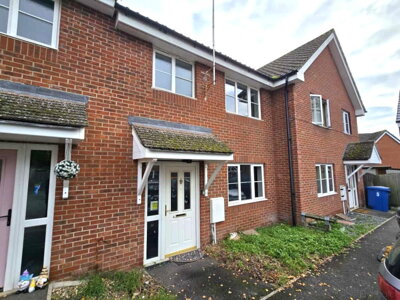
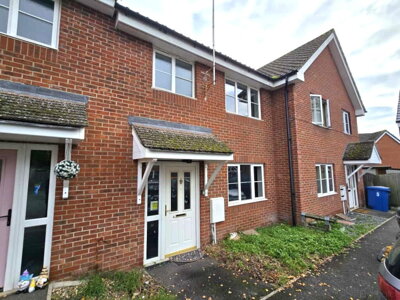
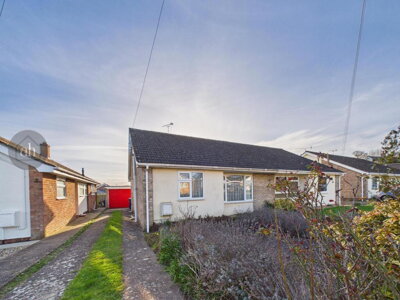
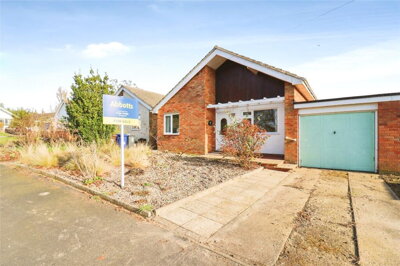
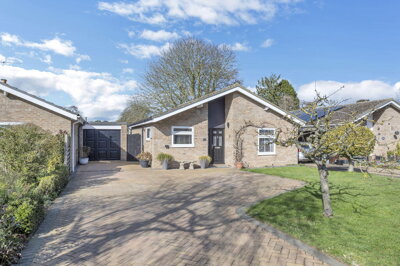
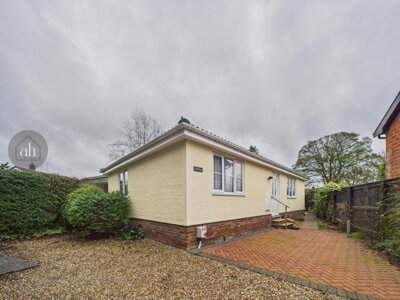
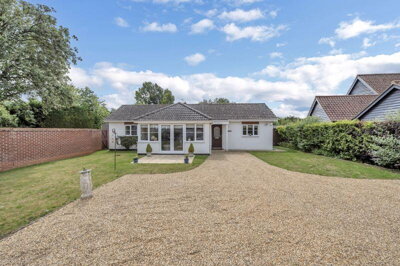
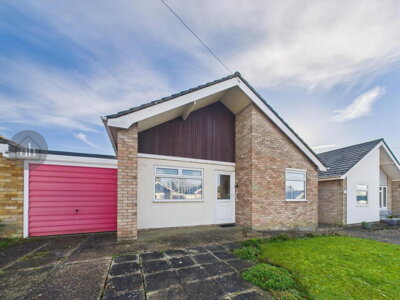
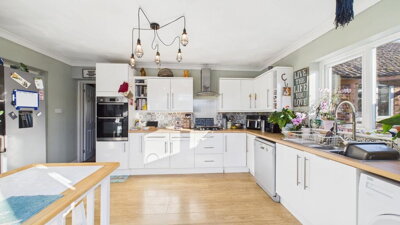
Browse 9 homes for sale in Ixworth, West Suffolk from local estate agents.
The 2 bed house market features detached, semi-detached, and terraced properties with two separate bedrooms plus living spaces. Properties in Ixworth range from Victorian and Edwardian period homes to modern new builds, with pricing varying across different neighbourhoods.
£165k
2
0
148
Source: home.co.uk
Showing 2 results for 2 Bedroom Houses for sale in Ixworth, West Suffolk. The median asking price is £165,000.
Source: home.co.uk
Terraced
2 listings
Avg £165,000
Source: home.co.uk
Source: home.co.uk
Ixworth's property market reflects the broader strength of West Suffolk's housing sector, with prices rising 1.5% over the past twelve months. The village offers a mix of property types to suit various budgets and lifestyles. Detached homes command the highest prices, averaging £410,000, while semi-detached properties typically sell for around £275,000. Terraced homes provide more affordable entry points at approximately £230,000, and flats remain the most accessible option at around £160,000. These price points reflect the village's appeal as an alternative to more expensive locations in Cambridgeshire and Essex while maintaining strong connections to major employment centres.
The housing stock breakdown in Ixworth shows a predominantly detached character, with approximately 40-45% of properties being detached homes, particularly in newer developments and around the village periphery. Semi-detached properties account for roughly 30-35% of the housing stock, with terraced homes comprising 15-20% and flats representing just 5-10% of available properties. This breakdown explains why detached homes command such significant premiums in the village, as supply of this property type remains constrained relative to demand from buyers seeking spacious family homes in a rural setting.
Age distribution across Ixworth shows significant variation, with a substantial proportion of properties pre-1919, particularly within the Conservation Area covering the historic village core. These older properties include many period cottages and farmhouses constructed from traditional Suffolk brick, typically featuring solid 9-inch or 13-inch brick walls, timber floors, and pitched roofs with clay tiles. More substantial development occurred post-1945, with cavity wall construction becoming standard for mid-century properties built between 1919 and 1980. Contemporary properties and new builds use modern cavity wall or timber frame construction methods, offering improved insulation and energy efficiency compared to older counterparts.
The combination of period properties, mid-century housing, and contemporary developments creates a diverse market. Buyers should understand that older properties may require more maintenance investment but offer character and solid construction that has proven durable over decades. New builds provide modern living standards but at premium prices, with The Pastures and Ixworth Gardens representing the primary new build options currently available in the village.

Ixworth is a village with a population of approximately 2,200 residents across roughly 950 households, creating an intimate community atmosphere that many buyers find appealing compared to larger towns. The village centre centres around the historic High Street, The Street, and Church Street, where a conservation area preserves the architectural heritage of Suffolk brick cottages, period farmhouses, and the impressive St Mary's Church. The Ixworth Abbey ruins add a fascinating historical dimension to the village, reflecting centuries of settlement in this part of West Suffolk.
The local economy benefits from agriculture, small businesses, and proximity to RAF Honington, which contributes to housing demand in the surrounding villages. Many residents enjoy the peaceful rural lifestyle while commuting to Bury St Edmunds, located just seven miles away, for larger employer options in retail, public services, and light industry. The presence of RAF Honington means the area has good road connections to Thetford and the Breckland region, providing additional commuting and connectivity options for residents.
Local amenities include a village shop, pub, and community facilities, while the nearby market town of Bury St Edmunds provides comprehensive shopping, healthcare, and leisure options. The journey to Bury St Edmunds takes approximately 15-20 minutes by car, with bus services providing public transport options for those without vehicles. Local road infrastructure is well-suited to cycling, with country lanes popular among recreational riders who appreciate the flat Suffolk countryside and minimal traffic on village roads.
Community life in Ixworth centres around local events, the village pub, and church activities, with residents describing a welcoming atmosphere where neighbours know each other. The village hall hosts various functions throughout the year, and the local Primary School serves as a community hub. For families, this village atmosphere provides an ideal environment for children to grow up, combining the benefits of rural life with sufficient population to sustain local services and community spirit.

Families considering a move to Ixworth will find educational options within the village and surrounding areas. The village is served by local primary schools, with parents typically choosing between establishments in Ixworth itself or nearby villages depending on catchment areas and availability. For secondary education, students often travel to Bury St Edmunds, which offers a wider selection of secondary schools including grammar schools and comprehensive options. The presence of quality education options influences property values in village communities across West Suffolk.
Parents purchasing family homes in Ixworth benefit from the village's position, allowing access to both smaller local schools with strong community ties and the broader educational opportunities available in the nearby town. Ixworth Primary School serves the immediate village and surrounding countryside, providing education for children from reception through to Year 6. The school benefits from small class sizes and close relationships between teachers and students, which parents frequently cite as advantages of village education.
For secondary education, students typically attend schools in Bury St Edmunds approximately seven miles away, which offers a broader selection including grammar schools and comprehensive options. Notable secondary schools in Bury St Edmunds include King Edward VI School, a well-regarded grammar school, and St Benedict's Catholic School, alongside comprehensive options serving diverse educational needs. School transport links are generally good, with bus services operating between Ixworth and secondary schools in the town.
Sixth form and further education provision is concentrated in Bury St Edmunds, which provides a comprehensive range of A-level courses and vocational qualifications for older students. The West Suffolk College offers further education opportunities, while sixth form provision at local secondary schools provides progression routes for students completing their GCSEs. Families with older children often cite the quality of secondary and further education options as a key factor in choosing Ixworth as a place to live.
Ixworth enjoys practical transport connections that balance rural tranquility with accessibility to larger centres. The village sits within easy reach of the A14 corridor, providing road links to Cambridge, Ipswich, and the wider motorway network. Bury St Edmunds railway station offers connections to Cambridge, Ipswich, and London Liverpool Street, making Ixworth viable for commuters who need occasional access to major employment centres. The A14 provides direct access to the port of Felixstowe, connecting the region to international trade routes.
For daily necessities, Bury St Edmunds serves as the primary shopping and services hub, located approximately seven miles from Ixworth. The journey takes around 15-20 minutes by car, with bus services providing public transport options for those without vehicles. Bus route 335 connects Ixworth to Bury St Edmunds, providing a viable option for those working in the town or needing to access services without driving. Local road infrastructure is well-suited to cycling, with country lanes popular among recreational riders.
Rail travel from Bury St Edmunds provides access to Cambridge in approximately 40 minutes, Ipswich in around 30 minutes, and London Liverpool Street in roughly 90 minutes. These rail connections make Ixworth practical for commuters working in professional sectors in Cambridge's technology cluster or London's financial services. The village's position means residents can choose between the convenience of commuting and the cost savings of working locally or remotely, a flexibility that many find valuable.
For air travel, London Stansted is approximately 60 miles away, providing international connections across Europe and beyond. Norwich Airport, around 50 miles distant, offers domestic flights and some European destinations. The proximity to RAF Honington also means the area has good road connections to Thetford and the Breckland region, expanding the range of accessible destinations for residents.
Understanding local construction methods helps buyers appreciate the properties available in Ixworth and the maintenance considerations associated with different property ages. The village's housing stock spans multiple eras, from historic cottages to contemporary new builds, each with distinct construction characteristics that influence buying decisions and survey requirements. Our inspectors frequently encounter these various construction types when surveying properties for buyers in the area.
Properties built before 1919 dominate the Conservation Area and typically feature solid wall construction with traditional Suffolk brick, often a distinctive red or gault brick. These solid walls, typically 9-inch or 13-inch thick, were constructed without cavity insulation and use lime mortar rather than modern cement-based products. Timber floors, often tongue-and-groove boards supported by joists, characterise ground and upper floors in these older properties. Roofs typically feature pitched construction with clay tiles or natural slate, supported by traditional timber roof trusses or purlin arrangements.
Mid-century properties built between 1919 and 1980 introduced cavity wall construction to the village, with brick outer leaves and block inner leaves separated by a cavity. This construction method provides improved thermal performance and moisture resistance compared to solid walls. Ground floors in these properties often feature concrete slabs, while upper floors may use timber joist construction. Roofs typically use concrete tiles on pitched roof structures, a departure from the clay tiles and slate of earlier properties.
Contemporary properties and new builds from the two current developments use modern construction methods including cavity wall insulation, timber frame systems, and high-performance double or triple glazing. These properties meet current Building Regulations standards for energy efficiency and thermal performance, offering lower running costs compared to older properties. However, buyers should note that timber frame construction, while offering good thermal performance, requires careful attention to ventilation and moisture management to prevent timber decay issues that can affect these properties over time.
Before viewing properties, obtain a mortgage agreement in principle from a lender. This strengthens your position when making offers and helps you understand your true budget in the Ixworth market, where detached homes average £410,000 and terraced properties start around £230,000. Having finance in place demonstrates to sellers that you are a serious buyer capable of completing a purchase, which is particularly important in a village market where properties can sell quickly.
Explore Ixworth's conservation area restrictions, check flood risk maps for specific properties, and understand the proximity to RAF Honington's noise zones. Our platform provides detailed area guides to support your research. For properties in the IP32 7QA postcode, request an environmental search to identify any flood risk from the Ixworth Stream and its tributaries, particularly for properties near low-lying ground or watercourses.
Schedule viewings through our platform to tour available properties in Ixworth. Given the limited stock in small villages, be prepared to act quickly on properties that meet your criteria. View a range of properties across different price points and conditions, from new builds at The Pastures or Ixworth Gardens to period cottages within the conservation area, to understand what your budget can achieve in the current market.
For properties over 50 years old, which comprise a significant portion of Ixworth's housing stock, book a RICS Level 2 Survey to identify defects before committing to a purchase. Our inspectors frequently find damp, roof issues, and timber defects in older properties, as well as potential subsidence concerns related to the boulder clay geology. Costs typically range from £450-650 for standard properties, rising to £550-800+ for larger detached homes averaging £410,000.
Appoint a conveyancing solicitor to handle legal searches, property checks, and contract work. Local property transactions in West Suffolk follow standard England and Wales procedures. Your solicitor will conduct searches including local authority, drainage and water, environmental, and chancel searches to identify any issues affecting the property. For properties in the conservation area, additional listed building considerations may apply.
Once all searches are satisfactory and finances are confirmed, proceed to exchange contracts and set a completion date. Your solicitor will handle the transfer of funds and registration with HM Land Registry. On completion day, you will receive the keys to your new Ixworth home and can begin settling into village life in this welcoming West Suffolk community.
Property buyers in Ixworth should pay particular attention to flood risk, given the presence of the Ixworth Stream and its tributaries flowing through the village. Surface water flooding affects certain areas, particularly properties near watercourses and low-lying ground. Requesting an environmental search and reviewing the Environment Agency flood maps for specific postcodes provides essential risk information before committing to a purchase. Properties in the IP32 7QA postcode area near the stream require particular scrutiny regarding flood resilience measures.
The geology of Ixworth presents another consideration for buyers. Boulder clay with moderate to high shrink-swell potential underlies much of the area, meaning foundations can be affected by extreme wet or dry conditions. Our inspectors frequently identify foundation movement indicators in properties with large trees close to buildings or those showing signs of cracking. Properties with existing structural movement or a history of subsidence claims should be investigated thoroughly before purchase. A RICS Level 2 Survey is particularly valuable for identifying subsidence indicators in properties of any age.
The traditional Suffolk brick construction used in older properties requires specialist maintenance approaches, with lime mortar repointing rather than cement-based mortars recommended for period properties. Rendered finishes, common on older cottages, can hide structural issues and should be examined carefully during viewings. Service charges and ground rent terms should be verified for any new build properties, and freehold versus leasehold tenure should be confirmed for all purchases. The two current developments, Ixworth Gardens and The Pastures, are freehold properties, but verifying tenure remains essential for any purchase.
Electrical and plumbing systems in properties built before 1980 may require updating to meet current standards. Many older properties in Ixworth retain original fuse boards, wiring, and plumbing that would not pass modern electrical testing. Our surveyors regularly flag outdated consumer units, lack of earthing, and older pipework as issues requiring attention. Budgeting for potential rewiring or plumbing updates is prudent when purchasing period properties in the village.
Our inspectors regularly survey properties across Ixworth and have identified several recurring defect patterns that buyers should understand before purchasing. Damp issues feature prominently in older properties throughout the village, including rising damp due to failed or absent damp-proof courses, penetrating damp from deteriorated brickwork or render, and condensation problems resulting from inadequate ventilation. Period cottages within the conservation area often show signs of damp due to the age of original damp-proof courses and the breathable nature of lime mortar construction.
Roof condition issues are commonly identified in properties of all ages but are particularly prevalent in period properties with original or aging roof coverings. Our surveyors frequently note slipped or broken tiles, deteriorated leadwork around chimneys and valleys, failed roof felt allowing water penetration, and timber decay in roof structures, particularly at eaves level and where ventilation is poor. Flat roof sections on extensions and porches often require replacement within 10-15 years and should be checked carefully during surveys.
Timber defects including woodworm, dry rot, and wet rot appear in older properties throughout Ixworth, particularly where timber elements are exposed to moisture or poor ventilation. Woodworm (wood-boring beetles) typically affects softwood timbers in roofs and floors, while dry rot and wet rot require specific moisture conditions to develop. Our inspectors check all accessible timber for signs of infestation and decay, and where identified, treatment costs can be significant, particularly if the problem has spread to structural timbers.
Subsidence and heave concerns relate directly to the boulder clay geology underlying much of Ixworth. Properties built on shallow foundations can experience movement as clay expands and contracts with moisture changes. Large trees close to buildings extract moisture from the soil, causing shrinkage, while leaking drains can cause clay to swell. Our surveyors examine all properties for cracking patterns, door and window sticking, and other indicators of foundation movement that may suggest subsidence risk in this geological setting.
The average house price in Ixworth stands at £329,995 based on recent market data from Rightmove and Zoopla. Detached properties average £410,000, semi-detached homes around £275,000, terraced properties approximately £230,000, and flats around £160,000. Prices have increased by 1.5% over the past twelve months, indicating a stable but gradually growing market in this West Suffolk village. The IP32 7QA and IP32 7HJ postcodes encompass properties across all price ranges, from affordable terraced homes to premium detached houses.
Ixworth is served by local primary schools, with families also accessing schools in surrounding villages depending on catchment areas and availability. For secondary education, students typically attend schools in Bury St Edmunds approximately seven miles away, which offers a broader selection including King Edward VI Grammar School and St Benedict's Catholic School alongside comprehensive options. The proximity to quality secondary schools in Bury St Edmunds makes Ixworth attractive for families with children of all ages. School transport links operate between the village and secondary schools in Bury St Edmunds, providing practical options for daily commuting.
Ixworth has bus services connecting to Bury St Edmunds, with the town offering full rail connections to Cambridge, Ipswich, and London Liverpool Street. Road access is excellent via the A14, providing routes to Cambridge, Ipswich, and the wider motorway network for commuting or leisure travel. For daily commuting, Bury St Edmunds is the primary destination, approximately 15-20 minutes by car, with rail services from Bury St Edmunds providing access to Cambridge in 40 minutes and London in 90 minutes.
Ixworth offers solid investment potential due to its proximity to Bury St Edmunds, RAF Honington's ongoing presence, and the broader appeal of West Suffolk village life. Property prices have shown consistent growth, and limited new development supply supports values. The conservation area restrictions on further building help protect the character that attracts buyers to the village. Approximately 30 properties sold in the past year, showing active market conditions with realistic pricing and reasonable time on market for most properties.
Standard SDLT rates apply in Ixworth with no additional SDLT surcharges. No tax is due on properties up to £250,000, 5% on the portion between £250,001 and £925,000, 10% up to £1.5 million, and 12% above that threshold. First-time buyers pay no SDLT up to £425,000, with 5% charged between £425,001 and £625,000. For a £329,995 average property, first-time buyers pay zero stamp duty while other buyers pay approximately £4,000 on the £79,995 portion above the threshold.
Properties in Ixworth fall under West Suffolk Council jurisdiction. Council tax bands vary by individual property, with bands A through H found across the village depending on property value and type. Period cottages and older terraced properties typically occupy lower bands A-C, while larger detached homes and new builds at The Pastures and Ixworth Gardens often fall into higher bands D-F. Band D properties currently pay approximately £1,900 annually to West Suffolk Council, with higher bands paying proportionally more.
Ixworth has areas at risk of surface water flooding, particularly near the Ixworth Stream and its tributaries running through the village. River flooding risk is low but present in specific locations, with the Environment Agency mapping flood zones around the watercourse. Properties in low-lying areas or those with basements face higher surface water flooding risk during heavy rainfall. We recommend requesting an environmental search before purchasing any property in the village and reviewing the detailed flood risk maps available for specific postcodes including IP32 7QA.
Common defects in Ixworth properties include damp issues in older properties, particularly rising damp and penetrating damp affecting period cottages. Roof problems are frequently identified, including slipped tiles, failed felt, and timber decay. Electrical wiring in properties pre-1980 may be outdated and require updating. Properties near trees or with histories of drainage issues may show subsidence indicators related to the boulder clay geology. A thorough RICS Level 2 Survey by our qualified inspectors will identify these issues before you commit to a purchase.
Ixworth has a designated Conservation Area covering much of the historic village core, including parts of High Street, The Street, and Church Street. Within this area, there is a concentration of listed buildings including St Mary's Church, Ixworth Abbey, and numerous historic houses and cottages. Listed building consent is required for certain alterations to these properties, and buyers should understand these obligations before purchasing. Standard surveys may not be sufficient for listed buildings, and a RICS Level 3 Survey or specialist heritage survey is generally recommended.
Buying a property in Ixworth involves several costs beyond the purchase price. Stamp Duty Land Tax (SDLT) applies according to standard England and Wales thresholds. For properties at the village average price of £329,995, buyers pay SDLT at 5% on the amount above £250,000, which amounts to approximately £4,000 for standard buyers purchasing without SDLT relief. First-time buyers benefit from relief, paying nothing on the first £425,000, meaning zero SDLT on average-priced properties under the first-time buyer threshold.
Additional purchase costs include solicitor fees typically ranging from £500 to £1,500 for conveyancing, mortgage arrangement fees of 0-0.5% of the loan amount, and valuation fees around £300-500 if your lender requires a valuation. Survey costs for a RICS Level 2 Survey range from £450-650 for standard properties, rising to £550-800+ for larger detached homes averaging £410,000 in Ixworth. Land Registry fees for registration are modest, and removals quotes should be obtained from local firms. Budgeting 3-5% of the property price for these additional costs ensures a smooth purchase without financial surprises.
For properties in the village average price range, total additional costs typically fall between £7,000 and £12,000 including SDLT, solicitor fees, survey costs, and other charges. Properties at the upper end of the market, such as detached homes at £410,000, will incur higher SDLT of approximately £8,000 for standard buyers, pushing total additional costs higher. First-time buyers purchasing at average prices benefit significantly, with SDLT savings of around £4,000 compared to buyers without first-time buyer status.
4.5% APR
From 4.5% APR, compare deals from multiple lenders to find the best mortgage rate for your Ixworth purchase.
From £499
Professional property solicitors handling legal work for your Ixworth purchase, from searches to completion.
From £450
Our qualified surveyors inspect properties for defects, ideal for Ixworth's mix of period and modern homes.
From £600
Comprehensive building survey for older properties, listed buildings, or complex properties in Ixworth.
Properties for Sale In London

Properties for Sale In Plymouth

Properties for Sale In Liverpool

Properties for Sale In Glasgow

Properties for Sale In Sheffield

Properties for Sale In Edinburgh

Properties for Sale In Coventry

Properties for Sale In Bradford

Properties for Sale In Manchester

Properties for Sale In Birmingham

Properties for Sale In Bristol

Properties for Sale In Oxford

Properties for Sale In Leicester

Properties for Sale In Newcastle

Properties for Sale In Leeds

Properties for Sale In Southampton

Properties for Sale In Cardiff

Properties for Sale In Nottingham

Properties for Sale In Norwich

Properties for Sale In Brighton

Properties for Sale In Derby

Properties for Sale In Portsmouth

Properties for Sale In Northampton

Properties for Sale In Milton Keynes

Properties for Sale In Bournemouth

Properties for Sale In Bolton

Properties for Sale In Swansea

Properties for Sale In Swindon

Properties for Sale In Peterborough

Properties for Sale In Wolverhampton

Enter your details to see if this property is within your budget.
Loans, cards, car finance
Estimated property budget
Borrowing + deposit
You could borrow between
Typical borrowing
Monthly repayment
Est. at 4.5%
Loan-to-value
This is an estimate only. Your actual budget may vary depending on interest rates, credit history, and personal circumstances. For an accurate affordability assessment, speak to one of our free mortgage advisors.
This calculator provides estimates for illustrative purposes only and does not constitute financial advice. Your home may be repossessed if you do not keep up repayments on your mortgage. Estimates based on 4.5% interest rate, repayment mortgage. Actual rates depend on your circumstances.
Homemove is a trading name of HM Haus Group Ltd (Company No. 13873779, registered in England & Wales). Homemove Mortgages Ltd (Company No. 15947693) is an Appointed Representative of TMG Direct Limited, trading as TMG Mortgage Network, which is authorised and regulated by the Financial Conduct Authority (FRN 786245). Homemove Mortgages Ltd is entered on the FCA Register as an Appointed Representative (FRN 1022429). You can check registrations at NewRegister or by calling 0800 111 6768.

We use cookies to show you personalised content and improve your experience of our website. Find out more in our Privacy policy and Cookie policy.