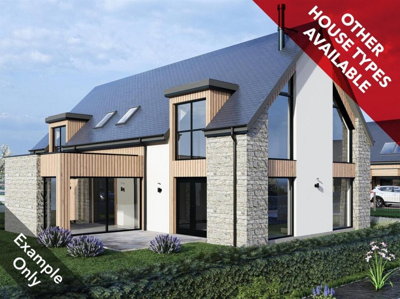
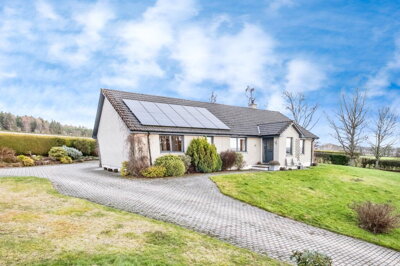
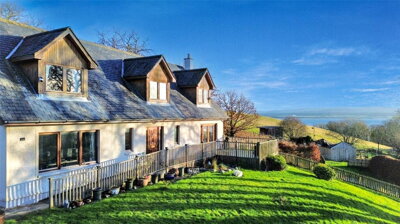
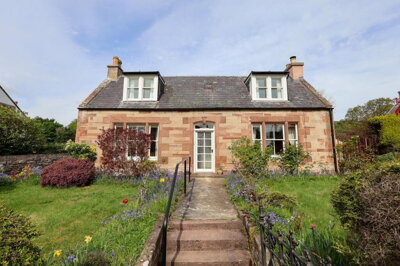
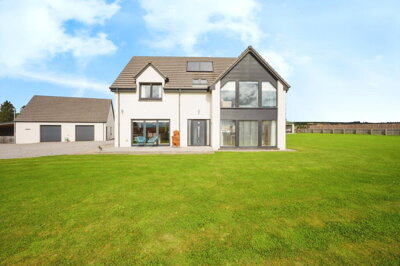
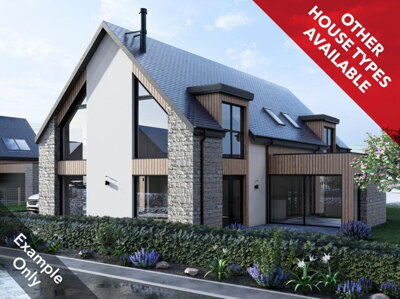
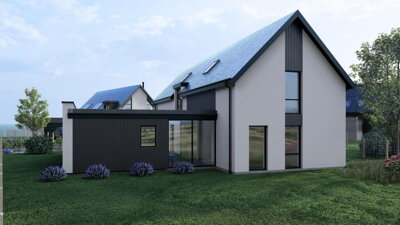
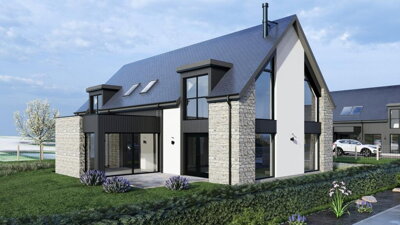
Browse 11 homes for sale in IV9 from local estate agents.
The larger property sector typically features multiple bathrooms, substantial reception space, and private gardens or off-street parking. Four bedroom houses in IV9 span detached, semi-detached, and occasionally terraced configurations, with styles ranging from period properties to modern executive homes.
£498k
2
0
150
Source: home.co.uk
Showing 2 results for 4 Bedroom Houses for sale in IV9. The median asking price is £497,500.
Source: home.co.uk
Detached
2 listings
Avg £497,500
Source: home.co.uk
Source: home.co.uk
The IV9 property market has shown remarkable resilience and growth in recent years, with transaction volumes increasing significantly over the past twelve months. Historical sold prices in IV9 were 50% higher than the previous year, demonstrating strong demand from buyers seeking properties in this picturesque corner of Scotland. The market has also surpassed the previous 2022 peak of £253,418 by 19%, indicating sustained upward momentum. With 294 properties changing hands in the last year alone, the Black Isle continues to attract buyers from across the UK who are drawn to its combination of affordable housing and exceptional quality of life. Detached properties dominate the local market, reflecting the area's spacious character and the preferences of families seeking room to grow.
Property types available in IV9 cater to a diverse range of buyers and budgets. Detached homes command the highest average price at £337,857, offering generous space and privacy that appeals to families and those seeking a rural lifestyle. Semi-detached properties average £256,750, providing a more affordable entry point while maintaining the character of traditional Scottish architecture. Terraced properties, averaging around £200,000, offer excellent value for first-time buyers or those seeking a lower-maintenance home. New build activity in the immediate IV9 postcode remains limited, with most available stock consisting of traditional stone-built properties and homes from various eras of construction. This scarcity of new developments means that existing properties, many of which require varying degrees of modernisation, represent the majority of buying opportunities in the area.
The Highland property market benefits from its relative affordability compared to Edinburgh or Glasgow, where average prices frequently exceed £400,000 for comparable property types. This price differential has made the Black Isle increasingly attractive to remote workers, retirees, and families looking to escape higher property costs in urban centres while maintaining access to employment and amenities. The continued popularity of the North Coast 500 scenic route has also raised the profile of the region, with potential buyers discovering the area's charms through tourism before deciding to make the move permanent.

The Black Isle occupies a distinctive position in the Scottish Highlands, a peninsula of fertile land jutting north into the Cromarty Firth. The IV9 postcode encompasses a collection of villages and communities that have historically supported arable farming and fishing, with historic villages like Avoch, Cromarty, and Fortrose once thriving on these traditional industries. Today, the area retains its strong sense of community while offering modern amenities to residents. The coastal location provides residents with beautiful beaches, dramatic cliff walks, and regular opportunities to spot marine wildlife including dolphins in the Moray Firth. The peninsula's elevated position means many properties enjoy panoramic views across the firths to the surrounding mountains beyond.
Traditional stone construction defines much of the local housing stock in IV9, with older properties featuring thick stone walls built using lime mortar that allows buildings to breathe naturally. This architectural heritage reflects centuries of Scottish building tradition, with many cottages and farmhouses dating back well over a hundred years. The villages maintain their historic character through a mix of these traditional properties alongside more recent additions built throughout the twentieth century. Local amenities include village shops, pubs, and community facilities, while the nearby town of Inverness provides access to larger retail centres, healthcare facilities, and cultural attractions including museums, theatres, and restaurants. The area attracts a diverse population, from lifelong residents to newcomers drawn by the natural beauty and relative affordability compared to more crowded parts of the UK.
The Black Isle benefits from a mild climate relative to its northern latitude, largely due to the warming influence of the Gulf Stream. This maritime climate supports lush vegetation and productive agricultural land, making the peninsula fertile ground for growing families and garden enthusiasts alike. Local communities maintain active social calendars with events ranging from agricultural shows to music festivals, fostering the strong community bonds that make rural Highland living so rewarding. The proximity to Inverness, accessible via the iconic Kessock Bridge, means residents can enjoy the best of both worlds: peaceful village life with convenient access to city amenities.

Families considering a move to IV9 will find a selection of educational establishments serving the Black Isle communities. Primary education is provided through schools in the surrounding villages, with older children typically progressing to secondary education at schools within the area. The Highland Council manages the local education provision, and catchment areas determine which schools serve specific properties. Parents are advised to confirm current catchment arrangements and any enrollment policies directly with the council, as these can change and may influence school placement for their children. The close-knit nature of local school communities means that children benefit from smaller class sizes and more individual attention than often available in larger urban schools.
For families seeking additional educational opportunities, the surrounding area offers various options including independent schooling in Inverness. The city also provides further and higher education facilities through Inverness College UHI, part of the University of the Highlands and Islands network. This institution offers a growing range of degree programmes and vocational courses, providing educational pathways without requiring students to relocate to larger cities. Extra-curricular activities are well-supported in local schools, with opportunities ranging from sports and outdoor pursuits reflecting the Highland setting to music and drama programmes. Many families find that the quality of life benefits of rural living, including access to outdoor activities and stronger community connections, more than compensate for any trade-offs in educational provision.
Outdoor education holds a special place in Highland schooling, with schools regularly incorporating the stunning natural environment into their curriculum. From beach studies and coastal ecology to mountain safety and navigation, children in the IV9 area benefit from learning opportunities that simply are not available in urban settings. The John O'Groats Trail and numerous local paths provide excellent resources for geography and biology fieldwork, while the rich heritage of the area, including sites of historical significance in Cromarty and Fortrose, offers unique context for history and social studies. These experiential learning opportunities contribute to well-rounded education that extends well beyond classroom walls.
Transport connections from the IV9 postcode area offer a balance of rural peaceful living and reasonable connectivity to larger centres. The Black Isle benefits from good road connections via the A9, which crosses the Kessock Bridge connecting the peninsula to Inverness and the wider Highland road network. The A9 provides the main artery for commuting and logistics, linking IV9 residents to employment opportunities in Inverness, approximately 15 miles to the south. Journey times by car to Inverness city centre typically take around 30 minutes under normal traffic conditions, making day commuting feasible for those working in the city while enjoying rural living. The North Coast 500 scenic route passes through the area, testament to the dramatic landscapes accessible from IV9.
Public transport options include bus services connecting the Black Isle villages to Inverness and other regional destinations. These services provide essential connectivity for those without private vehicles, with regular routes operating between major settlements. Inverness railway station offers connections to major Scottish cities including Aberdeen, Edinburgh, and Glasgow, with ScotRail services providing links to the wider UK rail network. Inverness Airport, situated south of the city, offers domestic flights and connections to London and other major UK hubs, plus some European destinations. For those working remotely, the IV9 postcode has seen improved broadband availability in recent years, though speeds can vary in more remote locations. Many residents appreciate that reduced commuting requirements compared to urban living allow more time for family life and outdoor activities.
The Kessock Bridge, opened in 1982, transformed access to the Black Isle by replacing the previous ferry service and dramatically reducing journey times to Inverness. This infrastructure investment laid the foundation for the increased popularity of the area as a commuter location, with many residents choosing to live in the more affordable and scenic IV9 postcode while working in the Highland capital. Weekend travel opens up even greater possibilities, with day trips to destinations like Ullapool, Dornoch, and the Cairngorms all manageable from the peninsula. The dramatic scenery along the A9, particularly in winter when snow caps the surrounding hills, provides a daily reminder of why living in the Highlands offers such an exceptional quality of life.
Begin by exploring current property listings in IV9 to understand what is available at various price points. With 294 recent sales in the area and prices ranging from around £200,000 for terraced properties to £337,857 for detached homes, researching comparable properties helps set realistic expectations for your budget. Pay particular attention to properties in similar condition, as the Black Isle market includes many traditional stone buildings that may require varying levels of investment in maintenance and modernisation.
Before viewing properties, obtain a mortgage agreement in principle from a lender. This strengthens your position when making offers and demonstrates to sellers that you have financing arranged. Our mortgage comparison tools help you find competitive rates suited to your circumstances. For properties in rural Scotland, some lenders may require additional information about the property's construction or access arrangements, so it is worth discussing your chosen property type with potential lenders early in the process.
Schedule viewings of properties that match your criteria, taking time to assess the condition of traditional stone properties common in the area. Look for signs of damp, timber condition, and any maintenance needs that might require attention or negotiation on price. Given the age of much of the local housing stock, viewing properties with an awareness of common defects in older Scottish buildings helps you identify properties that warrant closer inspection. Take photographs and notes during viewings to help compare properties later.
Once your offer is accepted, arrange a comprehensive survey before proceeding to purchase. Given the prevalence of older properties in IV9, a Level 2 survey is essential for identifying defects such as damp, timber decay, or structural issues common in traditional Scottish construction. Survey costs typically range from £350 to £600 depending on property size and value, with older stone properties potentially incurring additional inspection time. The survey report provides essential information for price negotiations or conditions of sale.
Appoint a conveyancing solicitor to handle the legal aspects of your purchase. They will conduct searches, handle contracts, and manage the transfer of ownership through the Land Registry of Scotland. Solicitors experienced in Highland property transactions understand the specific requirements of rural properties, including any access rights, mineral rights, or traditional burdens that may affect the title. Local knowledge of Highland conveyancing can help anticipate potential issues before they become problematic.
Once all searches are satisfactory and financing is confirmed, your solicitor will arrange the signing of contracts and the transfer of funds. Completion typically follows shortly after, with keys handed over by the selling agent. In Scotland, the selling process operates under a separate legal system, with offers, acceptance, and missives following distinct procedures from those in England and Wales. Your solicitor will guide you through the Scottish conveyancing process, which typically moves more quickly than in other parts of the UK once missives are concluded.
Properties in the IV9 postcode require careful inspection due to the prevalence of traditional Scottish construction methods and the age of much of the local housing stock. Many older properties were built without damp proof courses, or have DPCs that have failed over time, making rising damp a common concern. A thorough inspection should assess the condition of stone walls, looking for signs of moisture ingress, salt crystallisation on internal surfaces, and deterioration of lime mortar pointing. The Scottish House Condition Survey 2024 found that 48% of dwellings in Scotland had disrepair to critical elements such as weather-tightness and structural stability, highlighting the importance of professional surveys before purchase.
Timber decay represents another significant consideration for IV9 buyers, with hidden roof leaks, rising damp, or poor ventilation potentially causing dry rot, wet rot, or woodworm infestation in structural timbers and floorboards. Traditional properties with older roof structures require particular attention, as deteriorating roofs are a common issue in historic properties. Coastal exposure affects many Black Isle properties, with salt-laden winds accelerating weathering of external timbers and masonry. Modern cement renders or waterproof paints applied to traditional stone walls can trap moisture and cause damage, so properties that have been inappropriately modernised may require remedial work to restore breathable construction. Properties with listed status or those in potential conservation areas may face restrictions on modifications, requiring specialist surveys and potentially limiting renovation options.
Single-pane windows remain common in older IV9 properties, contributing to condensation issues and higher heating costs. The original timber sash windows found in many traditional cottages, while characterful, often require draught-proofing or eventual replacement to meet modern energy efficiency standards. Plumbing in older properties may include lead or galvanised steel pipes that have corroded over decades of use, potentially affecting water quality and pressure. Electrical systems in properties built before the 1970s may require complete rewiring to meet current safety standards, adding significant cost to renovation budgets. Our comprehensive surveys identify these issues before purchase, allowing buyers to factor necessary works into their offers or renovation plans.
The coastal location of the Black Isle introduces specific environmental considerations for property buyers. Properties near the shoreline may be subject to coastal flooding risk during severe weather events, particularly those with low-lying ground floors or proximity to the Cromarty or Beauly Firths. While SEPA flood maps provide some guidance, the unpredictable nature of storm surges and extreme weather events means that properties in coastal locations warrant careful consideration of their flood risk profile. Insurance premiums may reflect this risk, and prospective buyers should obtain quotes before finalising purchases. The survey process should include assessment of boundary walls, fences, and other structures that may be vulnerable to coastal exposure and storm damage.
The current average property price in IV9 stands at £302,265 based on recent sales data. Detached properties average £337,857, semi-detached homes around £256,750, and terraced properties approximately £200,000. The market has shown strong growth, with prices 50% higher than the previous year and 19% above the 2022 peak of £253,418. Prices can vary significantly based on property condition, location within the postcode, and specific features such as sea views or land holdings. The Black Isle market remains relatively affordable compared to nearby Inverness, where comparable properties often command 20-30% higher prices.
Properties in the IV9 postcode fall under The Highland Council administration for council tax purposes. The council categorises properties into bands A through H based on market value as at 1991, with actual charges varying annually. Highland Council generally maintains competitive council tax rates compared to many urban local authorities in Scotland. A typical Band C property in Highland Council area currently attracts annual charges around £1,400 to £1,600, significantly lower than equivalent properties in Edinburgh or Glasgow. Prospective buyers should verify the specific banding and current charges with the council as these can change.
The IV9 postcode is served by primary schools in the surrounding Black Isle villages and secondary schools serving the wider area under The Highland Council education authority. Schools typically have dedicated catchment areas, and parents should confirm current arrangements with the council before purchasing. Inverness offers additional educational options including private schooling and further education through Inverness College UHI. The close-knit nature of local schools often means smaller class sizes and strong community involvement, with primary schools in villages like Avoch and Fortrose serving tight-knit local communities where teachers know every pupil by name.
The Black Isle is connected to Inverness and regional destinations via bus services operating from the village communities. The journey to Inverness typically takes around 45 minutes by bus, with services running throughout the day but reduced frequency at weekends and during evenings. Inverness railway station provides mainline connections to Aberdeen, Edinburgh, and Glasgow, with daily services taking approximately 3.5 hours to Edinburgh and 4 hours to Glasgow. Inverness Airport offers domestic and some European flights, with London Heathrow and Gatwick connections providing access to international routes. The A9 road via the Kessock Bridge provides the primary route for private vehicles, with typical journey times of 30 minutes to Inverness city centre.
The IV9 property market has demonstrated consistent growth with transaction volumes and prices increasing substantially in recent years. The combination of relative affordability compared to other UK regions, strong quality of life factors, and growing remote working opportunities makes the area attractive to buyers. Limited new build supply means existing properties remain in demand, with many buyers willing to purchase traditional stone properties requiring renovation. However, prospective investors should consider factors such as potential flood and coastal erosion risk due to the coastal location, the maintenance requirements of older traditional properties, and the seasonal nature of some local employment. Properties requiring renovation may offer rental yield opportunities as the demand for rental property in the Black Isle continues to grow.
Stamp Duty Land Tax in Scotland operates under different thresholds to England, administered by Revenue Scotland rather than HMRC. The current starting rate applies to purchases up to £145,000 at zero percent, with higher rates on the portion of price above this threshold. First-time buyers in Scotland may qualify for relief on the portion up to £175,000. For a typical property in IV9 at the average price of £302,265, standard SDLT would apply at various rates depending on which threshold the purchase price falls within. Additional dwellings attract a higher rate of three percent above the standard rates. Your solicitor will calculate the exact SDLT liability based on your circumstances and whether you qualify for any reliefs.
The Black Isle contains numerous listed buildings and potentially some conservation areas, particularly in historic villages like Cromarty and Fortrose. Listed buildings are protected under Scottish law, with consent required from The Highland Council for any alterations that would affect the building's character or appearance. These restrictions apply to both exterior and interior features, including windows, doors, stonework, and original fixtures. Properties in conservation areas face similar constraints on external alterations. Buyers considering renovation projects should verify the listed status and any planning constraints with the local planning authority before purchasing. Specialist surveys from RICS-accredited professionals with experience in historic buildings may be advisable for listed properties.
The Scottish House Condition Survey 2024 revealed that 48% of dwellings in Scotland had disrepair to critical elements including weather-tightness and structural stability, making professional surveys essential for IV9 purchases. Common defects in traditional Black Isle properties include rising damp due to absent or failed damp proof courses in properties built before 1875, timber decay from wet rot, dry rot, and woodworm affecting both structural timbers and joinery, and deterioration of traditional lime mortar pointing allowing moisture ingress into stone walls. Condensation problems arise in properties with single-pane windows and inadequate ventilation, particularly in kitchens and bathrooms. Coastal properties face accelerated weathering of external timbers and masonry from salt-laden winds, while deteriorating roof structures represent a frequent issue in older properties requiring significant investment to address.
Understanding the full costs of purchasing property in IV9 requires careful budgeting beyond the advertised sale price. In Scotland, Stamp Duty Land Tax, administered by Revenue Scotland rather than HMRC, applies to residential property purchases above £145,000. The rates start at zero percent on the first £145,000 of the purchase price, with progressive rates applying to the balance. First-time buyers in Scotland benefit from increased thresholds compared to the rest of the UK, with relief available on the first £175,000 for qualifying purchases. For an average-priced property of £302,265 in IV9, buyers should budget approximately £2,800 to £3,500 in SDLT depending on their buyer status. This Scottish system generally results in lower SDLT costs compared to equivalent purchases in England, particularly for properties in the £300,000 to £500,000 price range.
Additional purchasing costs include solicitor fees for conveyancing, which typically start from around £499 for standard transactions but can increase for more complex purchases involving listed buildings or unusual title arrangements. Local searches conducted by your solicitor through The Highland Council usually cost between £200 and £400 depending on the scope of searches required. A RICS Level 2 survey is strongly recommended for properties in IV9 given the prevalence of traditional stone construction and potential for hidden defects. Survey costs typically range from £350 to £600 depending on property size and value, with additional premiums possible for larger or older properties. Land Registry registration fees in Scotland apply for transferring ownership, and your solicitor will handle these administrative costs as part of their service.
Factor in removal costs, potential refurbishment budgets for traditional properties requiring updating, and ongoing costs such as buildings insurance which may be higher for older or non-standard construction properties. Properties with thatched roofs, timber framing, or unusual construction may require specialist insurance providers, so obtaining quotes before purchase is advisable. Homes with historic features or listed status often have higher insurance premiums due to the complexity and cost of repairs. Energy costs for older stone properties can also exceed those for modern homes, making an EPC assessment valuable for understanding potential ongoing costs. Obtaining a mortgage agreement in principle before searching is advisable, as this clarifies your budget and strengthens your negotiating position when making offers on properties in what is becoming an increasingly competitive market.
Properties for Sale In London

Properties for Sale In Plymouth

Properties for Sale In Liverpool

Properties for Sale In Glasgow

Properties for Sale In Sheffield

Properties for Sale In Edinburgh

Properties for Sale In Coventry

Properties for Sale In Bradford

Properties for Sale In Manchester

Properties for Sale In Birmingham

Properties for Sale In Bristol

Properties for Sale In Oxford

Properties for Sale In Leicester

Properties for Sale In Newcastle

Properties for Sale In Leeds

Properties for Sale In Southampton

Properties for Sale In Cardiff

Properties for Sale In Nottingham

Properties for Sale In Norwich

Properties for Sale In Brighton

Properties for Sale In Derby

Properties for Sale In Portsmouth

Properties for Sale In Northampton

Properties for Sale In Milton Keynes

Properties for Sale In Bournemouth

Properties for Sale In Bolton

Properties for Sale In Swansea

Properties for Sale In Swindon

Properties for Sale In Peterborough

Properties for Sale In Wolverhampton

Enter your details to see if this property is within your budget.
Loans, cards, car finance
Estimated property budget
Borrowing + deposit
You could borrow between
Typical borrowing
Monthly repayment
Est. at 4.5%
Loan-to-value
This is an estimate only. Your actual budget may vary depending on interest rates, credit history, and personal circumstances. For an accurate affordability assessment, speak to one of our free mortgage advisors.
This calculator provides estimates for illustrative purposes only and does not constitute financial advice. Your home may be repossessed if you do not keep up repayments on your mortgage. Estimates based on 4.5% interest rate, repayment mortgage. Actual rates depend on your circumstances.
Homemove is a trading name of HM Haus Group Ltd (Company No. 13873779, registered in England & Wales). Homemove Mortgages Ltd (Company No. 15947693) is an Appointed Representative of TMG Direct Limited, trading as TMG Mortgage Network, which is authorised and regulated by the Financial Conduct Authority (FRN 786245). Homemove Mortgages Ltd is entered on the FCA Register as an Appointed Representative (FRN 1022429). You can check registrations at NewRegister or by calling 0800 111 6768.

We use cookies to show you personalised content and improve your experience of our website. Find out more in our Privacy policy and Cookie policy.