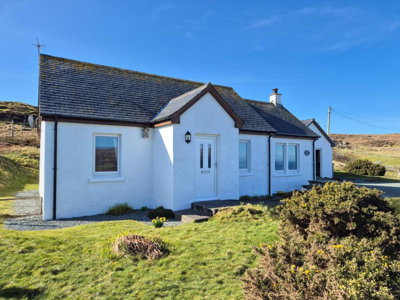
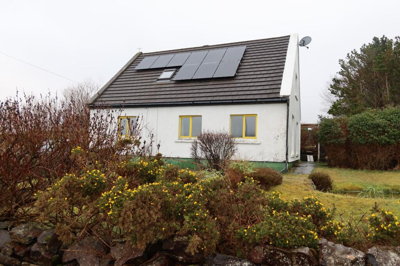
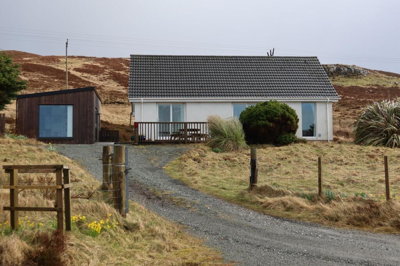
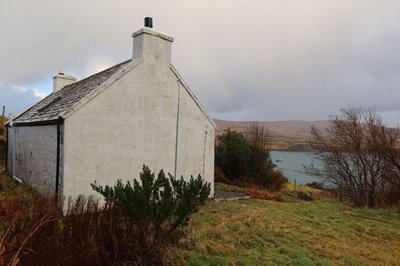
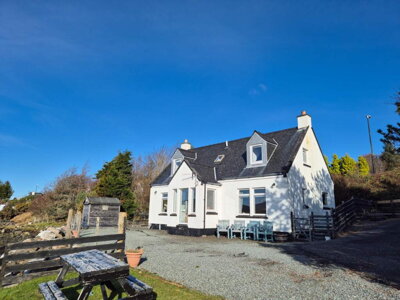
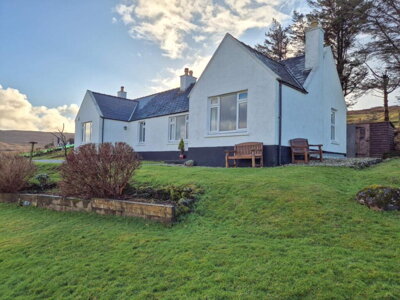
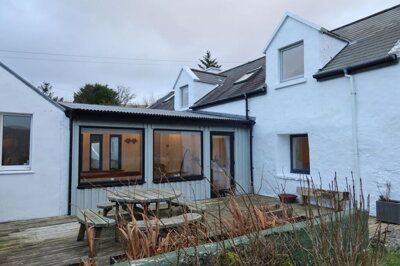
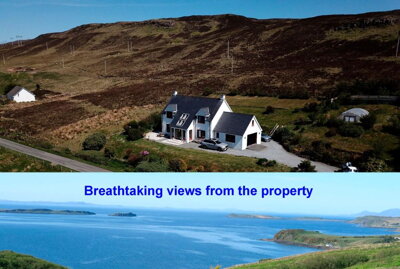
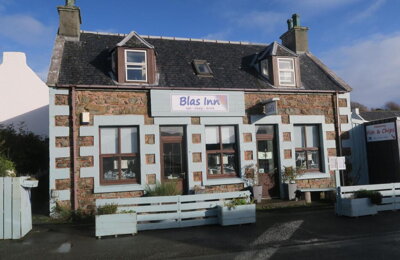
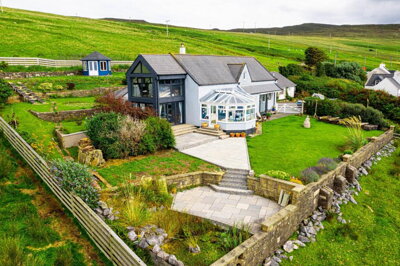
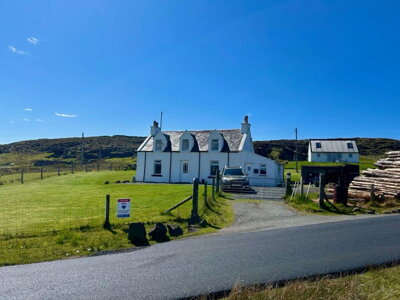
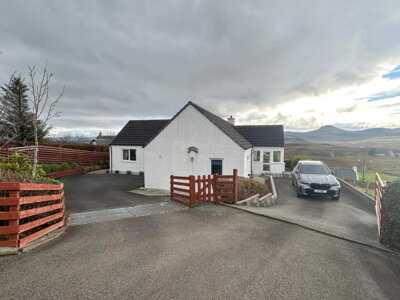
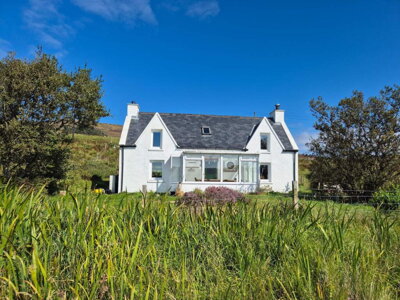
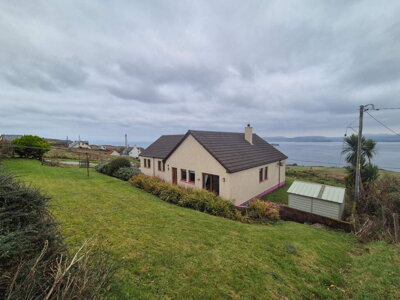
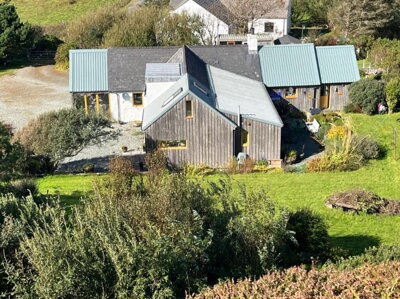
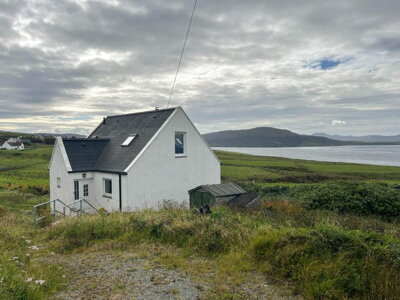
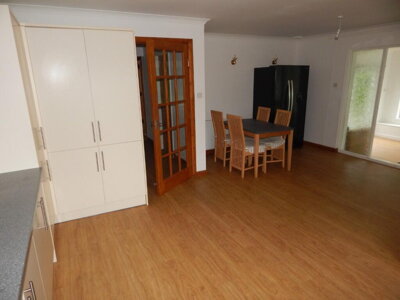
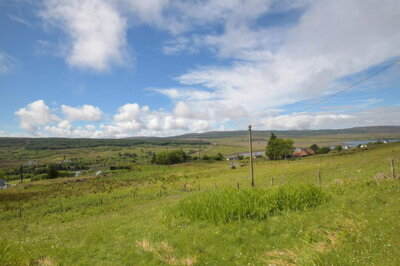
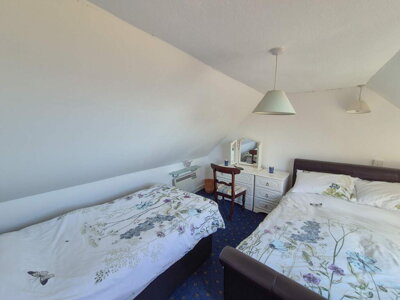
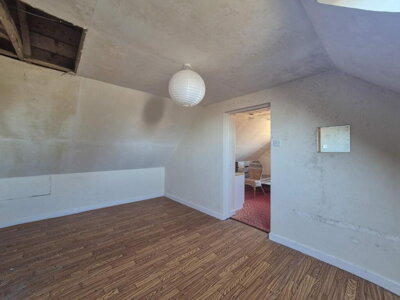
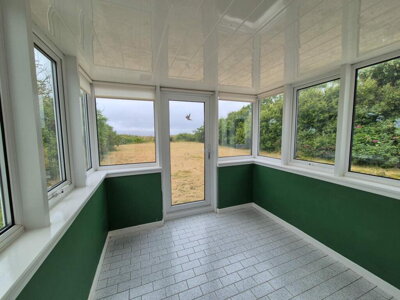
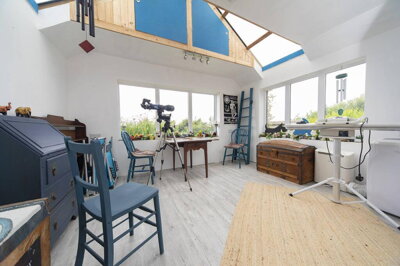
Browse 22 homes for sale in IV55 from local estate agents.
The IV55 property market offers detached, semi-detached, and terraced houses spanning various price ranges and neighbourhoods. Each listing includes detailed property information, photographs, and direct contact with the marketing agent.
£408k
8
1
112
Source: home.co.uk
Showing 8 results for Houses for sale in IV55. 1 new listing added this week. The median asking price is £407,500.
Source: home.co.uk
Detached
8 listings
Avg £400,000
Source: home.co.uk
Source: home.co.uk
The IV55 property market has demonstrated remarkable stability despite broader national fluctuations. Over the past twelve months, house prices in the area have decreased by just 1% compared to the previous year, standing at an overall average of £285,182. This modest adjustment follows a 9% reduction from the 2023 peak of £314,119, suggesting that the market has entered a more accessible phase for buyers who may have been priced out during the height of Highland property enthusiasm. Property sales data shows that 407 homes changed hands in the postcode area, indicating healthy transaction volumes for a rural location. The majority of properties sold were detached homes, which averaged £266,308, reflecting buyer preference for the space and character that standalone properties offer in this scenic landscape.
New build activity in IV55 remains limited, with no major housing developments currently active in the postcode area. Instead, the market is characterised by individual plots available for self-build projects, offering buyers the chance to create their own Highland home. Plots such as those at 26/27 Kilmuir in Dunvegan extend to approximately 0.25 acres with additional croft land, while developments at Fasach in Glendale offer two sites of roughly 0.5 acres each. Properties at Skinidin, Borreraig, and Harlosh provide additional options, with some plots offering sweeping views across Loch Vatten. These self-build opportunities attract buyers seeking to design properties that respect local architectural traditions while meeting modern standards of comfort and efficiency.
The sub-postcode variations reveal interesting patterns within the broader IV55 area. Properties in the IV55 8WP sub-postcode around Glendale have shown prices 56% up on the previous year, demonstrating strong local demand in certain communities. Conversely, the IV55 8ZA area has experienced more significant price adjustments, with values 21% down on the previous year and 30% down on the 2015 peak of £286,000. These variations within the same postcode highlight the importance of understanding micro-market conditions when considering specific locations for purchase.

The IV55 postcode area encompasses the northern reaches of the Isle of Skye, with Dunvegan serving as the principal settlement and cultural heart of the region. The village sits at the edge of a sea loch, surrounded by rolling moorland and dramatic mountain scenery that has captivated visitors for generations. The local economy revolves primarily around tourism, with Dunvegan Castle and Gardens drawing visitors throughout the year, supported by approximately 17 permanent employees and up to 50 seasonal workers during peak periods. The MacLeod Estate's contribution to the local economy extends beyond direct employment, supporting suppliers, accommodation providers, and service businesses throughout the community.
Demographically, the IV55 area faces challenges common to many rural Scottish communities. The population has been declining gradually, with growth occurring almost entirely in the over-55 age group according to Dunvegan Community Trust data. Projections suggest that by 2035, the majority of adults in the IV55 area will be over 68, raising questions about the long-term sustainability of local services and community facilities. However, the wider Skye, Lochalsh, and West Ross area experienced a 9.6% population increase between 2002 and 2021, and the Isle of Skye population was estimated at 13,143 in 2017 with projections to reach almost 15,000 over the next two decades. These broader trends suggest growing interest in Highland living despite the challenges of infrastructure and service provision in remote locations.
The housing market reflects the demographic pattern, with a significant proportion of properties being older croft houses and traditional cottages that date back decades or even centuries. Many properties in the area were constructed using traditional methods that predate modern building regulations, featuring solid walls, shallow foundations, and natural ventilation systems designed for different lifestyles. This housing stock presents both opportunities and considerations for buyers, as period properties offer character and authenticity that modern homes cannot replicate, while requiring appropriate maintenance and occasional updating of systems and insulation.

Properties in the IV55 area reflect centuries of architectural development shaped by local materials, climate, and traditional building practices. Traditional croft houses in the area are typically single-story structures constructed from local stone or combinations of stone and timber, designed to withstand the challenging weather conditions of the Scottish Highlands. These robust buildings feature pitched roofs covered with slate or thatch, materials that have proven effective against Highland storms for generations. More modern constructions on the Isle of Skye often incorporate contemporary materials such as tin cladding and wood while maintaining traditional design elements.
The geology of the Isle of Skye has profoundly influenced local building traditions. The northern part of the island features predominantly basalt lava flows, while the Cuillin mountains are formed from layered gabbro representing ancient volcanic roots. The diverse geology means that builders have had access to various natural materials over the centuries, from the Lewisian gneisses and Torridonian sandstones of the Sleat Peninsula to the more recent volcanic basalts. Dunvegan Castle itself exemplifies traditional Highland building techniques, featuring a 14th-century core with 16th and 17th-century tower house additions, characterised by harled walls with ashlar dressings, corbelled and crenellated parapets, and distinctive crowstepped caphouses.
Our surveyors working in the IV55 area frequently encounter the characteristic features of traditional Highland construction, including random rubble stone walls, lime-based mortars and renders, and traditional roof structures using timber rafters with sarking felt beneath slate or tile coverings. Properties built after the 1920s may feature cavity wall construction, though the salt-laden coastal air means that wall tie corrosion is a common concern requiring inspection by a qualified professional. Understanding local building materials and construction methods is essential for anyone considering purchasing property in the area, as these factors affect maintenance requirements, renovation possibilities, and insurance considerations.
The IV55 postcode area is located on the Isle of Skye, connected to the Scottish mainland by the iconic Skye Bridge at Kyleakin. The bridge provides road access to Inverness, approximately 130 miles distant, and to the wider Highland region. Within the island itself, the A87 trunk road runs through the area, connecting Dunvegan to Portree, the largest town on Skye, approximately 20 miles to the south. The A863 provides access to the northern extremities of the island, while the A850 connects to the ferry terminal at Uig. These roads, while well-maintained, can be affected by weather conditions during winter months, and visitors should be prepared for single-track sections in more remote areas.
For those travelling further afield, the nearest railway stations are at Kyle of Lochalsh and Plockton on the mainland, approximately 30-40 miles from Dunvegan. Inverness Airport provides connections to major UK cities and destinations further afield. Within the local area, walking and cycling are popular for shorter journeys, with the dramatic landscapes providing spectacular backdrops for outdoor activities. However, visitors and new residents should note the lack of integrated public transport systems on the island, which has been identified as a challenge for the local economy and community sustainability.
Daily life in the IV55 area typically requires private vehicle ownership, a practical necessity rather than merely a preference. Bus services operated by Stagecoach and other providers connect Dunvegan to Portree and other settlements, though frequencies are reduced compared to urban routes, with some services operating only on limited days each week. The remoteness of the IV55 area contributes to its charm and appeal but does require acceptance of longer journey times for accessing services not available locally. Planning deliveries and appointments with travel time in mind becomes a practical consideration for daily life, and prospective residents should factor in the implications of this relative isolation when making their decision to relocate.
Property buyers considering the IV55 area should be aware of several environmental factors that are typical of this coastal Highland location. Flood risk in the area should be assessed using the Scottish Environment Protection Agency's interactive flood maps, which were significantly updated in March 2025 to provide enhanced detail at 2-metre spatial resolution. While the Isle of Skye has experienced historical Holocene sea-level changes, and coastal flooding is interlinked with erosion concerns, specific property-level risk assessments require individual consultation with SEPA resources. The deeply indented coastline of Skye is naturally susceptible to coastal erosion, and rising sea levels combined with increased storm frequency are expected to progressively impact soft coastlines in the coming decades.
From a geological perspective, the shrink-swell risk for clay soils is unlikely to be significant in the IV55 area. The British Geological Survey indicates that clay rocks in Scotland are generally older and have been hardened by deep burial, making them less prone to the moisture absorption and release cycles that cause ground movement in southern England. Subsidence issues can still occur due to other factors such as ground movement from natural causes, soil erosion, inadequate drainage, or proximity to large trees with extensive root systems.
Historical mining activity on Skye, including diatomite extraction at Loch Cuithir in Trotternish and ironstone quarrying on nearby Raasay, represents potential ground stability considerations for specific locations. The Trotternish Escarpment has experienced large landslides over the years, with ongoing minor slippage requiring regular road maintenance in that area. While the IV55 area around Dunvegan is not directly affected by these geological instabilities, buyers purchasing properties in more remote locations should consider the geological context of their specific site. A thorough property survey by a qualified professional can identify any site-specific concerns before purchase, and our team can recommend appropriate specialists for properties in challenging locations.
Begin your property search by exploring current listings in the IV55 area and understanding price trends. With an average property price of £285,182 and 407 recent sales, the market data provides a solid foundation for setting realistic expectations. Our inspectors recommend familiarising yourself with the types of properties available, from traditional croft houses to modern homes, to understand what represents value in this specific market.
Arrange viewing trips to Dunvegan and surrounding communities to experience daily life firsthand. Consider seasonal variations in tourism levels, assess distance to local amenities, and evaluate your commute requirements to essential services like schools and healthcare facilities. Our team suggests visiting during both peak and off-peak seasons to appreciate how the community changes throughout the year.
Contact a mortgage broker to obtain an agreement in principle before making offers. Remote locations like IV55 may require additional documentation from lenders, so having your financing confirmed strengthens your position with sellers. Scottish mortgage processes have their own specific requirements, and brokers familiar with Highland properties understand the additional considerations for rural and island locations.
Commission a RICS Level 2 Survey to assess the condition of any property you intend to purchase. Given the age of much of the local housing stock, professional surveys are essential for identifying defects such as dampness, roof deterioration, or outdated electrical systems. Our inspectors have extensive experience with traditional Highland construction and understand the common issues found in properties built using local stone and traditional methods.
Choose a solicitor experienced in Scottish property transactions to handle the legal aspects of your purchase. In Scotland, sellers provide a Home Report including condition assessment, EPC, and valuation, but your solicitor will verify all documentation and conduct necessary searches. Highland solicitors understand the specific considerations for island properties, including Crofting Commission registrations and common grazing rights.
Finalise your purchase through the Scottish missives process, which differs from English conveyancing. Your solicitor will guide you through the completion procedure and registration with the Keeper of the Records of Scotland. The process typically proceeds more quickly than English transactions once missives are agreed, though remote property purchases may require additional liaison regarding logistics and key collection.
The average house price in IV55 over the past twelve months was £285,182, based on ESPC sales data. Detached properties averaged £266,308, terraced homes £237,333, and semi-detached properties £210,000. House prices have decreased by approximately 1% compared to the previous year and are 9% below the 2023 peak of £314,119. The market offers relatively accessible entry points compared to peak prices, making this an opportune time for buyers seeking Highland property. However, sub-postcode variations can be significant, with some areas showing different trends to the overall average, so buyers should research specific locations within IV55 carefully.
Properties in the IV55 postcode area fall under Highland Council jurisdiction, which maintains relatively competitive council tax rates compared to many urban local authorities in Scotland. Council tax bands are assigned based on property valuation carried out by the Assessor for the Highland Council area, and specific bands vary by individual property depending on their assessed value. Prospective buyers should request the council tax band from the seller or verify through the Highland Council's online valuation roll. For a typical property in the IV55 area, bands typically range from A to D for standard residential properties, with higher bands applying to more valuable homes in this scenic location.
Primary education in the IV55 area is served by local schools in the Dunvegan and Glendale areas, with pupils typically progressing to secondary education at schools in Portree or Broadford. The Nicolson Institute in Portree is the main secondary school serving the western side of Skye and has served the community for over a century. The specific schools serving your property location depend on your catchment area, which can be confirmed with Highland Council's education department. Parents should verify current school capacities, transport arrangements, and any catchment area changes with Highland Council before purchasing property, as rural school provision can be subject to policy changes.
The IV55 area has limited public transport options compared to urban areas, and daily life typically requires private vehicle ownership. Bus services operated by Stagecoach and other providers connect Dunvegan to Portree and other settlements on Skye, though frequencies are reduced compared to urban routes, with some rural services running only on specific days each week. The A87 trunk road connects the area to Kyleakin and the Scottish mainland via the iconic Skye Bridge. Nearest railway stations are at Kyle of Lochalsh and Plockton, approximately 30-40 miles from Dunvegan, while Inverness Airport provides air connections to UK destinations. Our team recommends budgeting for two vehicles if you plan to work remotely while maintaining family commitments.
Property investment in IV55 offers unique considerations compared to mainstream markets. The area experiences consistent tourism demand, which supports holiday let opportunities, though this has contributed to a shortage of long-term rental properties as landlords favour higher-yielding short-term lets. The aging population and projections of declining younger demographics may affect long-term demand for family housing, but the Isle of Skye's popularity as a destination, limited new build supply, and increasing interest in remote working lifestyles suggest continued demand for quality properties. Holiday lets in the Dunvegan area benefit from proximity to the famous castle and gardens, attracting visitors throughout the year. Buyers should carefully consider their investment objectives and the implications of remote property management before committing.
As IV55 is in Scotland, buyers pay Land and Buildings Transaction Tax rather than Stamp Duty. The rates for residential properties are: 0% on the first £145,000, 2% on £145,001 to £250,000, 5% on £250,001 to £325,000, 10% on £325,001 to £750,000, and 12% on amounts above £750,000. First-time buyers in Scotland may qualify for relief on properties up to £175,000, eliminating tax on purchases below that threshold. For a typical £285,182 property in IV55, a first-time buyer would pay no LBTT, while a subsequent buyer would pay approximately £1,050 on the portion above £250,000. Your solicitor will calculate the exact liability based on your specific circumstances and any applicable reliefs.
Older properties in IV55, which make up a significant proportion of the housing stock, require careful inspection for several common issues. Many traditional croft houses were built without modern damp-proof courses, making rising damp a frequent concern that requires professional assessment. The salt-laden coastal air can accelerate corrosion of wall ties in cavity-wall properties built after the 1920s, so inspectors look for signs of bulging or bowing in external walls. Electrical systems in older properties often predate modern safety standards, with homes built before the 1980s frequently featuring outdated wiring that requires updating. Our surveyors recommend a thorough RICS Level 2 Survey for any property in this age category to identify these and other potential issues before purchase.
Yes, self-build opportunities exist throughout the IV55 area for those wishing to create their own Highland home. Available plots include the plot and croft at 26/27 Kilmuir in Dunvegan extending to approximately 0.25 acres with additional owner-occupied croft land, and plots at 22 Fasach in Glendale offering two house sites of roughly 0.5 acres each. Additional options exist at 9 Kilmuir in Dunvegan, Lodge and House Site at Borreraig, Plot at 22 Roag, and Plot B at 11 Skinidin, with some plots offering sweeping views across Loch Vatten. Prospective self-builders should consult the Highland Council planning portal to understand local planning requirements and any restrictions applicable to their chosen site.
Buying property in the IV55 area requires careful attention to local-specific factors that may not be apparent during a standard inspection. The age of much of the local housing stock means that properties are frequently constructed using traditional methods and materials that differ significantly from modern buildings. Many older croft houses were built without contemporary damp-proof courses, making rising damp a common issue that requires professional assessment. The salt-laden coastal air can accelerate corrosion of wall ties in cavity-wall properties built after the 1920s, so buyers should look for signs of bulging or bowing in external walls. Electrical systems in older properties often predate modern safety standards, with homes built before the 1980s frequently featuring outdated wiring that requires updating.
Planning considerations in the IV55 area include checking whether your property is subject to any specific restrictions or designations. Dunvegan Castle is a Category A listed building, and other properties in the area may have listed status or fall within the curtilage of protected structures. Dunvegan Parish Church, also known as Duirinish Parish Church, is another Category A listed building dating from 1832. The Highland Council planning portal provides access to historical and current planning applications, and your solicitor should conduct comprehensive searches to identify any constraints affecting the property. Properties adjacent to agricultural land may be subject to rights of way, drainage easements, or common grazing arrangements.
Insurance and maintenance considerations differ for Highland properties compared to urban locations. Traditional stone buildings require ongoing maintenance of pointing and rendering, with traditional lime-based mortars generally preferred over modern cement products that can trap moisture and cause stone deterioration. Roof maintenance on slate or thatched properties requires specialist contractors who understand traditional techniques. Heating costs in exposed locations can be significant, so energy efficiency should be evaluated alongside the property's EPC rating. Properties in remote locations may face higher costs for delivery of materials and specialist tradespeople, factors that should be factored into any renovation budget. Building insurance premiums may also be higher for older properties or those in locations distant from emergency services.
The total cost of purchasing property in IV55 extends beyond the advertised sale price and requires careful budgeting before committing to a purchase. Land and Buildings Transaction Tax in Scotland is calculated on a progressive scale, with 0% charged on the first £145,000 of residential property value, rising through bands of 2%, 5%, 10%, and 12% for higher values. For a typical property at the IV55 average price of £285,182, a home mover who already owns property would pay approximately £4,700 in LBTT, while a first-time buyer would pay significantly less on the first £175,000 if qualifying for relief. These calculations should be verified with your solicitor as individual circumstances can affect liability.
Professional fees form a substantial portion of purchasing costs and should not be underestimated. Solicitors handling Scottish conveyancing typically charge between £500 and £1,500 depending on the complexity of the transaction and the property value. A RICS Level 2 Survey for the IV55 area, where older properties are common, typically costs between £450 and £800, with additional charges possible for larger properties, those with non-standard construction, or remote island locations. An Energy Performance Certificate is required for every sale and typically costs between £85 and £150 depending on property size. Mortgage arrangement fees, if applicable, can range from nothing to over £2,000 depending on the lender and product chosen, while surveyors and legal professionals may charge for travel time to remote locations.
Ongoing costs of Highland property ownership deserve consideration alongside the purchase transaction itself. Buildings insurance for older properties in remote locations may cost more than comparable urban homes, particularly if specialist cover for traditional building materials is required. Council tax in Highland Council area varies by property band but generally remains competitive. Energy costs can be significant for larger, older properties that are less well insulated than modern homes, though various retrofit schemes are available to Highland homeowners. Service charges, ground rent, or factor fees may apply to some properties, particularly apartments or those within managed estates, and these ongoing costs should be established before purchase. Utility connection charges for properties in more remote locations may also apply, particularly for water and septic tank or private drainage systems.
Competitive rates for IV55 buyers with local market knowledge
From 3.85%
Scottish conveyancing specialists familiar with Highland properties
From £499
Essential for assessing condition of traditional Highland properties
From £450
Required for all sales in Scotland
From £85
Properties for Sale In London

Properties for Sale In Plymouth

Properties for Sale In Liverpool

Properties for Sale In Glasgow

Properties for Sale In Sheffield

Properties for Sale In Edinburgh

Properties for Sale In Coventry

Properties for Sale In Bradford

Properties for Sale In Manchester

Properties for Sale In Birmingham

Properties for Sale In Bristol

Properties for Sale In Oxford

Properties for Sale In Leicester

Properties for Sale In Newcastle

Properties for Sale In Leeds

Properties for Sale In Southampton

Properties for Sale In Cardiff

Properties for Sale In Nottingham

Properties for Sale In Norwich

Properties for Sale In Brighton

Properties for Sale In Derby

Properties for Sale In Portsmouth

Properties for Sale In Northampton

Properties for Sale In Milton Keynes

Properties for Sale In Bournemouth

Properties for Sale In Bolton

Properties for Sale In Swansea

Properties for Sale In Swindon

Properties for Sale In Peterborough

Properties for Sale In Wolverhampton

Enter your details to see if this property is within your budget.
Loans, cards, car finance
Estimated property budget
Borrowing + deposit
You could borrow between
Typical borrowing
Monthly repayment
Est. at 4.5%
Loan-to-value
This is an estimate only. Your actual budget may vary depending on interest rates, credit history, and personal circumstances. For an accurate affordability assessment, speak to one of our free mortgage advisors.
This calculator provides estimates for illustrative purposes only and does not constitute financial advice. Your home may be repossessed if you do not keep up repayments on your mortgage. Estimates based on 4.5% interest rate, repayment mortgage. Actual rates depend on your circumstances.
Homemove is a trading name of HM Haus Group Ltd (Company No. 13873779, registered in England & Wales). Homemove Mortgages Ltd (Company No. 15947693) is an Appointed Representative of TMG Direct Limited, trading as TMG Mortgage Network, which is authorised and regulated by the Financial Conduct Authority (FRN 786245). Homemove Mortgages Ltd is entered on the FCA Register as an Appointed Representative (FRN 1022429). You can check registrations at NewRegister or by calling 0800 111 6768.

We use cookies to show you personalised content and improve your experience of our website. Find out more in our Privacy policy and Cookie policy.