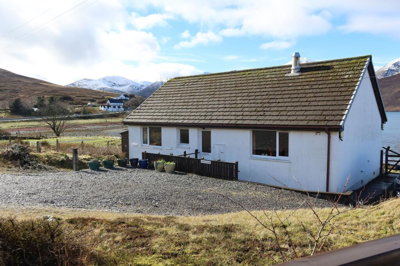
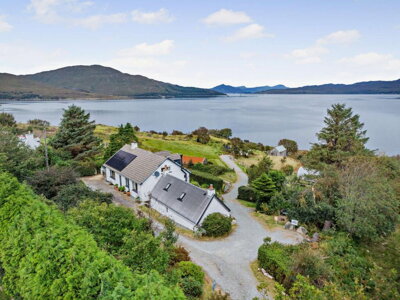
Browse 2 homes for sale in IV48 from local estate agents.
The 2 bed house market features detached, semi-detached, and terraced properties with two separate bedrooms plus living spaces. Properties in IV48 range from Victorian and Edwardian period homes to modern new builds, with pricing varying across different neighbourhoods.
£0k
0
0
0
Source: home.co.uk
Showing 0 results for 2 Bedroom Houses for sale in IV48.
The IV48 property market reflects the unique dynamics of Scottish island living, where limited supply meets steady demand from those seeking an alternative to mainland life. Across the broader Highland Islands region, median house prices have increased by 30% from £140,000 in 2018 to £182,000 in 2023, demonstrating growing recognition of island property values. However, the market remains characterised by scarcity, with only 154 residential property sales recorded across the entire Highland Islands region in 2023. IV48 presents a market where motivated buyers with patience and local knowledge can secure properties that capture the essence of Hebridean island life.
New build activity in IV48 is focused on addressing the chronic housing shortage through community-led initiatives. The Raasay Development Trust is coordinating several projects including the retrofit of three affordable rental properties at Inverarish Terrace, the development of five new affordable homes in partnership with housing associations, and the provision of five serviced self-build plots for those who wish to create their own island home. These projects demonstrate the community's commitment to sustainable growth while preserving the island's character, making IV48 an attractive prospect for buyers who value both opportunity and community spirit. The collective retrofitting project for 35 homes on Raasay, part of the Carbon Neutral Islands initiative, further illustrates the island's proactive approach to housing quality.
Understanding the seasonal nature of the island property market is important for buyers. Properties may come to market at different times of year, and the ferry-dependent access means that property viewings require planning around the CalMac timetable. We recommend potential buyers arrange multiple visits to fully assess properties and the island lifestyle before committing to a purchase. Working with our team gives you access to the latest listings and local insights that can make the difference in securing your ideal island home.

The Isle of Raasay offers a lifestyle deeply connected to Scotland's natural heritage, with dramatic landscapes shaped by geology dating back up to 3 billion years. The island's northern terrain is dominated by ancient Lewisian Gneiss, while the southern landscapes feature striking Torridonian sandstone and shale formations. Traditional drystone walls and buildings constructed from local stone define the architectural character of the island, particularly around the historic Inverarish village which developed around the ironstone mines between 1911 and 1918. The Grade A listed Raasay House, an impressive 16th-century estate, stands as testament to the island's long history of substantial construction.
Island life in IV48 centres on community, with local businesses including the acclaimed Isle of Raasay Distillery, which employs over 10% of the island's population and offers accommodation at its whisky hotel. Raasay House operates as a hotel, restaurant, bar and outdoor activity centre, while local enterprises such as the sawmill, construction firms, and bed and breakfasts contribute to a diverse economy. The island's 90 permanent households enjoy a strong sense of community, supported by the CalMac ferry service connecting Raasay to Skye and enabling access to additional amenities and services on the mainland.
Beyond the main economic drivers, the island supports a network of local businesses that sustain everyday life. The Raasay Sawmill provides timber products, while companies like Manitoba Construction and Hugh Mackay Plant Hire offer construction services. Accommodation options include Allt Arais Bed & Breakfast and Oystercatcher House Bed & Breakfast, serving visitors who come to experience the island's natural beauty. The ferry company itself provides employment opportunities, connecting Raasay to the wider labour market on Skye and the mainland. This diverse economic base, while smaller than mainland equivalents, provides essential services and employment that supports the growing permanent community.

Education on the Isle of Raasay is provided through local primary schooling, with secondary education typically accessed via the ferry crossing to Skye where secondary schools serve the wider Lochalsh and Skye area. The island's small-scale education reflects the close-knit community atmosphere, allowing children to benefit from personalised attention and strong community ties. Families moving to IV48 should arrange transport arrangements for secondary education, as daily ferry crossings to Skye are part of the school commute for older children. The Raasay primary school provides education for younger children in a supportive environment where class sizes are typically small.
The Highland Council oversees education provision in the IV48 area, with schools on Skye providing additional options for families requiring primary and secondary education. Given the island's remote location, parents are encouraged to contact the local authority regarding catchment areas, school transport arrangements, and any specific support services available for island families. The community's commitment to attracting and retaining families is reflected in the housing development initiatives aimed at making permanent residence more accessible. Planning for educational needs should be part of your initial property search, particularly if you have children of secondary school age or are planning a family.
Families considering a move to IV48 often find that the educational benefits of small class sizes and strong community support outweigh the logistical considerations of ferry travel for secondary education. Many island communities across Scotland have developed successful models for managing school transport, and the Highland Council has experience supporting families in similar remote situations. We recommend contacting the council's education department early in your planning process to understand current arrangements and any upcoming changes to provision.
The CalMac ferry service connecting Raasay to Skye forms the essential transport link for island residents, enabling access to mainland Scotland, additional amenities, employment opportunities, and further education. The ferry crossing between Raasay and Sconser on Skye typically takes around 25 minutes, making it a practical connection for daily commuting or accessing services not available on the island itself. The ferry service is complemented by transport links from Skye to the Scottish mainland, including rail connections from Inverness and Kyle of Lochalsh. Understanding the ferry timetable is fundamental to island life, with services running throughout the day but with limited evening and Sunday sailings.
For those considering property in IV48, planning for island transport is an essential part of the moving process. Owning a vehicle is highly recommended for residents, as this provides flexibility for transporting groceries, supplies, and equipment across the island. The island's position between Skye and the mainland offers relatively accessible connections to Inverness, approximately two hours away by road and ferry, and to Glasgow via the scenic west coast route. For commuters or those requiring regular access to mainland services, the ferry timetable should be factored into daily planning and property viewing arrangements.
Property buyers should be aware that bringing larger items to the island may require advance booking on the ferry for vehicles, particularly during peak tourist season when space can be limited. Some residents choose to use freight services for major moves or bulk deliveries, while others plan their purchases around ferry availability. When viewing properties, we recommend allowing extra time for travel and considering how your household's specific transport needs will be met on a daily, weekly and seasonal basis.
Before committing to a property purchase in IV48, spend time experiencing island life firsthand. Visit the Isle of Raasay to understand the seasonal ferry timetable, meet local residents, and explore the amenities available. Consider how the island's relative remoteness will affect your daily routines, shopping, healthcare access, and employment possibilities. We recommend at least two visits at different times of year to fully understand what living on the island would involve for your particular circumstances.
Contact lenders to obtain a mortgage agreement in principle before starting your property search. Having finance arranged strengthens your position when making offers on island properties, where competitive interest from buyers seeking island homes may require quick decision-making. Local mortgage brokers can advise on financing options for island properties and any unique considerations for rural Scottish purchases. Given the island's property characteristics and the age of much of the housing stock, some lenders may have specific requirements or may require a more detailed property assessment.
Browse current listings in IV48 through Homemove and arrange viewings to assess properties in person. Pay particular attention to property condition, insulation levels, and any signs of damp or weathering common in island properties exposed to Atlantic weather systems. The island's traditional stone construction and older housing stock may require more maintenance than modern mainland properties. Properties around Inverarish village often feature traditional terraced cottage construction dating from the early 20th century mining era.
Given that 47% of island homes suffer from damp issues and many properties have poor insulation, a RICS Level 2 HomeBuyer Report is strongly recommended before purchase. The survey will identify defects including condensation problems, inadequate insulation, potential rot, and any structural concerns related to the island's varied geology and older construction methods. Budget around £455-640 for a comprehensive survey. Our team can connect you with qualified surveyors experienced in assessing island properties and familiar with the construction types found in IV48.
Appoint a Scottish solicitor experienced in island property transactions to handle the legal aspects of your purchase. They will conduct searches specific to the IV48 area, including verifying ownership, checking for any planning conditions or servitudes, and ensuring compliance with Scottish property law. The solicitor will also arrange for the transmission of Land and Buildings Transaction Tax to Revenue Scotland. Given the presence of listed buildings and the island's unique characteristics, searches may need to cover specific considerations such as listed building status and any historic mining activity.
Scottish property transactions proceed with offers, acceptance, and then a fixed completion date rather than the English exchange process. Your solicitor will handle the final conveyancing steps, register the transfer with Registers of Scotland, and arrange for keys to be released on completion day. Be aware that ferry schedules may affect your actual move-in date and delivery of belongings. Plan your move carefully, booking vehicle ferry space in advance during busy periods and considering whether specialist island transport services might be needed for larger items or multiple vehicles.
Properties on the Isle of Raasay reflect centuries of building traditions adapted to the island's unique geology and climate. The local stone varieties, including Lewisian Gneiss in the north and Torridonian sandstone in the south, have been used for generations in construction, creating buildings that blend naturally into the landscape. Traditional drystone construction techniques are evident throughout the island, with drystone walls defining field boundaries and enclosing settlements, including the notable large drystone wall enclosure at Hallaig. These traditional methods produce buildings with excellent breathability but require ongoing maintenance to remain weather-tight against the island's exposure to Atlantic weather systems.
Many properties in IV48 were constructed using traditional methods that predate modern building regulations, which affects their performance in terms of insulation and weather resistance. The Healthy Homes survey found that only 39% of roofs and 33% of walls on Raasay were well insulated, reflecting the challenges of upgrading older properties without compromising their character. Traditional timber sash windows, common in older island properties, may be single-glazed and prone to draughts, while solid stone walls cannot accommodate standard cavity wall insulation approaches. Understanding these construction characteristics helps buyers appreciate both the character and the maintenance commitments associated with traditional island properties.
The geological diversity of Raasay extends to the building materials used in different parts of the island. Basalt, granite, limestone, siltstone, mudstone, and Jurassic shales and sandstones all appear in local geology and have been used in construction over the years. This variety means that properties may have been built using locally sourced materials specific to their area of the island, which can affect maintenance approaches. Specialist knowledge may be required for repairs to traditional stonework, particularly where non-standard materials or traditional techniques have been used. The Raasay Sawmill provides a local source of timber for repairs and renovations, supporting the island's traditional building maintenance needs.
Purchasing property on the Isle of Raasay requires careful consideration of factors unique to island living and the local housing stock. The Healthy Homes survey revealed that 47% of island residents experience damp problems, and only 39% of roofs and 33% of walls are well insulated, making thorough inspections essential. Wind-driven rain is a significant factor in the island's damp and condensation issues, so assess window condition, roof coverings, and the overall weather-tightness of any property you are considering. Properties requiring substantial upgrade work may offer opportunities for negotiation but should be factored into your overall budget.
The island's varied geology including areas of unstable landslips at Hallaig and historical ironstone mining around Inverarish means buyers should investigate ground conditions, particularly for properties in southern areas. The Raasay SSSI (Site of Special Scientific Interest) includes information about unstable landslips and associated open fissures in the Hallaig area, with movements recorded as recently as 1934. While these issues are concentrated in specific areas, any property in the southern part of the island should be carefully assessed for ground stability. The historical mining activity around Inverarish, which operated from 1911 to 1918, has left infrastructure including railway bridge pillars and processing buildings near the old ferry pier, suggesting that some local ground conditions may have been affected by historical activity.
Traditional stone construction, while robust, may require specialist maintenance knowledge and consent for alterations to listed buildings such as Raasay House. The Grade A listed status of Raasay House and the Category B listing of the Island of Rona Lighthouse indicate the presence of historically significant structures that require specialist approach. Flood risk assessment and property insurance costs should be verified, as island properties and those near coastal areas may face higher insurance premiums. With increased rainfall projected for northern Scotland due to climate change, buyers should consider potential future increases in flood risk and the measures that may be needed to protect properties. Understanding the proportion of permanent versus second homes in your potential neighbourhood also helps set expectations for year-round community life.
Specific price data for the IV48 postcode is limited, but the Highland Islands region, which includes Raasay, had a median property price of £249,000 in 2023. House prices in the Highland Islands have increased by 30% over five years, rising from £140,000 in 2018 to £182,000 in 2023. Property availability in IV48 is extremely limited, with a significant proportion of the island's housing stock consisting of second homes and empty properties, making competitive pricing likely for any properties that do come to market. The scarcity of available properties means that prices for desirable island homes can exceed regional averages.
Properties in IV48 fall under Highland Council tax bands. The council manages banding assessments for all properties in the IV48 postcode area, with bands typically ranging from A to H based on property value. Contact Highland Council directly or view the Scottish Assessors Portal to confirm the specific tax band for any property you are considering. First-time buyers should also verify eligibility for any council tax exemptions or discounts applicable to their circumstances. Given the older age of much of the island's housing stock, many properties may fall into lower council tax bands, though this varies depending on property value and recent valuations.
The Isle of Raasay has local primary education provision, with secondary school pupils typically travelling to Skye via the CalMac ferry to attend secondary schools serving the Lochalsh and Skye area. Highland Council manages education provision and catchment areas. Families should contact Highland Council directly to confirm current schooling arrangements, transport provision, and any flexibility in catchment area placements. The island's small class sizes offer excellent pupil-to-teacher ratios and strong community support for learning, which many families find valuable despite the logistics of secondary education ferry travel.
The CalMac ferry service provides the essential transport link between Raasay and Skye, with the crossing from Raasay to Sconser taking approximately 25 minutes. This ferry connects residents to the broader transport network including bus services on Skye and rail connections from Inverness and Kyle of Lochalsh. The ferry timetable affects daily routines and planning, with limited evening and Sunday services typical. For mainland access, the journey from Raasay to Inverness takes approximately two hours by ferry and road, and similar travel times apply to Glasgow via the scenic west coast route.
The Isle of Raasay offers potential for property investment, particularly given the chronic housing shortage and community-led initiatives to increase permanent residency. With 50% of the housing stock currently consisting of second and empty homes, there are opportunities for investors who can contribute to affordable housing solutions or sustainable tourism accommodation. The island's population is growing, with an 8% increase in 2023, suggesting increasing demand for permanent homes. However, buyers should consider the practical challenges of island property management, seasonal tourism impacts, and the importance of engaging positively with the existing community. Working with local businesses and supporting community initiatives is generally expected by long-term residents.
Land and Buildings Transaction Tax (LBTT) rates in Scotland differ from England. As of 2024-25, there is no LBTT on properties up to £145,000, 1% on properties from £145,001 to £250,000, 2% from £250,001 to £325,000, 3% from £325,001 to £750,000, and 4% above £750,000. First-time buyers in Scotland receive relief on properties up to £175,000. For a typical IV48 property around £249,000, a first-time buyer would pay no LBTT, while other buyers would pay approximately £1,040. Your solicitor will handle the submission of LBTT to Revenue Scotland as part of the conveyancing process.
Based on the Healthy Homes survey conducted in the local area, damp and condensation are the most prevalent issues, affecting 47% of households on Raasay. Poor insulation is also common, with only 39% of roofs and 33% of walls well insulated, meaning draught-proofing and heating upgrades are frequently needed. Rot affected nearly a third of homes surveyed, while window replacements and heating system upgrades were required in around 60% of properties. Wind-driven rain from Atlantic weather systems is a significant contributing factor, making weather-tightness assessment essential when viewing properties in IV48.
The island's geology includes areas of potential instability, particularly at Hallaig in the south where unstable landslips and open fissures have been recorded. Climate change projections indicate increased rainfall for northern Scotland, which may increase flood risk and the impact of wind-driven rain on properties. Coastal erosion is a consideration for island properties, consistent with issues affecting other Scottish islands. Historical ironstone mining around Inverarish means some southern areas may have ground affected by past mining activity. Your solicitor can arrange appropriate searches to identify any specific risks associated with a particular property.
Buying property in IV48 involves Land and Buildings Transaction Tax (LBTT), Scotland's equivalent to stamp duty, calculated on the purchase price of your property. For a typical Highland Islands property priced around the regional median of £249,000, buyers pay LBTT at 1% on the portion between £145,001 and £250,000, totalling approximately £1,040. First-time buyers benefit from increased relief, with no LBTT payable on properties up to £175,000, meaning many first-time buyers purchasing at median price levels may pay no LBTT at all. Above £625,000, there is no first-time buyer relief available.
Beyond LBTT, budget for solicitor fees typically ranging from £500 to £1,500 for conveyancing work on island properties, plus registration and search fees. A RICS Level 2 HomeBuyer Report costs approximately £455-640 depending on property size, and this is particularly advisable given the prevalence of damp, insulation, and maintenance issues in the island's older housing stock. Factor in ferry travel costs for property viewings and the logistics of moving belongings to the island, which may require specialist island transport services. Buildings insurance should be arranged from exchange of contracts, with quotes obtained well in advance given the unique considerations for island properties.
Additional costs specific to island property purchase include vehicle ferry fares for moving belongings and potentially hiring specialist transport for larger items. Some buyers choose to use freight services for major household moves, which should be arranged in advance. When budgeting for your purchase, also consider any immediate maintenance or upgrade costs that may be needed, given the prevalence of insulation and weather-tightness issues in the local housing stock. Our team can provide more detailed cost estimates based on your specific property type and circumstances.
Competitive rates for island properties
From 4.5%
Scottish solicitor experienced in island transactions
From £499
Essential for assessing island property condition
From £455
Required for property sales and rentals
From £60
Properties for Sale In London

Properties for Sale In Plymouth

Properties for Sale In Liverpool

Properties for Sale In Glasgow

Properties for Sale In Sheffield

Properties for Sale In Edinburgh

Properties for Sale In Coventry

Properties for Sale In Bradford

Properties for Sale In Manchester

Properties for Sale In Birmingham

Properties for Sale In Bristol

Properties for Sale In Oxford

Properties for Sale In Leicester

Properties for Sale In Newcastle

Properties for Sale In Leeds

Properties for Sale In Southampton

Properties for Sale In Cardiff

Properties for Sale In Nottingham

Properties for Sale In Norwich

Properties for Sale In Brighton

Properties for Sale In Derby

Properties for Sale In Portsmouth

Properties for Sale In Northampton

Properties for Sale In Milton Keynes

Properties for Sale In Bournemouth

Properties for Sale In Bolton

Properties for Sale In Swansea

Properties for Sale In Swindon

Properties for Sale In Peterborough

Properties for Sale In Wolverhampton

Enter your details to see if this property is within your budget.
Loans, cards, car finance
Estimated property budget
Borrowing + deposit
You could borrow between
Typical borrowing
Monthly repayment
Est. at 4.5%
Loan-to-value
This is an estimate only. Your actual budget may vary depending on interest rates, credit history, and personal circumstances. For an accurate affordability assessment, speak to one of our free mortgage advisors.
This calculator provides estimates for illustrative purposes only and does not constitute financial advice. Your home may be repossessed if you do not keep up repayments on your mortgage. Estimates based on 4.5% interest rate, repayment mortgage. Actual rates depend on your circumstances.
Homemove is a trading name of HM Haus Group Ltd (Company No. 13873779, registered in England & Wales). Homemove Mortgages Ltd (Company No. 15947693) is an Appointed Representative of TMG Direct Limited, trading as TMG Mortgage Network, which is authorised and regulated by the Financial Conduct Authority (FRN 786245). Homemove Mortgages Ltd is entered on the FCA Register as an Appointed Representative (FRN 1022429). You can check registrations at NewRegister or by calling 0800 111 6768.

We use cookies to show you personalised content and improve your experience of our website. Find out more in our Privacy policy and Cookie policy.