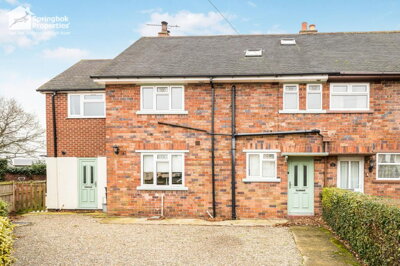
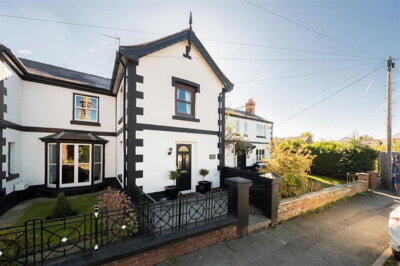
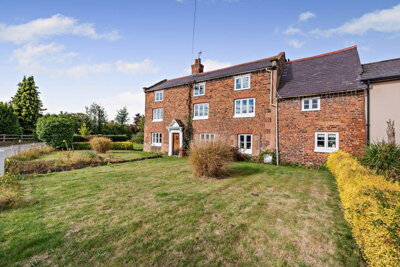
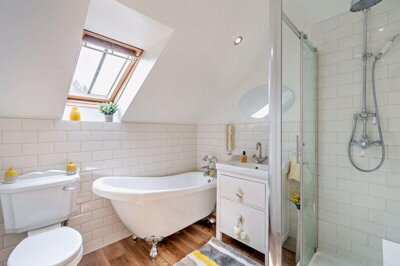
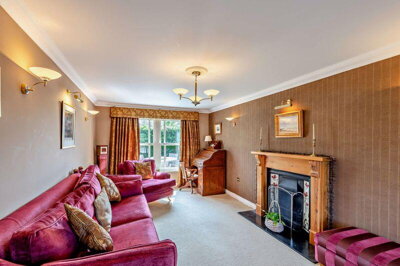
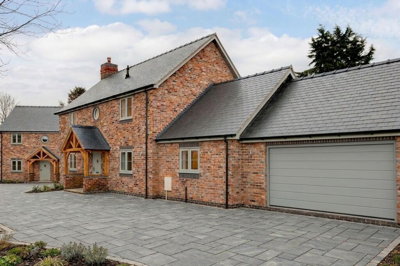
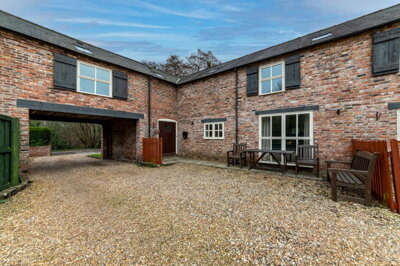
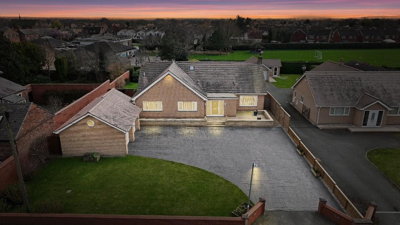
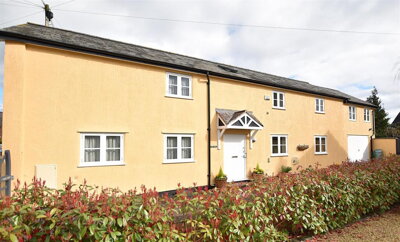
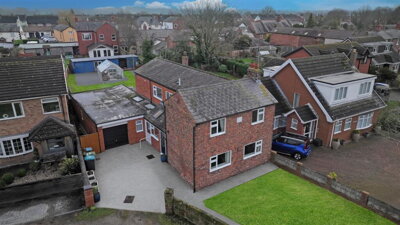
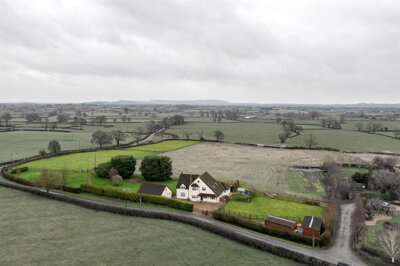
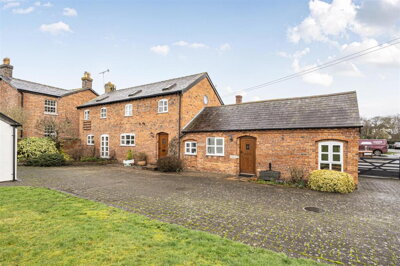
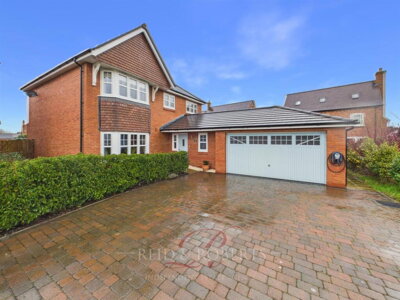
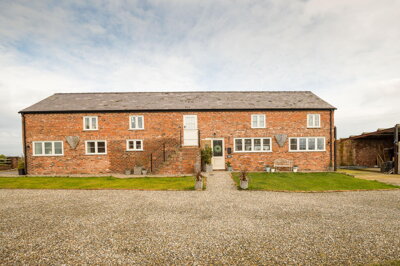
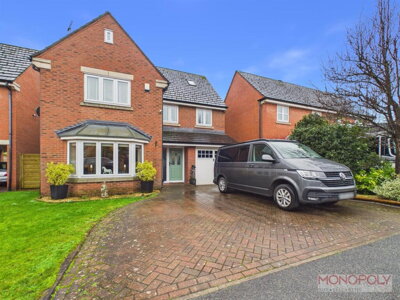
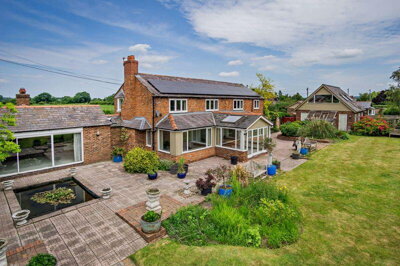
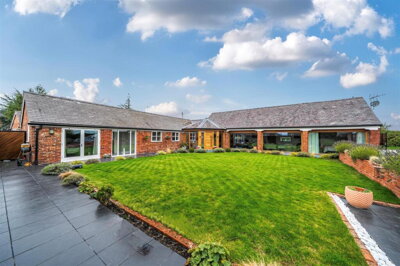
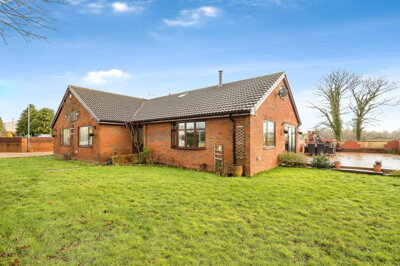
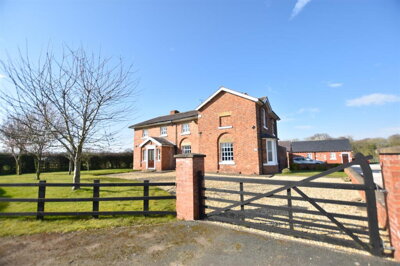
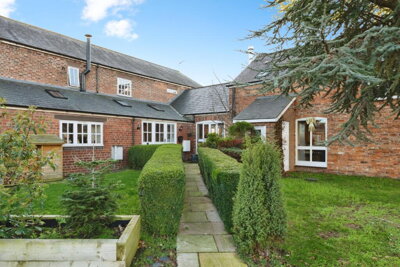
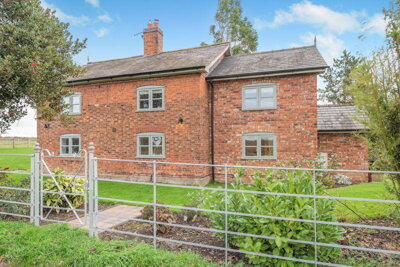
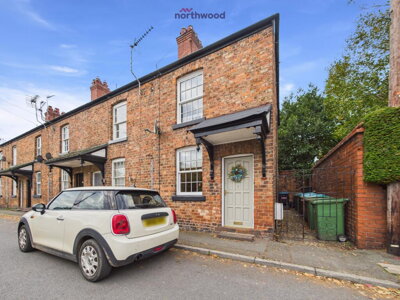
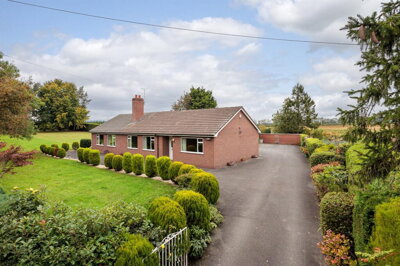
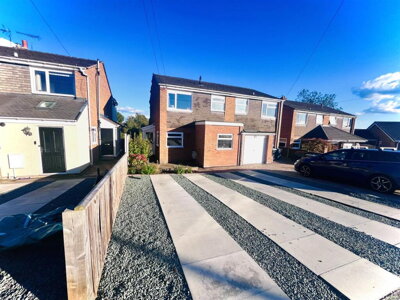
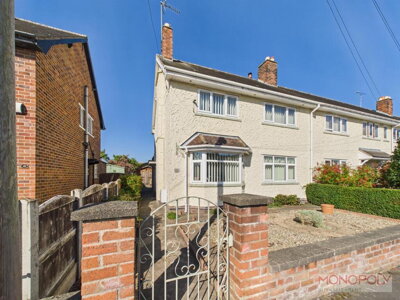
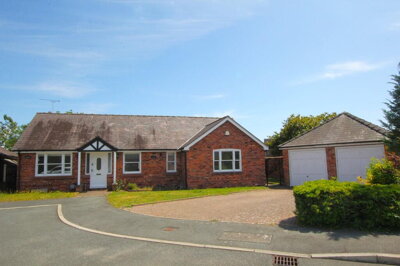
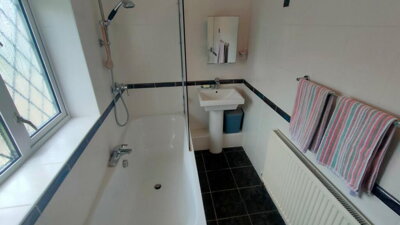
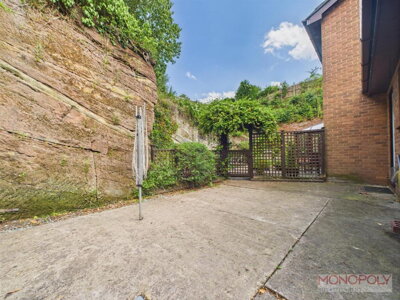
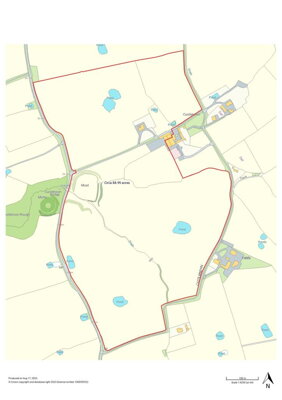
Browse 32 homes for sale in Isycoed, Wrexham from local estate agents.
The Isycoed property market offers detached, semi-detached, and terraced houses spanning various price ranges and neighbourhoods. Each listing includes detailed property information, photographs, and direct contact with the marketing agent.
£693k
2
0
111
Source: home.co.uk
Showing 2 results for Houses for sale in Isycoed, Wrexham. The median asking price is £692,500.
Source: home.co.uk
Detached
2 listings
Avg £692,500
Source: home.co.uk
Source: home.co.uk
The Lydbrook property market offers a varied selection of property types to suit different budgets and lifestyle preferences. Detached properties command the highest prices, with the average reaching £408,000, reflecting the premium placed on space, privacy, and often superior views across the Forest of Dean countryside. Semi-detached homes provide excellent value at an average of £276,400, while terraced properties offer a more affordable entry point at around £230,000. Flats in the village are less common but can be found from approximately £130,000, though these represent a smaller portion of available stock.
Property prices in Lydbrook have shown modest correction over the past twelve months, with the overall market declining by approximately 1.6 percent. This follows broader national trends and presents opportunities for buyers who may have previously found the area beyond their budget. Detached properties have proven most resilient, experiencing only a 0.3 percent decline, while flats have seen more significant price adjustments of around 13.3 percent. The semi-detached and terraced segments have each experienced declines of approximately 3 to 3.4 percent, suggesting a buyer-friendly market for those looking to move to this sought-after village location.
New build development activity in the Lydbrook postcode area (GL17) remains limited, with no active new-build developments currently being marketed within the village itself. This scarcity of new construction helps maintain the character of the existing housing stock and can support property values over the longer term. Prospective buyers seeking brand new homes may need to consider neighbouring areas or be prepared for longer searches within Lydbrook itself. The absence of significant new development also means that the majority of available properties are established homes with established gardens and mature surroundings.

Life in Lydbrook offers residents a rare combination of rural tranquility and community spirit that is increasingly sought after in a fast-paced world. The village sits within the Forest of Dean, an area renowned for its ancient woodlands, scenic walking trails, and abundant wildlife. The River Wye flows through the village, providing opportunities for fishing, kayaking, and riverside walks that draw visitors from across the region. Local amenities include a village shop, traditional pubs serving hearty meals, and community facilities that host regular events throughout the year.
The local economy has evolved significantly from its historical roots in coal mining and iron ore extraction, with modern employment patterns seeing residents commuting to larger towns including Gloucester, Ross-on-Wye, and Monmouth for work. The tourism sector plays an important role in the local economy, with the Forest of Dean and Wye Valley attracting visitors throughout the year who come to explore the forests, visit historic sites, and enjoy outdoor activities. This tourism support helps sustain local businesses and contributes to the vibrancy of village life, with many residents appreciating the balance between rural living and economic connectivity.
The demographic profile of Lydbrook reflects a balanced community with families, couples, and retirees all finding their place within village society. The population of 1,770 represents a stable community that has maintained its character despite broader trends of rural depopulation affecting many similar villages across England. The housing stock reflects the village's history, with significant numbers of properties built before 1919 and during the interwar period, alongside more modern developments. Local building materials typically feature the distinctive sandstone and brick that characterise Forest of Dean properties, often rendered with traditional lime mortar that contributes to the village's distinctive appearance.
The Forest of Dean itself offers exceptional recreational opportunities that directly benefit Lydbrook residents. Ancient woodland walks, cycling trails managed by Forestry England, and the Sculpture Trail provide free entertainment for families and outdoor enthusiasts. Clearwell Caves, the Speech House Hotel, and the Wye Valley Butterfly Zoo are popular attractions within easy reach of the village, making Lydbrook an ideal base for exploring this remarkable corner of Gloucestershire.

Families considering a move to Lydbrook will find educational provision available within the village and the surrounding Forest of Dean area. Lydbrook Primary School serves the local community, providing education for children from Reception through to Year 6. The school prides itself on its close relationship with the community and offers a curriculum that incorporates the natural environment of the Forest of Dean into learning activities. Class sizes tend to be smaller than those found in larger towns, allowing for more individual attention and a supportive educational environment for young learners.
Secondary education options in the Forest of Dean include the Forest High School in Cinderford and the Dene Magna School in Mitcheldean, both of which serve communities within reasonable travelling distance of Lydbrook. Students typically travel by school bus to these establishments, with journey times varying depending on home location. For families seeking grammar school education, the selection process begins in Year 5, with places allocated based on the 11-plus examination results. Parents should research specific school catchment areas and admission policies, as these can significantly impact which schools children are eligible to attend.
Further education opportunities are available at institutions in Gloucester and Hereford, with sixth form colleges providing a bridge between secondary education and university or vocational training. The proximity of these larger towns means that older students have access to a wider range of A-level subjects and vocational courses than might be available in smaller rural settings. For families prioritising educational provision, viewing the location of schools relative to specific properties is essential, as catchment areas within rural villages can be complex and subject to change based on application numbers and available spaces.
Transport arrangements for secondary school pupils deserve careful consideration when choosing a property in Lydbrook. The school bus services operate along specific routes, and properties not directly on these routes may require parents to arrange alternative transport. Morning and afternoon journey times can add significantly to the working day for parents, so factoring these practicalities into property decisions is advisable for families with school-age children.
Transport connections from Lydbrook reflect its rural character, with the village relying primarily on road access and limited public transport options. The A48 trunk road passes through the area, providing connections to Gloucester to the north-east and Ross-on-Wye to the south. For commuters working in larger cities, the journey to Gloucester typically takes around 35 minutes by car, while Bristol is approximately one hour away. The M50 motorway provides access to the wider motorway network, connecting residents to Birmingham and the Midlands to the north and Exeter and the South West peninsula to the south.
Public transport options are more limited than in urban areas, with bus services providing the primary alternative to private vehicles. The 131 bus route connects Lydbrook with surrounding villages and towns, though service frequency may not suit those requiring daily commutes to employment. Rail connections are available from Gloucester and Lydney stations, with direct services to London Paddington, Bristol, and Birmingham. However, these stations require car travel to reach from Lydbrook, making a vehicle virtually essential for most residents who work outside the immediate area.
For those working from home, Lydbrook offers an excellent environment with fast broadband now available in most areas of the village. The peaceful surroundings and access to outdoor recreation make it an attractive base for remote workers seeking to balance professional responsibilities with quality of life. Cycling infrastructure in the Forest of Dean has improved in recent years, with designated trails and quieter country lanes providing options for recreational cycling and occasional commuting trips to nearby towns.
Parking provision varies across the village, with some period properties having limited off-street parking facilities. Prospective buyers should verify parking arrangements for any property under consideration, particularly if commuting by car is necessary. Properties on the main road through the village may experience higher traffic volumes during peak hours, which is worth noting for those sensitive to road noise.
Properties in Lydbrook reflect the distinctive building traditions of the Forest of Dean region, with construction methods and materials that differ from those found in other parts of Gloucestershire. The underlying Carboniferous geology of the area, characterised by sandstones, shales, and coal measures, has historically provided local building materials that feature prominently in the village's architectural heritage. Older properties typically incorporate local stone, brick, and timber frame construction, while roofs are commonly finished with slate or clay tiles that complement the rural setting.
The prevalence of traditional construction methods in Lydbrook means that many properties exhibit characteristics common to period buildings across the Forest of Dean. Solid walls without cavity insulation, original timber windows, and early plumbing and electrical installations are frequently encountered in properties built before the mid-twentieth century. These features contribute to the character of the village but may also require ongoing maintenance and eventual upgrading to meet modern standards for energy efficiency and building regulations.
Render finishes are common on properties throughout Lydbrook, with lime-based renders allowing the walls to breathe in a manner appropriate to the local climate and construction methods. The use of cement-based renders on older properties can sometimes cause problems by trapping moisture within solid walls, leading to damp issues that might not be immediately apparent during a viewing. A thorough survey will identify any concerns with existing render or other external finishes that could require attention.
More recent construction in the village follows standard modern building practices, with cavity wall construction, concrete tiles, and uPVC windows becoming common from the latter part of the twentieth century onwards. However, given the limited new build activity in the GL17 postcode area, the proportion of modern construction within Lydbrook remains relatively small compared to the significant stock of older properties that define the village character.
Our team frequently encounters several specific defect types when inspecting properties in and around Lydbrook, reflecting the age of much of the local housing stock and the unique geological conditions of the Forest of Dean. Damp-related issues rank among the most common problems found during surveys, with rising damp, penetrating damp, and condensation all presenting challenges in properties of varying ages. Older properties lacking modern damp-proof courses or with compromised original installations are particularly susceptible, especially where timber floors or solid walls allow moisture to penetrate the structure.
Roof condition concerns arise regularly given the age of many properties in the village and the local climate patterns. Slipped tiles, damaged flashing, and deteriorated gutters and downpipes can allow water ingress that leads to more significant problems if left unaddressed. The freeze-thaw cycles experienced during Gloucestershire winters can accelerate deterioration of roofing materials, making regular inspection and maintenance important for property owners in the area. Our inspectors always examine roof spaces where accessible to assess the condition of timbers, insulation, and any signs of previous water damage.
The shrink-swell behaviour of clay soils present in parts of the Forest of Dean can cause foundation movement in properties whose foundations were not designed to accommodate such ground conditions. Period properties with shallow or traditional footings may be particularly vulnerable during extended dry spells or periods of heavy rainfall when clay soils contract or expand significantly. This ground movement can manifest as cracking to walls, sticking doors or windows, and other signs of structural stress that warrant professional assessment.
Historical mining activity across the Forest of Dean creates potential for ground instability in some localised areas of Lydbrook. While many former mine workings are long disused, the legacy of coal and iron ore extraction can occasionally result in surface subsidence or other ground movement issues. Properties in areas identified as having potential mining risk should receive particular attention during the survey process, with our inspectors noting any signs of movement or subsidence that might indicate underlying problems requiring further investigation.
Purchasing a property in Lydbrook requires careful consideration of several factors unique to this rural Gloucestershire location. The village sits along the River Wye, which means some properties in low-lying areas adjacent to the river carry a flood risk that buyers should understand before committing to a purchase. Flood risk assessments and insurance implications should be factored into your decision-making process. Surface water flooding can also occur in certain locations during periods of heavy rainfall, particularly where drainage systems may be overwhelmed.
The presence of a Conservation Area in Lydbrook means that properties within this designated zone may be subject to additional planning controls regarding external alterations, extensions, and even routine maintenance works. If you are considering a property within the Conservation Area, you should consult with the Forest of Dean District Council planning department to understand what permissions might be required for any planned works. Similarly, listed buildings will have their own requirements under the Listed Building Consent regime, which can affect everything from replacing windows to internal renovations.
The underlying geology of the Forest of Dean includes areas of clay deposits that can experience shrink-swell behaviour, particularly during periods of drought or heavy rainfall. This can potentially cause subsidence or heave in properties whose foundations are not designed to accommodate such ground movement. The historical mining activity in the Forest of Dean also means that some areas may have potential for ground instability from disused mine workings. A thorough survey will help identify any structural concerns related to these geological factors before you commit to your purchase.
Properties constructed before the year 2000 may contain asbestos-containing materials in various forms, including pipe insulation, floor tiles, textured coatings, and roof sheets. While asbestos in good condition and undisturbed is not necessarily a hazard, any renovation or maintenance work could disturb these materials and create health risks. Our surveys identify suspected asbestos materials and provide guidance on appropriate management or removal procedures.
Obtain a mortgage agreement in principle before beginning your property search. Having this documentation ready demonstrates your seriousness to sellers and estate agents, and helps you understand exactly how much you can afford to spend on a property in Lydbrook. Speak to our recommended mortgage advisers who can compare rates from across the market and find the most suitable product for your circumstances.
Explore current listings in Lydbrook and surrounding villages to understand what is available within your budget. With around 50 properties typically available and prices ranging from approximately £130,000 for flats to over £400,000 for detached homes, the market offers options across various price points. Take time to understand the differences between property types and their typical characteristics in this area.
Arrange viewings of properties that match your criteria, paying attention to the condition of older properties given the village's heritage and the presence of conservation areas. Take notes on property features, potential issues, and your overall impressions of each home. Consider visiting at different times of day to assess traffic, noise levels, and the neighbourhood atmosphere.
Given the age of many properties in Lydbrook and the presence of clay soils, flood risk from the River Wye, and historical mining activity in the Forest of Dean, we strongly recommend commissioning a RICS Level 2 Survey before proceeding. This will identify any structural issues, defects, or environmental concerns that might affect your purchase decision or require negotiation with the seller.
Once you have found your ideal property and agreed on a price, instruct a conveyancing solicitor to handle the legal aspects of your purchase. Our recommended conveyancers have experience with properties in the Forest of Dean area and understand the specific considerations involved, including flood risk disclosures and listed building regulations.
Your solicitor will handle searches, exchange contracts, and coordinate with your mortgage lender for final checks. On completion day, you will receive the keys to your new home in Lydbrook and can begin settling into your new community.
The average house price in Lydbrook is approximately £308,034, according to recent market data. Detached properties average around £408,000, semi-detached homes around £276,400, terraced properties around £230,000, and flats approximately £130,000. Property prices have shown modest correction over the past twelve months, with the overall market declining by approximately 1.6 percent, creating potential opportunities for buyers in this desirable Forest of Dean village.
Lydbrook falls under the Forest of Dean District Council authority, with properties typically falling into council tax bands A through E. The majority of standard family homes in the village fall into bands B to D, though specific bands depend on the property's assessed value. You can check the specific band for any property through the Valuation Office Agency website or your solicitor during the conveyancing process, which is particularly useful when comparing running costs between different properties you are considering.
Lydbrook Primary School serves the immediate village community, providing education from Reception through to Year 6 with the benefit of smaller class sizes than typically found in urban schools. Secondary schools serving the wider Forest of Dean area include the Forest High School in Cinderford and Dene Magna School in Mitcheldean, both accessible by school bus from Lydbrook. Families should research individual school Ofsted ratings, admission policies, and catchment area boundaries, as these can vary and directly impact which schools children are eligible to attend based on their home address.
Lydbrook has limited public transport options compared to urban areas, with bus services connecting the village to surrounding communities though frequencies may not suit daily commuters. The nearest railway stations are in Gloucester and Lydney, both requiring car travel to reach, with Lydney offering connections towards Bristol and Gloucester providing services to London Paddington. Most residents find that car ownership is essential for commuting and accessing amenities, with the A48 road providing connections to Gloucester in around 35 minutes and the M50 motorway offering access to the wider road network.
Lydbrook and the wider Forest of Dean area offer several investment considerations for prospective buyers. The village benefits from strong appeal to buyers seeking rural lifestyles, with the natural beauty, community atmosphere, and proximity to larger towns and cities supporting consistent demand for properties. The limited supply of new build properties helps maintain the character of the existing housing stock and may support values over time. However, buyers should be aware of potential flood risk in riverside areas, the geological considerations related to clay soils and historical mining activity, and the additional costs associated with owning period properties or those in the Conservation Area that may require specialist maintenance and consent for alterations.
Stamp duty rates for 2024-25 are 0 percent on properties up to £250,000, 5 percent on the portion from £250,001 to £925,000, 10 percent from £925,001 to £1.5 million, and 12 percent above £1.5 million. First-time buyers receive relief on the first £425,000 at 0 percent, with 5 percent applying between £425,001 and £625,000. For a typical Lydbrook property priced at the average of £308,034, a standard buyer would pay £2,901 in stamp duty, while a first-time buyer would pay £0 if purchasing below £425,000.
Properties adjacent to the River Wye in Lydbrook carry a risk of river flooding that buyers should carefully consider before purchasing. Surface water flooding can also affect low-lying areas of the village during periods of heavy rainfall, particularly where drainage systems are challenged by exceptional weather events. We recommend requesting a formal flood risk assessment for any property you are seriously considering, as flood risk can affect buildings insurance premiums and may influence future saleability. Properties in the Conservation Area may have additional considerations regarding flood resilience measures that require planning permission.
Lydbrook contains several listed buildings including residential properties, former industrial structures, and the parish church, reflecting the village's historical significance within the Forest of Dean. Listed building status imposes certain obligations on owners regarding maintenance and alterations, with any works affecting the building's character or structure typically requiring Listed Building Consent from Forest of Dean District Council. These requirements can add complexity and cost to renovation projects but also help preserve the distinctive character that makes Lydbrook an attractive place to live.
Understanding the full costs of purchasing a property in Lydbrook is essential for budgeting effectively. Beyond the property purchase price, buyers should factor in stamp duty, solicitor fees, survey costs, and various other expenses that can add several thousand pounds to the overall cost of buying. For a property at the Lydbrook average price of £308,034, a standard buyer without first-time buyer status would pay stamp duty of £2,901, calculated at 0 percent on the first £250,000 and 5 percent on the remaining £58,034.
First-time buyers purchasing a property at or below £425,000 can benefit from full stamp duty relief, meaning no SDLT would be due on the first £425,000 of the purchase price. This effectively removes the stamp duty cost for many first-time buyers looking at properties within this price range. However, if the property price exceeds £625,000, first-time buyer relief is not available, and standard rates apply. For properties priced above £925,000, the higher rate bands come into effect, significantly increasing the stamp duty burden.
Additional buying costs include mortgage arrangement fees, which can range from nothing to around £2,000 depending on the lender and product chosen. Conveyancing fees typically start from around £499 for straightforward purchases but can increase for leasehold properties, those with complex titles, or listed buildings requiring additional due diligence. Survey costs for a RICS Level 2 Survey typically range from £400 to £700 depending on property value and size, while EPC assessments are mandatory and usually cost between £80 and £150. Factor in removals costs, potential renovation expenses, and an emergency fund for any unexpected issues discovered after moving in.
Properties for Sale In London

Properties for Sale In Plymouth

Properties for Sale In Liverpool

Properties for Sale In Glasgow

Properties for Sale In Sheffield

Properties for Sale In Edinburgh

Properties for Sale In Coventry

Properties for Sale In Bradford

Properties for Sale In Manchester

Properties for Sale In Birmingham

Properties for Sale In Bristol

Properties for Sale In Oxford

Properties for Sale In Leicester

Properties for Sale In Newcastle

Properties for Sale In Leeds

Properties for Sale In Southampton

Properties for Sale In Cardiff

Properties for Sale In Nottingham

Properties for Sale In Norwich

Properties for Sale In Brighton

Properties for Sale In Derby

Properties for Sale In Portsmouth

Properties for Sale In Northampton

Properties for Sale In Milton Keynes

Properties for Sale In Bournemouth

Properties for Sale In Bolton

Properties for Sale In Swansea

Properties for Sale In Swindon

Properties for Sale In Peterborough

Properties for Sale In Wolverhampton

Enter your details to see if this property is within your budget.
Loans, cards, car finance
Estimated property budget
Borrowing + deposit
You could borrow between
Typical borrowing
Monthly repayment
Est. at 4.5%
Loan-to-value
This is an estimate only. Your actual budget may vary depending on interest rates, credit history, and personal circumstances. For an accurate affordability assessment, speak to one of our free mortgage advisors.
This calculator provides estimates for illustrative purposes only and does not constitute financial advice. Your home may be repossessed if you do not keep up repayments on your mortgage. Estimates based on 4.5% interest rate, repayment mortgage. Actual rates depend on your circumstances.
Homemove is a trading name of HM Haus Group Ltd (Company No. 13873779, registered in England & Wales). Homemove Mortgages Ltd (Company No. 15947693) is an Appointed Representative of TMG Direct Limited, trading as TMG Mortgage Network, which is authorised and regulated by the Financial Conduct Authority (FRN 786245). Homemove Mortgages Ltd is entered on the FCA Register as an Appointed Representative (FRN 1022429). You can check registrations at NewRegister or by calling 0800 111 6768.

We use cookies to show you personalised content and improve your experience of our website. Find out more in our Privacy policy and Cookie policy.