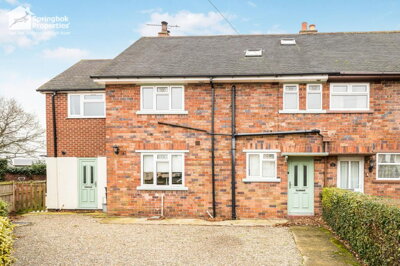
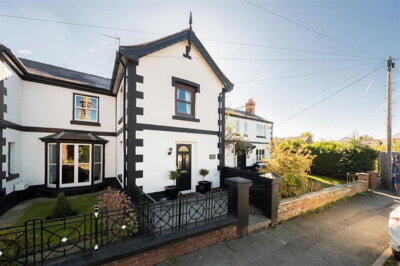
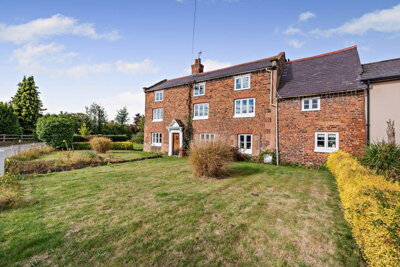
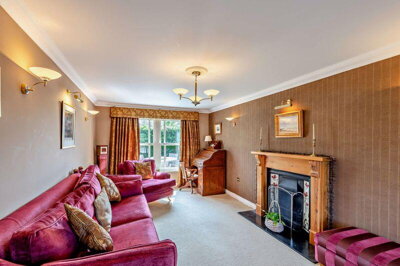
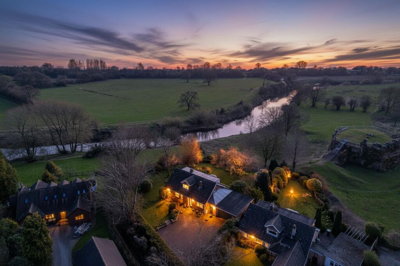
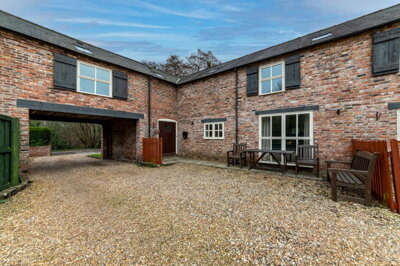
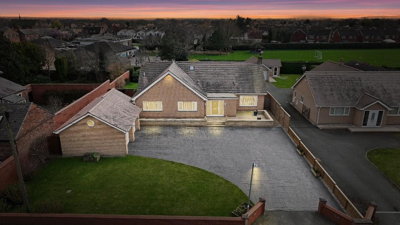
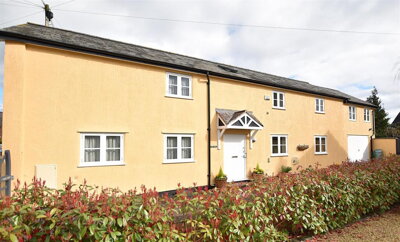
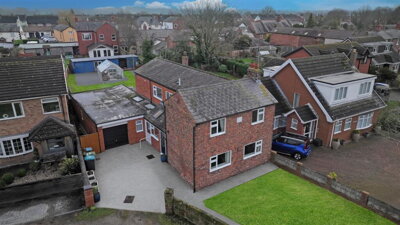
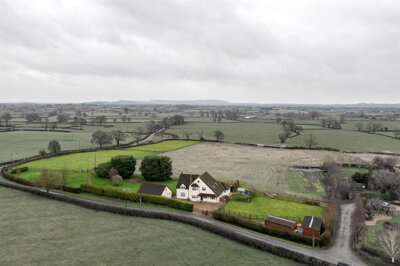
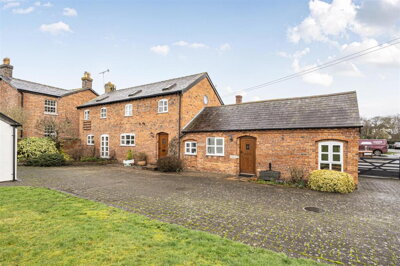
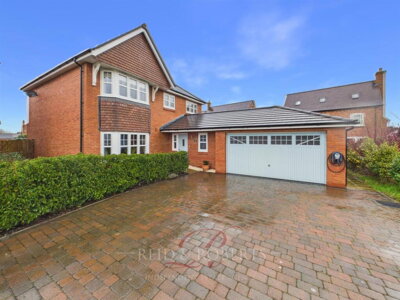
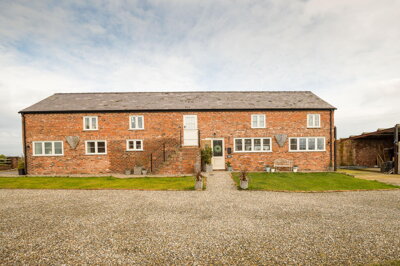
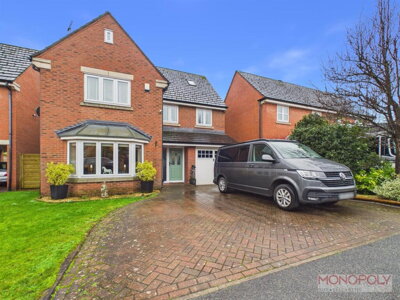
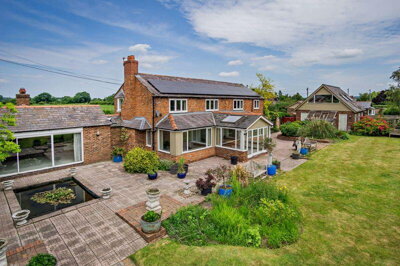
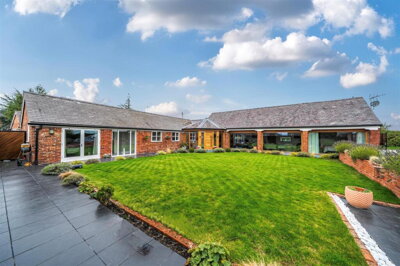
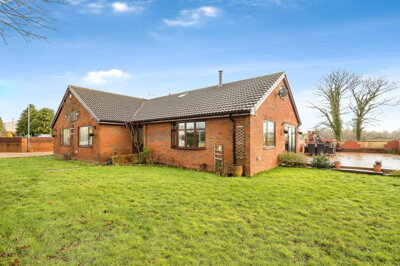
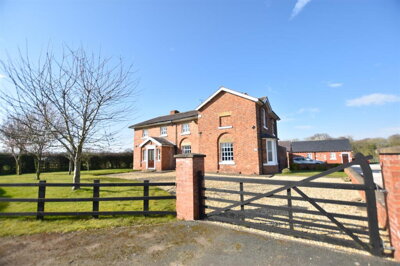
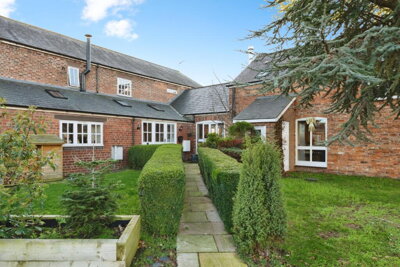
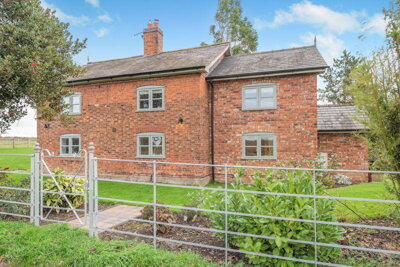
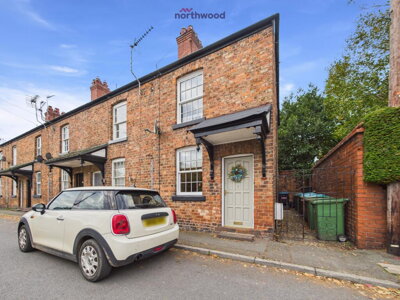
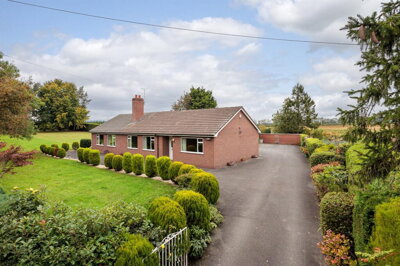
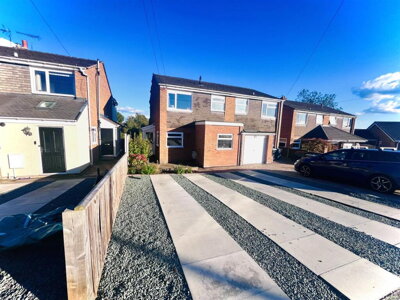
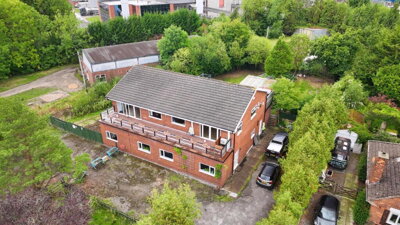
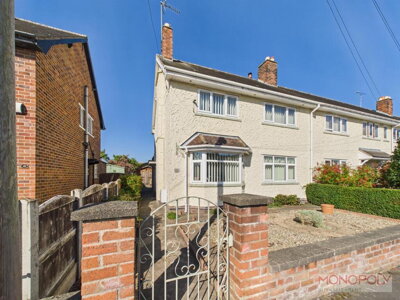
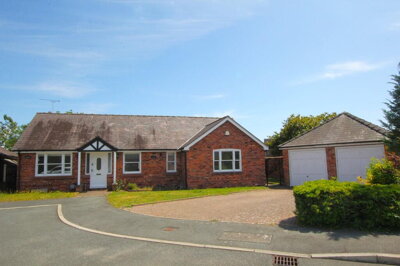
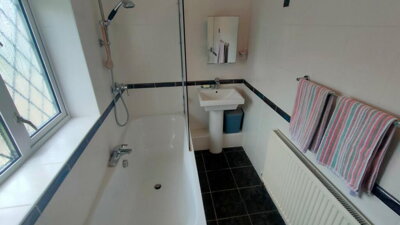
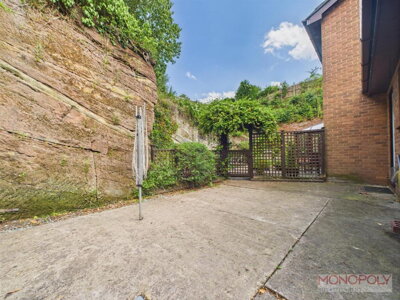
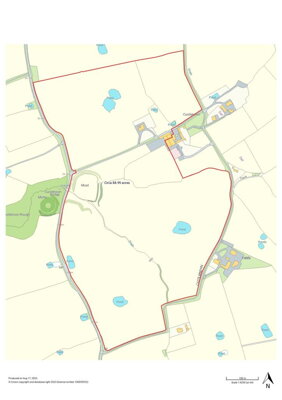
Browse 35 homes for sale in Isycoed, Wrexham from local estate agents.
£485k
5
0
96
Source: home.co.uk
Source: home.co.uk
Detached
2 listings
Avg £692,500
Barn Conversion
1 listings
Avg £450,000
Bungalow
1 listings
Avg £425,000
Not Specified
1 listings
Avg £850,000
Source: home.co.uk
Source: home.co.uk
The Isycoed property market reflects the broader trends affecting north-east Wales, with values experiencing notable adjustment over recent years. According to available data, average property prices in the Bangor Isycoed area currently stand at approximately £226,000, representing an 18% decrease from the previous twelve-month period. This correction follows a broader market cooling, with prices now sitting around 35% below the 2022 peak of £347,143. For buyers, this shift creates potential opportunities to enter the market at more accessible price points compared to the height of the pandemic-era boom.
Property types available in the Isycoed area include a mix of detached family homes commanding around £280,000 on average and terraced properties typically valued at approximately £172,000. The village and surrounding countryside feature traditional Welsh architecture, with many homes built using local materials suited to the regional climate. New build activity in the immediate Isycoed locality remains limited, though broader developments in the Wrexham area continue to expand housing options for those seeking modern fittings and energy-efficient designs. Buyers interested in new construction should expand their search to include neighbouring areas where active development sites may offer additional choices.
Transaction volumes across the wider Clwyd county, which encompasses Isycoed, have seen significant contraction with approximately 5,800 property sales recorded over the past year. This represents a decline of roughly 15% compared to the previous period, reflecting broader national trends in reduced buyer activity. Despite this slowdown, demand persists for quality homes in desirable village locations, and well-priced properties continue to attract interest from both owner-occupiers and investors seeking long-term value in the Welsh property market.
Understanding these market dynamics is crucial for anyone considering a purchase in Isycoed. While the recent price correction may concern some sellers, it presents genuine advantages for buyers who have been waiting for more favourable conditions. We track these trends closely to help our clients make informed decisions about timing their purchase and negotiating effectively on specific properties.

Life in Isycoed embodies the appeal of rural Welsh living while maintaining practical connections to urban amenities. The village sits within the borough of Wrexham, Wales's largest local authority, which provides a comprehensive framework of services and cultural offerings. Residents benefit from the tight-knit community atmosphere that smaller villages naturally foster, where neighbours often know one another and local events bring people together throughout the year. The pace of life here contrasts meaningfully with the pressures of city living, offering families and individuals alike the chance to establish genuine roots in a supportive environment.
The surrounding landscape of north-east Wales contributes significantly to the area's appeal, with rolling countryside, nearby woodlands, and access to outdoor recreation opportunities. Wrexham itself offers a growing cultural scene, including the celebrated Wrexham Theatre and a selection of independent cafes, pubs, and restaurants that reflect the town's ongoing regeneration. The presence of Wrexham AFC, recently acquired by Hollywood actors Ryan Reynolds and Rob McElhenney, has brought renewed attention and investment to the broader area, with implications for local businesses, tourism, and community pride. For residents of Isycoed, these amenities remain within easy reach while the village itself provides a peaceful base for daily life.
The demographic character of Wrexham and its surrounding villages reflects a blend of established Welsh families and newcomers drawn by relatively affordable housing compared to larger UK cities. The area offers good value for money compared to comparable locations in England, particularly for buyers relocating from the South East or major metropolitan areas. Healthcare facilities are accessible through the Wrexham Maelor Hospital, one of the district general hospitals serving the region, while everyday amenities including shops, pharmacies, and post offices are available locally or in nearby towns. The combination of community spirit, natural beauty, and practical convenience makes Isycoed an attractive proposition for those prioritising quality of life alongside property investment.
Village life in Isycoed also benefits from active community organisations and regular events that bring residents together throughout the year. Local venues host seasonal celebrations, craft markets, and social gatherings that foster the strong sense of belonging that characterises traditional Welsh communities. For families with children, the presence of play groups, youth organisations, and community sports teams provides opportunities for young people to develop friendships and engage in positive activities within a safe, supportive environment.

Families considering a move to Isycoed will find educational provision available both within the immediate area and the broader Wrexham borough. Primary education in the region is served by various village schools and larger primaries in surrounding towns, each offering foundational education within reasonable travelling distance. For secondary education, pupils typically progress to schools in Wrexham, with several institutions offering strong academic programmes and extracurricular activities. The local education authority maintains detailed catchment area information that parents should consult when selecting properties, as school admissions often depend on residential proximity.
Secondary schools in the Wrexham area include several institutions that have received positive Ofsted assessments, providing families with options for quality secondary education. Schools such as Wales High School and St. Joseph's Catholic and Anglican High School serve students from Year 7 through to sixth form, offering A-Level programmes and vocational qualifications. For families seeking faith-based education, the Catholic secondary provision in the area provides an alternative pathway. Parents should verify current Ofsted ratings and admission policies directly with schools, as these can change and catchment boundaries may shift over time.
Beyond secondary education, Wrexham offers further education opportunities through Coleg Cambria, a major further education college with campuses serving the region. The college provides a comprehensive range of vocational courses, apprenticeships, and higher education programmes, making it a valuable resource for young people pursuing career pathways without leaving the area. For university-bound students, the University of Wales Trinity Saint David has a presence in Wrexham, while larger universities in Chester, Liverpool, and Manchester remain accessible via the excellent transport connections serving the region. Families moving to Isycoed can therefore plan for the full educational journey from primary school through to further and higher education without necessarily needing to relocate again.
Early years education is well represented in the area, with nursery settings and reception classes providing childcare options for working parents. Many families appreciate the availability of both maintained and independent early years providers, allowing them to select the approach that best suits their child's developmental needs and family circumstances. We recommend visiting potential schools and speaking with current parents to gain authentic insight into each institution's culture and performance before finalising any property decision.

Connectivity from Isycoed benefits substantially from the village's position relative to Wrexham and the broader north-west England and North Wales transport network. The A483 trunk road passes through Wrexham, providing direct access to Chester to the north and Newtown and the Welsh border regions to the south. This road corridor forms the main arterial route for car travel, connecting Isycoed residents to employment centres, shopping destinations, and recreational facilities throughout the region. For commuters working in Chester, the journey typically takes around 30 minutes by car, opening possibilities for those who work in England but wish to reside in Wales.
Public transport options include bus services connecting Wrexham with surrounding villages and towns, providing essential mobility for residents without private vehicles. The Wrexham Central and Wrexham General railway stations offer rail connections, with services operating on the Welsh Marches Line and other routes. From Wrexham General, passengers can access direct services to major cities including Chester, where connections to the national rail network expand onward travel options significantly. Journey times from Wrexham to Liverpool typically range from one to one and a half hours by public transport, while Chester is accessible in approximately 30 minutes. These connections make Isycoed viable for commuters who need to reach employment in larger urban centres while maintaining a village lifestyle.
For air travel, Liverpool John Lennon Airport and Manchester Airport provide international flight connections within reasonable driving distance of Isycoed. Liverpool Airport is approximately 45 minutes to an hour away by car, while Manchester Airport requires around 90 minutes. The improved transport infrastructure in recent years has enhanced the accessibility of the Wrexham area, supporting both commuters and the local economy. Cycling infrastructure continues to develop in the region, with Sustrans routes and local cycle paths providing alternatives for shorter journeys. Overall, Isycoed offers a practical balance of rural tranquility and connectivity that serves residents with diverse commuting and travel requirements.
Those working from home will find Isycoed particularly well-suited to remote work lifestyles. The village setting provides a peaceful environment conducive to focused work, while superfast broadband services in the area enable reliable video calls and data-intensive tasks. Planning permission for home office extensions or conversions may be subject to specific requirements depending on the property, and we advise checking with Wrexham County Borough Council planning department for guidance on any proposed workspace modifications.

Begin by exploring current listings in Isycoed and the surrounding Wrexham area. Understanding price trends, available property types, and typical selling times will help you set realistic expectations and identify the right properties for your circumstances. We recommend attending open viewings where possible and speaking directly with local estate agents who can provide insight into properties yet to reach major portals.
Before arranging viewings, obtain a mortgage agreement in principle from a lender. This demonstrates your buying capacity to sellers and agents, strengthening your position when making offers on properties in this competitive market. Having your financing documented early also streamlines the formal application process once your offer is accepted, reducing stress during the critical negotiation and conveyancing phases.
Visit properties that match your criteria, taking time to assess not just the home itself but also the neighbourhood, nearby amenities, and commuting options. Consider visiting at different times of day to gauge noise levels and community atmosphere. We suggest creating a checklist for each viewing covering aspects such as natural light, storage space, garden orientation, and the condition of fixtures and fittings.
Once your offer is accepted, arrange a RICS Level 2 Survey (Homebuyer Report) to assess the property's condition thoroughly. This survey identifies defects, structural concerns, and maintenance issues that may not be visible during viewings, providing essential information for negotiating repairs or price adjustments. Given the age of many properties in the Wrexham area, a thorough survey is particularly valuable for identifying any issues requiring attention before completion.
Appoint a solicitor to handle the legal aspects of your purchase, including property searches, contract review, and registration with the Land Registry. Your solicitor will coordinate with the seller's legal team to progress the transaction through to completion. We can recommend conveyancing specialists experienced in Welsh property transactions who understand local requirements and can guide you through the process efficiently.
Once all searches are satisfactory and financing is confirmed, you will exchange contracts and pay the deposit. Completion typically follows within days or weeks, at which point you will receive the keys to your new Isycoed home and can begin settling into your new community. We recommend arranging building insurance to be in place from the point of contract exchange, as this is when legal responsibility for the property transfers to you as buyer.
Purchasing property in a rural Welsh village like Isycoed requires attention to both universal considerations and location-specific factors that may affect your investment. Flood risk remains an important consideration across many parts of Wales, and prospective buyers should review Environment Agency and Natural Resources Wales flood maps for the specific property location before proceeding. While Isycoed benefits from its elevated position in the landscape, surrounding agricultural land and proximity to watercourses means some properties may warrant closer investigation during surveys. We always recommend requesting a flood risk assessment as part of the conveyancing process to ensure you have complete information about any potential exposure.
Property age and construction type merit careful attention, particularly for older Welsh cottages and farmhouses that may feature traditional building methods requiring specific maintenance approaches. Many properties in the Wrexham area date from various periods, with some retaining original features such as stone walls, timber frames, or slate roofing that contribute to character but may require ongoing upkeep. A thorough RICS Level 2 Survey will identify any structural concerns, potential damp issues, or outdated electrical and plumbing systems that buyers should factor into their purchase decision and budgeting for post-purchase improvements. Our team can arrange qualified surveyors who understand traditional Welsh construction methods and can provide expert assessment of older properties.
Planning restrictions in rural villages can be more stringent than in urban areas, with conservation considerations potentially affecting what alterations or extensions owners may undertake. The Wrexham County Borough Council maintains planning policies that govern development within the borough, and prospective buyers should familiarise themselves with any relevant restrictions before committing to a purchase. Properties in or near conservation areas may be subject to additional planning controls affecting external changes, so verifying the status of any property you are considering is essential. We can provide guidance on researching planning constraints and advise on the implications for your intended use of the property.
For properties being purchased as investments, understanding tenant demand, rental yields, and potential future capital growth in the Wrexham market will inform whether buy-to-let represents a sound financial decision. Local rental data should be consulted to gauge achievable rents relative to purchase prices and anticipated holding costs. The ongoing regeneration of Wrexham town centre and the area's improving profile suggest potential for both rental income and capital appreciation, though all investment decisions should be based on comprehensive due diligence rather than optimistic projections.

Properties in the Bangor Isycoed area show an average price of approximately £226,000 according to recent sales data. Detached properties command higher values averaging around £280,000, while terraced homes typically sell for approximately £172,000. The market has experienced a correction over the past year, with prices approximately 18% lower than the previous twelve months and 35% below the 2022 peak of £347,143. This price adjustment creates potential opportunities for buyers entering the market at more accessible levels compared to the recent peak, particularly for those who were priced out during the previous boom period.
Properties in Isycoed fall under Wrexham County Borough Council's jurisdiction for council tax purposes. Council tax bands in the area range from Band A for lower-value properties through to Band H for the most expensive homes. Exact bands depend on the property's assessed value, and prospective buyers can verify the specific band for any property through the Valuation Office Agency website or by requesting this information during the conveyancing process. Band A properties in Wrexham currently face lower annual charges than equivalent properties in many English local authority areas, making the village an attractive option for budget-conscious buyers.
Primary schools in the surrounding villages and Wrexham serve younger children, with specific options depending on your exact residential address and the school's catchment area. Secondary education options include several schools in Wrexham that have received positive Ofsted assessments, with Wales High School and St. Joseph's Catholic and Anglican High School among the options for families. Coleg Cambria provides further education opportunities locally, and the University of Wales Trinity Saint David has a presence in Wrexham for higher education. Parents should verify current school performance data and admission criteria directly with schools before committing to a property purchase, as catchment boundaries can change and places fill quickly in popular schools.
Isycoed connects to the wider transport network through Wrexham, which serves as a hub for bus services throughout the region. The A483 road provides direct access to Chester and the broader motorway network, while Wrexham railway stations offer rail services on various routes. Commuting to Chester by car takes approximately 30 minutes, with public transport options bringing Liverpool within around one to one and a half hours' travel time. Liverpool John Lennon Airport is accessible within approximately an hour's drive, providing international flight connections for business and leisure travel from this conveniently positioned village location.
The Isycoed and Wrexham area offers potential for property investment, particularly given current price levels compared to the recent 2022 peak. Average prices of around £226,000 represent meaningful value compared to many other parts of the UK, potentially supporting both rental demand and long-term capital growth prospects. The ongoing regeneration of Wrexham town centre and the increased profile brought by Wrexham AFC's high-profile ownership suggest positive momentum for the area. However, investors should conduct thorough due diligence on specific properties, understand local rental demand, and factor in holding costs including maintenance, void periods, and any changes to landlord regulations before committing to a purchase.
Stamp Duty Land Tax applies to property purchases in England and Wales, including Isycoed in Wrexham. For standard purchases, no SDLT is payable on properties up to £250,000. The rate increases to 5% on the portion between £250,001 and £925,000, with higher rates for properties exceeding this threshold. First-time buyers benefit from relief on purchases up to £625,000, paying 0% on the first £425,000 and 5% on the amount between £425,001 and £625,000. Properties purchased above £625,000 do not qualify for first-time buyer relief. Your solicitor will calculate the exact SDLT liability based on your purchase price and circumstances, and we recommend using a specialist calculator to estimate costs before making an offer.
A RICS Level 2 Survey (Homebuyer Report) is recommended for most residential properties, providing a thorough assessment of condition and identifying defects requiring attention. Given the potential age of properties in a rural village setting, the survey should specifically examine the condition of roofs, walls, and foundations for signs of structural movement or damp. Electrical and plumbing systems should be assessed for compliance with current standards and remaining useful life. The survey report will provide detailed findings and recommendations that inform your purchase decision, potentially supporting negotiations for repairs or price adjustments before completion. We can arrange RICS-qualified surveyors with local experience who understand the construction methods common to properties in the Wrexham area.
Rural villages in the Wrexham area often feature properties with historical significance or located within designated conservation zones that protect architectural heritage. Properties designated as listed buildings may be subject to stricter planning controls affecting what alterations or improvements owners can undertake. Prospective buyers should request copies of any listed building certificates and verify conservation area status during the conveyancing process. While we cannot confirm specific designations for individual properties without verification, your solicitor will conduct searches that reveal any relevant constraints. This information is essential for budgeting purposes and understanding limitations on future modifications to the property.
Understanding the full costs of purchasing property in Isycoed extends beyond the advertised asking price to encompass government taxes, professional fees, and moving expenses. Stamp Duty Land Tax represents the most significant additional cost for most buyers, with current thresholds meaning that properties priced up to £250,000 attract zero SDLT under standard rules. For a property at the area average price of £226,000, a non-first-time buyer would pay no stamp duty at all, potentially saving thousands compared to purchasing in higher-taxed regions. However, properties exceeding £250,000 incur SDLT at 5% on the amount above this threshold, making the total SDLT liability dependent on exact purchase price.
First-time buyers purchasing in Isycoed benefit from enhanced SDLT relief, with no tax payable on the first £425,000 of the purchase price. For a property priced at £226,000, a first-time buyer would pay zero SDLT, representing significant savings that can be redirected toward other purchase costs or home improvements. Properties priced between £425,001 and £625,000 incur SDLT at 5% on the amount above £425,000, while purchases exceeding £625,000 receive no first-time buyer relief. Given the current average price in the area sits comfortably within the relief threshold, many buyers in Isycoed may find themselves exempt from SDLT entirely.
Beyond government taxes, buyers should budget for solicitor conveyancing fees typically ranging from £500 to £1,500 depending on complexity and property value. Survey costs for a RICS Level 2 Homebuyer Report generally start from around £350 for standard properties, with higher fees for larger or more complex homes. Mortgage arrangement fees, if applicable, can add several hundred to over a thousand pounds depending on the lender and product chosen. Removal costs, surveys for properties not covered by an existing RICS assessment, and potential repairs or renovations should also feature in a comprehensive budget. By planning for these costs from the outset, buyers can approach their Isycoed purchase with financial clarity and confidence throughout the transaction process.
Additional costs to factor in include Land Registry registration fees, local search fees charged by the conveyancing solicitor, and potentially a Land Transaction Tax return if required. Buildings insurance must be arranged from the point of contract exchange, and life or buildings insurance products should be considered as part of a comprehensive financial plan for your new home. We recommend obtaining quotes for all anticipated costs early in the process to avoid financial surprises that could delay or jeopardise your purchase.

Properties for Sale In London

Properties for Sale In Plymouth

Properties for Sale In Liverpool

Properties for Sale In Glasgow

Properties for Sale In Sheffield

Properties for Sale In Edinburgh

Properties for Sale In Coventry

Properties for Sale In Bradford

Properties for Sale In Manchester

Properties for Sale In Birmingham

Properties for Sale In Bristol

Properties for Sale In Oxford

Properties for Sale In Leicester

Properties for Sale In Newcastle

Properties for Sale In Leeds

Properties for Sale In Southampton

Properties for Sale In Cardiff

Properties for Sale In Nottingham

Properties for Sale In Norwich

Properties for Sale In Brighton

Properties for Sale In Derby

Properties for Sale In Portsmouth

Properties for Sale In Northampton

Properties for Sale In Milton Keynes

Properties for Sale In Bournemouth

Properties for Sale In Bolton

Properties for Sale In Swansea

Properties for Sale In Swindon

Properties for Sale In Peterborough

Properties for Sale In Wolverhampton

Enter your details to see if this property is within your budget.
Loans, cards, car finance
Estimated property budget
Borrowing + deposit
You could borrow between
Typical borrowing
Monthly repayment
Est. at 4.5%
Loan-to-value
This is an estimate only. Your actual budget may vary depending on interest rates, credit history, and personal circumstances. For an accurate affordability assessment, speak to one of our free mortgage advisors.
This calculator provides estimates for illustrative purposes only and does not constitute financial advice. Your home may be repossessed if you do not keep up repayments on your mortgage. Estimates based on 4.5% interest rate, repayment mortgage. Actual rates depend on your circumstances.
Homemove is a trading name of HM Haus Group Ltd (Company No. 13873779, registered in England & Wales). Homemove Mortgages Ltd (Company No. 15947693) is an Appointed Representative of TMG Direct Limited, trading as TMG Mortgage Network, which is authorised and regulated by the Financial Conduct Authority (FRN 786245). Homemove Mortgages Ltd is entered on the FCA Register as an Appointed Representative (FRN 1022429). You can check registrations at NewRegister or by calling 0800 111 6768.

We use cookies to show you personalised content and improve your experience of our website. Find out more in our Privacy policy and Cookie policy.