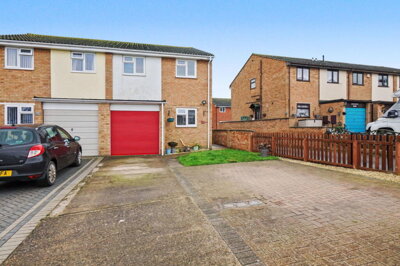
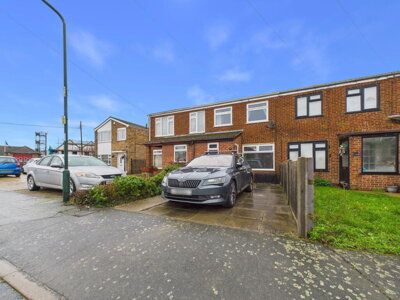
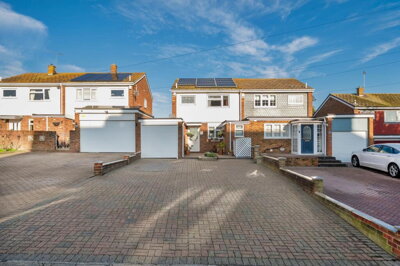
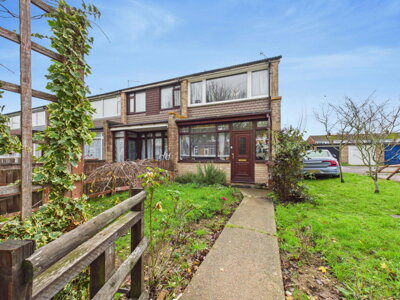
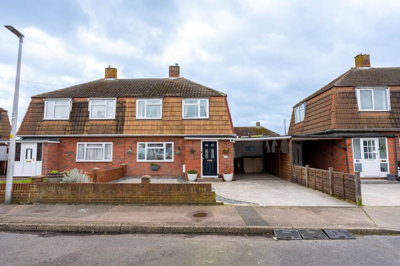
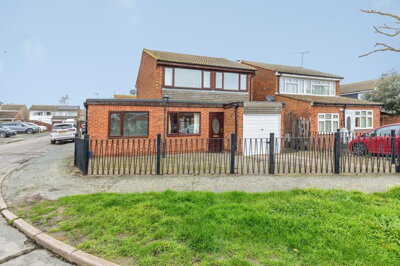
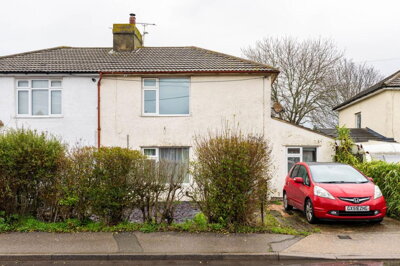
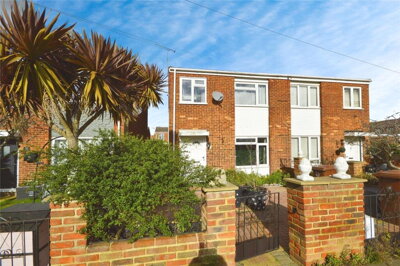
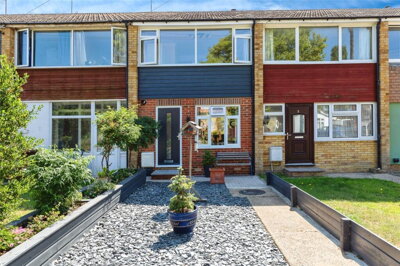
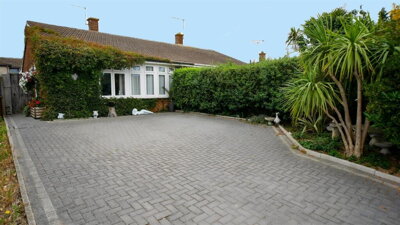
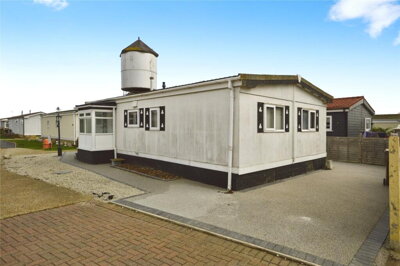
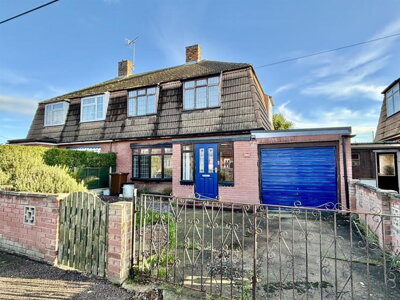
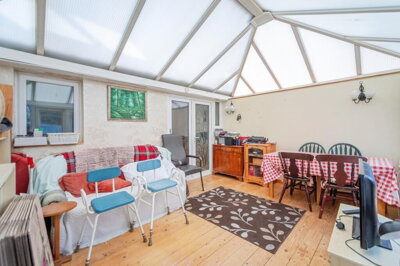
Browse 19 homes for sale in Isle of Grain from local estate agents.
The Isle of Grain property market reflects its status as a small, specialised residential area within Medway. Detached properties command the highest prices here, with the average reaching £431,833. Semi-detached homes typically sell for around £309,000, while terraced properties average £260,000. Flats in the area average £175,000, though these represent a smaller portion of the housing stock. This pricing structure makes the Isle of Grain particularly attractive to buyers seeking larger family homes with outdoor space at more affordable rates than comparable properties in surrounding areas.
The market has shown modest resilience with price growth of 1.9% over the past 12 months. This steady increase suggests continued demand from buyers drawn to the area's unique coastal character and relative affordability. Property availability tends to be limited given the small scale of the village, with typically only a handful of homes coming to market at any given time. This scarcity can create opportunities for buyers who act decisively when suitable properties become available.
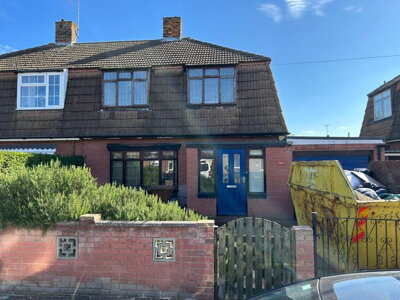
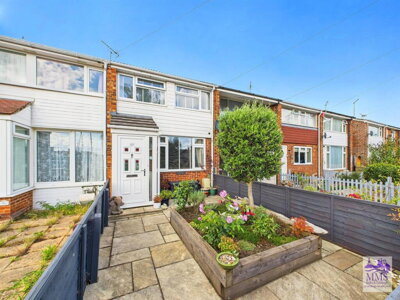
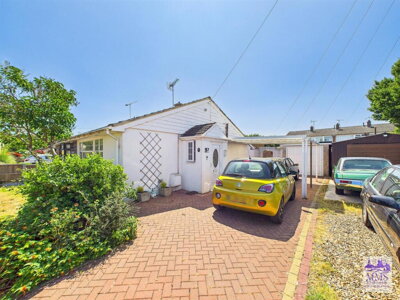
Housing stock in the village spans multiple eras, from early 20th-century farmhouses in the village core to post-war family homes constructed during the mid-twentieth century expansion. More recent developments since the 1980s have added to the mix, though the overall character remains one of established residential streets with mature gardens and neighbourhood familiarity. Properties here often feature traditional brick construction common throughout Kent, including red and yellow stock brickwork, with some older homes incorporating solid wall construction that may require different maintenance approaches than modern cavity wall properties.
Understanding the local market dynamics is essential before making an offer. Our team monitors listing activity across the Isle of Grain to help you time your search effectively. Contact us to set up instant alerts for new properties matching your criteria in this distinctive corner of Medway.
The Isle of Grain offers a lifestyle unlike anywhere else in Medway. This low-lying peninsula, home to approximately 1,623 residents across 679 households, provides an intimate community atmosphere where neighbours know each other and local events bring people together. The village centre retains much of its historic character, with properties ranging from early 20th-century farmhouses to post-war family homes and more modern developments. The surrounding landscape is dominated by marshland, waterways and open skies, making this particularly appealing to those who appreciate natural beauty and outdoor pursuits.
The area's industrial heritage plays a significant role in local employment and character. The Grain LNG terminal stands as a major employer and landmark, while the former Grain Power Station site is undergoing redevelopment, suggesting future economic investment in the area. Local amenities include essential shops, pubs and community facilities, though residents typically travel to nearby Medway towns for wider shopping, healthcare and recreational choices. The sense of community spirit here is strong, with residents valuing the peace and natural surroundings that make Isle of Grain a truly unique place to call home.
Weekend life in the village often revolves around the local pub, community events and walks along the estuary. Birdwatchers particularly appreciate the area's position on the Thames Estuary, which attracts diverse species throughout the year. The nearby coastline provides opportunities for coastal walks and photography, while the marshland interior offers quieter routes away from the water's edge. For families, this environment offers children the chance to grow up with genuine outdoor space and a strong sense of place that urban areas rarely provide.

Properties in Isle of Grain reflect the building practices of their respective eras across the village. Earlier properties in the village core typically feature solid brick walls constructed from traditional red or yellow stock brick, which was the standard material for Kent homes before cavity wall construction became prevalent after the 1930s. Some of the oldest farmhouses may incorporate Kentish ragstone, a local building material prized for its durability, though this is more common in larger historic structures than standard residential properties. Understanding the construction type of your potential new home helps you anticipate maintenance requirements and thermal performance characteristics.
Post-war properties built between 1945 and 1980 generally follow more standardised construction methods, with cavity wall brick construction becoming the norm for new housing. These mid-century homes often feature timber roof structures with clay or concrete tile coverings, which we regularly assess during surveys for age-related wear, slipped tiles and deterioration of flashing around chimneys and roof edges. Many of these properties were built with foundations designed for the ground conditions known at the time, which may not account for the full shrink-swell potential of the underlying London Clay.
More recent construction since the 1980s includes a mix of traditional brick and rendered properties, with some timber frame construction featuring various cladding systems such as brick, render or weatherboarding. These modern properties typically benefit from improved insulation standards and more robust foundation designs, though they are not immune to issues common in the area such as damp penetration in rendered finishes or condensation in poorly ventilated spaces. Our inspectors have experience with all property types found across the Isle of Grain and can identify construction-related concerns specific to each era.
Families considering a move to Isle of Grain will find primary education options within the village itself, with local primary schools serving the immediate community. These schools typically accommodate children from reception through to Year 6, providing essential education without the need for long journeys. The village's small scale means primary schools here often have close-knit atmospheres where teachers know students and their families personally, which many parents find appealing compared to larger urban schools.
Secondary school options in the surrounding Medway area include both comprehensive schools and grammar schools for those meeting the selection criteria, with several schools in nearby towns offering good Ofsted ratings and a wide range of GCSE and A-level subjects. Parents should be aware that secondary school catchment areas may require consideration when choosing where to live within the Isle of Grain, as some families may need to factor in transportation arrangements to schools in surrounding towns. The nearest secondary schools are typically located in the Medway towns, accessible by school bus services or parental transport.
For families requiring childcare or early years education, the village has nursery facilities serving preschool children. Sixth form and further education opportunities are well-provided for in the nearby Medway towns, with several colleges offering diverse vocational and academic courses accessible via regular bus services. Families moving to the Isle of Grain from elsewhere should register with the local education authority to understand current admission policies and catchment area boundaries, as these can affect which schools your children can access.

Transport connections from Isle of Grain require careful consideration given its peninsula location. The village is primarily accessed by road, with the main route connecting to the Medway towns and onward to the M2 motorway for travel to London and the wider motorway network. The A228 provides the primary road link, connecting Isle of Grain to the surrounding area and offering access to the M2 for longer-distance travel. Bus services operate connecting Isle of Grain to surrounding towns, though frequencies may be limited compared to urban routes, making car ownership practically essential for most residents.
For commuters working in London, the nearest railway stations are located in the Medway towns, offering services to London St Pancras International with journey times typically around 45-60 minutes. Stations at Strood, Rochester and Chatham provide regular Southeastern services into the capital, with peak-time frequency being highest at Strood station. The proximity to the coast means ferry services along the Thames Estuary may occasionally provide alternative travel options for those working in riverside locations, though these are not practical for daily commuting.
Cycling can be challenging due to exposed conditions on the marshland roads, though local cycling routes do exist for recreational purposes. The flat terrain of the peninsula makes cycling technically straightforward, but wind exposure and the lack of dedicated cycle lanes on some roads make it less appealing for regular commuting. Parking in the village is generally straightforward, with most properties offering off-street parking and limited pressure on public parking facilities, which many residents appreciate as a contrast to parking challenges in nearby urban areas.
Before starting your property search, obtain a mortgage agreement in principle from a lender. This helps you understand your budget and demonstrates your seriousness to sellers when making offers. In Isle of Grain's modest market, sellers will appreciate buyers who can move quickly with confirmed finances. Contact our recommended mortgage brokers who understand the local property market and can guide you through the process efficiently.
Spend time exploring Isle of Grain at different times of day and week. Consider factors such as flood risk, proximity to industrial facilities, transport options and nearest amenities. The village's unique coastal position means understanding the local environment is particularly important before committing to a purchase. Visit the area in various weather conditions to see how the peninsula handles heavy rain and coastal weather, which directly affects daily life here.
Search listings on Homemove and set up instant alerts for new properties matching your criteria. With only around 10 sales annually in the area, properties come to market infrequently, so being ready to act when the right home appears is essential. Our platform updates regularly with new listings, and you can filter by property type, price range and number of bedrooms to narrow down your options.
View properties in person to assess their condition and neighbourhood. Once you find the right home, submit a competitive offer through the estate agent. In this tight-knit community, a well-presented offer from a prepared buyer often succeeds. Be prepared to move quickly, as the limited stock means desirable properties can attract multiple interested parties.
Given the age of many properties in Isle of Grain and local geological conditions including shrink-swell clay risk, a thorough RICS Level 2 Survey is essential. This highlights any structural concerns, damp issues or needed repairs before you commit. Our inspectors understand the specific construction types and local defects common to this area, providing you with detailed insights before you finalise your purchase. Survey costs in the area typically range from £400 to £700 depending on property size.
Instruct a conveyancing solicitor to handle legal work, searches and land registry transactions. Your solicitor will coordinate with your mortgage lender and the seller's representatives through to completion and keys handover. We can recommend local conveyancing specialists familiar with Isle of Grain properties who can manage your transaction smoothly from offer acceptance through to moving day.
Prospective buyers in Isle of Grain must give particular attention to flood risk, given the area's coastal and tidal exposure. Significant portions of the peninsula fall within Flood Zone 3, indicating high probability of flooding from the sea and estuaries. Surface water flooding also poses concerns during heavy rainfall due to the flat topography and underlying clay soils. Property insurance costs and availability should be factored into your budget, and you should ask sellers directly about any historical flooding or water damage to their property. Our team can help you understand flood risk for any specific property you are considering.
The local geology presents another important consideration. The Isle of Grain sits on London Clay, which has moderate to high shrink-swell risk. This means properties, particularly older ones with potentially shallow foundations, may be vulnerable to ground movement during dry spells or periods of moisture change. During our inspections, we pay close attention to signs of subsidence or heave damage, including cracking patterns in walls, sticking doors or windows, and uneven floor levels. A thorough structural survey can identify any existing movement or foundation concerns before you commit to the purchase.
Additional issues common to the area include damp in older properties due to coastal proximity. Properties within a few miles of the coast often experience higher humidity levels and salt-laden air, which can accelerate wear on external finishes and allow moisture to penetrate porous materials. Our inspectors check walls, floors and roof spaces systematically for signs of rising damp, penetrating damp and condensation, providing you with a clear picture of any moisture-related issues and recommended remedies.
Other typical concerns in Isle of Grain properties include roof condition on properties of certain ages, where tiles, leadwork and flashing may show wear requiring maintenance or replacement. Electrical systems in pre-1980s homes may not meet current safety standards and could require upgrading. Plumbing systems in older properties may feature galvanised steel or lead pipes that have corroded over time. We assess all these elements during our surveys, giving you a comprehensive understanding of the property's condition before you commit.
As of February 2026, the average property price in Isle of Grain is £316,929. Detached properties average £431,833, semi-detached homes around £309,000, terraced properties £260,000 and flats approximately £175,000. Prices have increased by 1.9% over the past 12 months, indicating a stable market with modest growth. Given the unique coastal location and relative affordability compared to nearby Medway towns, the area represents good value for buyers seeking larger properties with waterfront access.
Yes, flood risk is a significant consideration for property buyers in Isle of Grain. The peninsula's position between the River Medway and Thames Estuary means large areas are designated Flood Zone 3, representing high probability of coastal and tidal flooding. Surface water flooding is also a concern during heavy rainfall due to flat terrain and clay soils. Prospective buyers should check the property's specific flood risk rating, consider appropriate insurance, and review any history of flooding with the current owner before purchasing.
Properties in Isle of Grain fall under Medway Council's jurisdiction and are assigned council tax bands ranging from A to E, depending on property value and type. Most residential properties in the village typically fall within bands B through D. You can check the specific band for any property through the Valuation Office Agency website using the property address or postcode. Medway Council sets annual charges based on these bands, which are payable by all residential property occupiers.
Isle of Grain has local primary schools serving children from reception through Year 6, with good Ofsted ratings for several establishments in the surrounding area. Secondary options in the Medway towns include both comprehensive and grammar schools, with some achieving excellent academic results. Parents should verify current catchment areas and admission arrangements, as these can change annually. The nearest further education colleges are located in the Medway towns, offering diverse vocational and academic courses accessible by bus.
Public transport options in Isle of Grain are limited compared to urban areas. Bus services connect the village to Medway towns, though frequencies are not as frequent as city routes. The nearest railway stations are in the Medway towns, providing regular services to London St Pancras International with journey times of 45-60 minutes. Given the peninsula location, car ownership is practically essential for most residents, particularly those working standard office hours or with family commitments requiring regular travel.
Isle of Grain offers a niche investment opportunity with certain unique factors. The redevelopment of the former Grain Power Station site suggests potential for future economic growth and local employment, which could positively impact property values. However, flood risk and the area's industrial character may limit appeal to some buyers. Property prices remain accessible compared to nearby coastal areas, and the 1.9% annual price growth indicates steady rather than dramatic appreciation. Investors should carefully weigh these factors against their specific risk tolerance and investment horizon.
Stamp Duty Land Tax rates for England from October 2024 start at 0% on the first £250,000 of property value, rising to 5% on the portion between £250,001 and £925,000. For properties priced between £925,001 and £1.5 million, the rate is 10%, with 12% applied above £1.5 million. First-time buyers purchasing properties up to £625,000 pay 0% on the first £425,000, then 5% on the remainder. At Isle of Grain's average price of £316,929, most buyers would pay minimal or no stamp duty.
A RICS Level 2 Survey is particularly valuable in Isle of Grain because the area's geology and coastal position create specific risks that standard mortgage valuations do not address. The underlying London Clay creates shrink-swell risk that can affect property foundations, while coastal exposure increases the likelihood of damp and timber issues in older properties. Our inspectors have detailed knowledge of local construction types and common defects found in this area, providing you with targeted insights that generic surveys cannot match. For properties over 50 years old, which make up a significant portion of the local housing stock, a thorough survey is especially important.
From 3.5%
Compare mortgage rates from leading lenders to finance your Isle of Grain purchase
From £499
Solicitors handling all legal work, searches and contracts for your property purchase
From £400
Detailed inspection of property condition by our qualified local surveyors
From £60
Energy performance certificate to understand your new home's efficiency rating
Understanding the full costs of buying property in Isle of Grain is essential for budgeting effectively. Beyond the property price, buyers should budget for Stamp Duty Land Tax, solicitor fees, survey costs and mortgage arrangement fees. For a typical property at the current average price of £316,929, a standard buyer moving to England from October 2024 would pay 0% stamp duty on the first £250,000 and 5% on the remaining £66,929, resulting in a stamp duty bill of around £3,346. First-time buyers may pay nothing if their purchase meets the relevant criteria.
Solicitor conveyancing fees in the Isle of Grain area typically range from £499 to £1,500 depending on complexity and whether the property is freehold or leasehold. A RICS Level 2 Survey, strongly recommended given local geology and property ages, generally costs between £400 and £700 depending on property size and value. Mortgage arrangement fees vary by lender but often range from zero to £2,000. Additional costs include Land Registry fees, search fees and potential removal costs. Planning these expenses carefully ensures a smooth transaction when purchasing your new home in Isle of Grain.
Our team can provide a complete breakdown of estimated costs tailored to your specific property and circumstances. We work with recommended conveyancers and surveyors who understand the local area and can guide you through each stage of the purchase process. Contact us today for a personalised quote covering all the services you need to complete your Isle of Grain property purchase.
Properties for Sale In London

Properties for Sale In Plymouth

Properties for Sale In Liverpool

Properties for Sale In Glasgow

Properties for Sale In Sheffield

Properties for Sale In Edinburgh

Properties for Sale In Coventry

Properties for Sale In Bradford

Properties for Sale In Manchester

Properties for Sale In Birmingham

Properties for Sale In Bristol

Properties for Sale In Oxford

Properties for Sale In Leicester

Properties for Sale In Newcastle

Properties for Sale In Leeds

Properties for Sale In Southampton

Properties for Sale In Cardiff

Properties for Sale In Nottingham

Properties for Sale In Norwich

Properties for Sale In Brighton

Properties for Sale In Derby

Properties for Sale In Portsmouth

Properties for Sale In Northampton

Properties for Sale In Milton Keynes

Properties for Sale In Bournemouth

Properties for Sale In Bolton

Properties for Sale In Swansea

Properties for Sale In Swindon

Properties for Sale In Peterborough

Properties for Sale In Wolverhampton

Enter your details to see if this property is within your budget.
Loans, cards, car finance
Estimated property budget
Borrowing + deposit
You could borrow between
Typical borrowing
Monthly repayment
Est. at 4.5%
Loan-to-value
This is an estimate only. Your actual budget may vary depending on interest rates, credit history, and personal circumstances. For an accurate affordability assessment, speak to one of our free mortgage advisors.
This calculator provides estimates for illustrative purposes only and does not constitute financial advice. Your home may be repossessed if you do not keep up repayments on your mortgage. Estimates based on 4.5% interest rate, repayment mortgage. Actual rates depend on your circumstances.
Homemove is a trading name of HM Haus Group Ltd (Company No. 13873779, registered in England & Wales). Homemove Mortgages Ltd (Company No. 15947693) is an Appointed Representative of TMG Direct Limited, trading as TMG Mortgage Network, which is authorised and regulated by the Financial Conduct Authority (FRN 786245). Homemove Mortgages Ltd is entered on the FCA Register as an Appointed Representative (FRN 1022429). You can check registrations at NewRegister or by calling 0800 111 6768.

We use cookies to show you personalised content and improve your experience of our website. Find out more in our Privacy policy and Cookie policy.