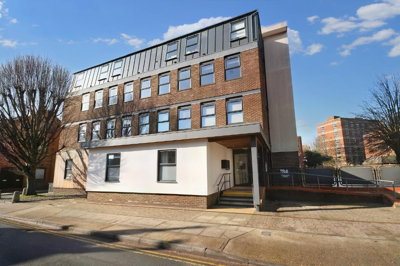
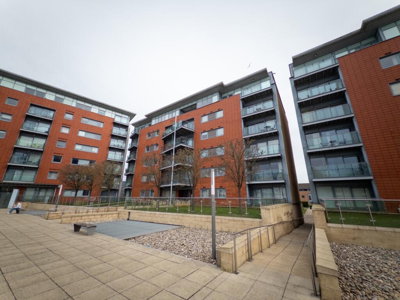
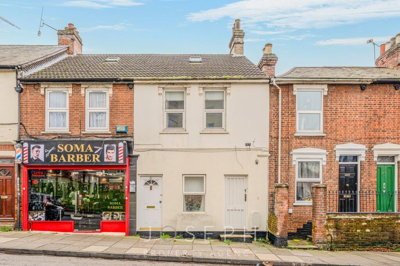
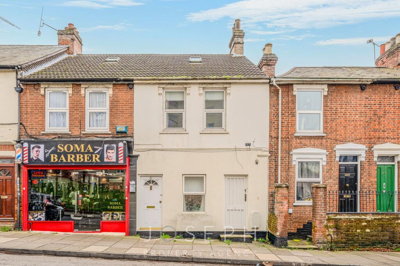
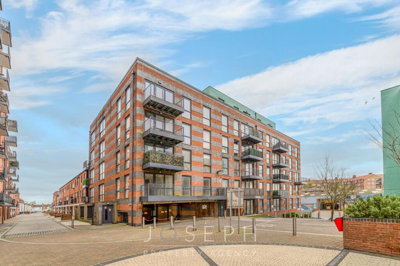
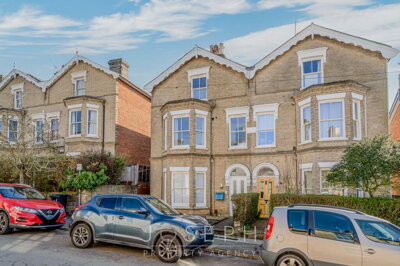
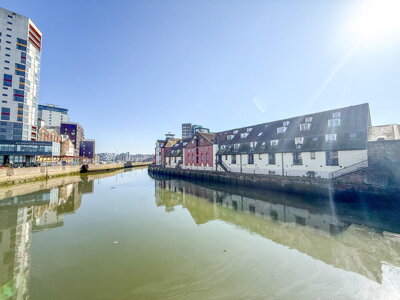
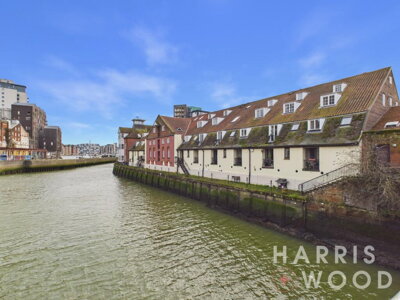
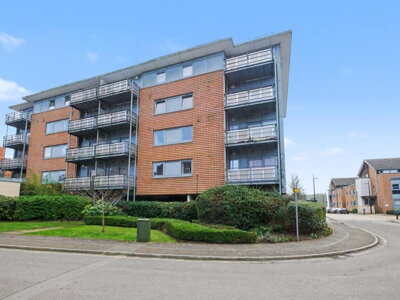
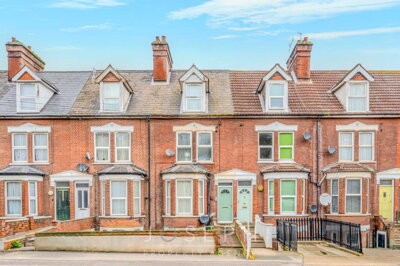
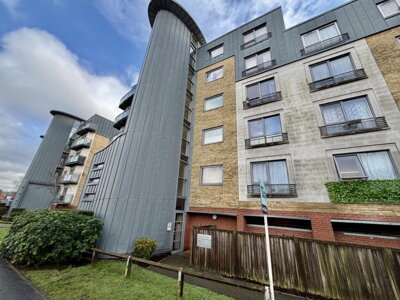
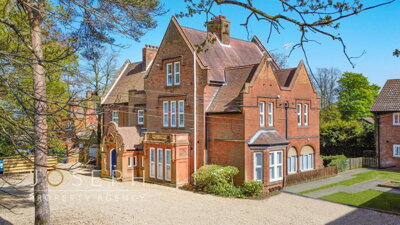
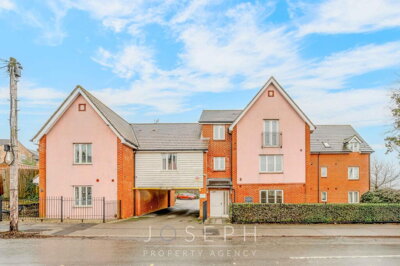
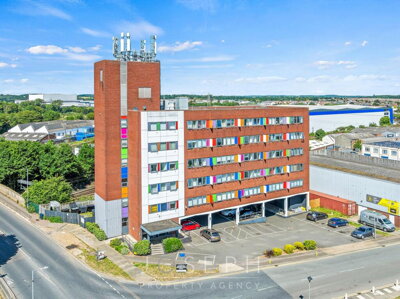
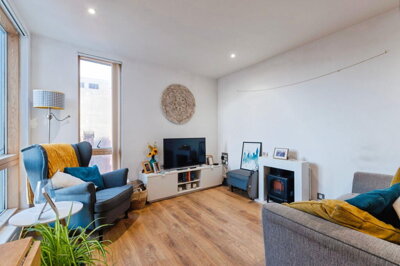
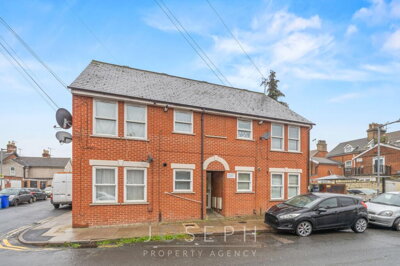
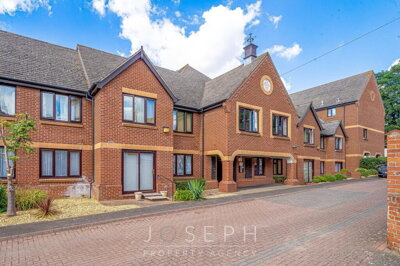
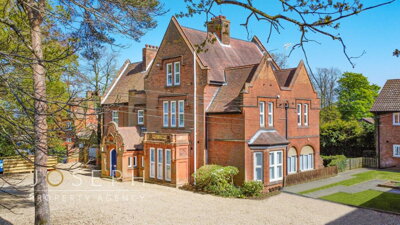
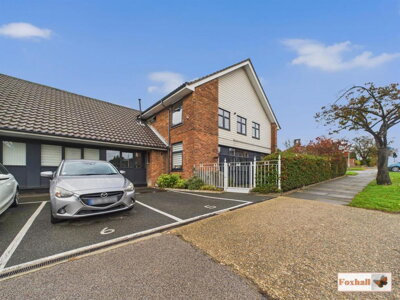
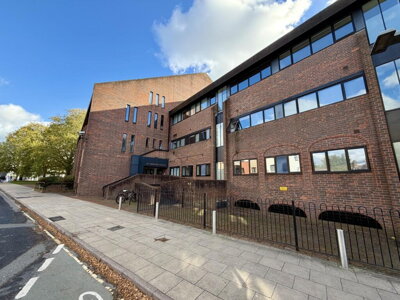
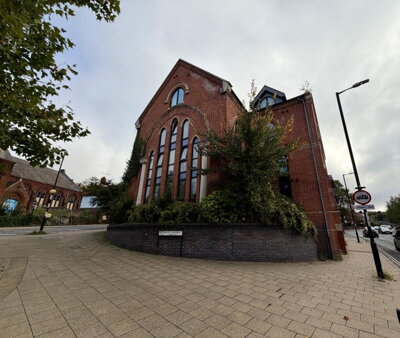
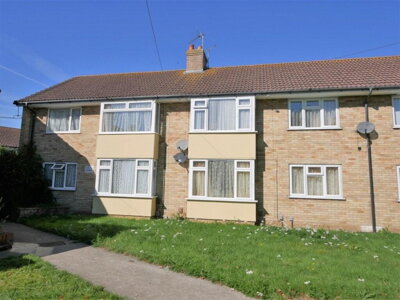
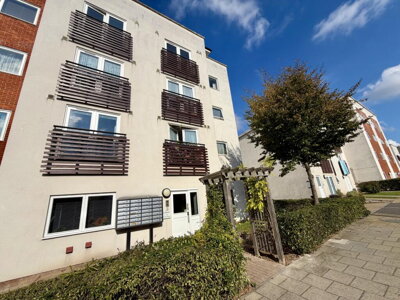
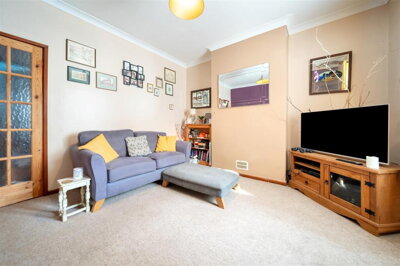
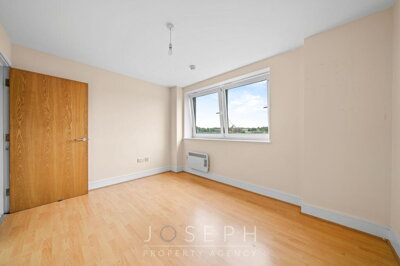
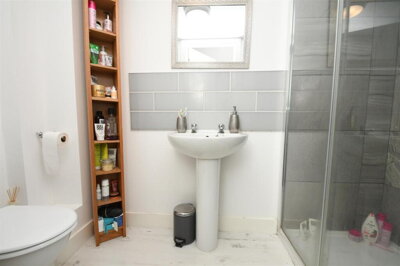
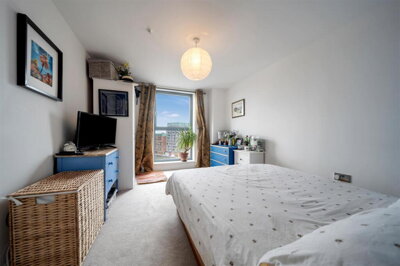
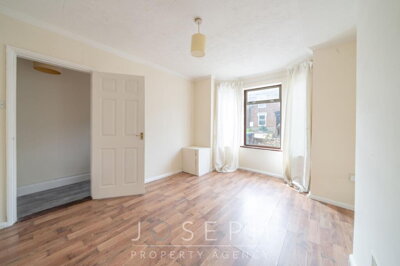
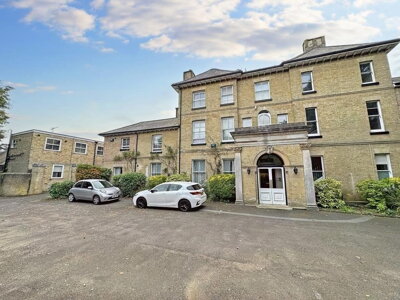
Browse 141 homes for sale in Ipswich, Suffolk from local estate agents.
One bed apartments provide a separate bedroom alongside distinct living space, bathroom, and kitchen areas. Properties in Ipswich are available in various building types including mansion blocks, contemporary developments, and house conversions.
£90k
31
3
154
Source: home.co.uk
Showing 31 results for 1 Bedroom Flats for sale in Ipswich, Suffolk. 3 new listings added this week. The median asking price is £90,000.
Source: home.co.uk
Flat
31 listings
Avg £93,952
Source: home.co.uk
Source: home.co.uk
The Stody property market reflects the broader strength of North Norfolk's rural housing sector, with overall prices climbing 15% over the past twelve months according to our latest analysis. Detached properties command the highest values in the village, averaging £650,000 and showing the strongest price growth at 18% year-on-year. This premium reflects the desirability of substantial family homes with generous gardens and countryside views that characterize the Stody housing stock. The market here moves deliberately, with typically only four to six sales completing each quarter, meaning serious buyers should act decisively when the right property becomes available.
Semi-detached homes in Stody average around £350,000, representing a more accessible entry point to village life while still offering the character and space that defines properties here. These homes typically feature the same traditional construction methods as their detached counterparts, with solid walls of flint and brick that require careful consideration during surveys. Terraced properties, which make up approximately 5% of the housing stock, trade at around £300,000 and are often historic workers' cottages or converted agricultural buildings that have been lovingly restored by previous owners.
The limited transaction volume in Stody means that comparable sales data can be scarce, making individual property valuations more dependent on the specific characteristics of each home. Buyers should expect properties to remain on market for longer than in urban areas, with vendors often preferring known buyers from the local community to outside purchasers. This creates both challenges and opportunities for those entering the market from outside the area, as building relationships with local estate agents becomes particularly valuable in a village market of this scale.
Stody sits within a landscape shaped by Norfolk's glacial history, with underlying chalk bedrock covered by deposits of glacial till, sand, and gravel that create the gently undulating terrain typical of this part of North Norfolk. The village itself comprises around 50 to 60 households with a population of approximately 130 residents, fostering an intimate community atmosphere where neighbours know one another by name. The area's geology presents a low shrink-swell risk from the chalk substrate, though properties built on superficial clay deposits may experience minor ground movement during periods of drought or heavy rainfall, factors worth discussing with your surveyor.
The local economy around Stody remains rooted in agriculture, with working farms and equestrian yards providing employment for some residents alongside tourism-related businesses that cater to visitors drawn by Norfolk's coastline and countryside. The proximity to Holt allows residents to access a wider range of employment opportunities, supermarkets, and professional services without compromising on village living. Many Stody residents are drawn to the area for its outstanding natural beauty, excellent walking routes across the surrounding farmland, and the sense of separation from the pressures of urban life that rural Norfolk so successfully preserves.
The village benefits from its position within easy reach of Holt, one of North Norfolk's most charming market towns, where residents find an excellent selection of independent shops, cafes, and restaurants lining the Georgian and Victorian streets. The town hosts regular markets and community events throughout the year, providing focal points for village social life. For larger shopping trips, Norwich lies approximately 30 miles to the south, offering comprehensive retail options, hospitals, and specialist services that complement the village's more modest local amenities.
Flood risk in Stody remains minimal due to the village's inland position away from major rivers. The primary concern relates to surface water flooding during periods of particularly heavy rainfall, when local topography and drainage capacity may be tested. Our team recommends discussing these factors with your surveyor when assessing specific properties, particularly those in low-lying parts of the village where water may collect after sustained downpours.

Families considering a move to Stody will find a selection of educational options within reasonable driving distance, with primary schooling available in nearby villages and market towns across North Norfolk. The nearest primary schools serve the surrounding rural communities and typically accommodate children from reception through to Year 6, providing a solid foundation in core subjects within settings that allow smaller class sizes and more individual attention than larger urban schools can offer. Parents should research specific catchment areas and admission arrangements directly with Norfolk County Council, as policies can change and space availability varies by year.
Secondary education in the region centres on schools in Holt, Fakenham, and the surrounding towns, with several institutions offering strong academic records and a range of extracurricular activities including sports, music, and drama programs. Stody's position means that secondary school pupils typically travel between 5 and 15 miles to reach their school, a distance that reflects the rural nature of the area and the concentration of educational facilities in the market towns. Many families find this distance manageable with school transport arrangements or carpooling among village residents.
Sixth form provision is available at secondary schools in nearby towns, with Fakenham Sixth Form College providing additional options for older students seeking specialist A-level courses. For families requiring independent schooling, several respected private schools operate in Norfolk, with some offering boarding facilities that allow children from across the region to access their programs. The longer journey times to independent schools mean that boarding options often prove more practical than daily commuting for Stody families choosing this educational route.
Transport connections from Stody reflect its rural character, with the village situated away from major rail lines but accessible to the road network that connects North Norfolk to wider destinations. The A148 runs through the region, linking Holt to King's Lynn and providing connections to the A17 and eventually the M1 motorway network for longer distance travel. For rail commuters, the nearest stations are found in Norwich and King's Lynn, with Norwich offering direct services to London Liverpool Street that take approximately two hours, making day commuting feasible for those with flexible working arrangements.
Local bus services operated by Norfolk County Council connect Stody with surrounding villages and towns, providing essential access for those without private vehicles to reach supermarkets, medical appointments, and other services in Holt and Fakenham. The bus schedules tend to be geared toward shopping and market days rather than daily commuting, so residents working regular office hours may find a car essential for weekday travel. For air travel, Norwich International Airport offers domestic flights and connections to European destinations, while Stansted Airport can be reached in approximately two hours by car for a broader range of international options.
Cycling provides a popular alternative for shorter journeys in the flat North Norfolk countryside, with many residents choosing bikes for trips to Holt and the surrounding villages. The quiet country lanes that connect Stody to neighbouring communities offer relatively safe cycling conditions, though drivers should remain alert to the absence of dedicated cycle lanes on rural roads. E-bikes have become increasingly popular among older residents or those with longer commutes, making cycling a viable option for a broader range of abilities throughout the year.
The traditional construction methods common throughout Stody require careful attention during the buying process, particularly for the many period properties built before 1919. Flint and brick walls, while immensely characterful, can harbour hidden damp issues if original damp-proof courses have failed or were never installed. A thorough RICS Level 2 Survey will assess wall integrity, identify any structural movement, and flag concerns about penetrating damp that affects older solid-walled properties. Prospective buyers should budget for potential renovation works, as updating heating systems, electrical wiring, and insulation to modern standards often proves necessary in properties of this age.
The underlying chalk geology of Stody provides generally favorable foundation conditions, with low shrink-swell potential reducing the risk of subsidence that troubles properties built on clay soils elsewhere. However, areas where glacial clay deposits overlay the chalk can present moderate ground movement risks, particularly for properties with shallow foundations. Large trees close to buildings warrant particular scrutiny, as root systems can both extract moisture from clay soils and physically damage foundations. Our inspectors frequently identify foundation concerns on properties with mature conifer or oak trees positioned within root protection distances.
Roof construction across Stody's older properties varies considerably depending on age and original use. Traditional farmhouses often feature steeply pitched roofs covered with handmade tiles or thatch, while later Victorian and Edwardian properties typically use slate or machine-made clay tiles. Each covering has its own maintenance requirements and potential defects: thatch demands specialist knowledge and regular attention, while slate roofs may suffer from nail fatigue and slipped sheets. Timber roof structures in older properties can deteriorate silently within lofts that have not been inspected for years, making thorough attic examinations essential for any pre-war property.
The prevalence of solid wall construction throughout Stody's housing stock means that thermal performance deserves particular consideration. Properties built before cavity wall insulation became standard typically lack effective wall insulation, resulting in higher heating costs and potential condensation issues during winter months. Our surveyors consistently flag inadequate insulation as a concern in properties of this age, though solutions exist ranging from internal dry-lining to specialist external rendering systems designed for solid walls. Understanding the current insulation status helps buyers budget for improvements that may be needed within the first few years of ownership.

The presence of listed buildings in Stody, including the notable Grade I Stody Lodge, means that some properties in the village are subject to Listed Building Consent requirements for alterations and improvements. If you are considering purchasing a listed property, discuss the implications with your surveyor and solicitor early in the process. Planned works such as adding double glazing, building extensions, or even internal alterations may require consent from North Norfolk District Council, adding time and cost to your project. For non-listed properties, the planning requirements are more straightforward, though the village's rural character means that large-scale developments are unlikely to be permitted.
While Stody itself does not carry a formal Conservation Area designation, the concentration of listed buildings throughout the village means that planning controls effectively operate at a local level for most properties of historic interest. The local planning authority takes a keen interest in maintaining the traditional character of the area, and applications for works that would alter the appearance of period properties face careful scrutiny. Buyers should be prepared for a more complex planning process when considering any external alterations to traditional buildings, even those not formally listed.
Drainage arrangements deserve particular attention in Stody, where many properties rely on septic tanks or cesspits rather than mains sewerage. Your survey should include an assessment of drainage condition and capacity, and your solicitor should confirm that existing arrangements comply with current regulations. The Environment Agency has introduced requirements for septic tank upgrades in recent years, and installing a new drainage system can cost several thousand pounds. Additionally, given the local geology, properties with large trees nearby should be assessed for potential root intrusion and the impact of moisture changes on foundations, particularly where clay-rich superficial deposits exist.
Start by exploring our current listings to understand what is available within your budget, then dig deeper into the local market data including recent sales prices and typical time on market for similar properties in the village and surrounding NR25 area. Given that only around four properties sell in Stody each year, patience and persistence often prove essential, and building relationships with local estate agents can provide advance warning of properties coming to market before they appear on major portals.
Before scheduling viewings, contact a mortgage broker to obtain an agreement in principle that confirms your borrowing capacity. This strengthens your position when making offers and demonstrates to sellers that you are a serious, financially prepared buyer. In a tight-knit rural market like Stody, sellers often prefer buyers who can demonstrate clear financial capability, particularly for the substantial detached properties that dominate local sales.
Contact local estate agents to arrange viewings of properties that match your criteria. In a small village market like Stody, viewings may need to be scheduled in advance, and properties can sell quickly when quality homes become available. Consider viewing properties across different weather conditions and times of day to assess how the property and its surroundings change throughout the day and seasons.
Once your offer is accepted, instruct a RICS Level 2 Survey to assess the property condition thoroughly. Given that over 70% of Stody properties are over 50 years old, this survey is particularly valuable for identifying issues with traditional construction, roofs, damp, and outdated systems. Our team includes local surveyors familiar with the specific construction methods and common defects found in North Norfolk period properties.
Choose a solicitor experienced in rural property transactions to handle the legal aspects of your purchase, including local searches, title checks, and coordination with the seller's representatives through to completion. Rural transactions often involve additional considerations including septic tank regulations, rights of way across farmland, and easements relating to drainage or access that require specialist attention.
Your solicitor will guide you through the final legal steps, including searches review, mortgage offer confirmation, and the transfer of funds. On completion day, the property becomes yours, and you can collect your keys and begin your new life in Stody. We recommend arranging buildings insurance before completion and taking meter readings on the day to ensure smooth utilities transfer.
The average house price in Stody stands at £577,500 according to recent market data, though this figure masks significant variation between property types. Detached homes, which dominate the local housing stock at approximately 70%, average around £650,000 and have shown the strongest price growth at 18% over the past twelve months. Semi-detached properties average approximately £350,000, while terraced homes trade at around £300,000. With only four properties selling in the village over the past year, the market is relatively inactive, making comparable sales data somewhat limited and individual property characteristics particularly influential on price. This scarcity also means that well-presented properties in Stody tend to attract competitive interest when they do come to market.
Properties in Stody fall under North Norfolk District Council's council tax banding, with most period properties in the village likely falling into bands D through G depending on their size, condition, and location. Band D properties typically pay around £1,800 to £2,000 per year in council tax, though actual amounts should be confirmed with the local authority at the time of purchase. As a small rural parish, Stody benefits from relatively low levels of crime and good access to countryside amenities that many residents feel justify the council tax investment in local services. The parish council rate forms a small portion of this total, contributing to maintenance of village facilities and community events.
Primary education near Stody is served by schools in nearby villages and Holt, with class sizes that tend to be smaller than urban alternatives and good community engagement. Secondary education options include schools in Holt and Fakenham, with several achieving solid academic results and offering a range of GCSE and A-level courses. For families seeking specialist or independent education, private schools in Norfolk include options in Norwich and the surrounding region, with some offering boarding facilities for students who would commute daily from Stody. The travel distance to secondary schools means that school transport arrangements should be confirmed before committing to a purchase, particularly for families with older children who may have specific school preferences.
Public transport options from Stody reflect its rural location, with local bus services connecting the village to Holt and Fakenham on schedules designed primarily for shopping and market visits rather than daily commuting. The nearest railway stations are in Norwich and King's Lynn, both offering direct services to London, with Norwich providing the faster journey at approximately two hours to Liverpool Street. For commuters who need to reach offices in Norwich or other regional centres, driving to the nearest station and continuing by rail represents the most practical option, with parking facilities available at most stations in the area. Remote working has become increasingly viable in Stody, with many residents choosing to work from home and travel to offices only occasionally.
Property in Stody offers several investment characteristics that appeal to buyers seeking long-term value appreciation in a desirable rural location. The village's exclusive small-market nature means limited supply against consistent demand from buyers seeking rural Norfolk lifestyles. Price growth of 15% over the past twelve months demonstrates market strength, while the prevalence of traditional period properties suggests continued demand from buyers attracted to character homes. However, the small number of transactions means liquidity is limited, and those investing should plan for longer holding periods compared to urban markets. Holiday let potential exists given the area's proximity to the North Norfolk coast, though planning consent for this use requires separate consideration.
Stamp Duty Land Tax on a property purchase in Stody follows standard UK thresholds, which from 2024-25 start at 0% for the first £250,000 of purchase price, rising to 5% on the portion between £250,001 and £925,000. For a typical detached home in Stody at around £650,000, this would result in SDLT of approximately £20,000. First-time buyers may benefit from relief on the first £425,000, reducing costs for qualifying purchasers. Your solicitor will calculate the exact amount due based on your circumstances and ensure payment is made to HMRC within the required timescale following completion.
Properties in Stody frequently exhibit defects related to their traditional construction and age. Damp issues rank among the most common concerns, particularly rising damp in solid-walled properties where original damp-proof courses may have failed or never been installed. Roof defects including slipped tiles, degraded pointing, and timber decay affect many older properties, especially those with original coverings that have exceeded their expected lifespan. Outdated electrical systems and plumbing installations that do not meet current regulations require updating in properties built before 1980. Drainage systems including septic tanks may need maintenance or upgrading to meet current environmental standards, with costs potentially running to several thousand pounds for replacement systems.
From 4.5%
Expert mortgage advice tailored to your situation
From £499
Specialist property solicitors for your Stody purchase
From £500
Thorough property condition reports for Stody homes
From £80
Energy performance certificates for Norfolk properties
Beyond the purchase price of your Stody home, budget carefully for the additional costs that accompany any property transaction in the UK. Stamp Duty Land Tax represents the largest additional expense, with standard rates applying 0% on the first £250,000, 5% on the portion from £250,001 to £925,000, 10% on the next segment up to £1.5 million, and 12% on any amount above that threshold. For the average Stody property at £577,500, this translates to SDLT of approximately £13,875 before any first-time buyer relief for which you may qualify. Your solicitor will calculate the precise liability based on your residency status, previous property ownership, and the purchase price.
Professional fees for surveys and legal work should also be factored into your budget, with RICS Level 2 Surveys for typical Stody detached homes ranging from £500 to £800 depending on property size and complexity. Given that over 70% of properties in Stody are over 50 years old, the investment in a thorough survey is particularly worthwhile, potentially revealing issues that would cost thousands to rectify if discovered after purchase. Conveyancing costs typically start from around £499 for straightforward transactions, rising for leasehold properties, complex titles, or transactions involving listed buildings where additional due diligence is required.
Additional costs to remember include search fees charged by your solicitor for local authority, drainage, and environmental searches, typically ranging from £250 to £400 in total. Mortgage arrangement fees can vary widely between lenders, from zero for basic products to 1-2% of the loan amount for more comprehensive packages, so compare offers carefully. Removal costs, buildings insurance from completion day, and any renovation works you plan to undertake should all be included in your overall moving budget to ensure your transition to life in Stody proceeds smoothly without financial surprises.
For properties served by private drainage systems, budget for potential upgrade costs that may arise following your survey. The Environment Agency requires septic tanks to meet current standards, with older installations often requiring modification or replacement at costs ranging from £3,000 to £8,000 depending on the system type and ground conditions. Your solicitor should confirm the current status of any drainage arrangements during the conveyancing process and flag any known issues that may require attention before or shortly after completion.
Properties for Sale In London

Properties for Sale In Plymouth

Properties for Sale In Liverpool

Properties for Sale In Glasgow

Properties for Sale In Sheffield

Properties for Sale In Edinburgh

Properties for Sale In Coventry

Properties for Sale In Bradford

Properties for Sale In Manchester

Properties for Sale In Birmingham

Properties for Sale In Bristol

Properties for Sale In Oxford

Properties for Sale In Leicester

Properties for Sale In Newcastle

Properties for Sale In Leeds

Properties for Sale In Southampton

Properties for Sale In Cardiff

Properties for Sale In Nottingham

Properties for Sale In Norwich

Properties for Sale In Brighton

Properties for Sale In Derby

Properties for Sale In Portsmouth

Properties for Sale In Northampton

Properties for Sale In Milton Keynes

Properties for Sale In Bournemouth

Properties for Sale In Bolton

Properties for Sale In Swansea

Properties for Sale In Swindon

Properties for Sale In Peterborough

Properties for Sale In Wolverhampton

Enter your details to see if this property is within your budget.
Loans, cards, car finance
Estimated property budget
Borrowing + deposit
You could borrow between
Typical borrowing
Monthly repayment
Est. at 4.5%
Loan-to-value
This is an estimate only. Your actual budget may vary depending on interest rates, credit history, and personal circumstances. For an accurate affordability assessment, speak to one of our free mortgage advisors.
This calculator provides estimates for illustrative purposes only and does not constitute financial advice. Your home may be repossessed if you do not keep up repayments on your mortgage. Estimates based on 4.5% interest rate, repayment mortgage. Actual rates depend on your circumstances.
Homemove is a trading name of HM Haus Group Ltd (Company No. 13873779, registered in England & Wales). Homemove Mortgages Ltd (Company No. 15947693) is an Appointed Representative of TMG Direct Limited, trading as TMG Mortgage Network, which is authorised and regulated by the Financial Conduct Authority (FRN 786245). Homemove Mortgages Ltd is entered on the FCA Register as an Appointed Representative (FRN 1022429). You can check registrations at NewRegister or by calling 0800 111 6768.

We use cookies to show you personalised content and improve your experience of our website. Find out more in our Privacy policy and Cookie policy.