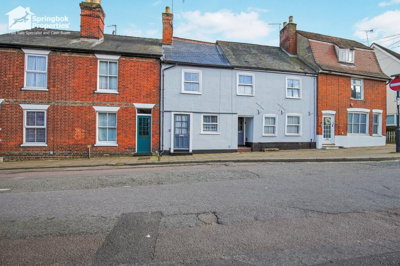
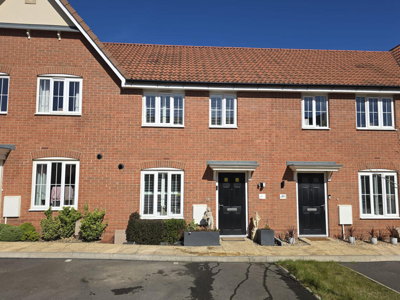
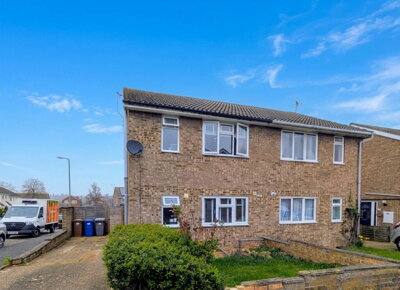
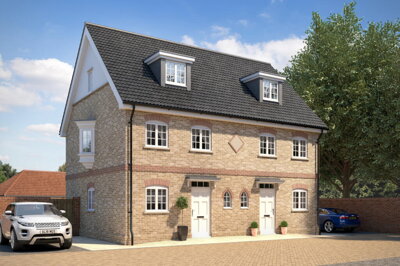
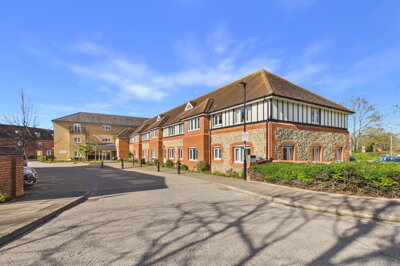
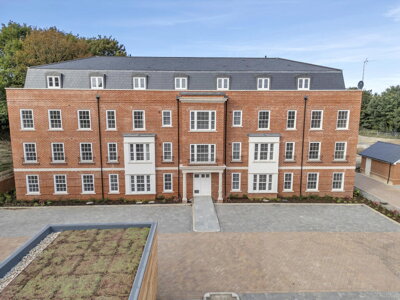
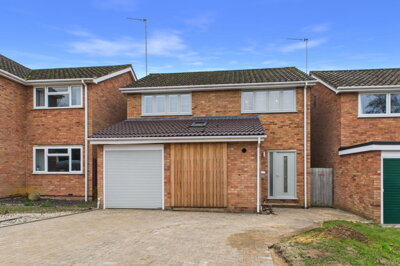
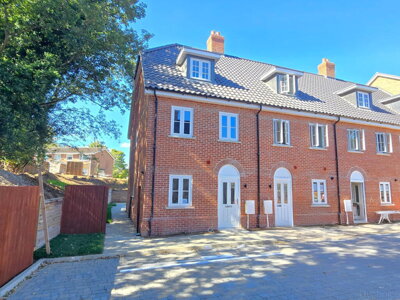
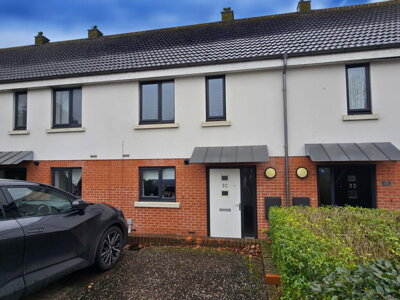
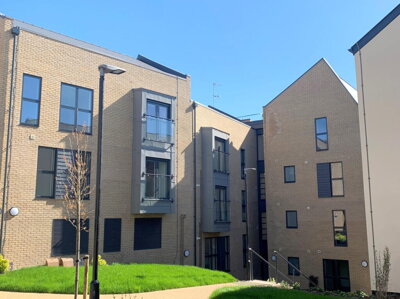
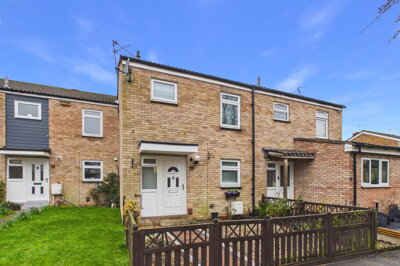
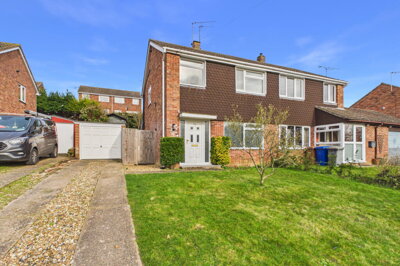
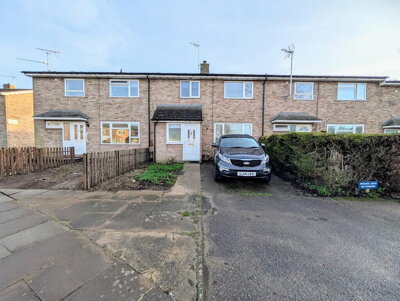
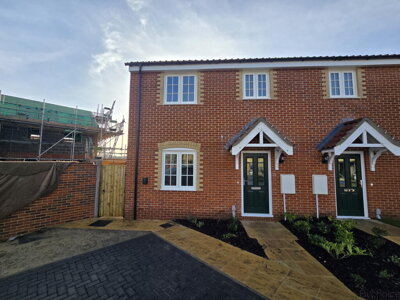
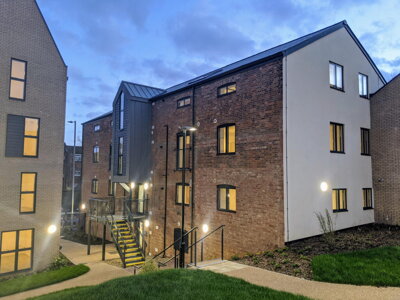
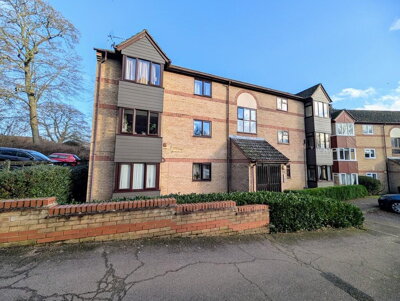
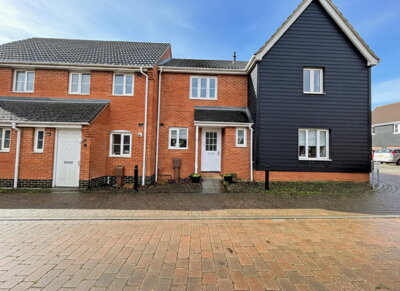
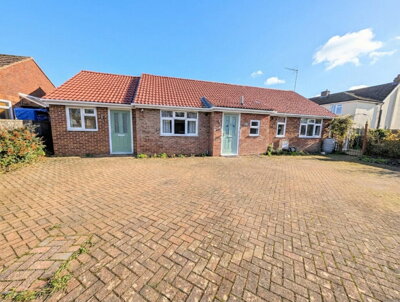
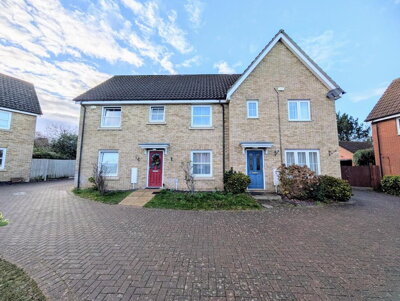
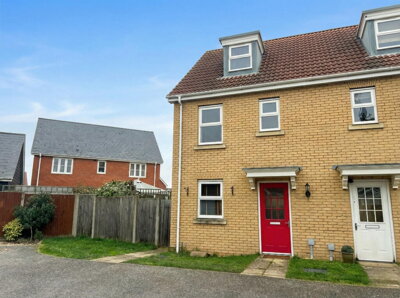
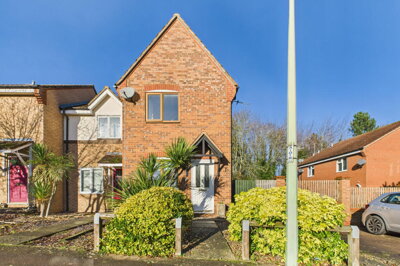
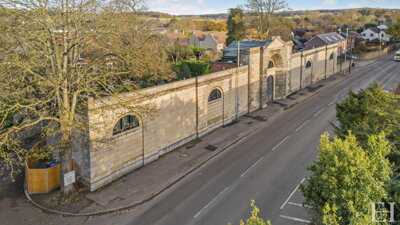
Browse 661 homes for sale in IP33 from local estate agents.
£300k
242
14
112
Source: home.co.uk
Source: home.co.uk
Terraced
57 listings
Avg £303,509
Apartment
49 listings
Avg £258,955
Town House
27 listings
Avg £592,500
End of Terrace
24 listings
Avg £386,083
Detached
20 listings
Avg £647,000
Semi-Detached
17 listings
Avg £338,176
Flat
15 listings
Avg £311,333
Detached Bungalow
6 listings
Avg £544,167
Retirement Property
5 listings
Avg £171,000
Ground Flat
4 listings
Avg £169,750
Source: home.co.uk
Source: home.co.uk
The IP33 property market has demonstrated remarkable resilience, with house prices remaining broadly stable over the past year after a modest 7% correction from the 2023 peak of £364,032. Our data shows that detached properties command the highest prices at around £489,250, reflecting strong demand from families seeking generous living space and gardens. Semi-detached homes average £363,755, making them popular choices for growing families who want more room than a terraced property offers without the premium of a detached home. In IP33 1 specifically, detached properties average £642,000, showing how central location significantly impacts value.
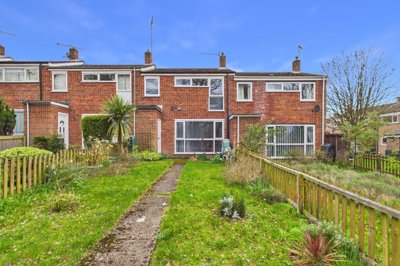
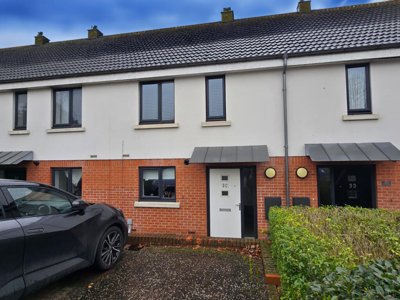
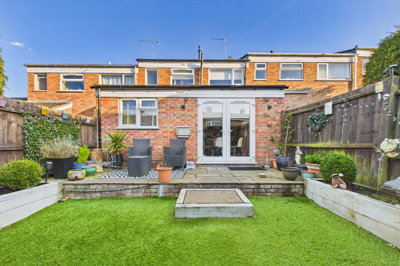
Terraced properties represent the most commonly sold property type in IP33, with average prices around £326,988, and these characterful homes with their period features appeal strongly to first-time buyers and downsizers alike. Flats remain the most affordable entry point into the Bury St Edmunds market at approximately £195,594, offering an excellent opportunity for first-time buyers or investors seeking rental income. The IP33 1 sector covering the town centre has seen slightly higher prices than IP33 2, with the latter showing modest growth of 1.3% in the past year, suggesting continued demand for suburban living with good transport connections.
Recent sales data indicates 498 total transactions across both IP33 1 and IP33 2 over the past two years, demonstrating a healthy level of market activity despite broader economic uncertainties. Our agents report that properties near the Abbey Gardens and within the historic medieval grid, particularly around Churchgate, Guildhall, and Westgate streets, command premium prices due to their desirable location and character. The rental market has also shown strength, with rental costs in West Suffolk rising in recent years, reflecting strong demand from professionals working in the area.

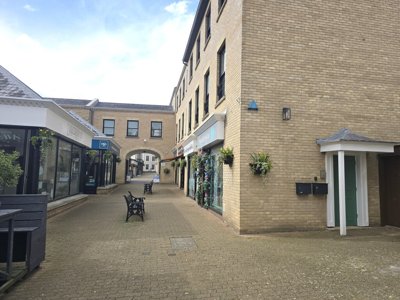
Bury St Edmunds is a historic town with deep roots dating back to the 10th century, when it grew around the Benedictine Abbey of St Edmund. The town centre features a distinctive medieval grid layout, with cobbled streets and charming courtyards that create an intimate atmosphere unlike many modern towns. The famous Abbey Gardens provides 14 acres of beautifully maintained formal gardens, ruins, and a spectacular 50-metre herbaceous border that residents enjoy throughout the year, while the weekly market in the main square has traded continuously since the 12th century. This rich heritage is reflected in the architecture throughout the town, from Georgian townhouses on Risbygate Street to medieval timber-framed buildings tucked away in quiet courtyards.
The local economy supports approximately 45,900 economically active residents, with around 2,700 people working in the construction sector, reflecting ongoing investment in the area's infrastructure and housing stock. Major employers in the region include the NHS, retail operations, and light manufacturing businesses, with job postings regularly appearing across the IP33 area including roles at locations such as IP33 3NR and IP33 3SP. The town centre has seen significant investment in recent years, with independent retailers, artisan bakeries, and boutique cafes joining established favourites along Cannon Street and Skyliner Way. The weekly markets and regular events throughout the year create a vibrant atmosphere that attracts visitors from across Suffolk.
The demographic profile of Bury St Edmunds and the surrounding Suffolk area shows an aging population compared to national averages, with a higher proportion of residents aged 50 and over. Approximately two-thirds of households in Suffolk are owned either outright or with a mortgage, while 19% are privately rented and 15% social rented, suggesting a settled community with strong family values. The town attracts professionals from across Suffolk and beyond, drawn by the excellent quality of life, lower property prices compared to Cambridge and London, and the strong sense of community that defines Bury St Edmunds. Cultural attractions include the Theatre Royal, one of the oldest working theatres in the country, and the Moyse's Hall Museum, while the annual Bury St Edmunds Festival celebrates music, arts, and the town's rich heritage.

Bury St Edmunds offers an excellent range of educational options for families, from primary schools through to further education. Primary schools in the area include Sexton Primary School and St Mary's Church of England Primary School, both serving the town centre and surrounding neighbourhoods. Parents should note that many primary schools in the area operate catchment-based admissions, making proximity to preferred schools an important consideration when house hunting in IP33. Our team often recommends visiting schools directly and understanding catchment boundaries before committing to a particular street or development.
Secondary education in Bury St Edmunds includes St Benedict's Catholic School and King Edward VI School, both offering strong academic curricula and good facilities for students. The town also benefits from several academy schools that have invested heavily in technology and sports facilities in recent years. For families seeking grammar school education, the surrounding Suffolk area includes selective schools in nearby towns, though competition for places can be intense and admission is based on the 11-plus examination. Researching individual school Ofsted ratings and examining examination results can help parents make informed decisions about secondary school options in the area.
Further education opportunities are well catered for through West Suffolk College, which offers a wide range of vocational and academic courses for school leavers and adult learners. The college has strong links with local employers including those in the NHS and construction sectors, providing valuable pathways into employment for students completing their education in Bury St Edmunds. University-level study is accessible through the University of Suffolk's Bury St Edmunds campus and through regular transport connections to Cambridge and Norwich, where larger universities are located. This comprehensive education pathway means families can plan for their children's needs from early years through to higher education without leaving the area.

Transport connectivity is one of Bury St Edmunds' strongest assets, with the town benefiting from direct rail services to Cambridge and London Liverpool Street. The journey to Cambridge takes approximately 40 minutes, making Bury St Edmunds increasingly popular with commuters who work in the technology and research hub but seek more affordable housing than Cambridge itself commands. The faster service to London Liverpool Street takes around 1 hour 30 minutes, positioning the town as viable for flexible workers who commute to the capital two or three days per week. This convenient access has driven demand from London commuters seeking better value housing while maintaining career flexibility.
Road connections are equally impressive, with the A14 trunk road providing direct access to the port of Felixstowe to the east and Cambridge and the M11 motorway to the west. The A11 provides a direct route to Norwich, while the wider Suffolk road network connects Bury St Edmunds to attractive rural villages and market towns across the county. For residents traveling to work in Cambridge, the excellent road infrastructure makes day commuting entirely feasible, while those preferring rail can benefit from the regular services. Local bus services operated by Suffolk County Council and private operators connect residential areas with the town centre and surrounding villages, with several routes running throughout the day.
For cyclists, Bury St Edmunds has invested in dedicated cycle lanes throughout the town, and the surrounding countryside offers scenic routes for recreational cycling along country lanes and dedicated paths. The town has a park-and-ride scheme that reduces congestion in the town centre and provides convenient access for those travelling from outlying villages and the surrounding countryside. Parking in the town centre is available at several car parks, though availability can be limited during market days and popular events, so residents often find cycling or walking to be preferable for regular town centre visits. The combination of transport options makes Bury St Edmunds accessible for residents without cars while providing flexibility for those who need to travel further afield for work.

Before viewing any properties, obtain a mortgage agreement in principle from a lender. This strengthens your position when making offers and helps you understand exactly how much you can afford. Our mortgage partners can help you find competitive rates and guide you through the application process. Given that average prices in IP33 range from £195,594 for flats to £489,250 for detached homes, understanding your budget will help you focus your search on appropriate properties in the right neighbourhoods.
Spend time exploring different neighbourhoods within IP33. Consider your priorities: proximity to schools, commuting requirements, access to green spaces like the Abbey Gardens, and the character of different streets and developments. The historic medieval grid around Churchgate and Guildhall offers period properties in conservation areas, while newer developments on the town outskirts provide modern homes with contemporary insulation and systems. Our listings include detailed neighbourhood information to support your research, including information about listed building status and local amenities.
Once you have identified properties that match your requirements, contact the listing estate agents to arrange viewings. We recommend viewing several properties in different streets and price ranges before making a decision. Take notes and photographs to help you compare options later. Pay attention to the condition of neighbouring properties, the general maintenance of the street, and any signs of damp or subsidence that might indicate underlying structural issues common in older properties.
Before completing your purchase, book a RICS Level 2 Survey to assess the condition of the property. Given Bury St Edmunds' significant number of period properties and listed buildings, a thorough survey is particularly important to identify any structural issues, damp, or outdated systems that may require attention after purchase. With 737 listed buildings in the town, understanding the implications of listed status and checking for common defects in older properties is essential before committing to buy.
Our conveyancing team will handle the legal aspects of your purchase, including local searches through West Suffolk Council, contracts, and registration with the Land Registry. We recommend obtaining quotes from at least three conveyancing firms to ensure you receive competitive rates and quality service. Your solicitor will conduct local searches checking for planning permissions, conservation area restrictions, and any environmental factors that might affect the property.
Once all legal processes are complete and funds are transferred, you will receive the keys to your new home. Plan your move carefully, notifying utility companies, updating your address with banks and employers, and familiarising yourself with local services and amenities in your new neighbourhood. Our team can recommend local utility providers, removal firms, and tradespeople to help you settle into your new Bury St Edmunds property.
Bury St Edmunds is a historic town with significant heritage, and this means buyers should be particularly aware of the high concentration of listed buildings and conservation areas within the IP33 postcode. With 737 listed buildings recorded in the National Heritage List for England, including 32 Grade I, 41 Grade II*, and 664 Grade II listed buildings, heritage considerations play a major role in property purchase decisions. Properties listed at Grade I, Grade II*, or Grade II may have restrictions on alterations, renovations, and even maintenance works, requiring planning permission from West Suffolk Council. The historic medieval grid, including areas around Churchgate, Guildhall, and Westgate streets, is designated as a conservation area with specific planning controls.
Given the age of much of Bury St Edmunds' housing stock, with many properties dating from the Victorian era or earlier, damp and timber issues are more common than in newer developments. Our survey data indicates that properties built before 1964 often feature solid walls rather than cavity wall insulation, which can affect thermal performance and contribute to condensation issues. Exposed red brick is a notable material in older townhouses throughout the town, and this construction type requires specific maintenance approaches including potential repointing and treatment for penetrating damp. A thorough RICS Level 2 Survey is essential for any older property, identifying problems with roof condition, plumbing, electrical systems, and structural elements that may not be visible during a standard viewing.
Flood risk should also be considered, particularly for properties near the River Linnet or in lower-lying areas of the town. West Suffolk Council provides interactive mapping tools that allow prospective buyers to check specific flood risk areas and surface water flooding history. Insurance costs can be significantly higher for properties with a history of flooding, so this information should be factored into your overall budget and decision-making process. Energy performance certificates are required for all properties sold, and older homes with solid walls may have lower EPC ratings, indicating higher heating costs and potential need for insulation upgrades. Almost one-third of homes built before 1919 are classified as non-decent, making thorough surveys particularly important for period properties in the town.
Electrical and plumbing systems in older Bury St Edmunds properties often require updating to meet modern standards. Properties may still have original cast iron plumbing, old fuse boxes with cloth-covered cabling, and solid fuel fires or open fireplaces that have not been maintained. When viewing period properties, ask about recent renovations and whether permits were obtained for any works. Properties that have been sympathetically modernised while retaining original features often command premium prices, so understanding what work has been done and what remains is crucial for budgeting purposes.

The average house price in IP33 is currently around £340,186 according to recent market data, with prices remaining broadly stable over the past year after a 7% correction from the 2023 peak of £364,032. Detached properties average approximately £489,250, semi-detached homes around £363,755, terraced properties at £326,988, and flats at £195,594. The IP33 1 sector covering the town centre tends to command slightly higher prices than the IP33 2 area, which has shown modest growth of 1.3% in the past year, with detached properties in IP33 1 averaging £642,000.
Council tax bands in Bury St Edmunds are set by West Suffolk Council and range from Band A for the lowest valued properties through to Band H for the most expensive homes. Most terraced properties and smaller flats fall into Bands A to C, while larger detached family homes often attract Bands E to G. You can check the specific council tax band for any property through the West Suffolk Council website or the Valuation Office Agency, and bands affect your ongoing annual council tax costs. Band D is typically the reference point for council tax calculations in the area.
Bury St Edmunds offers excellent educational options at all levels, with primary schools including St Mary's Church of England Primary School and Sexton Primary School serving the local community. Secondary schools such as St Benedict's Catholic School and King Edward VI School provide strong academic programmes, and parents should research individual school Ofsted ratings and consider catchment areas as admissions are often based on proximity to the school. West Suffolk College offers further education courses with strong links to local employers including the NHS and construction sectors. The University of Suffolk also has a campus in Bury St Edmunds for those seeking higher education locally.
Bury St Edmunds railway station provides direct services to Cambridge in approximately 40 minutes and London Liverpool Street in around 1 hour 30 minutes, making it attractive for commuters working in the technology sector or other industries. The town is also well served by bus services connecting residential areas with the town centre and surrounding villages, with several routes running throughout the day for those without cars. The A14 road provides excellent access by car to Cambridge, Felixstowe port, and the wider motorway network, while the A11 connects Bury St Edmunds to Norwich.
Bury St Edmunds offers several advantages for property investors, including relatively affordable prices compared to Cambridge and London, a stable local economy with diverse employment opportunities, and strong rental demand driven by professionals and families. Rental costs in West Suffolk have risen in recent years, reflecting strong tenant demand and making rental investment potentially attractive. The town's excellent transport links to Cambridge make it particularly attractive for renters working in the technology sector but seeking more affordable accommodation. However, investors should factor in the cost of maintaining period properties and potential restrictions on listed buildings when calculating returns.
Stamp duty rates in England start at 0% for properties up to £250,000, with 5% charged on the portion between £250,001 and £925,000, 10% on £925,001 to £1.5 million, and 12% above £1.5 million. First-time buyers benefit from relief on the first £425,000, paying 0% up to that threshold and 5% between £425,001 and £625,000. For a typical £340,186 property in IP33, a first-time buyer would pay no stamp duty due to relief on the first £425,000, while a home mover would pay approximately £4,509 on the amount above £250,000.
Given Bury St Edmunds' heritage with 737 listed buildings including 32 Grade I and 41 Grade II* properties, buyers should check whether a property is listed and understand the implications for alterations and maintenance. A thorough building survey is essential for older properties, checking for damp, timber decay, roof condition, and the condition of original features such as windows and fireplaces. Properties may have solid walls requiring insulation upgrades for energy efficiency, and electrical and plumbing systems in older homes often need updating to meet modern standards. Conservation areas including the medieval grid around Churchgate and Guildhall have specific planning controls that affect what works can be carried out.
Bury St Edmunds has several designated conservation areas that protect the historic character of different parts of the town. The historic medieval grid, including areas around Churchgate, Guildhall, and Westgate streets, is particularly notable as a desirable residential enclave with specific planning controls. Properties within conservation areas require planning permission for certain alterations including extensions, dormer conversions, and changes to windows or doors that affect the character of the building. The Bury St Edmunds Guildhall on Guildhall Street, postcode IP33 1PY, is a Grade I listed building demonstrating the national significance of the town's heritage. Buyers should consult West Suffolk Council's interactive mapping service to understand conservation area boundaries and restrictions that apply to specific properties.
Understanding the full costs of buying a property in Bury St Edmunds extends beyond the purchase price itself. Beyond stamp duty, buyers should budget for solicitor conveyancing fees, which typically range from £500 to £1,500 depending on the complexity of the transaction and whether the property is freehold or leasehold. Local searches conducted by your solicitor through West Suffolk Council will incur additional costs, usually between £200 and £400, while electronic search fees and Land Registry registration charges add further expenses to the legal process.
Survey costs represent another important budget item, particularly for the older properties common in Bury St Edmunds. A RICS Level 2 Survey typically costs from £350 for a standard property but may be higher for larger or more complex homes. Given that many properties in IP33 are period properties with potential defects, investing in a thorough survey can save significant money by identifying issues before purchase. If you are buying a flat or leasehold property, you should also factor in service charges and ground rent, which vary significantly between developments. Buildings insurance is typically arranged by the mortgage lender and added to your monthly repayments, while removal costs and potential furniture purchases should not be overlooked when planning your move.
For first-time buyers purchasing a property at the IP33 average price of £340,186, stamp duty relief means you would pay nothing on the first £425,000, with only the portion above this threshold subject to the 5% rate. This represents a significant saving compared to home movers who do not qualify for first-time buyer relief. However, if your budget exceeds £625,000, you will not benefit from any first-time buyer relief, so it is worth calculating your exact stamp duty liability before committing to a property price. Our partner solicitors can provide detailed quotes that include all anticipated costs, helping you avoid unexpected expenses during the conveyancing process.

Properties for Sale In London

Properties for Sale In Plymouth

Properties for Sale In Liverpool

Properties for Sale In Glasgow

Properties for Sale In Sheffield

Properties for Sale In Edinburgh

Properties for Sale In Coventry

Properties for Sale In Bradford

Properties for Sale In Manchester

Properties for Sale In Birmingham

Properties for Sale In Bristol

Properties for Sale In Oxford

Properties for Sale In Leicester

Properties for Sale In Newcastle

Properties for Sale In Leeds

Properties for Sale In Southampton

Properties for Sale In Cardiff

Properties for Sale In Nottingham

Properties for Sale In Norwich

Properties for Sale In Brighton

Properties for Sale In Derby

Properties for Sale In Portsmouth

Properties for Sale In Northampton

Properties for Sale In Milton Keynes

Properties for Sale In Bournemouth

Properties for Sale In Bolton

Properties for Sale In Swansea

Properties for Sale In Swindon

Properties for Sale In Peterborough

Properties for Sale In Wolverhampton

Enter your details to see if this property is within your budget.
Loans, cards, car finance
Estimated property budget
Borrowing + deposit
You could borrow between
Typical borrowing
Monthly repayment
Est. at 4.5%
Loan-to-value
This is an estimate only. Your actual budget may vary depending on interest rates, credit history, and personal circumstances. For an accurate affordability assessment, speak to one of our free mortgage advisors.
This calculator provides estimates for illustrative purposes only and does not constitute financial advice. Your home may be repossessed if you do not keep up repayments on your mortgage. Estimates based on 4.5% interest rate, repayment mortgage. Actual rates depend on your circumstances.
Homemove is a trading name of HM Haus Group Ltd (Company No. 13873779, registered in England & Wales). Homemove Mortgages Ltd (Company No. 15947693) is an Appointed Representative of TMG Direct Limited, trading as TMG Mortgage Network, which is authorised and regulated by the Financial Conduct Authority (FRN 786245). Homemove Mortgages Ltd is entered on the FCA Register as an Appointed Representative (FRN 1022429). You can check registrations at NewRegister or by calling 0800 111 6768.

We use cookies to show you personalised content and improve your experience of our website. Find out more in our Privacy policy and Cookie policy.