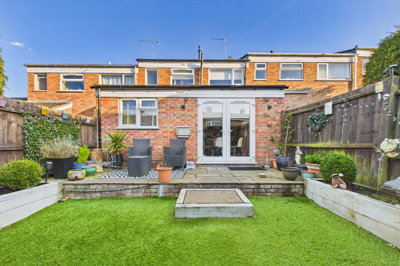
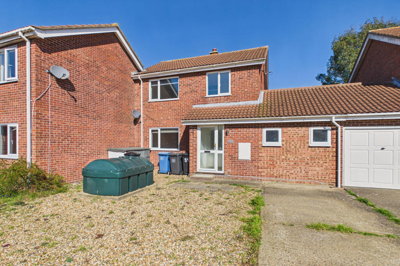
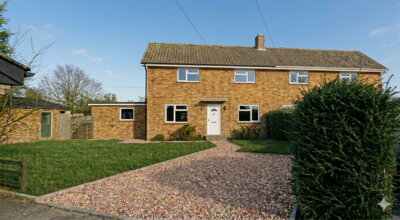
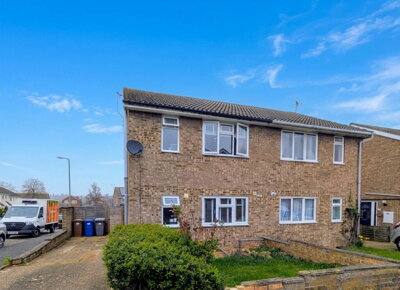
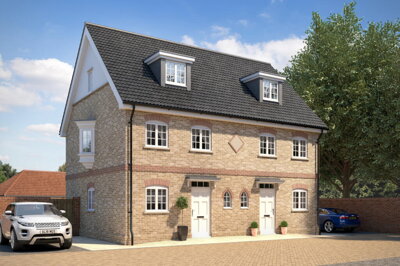
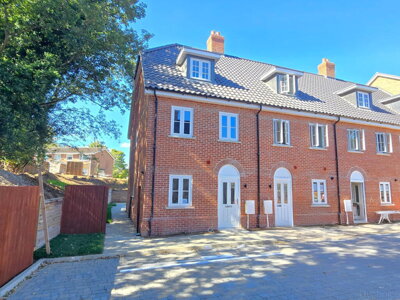
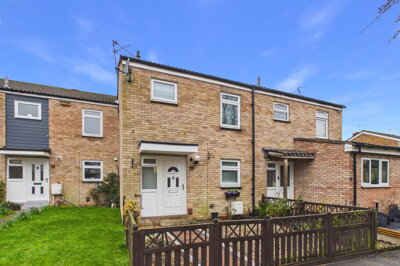
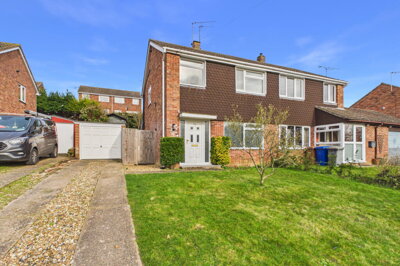
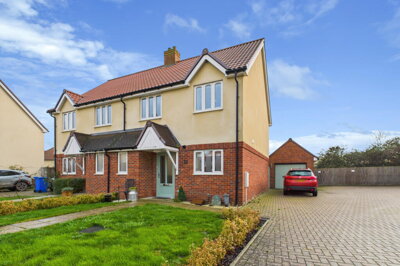
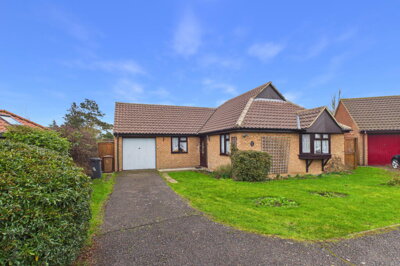
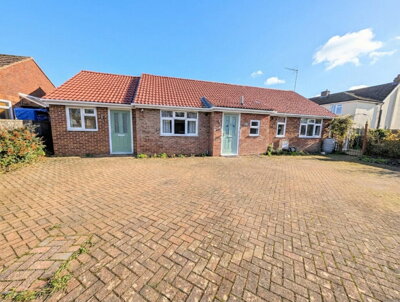
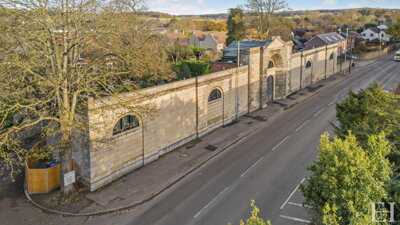
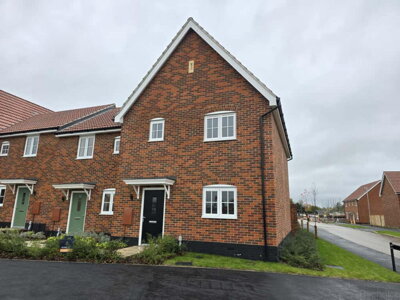
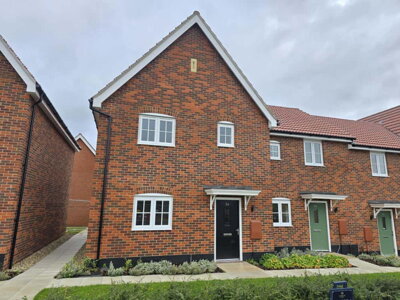
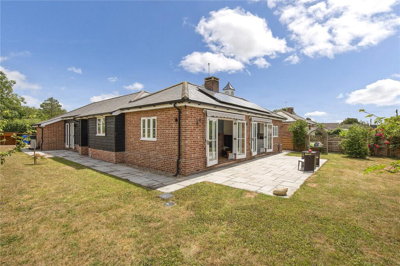
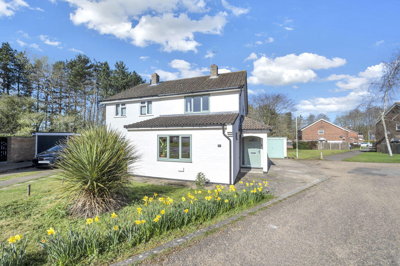
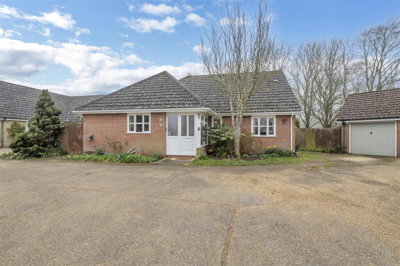
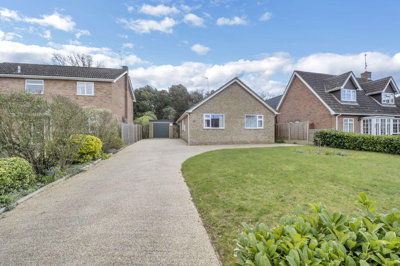
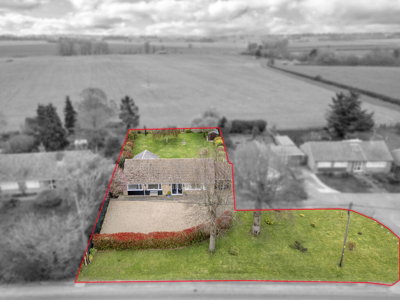
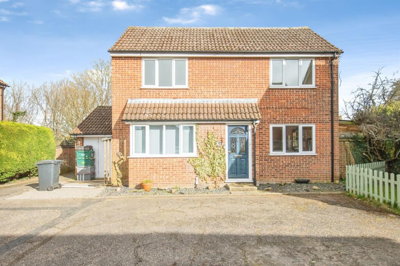
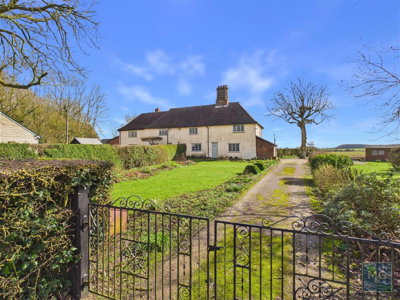
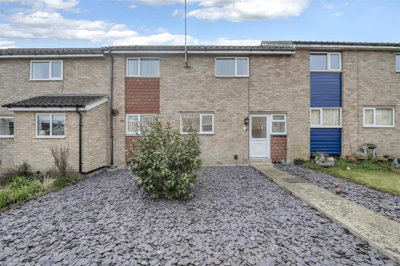
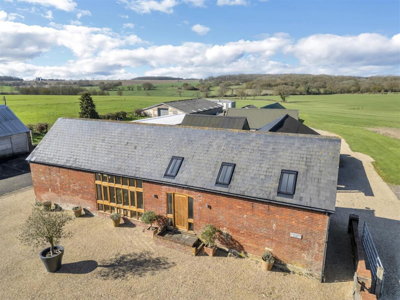
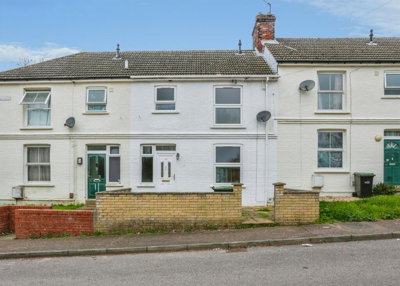
Browse 188 homes for sale in IP29 from local estate agents.
Three bedroom properties represent a significant portion of the IP29 housing market, offering space for families with multiple reception rooms and gardens in many cases. Browse detached, semi-detached, and terraced options ranging from period character homes to contemporary developments.
£387k
16
1
91
Source: home.co.uk
Showing 16 results for 3 Bedroom Houses for sale in IP29. 1 new listing added this week. The median asking price is £387,498.
Source: home.co.uk
Detached
9 listings
Avg £500,000
Semi-Detached
6 listings
Avg £334,999
Terraced
1 listings
Avg £230,000
Source: home.co.uk
Source: home.co.uk
The IP29 property market presents a varied landscape of housing options to suit different budgets and lifestyles. Detached properties command the highest prices, with the average currently sitting at £488,850, reflecting the premium placed on space and privacy that families often seek in this area. Semi-detached homes average £304,360, offering an attractive compromise between price and roominess, while terraced properties at £260,000 provide an accessible entry point for first-time buyers looking to establish themselves in this prosperous corner of Suffolk.
New build opportunities exist nearby at Marham Park, where Taylor Wimpey, David Wilson Homes, and Bellway are delivering two, three, four, and five-bedroom homes priced from approximately £280,000 to over £500,000. While this development technically falls within the bordering IP28 postcode, its proximity to IP29 means it significantly influences the local market and offers modern specification homes for buyers who prefer the certainty of purchasing new. The broader Moreton Hall area within IP29 also sees occasional infill development from local builders, adding to the choice available.
Over the past twelve months, 102 properties have changed hands in IP29, demonstrating active market conditions with consistent demand from buyers at various price points. Flats remain the most affordable option at around £165,000 on average, though they represent a smaller portion of the housing stock in this predominantly suburban and rural postcode. The steady price growth across all property types, ranging from 2.82% for detached homes to 3.13% for flats, suggests continued confidence in the IP29 housing market.
When evaluating property prices in IP29, buyers should consider how prices vary by type and condition. A modern detached home in Moreton Hall may command prices at the higher end of the market, while a traditional terraced property in Rougham village could offer better value with the bonus of historic character. Our search tool allows you to filter by property type, price range, and location, helping you identify the best options within your budget.

IP29 represents one of the most desirable postcode sectors around Bury St Edmunds, blending the advantages of a thriving market town with the character of surrounding Suffolk countryside. The area includes several distinct neighbourhoods, each offering its own appeal. Moreton Hall, the most substantial suburban development within IP29, features wide tree-lined avenues, generous plot sizes, and a growing range of local amenities including shops, schools, and eateries that have developed alongside the housing expansion over recent decades.
The village communities of Rougham and Sicklesmere bring traditional Suffolk character to IP29, with their historic cores featuring period properties, village greens, and parish churches that trace their origins back centuries. Rougham in particular has an active village community with regular events and a conservation area protecting its historic character. These villages offer a slower pace of life while maintaining easy access to Bury St Edmunds for shopping, healthcare, and employment, making them particularly attractive to families and those seeking a rural lifestyle without complete isolation.
Bury St Edmunds itself, while primarily falling under the IP33 postcode, serves as the natural town centre for IP29 residents. The town is renowned for its Georgian architecture, the magnificent Bury St Edmunds Abbey ruins, and an excellent selection of independent shops, restaurants, and cultural venues including the Theatre Royal. The Greene King brewery, headquartered in the town, and the West Suffolk Hospital provide significant local employment, while the agricultural heritage of the surrounding countryside remains economically important to the wider region. The combination of these factors creates a balanced local economy that supports stable property values and makes IP29 an attractive long-term proposition for buyers.
Local amenities within IP29 continue to improve as the area develops. Moreton Hall has seen significant investment in facilities over recent years, with a local shopping parade now offering everyday essentials. For more extensive retail therapy or dining out, Bury St Edmunds town centre provides a comprehensive range of options, from the historic arcades around the market square to the modern retail park on the outskirts. Our search tool helps you understand the proximity of listings to these amenities, making it easier to find a property that matches your lifestyle requirements.
Education provision in IP29 serves families well, with a range of primary and secondary options accessible from this postcode area. Primary schools in the surrounding villages and Bury St Edmunds include Ofsted-rated Good and Outstanding establishments, with many parents particularly appreciating the community feel of village primary schools such as those in Rougham. These smaller schools often benefit from strong parental involvement and individual attention for pupils, making them popular choices for families with younger children.
For secondary education, students from IP29 can access several options in the Bury St Edmunds area, with Stowmarket High School and other local comprehensives serving the wider catchment. The town's grammar school system provides additional options for academically able students, with King Edward VI School and St Mary's Catholic School offering selective places. Parents should research specific catchment areas and admission arrangements, as these can significantly affect which schools their children may attend depending on the precise location within IP29.
Further and higher education opportunities are well represented in the region, with West Suffolk College in Bury St Edmunds offering a wide range of vocational and academic courses. Sixth form provision at the town's secondary schools provides local options for students completing their GCSEs, reducing the need for lengthy commutes during the important final years of schooling. For families prioritising educational provision, IP29's access to quality schools at all levels represents a significant advantage, though early research into specific school catchments and admission policies is strongly recommended before committing to a property purchase.
School performance data andOFSTED reports are readily available through official channels, allowing prospective buyers to research individual schools in detail. Many families moving to IP29 specifically target properties within catchment areas of the most sought-after primary schools, which can influence competition for certain properties. Our search tool allows you to view properties alongside school locations, helping you understand how specific listings relate to local educational options.
IP29 benefits from excellent road connections that make car travel straightforward for residents. The A14 runs to the north of Bury St Edmunds, providing direct access to Cambridge to the west and Felixstowe port to the east. This major trunk road transforms the region, connecting IP29 residents to the wider national road network and making destinations such as Norwich, Ipswich, and London accessible by car. The town of Bury St Edmunds itself is well-signposted and easy to navigate, with the IP29 residential areas generally positioned for convenient access to the town centre and surrounding road network.
Rail services from Bury St Edmunds railway station provide important connections for commuters, with regular trains to Cambridge, where passengers can access fast services to London King's Cross. Journey times to Cambridge typically take around 40-50 minutes, making Bury St Edmunds a viable option for those working in the university city or technology hub while maintaining a more affordable lifestyle than Cambridge itself. London Stansted Airport is reachable within approximately 90 minutes by car, providing international travel connections for business and leisure travellers from IP29.
Local bus services operated by various providers connect IP29's residential areas with Bury St Edmunds town centre, offering an alternative to car travel for those working locally or accessing town centre amenities. Bus services to surrounding villages are less frequent than urban routes, so residents in more rural parts of IP29 may find owning a car essential for everyday convenience. Cycling infrastructure has improved in the Bury St Edmunds area in recent years, with various off-road and designated cycle routes making sustainable travel increasingly viable for shorter journeys.
For those considering commuting to Cambridge or London, Bury St Edmunds station represents a practical option that avoids the higher property prices of towns with more direct London services. The journey to Cambridge takes approximately 40-50 minutes by train, positioning IP29 as an affordable alternative for workers in the technology, research, or academic sectors who want to benefit from Cambridge opportunities while living somewhere with more space and lower costs.
Start by exploring property listings in IP29 to understand what is available at your budget. With detached homes averaging £488,850 and flats from £165,000, knowing your price range helps you focus your search on realistic options. Consider the character of different neighbourhoods, from modern Moreton Hall to traditional village settings in Rougham and Sicklesmere. Our search tool allows you to filter by price, property type, and location to identify suitable options quickly.
Before booking viewings, contact a mortgage broker to obtain an Agreement in Principle. This document demonstrates to estate agents and sellers that you have financial backing for your purchase, strengthening your position when making offers in what can be a competitive local market. Having your mortgage in place before viewing properties saves time and helps you move quickly when you find the right home.
Visit properties that match your requirements, taking time to assess not just the property itself but the surrounding neighbourhood. Consider factors such as proximity to schools, transport links, and local amenities. Take photographs and notes to help compare properties later. When viewing properties in different parts of IP29, pay attention to how each neighbourhood feels and how long journeys to key destinations take during different times of day.
Once your offer is accepted, arrange a RICS Level 2 Survey before proceeding to completion. Given IP29's geology of boulder clay with shrink-swell potential, a professional survey can identify issues such as subsidence risk, damp problems, or structural concerns that may not be apparent during viewings. Local surveyors typically charge £400-£700 for a standard three-bedroom property, with larger or more complex homes requiring higher fees.
Appoint a solicitor experienced in Suffolk property transactions to handle the legal aspects of your purchase. They will conduct searches, raise enquiries, and manage the exchange of contracts. Factor in costs of approximately £500-£1500 for conveyancing on a typical IP29 property. Search fees, including local authority, drainage, and environmental searches, are typically included in conveyancing quotes.
Your solicitor will arrange for contracts to be signed and the deposit to be paid at exchange, legally committing you to the purchase. Completion typically follows within 28 days, after which you will receive the keys and can move into your new IP29 home. Our conveyancing partners can connect you with solicitors who understand the local property market in Bury St Edmunds and the surrounding area.
IP29 properties, particularly in areas with older housing stock such as parts of Rougham and earlier phases of Moreton Hall, may be susceptible to ground movement due to the underlying boulder clay geology. When viewing properties, examine walls for cracking that might indicate subsidence or heave, particularly around door and window frames, or where extensions meet original construction. Properties with mature trees nearby warrant extra scrutiny, as tree roots can exacerbate shrink-swell clay movement by extracting moisture from the soil during dry periods.
Flood risk in IP29 is generally low from rivers and coastal sources, but some lower-lying areas may experience surface water flooding during periods of heavy rainfall. Request information about any previous flooding incidents and consider the property's drainage history. The Environment Agency website provides detailed flood risk mapping that prospective buyers should consult for specific locations within the postcode. Understanding the local drainage patterns and any history of surface water issues helps you make an informed decision about a property's suitability.
For period properties in village conservation areas, research any planning restrictions that may affect your ability to make alterations or extensions. Listed buildings require Listed Building Consent for most works, adding complexity and cost to renovation projects. The construction materials used in IP29 properties range from traditional Suffolk white brick in older buildings to modern cavity wall construction in more recent developments, and this affects everything from insulation performance to maintenance requirements.
Our surveyors frequently identify damp as a concern in older IP29 properties, particularly those with solid walls and limited ventilation. Look for signs of moisture damage, staining, or mould, especially in ground floor rooms and basements. Roof condition also varies significantly between properties, with older homes potentially showing slipped tiles, failing pointing, or issues with lead flashing that could lead to water ingress. Properties built before the 1980s may have electrical and plumbing systems that require updating to meet current safety standards, adding to renovation budgets.
IP29 offers a diverse range of property types spanning multiple construction periods, providing options for different buyer preferences and budgets. The villages of Rougham and Sicklesmere contain pre-1919 period properties including traditional cottages and farmhouses constructed from Suffolk white brick, some featuring distinctive flint work in gable ends or boundary walls. These character properties offer period features such as original fireplaces, exposed beams, and thick walls that provide natural thermal mass, though they may require updating of services and insulation to meet modern standards.
Inter-war semi-detached properties constructed between 1919 and 1945 appear in parts of IP29, offering a balance of period character and more modern construction compared to older stock. These homes typically feature cavity brick walls, improved insulation compared to solid-wall buildings, and layouts suited to family living. Properties from this era often represent good value for buyers seeking character without the extensive maintenance requirements of earlier construction.
Post-1980 properties form a significant proportion of IP29's housing stock, particularly in the Moreton Hall area which underwent substantial development during the late twentieth and early twenty-first centuries. These homes generally feature modern cavity wall construction, uPVC double glazing, and gas central heating, requiring less maintenance than older properties. However, construction quality varies, and our surveyors assess these factors during property inspections to identify any defects that may not be apparent during viewings.
Flats in IP29 are less common than houses, typically found in purpose-built blocks or as conversions of larger properties. These offer an accessible entry point to the IP29 market at around £165,000 average, making them popular with first-time buyers. When purchasing a flat, buyers should consider factors including lease terms, service charges, and any planned major works that might affect costs. Our search tool includes flat listings where available, providing complete coverage of the IP29 property market.
Understanding the full costs of purchasing property in IP29 helps you budget accurately and avoid surprises during the transaction. The primary government tax is Stamp Duty Land Tax (SDLT), which for most IP29 buyers will fall into the lower bands given that the average property price of £349,606 sits comfortably within the standard nil-rate threshold of £250,000. At current rates, a typical purchase at this price point would attract SDLT of approximately £4,980, calculated as 5% on the amount above £250,000.
First-time buyers purchasing properties up to £425,000 can benefit from full relief, meaning properties at or below this threshold would incur no SDLT. For properties between £425,001 and £625,000, first-time buyers pay 5% on the amount above £425,000 only. Properties priced above £625,000 do not qualify for first-time buyer relief. Given IP29's average price sits below the first-time buyer threshold, this relief is accessible to many buyers entering the local market.
Beyond SDLT, buyers should budget for solicitor conveyancing costs typically ranging from £500 to £1,500 depending on complexity and property value. RICS Level 2 Survey costs for a standard three-bedroom property in the Bury St Edmunds area range from £400 to £700, with larger or more complex properties commanding higher fees. Search fees, land registry fees, and mortgage arrangement fees add further costs, and moving companies should be quoted well in advance of your target completion date.
Council tax in IP29 falls under West Suffolk Council, with bands ranging from A to H depending on property value. Most standard family homes in the area fall into bands B through E, with exact bands verifiable through the council website using a property address. Factoring annual council tax alongside mortgage, utilities, and maintenance costs ensures you calculate the true cost of homeownership in IP29 accurately. Our partners can provide estimates of all these costs when you register your interest in specific properties.
As of February 2026, the average property price in IP29 is £349,606. Detached properties average £488,850, semi-detached homes £304,360, terraced properties £260,000, and flats around £165,000. Prices have increased by 2.94% over the past twelve months, indicating steady demand in this Bury St Edmunds postcode sector. With 102 properties sold in the last year, the market shows healthy activity across all property types.
Properties in IP29 fall under West Suffolk Council's jurisdiction. Council tax bands range from A to H depending on property value, with most standard family homes in the area falling into bands B through E. Exact bands can be verified through the West Suffolk Council website using the property address. Residents should factor annual council tax payments into their budget alongside mortgage and utility costs when calculating the true cost of homeownership in IP29.
The IP29 area offers good educational options including primary schools in the surrounding villages and Bury St Edmunds, with many rated Good or Outstanding by Ofsted. Secondary options include Stowmarket High School and grammar schools accessible through the 11-plus selection process. West Suffolk College provides further education opportunities locally. Families should verify specific catchment areas, as school admissions depend on precise location within the postcode.
Bury St Edmunds railway station provides regular services to Cambridge (40-50 minutes) with connections to London. The A14 road connects IP29 to Cambridge, Felixstowe, and the wider motorway network. Local buses connect residential areas to the town centre, though car ownership remains beneficial for accessing rural parts of IP29. Norwich and Stansted airports are within reasonable driving distance for international travel.
IP29 shows characteristics of a sound property investment, with consistent price growth of around 3% annually and stable transaction volumes of 100+ sales per year. The presence of major employers including Greene King, British Sugar, and West Suffolk Hospital provides economic stability that supports housing demand. The town's popularity as a place to live, combined with limited large-scale new development within the postcode itself, suggests continued demand for existing properties. However, as with any property investment, buyers should consider their long-term holding plans and local market conditions carefully.
Standard SDLT rates (2024-25) apply in IP29 as there is no first-time buyer relief for properties over £625,000. You pay nothing on the first £250,000, 5% on £250,001 to £925,000, 10% on £925,001 to £1.5 million, and 12% above £1.5 million. First-time buyers pay 0% up to £425,000 and 5% on £425,001 to £625,000. Most IP29 properties fall into the lower SDLT bands given average prices around £349,606.
IP29 offers diverse housing ranging from Victorian and Edwardian terraces in village centres to modern detached homes in Moreton Hall. Traditional Suffolk white brick construction appears in older village properties, while inter-war and post-war properties bring cavity wall construction. Most new build activity in the wider area has shifted to the neighbouring IP28 postcode at Marham Park, where several national developers offer new homes. Within IP29 itself, smaller infill developments occasionally become available from local builders.
River and coastal flooding risk in IP29 is generally low, though some lower-lying areas may experience surface water flooding during heavy rainfall. The underlying boulder clay geology presents moderate to high shrink-swell potential, meaning properties with mature trees or inadequate foundations may be susceptible to subsidence or heave. Professional surveys identify these risks, and buyers can consult Environment Agency flood mapping for specific locations. Mining and coastal erosion are not concerns in this inland area.
Properties in IP29 span multiple construction eras, each bringing distinct characteristics and maintenance considerations. Pre-1919 properties in villages like Rougham and Sicklesmere typically feature solid brick walls constructed from traditional Suffolk white brick or the distinctive orange-hued Fletton brick. These older buildings often incorporate timber floors, timber roof structures with slate or clay tile coverings, and occasionally flint work in gable ends or boundary walls. Understanding the construction of these period properties helps buyers appreciate both their character and potential renovation challenges.
Inter-war and post-war properties constructed between 1919 and 1980 introduced cavity brick wall construction to the area, improving thermal performance and moisture resistance compared to solid wall buildings. During this period, properties often featured timber floors, concrete tiles, and the gradual introduction of modern plumbing and electrical systems. Properties from this era may require updating of these systems to meet current standards, which our surveyors routinely assess during inspections.
Post-1980 properties, particularly those in Moreton Hall which saw extensive development from the late twentieth century, typically feature modern cavity wall and block construction with brick outer skins, timber frame with brick cladding, concrete tiled roofs, and uPVC double-glazed windows. These properties generally require less maintenance than older stock but may still have defects related to construction quality, design, or materials used during their build period.
Rendered finishes appear throughout IP29's housing stock, applied to both older properties as a weatherproofing layer and newer homes as a decorative finish. Render can develop cracks, delamination, or damp penetration issues if poorly applied or damaged, and our surveyors pay particular attention to render condition during inspections. Properties with significant render coverage may require more detailed assessment to ensure the substrate beneath remains sound.
Properties for Sale In London

Properties for Sale In Plymouth

Properties for Sale In Liverpool

Properties for Sale In Glasgow

Properties for Sale In Sheffield

Properties for Sale In Edinburgh

Properties for Sale In Coventry

Properties for Sale In Bradford

Properties for Sale In Manchester

Properties for Sale In Birmingham

Properties for Sale In Bristol

Properties for Sale In Oxford

Properties for Sale In Leicester

Properties for Sale In Newcastle

Properties for Sale In Leeds

Properties for Sale In Southampton

Properties for Sale In Cardiff

Properties for Sale In Nottingham

Properties for Sale In Norwich

Properties for Sale In Brighton

Properties for Sale In Derby

Properties for Sale In Portsmouth

Properties for Sale In Northampton

Properties for Sale In Milton Keynes

Properties for Sale In Bournemouth

Properties for Sale In Bolton

Properties for Sale In Swansea

Properties for Sale In Swindon

Properties for Sale In Peterborough

Properties for Sale In Wolverhampton

Enter your details to see if this property is within your budget.
Loans, cards, car finance
Estimated property budget
Borrowing + deposit
You could borrow between
Typical borrowing
Monthly repayment
Est. at 4.5%
Loan-to-value
This is an estimate only. Your actual budget may vary depending on interest rates, credit history, and personal circumstances. For an accurate affordability assessment, speak to one of our free mortgage advisors.
This calculator provides estimates for illustrative purposes only and does not constitute financial advice. Your home may be repossessed if you do not keep up repayments on your mortgage. Estimates based on 4.5% interest rate, repayment mortgage. Actual rates depend on your circumstances.
Homemove is a trading name of HM Haus Group Ltd (Company No. 13873779, registered in England & Wales). Homemove Mortgages Ltd (Company No. 15947693) is an Appointed Representative of TMG Direct Limited, trading as TMG Mortgage Network, which is authorised and regulated by the Financial Conduct Authority (FRN 786245). Homemove Mortgages Ltd is entered on the FCA Register as an Appointed Representative (FRN 1022429). You can check registrations at NewRegister or by calling 0800 111 6768.

We use cookies to show you personalised content and improve your experience of our website. Find out more in our Privacy policy and Cookie policy.