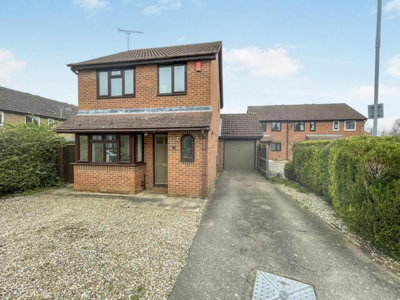
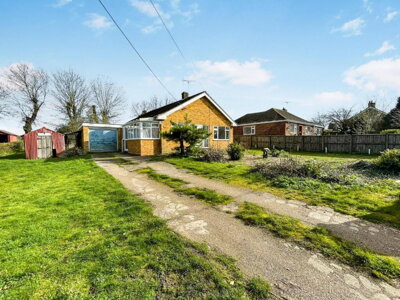
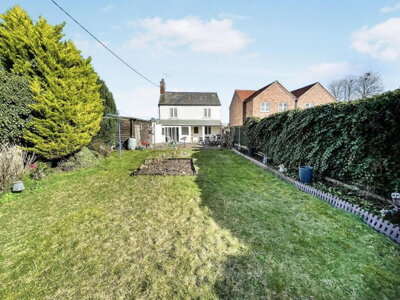
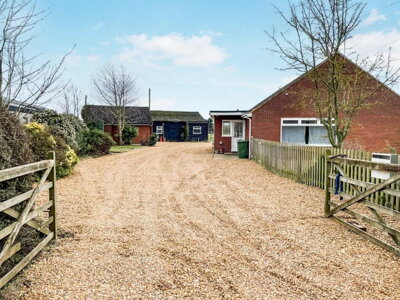
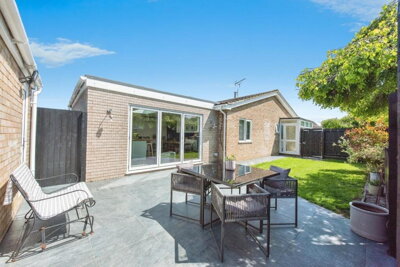
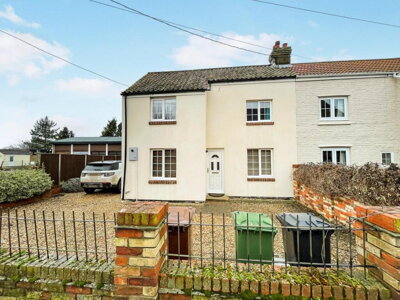
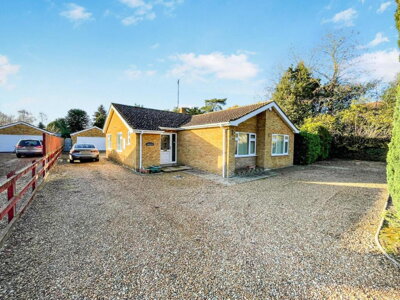
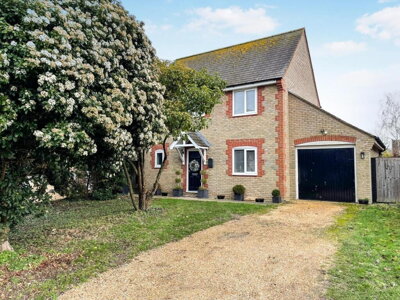
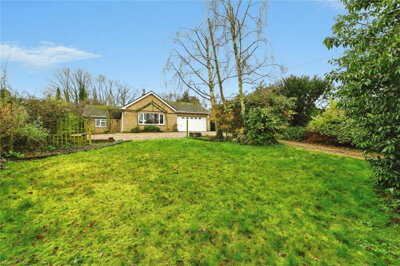
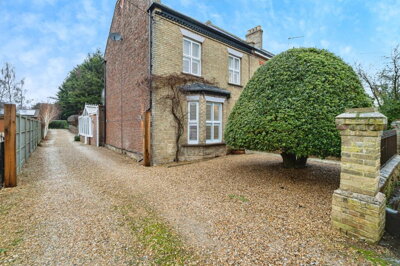
Browse 69 homes for sale in IP26 from local estate agents.
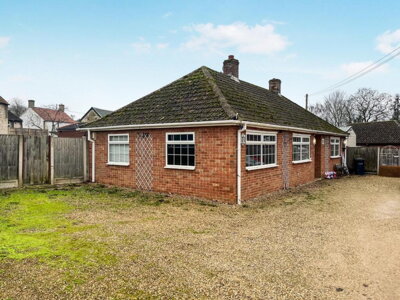
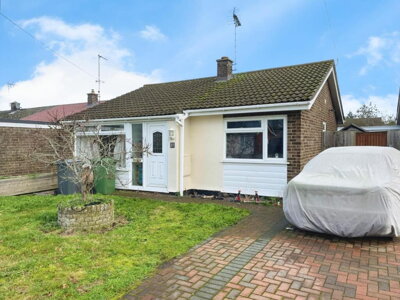
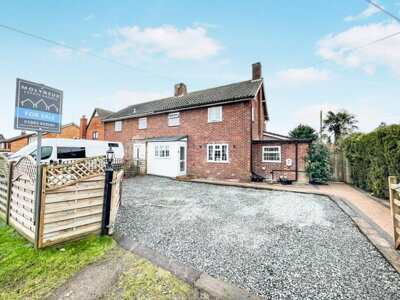
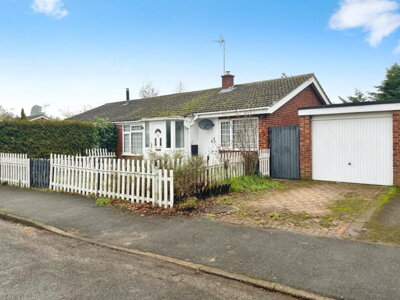
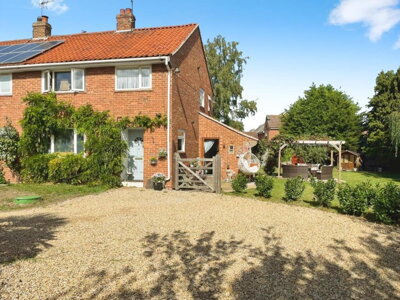
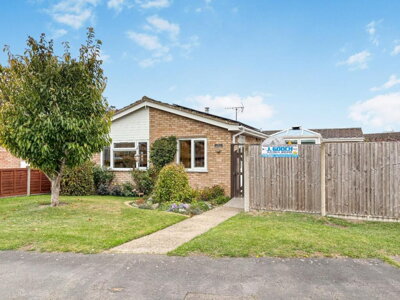
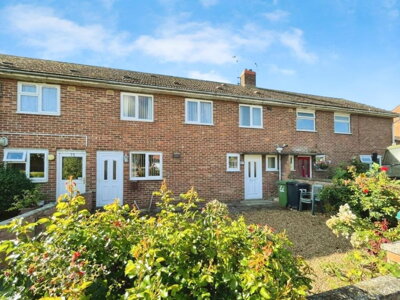
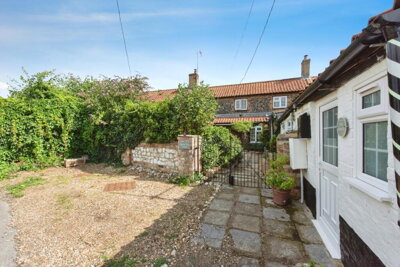
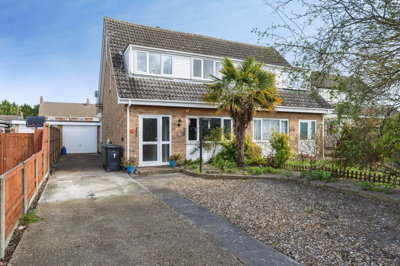
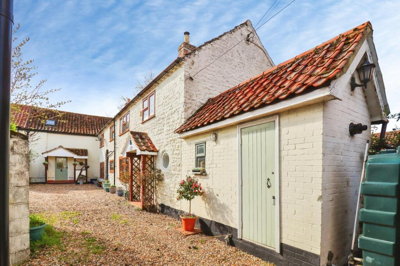
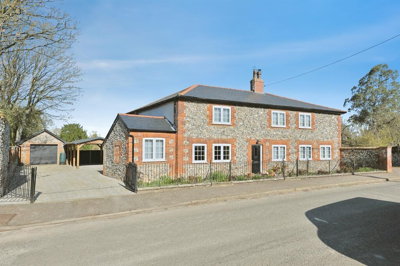
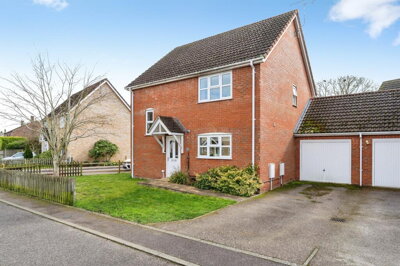
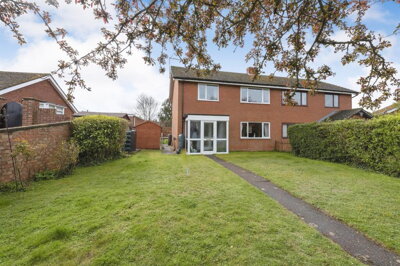
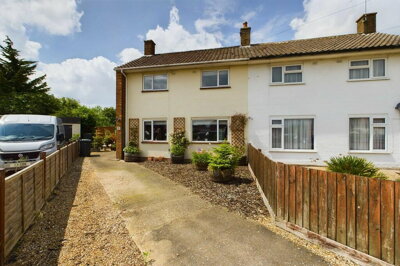
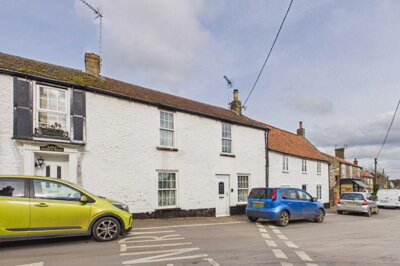
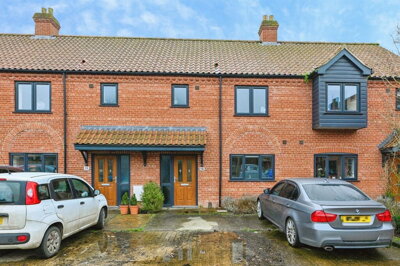
Three bedroom properties represent a significant portion of the IP26 housing market, offering space for families with multiple reception rooms and gardens in many cases. Browse detached, semi-detached, and terraced options ranging from period character homes to contemporary developments.
£270k
21
1
86
Source: home.co.uk
Showing 21 results for 3 Bedroom Houses for sale in IP26. 1 new listing added this week. The median asking price is £270,000.
Source: home.co.uk
Semi-Detached
13 listings
Avg £271,538
Detached
6 listings
Avg £332,500
Terraced
2 listings
Avg £220,000
Source: home.co.uk
Source: home.co.uk
The IP26 property market presents a compelling opportunity for buyers seeking rural Norfolk living without the premium prices found in more commuter-belt locations. Detached properties dominate the local market, accounting for the majority of sales and commanding an average price of £337,134. Semi-detached homes in the area average £245,880, while terraced properties offer more accessible entry points at around £216,400. The postcode saw 108 residential transactions over the past year, though this represents a decrease of 18 sales compared to the previous year, reflecting broader national market conditions and the limited supply of quality homes in rural locations. Our platform aggregates listings from all major estate agents operating in the area, giving you a comprehensive view of available properties.
Price trends in IP26 reveal a market that has experienced some correction from its 2022 peak of £347,526, sitting approximately 13% below that high-water mark. However, the year-on-year increase of 5% suggests stabilising conditions and growing buyer interest in the area. Properties in IP26 tend to offer substantially more space for money than urban equivalents, with many homes sitting on large plots and benefiting from rural views and proximity to the Norfolk countryside. New build activity in the immediate IP26 area remains limited, with most available stock comprising established properties that showcase traditional East Anglian construction methods including brick, flint and render finishes that reflect the local building heritage. This scarcity of new development helps preserve property values in the existing stock.
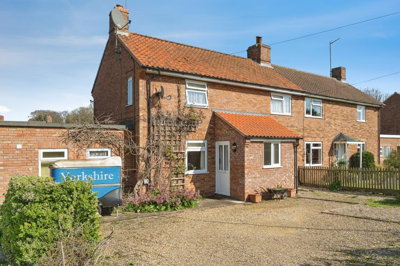
The predominant housing stock in IP26 reflects its rural character, with a significant proportion of mid-century properties built between 1936 and 1979, particularly in postcode areas like IP26 4QP. These post-war homes typically feature cavity wall construction with brick or rendered finishes, tiled roofs, and concrete ground floors, representing a distinct era of British house building. Alongside these mid-century properties, the villages contain older period homes dating back to the 18th and 19th centuries, often constructed with traditional solid walls using local brick and flint materials that required skilled craftsmanship. This mix of property ages means buyers should be prepared for varying maintenance requirements and construction standards across different homes on the market.

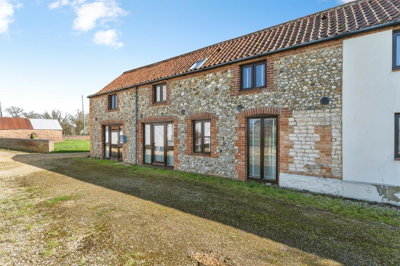
The IP26 postcode area encompasses a collection of picturesque Norfolk villages each with their own distinct character and amenities. Feltwell serves as one of the larger settlements, offering essential services including a primary school, local shops, pubs and community facilities that cater to everyday needs. Hockwold cum Wilton combines historical character with modern conveniences, featuring properties ranging from converted barns constructed with traditional brick and flint to mid-century family homes built between the 1930s and 1970s. The villages maintain an agricultural heritage with working farms, country lanes and open countryside providing the backdrop to daily life. Residents enjoy strong community ties with regular events, clubs and activities that foster connections between neighbours.
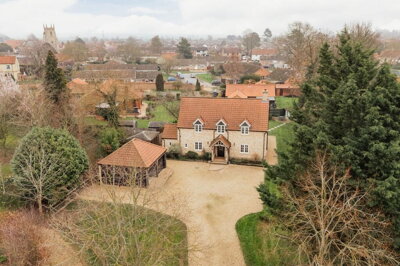
The landscape around IP26 is characterised by rolling farmland, hedgerows and proximity to waterways including the River Little Ouse that winds through nearby villages. This rural setting offers excellent opportunities for outdoor activities including walking, cycling and wildlife watching across the surrounding Norfolk countryside. The villages benefit from a relative lack of traffic and noise while still maintaining essential services, making the area particularly suitable for families with children, retirees seeking peace and quiet, and anyone who values space and natural beauty over urban convenience. The presence of RAF Feltwell and proximity to RAF Lakenheath influences the local community and economy, bringing additional services and amenities to the area while contributing to the diverse demographic mix that characterises these Norfolk villages.
Mundford and Northwold represent the western villages of IP26, each offering their own blend of rural Norfolk charm and practical amenities. Mundford sits close to the intersection of the A1065 and A134 roads, providing convenient access for commuters while maintaining its village character. Northwold, situated near the River Wissey, offers attractive period properties and proximity to the nearby market town of Brandon. These villages host regular community events including village hall activities, farmers markets and seasonal celebrations that bring residents together throughout the year. The strong sense of community in these villages makes them particularly attractive to families and those looking to put down roots in rural Norfolk.

Education provision in the IP26 area centres on primary schools within the villages themselves, with Feltwell Primary School serving families in the northern part of the postcode. These village primary schools typically offer small class sizes and strong community connections that parents often cite as advantages over larger urban alternatives. For secondary education, pupils from IP26 generally travel to schools in nearby towns such as Thetford or the King Edward VI School in Bury St Edmunds, with school transport arrangements varying by specific village location. Parents considering the area should research current admission arrangements and catchment area boundaries as these can influence school placement, and school performance data from Ofsted provides useful reference points for evaluating educational options.
The surrounding area offers additional educational choices including grammar schools in selective areas of Suffolk and Norfolk, with families willing to travel able to access these options subject to passing the 11-plus examination. Further education opportunities are available at colleges in Bury St Edmunds, Cambridge and Norwich, making IP26 viable for families with teenagers pursuing A-levels or vocational qualifications. The presence of MOD bases nearby means some families may also have access to service-specific educational provision. When searching for property in IP26, understanding school catchment areas and travel arrangements is essential, particularly for families with children at primary or secondary stage, as school quality and accessibility can significantly influence both daily family life and long-term property values. Families should also consider the implications of the school run on daily schedules, especially for those working in cities like Cambridge or Norwich.
Transport connectivity from IP26 relies primarily on road networks, with the A11 dual carriageway providing swift access to Norwich to the north and Cambridge to the south. The nearby town of Thetford offers mainline railway services with regular connections to Norwich, Cambridge and London Liverpool Street, with journey times to the capital typically taking around 90 minutes. For those working in Norwich, the A11 provides a straightforward commute of approximately 30-40 minutes depending on exact starting point and traffic conditions. Bus services operated by various providers connect the villages within IP26 to larger towns, though frequencies may be limited compared to urban areas, making car ownership practically essential for most residents. The road network through villages can be narrow in places, reflecting the historic nature of these settlements, and this is worth considering when evaluating specific property locations.
Cycling infrastructure in the area consists mainly of country lanes with varying surface conditions, popular among recreational cyclists and some commuters who are comfortable with mixed-road cycling. For air travel, Norwich Airport offers domestic and some European connections, while Stansted Airport in Essex provides more extensive international options and is accessible via the A11 and M11 corridor. Parking in villages is generally not problematic given lower population density, though some period properties in conservation areas may have limited off-street parking provision. Daily commuters to Cambridge or London will find the train services from Thetford and Brandon reasonably convenient, though those working from home may find the rural setting ideal with its lack of congestion and pleasant working environment. The relatively central location of Norfolk between several major cities adds to the area's accessibility for those with employment requiring periodic travel to urban centres.
Explore villages within IP26 including Feltwell, Hockwold cum Wilton, Mundford and Northwold to find the community that best suits your lifestyle and requirements. Consider factors like school catchment areas, local amenities, commuting distances and property types available in each village. Each village has its own character, from the larger services available in Feltwell to the more intimate scale of smaller settlements.
Contact lenders or use our comparison tools to obtain an agreement in principle before viewing properties. This demonstrates your financial readiness to estate agents and sellers, strengthening your position in a market where properties can attract multiple interested buyers. Given average prices in IP26 of around £303,941, understanding your borrowing capacity early helps narrow your search to realistic options.
Use Homemove to browse all available listings in IP26 and schedule viewings through the listed estate agents. Take time to assess not only the property condition but also the surrounding neighbourhood, neighbouring properties and general village atmosphere during different times of day. Pay attention to the condition of neighbouring properties as an indicator of the overall maintenance standards in the area.
Given that many properties in IP26 are mid-century builds from the 1930s to 1970s or older period properties, a thorough survey is essential. The Level 2 HomeBuyer Report identifies defects common in older properties such as damp, roof issues, timber defects and potential subsidence from clay soils. For properties built with brick and flint construction or those showing signs of ground movement, a more detailed Level 3 Building Survey may be advisable.
Choose a conveyancing specialist to handle the legal aspects of your purchase. Your solicitor will conduct searches with the local authority, handle contracts and ensure registration of the title at the Land Registry. Local knowledge of Breckland and West Norfolk councils can be advantageous when navigating planning constraints and local authority requirements specific to the area.
Once all searches are satisfactory and mortgage is confirmed, your solicitor will exchange contracts and pay the deposit. Completion typically follows within days or weeks, after which you will receive the keys to your new Norfolk home. We recommend arranging buildings insurance before completion and taking meter readings on the day you move in.
Property buyers in IP26 should be aware of several area-specific considerations that can significantly impact their purchase. The rural setting means that some properties may be located in flood risk zones given the proximity to watercourses like the River Little Ouse and other local streams. A property search or environmental report should clarify any flood risk before committing to purchase, and adequate buildings insurance must be available. Properties built with traditional methods using brick, flint and solid walls may require different maintenance approaches compared to modern cavity-wall construction, and older properties may have less robust insulation standards that could affect energy costs. Listed buildings in the villages may have restrictions on alterations and improvements, so understanding any listed status before purchase is essential.
The geology of parts of Norfolk can include clay soils that present shrink-swell risk, potentially affecting properties with shallow foundations and leading to subsidence or heave movement. A thorough structural survey can identify any existing or potential issues related to ground conditions. Many properties in IP26 will have private drainage systems rather than being connected to mains sewage, with some using septic tanks or package treatment plants that require specific maintenance and may have environmental compliance requirements. Service charges and ground rent on leasehold properties should be clearly understood, though the majority of houses in this rural area are likely freehold. Conservation areas in the villages may impose restrictions on external alterations including extensions, outbuildings and even external paint colours, so checking with the local planning authority about any relevant designations before proceeding is advisable.
Common defects found during surveys of IP26 properties reflect the age and construction types prevalent in the area. Older brick and flint properties frequently exhibit rising damp where original damp-proof courses have failed or were never installed, particularly in properties with solid wall construction. Roof condition is another frequent concern, with older properties showing slipped tiles, damaged flashing or general wear that may lead to leaks if not addressed. Properties built before the 1980s often have electrical and plumbing systems that do not meet current standards, requiring updating for safety and insurance purposes. Timber defects including woodworm or rot in structural elements can affect both period properties and some mid-century builds, making thorough inspection of visible and accessible timbers essential before purchase.
The average house price in IP26 is currently £303,941 according to recent market data. Detached properties average £337,134, semi-detached homes around £245,880, and terraced properties approximately £216,400. Prices have risen 5% year-on-year though they remain 13% below the 2022 peak of £347,526, suggesting good value for buyers entering the market. The IP26 area saw 108 residential property sales over the past year, with the majority being detached family homes that reflect the rural character of the postcode.
Properties in IP26 fall under Breckland Council or King's Lynn and West Norfolk Borough Council depending on the specific village location. Council tax bands range from A to H with most family homes in the area falling into bands A through D, reflecting the generally modest property values in this rural Norfolk location. Prospective buyers should check the specific band with the relevant local authority as bands directly affect annual running costs and should be factored into overall budget calculations when purchasing property.
Primary education is available at village schools such as Feltwell Primary School, with secondary pupils typically travelling to schools in nearby Thetford or further afield including King Edward VI School in Bury St Edmunds. Families should research current Ofsted ratings, admission arrangements and catchment boundaries, as these can change and directly impact school placement. Grammar schools in surrounding areas of Norfolk and Suffolk may be accessible for families passing the 11-plus selection process, with transport arrangements varying by location and potentially adding to the cost of education.
Public transport options in IP26 are limited, with bus services connecting villages to larger towns but at frequencies lower than urban areas. The nearest mainline railway stations are in Thetford and Brandon, offering regular services to Norwich, Cambridge and London Liverpool Street with journey times to London of approximately 90 minutes. The A11 provides road connections to Norwich and Cambridge, making car ownership practically essential for most residents of this rural postcode area. Those working from home will appreciate the peaceful environment and lack of congestion, though home broadband speeds should be checked at individual properties.
IP26 offers potential for property investment given the relative affordability compared to nearby Cambridge and Norwich, where prices are substantially higher. The rural lifestyle appeal attracts buyers seeking space and countryside living, while limited new build supply means existing properties retain value. Rental demand may exist from local workers, MOD personnel based at nearby RAF Feltwell and RAF Lakenheath, and those seeking rural accommodation near employment hubs. As with any investment, thorough research on rental yields, tenant demand and potential void periods is advisable before committing to purchase.
For properties purchased at the current average price of £303,941, standard Stamp Duty Land Tax rates apply: nothing on the first £250,000, then 5% on the amount between £250,000 and £925,000. A property at this price point would attract approximately £2,697 in SDLT. First-time buyers may benefit from relief on properties up to £425,000, paying nothing on the first £425,000 and 5% on amounts between £425,000 and £625,000, making homeownership more accessible for those without previous property ownership.
Properties in IP26 frequently show signs of damp due to their age and construction type, with rising damp and penetrating damp being particularly common in older brick and flint properties with solid walls. Roof condition is another frequent concern, with older properties showing slipped tiles, damaged flashing or general wear that may lead to leaks if not addressed. Timber defects including woodworm or rot in structural elements can affect both period properties and some mid-century builds, making thorough inspection of visible and accessible timbers essential. Properties built before the 1980s often have electrical and plumbing systems that do not meet current standards, requiring updating for safety and insurance purposes.
Some properties in IP26 may be located in flood risk zones due to proximity to watercourses including the River Little Ouse and other local streams that run through the area. A property search or environmental report should clarify any flood risk before committing to purchase, and adequate buildings insurance must be available. Properties in low-lying areas near these watercourses are particularly vulnerable during periods of heavy rainfall, so checking the Environment Agency flood maps for specific locations is essential. Coastal flood risk is not relevant for IP26 given its inland location, though surface water flooding can occur in some areas after prolonged rainfall.
Key employers for IP26 residents include local agricultural businesses, village services including schools and healthcare facilities, and employment in nearby market towns like Thetford and Brandon. The proximity to RAF Feltwell and RAF Lakenheath brings additional employment opportunities and attracts personnel seeking rural housing within commuting distance. Many residents also commute to Norwich, Cambridge and other larger cities for work, with the A11 providing convenient access. Remote working has become increasingly common in the area, with some residents taking advantage of the peaceful rural environment to work from home.
From 4.5%
Compare mortgage deals from leading lenders
From £499
Expert solicitors to handle your IP26 purchase
From £350
Professional survey of the property condition
From £60
Energy performance certificate for your new home
Understanding the full costs of purchasing property in IP26 helps buyers budget accurately and avoid surprises during the transaction process. Stamp Duty Land Tax represents the most significant government levy, with current thresholds set at 0% on the first £250,000, 5% on the portion between £250,000 and £925,000, 10% on amounts up to £1.5 million and 12% on anything above that. For a typical IP26 property at £303,941, a buyer would pay approximately £2,697 in SDLT under standard rules. First-time buyers purchasing properties up to £425,000 can claim relief, paying nothing on the first £425,000 and 5% on amounts between £425,000 and £625,000, making homeownership more accessible for those without previous property ownership.
Beyond stamp duty, buyers should budget for solicitor conveyancing costs typically starting from around £499 for standard transactions, though more complex purchases involving leasehold properties or listed buildings may cost more. Survey costs for a RICS Level 2 HomeBuyer Report generally start from £350, with the price varying based on property size and value. This investment is particularly important in IP26 where properties often include mid-century builds from the 1930s to 1970s or older period properties with brick and flint construction that may harbour hidden defects. Mortgage arrangement fees, valuation fees, land registry registration costs and search fees with the local authority add further amounts to the overall budget. Buildings insurance must be in place from the point of completion, and removals costs should not be overlooked when calculating total moving expenses.
Properties for Sale In London

Properties for Sale In Plymouth

Properties for Sale In Liverpool

Properties for Sale In Glasgow

Properties for Sale In Sheffield

Properties for Sale In Edinburgh

Properties for Sale In Coventry

Properties for Sale In Bradford

Properties for Sale In Manchester

Properties for Sale In Birmingham

Properties for Sale In Bristol

Properties for Sale In Oxford

Properties for Sale In Leicester

Properties for Sale In Newcastle

Properties for Sale In Leeds

Properties for Sale In Southampton

Properties for Sale In Cardiff

Properties for Sale In Nottingham

Properties for Sale In Norwich

Properties for Sale In Brighton

Properties for Sale In Derby

Properties for Sale In Portsmouth

Properties for Sale In Northampton

Properties for Sale In Milton Keynes

Properties for Sale In Bournemouth

Properties for Sale In Bolton

Properties for Sale In Swansea

Properties for Sale In Swindon

Properties for Sale In Peterborough

Properties for Sale In Wolverhampton

Enter your details to see if this property is within your budget.
Loans, cards, car finance
Estimated property budget
Borrowing + deposit
You could borrow between
Typical borrowing
Monthly repayment
Est. at 4.5%
Loan-to-value
This is an estimate only. Your actual budget may vary depending on interest rates, credit history, and personal circumstances. For an accurate affordability assessment, speak to one of our free mortgage advisors.
This calculator provides estimates for illustrative purposes only and does not constitute financial advice. Your home may be repossessed if you do not keep up repayments on your mortgage. Estimates based on 4.5% interest rate, repayment mortgage. Actual rates depend on your circumstances.
Homemove is a trading name of HM Haus Group Ltd (Company No. 13873779, registered in England & Wales). Homemove Mortgages Ltd (Company No. 15947693) is an Appointed Representative of TMG Direct Limited, trading as TMG Mortgage Network, which is authorised and regulated by the Financial Conduct Authority (FRN 786245). Homemove Mortgages Ltd is entered on the FCA Register as an Appointed Representative (FRN 1022429). You can check registrations at NewRegister or by calling 0800 111 6768.

We use cookies to show you personalised content and improve your experience of our website. Find out more in our Privacy policy and Cookie policy.