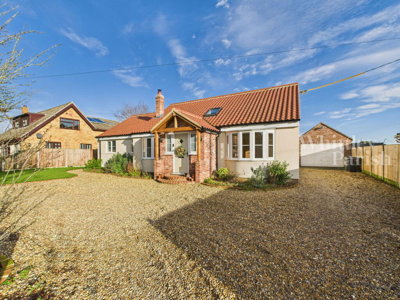
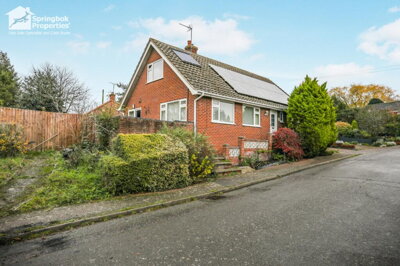
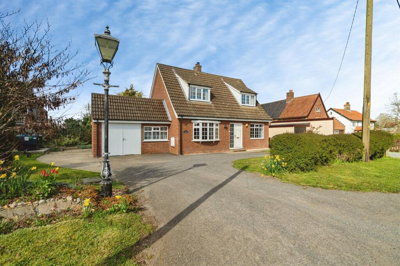
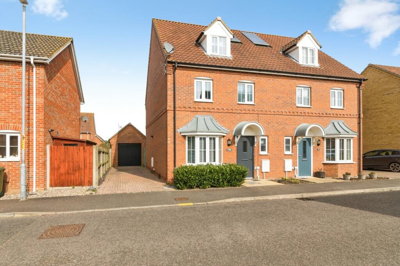
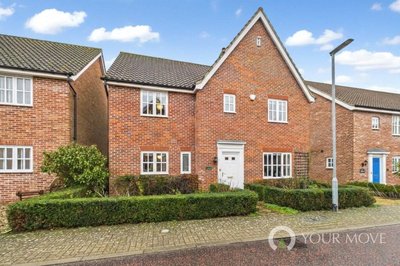
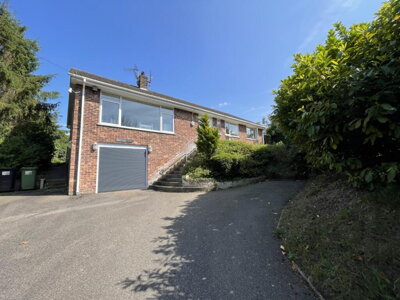
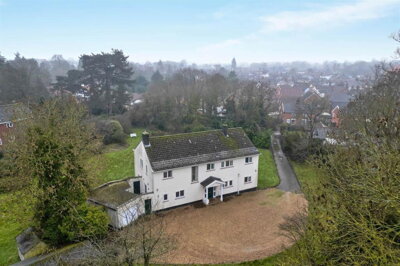
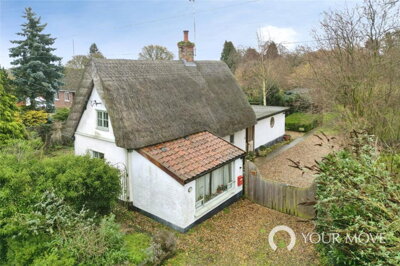
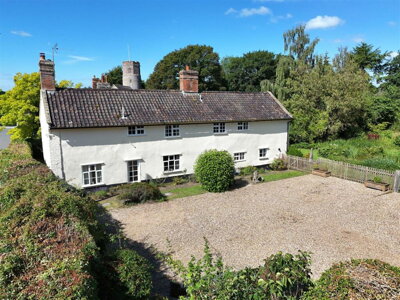
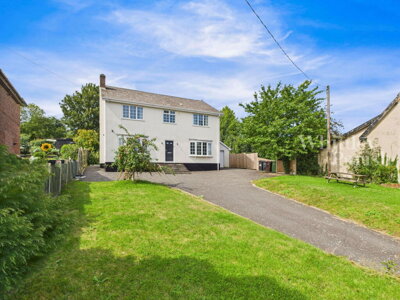
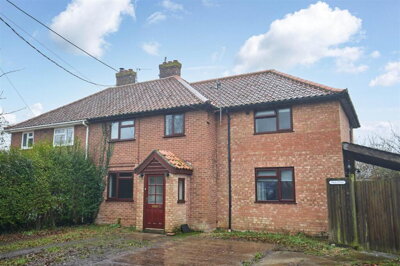
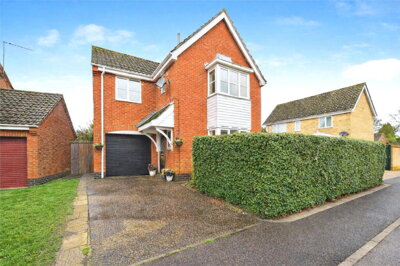
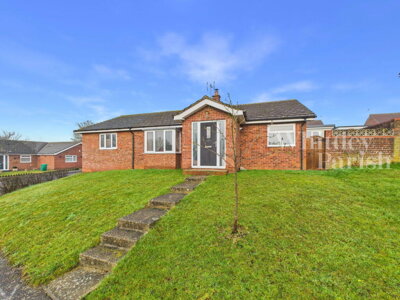
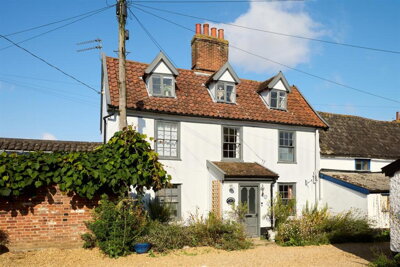
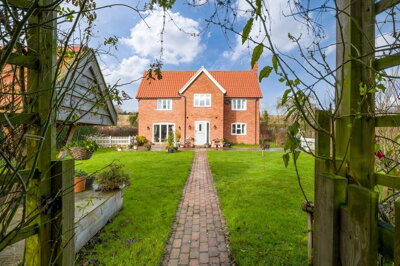
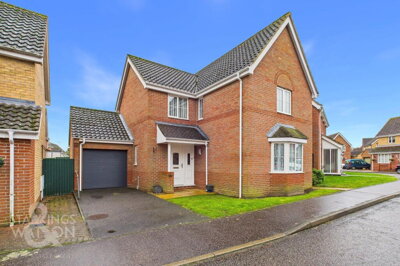
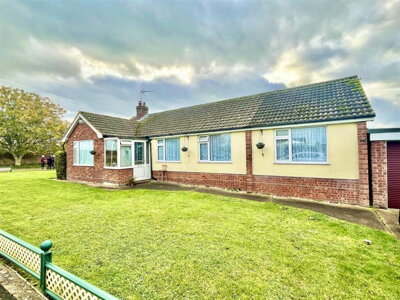
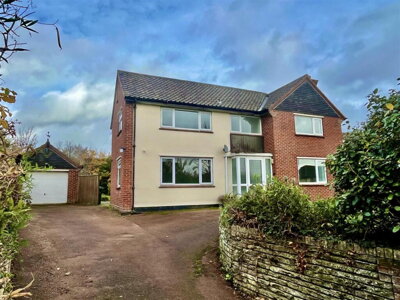
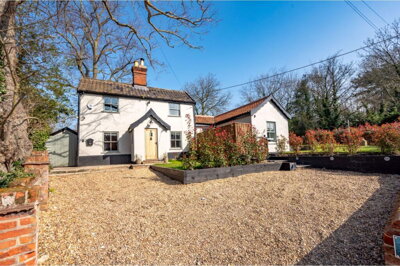
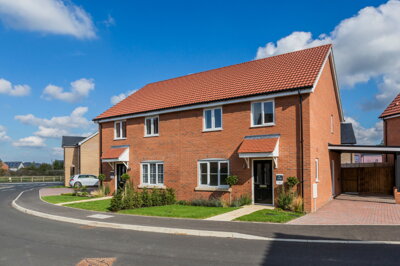
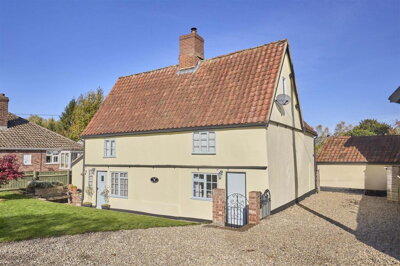
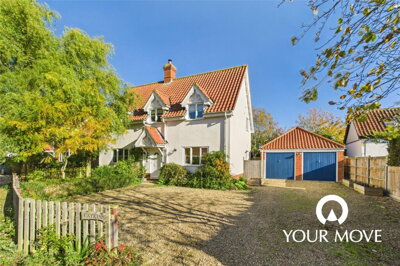
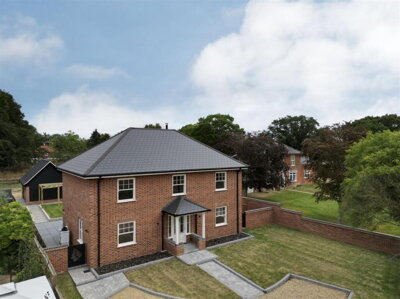
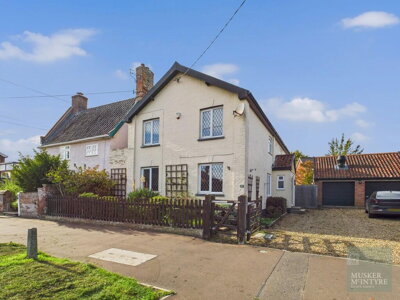
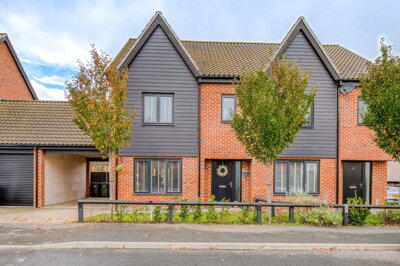
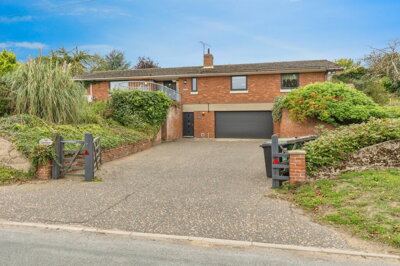
Browse 43 homes for sale in IP20 from local estate agents.
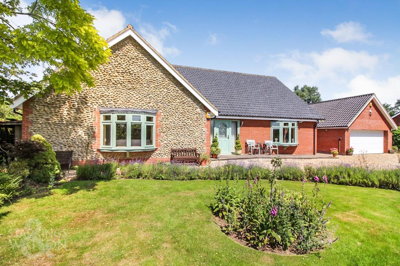
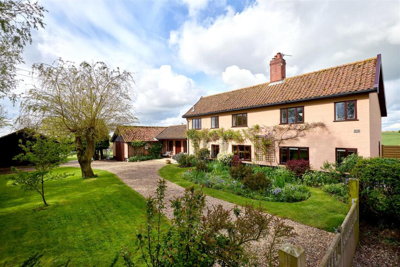
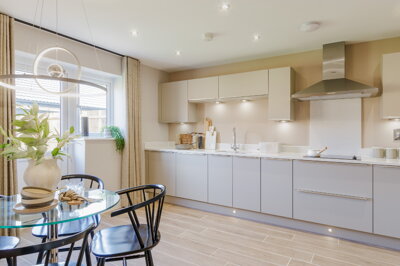
The larger property sector typically features multiple bathrooms, substantial reception space, and private gardens or off-street parking. Four bedroom houses in IP20 span detached, semi-detached, and occasionally terraced configurations, with styles ranging from period properties to modern executive homes.
£425k
18
1
132
Source: home.co.uk
Showing 18 results for 4 Bedroom Houses for sale in IP20. 1 new listing added this week. The median asking price is £425,000.
Source: home.co.uk
Detached
14 listings
Avg £466,032
Semi-Detached
4 listings
Avg £372,500
Source: home.co.uk
Source: home.co.uk
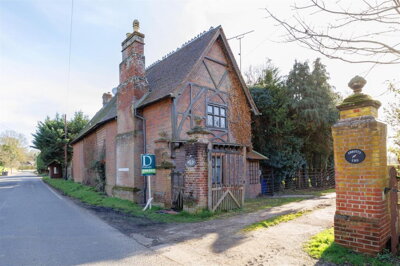
The IP20 property market is dominated by detached family homes, which consistently account for the largest share of sales and command the highest prices. Detached properties in Harleston have sold for an average of £399,714 recently, making them ideal for families seeking space, gardens, and a sense of privacy that newer developments often cannot match. Our listings include a diverse range of detached homes, from characterful period properties with original features to 1970s detached homes offering practical family accommodation on generous plots. Properties on roads such as The Street, Broad Street, and the residential areas surrounding the town centre tend to attract consistent interest from buyers looking for family homes.
Semi-detached properties provide excellent value for money in the IP20 area, with recent sales averaging £244,889. These homes offer an affordable stepping stone onto the property ladder or practical options for families who need more space than a terraced property provides. Terraced homes in Harleston average £197,625, making them particularly attractive to first-time buyers and those seeking period character at a more accessible price point. Flats in the area start from around £152,999, offering an affordable entry into this desirable Norfolk postcode. The mix of property types available means that most buyers can find something suitable within their budget in Harleston.
Our research shows that property prices in IP20 are currently 7% below the 2023 peak of £347,171, creating potential opportunities for buyers who are ready to move. This slight softening in the market follows a 32% decrease in transaction volumes, with 93 residential sales recorded in the last year compared to the previous year. These market conditions mean that motivated buyers may find more negotiating room than in busier periods, though properties in good condition and at realistic prices continue to attract strong interest. The market correction has brought some previously out-of-reach properties within reach for buyers who were waiting for more favourable conditions.

Harleston began as a medieval market town and has grown into a thriving community that retains much of its historic architecture and character. The town centre features period buildings housing independent shops, traditional pubs, cafes, and essential services including a post office, pharmacy, and medical practice. Unlike many rural towns, Harleston has managed to maintain its local identity with a good selection of independent retailers alongside the convenience of a weekly market, creating a vibrant atmosphere that residents take pride in. The market square remains the focal point of community life, hosting regular events and bringing together locals from the surrounding villages.
The surrounding Norfolk countryside offers exceptional natural beauty, with the River Waveney providing scenic walks and outdoor activities close to town. Green spaces and public gardens are distributed throughout the residential areas, making pleasant walking routes accessible from most neighbourhoods. The wider area includes attractive villages with historic churches, thatched cottages, and country pubs, providing endless opportunities for Sunday drives and countryside exploration. The Norfolk Broads are within reasonable driving distance for boat trips and wildlife watching, while the coast at Great Yarmouth and Lowestoft offers traditional seaside days out. The area is particularly popular with walkers and cyclists, with the Waveney Valley offering attractive routes through rolling countryside.
The demographic of Harleston draws a mix of established local families who have lived in the area for generations and newcomers attracted by the quality of life and relative affordability compared to larger towns. The community atmosphere is welcoming, with local events, clubs, and societies providing social connections for residents of all ages. Employment in the area spans retail, professional services, healthcare, and agricultural sectors, with many residents commuting to nearby towns including Norwich, which takes approximately 35-40 minutes by car via the A143. The strong sense of community, combined with the practical benefits of town living, makes Harleston an appealing choice for families and retirees alike.
Families searching for homes in IP20 will find a reasonable selection of primary schools serving the Harleston area. The primary schools in and around Harleston provide education for children from Reception through to Year 6, with several schools rated Good or Outstanding by Ofsted in recent inspections. Parents should check current Ofsted ratings and admissions criteria when researching specific schools, as performance can vary and catchment areas can be competitive during the school year admissions process. Schools in the nearby villages of Dickleburgh,pulham Market, and Starston also serve the Harleston catchment area, providing additional options for primary education.
Secondary education is available locally, with Harleston having its own secondary school offering GCSE courses and a range of extracurricular activities. For families seeking grammar school education, the nearest grammar schools are located in nearby towns, and competition for places can be strong. Norfolk operates a selective education system, so parents should carefully research the assessment process and school locations when prioritising secondary school options during their property search. The closest grammar schools are typically in Norwich, requiring a daily commute of around 40 minutes for students who secure places.
Sixth form and further education options are accessible for older students, with colleges and sixth form facilities available in surrounding towns including Diss and Norwich. The journey to Norwich for further education typically takes 30-40 minutes by car or via public transport, making it feasible for students who need more specialized courses or a broader range of A-level subjects. The East Norfolk Sixth Form College and Norwich City College offer a wide variety of vocational and academic courses. Families should verify current school performance data, admissions policies, and transport arrangements directly with Norfolk County Council, as school information and catchment boundaries can change from year to year.
Harleston benefits from excellent rail connections via nearby Diss station, which is the main railway hub serving the area. Trains from Diss to London Liverpool Street take approximately 90 minutes, making Harleston a practical option for commuters who need to travel to the capital regularly. The station also provides connections to Norwich, Cambridge, and Birmingham, giving residents access to major employment centres and transport hubs without needing to travel to London first. Advance booking often secures cheaper Advance tickets for regular commuters. Diss station has parking facilities, making it accessible for those driving from Harleston, which is roughly 8 miles away via the A143.
The A143 runs through Harleston, providing direct road access to Norwich to the north and Great Yarmouth to the east. The road network also connects to the A140 for travel towards Ipswich and Cambridge, making the area well positioned for those who need to travel across the East Anglia region by car. Norwich city centre is reachable in approximately 35-40 minutes, while Cambridge can be reached in around 90 minutes. The wider motorway network is accessible via Norwich, connecting to the M11 and the national motorway system. The A1066 provides access to the A14 for those travelling to the Midlands and the north.
Local bus services operate in Harleston, connecting the town with surrounding villages and nearby towns including Diss and Norwich. These services are useful for those who prefer not to drive or for students travelling to schools and colleges in nearby towns. However, bus frequencies outside of peak hours can be limited, so residents without access to a car should carefully consider transport timetables when choosing where to live within the IP20 postcode. Norwich Airport provides domestic and European flights, adding an additional layer of connectivity for business and leisure travellers. The airport is accessible via the A140 and offers connections to destinations across the UK and Europe.
Before you start viewing properties in IP20, arrange a mortgage agreement in principle from a lender or broker. This document confirms how much you can borrow and demonstrates to estate agents and sellers that you are a serious buyer with financing already arranged. Having this in place strengthens your position when making offers and speeds up the process once your offer is accepted.
Study the Harleston property market thoroughly using Homemove and other resources to understand price ranges for different property types. Factor in additional costs including solicitor fees, survey costs, stamp duty, and moving expenses. Consider the long-term implications of council tax bands, service charges on flats, and potential maintenance costs for period properties that may require updating.
Work with local estate agents to arrange viewings of properties that match your requirements and budget. Visit properties at different times of day to understand the neighbourhood and neighbours. When you find the right property, submit a competitive offer with your mortgage in principle and any other relevant information that strengthens your position as a buyer.
Once your offer is accepted, we recommend booking a RICS Level 2 Survey to assess the property condition thoroughly. This is particularly important in Harleston given the age of many properties, where issues such as damp, roof condition, timber defects, and outdated electrics are commonly found. The survey report will identify any defects that need addressing and provide valuable negotiating information.
Appoint a solicitor or licensed conveyancer to handle the legal work for your purchase. Your solicitor will conduct searches, review contracts, handle Land Registry transfer, and coordinate with your mortgage lender. Conveyancing for properties in IP20 typically takes 8-12 weeks, though transactions involving older properties or leasehold flats may require additional time.
Once all searches are satisfactory and your mortgage is finalized, you will exchange contracts and pay a deposit. On the agreed completion date, your solicitor will transfer the remaining funds and you will receive the keys to your new Harleston home. Celebrate your purchase and start settling into your new neighbourhood.
Properties in Harleston are often older constructions, which means solid wall buildings are common alongside the cavity wall construction found in more modern properties. The Norfolk geology in this area includes chalk bedrock overlain by glacial tills and sands, with clay-rich superficial deposits in places, which can affect foundation conditions. Solid wall properties typically have different insulation properties and may be more susceptible to damp, which buyers should assess carefully during viewings. A RICS Level 2 Survey is particularly valuable for identifying these issues and estimating the cost of any remedial work or energy efficiency improvements that may be needed.
Harleston, as a historic market town, contains conservation areas and listed buildings that impose restrictions on alterations, extensions, and exterior modifications. Properties such as the Grade II listed Mendham Hall require specialist surveys and adherence to planning regulations that do not apply to standard residential properties. If you are considering purchasing a listed building, factor in the additional responsibilities and potential costs of maintaining historically significant features to Listed Building standards. Our team regularly surveys period properties in the Harleston area and understands the common issues affecting these historic homes.
Common defects in older Harleston properties include rising and penetrating damp due to the age of buildings and sometimes inadequate original damp-proof courses. Roof issues such as slipped tiles, failing felt, and deteriorated lead flashing are frequently identified during surveys of period properties. Timber defects including woodworm and wet or dry rot can affect older structural timbers, particularly in properties with history of damp penetration. Outdated electrical systems that do not meet current safety standards are another common finding in properties built before the 1970s. We recommend that buyers factor in the potential cost of addressing these typical issues when budgeting for a property purchase in Harleston.
Buyers should investigate flood risk for any specific property, particularly those near watercourses or in low-lying areas. While no specific flood risk data is available for individual IP20 properties, the Environment Agency provides online flood maps that show potential risk zones. Properties with history of flooding may face higher insurance premiums and difficulties obtaining mortgages, so this information is essential to obtain before committing to a purchase. Leasehold properties, particularly flats, require careful scrutiny of the lease terms, service charges, and ground rent arrangements. Many flats in the area may have short leases or unfavourable terms that could require expensive extension work in the future. Your solicitor should review these documents carefully and provide clear advice on any costs you may face during ownership. Properties with private shared drives or communal areas also require understanding of maintenance responsibilities and any service charge arrangements.
The average house price in the IP20 postcode area is currently £321,828 based on sales over the last 12 months. Property prices have increased by 0.13% over the past year and by 0.66% over the last five years, indicating steady long-term growth. Detached properties average £399,714, semi-detached homes average £244,889, terraced properties average £197,625, and flats start from approximately £152,999. Prices are currently around 7% below the 2023 peak of £347,171, which may present buying opportunities for those in a position to proceed.
Properties in Harleston and the surrounding IP20 postcode fall under South Norfolk Council, which sets council tax bands from A through to H based on property valuation. The specific band for any property depends on its assessed value by the Valuation Office Agency. You can check the council tax band for any specific property online using the government valuation service, and current rates for each band are available on the South Norfolk Council website. Most residential properties in Harleston fall into bands A through D, with larger period homes and detached properties more likely to be in higher bands.
Harleston has several primary schools serving the local community, with good Ofsted ratings reported for a number of these institutions. The primary schools serving the IP20 area include Harleston Primary School and schools in nearby villages such as Dickleburgh and Pulham Market. Secondary education is available at Harleston Middle School and the resource is completed at schools within the town and surrounding areas. For families with specific school requirements, parents should verify current Ofsted ratings, admissions criteria, and catchment areas directly with Norfolk County Council, as school performance rankings change annually and catchment boundaries can affect eligibility.
Harleston has reasonable public transport connections via Diss railway station, approximately 8 miles away, which provides regular services to London Liverpool Street in around 90 minutes. Local bus services operate routes connecting Harleston with nearby towns and villages including services to Norwich and Diss. However, bus frequencies outside peak commuting hours can be limited, and residents without cars should carefully review timetables when choosing a specific location within the IP20 postcode. The A143 provides direct road access to Norwich in approximately 35-40 minutes by car, and Diss station offers parking facilities for those driving to catch trains.
The Harleston property market offers solid investment potential, particularly given its relative affordability compared to nearby Norwich and the growing demand for rural properties with good transport links. Average prices of £321,828 provide an accessible entry point compared to many other desirable areas in the southeast. The stable price growth of 0.66% over five years, combined with the limited new build supply in the postcode, suggests that values are likely to maintain their upward trajectory as more buyers seek properties outside expensive city centres. Rental demand in the area is supported by commuters working in Norwich and the broader professional community seeking countryside locations.
Stamp duty rates in England for 2024-25 are 0% on the first £250,000 of residential property, rising to 5% on the portion from £250,001 to £925,000. For a typical IP20 property priced at the average of £321,828, a standard buyer would pay £3,591 in SDLT. First-time buyers benefit from relief on the first £425,000, meaning no stamp duty would be due on an average-priced Harleston home. Properties above £925,000 incur 10% stamp duty on the amount above that threshold. It is worth noting that additional 3% surcharge applies for second properties and buy-to-let investments.
Properties in IP20 should be checked for flood risk, particularly those near rivers or in low-lying areas, as no specific flood data is available at individual postcode level. The Norfolk geology includes areas with potentially shrinkable clay soils, which could affect properties with shallow foundations, though no specific IP20 subsidence issues have been identified. Our surveyors regularly check for signs of subsidence, cracking, and other structural concerns during inspections. The area is inland, so coastal erosion is not relevant. A RICS Level 2 Survey will identify any visible signs of subsidence, flooding history, or other environmental concerns that may affect the property.
Secure financing for your Harleston property purchase
From 4.5%
Expert legal services for your IP20 property transaction
From £499
Professional condition survey for your new Harleston home
From £400
Energy performance certificate for IP20 properties
From £85
Understanding the full cost of buying a property in Harleston requires careful budgeting beyond the purchase price itself. The main upfront cost is Stamp Duty Land Tax, which applies to all residential property purchases in England. For 2024-25, the rates are 0% on the first £250,000, 5% between £250,001 and £925,000, 10% between £925,001 and £1.5 million, and 12% above £1.5 million. For a typical Harleston property at £321,828, buyers would pay approximately £3,591 in SDLT.
First-time buyers purchasing residential property benefit from increased thresholds under the first-time buyer relief scheme. SDLT is charged at 0% on the first £425,000, with 5% applying between £425,001 and £625,000. This means a first-time buyer purchasing an average-priced property in Harleston would pay no stamp duty at all. The relief does not apply above £625,000, so more expensive properties in the IP20 area would incur standard rates on the portion exceeding this threshold.
Beyond stamp duty, buyers should budget for solicitor or conveyancing fees, which typically range from £500 to £1,500 depending on complexity and property value. Survey costs for a RICS Level 2 Survey typically range from £400 to £1,000 depending on the property size and value, with larger detached homes commanding higher fees. Mortgage arrangement fees can add another £1,000 to £2,000, and local authority searches, land registry fees, and electronic money transfer charges typically total £200 to £400. As a general guideline, buyers should budget an additional 2-5% of the purchase price to cover these associated costs of buying property in the IP20 area.
Properties for Sale In London

Properties for Sale In Plymouth

Properties for Sale In Liverpool

Properties for Sale In Glasgow

Properties for Sale In Sheffield

Properties for Sale In Edinburgh

Properties for Sale In Coventry

Properties for Sale In Bradford

Properties for Sale In Manchester

Properties for Sale In Birmingham

Properties for Sale In Bristol

Properties for Sale In Oxford

Properties for Sale In Leicester

Properties for Sale In Newcastle

Properties for Sale In Leeds

Properties for Sale In Southampton

Properties for Sale In Cardiff

Properties for Sale In Nottingham

Properties for Sale In Norwich

Properties for Sale In Brighton

Properties for Sale In Derby

Properties for Sale In Portsmouth

Properties for Sale In Northampton

Properties for Sale In Milton Keynes

Properties for Sale In Bournemouth

Properties for Sale In Bolton

Properties for Sale In Swansea

Properties for Sale In Swindon

Properties for Sale In Peterborough

Properties for Sale In Wolverhampton

Enter your details to see if this property is within your budget.
Loans, cards, car finance
Estimated property budget
Borrowing + deposit
You could borrow between
Typical borrowing
Monthly repayment
Est. at 4.5%
Loan-to-value
This is an estimate only. Your actual budget may vary depending on interest rates, credit history, and personal circumstances. For an accurate affordability assessment, speak to one of our free mortgage advisors.
This calculator provides estimates for illustrative purposes only and does not constitute financial advice. Your home may be repossessed if you do not keep up repayments on your mortgage. Estimates based on 4.5% interest rate, repayment mortgage. Actual rates depend on your circumstances.
Homemove is a trading name of HM Haus Group Ltd (Company No. 13873779, registered in England & Wales). Homemove Mortgages Ltd (Company No. 15947693) is an Appointed Representative of TMG Direct Limited, trading as TMG Mortgage Network, which is authorised and regulated by the Financial Conduct Authority (FRN 786245). Homemove Mortgages Ltd is entered on the FCA Register as an Appointed Representative (FRN 1022429). You can check registrations at NewRegister or by calling 0800 111 6768.

We use cookies to show you personalised content and improve your experience of our website. Find out more in our Privacy policy and Cookie policy.