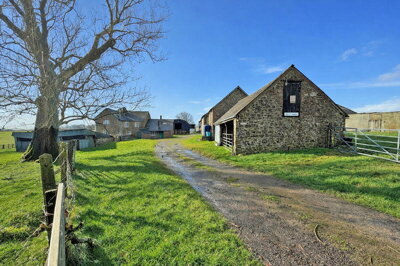
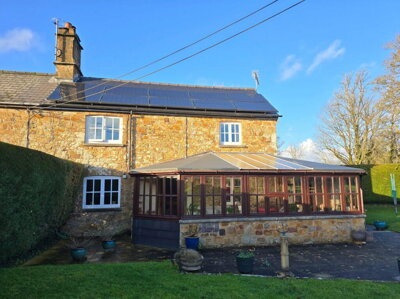
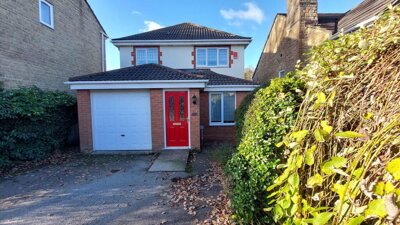
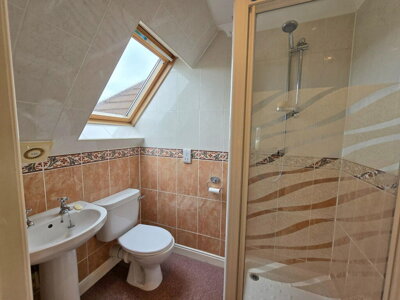
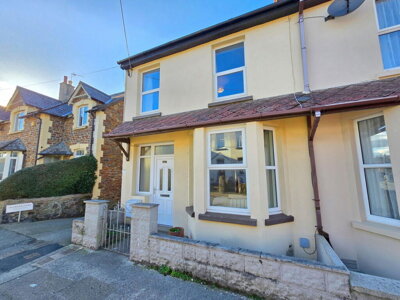
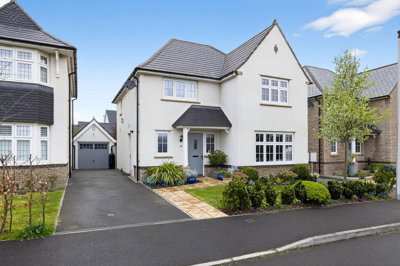
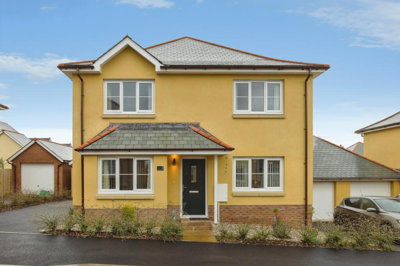
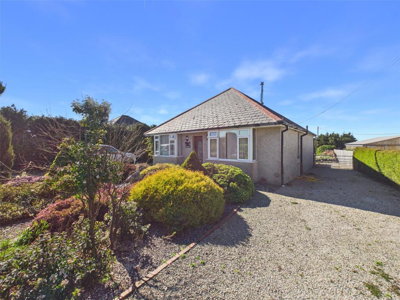
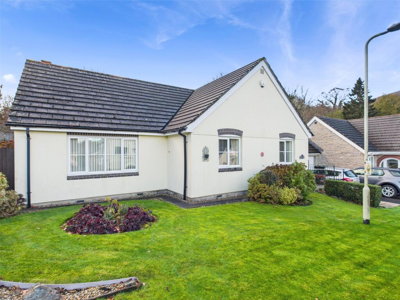
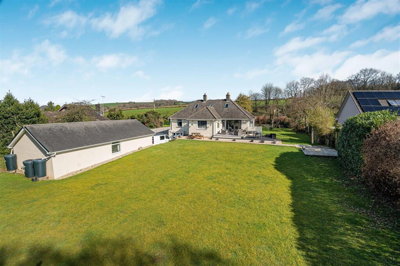
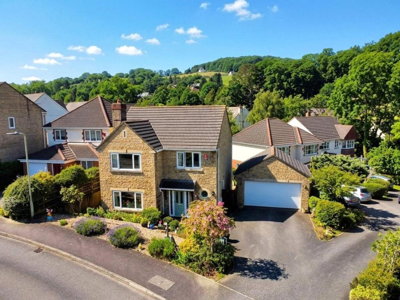
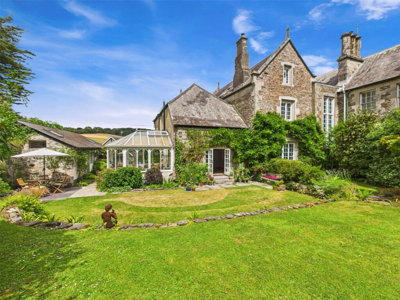
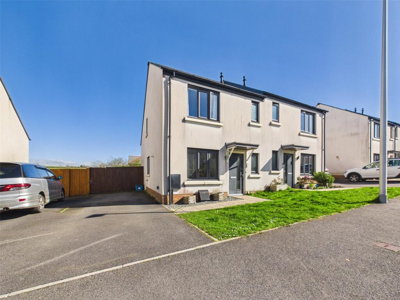
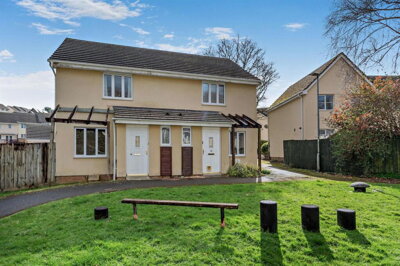
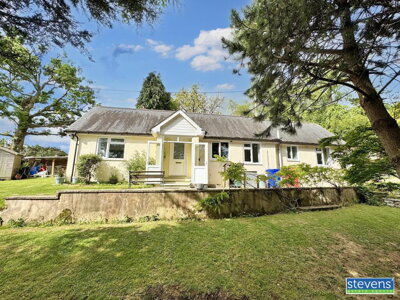
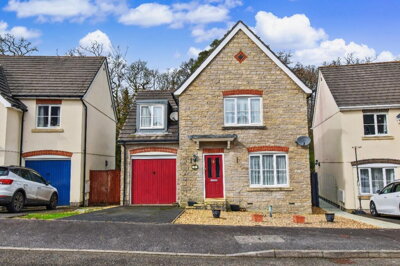
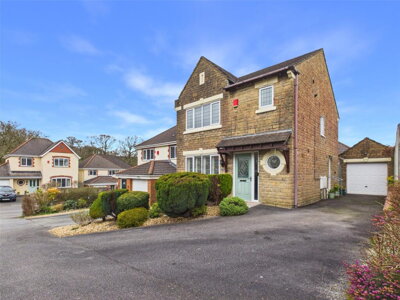
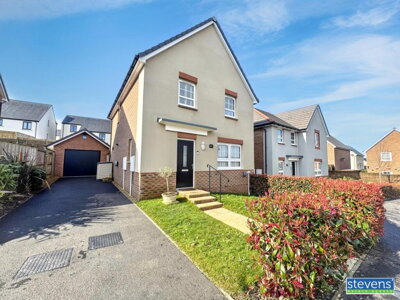
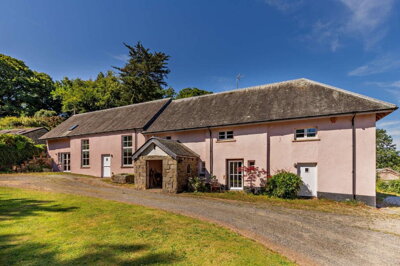
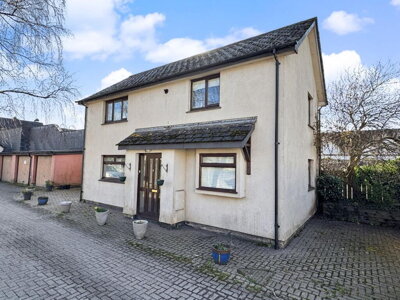
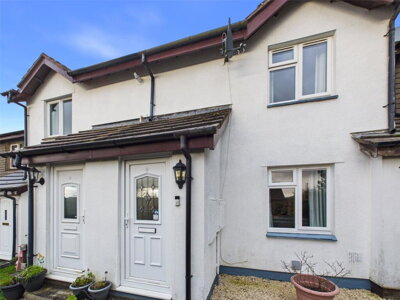
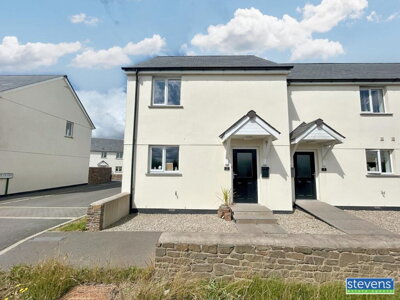
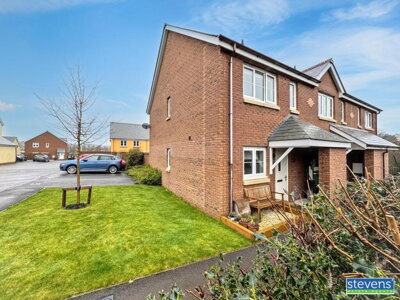
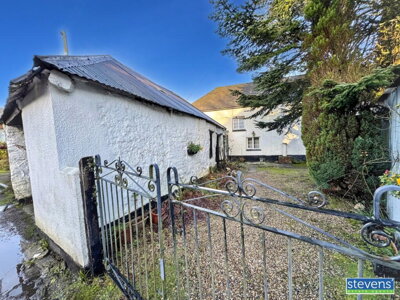
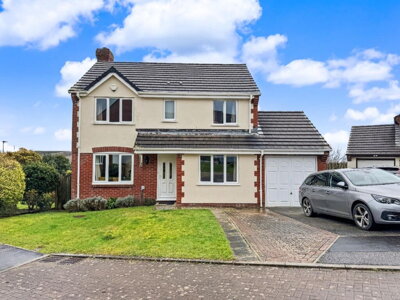
Browse 79 homes for sale in Inwardleigh, West Devon from local estate agents.
The Inwardleigh property market offers detached, semi-detached, and terraced houses spanning various price ranges and neighbourhoods. Each listing includes detailed property information, photographs, and direct contact with the marketing agent.
£335k
4
0
204
Source: home.co.uk
Showing 4 results for Houses for sale in Inwardleigh, West Devon. The median asking price is £335,000.
Source: home.co.uk
Detached
3 listings
Avg £365,000
Semi-Detached
1 listings
Avg £265,000
Source: home.co.uk
Source: home.co.uk
The Inwardleigh property market reflects the wider trends affecting rural Devon, with house prices showing steady appreciation over the past year. Current data indicates an average property price of £383,738, representing a 5% increase compared with the previous twelve months. This growth demonstrates continued buyer interest in the area despite broader economic uncertainty, suggesting that the appeal of West Devon village life remains strong among those seeking to escape larger towns and cities. The market attracts a mix of families, retirees, and remote workers who value the quality of life offered by this traditional English countryside location.
Property types available in Inwardleigh skew heavily towards detached homes, which typically command prices around £487,500 in the current market. Semi-detached properties offer more accessible entry points at approximately £279,975, though the number of sales recorded in recent months has been relatively limited due to the village's small size and the unique nature of many properties. The housing stock includes historic thatched cottages dating back to the 18th and 19th centuries, stone-built farmhouses, and a small number of more recent constructions built by local developers within the past five years. Each property type brings its own characteristics, maintenance requirements, and planning considerations that prospective buyers should carefully evaluate.
New build activity in Inwardleigh remains limited to individual self-build projects and occasional developments by local builders rather than large-scale housing schemes. When new properties do come to market, they tend to attract significant interest given the scarcity of available housing in the village. Properties built within the past decade typically benefit from NHBC guarantees and modern construction standards, while older properties offer the character and solidity of traditional building methods using cob, stone, and natural slate. Buyers should note that many homes in Inwardleigh are listed buildings or lie within areas of architectural significance, which can affect permitted development rights and renovation options.
Recent sales data across the EX20 postcode area shows activity concentrated in several postcode districts, with EX20 3AN recording the highest number of transactions in recent months. Properties in this West Devon village command prices that reflect both their character and their location on the edge of Dartmoor National Park, where demand from buyers seeking rural lifestyles continues to outstrip supply. The low volume of sales means each transaction carries significant weight in the market, with comparable evidence sometimes difficult to establish given the unique nature of many period properties.

Inwardleigh embodies the essence of traditional English village life, sitting within the designated area of West Devon where rolling farmland meets the edge of Dartmoor National Park. The village centre clusters around its historic church, with cottages and farmsteads scattered along lanes that have changed little over centuries. The surrounding countryside offers exceptional walking opportunities, with footpaths crossing fields and woodland to connect with the wider network of trails that make this part of Devon so popular with outdoor enthusiasts. Morning walks through misty lanes, views across to tors on the horizon, and the sound of birdsong replacing traffic noise define the daily experience of living here.
The village community maintains an active social calendar centred on the village hall, which hosts events throughout the year and serves as the focal point for local gatherings. Nearby Okehampton, just 3.5 miles by road, provides essential services including a Waitrose supermarket, medical centre, leisure centre with swimming pool, and cinema complex. The town also hosts a regular market where local producers sell fresh produce from across Devon. For equestrian enthusiasts, Inwardleigh offers particular appeal with several excellent facilities nearby including The Grange Equestrian Centre just three miles south, while Southcott Cross Country Course and Rathkenny Stud provide additional options for horse owners within reasonable driving distance.
The demographic profile of Inwardleigh reflects its appeal to families and older couples seeking a peaceful retirement or a healthy environment in which to raise children. The 2011 census recorded a population of 491, though this figure has likely grown as remote working has enabled more people to relocate from urban areas. The village attracts individuals who appreciate architectural heritage, traditional building methods, and the slower pace of life that rural Devon provides. Properties here often feature the distinctive characteristics of West Country construction including cob walls, thatched roofs, inglenook fireplaces, slate flagstone floors, and oak beams that speak to centuries of local building tradition.
Families considering a move to Inwardleigh will find educational provision available through both primary and secondary schools in the surrounding area. The nearest primary schools serve the villages around Okehampton, with several good options within a short drive of Inwardleigh. These schools typically cater to children from Reception through to Year 6, providing a solid foundation in core subjects within settings that benefit from smaller class sizes than urban alternatives. Parents should research individual school performance, Ofsted ratings, and catchment areas, as admission policies can be competitive for popular schools in this part of Devon.
Secondary education is available at Okehampton College, which provides comprehensive secondary education for the wider area including Inwardleigh and surrounding villages. The college offers a broad curriculum, sixth form provision, and various extracurricular activities that support student development across academic and practical subjects. For families seeking grammar school education, the nearest grammar schools are located in Exeter, which requires a daily commute of approximately 45 minutes by car. Alternative options include independent schools in Exeter and across Devon, with several boarding and day schools offering education from primary through to A-level standard.
Further education opportunities exist at Exeter College and other sixth form centres in the regional hub, which can be accessed by older students willing to travel. The proximity of the University of Exeter makes Inwardleigh a viable base for families with older children pursuing higher education, as students can commute from home during term time while benefiting from reduced accommodation costs compared with living on campus. Parents are advised to consider transport arrangements carefully when choosing Inwardleigh as a family home, particularly for secondary and post-16 education where school transport links may not be as comprehensive as in larger towns.
Transport connections from Inwardleigh reflect its rural character, with the village relying primarily on road transport for daily commuting needs. The A30 dual carriageway passes near Okehampton, providing a direct route towards Exeter approximately 33 miles to the east and towards Cornwall to the west. This main road link makes regional travel relatively straightforward by car, though visitors should note that peak times can see traffic delays, particularly during summer when tourist traffic increases significantly. The journey to Exeter by car typically takes around 45 minutes to an hour depending on traffic conditions and the time of day.
Okehampton railway station provides access to the national rail network, with regular services running to Exeter St Davids and through to other major destinations including Bristol, Birmingham, and London Paddington. The train journey from Okehampton to Exeter takes approximately 40 minutes, making it feasible for commuters to work in Exeter while living in the more affordable surroundings of West Devon. Exeter St Davids offers connections to long-distance services heading north and to the West Country, while Exeter also provides access to the M5 motorway for those preferring to travel by car. London Paddington can be reached in around two and a half hours by train from Exeter.
For those working remotely or in local employment, Inwardleigh offers a peaceful base with reliable internet connectivity that supports modern working practices. Bus services operate between Okehampton and surrounding villages, though these typically run less frequently than urban services, making a car essential for most residents. Exeter International Airport, located approximately 35 miles from Inwardleigh, provides domestic flights and international connections for business and leisure travel. Cyclists will appreciate the scenic country lanes and the proximity of routes into Dartmoor National Park, though the hilly terrain requires a reasonable level of fitness.
Properties in Inwardleigh showcase the distinctive construction methods that have characterised West Devon building tradition for centuries. Cob construction, using a mixture of clay, straw, and water, forms the walls of many period cottages throughout the village. This material provides excellent thermal mass and breathability, keeping homes cool in summer and warm in winter, but requires careful maintenance to prevent moisture penetration. Lime render applied to cob walls allows the material to breathe, whereas cement-based renders can trap moisture and cause deterioration over time. Prospective buyers should examine the external render condition carefully, looking for cracks, bulges, or signs of water staining that might indicate underlying issues with the cob structure.
Stone-built farmhouses and cottages represent another significant proportion of the local housing stock, constructed using local granite and limestone from Dartmoo's hinterland. These properties typically feature thicker walls than modern constructions, providing natural insulation and a solid feel that appeals to buyers seeking traditional character. Pointing between stonework requires regular attention, and mortar deterioration can allow water ingress that leads to frost damage in winter months. Oak timber framing combined with stone infill panels appears in some of the oldest properties, while later Victorian additions to the village often feature the warm red brick construction seen in cottages built during the mid-to-late 19th century.
Thatched roofing remains a defining feature of Inwardleigh's architectural character, with numerous properties retaining their original reed or straw coverings. Properties dating from the late 17th century through to the Victorian era commonly feature this roofing material, which can last 20 to 40 years depending on the materials used and the quality of workmanship. One local Grade II listed cottage required complete re-thatching in 2024, illustrating the ongoing maintenance demands of this beautiful but labour-intensive roofing material. Specialist thatchers with experience of traditional materials are essential for any repairs, and insurance costs for thatched properties typically exceed those for properties with slate or tile coverings. Interior features commonly found in these traditional homes include slate flagstone floors, inglenook fireplaces with bread ovens, and exposed oak beams that reflect the craftsmanship of local builders working with materials quarried or grown locally.
Spend time exploring Inwardleigh and surrounding villages to understand the local property market, community feel, and practical considerations like school catchment areas and transport options. Visit at different times of day and week to get a genuine impression of what living here would be like.
Contact lenders or mortgage brokers to obtain an agreement in principle before starting your property search. This strengthens your position when making offers and helps you understand your realistic budget within the Inwardleigh market where properties range from traditional cottages to modern homes.
Search Homemove for listings matching your criteria in Inwardleigh and the wider EX20 area. Work with local estate agents who know the village intimately and can alert you to properties coming to market before they appear on major portals.
Visit shortlisted properties at least twice before deciding. Once you have an offer accepted, instruct a RICS Level 2 Survey to assess the property condition, particularly important for older properties with traditional construction methods like cob, stone, and thatch.
Choose a conveyancing specialist familiar with Devon properties and local search requirements. Your solicitor will handle property searches, contracts, and legal work specific to properties in this area.
Finalise your mortgage, pay deposits and fees, and complete your purchase. On completion day, you will receive the keys to your new home in Inwardleigh.
Properties in Inwardleigh require careful inspection due to the age and traditional construction methods prevalent throughout the village. Many homes are built using cob, a mixture of clay, straw, and water that provides excellent insulation but can be susceptible to moisture penetration if not properly maintained. Prospective buyers should look for signs of damp in cob walls, particularly at lower levels and around windows where water can track through cracked render. Stone-built properties may show evidence of mortar deterioration or movement in walls that could indicate foundation issues, while any property with a thatched roof warrants specialist inspection from a thatcher who can assess the condition of the reed or straw covering and the underlying timber structure.
Listed building status affects a significant proportion of properties in Inwardleigh, with numerous Grade II listed cottages and farmhouses dating from the late 17th, 18th, and 19th centuries. If you are considering a listed property, you should understand that any alterations, extensions, or even some maintenance work will require Listed Building Consent from West Devon Borough Council. This restriction protects the architectural heritage of the village but limits what you can do with the property. A RICS Level 3 Building Survey is often more appropriate than a standard Level 2 survey for listed buildings, as it provides more detailed analysis of complex structural elements and traditional materials.
Flood risk in Inwardleigh requires investigation before purchase, as the village sits within a rural landscape where surface water and groundwater conditions can vary significantly between adjacent fields. While no specific flood risk data was identified for the village centre, buyers should request a flood risk report and review the Environment Agency maps for the specific property location. Properties near streams or in low-lying areas may face different risk profiles. Similarly, check the presence of any Tree Preservation Orders that could affect your ability to manage trees on or near the property, as conservation considerations are taken seriously in this part of Devon.
The average house price in Inwardleigh stands at approximately £383,738 based on recent market data. Detached properties command higher prices averaging around £487,500, while semi-detached homes are more accessible at approximately £279,975. The market has shown steady growth with prices increasing by around 5% over the past twelve months, though the low volume of sales means individual properties can vary significantly from these averages depending on condition, size, and character.
Properties in Inwardleigh fall under West Devon Borough Council jurisdiction for council tax purposes. Specific bands depend on property value and type, with most traditional cottages and farmhouses likely falling into bands A through D. Banding can be confirmed through the Valuation Office Agency website using the property address, and prospective buyers should factor annual council tax costs into their budget alongside mortgage payments and other running costs.
Inwardleigh itself does not have its own school, but primary schools in nearby villages and Okehampton serve the area, with parents encouraged to research individual school Ofsted ratings and admission policies. Okehampton College provides comprehensive secondary education for the wider catchment area. Families seeking grammar school provision typically look to Exeter schools, which require transport arrangements. Early morning visits to schools during term time can give valuable impressions of individual institutions.
Public transport options from Inwardleigh are limited, reflecting its rural village status. Bus services connect the village to Okehampton, but these operate less frequently than urban services. Okehampton railway station, 3.5 miles away, provides direct rail connections to Exeter and onwards to major cities. Most residents find that daily life in Inwardleigh requires access to a car, making vehicle ownership essential for full participation in village activities and access to employment and services.
Inwardleigh offers several investment considerations for property buyers. The village benefits from proximity to Dartmoor, strong demand for rural properties in Devon, and limited new development that maintains scarcity of supply. Properties have shown price appreciation of around 5% annually, and the character of the area suggests long-term demand from buyers seeking traditional English village life. However, the low transaction volume means properties can take longer to sell than in urban markets, and any investment should be viewed with a medium to long-term horizon.
Stamp duty Land Tax rates for 2024-25 apply zero percent on the first £250,000 of residential property purchase price, 5 percent on the portion from £250,001 to £925,000, 10 percent from £925,001 to £1.5 million, and 12 percent above £1.5 million. First-time buyers benefit from relief on the first £425,000 with 5 percent applied between £425,001 and £625,000. For a typical Inwardleigh property priced around £383,738, most buyers would pay no stamp duty, though your specific liability depends on your buyer status and total property purchase price.
Many Inwardleigh homes are constructed from traditional materials including cob, stone, and thatch that require ongoing maintenance different from modern properties. Thatched roofs need re-thatching every 20-40 years depending on materials used, with one local cottage recently requiring re-thatching in 2024. Cob walls need protection from penetrating damp through proper rendering and gutters. Listed properties face additional requirements for specialist tradespeople and consent for works. Prospective buyers should budget for maintenance costs that may exceed those for modern properties of equivalent value.
The village of Inwardleigh contains numerous listed buildings, and certain areas may be designated as conservation areas under West Devon Borough Council planning policy. Conservation area status imposes additional controls over demolition, extensions, and even some types of exterior alterations to preserve the village's character. If you are considering purchasing a property in Inwardleigh, you should check with the local planning authority whether the property falls within a designated conservation area, as this will affect what changes you can make without planning permission. Properties within these designated areas often have stricter requirements regarding materials and methods for any repairs or alterations.
Inwardleigh sits on the edge of the Dartmoor granite upland, with surrounding geology dominated by the granite intrusions and metamorphic rocks that characterise much of West Devon. Properties built on or near granite can encounter particular issues with foundation conditions, and older properties may have been constructed with shallow footings that are susceptible to movement in certain soil conditions. The local clay subsoils, common throughout Devon, can experience shrink-swell behaviour during dry and wet periods, potentially affecting foundations. A thorough building survey can identify any signs of past or current movement that might require attention before purchase.
Understanding the full costs of purchasing property in Inwardleigh helps you budget accurately and avoid surprises during the transaction process. The property prices in this West Devon village, averaging around £383,738 for all property types, mean that most buyers purchasing at typical price points will fall within the lower stamp duty brackets. For a property priced at £383,738, a standard buyer purchasing as a main residence would pay stamp duty on the amount above £250,000, which at the current 5 percent rate would amount to approximately £6,687. First-time buyers purchasing at this price point would typically pay no stamp duty at all, as the entire purchase price falls within the first-time buyer threshold.
Beyond stamp duty, buyers should budget for solicitor conveyancing costs that typically range from £500 to £1,500 depending on the complexity of the transaction and whether the property is freehold or leasehold. Search fees for local authority searches, drainage and water searches, and environmental searches typically add another £200 to £400 to legal costs. Survey costs depend on property type and the level of inspection required, with a standard RICS Level 2 Homebuyer Report starting from around £350 for a modest property, while a detailed RICS Level 3 Building Survey for a large historic cottage could cost £800 or more. Mortgage arrangement fees, valuation fees, and broker fees can add further costs if you are using a solicitor or broker.
Moving costs represent another significant expense, particularly for household contents and furniture relocation to a rural location where access may be limited by narrow lanes. Buildings insurance must be in place from the day of completion, and buyers should expect to pay for a full year policy upfront. Ongoing costs after purchase include council tax, typically bands A through D for most Inwardleigh properties, utility bills that may be higher in older properties with solid walls or thatched roofs, and maintenance reserves for the inevitable repairs that traditional properties require. Setting aside a fund equivalent to around 1 percent of property value annually for maintenance and repairs represents sensible planning for any traditional West Devon home.

Properties for Sale In London

Properties for Sale In Plymouth

Properties for Sale In Liverpool

Properties for Sale In Glasgow

Properties for Sale In Sheffield

Properties for Sale In Edinburgh

Properties for Sale In Coventry

Properties for Sale In Bradford

Properties for Sale In Manchester

Properties for Sale In Birmingham

Properties for Sale In Bristol

Properties for Sale In Oxford

Properties for Sale In Leicester

Properties for Sale In Newcastle

Properties for Sale In Leeds

Properties for Sale In Southampton

Properties for Sale In Cardiff

Properties for Sale In Nottingham

Properties for Sale In Norwich

Properties for Sale In Brighton

Properties for Sale In Derby

Properties for Sale In Portsmouth

Properties for Sale In Northampton

Properties for Sale In Milton Keynes

Properties for Sale In Bournemouth

Properties for Sale In Bolton

Properties for Sale In Swansea

Properties for Sale In Swindon

Properties for Sale In Peterborough

Properties for Sale In Wolverhampton

Enter your details to see if this property is within your budget.
Loans, cards, car finance
Estimated property budget
Borrowing + deposit
You could borrow between
Typical borrowing
Monthly repayment
Est. at 4.5%
Loan-to-value
This is an estimate only. Your actual budget may vary depending on interest rates, credit history, and personal circumstances. For an accurate affordability assessment, speak to one of our free mortgage advisors.
This calculator provides estimates for illustrative purposes only and does not constitute financial advice. Your home may be repossessed if you do not keep up repayments on your mortgage. Estimates based on 4.5% interest rate, repayment mortgage. Actual rates depend on your circumstances.
Homemove is a trading name of HM Haus Group Ltd (Company No. 13873779, registered in England & Wales). Homemove Mortgages Ltd (Company No. 15947693) is an Appointed Representative of TMG Direct Limited, trading as TMG Mortgage Network, which is authorised and regulated by the Financial Conduct Authority (FRN 786245). Homemove Mortgages Ltd is entered on the FCA Register as an Appointed Representative (FRN 1022429). You can check registrations at NewRegister or by calling 0800 111 6768.

We use cookies to show you personalised content and improve your experience of our website. Find out more in our Privacy policy and Cookie policy.