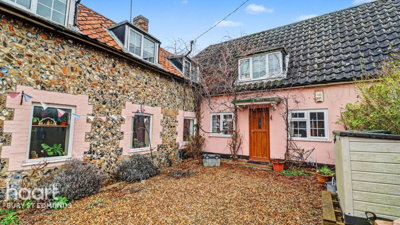
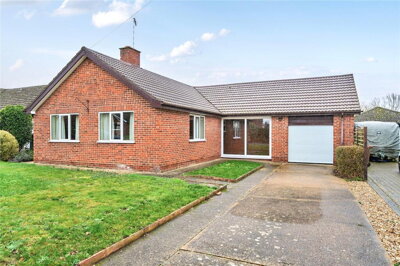
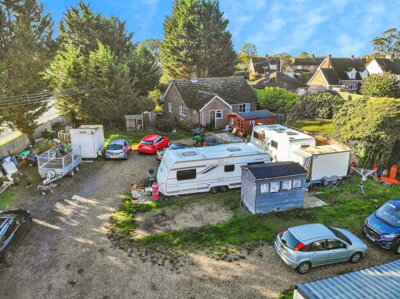
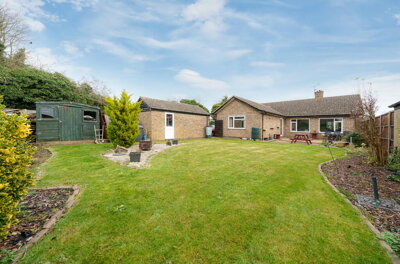
Browse 4 homes for sale in Ingham, West Suffolk from local estate agents.
Three bedroom properties represent a significant portion of the Ingham housing market, offering space for families with multiple reception rooms and gardens in many cases. Browse detached, semi-detached, and terraced options ranging from period character homes to contemporary developments.
£350k
1
0
13
Source: home.co.uk
Showing 1 results for 3 Bedroom Houses for sale in Ingham, West Suffolk. The median asking price is £350,000.
Source: home.co.uk
Terraced
1 listings
Avg £350,000
Source: home.co.uk
Source: home.co.uk
The property market in Ingham and the surrounding West Suffolk villages offers a diverse range of homes to suit various preferences and budgets. Properties in this rural area typically include traditional Suffolk cottages, converted farm buildings, substantial detached family homes, and modern developments that complement the historic village character. The local housing stock reflects the agricultural heritage of the region, with many homes constructed using traditional methods and local materials including brick, flint, and clay lump typical of East Anglian architecture. Understanding the mix of property types available helps buyers narrow their search and identify properties that match their requirements.
Properties in West Suffolk villages like Ingham tend to be predominantly detached family homes, reflecting the rural setting and generous plot sizes available outside urban centres. Semi-detached properties and traditional terraced cottages also feature in the local housing stock, often dating from the Victorian or Edwardian periods when village populations were expanding. More recent development has included individual houses and small cul-de-sac developments built from the 1960s onwards, adding to the variety of accommodation available. This mix of older and newer properties means buyers can choose between the character of period homes and the modern conveniences of more recently constructed properties.
Average house prices in the West Suffolk area have shown steady growth over recent years, with village properties often commanding premiums over comparable properties in larger towns. Detached family homes with generous gardens and rural views tend to achieve the highest values, while period cottages in conservation areas remain consistently popular with buyers seeking character properties. New build activity in the village has been limited in recent years, with most housing stock comprising established properties that offer genuine character and mature gardens. Buyers should budget for properties in desirable West Suffolk villages, where the combination of rural location, strong community, and accessibility drives sustained demand.
Traditional Suffolk cottages in Ingham often feature distinctive architectural details including thatched or peg tile roofs, exposed timber beams, and inglenook fireplaces. These character properties represent a significant portion of the older housing stock and appeal to buyers seeking authentic period features. Many cottages have been thoughtfully modernised over the years, adding contemporary amenities while preserving their historic character. Properties of this type are particularly popular with buyers seeking holiday homes, retirement properties, or family residences looking for something distinctive.

Ingham, West Suffolk embodies the quintessential English village experience, offering residents a tranquil setting surrounded by rolling farmland, ancient hedgerows, and picturesque countryside. The village maintains a close-knit community atmosphere with traditional events, local gatherings, and a strong spirit of neighbourliness that appeals to families and retirees seeking an escape from urban living. Scattered throughout the village are historic buildings and landmarks that speak to its medieval origins, including a parish church and farmsteads that have stood for centuries. The pace of life in Ingham contrasts sharply with nearby urban centres, offering a retreat from the pressures of modern.
The local economy in this part of West Suffolk is primarily agricultural, with farming operations ranging from arable crops to livestock. Rural businesses, artisan producers, and farm shops contribute to the local economy while providing employment opportunities for residents. The proximity to larger towns ensures that residents have access to comprehensive services while enjoying the benefits of countryside living. Walking routes, cycling paths, and bridleways crisscross the surrounding landscape, offering excellent opportunities for outdoor recreation and exploration of the Suffolk countryside. Public rights of way connect Ingham to neighbouring villages, making walking and cycling popular ways to explore the wider area.
Community life in West Suffolk villages centres on the church, village hall, and local pub, where residents gather for events, celebrations, and everyday social interaction. The parish council plays an active role in village affairs, organising seasonal events and maintaining community facilities. New residents are often warmly welcomed into the community, with established residents keen to share knowledge about local services, tradespeople, and the unwritten traditions that define village life. For families, the strong sense of community provides an ideal environment in which children can grow up, while retirees appreciate the peace and quiet and the availability of support from neighbours.
Properties in Ingham and the surrounding West Suffolk area reflect the traditional building methods used throughout East Anglia. The predominant construction materials include red brick, flint, and clay lump, with many older properties featuring solid brick walls rather than the cavity wall construction common in modern buildings. Understanding these construction methods is essential for anyone considering a property purchase, as older construction can require different maintenance approaches and may have characteristics that affect thermal performance and damp resistance. Our surveyors are experienced in assessing traditional East Anglian properties and can identify issues specific to local building methods.
The geology of West Suffolk includes areas with clay soils that can be prone to shrink-swell movement, particularly where trees are present near properties. This ground movement can affect the foundations of buildings, especially during periods of drought or heavy rainfall. Properties in low-lying areas of the village may also be susceptible to damp due to the water table levels common in parts of Suffolk. A thorough property survey can identify any signs of subsidence, heave, or other ground-related issues that might affect the long-term structural integrity of a property. We always recommend a comprehensive survey for older properties in rural locations.
Many properties in Ingham feature traditional roof construction using cut timber rafters, often with thatch or handmade clay tiles as the roofing material. These roofs require specialist knowledge for maintenance and repair, and thatched properties in particular may be subject to specific insurance requirements and more frequent maintenance schedules. The age of some properties in the village means that original timber frames, jointing methods, and fixings may be present, and understanding the condition of these elements is an important part of assessing any older property. Our team has experience surveying traditional Suffolk properties and can advise on the maintenance requirements and potential issues associated with period construction.
Families considering a move to Ingham will find a selection of educational options within reasonable driving distance. The village itself historically had a primary school, though families should verify current provision as school configurations can change over time. Primary education is available at several village schools in the surrounding area, many of which are small, community-focused schools that offer excellent individual attention and strong academic foundations. These schools typically serve their local catchment areas and provide a nurturing environment for young children. Researching current school Ofsted ratings and admission policies is advisable when considering properties in specific catchment areas.
Primary schools in the wider West Suffolk area include schools in nearby villages and market towns, with many achieving good or outstanding Ofsted ratings. Parents should note that admission to popular schools can be competitive, particularly for village schools with small year groups. Transport arrangements for primary school pupils typically involve parents driving children to school or using informal car-sharing arrangements with other local families. Some areas may have school bus services, though these are more commonly available for secondary school pupils. Planning school logistics in advance of a move helps families settle more quickly once they have moved to the area.
Secondary education options in West Suffolk include well-regarded schools in nearby towns, with several secondary schools and sixth form colleges accepting students from the wider catchment area. For families prioritising academic excellence, researching Ofsted ratings and examination results for schools across Bury St Edmunds and the surrounding market towns is advisable. Transport arrangements for secondary school pupils typically involve school bus services connecting village communities to secondary schools in larger settlements, with journey times varying depending on specific location and route. Sixth form students may choose to travel to Bury St Edmunds for a wider range of A-level subjects and specialist facilities available at larger colleges.
Transport connectivity from Ingham centres on road networks that link the village to surrounding towns and major routes. The A14 trunk road passes through West Suffolk, providing direct connections to Cambridge, Ipswich, and the wider motorway network beyond. This makes Ingham an increasingly attractive option for commuters who work in larger cities but prefer the lifestyle benefits of rural living. Journey times to Bury St Edmunds are typically under 30 minutes by car, while Cambridge can be reached in approximately 45 minutes to an hour depending on traffic conditions. The village is also accessible via the A143 and local B-roads, connecting to the wider Suffolk road network.
For those working in Cambridge, the commute from West Suffolk villages is manageable by car, with the A14 providing a direct route through to the Cambridgeshire science parks and city centre. Many commuters have adopted flexible working patterns, combining office attendance with home working to reduce the frequency of longer journeys. Norwich is also accessible via the A14 and A11, offering employment opportunities in the professional services, healthcare, and education sectors. The improving digital connectivity in rural Suffolk has made remote working increasingly viable for residents who might previously have needed to commute daily.
Public transport options serving West Suffolk villages include bus routes connecting smaller communities to market towns, though service frequencies are typically more limited than in urban areas. The nearest railway stations are located in larger towns, offering connections to Norwich, Cambridge, and London via the national rail network. For international travel, London Stansted Airport and Norwich Airport provide access to European destinations and beyond, typically within 90 minutes drive of the village. Many residents of villages like Ingham rely on car ownership for daily logistics while appreciating the improved connectivity offered by flexible working arrangements.
Spend time exploring Ingham and surrounding villages to understand the local property market, lifestyle, and community atmosphere. Visit at different times of day and week to get a genuine feel for village life. Speak to local residents, visit the village pub, and attend any community events that might be taking place. Understanding the pros and cons of village living before committing to a purchase helps ensure the move is right for you and your family.
Contact lenders or mortgage brokers to obtain an agreement in principle before viewing properties. Having this documentation ready strengthens your position when making offers and demonstrates serious intent to sellers. In the competitive West Suffolk property market, being mortgage-ready can make the difference between securing a property and missing out. Gather your documentation including proof of income, bank statements, and identification before approaching lenders.
Work with local estate agents to arrange viewings of suitable properties. Take notes and photographs during viewings, paying attention to condition, orientation, and potential issues. Viewing properties multiple times and at different times of day can reveal aspects that a single visit might miss, such as traffic noise, parking availability, or how the property looks in different lighting conditions.
Once your offer is accepted, arrange a RICS Level 2 Survey to assess the property condition thoroughly. Given the age of many rural Suffolk properties, a comprehensive survey is essential to identify any structural issues, maintenance requirements, or historic defects. The survey report provides valuable leverage for negotiating the purchase price if issues are identified, and gives you a clear picture of what you are buying.
Choose a conveyancing solicitor to handle the legal aspects of your purchase, including searches, contracts, and land registry requirements specific to Suffolk properties. Local solicitors with experience in West Suffolk property transactions can be particularly valuable, as they understand the local area and any specific issues that might affect properties in this part of Suffolk. Obtain quotes from several firms and check reviews before instructing.
Finalise your mortgage, complete legal searches, and arrange building insurance before exchanging contracts. On completion day, collect your keys and begin your new life in Ingham. Allow plenty of time for the conveyancing process, which can take longer for older properties or those in conservation areas where additional searches may be required.
Purchasing a property in rural West Suffolk requires careful consideration of several area-specific factors. Many properties in Ingham and surrounding villages are older constructions that may have been built using traditional methods and materials. Properties constructed before the mid-twentieth century often feature solid walls, older roof structures, and traditional building techniques that differ significantly from modern construction standards. A thorough survey is particularly important for older properties to identify any structural issues, maintenance requirements, or historic defects. The age of the housing stock in West Suffolk villages means that buyers should budget for ongoing maintenance and improvement works.
Flood risk should be investigated for any property in East Anglia, as the region includes areas with varying flood susceptibility depending on proximity to watercourses and low-lying land. Checking Environment Agency flood maps and discussing drainage with local residents provides valuable insights. Properties near water features or in valley locations may be more susceptible to flooding during periods of heavy rainfall, and appropriate insurance and risk mitigation measures should be considered. Similarly, understanding the presence of conservation areas or listed buildings is important, as these designations can affect permitted development rights and future renovation options.
Service charges, ground rent provisions for leasehold properties, and maintenance arrangements for shared areas should all be clarified before committing to a purchase. Rural properties may have different maintenance arrangements compared to urban homes, with responsibilities for private roads, septic tanks, and private water supplies requiring careful consideration. Some properties in West Suffolk villages rely on private drainage systems rather than mains sewerage, and the maintenance and regulatory compliance of these systems should be verified before purchase. A comprehensive survey will identify the type of drainage system and any potential issues that may need addressing.
Average house prices in West Suffolk villages like Ingham typically reflect the rural premium associated with desirable countryside locations. Detached family homes with land and rural views achieve the highest values, while period cottages and smaller properties offer more accessible entry points to the local market. Village properties in West Suffolk have historically shown steady appreciation, driven by sustained demand from buyers seeking the lifestyle benefits of rural living within reach of major employment centres. For accurate current pricing, searching our property listings provides real-time data on properties currently available in the village and surrounding area.
Properties in West Suffolk fall under St Edmundsbury Borough Council or the successor authority following local government reorganisation. Council tax bands are assigned based on property valuation and typically range from Band A for lower-value properties through to Band H for the most valuable homes. Band A properties pay significantly less than Band H properties, so understanding the council tax band is an important part of budgeting for ongoing costs. Prospective buyers should verify the specific band for any property they are considering, as bands affect ongoing running costs and can vary between similar properties depending on their valuation history.
Primary education in the Ingham area is served by village schools in surrounding communities, many of which have good Ofsted ratings and provide strong foundations for young children. Parents should research current school performance data and consider catchment areas when choosing properties, as school places are allocated based on proximity in many cases. Secondary education options include schools in Bury St Edmunds and nearby market towns, with several schools in the region achieving above-average results. School transport arrangements and journey times should be factored into decisions about where to purchase, particularly for families with secondary-age children.
Public transport options from Ingham include bus services connecting to nearby towns, though frequencies are typical of rural areas with reduced weekend and evening services. The village is well-served by road connections via the A14 and local road network, making car travel the primary mode of transport for most residents. For commuting or regular travel, car ownership is generally necessary, though many residents combine remote working with occasional trips to larger centres. The nearest railway stations offer connections to Cambridge, Norwich, and London, with journey times to London Liverpool Street typically around 90 minutes from nearby stations.
Property in West Suffolk villages has historically shown steady capital growth, driven by demand from buyers seeking rural lifestyles within reach of major employment centres. Village properties with character, land, or development potential often perform well in terms of both capital appreciation and rental demand. The limited supply of properties in desirable villages like Ingham supports values, while improvements to digital connectivity and flexible working patterns have made rural living more practical for a wider range of buyers. As with any investment, thorough research into local market conditions, transport improvements, and development plans is advisable before purchasing.
Stamp Duty Land Tax rates in England start at 0% for properties up to 250,000 pounds, rising to 5% on the portion between 250,001 and 925,000 pounds. First-time buyers may benefit from relief on properties up to 625,000 pounds, paying 0% on the first 425,000 pounds and 5% on the remainder. Properties above 925,000 pounds attract higher rates, with purchases above 1.5 million pounds subject to 12% on the remainder. Use our stamp duty calculator to estimate the costs for your specific situation, and consult with a financial advisor for personalised advice on your purchase costs.
Many West Suffolk villages contain conservation areas and listed buildings that reflect their historic heritage, and Ingham is likely to have properties of historic interest given its origins as a medieval parish. Properties in conservation areas are subject to additional planning controls that affect what alterations and extensions can be carried out without consent. Listed buildings are protected for their architectural or historic interest, and any works affecting their character require listed building consent from the local planning authority. Buyers considering older properties should verify their status before proceeding with a purchase.
Properties in rural West Suffolk often incur higher maintenance costs than modern urban properties due to their age, construction methods, and larger plot sizes. Traditional building materials including thatch, clay tiles, and solid brick walls require specialist knowledge and contractors, which can increase the cost of repairs. Gardens and grounds also require ongoing maintenance throughout the year, and buyers should budget accordingly for landscaping, tree work, and general garden upkeep. Understanding the maintenance requirements and associated costs is an important part of the overall cost of ownership.
From 3.89%
Finding the right mortgage is essential for your property purchase. Compare rates and find the best deal for your circumstances.
From 499
Professional solicitors to handle your property transaction from offer to completion.
From 350
A thorough inspection of the property condition, ideal for standard properties.
From 85
Energy performance certificate required for all property sales.
Budgeting for your Ingham property purchase requires accounting for Stamp Duty Land Tax along with other associated costs. For standard residential purchases in England, SDLT is charged at 0% on the first 250,000 pounds of property value, 5% on the portion between 250,001 and 925,000 pounds, 10% on the amount between 925,001 and 1.5 million pounds, and 12% on any value exceeding 1.5 million pounds. First-time buyers benefit from increased thresholds, paying 0% on the first 425,000 pounds and 5% on amounts between 425,001 and 625,000 pounds, provided the property is their main residence and valued at 625,000 pounds or below. Properties in rural West Suffolk often exceed the basic SDLT threshold, so understanding the applicable rates is important for budgeting purposes.
Beyond Stamp Duty, buyers should budget for solicitor conveyancing fees typically ranging from 800 to 2,000 pounds depending on complexity, survey costs between 400 and 900 pounds for a RICS Level 2 survey, mortgage arrangement fees of 0-2% of the loan amount, and removal costs. Survey costs can be higher for larger or older properties that require more detailed inspection, and specialist surveys for listed buildings or non-standard construction may incur additional charges. Mortgage arrangement fees vary between lenders, with some offering fee-free mortgages in exchange for a slightly higher interest rate. It is worth comparing the total cost of different mortgage products rather than focusing solely on the interest rate.
Property surveys are particularly important for older properties in rural Suffolk, where traditional construction methods and the age of buildings mean that defects are not uncommon. A RICS Level 2 survey provides a thorough assessment of the property condition, flagging any issues that may require attention or negotiation with the seller before completion. The survey report can also be used to renegotiate the purchase price if significant issues are identified, potentially saving more than the cost of the survey itself. Given the age and character of many properties in West Suffolk villages, investing in a comprehensive survey is money well spent.
Properties for Sale In London

Properties for Sale In Plymouth

Properties for Sale In Liverpool

Properties for Sale In Glasgow

Properties for Sale In Sheffield

Properties for Sale In Edinburgh

Properties for Sale In Coventry

Properties for Sale In Bradford

Properties for Sale In Manchester

Properties for Sale In Birmingham

Properties for Sale In Bristol

Properties for Sale In Oxford

Properties for Sale In Leicester

Properties for Sale In Newcastle

Properties for Sale In Leeds

Properties for Sale In Southampton

Properties for Sale In Cardiff

Properties for Sale In Nottingham

Properties for Sale In Norwich

Properties for Sale In Brighton

Properties for Sale In Derby

Properties for Sale In Portsmouth

Properties for Sale In Northampton

Properties for Sale In Milton Keynes

Properties for Sale In Bournemouth

Properties for Sale In Bolton

Properties for Sale In Swansea

Properties for Sale In Swindon

Properties for Sale In Peterborough

Properties for Sale In Wolverhampton

Enter your details to see if this property is within your budget.
Loans, cards, car finance
Estimated property budget
Borrowing + deposit
You could borrow between
Typical borrowing
Monthly repayment
Est. at 4.5%
Loan-to-value
This is an estimate only. Your actual budget may vary depending on interest rates, credit history, and personal circumstances. For an accurate affordability assessment, speak to one of our free mortgage advisors.
This calculator provides estimates for illustrative purposes only and does not constitute financial advice. Your home may be repossessed if you do not keep up repayments on your mortgage. Estimates based on 4.5% interest rate, repayment mortgage. Actual rates depend on your circumstances.
Homemove is a trading name of HM Haus Group Ltd (Company No. 13873779, registered in England & Wales). Homemove Mortgages Ltd (Company No. 15947693) is an Appointed Representative of TMG Direct Limited, trading as TMG Mortgage Network, which is authorised and regulated by the Financial Conduct Authority (FRN 786245). Homemove Mortgages Ltd is entered on the FCA Register as an Appointed Representative (FRN 1022429). You can check registrations at NewRegister or by calling 0800 111 6768.

We use cookies to show you personalised content and improve your experience of our website. Find out more in our Privacy policy and Cookie policy.