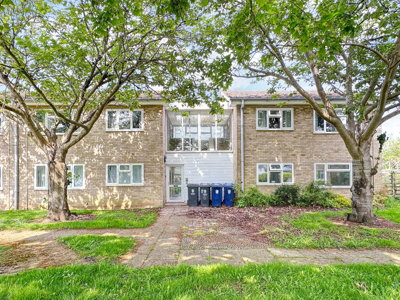
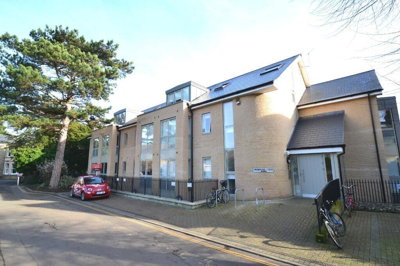
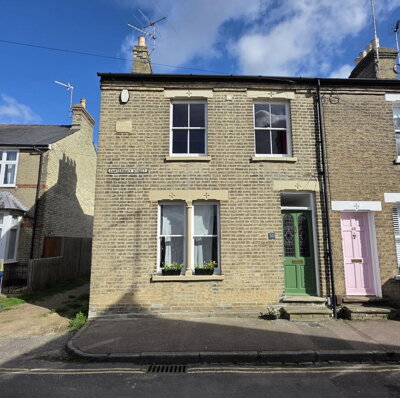
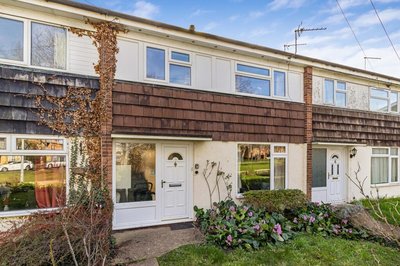
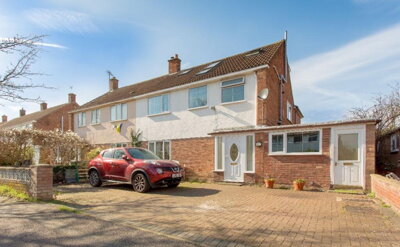
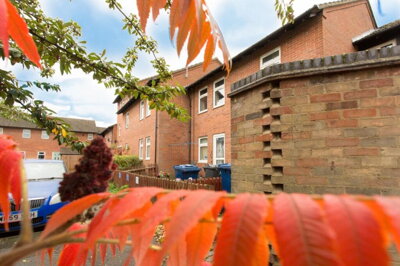
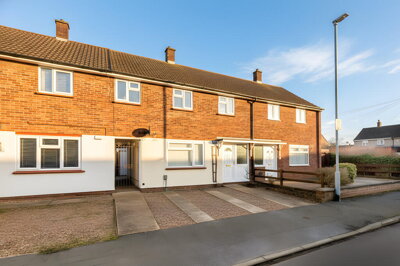
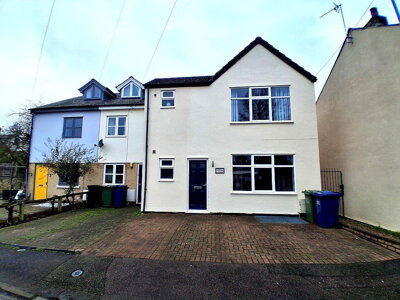
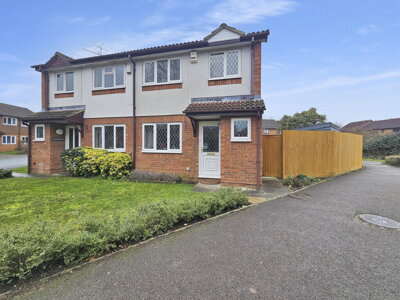
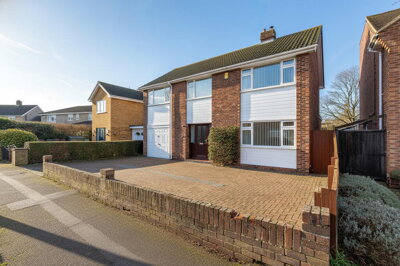
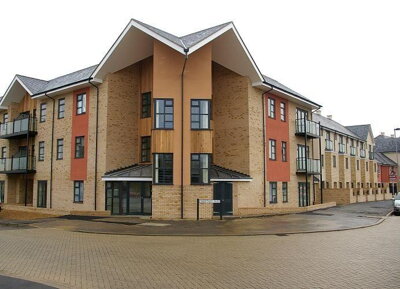
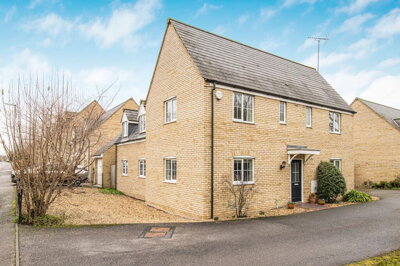
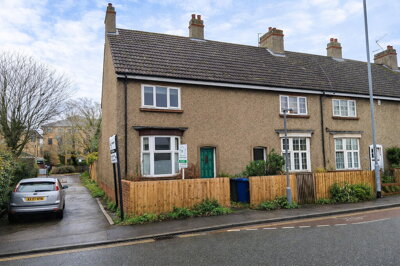
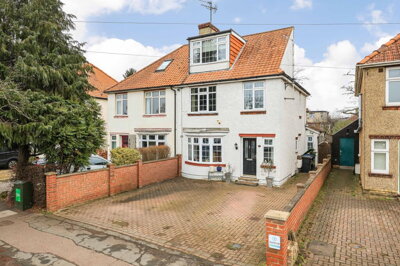
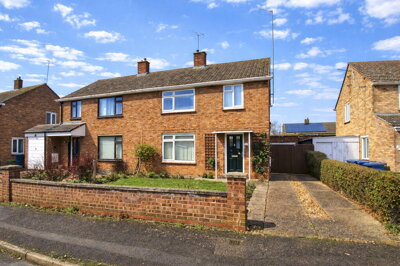
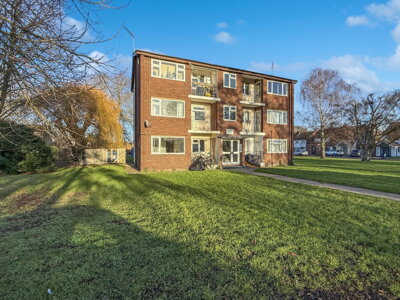
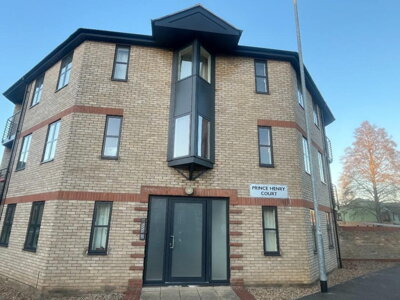
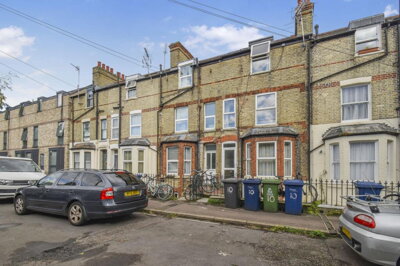
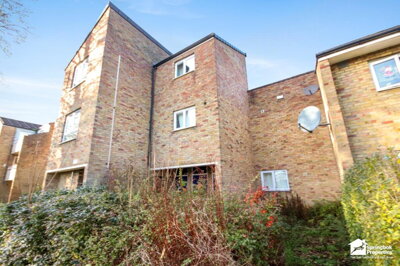
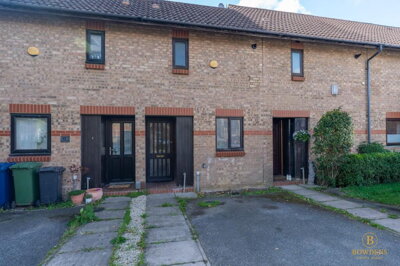
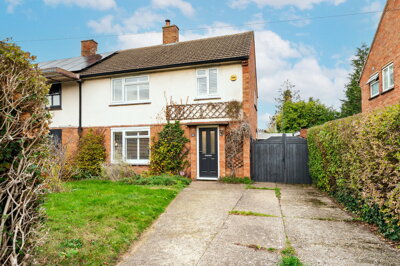
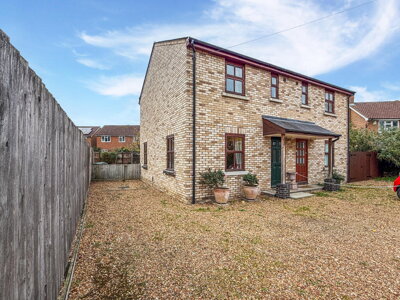
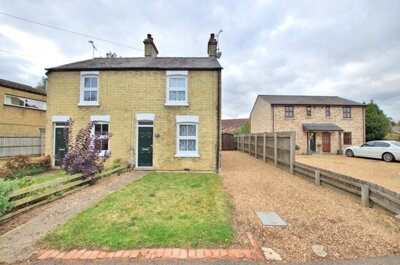
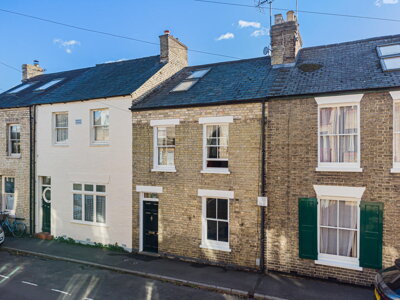
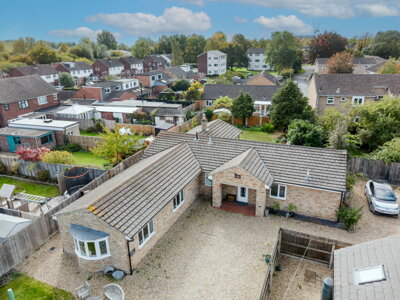
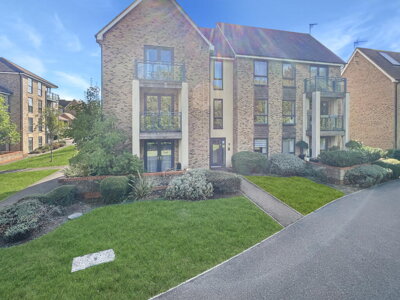
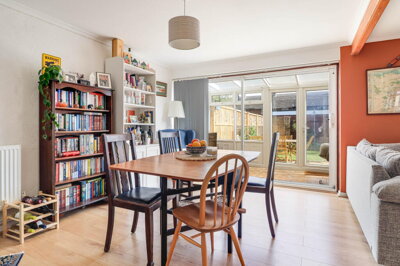
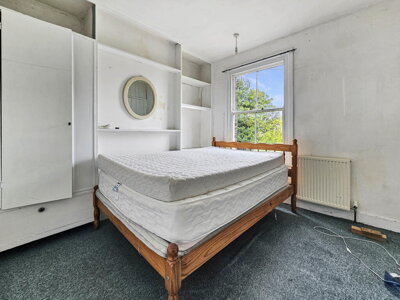
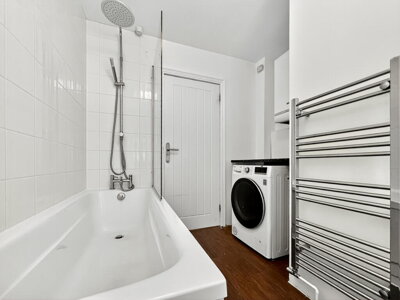
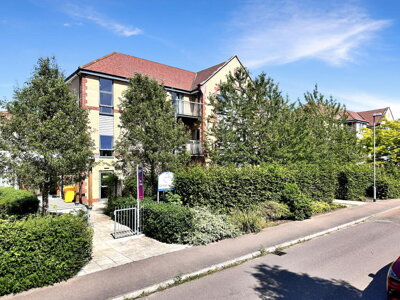
Browse 560 homes for sale in Impington, South Cambridgeshire from local estate agents.
£450k
21
5
80
Source: home.co.uk
Source: home.co.uk
Semi-Detached
5 listings
Avg £499,000
End of Terrace
4 listings
Avg £436,250
Detached
3 listings
Avg £881,667
Terraced
3 listings
Avg £363,333
Bungalow
2 listings
Avg £612,500
Apartment
1 listings
Avg £285,000
Character Property
1 listings
Avg £1.00M
Detached Bungalow
1 listings
Avg £550,000
Maisonette
1 listings
Avg £350,000
Source: home.co.uk
Source: home.co.uk
The Hatcliffe property market presents an attractive proposition for buyers looking to enter the North East Lincolnshire housing market at a reasonable price point. Detached properties command the highest prices, with an average of £350,000, reflecting the premium placed on space and privacy that rural village living affords. Semi-detached homes, which make up 35% of the local housing stock, average around £220,000 and represent excellent value for families seeking generous room sizes without the premium attached to detached properties. The market also includes terraced properties averaging £180,000 and flats at approximately £140,000, providing accessible entry points for first-time buyers or those seeking a low-maintenance lifestyle.
Housing stock in Hatcliffe is predominantly composed of properties built between 1945 and 1980, which account for 40% of all homes in the village. This means many properties offer solid traditional construction with generous room proportions that are characteristic of mid-twentieth century British building standards. A further 25% of homes were built after 1980, offering more modern specifications including cavity wall insulation and updated heating systems. Approximately 20% of properties pre-date 1919, adding character and period features that appeal to buyers seeking traditional countryside charm. With no active new-build developments within the Hatcliffe postcode area, buyers will primarily find existing properties that have established roots within the community.
The village has experienced consistent buyer interest over the past year, with the 3.5% price increase demonstrating market confidence in the area's long-term desirability. Properties tend to be constructed using traditional cavity wall methods with brick outer leaves, often featuring render or pebble dash finishes on older properties. Roofs typically use clay tiles or slate, reflecting the construction heritage of North East Lincolnshire. For buyers considering the local market, obtaining a mortgage agreement in principle before viewings is essential, and we recommend arranging a RICS Level 2 Survey for properties over 50 years old to assess their condition thoroughly.
The local property market benefits from its position within commuting distance of major employment centres while maintaining the character of a working agricultural village. The predominance of detached and semi-detached properties, together comprising 75% of housing stock, reflects the village's traditionally generous plot sizes and garden spaces. This housing mix appeals particularly to families who value outdoor space and the rural lifestyle that Hatcliffe provides without the premium prices found in more sought-after commuter villages closer to larger cities.

Hatcliffe embodies the essence of rural Lincolnshire living, offering residents a peaceful environment surrounded by agricultural landscapes and open countryside. The village sits on Boulder Clay overlaying Chalk bedrock, a geological composition that contributes to the local farming productivity while also creating the characteristic rolling terrain of the area. This geology, common across much of North East Lincolnshire, shapes not only the landscape but also affects property foundations and drainage considerations that buyers should understand when evaluating homes in the village.
The population of approximately 450 residents across 180 households creates an intimate community where neighbours know one another and local events foster strong social bonds. This village atmosphere appeals particularly to families seeking a safe environment for children to grow up and retirees looking for a quiet pace of life away from urban pressures. The village pub and local parish activities provide regular opportunities for community interaction, while the surrounding network of footpaths and bridleways encourages outdoor recreation and appreciation of the local countryside.
The local economy of Hatcliffe is closely tied to agriculture, with farming remaining a significant employer and land use in the surrounding parish. However, many residents commute to larger nearby towns including Grimsby and Louth for employment, taking advantage of the village's position that offers relatively straightforward access to these employment centres. This commuter dynamic shapes the local housing market, with properties that offer good transport connections commanding particular interest from working professionals and families. The village itself provides essential day-to-day amenities, with additional facilities available in the surrounding villages and towns that form the local service network.
The character of Hatcliffe is defined by its mix of property ages and styles, from traditional farmhouses and agricultural buildings to post-war family homes built during the mid-twentieth century expansion of rural housing. The village does not have designated conservation areas, though a small number of listed buildings, primarily agricultural structures and older farmhouses, are scattered throughout the parish. This means buyers can find period properties with historical character alongside more recent constructions without the additional planning constraints that come with conservation area status. The predominantly low-density housing pattern, with 40% detached properties, ensures that residents enjoy generous garden spaces and a sense of openness that is increasingly rare in more urbanised locations.

Families considering a move to Hatcliffe will find a selection of educational options within reasonable distance of the village. Primary education is available through local village schools in the surrounding area, with several primary schools serving the rural communities of North East Lincolnshire. These schools typically provide education for children from Reception through to Year 6, with class sizes that allow for individual attention and strong pastoral care that parents often cite as a key advantage of rural schooling. The village's small population means that primary schools may have smaller catchment areas compared to urban equivalents, potentially offering more guaranteed placements for local children.
Secondary education in the area is provided by schools in nearby towns, with secondary schools in Grimsby and Cleethorpes serving students from Hatcliffe and surrounding villages. These schools offer a broader curriculum, specialist facilities, and extracurricular activities that complement classroom learning. Parents should research current catchment areas and admission arrangements, as these can change and may influence which schools are available to their children. Many secondary schools in the region have sixth forms providing post-16 education, while further education colleges in Grimsby offer vocational and A-level programmes for students pursuing specific career pathways.
For families prioritising educational options, researching individual school performance, Ofsted ratings, and available transport arrangements is essential when choosing a property in Hatcliffe. The village's position relative to schools means that transport logistics, whether through school bus services or family arrangements, should be factored into the decision-making process. Private and independent school options are available in the broader region for families seeking alternative educational approaches. The rural setting of Hatcliffe does not preclude access to good schools; rather, it requires families to plan their school choices more deliberately and understand the travel commitments involved.
The travel time to secondary schools in Grimsby typically adds 20-30 minutes to the morning and afternoon routine, making early morning departures necessary for families relying on school transport. Several secondary schools in the Grimsby area have established good reputations for academic achievement and extracurricular provision, with some offering specialist subjects in technology, arts, or sports that may not be available at smaller rural schools. Parents are advised to visit schools during term time to assess the environment and speak with staff about the opportunities available to students from outlying villages.
Transport connectivity from Hatcliffe centres on road networks that link the village to nearby towns and the wider Lincolnshire road system. The village is positioned to take advantage of the A16, which runs through the region connecting Grimsby to Louth and providing onward connections to Lincoln and the motorway network beyond. This road corridor is essential for residents commuting to employment in the larger towns or travelling further afield for work. Bus services provide public transport options, though frequencies are likely to reflect the rural nature of the location, making private vehicle ownership practical for most residents.
For commuters working in Grimsby, the journey from Hatcliffe typically takes around 20-30 minutes by car, depending on exact start and end points and prevailing traffic conditions. This reasonable commute time makes Hatcliffe attractive to workers who prefer rural living but need regular access to urban employment centres. Louth, another significant local town, is similarly accessible and provides additional employment, shopping, and service options for residents. The proximity to these larger centres is a key factor in Hatcliffe's appeal, offering the benefits of countryside living without complete isolation from urban amenities and job markets.
Rail connections are available at Grimsby and nearby stations on the Sheffield to Cleethorpes line, providing access to the national rail network for longer distance travel. The nearest major station offering direct services to major cities is accessible from Grimsby, with connections to destinations including Sheffield, Manchester, and London. For residents who travel infrequently for work or prefer the flexibility of car travel for daily commuting, the village's road connections provide adequate infrastructure. Cycling infrastructure in rural Lincolnshire varies, though the relatively flat terrain of the area does lend itself to cycling for local journeys when weather and distance permit.
Residents should note that the rural bus services connecting Hatcliffe to surrounding villages and towns typically operate on reduced frequencies compared to urban routes, with some services limited to specific days of the week. Planning transport arrangements is therefore an important consideration for households where not all members drive, and prospective buyers should check current timetables before committing to a purchase. The nearest bus stops are located within the village itself, providing connections to market towns where additional amenities and services are available.
Spend time exploring Hatcliffe village and surrounding areas to understand the local community, amenities, and commute times. Visit at different times of day and week to get a genuine feel for the neighbourhood and speak with residents about living in the area. Pay particular attention to the proximity of properties to the A16 road corridor, as this affects both commuting convenience and noise levels.
Speak with a mortgage broker or lender to obtain an agreement in principle before starting your property search. This strengthens your position when making offers and demonstrates to sellers that you are a serious buyer with confirmed financing. Given that Hatcliffe properties typically range from £140,000 for flats to £350,000 for detached homes, knowing your budget range helps focus your search effectively.
Use Homemove to browse all available properties in Hatcliffe and schedule viewings with listed estate agents. View multiple properties to compare options and understand what your budget can achieve in the current local market. With approximately 45 sales in the past year, inventory moves relatively quickly, so being prepared to act when you find the right property is important.
For properties over 50 years old, which represent 75% of Hatcliffe's housing stock, commission a RICS Level 2 Survey to assess condition and identify any defects. Survey costs for a typical 3-bedroom property range from £450 to £600. The Boulder Clay geology in the area makes this survey particularly valuable for identifying potential subsidence or heave issues related to clay soils.
Appoint a conveyancing solicitor to handle the legal aspects of your purchase. They will conduct searches, review contracts, and coordinate with the seller's solicitor through to completion. Compare quotes from multiple solicitors to find competitive rates. Local property searches specific to North East Lincolnshire typically take 2-4 weeks to return.
Once all searches are satisfactory and financing is confirmed, your solicitor will exchange contracts and agree a completion date. On completion day, the remaining funds are transferred and you receive the keys to your new Hatcliffe home. The typical timeframe from offer acceptance to completion is 8-12 weeks for standard transactions.
Properties in Hatcliffe present specific considerations that buyers should evaluate carefully before committing to a purchase. The underlying Boulder Clay geology creates a moderate to high shrink-swell risk in some areas, particularly for properties with shallow foundations. This means that trees or large shrubs close to buildings can cause ground movement during dry periods when clay contracts, or swelling during wet conditions. Before purchasing, consider the distance of trees and vegetation from the property, the condition of drainage systems, and whether any previous movement has been addressed through underpinning or other structural works.
Surface water flooding represents a more relevant flood risk for Hatcliffe properties than river flooding, which is generally low across most of the village. Low-lying areas and locations near drainage channels may experience localised flooding during periods of heavy rainfall. When viewing properties, check the flood risk status through official government databases and consider the age and condition of drainage infrastructure. Properties in affected areas may face higher insurance premiums or require specific flood resilience measures, so understanding the flood history and current risk profile is important for making an informed purchase decision.
Given that approximately 75% of Hatcliffe properties were built before 1980, buyers should pay particular attention to the condition of older construction elements. Common issues in pre-1980 properties include rising damp due to failed or absent damp proof courses, deterioration of original roof coverings and leadwork, and outdated electrical installations that may not meet current standards. A thorough RICS Level 2 Survey will identify these issues and allow you to budget for necessary repairs or renovations. For the small number of listed buildings in the parish, specialist surveys may be required due to their historical significance and potentially non-standard construction methods.
The construction materials used in Hatcliffe properties reflect the regional building traditions of North East Lincolnshire. Red brick cavity wall construction is common for post-1930s properties, while older farmhouses and agricultural buildings often feature solid brick or stone walls. External finishes range from exposed brickwork to rendered surfaces, with pebble dash common on mid-century properties. Roofs predominantly use clay tiles or slate, and buyers should check the condition and age of roof coverings during viewings, as replacement costs can be significant.
The average house price in Hatcliffe is £258,000 as of February 2026, based on data from major property portals. Property prices vary significantly by type, with detached homes averaging £350,000, semi-detached properties around £220,000, terraced houses at approximately £180,000, and flats at around £140,000. The local market has shown steady growth with a 3.5% increase over the past 12 months, indicating continued buyer interest in this rural village location. With approximately 45 property sales recorded in the past year, the market is active but relatively small, which can mean limited choice at any given time.
Properties in Hatcliffe fall under North East Lincolnshire Council jurisdiction, with most residential properties attracting Council Tax bands A through D depending on their valuation and type. Band A properties typically have a valuation up to £40,000, with annual charges around £1,400-£1,500, while Band D properties, often covering mid-range family homes, typically attract charges of £2,000-£2,200 annually. Detached family homes and larger period properties typically fall into higher bands, while smaller terraced properties and flats may be in lower bands. Prospective buyers should check the specific band for any property they are considering, as this affects annual running costs alongside mortgage payments, utilities, and maintenance.
Hatcliffe is served by primary schools in the surrounding rural area and by secondary schools in nearby towns including Grimsby and Louth. Families should research individual school Ofsted ratings, examination results, and admission criteria when evaluating educational options. Several primary schools within a reasonable driving distance have achieved good or outstanding Ofsted ratings, providing quality education options for families willing to factor in school transport. The village's small population means that primary school catchments may be more localised, and transport arrangements for secondary education require consideration.
Hatcliffe is a rural village where private vehicle ownership is practical for most residents, though bus services do operate in the area connecting to nearby towns. The village is well positioned relative to the A16 road corridor, providing car access to Grimsby and Louth within 20-30 minutes. Rail connections are available at Grimsby station, offering services on the Sheffield to Cleethorpes line with connections to major cities including Sheffield, Manchester, and London via the broader network. Daily commuters and those without cars should factor transport arrangements into their decision to ensure the village meets their practical needs.
Hatcliffe offers several factors that make it attractive to property investors, including relative affordability compared to larger towns, a stable community with ongoing demand for housing, and proximity to employment centres in Grimsby and Louth. The village's rural character and limited new-build supply suggest that existing properties will continue to attract interest from buyers seeking countryside living. With 40% of properties being detached and the majority offering generous garden spaces, rental demand may exist from families seeking rural lifestyles without the commitment of purchase. Properties in good condition with modern amenities and convenient access to transport links are likely to retain their value well.
Stamp duty Land Tax rates for standard purchases start at 0% on the first £250,000 of property value, rising to 5% on the portion between £250,001 and £925,000. For properties above £925,000, rates increase further to 10% up to £1.5 million and 12% on amounts exceeding this. First-time buyers benefit from increased thresholds, paying 0% on the first £425,000 with 5% charged between £425,001 and £625,000. Given Hatcliffe's average price of £258,000, most properties fall entirely within the 0% threshold for standard buyers, though higher value detached properties averaging £350,000 may attract some stamp duty charges.
The primary risks when purchasing older properties in Hatcliffe relate to the Boulder Clay geology and the age of the housing stock. Properties built before 1980 may show signs of subsidence or heave movement, particularly where trees are positioned close to foundations or drainage systems have deteriorated. Common defects include rising damp from failed damp proof courses, deterioration of original roof coverings and lead flashings, and outdated electrical installations that require upgrading to meet current standards. A thorough RICS Level 2 Survey will identify these issues before you commit to purchase, allowing you to negotiate repairs or adjust your offer accordingly.
River flooding risk in Hatcliffe is generally low across most of the village, making it a relatively safe area in terms of river flooding. However, surface water flooding represents a more significant consideration, particularly in low-lying areas and locations near drainage channels during periods of heavy rainfall. Properties in these areas may experience localised flooding that can affect basements, ground floors, and gardens. Before purchasing, check the official government flood risk databases and consider the age and condition of drainage infrastructure serving the property. Buildings insurance costs may be higher for properties with a known flood risk history.
From 4.5%
Expert mortgage advice tailored to your purchase
From £499
Professional property solicitors for your Hatcliffe purchase
From £450
Professional survey for properties over 50 years old
From £80
Energy performance certificate for your new home
Understanding the full costs of purchasing a property in Hatcliffe helps you budget accurately and avoid surprises during the transaction. The purchase price of £258,000, which represents the current average in the village, falls entirely within the standard stamp duty Land Tax threshold of £250,000 for most buyers, meaning no SDLT would be payable on an average-priced property. First-time buyers benefit from even more favourable treatment, with the zero-rate threshold extending to £425,000 and relief available up to £625,000. For properties priced above these thresholds, SDLT rates of 5% to 12% apply to the portion of price exceeding the relevant threshold.
Beyond stamp duty, buyers should budget for solicitor conveyancing costs, which typically start from around £499 for straightforward transactions but may increase depending on the complexity of the purchase. Local search fees, typically between £200 and £300, cover environmental, drainage, and local authority searches specific to North East Lincolnshire. A mortgage arrangement fee, if applicable, can add several hundred pounds to upfront costs, though some lenders offer fee-free deals. Buildings insurance should be arranged from the point of exchange, and removals costs should be factored into your moving budget.
For the older properties that make up the majority of Hatcliffe's housing stock, budgeting for survey costs is essential. A RICS Level 2 Survey for a typical 3-bedroom semi-detached property ranges from £450 to £600, with larger detached homes potentially costing £550-£750. While this adds to upfront costs, the survey identifies defects before you commit to purchase, potentially saving thousands in unexpected repairs. Given that 75% of properties in Hatcliffe predate 1980, the risk of discovering significant defects is real and should be factored into your financial planning.
With careful planning and appropriate professional support, buying in Hatcliffe can be a straightforward process that leads to long-term satisfaction in your new rural home. Budget for ongoing costs including council tax, utility bills, and maintenance reserves. Setting aside a contingency fund equivalent to 10-15% of the property value for unexpected repairs and renovations is prudent, particularly for older properties that may require updating of systems, finishes, or structural elements over time.
Properties for Sale In London

Properties for Sale In Plymouth

Properties for Sale In Liverpool

Properties for Sale In Glasgow

Properties for Sale In Sheffield

Properties for Sale In Edinburgh

Properties for Sale In Coventry

Properties for Sale In Bradford

Properties for Sale In Manchester

Properties for Sale In Birmingham

Properties for Sale In Bristol

Properties for Sale In Oxford

Properties for Sale In Leicester

Properties for Sale In Newcastle

Properties for Sale In Leeds

Properties for Sale In Southampton

Properties for Sale In Cardiff

Properties for Sale In Nottingham

Properties for Sale In Norwich

Properties for Sale In Brighton

Properties for Sale In Derby

Properties for Sale In Portsmouth

Properties for Sale In Northampton

Properties for Sale In Milton Keynes

Properties for Sale In Bournemouth

Properties for Sale In Bolton

Properties for Sale In Swansea

Properties for Sale In Swindon

Properties for Sale In Peterborough

Properties for Sale In Wolverhampton

Enter your details to see if this property is within your budget.
Loans, cards, car finance
Estimated property budget
Borrowing + deposit
You could borrow between
Typical borrowing
Monthly repayment
Est. at 4.5%
Loan-to-value
This is an estimate only. Your actual budget may vary depending on interest rates, credit history, and personal circumstances. For an accurate affordability assessment, speak to one of our free mortgage advisors.
This calculator provides estimates for illustrative purposes only and does not constitute financial advice. Your home may be repossessed if you do not keep up repayments on your mortgage. Estimates based on 4.5% interest rate, repayment mortgage. Actual rates depend on your circumstances.
Homemove is a trading name of HM Haus Group Ltd (Company No. 13873779, registered in England & Wales). Homemove Mortgages Ltd (Company No. 15947693) is an Appointed Representative of TMG Direct Limited, trading as TMG Mortgage Network, which is authorised and regulated by the Financial Conduct Authority (FRN 786245). Homemove Mortgages Ltd is entered on the FCA Register as an Appointed Representative (FRN 1022429). You can check registrations at NewRegister or by calling 0800 111 6768.

We use cookies to show you personalised content and improve your experience of our website. Find out more in our Privacy policy and Cookie policy.