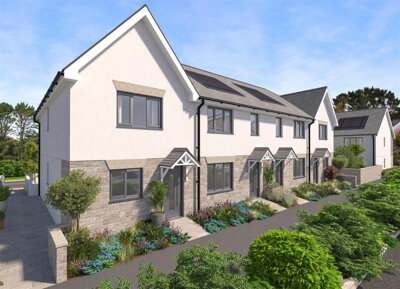
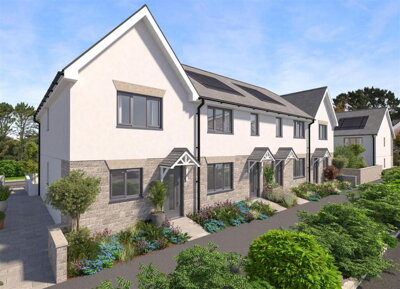
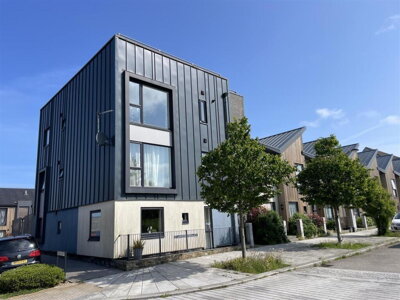
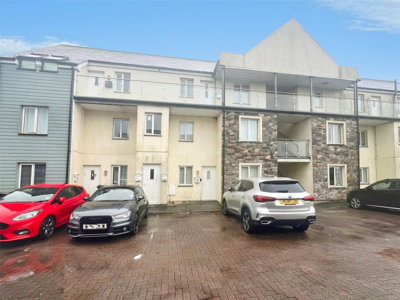
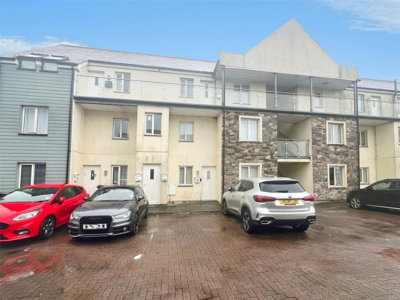
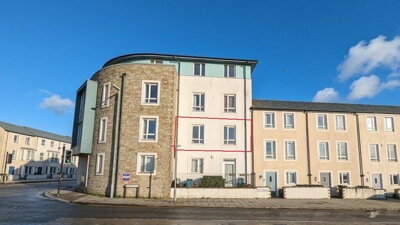
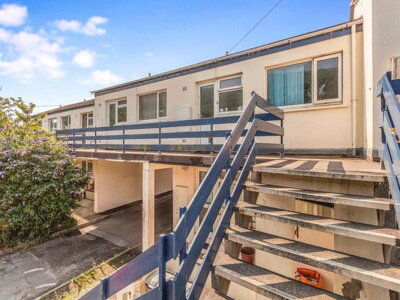
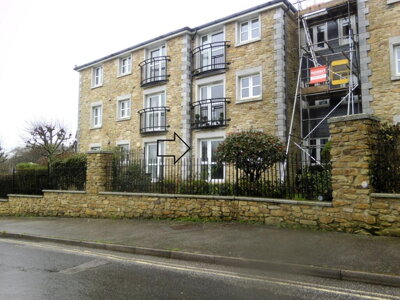
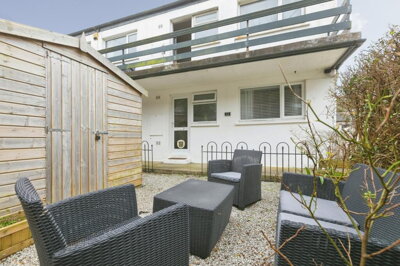
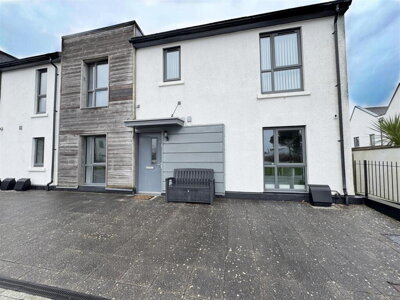
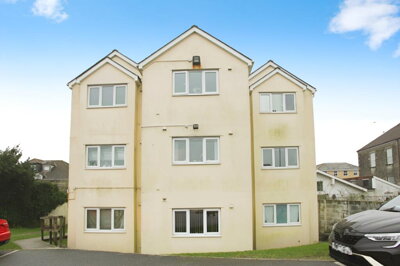
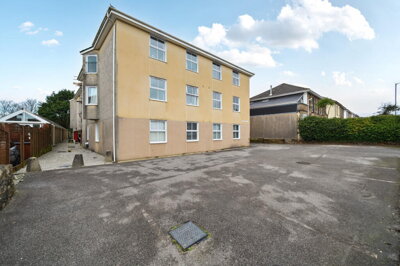
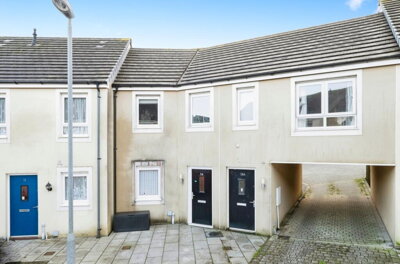
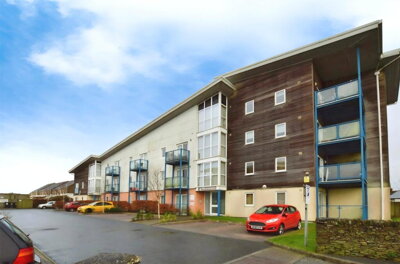
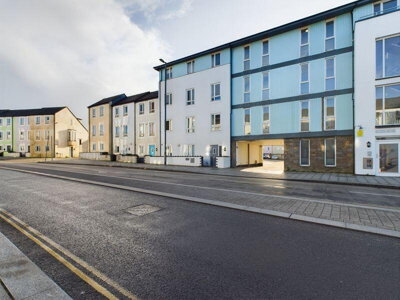
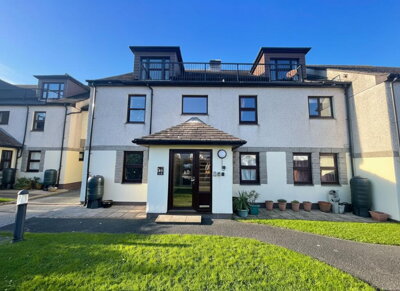
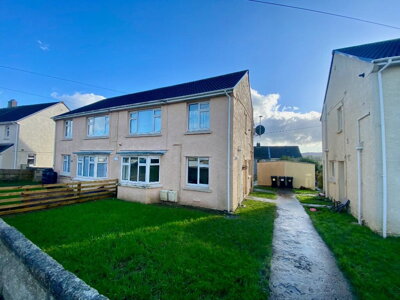
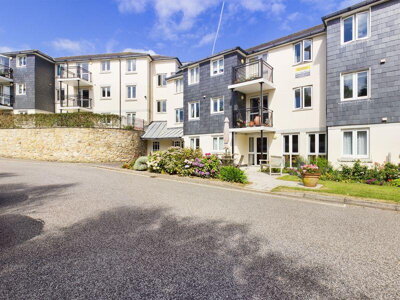
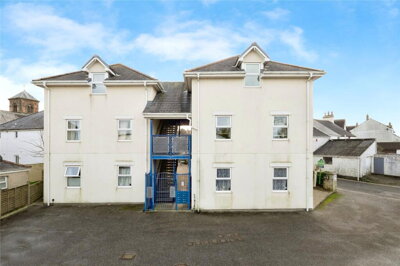
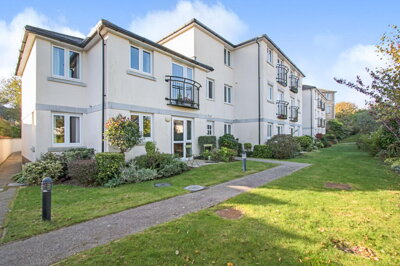
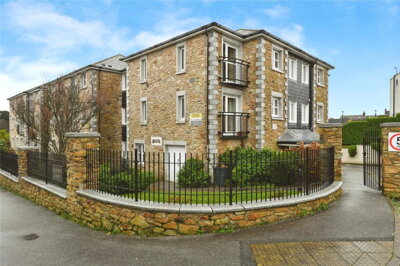
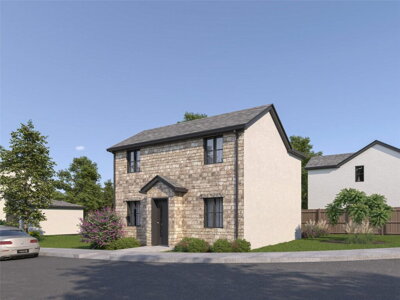
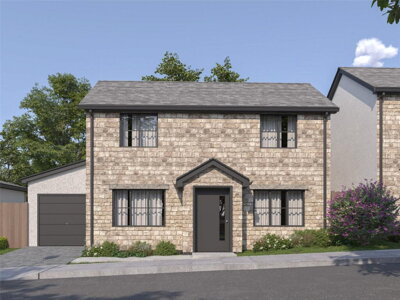
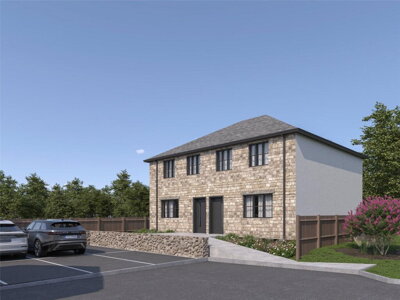
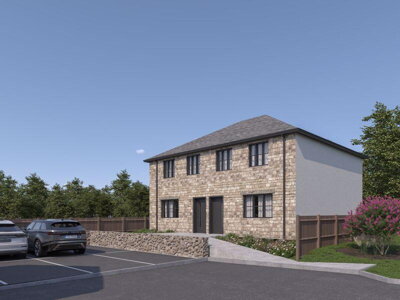
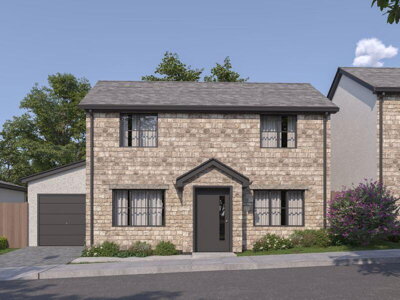
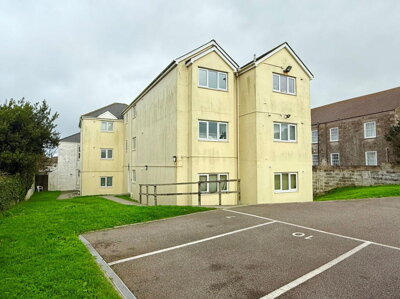
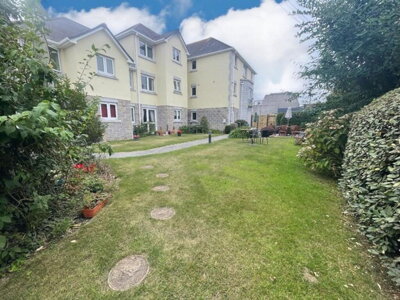
Browse 50 homes for sale in Illogan, Cornwall from local estate agents.
Studio apartments feature open-plan living spaces without separate bedrooms, incorporating sleeping, living, kitchen, and bathroom facilities. The Illogan studio market includes properties in modern apartment complexes, converted Victorian and Georgian buildings, and purpose-built developments.
£0k
0
0
0
Source: home.co.uk
Showing 0 results for Studio Flats for sale in Illogan, Cornwall.
The Bulwick property market operates within the NN17 postcode area, where sale prices have historically ranged from around £130,050 for smaller leasehold properties to approximately £794,602 for larger five-bedroom freehold homes. Within Bulwick itself, the village's conservation status and wealth of listed buildings naturally constrain supply, as properties rarely come to market and when they do, they attract considerable interest from buyers seeking authentic period homes. The average property price of £630,000 reflects the quality and character of homes available, with many properties dating back to the 17th and 18th centuries. This heritage housing stock includes traditional stone cottages, Georgian manor houses, and converted farm buildings that showcase the craftsmanship of earlier eras.
Property types in Bulwick are predominantly detached and semi-detached houses, with fewer terraced properties and an extremely limited supply of flats or apartments. This housing mix suits families and those seeking space, privacy, and connection to the surrounding countryside. The absence of new-build developments within the village means buyers are purchasing homes with genuine character and established gardens rather than modern constructions. Historical properties such as Home Farm, with its late 17th-century origins and thatched roof, represent the kind of distinctive homes that rarely appear on the open market. Prospective buyers should be prepared for competition when quality properties become available, particularly those with gardens, outbuildings, or proximity to the village centre.
The village's historic properties are predominantly constructed from traditional materials including coursed rubble with freestone dressings, ashlar stone, and in some cases, brick dating from when a kiln was established in the parish's south by 1845. These building materials reflect the local geology of the limestone and boulder clay plateau and have been used consistently across centuries of construction. When evaluating properties in Bulwick, we advise buyers to consider not only the age and character of the building but also the maintenance history of these traditional materials, as period construction methods require ongoing care that differs significantly from modern building practices.

Bulwick is a village defined by its relationship with the landscape, positioned on a limestone and boulder clay plateau that has shaped both its built environment and agricultural identity. The parish is crossed by Willow Brook, with additional watercourses running alongside the River Welland, creating a verdant corridor of meadows and natural habitat that has been actively restored in recent years. Areas once vulnerable to soil wash have been converted to grassland and habitat creation projects, reflecting the community's commitment to environmental stewardship. Bulwick Estates, a significant local landowner, undertakes large-scale environmental enhancement work alongside commercial arable farming, ensuring that the rural economy and landscape management go hand in hand.
The village centre revolves around St Nicholas Church, a Grade I listed building largely constructed of coursed rubble with freestone dressings and an ashlar tower that dominates the local skyline. The surrounding lanes, including Church Lane, Main Street, and Red Lodge Road, are lined with period properties and traditional stone cottages that contribute to the village's timeless character. A designated Conservation Area, established in 1971, protects the historic core of the village and ensures that new development respects the established architectural language. Local amenities include Bulwick Stores and Post Office, a Grade II listed building that serves as a vital community hub. The village war memorial and various historic cottages create a streetscape that rewards exploration on foot.
The wider parish offers extensive walking opportunities across farmland and meadowland, with the restored floodplain alongside the River Welland providing habitat for diverse wildlife. Bulwick Estates' environmental enhancement projects have created new grassland areas and restored natural corridors that improve biodiversity throughout the parish. For residents, this means access to countryside that is actively managed for both ecological and agricultural value, a balance that defines life in this part of North Northamptonshire. The proximity to the A14 corridor means that towns such as Corby, Kettering, and Stamford remain accessible for those seeking larger retail, healthcare, or employment opportunities.

Families considering a move to Bulwick will find a selection of educational options within reasonable driving distance, though the village itself does not host a primary or secondary school. Primary education is available in nearby villages and towns within North Northamptonshire, with several schools serving the surrounding rural community. Secondary education options include schools in Corby, Kettering, and Stamford, with transport arrangements varying by location. Parents should research individual school catchment areas and admission policies, as these can significantly impact schooling options for families relocating to the village.
The presence of numerous listed buildings and historic properties in Bulwick means that older children may benefit from studying local architecture and history as part of the national curriculum. The Grade I listed Church of St Nicholas and the Grade II* Bulwick Hall provide exceptional examples of English ecclesiastical and domestic architecture spanning several centuries. For families with children requiring sixth form education or further education college options, the nearby towns of Corby, Kettering, and Peterborough offer comprehensive facilities. Transport considerations should form part of any school search, as rural bus services may not always align with school start and finish times.
Our team has worked with families relocating to Bulwick from across the country, and we consistently advise parents to establish school placements before finalising property purchases. The rural catchment arrangements in North Northamptonshire mean that distances to primary schools can vary significantly depending on which village you reside in, and waiting lists at popular schools in nearby towns can be substantial. We recommend visiting potential schools during term time to assess facilities and speak directly with staff about admission likelihood for your circumstances.
Bulwick benefits from its position in North Northamptonshire, offering access to the A14 corridor that connects the region to the A1/M1 motorway network and to Cambridge, Peterborough, and the wider East Midlands. The village sits approximately 8 miles from Corby, which provides everyday shopping, healthcare, and railway station facilities. For commuters working in larger cities, this strategic positioning offers a balance between rural tranquility and practical connectivity. The A6116 and A43 provide routes toward Kettering and beyond, while the A47 offers connections to Peterborough to the east.
Rail services are accessible from Corby station, which offers regular services to London St Pancras International via the Midland Main Line, with journey times of approximately one hour forty minutes to the capital. Additional railway stations at Kettering and Market Harborough provide further commuting options and flexibility for residents who travel regularly for work. For air travel, Luton Airport and East Midlands Airport are both reachable within approximately ninety minutes by car. Local bus services connect Bulwick to nearby towns and villages, though frequency may be limited compared to urban routes, making car ownership practically essential for most residents.
The A14 itself has undergone significant improvements in recent years, enhancing connectivity between the East Midlands and the port facilities at Felixstowe. For Bulwick residents who travel for business, this improved road network reduces journey times to major logistics hubs and commercial centres across the region. We find that many buyers moving to Bulwick work either remotely, in nearby towns, or have accepted longer but manageable commutes as the trade-off for living in a village with exceptional character and countryside access.
Before arranging viewings, spend time understanding the local market. With only a handful of properties coming to market each year, the village rewards patient buyers who are prepared to act quickly when the right home becomes available. Review historic sale prices, understand the impact of the conservation area on permitted development rights, and familiarise yourself with the NN17 postcode area price trends. Our local market data shows that properties in Bulwick typically attract multiple interested buyers, making early preparation essential.
Unless you are purchasing with cash, obtain a mortgage agreement in principle before viewing properties. This demonstrates to sellers that you are a serious buyer with financing in place. Given the village's competitive market dynamics, having this documentation ready can make the difference when multiple buyers are interested in the same property. We work with mortgage brokers who understand the rural property market and can guide you through the process of securing finance for a Bulwick property.
View properties in person to assess their condition, orientation, and how they match your requirements. Pay particular attention to the age of the property, as many homes in Bulwick date from the 17th, 18th, and 19th centuries. Consider viewing properties at different times of day to understand light, noise, and the surrounding neighbourhood. We can accompany you on viewings and offer guidance on what to look for in period properties of this age and construction type.
Once you have had an offer accepted, instruct a RICS Level 2 Survey (Homebuyer Report) for properties in reasonable condition, or a RICS Level 3 Survey (Building Survey) for older, listed, or more complex properties. Given Bulwick's mining history, boulder clay geology, and presence of historic structures, a thorough survey is essential to identify any structural concerns or maintenance requirements. Our team regularly arranges surveys throughout the NN17 area and can recommend surveyors experienced with period and listed properties.
Choose a solicitor experienced in rural property transactions to handle the legal aspects of your purchase. They will conduct local authority searches, check drainage and rights of way, and ensure all documentation relating to the conservation area and listed building status is in order. We can provide recommendations for conveyancers who regularly work on Bulwick property transactions and understand the specific considerations for listed and conservation area properties.
Once all searches and surveys are satisfactory and contracts are signed, your solicitor will arrange the exchange of contracts and set a completion date. On completion day, the remaining balance is transferred and you receive the keys to your new home in Bulwick. We stay in touch throughout this process to ensure everything proceeds smoothly and can help coordinate any post-purchase requirements such as utility transfers and insurance arrangements.
Properties in Bulwick require careful inspection before purchase due to their age, construction materials, and local environmental factors. The village's geology presents specific considerations: the boulder clay plateau underlying the area can be subject to shrink-swell movement, particularly in areas of trees or changing moisture conditions. Any property showing signs of cracking, movement, or subsidence should be investigated thoroughly before commitment. A RICS Level 3 Building Survey is often advisable for older properties, as it provides a more comprehensive assessment than a standard inspection.
The historical mining activity associated with the Corby steel industry has left a legacy of over 500 acres of poorly restored ground within the parish, according to local research. This historical mining activity could potentially affect ground stability in some areas, and prospective buyers should seek assurances through appropriate searches and surveys. Properties located near Willow Brook or the River Welland should be checked for flood risk, as low-lying fields have historically been vulnerable to flooding and soil wash. Your surveyor should specifically note proximity to watercourses and any history of flooding or water management measures.
Many properties in Bulwick fall within the designated Conservation Area and are listed buildings, which imposes certain restrictions on alterations, extensions, and external changes. Grade I and Grade II* listed properties, such as the Church of St Nicholas and Bulwick Hall, require Listed Building Consent for most works. Buyers should understand these obligations before purchasing, as they can significantly affect future renovation plans and costs. The presence of traditional building materials such as thatch, as seen at Home Farm, also requires specialist maintenance knowledge and may incur higher insurance costs.
We strongly recommend that our clients budget for a comprehensive survey on any Bulwick property, given the age of the housing stock and the prevalence of historic building materials. Our inspectors are experienced in identifying common issues in period properties, including damp in solid-walled construction, roof condition in traditional builds, and the effects of thermal movement in older masonry. Thatched roofs, common on the oldest properties, require specialist knowledge and regular maintenance that differs significantly from conventional tiled roofs.
The average house price in Bulwick is currently around £630,000, based on recent sales data. This figure reflects the village's attractive mix of period properties, historic homes, and the limited supply of properties coming to market. The broader NN17 postcode area has seen substantial long-term growth, with prices increasing by 40.3% over the past decade, though the past twelve months have shown a modest correction of approximately 1.6% to 2%. Property prices can vary considerably depending on the size, condition, and listed status of individual homes, with sale prices historically ranging from around £130,050 for smaller leasehold properties to approximately £794,602 for larger five-bedroom freehold homes in the wider postcode area.
Bulwick falls under North Northamptonshire Council, which sets council tax bands based on property values as assessed by the Valuation Office Agency. Specific band information for individual properties can be obtained from North Northamptonshire Council's website or property listings, as bands vary from A through to H depending on the property's assessed value. Given the mix of property types in the village, from smaller period cottages to substantial historic homes, council tax bands will reflect this diversity. The village's concentration of listed buildings and historic properties means that many homes fall into higher council tax bands, and prospective buyers should factor this ongoing cost into their budgeting alongside purchase prices and survey fees.
Bulwick village does not have its own primary or secondary schools, so families typically rely on schools in nearby towns and villages. Primary schools in the surrounding North Northamptonshire area serve the local community, with parents advised to check individual school catchment areas and Ofsted ratings when considering a move. Secondary education is available at schools in Corby, Kettering, and Stamford, with school transport arrangements varying by location. The nearest sixth form and further education facilities are found in these larger towns, with comprehensive options available in Corby and Kettering for post-16 education. We recommend visiting potential schools during term time and speaking directly with admission offices, as rural catchment arrangements can be complex and waiting lists at popular schools in nearby towns are often substantial.
Bulwick is a rural village where public transport options are limited compared to urban areas. Local bus services connect the village to nearby towns and larger villages, but frequencies are likely to be lower than those found in cities. For commuting purposes, Corby station provides access to the Midland Main Line with services to London St Pancras International in approximately one hour forty minutes. The A14 and A43 provide road connections to Kettering, Peterborough, and the wider motorway network. Car ownership is practically essential for most residents, though the strategic position of Bulwick near the A14 corridor means that major towns and cities remain accessible for those who need to travel regularly for work or amenities.
Bulwick offers several factors that may appeal to property investors: its conservation status limits new supply, its proximity to the A14 corridor provides connectivity, and its historic character attracts buyers seeking period properties in a rural setting. Long-term price data shows the NN17 area has appreciated by over 40% in ten years. However, the village's small population and limited amenities mean rental demand may be more niche than in larger towns. Any investment should account for the costs of maintaining older, potentially listed properties, as maintenance requirements for period construction can be higher than for modern homes. The village's Conservation Area status and listed building concentrations also mean that permitted development rights are more restricted than in non-designated areas, which may affect future renovation or extension plans.
Stamp Duty Land Tax rates for 2024-25 are 0% on the first £250,000 of purchase price, 5% on £250,001 to £925,000, 10% on £925,001 to £1.5 million, and 12% on any amount above £1.5 million. First-time buyers benefit from relief on the first £425,000, with 5% charged between £425,001 and £625,000. Given Bulwick's average price of £630,000, a standard buyer would pay approximately £19,000 in stamp duty, while a first-time buyer with full relief eligibility would pay nothing on the first £425,000 and 5% on the remaining £205,000, totalling approximately £10,250. We recommend consulting with a conveyancing solicitor to confirm your exact stamp duty liability based on your circumstances and any applicable reliefs.
When viewing period properties in Bulwick, we advise paying particular attention to the condition of traditional building materials including stone walls, thatched or slate roofs, and original timber windows. Signs of damp, cracking, or movement should be noted and investigated through a subsequent RICS survey. The boulder clay geology underlying the village means that properties with large trees nearby may be susceptible to foundation movement, and we recommend checking for any history of subsidence or structural work. Properties near Willow Brook or the River Welland should be researched for flood risk, and buyers should ask about the age and condition of drainage systems, particularly for properties with private septic systems rather than mains sewage connections.
When purchasing a property in Bulwick, stamp duty costs form a significant part of your budget alongside the purchase price itself. For a typical home priced at the village average of £630,000, a standard buyer would pay stamp duty of approximately £19,000, calculated as 0% on the first £250,000 and 5% on the balance of £380,000. First-time buyers who meet the eligibility criteria would benefit from relief on the first £425,000, reducing their stamp duty liability to approximately £10,250 on the same property. These figures underline the importance of factoring all purchase costs into your budget when planning your move to Bulwick.
Beyond stamp duty, buyers should budget for survey costs, legal fees, and various other expenses associated with purchasing property. A RICS Level 2 Survey typically costs between £400 and £800 depending on property size and value, while a more comprehensive RICS Level 3 Survey may range from £600 to over £1,000. Properties in Bulwick, given their age and potential for complex issues, may warrant the additional investment of a Level 3 survey. Conveyancing costs vary but typically start from around £499 for standard transactions, with additional costs for local authority searches, land registry fees, and disbursements. Factor in mortgage arrangement fees, broker costs if applicable, and removal expenses when planning your total moving budget.
Additional costs specific to Bulwick properties may include specialist surveys for listed buildings, which can cost more than standard inspections due to the additional expertise required. Thatched roof properties will require specialist insurance coverage, which can be more expensive than standard policies. Properties with private drainage systems may require septic tank surveys or upgrades to meet current regulations. We recommend setting aside a contingency fund of at least 5-10% of the purchase price for unexpected works identified during survey or for costs arising from the historic nature of the property.
From 4.5%
Professional mortgage advice and competitive rates for your Bulwick property purchase
From £499
Expert legal services for your property transaction, including rural and listed property expertise
From £350
Comprehensive homebuyer report for properties in reasonable condition
From £600
Detailed building survey for older, listed, or complex properties
Properties for Sale In London

Properties for Sale In Plymouth

Properties for Sale In Liverpool

Properties for Sale In Glasgow

Properties for Sale In Sheffield

Properties for Sale In Edinburgh

Properties for Sale In Coventry

Properties for Sale In Bradford

Properties for Sale In Manchester

Properties for Sale In Birmingham

Properties for Sale In Bristol

Properties for Sale In Oxford

Properties for Sale In Leicester

Properties for Sale In Newcastle

Properties for Sale In Leeds

Properties for Sale In Southampton

Properties for Sale In Cardiff

Properties for Sale In Nottingham

Properties for Sale In Norwich

Properties for Sale In Brighton

Properties for Sale In Derby

Properties for Sale In Portsmouth

Properties for Sale In Northampton

Properties for Sale In Milton Keynes

Properties for Sale In Bournemouth

Properties for Sale In Bolton

Properties for Sale In Swansea

Properties for Sale In Swindon

Properties for Sale In Peterborough

Properties for Sale In Wolverhampton

Enter your details to see if this property is within your budget.
Loans, cards, car finance
Estimated property budget
Borrowing + deposit
You could borrow between
Typical borrowing
Monthly repayment
Est. at 4.5%
Loan-to-value
This is an estimate only. Your actual budget may vary depending on interest rates, credit history, and personal circumstances. For an accurate affordability assessment, speak to one of our free mortgage advisors.
This calculator provides estimates for illustrative purposes only and does not constitute financial advice. Your home may be repossessed if you do not keep up repayments on your mortgage. Estimates based on 4.5% interest rate, repayment mortgage. Actual rates depend on your circumstances.
Homemove is a trading name of HM Haus Group Ltd (Company No. 13873779, registered in England & Wales). Homemove Mortgages Ltd (Company No. 15947693) is an Appointed Representative of TMG Direct Limited, trading as TMG Mortgage Network, which is authorised and regulated by the Financial Conduct Authority (FRN 786245). Homemove Mortgages Ltd is entered on the FCA Register as an Appointed Representative (FRN 1022429). You can check registrations at NewRegister or by calling 0800 111 6768.

We use cookies to show you personalised content and improve your experience of our website. Find out more in our Privacy policy and Cookie policy.