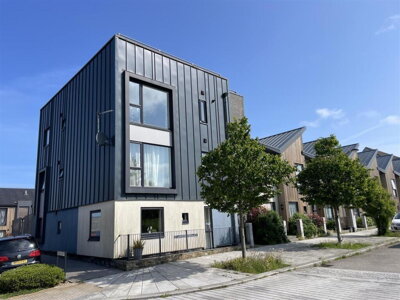
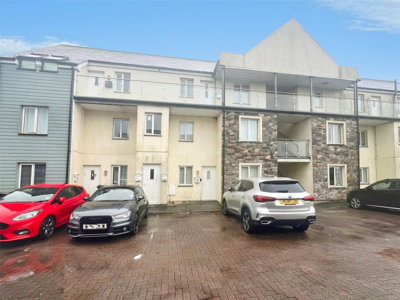
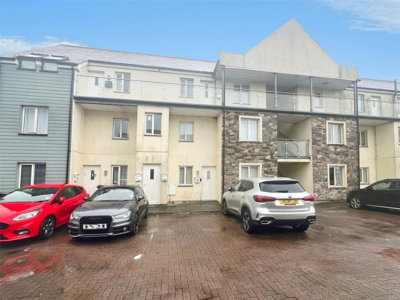
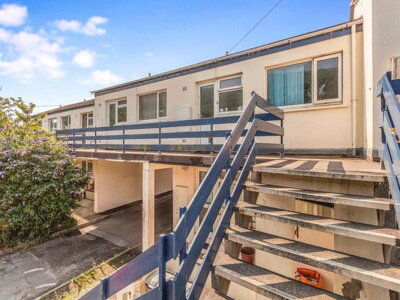
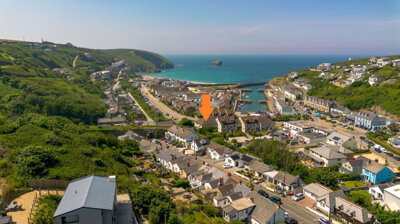
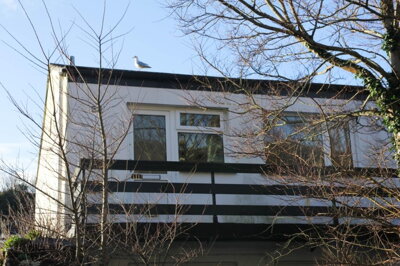
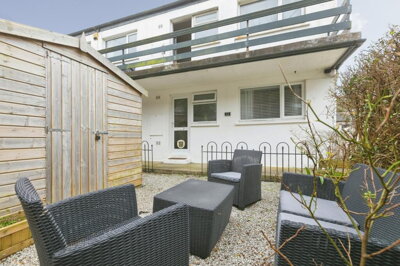
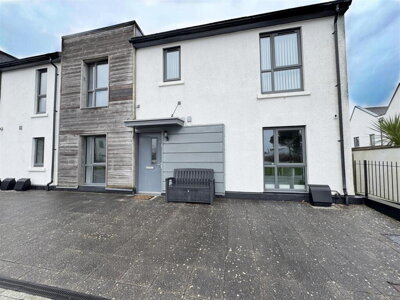
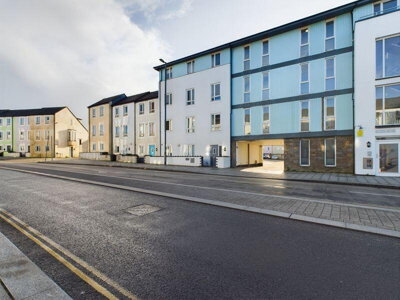
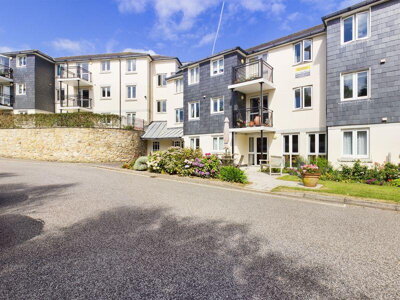
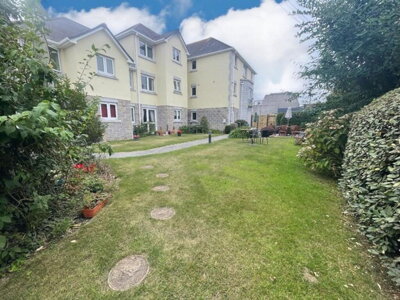
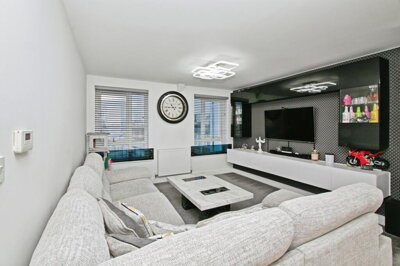
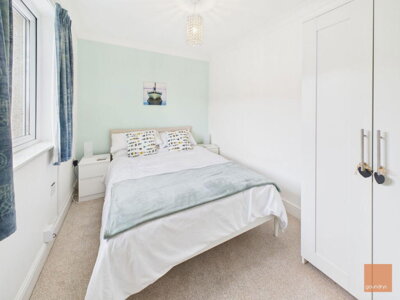
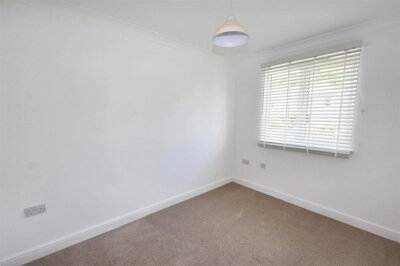
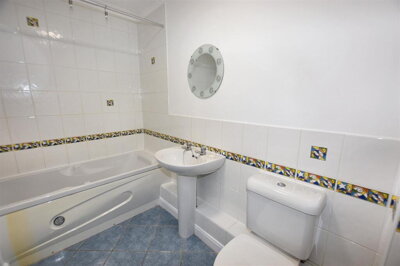
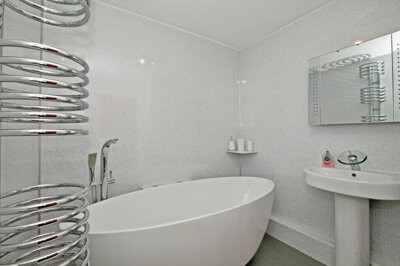
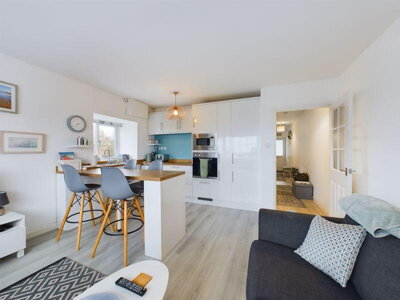
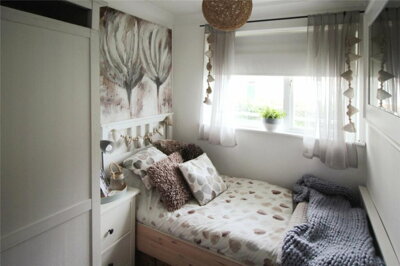
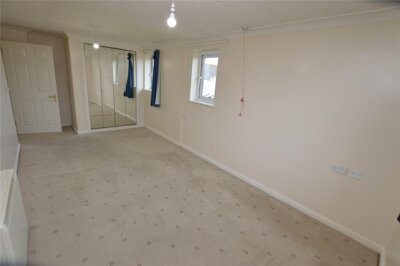
Browse 19 homes for sale in Illogan, Cornwall from local estate agents.
The 2 bed flat sector typically includes two separate bedrooms, dedicated living areas, and bathroom facilities. Properties in Illogan span purpose-built blocks, converted period houses, and modern apartment complexes on various floors.
£0k
0
0
0
Source: home.co.uk
Showing 0 results for 2 Bedroom Flats for sale in Illogan, Cornwall.
The Bulwick property market is characterised by its blend of historic period properties and traditional rural homes. Properties in the NN17 postcode area have sold for between £130,050 for smaller leasehold flats and £794,602 for substantial five-bedroom family homes, though Bulwick itself tends to attract buyers seeking character properties at the higher end of this spectrum. The village has no active new-build developments, meaning that buyers looking for character and heritage will find an abundance of traditional stone and brick properties, many of which date back several centuries.
Historical records indicate that Bulwick was home to 99 families in 1673 and 92 families by 1801, with few houses of significant size being added during the early 19th century. This historical settlement pattern has contributed to a housing stock that includes a notable proportion of older properties, including listed buildings and homes constructed using traditional materials such as coursed rubble, freestone, and ashlar. Bulwick Hall, dating from around 1730 with 19th-century additions and incorporating elements from 1676, represents just one example of the architectural heritage available in this village.
The local market also reflects the influence of Bulwick Estates, a significant landowner actively involved in conservation and land management. The estate's commercial arable crops and environmental schemes contribute to the rural economy and landscape character that defines the village. Properties within the conservation area, established on January 22, 1971, benefit from protections that preserve the village's historic character, though buyers should be aware that planning restrictions may apply to modifications and extensions.

Bulwick offers a quintessential English village lifestyle set against the backdrop of North Northamptonshire's scenic countryside. The village is defined by its limestone and boulder clay plateau landscape, with pockets of free-draining sandy soils on exposed ironstone outcrops creating varied terrain within the parish. The area has a long history of human settlement, with archaeological evidence and historical records tracing village life back to at least the 17th century. The presence of the Parish Church of St. Nicholas, largely constructed of coursed rubble with freestone dressings and ashlar tower, serves as a focal point for the community.
The local community is served by Bulwick Stores and Post Office, a Grade II listed building that provides essential everyday amenities. The village pub, traditional architecture, and network of public footpaths across surrounding farmland offer residents opportunities for social connection and outdoor recreation. Willow Brook crosses the parish, flowing through countryside that has been managed to restore floodplain meadow and provide habitat for wildlife. The proximity to the River Welland and the restoration of cultivated land to grassland demonstrates the community's commitment to environmental stewardship.
For everyday necessities, residents typically travel to nearby towns such as Corby, which offers supermarkets, shops, and healthcare facilities. The village's small population of 161 residents creates an intimate community atmosphere where neighbours are likely to know one another. Cultural attractions in the wider area include historic estates, country parks, and market towns with regular farmers markets and artisan shops. The combination of rural tranquility and access to urban amenities makes Bulwick particularly attractive to buyers seeking a balanced lifestyle.
Families considering a move to Bulwick will find a selection of educational options within reasonable travelling distance. While the village itself is small and does not host its own primary school, the surrounding North Northamptonshire area offers a range of primary schools in nearby villages and towns. Parents should research specific catchment areas and admissions criteria when considering properties, as school places can be competitive in popular villages. Secondary education options in the area include schools in Corby and surrounding towns, with various transport arrangements available for families.
The presence of several historic estates and the Bulwick Hall estate suggests an established community with families who have historically valued education. Parents should note that some properties in the village, particularly those with longer commutes to schools, may require careful planning regarding transportation arrangements. For families seeking private education, the wider North Northamptonshire area offers several independent schools, and research into specific options is recommended as part of the property search process.
Further education opportunities are available in nearby towns, with colleges and sixth form centres offering a broad curriculum for students progressing beyond GCSE level. The proximity to larger towns means that residents have access to educational institutions ranging from primary through to further and higher education without necessarily needing to relocate to a major city. This makes Bulwick suitable for families at various stages of their educational journey.

Bulwick benefits from a strategic location within North Northamptonshire, offering reasonable connectivity to major urban centres while maintaining its rural character. The village sits within easy reach of the A14 and A1 corridor, providing road connections to Peterborough, Leicester, and Northampton. For commuters working in larger cities, the transport links offer a viable option for those who split their time between home working and office attendance. The nearest railway stations can be found in surrounding towns, offering connections to the broader national rail network.
Local bus services connect Bulwick with nearby towns and villages, providing options for those who prefer not to drive. However, as with many rural villages, public transport frequency may be limited compared to urban areas, and residents often find that a car is essential for daily life. For cycling enthusiasts, the North Northamptonshire countryside offers scenic routes through farmland and villages, though the local topography includes some undulating terrain associated with the limestone plateau.
The proximity to Corby, approximately 10-15 minutes by car, provides access to additional transport options and amenities including supermarkets, healthcare facilities, and recreational centres. Kettering and Peterborough are within reasonable driving distance, offering direct rail connections to London and other major cities. For air travel, Luton Airport and East Midlands Airport provide international connections within approximately 90 minutes driving time. This connectivity makes Bulwick attractive to buyers who need to commute occasionally while prioritising rural living.
Begin by exploring the Bulwick property market through Homemove, reviewing available listings and understanding price trends. The village's average property price of £630,000 and the NN17 area's 40.3% ten-year growth provide useful context for your search. Take time to understand what makes each property unique given the village's heritage status and traditional construction methods.
Before viewing properties, arrange a mortgage agreement in principle with a lender. This strengthens your position when making offers and demonstrates to sellers that you have secured financing. Lenders familiar with rural Northamptonshire properties can advise on valuation considerations for older homes and listed buildings that may affect mortgage assessments.
View selected properties in person, paying attention to the construction materials and condition of older properties. Given Bulwick's heritage properties and conservation area status, consider how any works might be affected by planning restrictions. Properties constructed from traditional materials such as coursed rubble, ashlar, or thatch may require specialist maintenance approaches.
Once your offer is accepted, arrange a RICS Level 2 Survey to assess the property condition. For older properties or those with complex features, a RICS Level 3 Building Survey may be more appropriate. Given Bulwick's geological setting on boulder clay and proximity to historical mining areas, our inspectors pay particular attention to potential ground movement and subsidence indicators.
Choose a solicitor to handle the legal aspects of your purchase, including local searches, contracts, and registration with the Land Registry. Your solicitor should investigate any historical mining records, flood risk from Willow Brook or the River Welland, and conservation area implications specific to the NN17 postcode.
Once all searches are satisfactory and finances are confirmed, exchange contracts and set a completion date. On completion day, you receive the keys and can move into your new Bulwick home.
Properties in Bulwick present unique considerations for prospective buyers, particularly given the village's heritage status and geological characteristics. A significant proportion of homes in the village are over 50 years old, with many dating back several centuries. The presence of traditional construction materials such as coursed rubble, ashlar, and thatch means that specialist knowledge may be required to properly assess condition and maintenance requirements. Before purchasing, consider commissioning a thorough building survey that accounts for the age and construction type of the property.
The local geology presents several factors to consider. Bulwick sits on a limestone and boulder clay plateau, and the presence of boulder clay can be associated with shrink-swell risk, a potential factor in subsidence issues. Additionally, the area has a long history of ironstone mining associated with the Corby steel industry, with over 500 acres of poorly restored ground within the parish. This historical mining activity could pose risks of ground instability or subsidence, and buyers should investigate the location of any former mining activity relative to the property they are considering. Our surveyors have identified that properties in areas with historical mining often show distinctive settlement patterns that require careful assessment.
Flood risk is another consideration for certain properties in Bulwick. The village is crossed by Willow Brook and lies near the River Welland, with historical records indicating that cultivated land alongside the river has been converted to grassland due to soil wash and flood risk. Properties in low-lying areas near watercourses may be more susceptible to surface water flooding, and appropriate investigations should be undertaken as part of the conveyancing process. The presence of a conservation area and numerous listed buildings also means that planning restrictions may affect any future modifications, extensions, or renovations.
Common defects our inspectors find in Bulwick's older properties include damp issues related to traditional construction methods, roof problems particularly on thatched properties like those at Home Farm, and movement in walls caused by thermal and moisture cycles affecting traditional masonry. Properties with original timber lintels may show signs of decay, and metal tie failures in older stone walls can lead to bulging. A RICS Level 3 Building Survey is often recommended for properties of this age and complexity, as it provides the detailed assessment needed for historic buildings with non-standard construction.
When searching for homes for sale in Bulwick, understanding the local search requirements is essential for a smooth transaction. Local searches conducted by your conveyancing solicitor will include planning history for the property and surrounding area, environmental risk assessments covering flood zones near Willow Brook and the River Welland, and mining records relevant to the area's ironstone extraction heritage. Given that over 500 acres of poorly restored ground exists within the parish, a mining search is particularly important for properties in certain locations.
The Bulwick conservation area, designated in 1971, covers the historic core of the village and imposes restrictions on modifications to properties within its boundaries. If you are considering any alterations, extensions, or even significant external changes, you will need to apply for conservation area consent from North Northamptonshire Council in addition to standard planning permission. This can affect renovation budgets and timelines, and our team can advise on what to expect based on your specific property and plans.
Listed buildings in Bulwick, which include the Church of St Nicholas (Grade I), Bulwick Hall (Grade II*), and numerous other properties along Church Lane, Main Street, and Red Lodge Road, are subject to additional controls. Works to listed structures require Listed Building Consent, and maintenance must often use appropriate traditional materials and techniques. These requirements can increase both the cost and time needed for any building work, but they also help preserve the character and value of these unique properties.
When purchasing a property in Bulwick, budget planning should account for various costs beyond the purchase price. Stamp Duty Land Tax is calculated on a tiered system: there is no duty on the first £250,000, 5% on the portion between £250,001 and £925,000, 10% on the portion between £925,001 and £1.5 million, and 12% on any amount exceeding £1.5 million. For a typical Bulwick property at the village average of £630,000, a standard buyer would incur approximately £19,250 in stamp duty, while a first-time buyer might pay around £10,250 assuming eligibility for the increased threshold.
Survey costs should also be factored into your budget. RICS Level 2 Surveys typically range from £400 to £1,000 depending on property size, age, and complexity. For Bulwick's older properties, which may include historic features and traditional construction, a more comprehensive Level 3 Building Survey might be advisable despite the higher cost. The presence of thatched roofs, period stonework, and listed building status can increase the complexity of surveys and the associated fees. Surveyors may also charge premiums for properties requiring specialist assessment or located in remote areas.
Legal costs for conveyancing typically range from £500 to £1,500 depending on complexity and whether the property is freehold or leasehold. Additional costs include local searches, which in North Northamptonshire cover matters such as planning history, environmental risks including potential flooding from Willow Brook or River Welland, and any mining records relevant to the area's industrial heritage. Land Registry registration fees, mortgage arrangement fees, and moving costs complete the typical buyer budget. Obtaining a mortgage agreement in principle before beginning your property search is strongly recommended, as this clarifies your budget and strengthens your negotiating position.
The average property price in Bulwick is currently £630,000. Over the past 12 months, house prices in the area have decreased by approximately 1.6%, though the wider NN17 postcode area shows a 40.3% increase in property values over the past decade. Properties in the NN17 area have sold for between £130,050 and £794,602 depending on size, type, and condition. Given the village's heritage properties and conservation area status, homes for sale in Bulwick typically attract buyers seeking character properties rather than newer developments.
Properties in Bulwick fall under the North Northamptonshire Council authority for council tax purposes. Specific bandings will vary depending on the property value and type, ranging from Band A for smaller properties through to Band H for the most valuable homes. North Northamptonshire Council provides banding information through the Valuation Office Agency, and buyers can verify the council tax band for any specific property through local searches conducted during the conveyancing process.
While Bulwick itself is a small village without its own school, the surrounding North Northamptonshire area offers various primary and secondary education options. Schools in nearby towns such as Corby serve the local community, and parents should research specific catchment areas and admissions criteria as places can be competitive in popular villages. The area includes both state and independent schooling options, with several well-regarded schools within reasonable travelling distance of the village. Transport arrangements should be considered when viewing properties, particularly for families with school-age children.
Bulwick has limited public transport options typical of a small rural village. Local bus services connect the village to nearby towns and villages, though frequencies may be lower than in urban areas. For commuting and daily travel, most residents rely on private vehicles. The village is well positioned for road travel, with access to the A14 and A1 corridor within reasonable driving distance, connecting to larger towns and cities including Peterborough, Northampton, and Leicester. Kettering railway station provides direct rail connections to London St Pancras.
The Bulwick property market has demonstrated resilience and long-term growth, with the NN17 postcode area showing 40.3% appreciation over ten years despite recent modest fluctuations. The village's conservation area status, historic properties, and rural character attract buyers seeking quality homes for sale in Bulwick's Northamptonshire countryside. Properties in conservation areas often maintain their value well, and the limited supply of homes in such villages can support prices. However, buyers should consider that rural village markets can be less liquid than urban markets, and properties may take longer to sell during quieter periods.
Stamp Duty Land Tax rates from April 2024 are 0% on the first £250,000 of property value, 5% on £250,001 to £925,000, 10% on £925,001 to £1.5 million, and 12% above £1.5 million. First-time buyers benefit from relief on the first £425,000, with 5% applied between £425,001 and £625,000. Given Bulwick's average price of £630,000, a typical buyer purchasing at this price would pay approximately £19,250 in stamp duty, while a first-time buyer eligible for relief would pay around £10,250.
Yes, prospective buyers should be aware of specific ground stability considerations in Bulwick. The village sits on limestone and boulder clay geology, with the boulder clay presenting potential shrink-swell risk that can contribute to subsidence issues. More significantly, the area has a long history of ironstone mining associated with the Corby steel industry, with over 500 acres of poorly restored ground within the parish. A mining search should be requested during conveyancing to establish whether any historical mining activity affects the specific property location.
Properties within the Bulwick conservation area, designated in 1971, are subject to planning restrictions that require conservation area consent for certain works including demolition, extensions, and significant external alterations. Listed buildings, which include the Grade I Church of St Nicholas and the Grade II* Bulwick Hall, require Listed Building Consent for any works that would affect their character. These restrictions help preserve the village's historic architecture but can affect renovation projects and should be considered when budgeting for any planned works.
Properties for Sale In London

Properties for Sale In Plymouth

Properties for Sale In Liverpool

Properties for Sale In Glasgow

Properties for Sale In Sheffield

Properties for Sale In Edinburgh

Properties for Sale In Coventry

Properties for Sale In Bradford

Properties for Sale In Manchester

Properties for Sale In Birmingham

Properties for Sale In Bristol

Properties for Sale In Oxford

Properties for Sale In Leicester

Properties for Sale In Newcastle

Properties for Sale In Leeds

Properties for Sale In Southampton

Properties for Sale In Cardiff

Properties for Sale In Nottingham

Properties for Sale In Norwich

Properties for Sale In Brighton

Properties for Sale In Derby

Properties for Sale In Portsmouth

Properties for Sale In Northampton

Properties for Sale In Milton Keynes

Properties for Sale In Bournemouth

Properties for Sale In Bolton

Properties for Sale In Swansea

Properties for Sale In Swindon

Properties for Sale In Peterborough

Properties for Sale In Wolverhampton

Enter your details to see if this property is within your budget.
Loans, cards, car finance
Estimated property budget
Borrowing + deposit
You could borrow between
Typical borrowing
Monthly repayment
Est. at 4.5%
Loan-to-value
This is an estimate only. Your actual budget may vary depending on interest rates, credit history, and personal circumstances. For an accurate affordability assessment, speak to one of our free mortgage advisors.
This calculator provides estimates for illustrative purposes only and does not constitute financial advice. Your home may be repossessed if you do not keep up repayments on your mortgage. Estimates based on 4.5% interest rate, repayment mortgage. Actual rates depend on your circumstances.
Homemove is a trading name of HM Haus Group Ltd (Company No. 13873779, registered in England & Wales). Homemove Mortgages Ltd (Company No. 15947693) is an Appointed Representative of TMG Direct Limited, trading as TMG Mortgage Network, which is authorised and regulated by the Financial Conduct Authority (FRN 786245). Homemove Mortgages Ltd is entered on the FCA Register as an Appointed Representative (FRN 1022429). You can check registrations at NewRegister or by calling 0800 111 6768.

We use cookies to show you personalised content and improve your experience of our website. Find out more in our Privacy policy and Cookie policy.