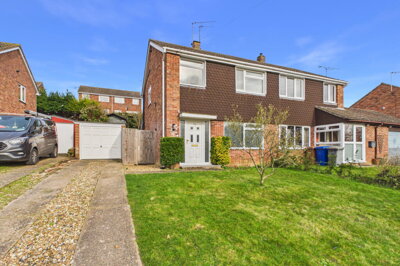
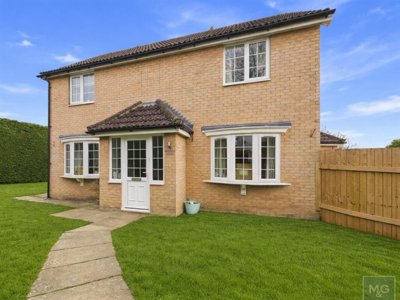
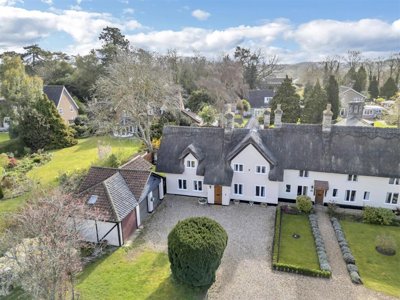
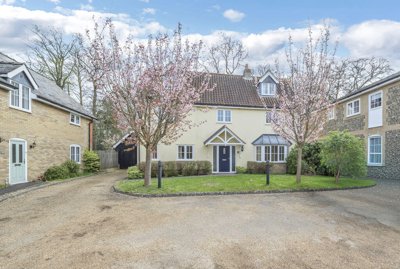
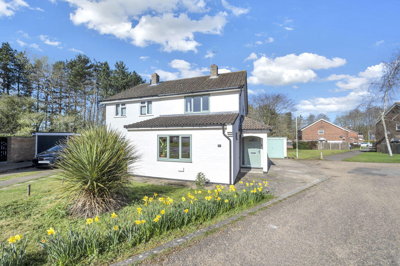
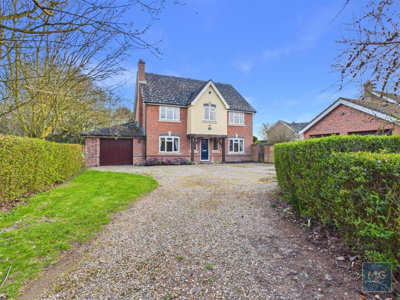
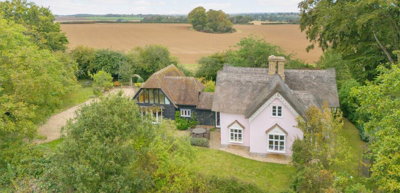
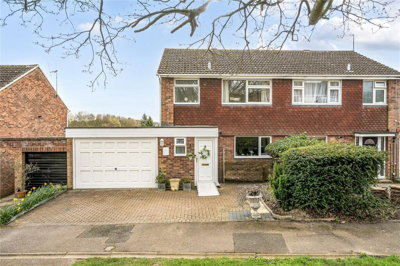
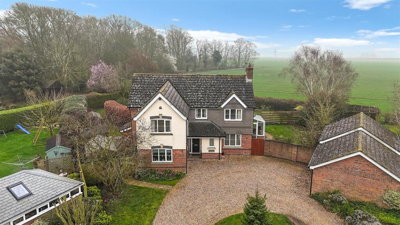
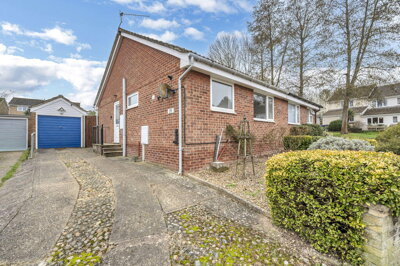
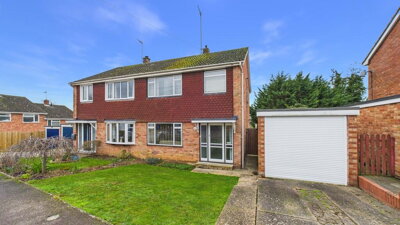
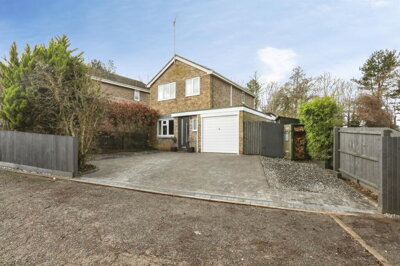
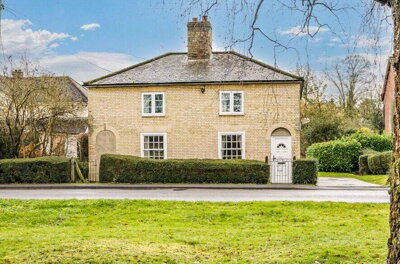
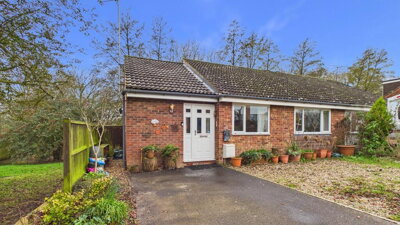
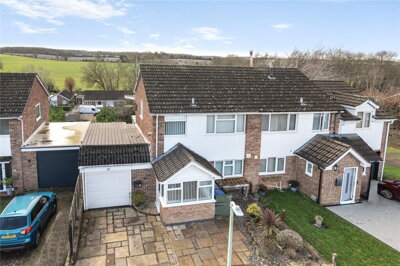
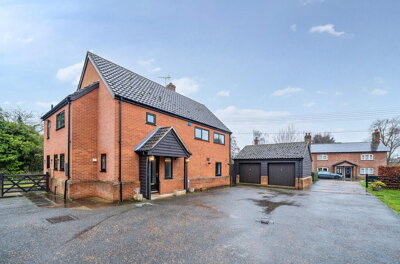
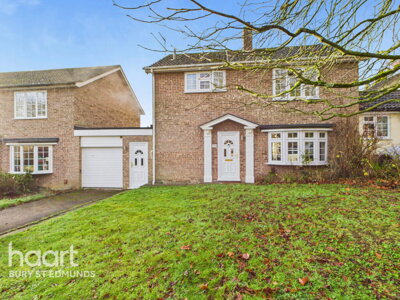
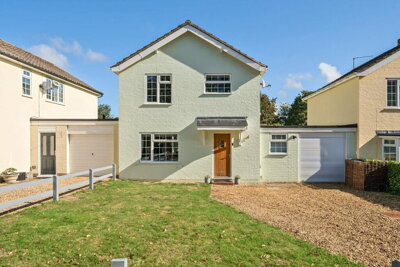
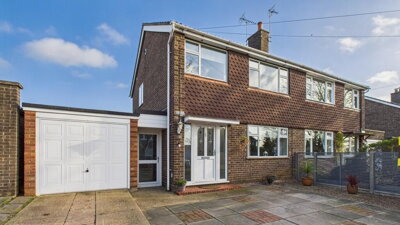
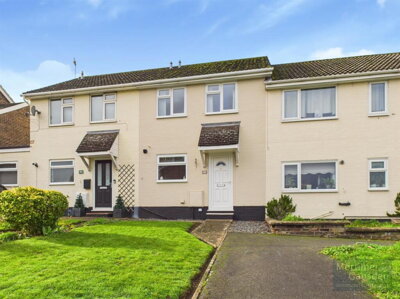
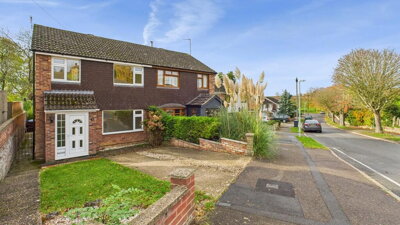
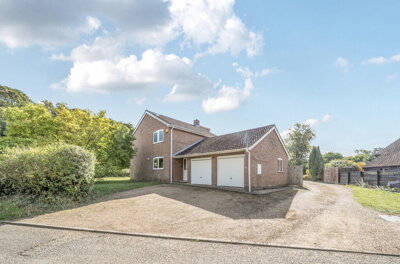
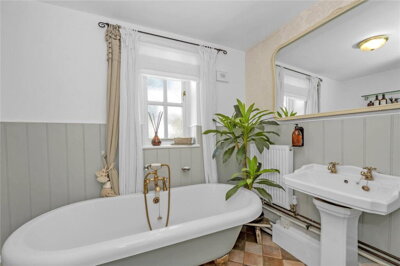
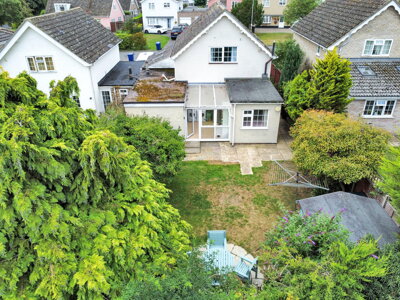
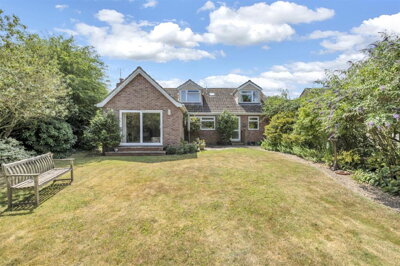
Browse 30 homes for sale in Ickworth, West Suffolk from local estate agents.
£0k
0
0
0
Source: home.co.uk
The residential property market in Ickworth operates on a very different rhythm from mainstream housing markets. Most of the civil parish falls within the National Trust's ownership, meaning the private housing stock is genuinely limited. Available properties typically appear infrequently, with buyers often acquiring homes through private sales rather than open market listings. The IP29 postcode area, which covers Ickworth Park and parts of the surrounding estate, provides the most relevant reference point for property values in this immediate vicinity.
Recorded sales within the Ickworth Park area illustrate the nature of this market. Dairy Wood Cottage sold for £675,000 in June 2021, while Mordaboys, a historic estate cottage, last changed hands for £510,000 in October 2009. Properties in this area tend to be substantial period homes or historic cottages rather than modern developments, reflecting the estate's architectural heritage. Given the limited volume of transactions, comprehensive price trend data for the civil parish itself is not available, though broader trends in the Bury St Edmunds area may provide useful context for market direction.
New build development within the Ickworth civil parish remains effectively absent by design. The National Trust's stewardship of the estate prioritises conservation over expansion, meaning significant residential development is unlikely. For buyers seeking character properties in protected landscapes, this scarcity enhances the appeal of whatever properties do become available. The existing housing stock skews heavily towards older, historic properties, many of which carry listed building status requiring specialist consideration during purchase.
The composition of the local housing stock reflects the estate's heritage management. Census data from the broader area indicates virtually no terraced housing or purpose-built flats within the civil parish, with the vast majority of dwellings being detached period properties. This unique profile means buyers in Ickworth are invariably purchasing substantial family homes or specialist heritage properties rather than conventional residential stock.

Life in Ickworth revolves around the extraordinary Ickworth Estate, one of the National Trust's most treasured properties in Suffolk. The estate encompasses Ickworth House, an Italianate palace of considerable architectural distinction that serves as the focal point for the surrounding parkland. Residents of the village enjoy access to the estate's grounds, which include meadows, woodlands, and a variety of protected habitats managed for wildlife. The Grade II* listed park and garden status reflects its national significance, creating an exceptional backdrop for daily life.
The village character is fundamentally shaped by its heritage. Ickworth House itself bears Grade I listing as one of the most important buildings in the region, while St Mary's Church holds Grade II* status. Throughout the estate, twelve listed structures contribute to an exceptionally rich built heritage. The presence of buildings such as the Summerhouse, the Coach House, and the distinctive thatched Mordaboys Cottages creates a village atmosphere steeped in history, where centuries of architectural tradition are woven into the landscape.
The local economy reflects the estate's prominence, with the National Trust serving as a significant employer in the immediate area. Tourism related to Ickworth House and its grounds contributes to the wider economy, supporting businesses in nearby Bury St Edmunds. For residents, the proximity to this thriving market town provides essential services, shopping, and employment opportunities while maintaining the rural character that defines Ickworth itself.
Those considering properties in lower-lying areas of the estate should investigate flood risk as part of their due diligence. The River Linnet flows through the estate grounds, and while specific flood risk data for individual properties is not publicly available at granular level, general assessment for areas near watercourses is advisable. Properties set back from the river and positioned on higher ground within the parkland may present lower flood risk, though professional surveys can confirm specific conditions for any property under serious consideration.

Families considering a move to Ickworth will find educational provision primarily located in the nearby town of Bury St Edmunds, approximately three miles to the north-east. The town offers a comprehensive range of schooling options across all phases, from nursery and primary through to secondary and sixth form education. Several primary schools in Bury St Edmunds serve the surrounding villages, with places sometimes allocated based on proximity, making early enquiries about school admissions essential for families relocating to the Ickworth area.
Primary schools in Bury St Edmunds serving the wider catchment include several rated good or outstanding by Ofsted, though specific catchment boundaries can extend considerable distances from the town centre. Parents should verify directly with Suffolk County Council's admissions team which specific schools serve the IP29 postcode area, as oversubscription policies mean that proximity to school buildings is a key factor in allocation. Early registration is particularly important given the rural nature of the area and potentially limited school transport options.
Secondary education in the vicinity includes several well-regarded options within Bury St Edmunds. The town's grammar schools serve students from across West Suffolk, with admission typically determined by the 11-plus examination taken during primary education. For families seeking independent schooling, Bury St Edmunds and the wider Suffolk area offer various private options. Parents should note that school catchment areas can extend considerable distances from the town centre, so verifying which schools serve the specific postcode of any property consideration is important before committing to a purchase.

Connectivity from Ickworth benefits significantly from its proximity to Bury St Edmunds, which serves as the principal transport hub for this part of West Suffolk. The A14 trunk road passes near Bury St Edmunds, providing direct access to Cambridge to the north-west and Felixstowe's port to the south-east. For commuters, this road connection opens routes to employment centres across East Anglia and beyond, though journey times to major cities such as London require careful planning given the distances involved.
Rail services from Bury St Edmunds station offer connections to Cambridge and Ipswich, with onward links to London's Liverpool Street station available via the Greater Anglia network. Journey times to the capital typically fall between one and a half and two hours by train, positioning Bury St Edmunds as a viable option for occasional commuting while benefiting from the significantly lower property prices compared to London and its surrounds. For daily commuting, the train service provides a practical alternative to road travel, particularly given parking constraints in major centres.
Local bus services operate between Bury St Edmunds and surrounding villages, providing essential connectivity for those without private vehicles. However, service frequencies are likely limited given the rural nature of the area, making car ownership practical necessity for most residents of Ickworth. The narrow rural lanes characteristic of the area, while picturesque, require appropriate caution from cyclists. For air travel, London Stansted and Norwich airports provide international connections within reasonable driving distance, typically under 90 minutes for Stansted.

Given the limited number of properties available in this area, understanding what is currently on offer requires regular monitoring of property listings. The unique nature of properties here, many of which carry listed building status or sit within the National Trust estate, means standard market research may require supplementary investigation. Engaging with local estate agents in Bury St Edmunds who understand the Ickworth area can provide early intelligence on upcoming opportunities before they reach mainstream listing portals.
Before arranging viewings or making offers, securing a mortgage agreement in principle strengthens your position as a buyer. Given that properties in Ickworth often represent substantial investments, having your financing arranged demonstrates serious intent to sellers. Contact our mortgage partners to compare rates and find the most suitable arrangement for your circumstances, particularly given the varied property types from historic cottages to substantial estate residences.
Viewing period properties and heritage homes in Ickworth requires careful preparation. Many estate properties have unique characteristics and potential maintenance requirements that warrant thorough inspection. Consider arranging a RICS Level 2 Survey for any property you seriously consider, particularly given the prevalence of older buildings in this area that may have specific defect profiles. Specialist heritage surveys may also be advisable for listed buildings.
The purchase of a heritage property in Ickworth, particularly one within or adjacent to the National Trust estate, may involve additional legal considerations. Listed building consent requirements, conservation area restrictions, and any covenants relating to the estate may all affect your purchase. Our conveyancing partners have experience with properties in sensitive locations and can guide you through the process efficiently.
Exchange and completion follow standard procedures, though the timing for properties in this market may differ from faster-moving urban markets. Stay in close contact with your solicitor and estate agent as matters progress, particularly given the potential complexity of heritage property transactions. Factor in additional time for searches and legal work relating to listed building status and estate covenants.
Properties in Ickworth present particular considerations that buyers should carefully evaluate before proceeding with a purchase. The high concentration of listed buildings within the estate means many homes carry protected status, restricting permitted alterations and requiring listed building consent for certain works. Buyers should satisfy themselves regarding the specific listing grade of any property and understand the implications for future maintenance and improvement plans. The presence of an English Heritage or National Trust connection in some properties may bring additional obligations.
Building condition represents another critical consideration given the age of the local housing stock. Properties such as the historic thatched cottages found within the Ickworth Park area require specialist maintenance knowledge. Thatch roofing, while highly attractive, demands regular specialist attention and carries considerations regarding fire risk and pest infestation. The construction of properties like Mordaboys Cottages, which date from the 17th century, reflects building methods predating modern standards for damp-proofing, insulation, and structural performance. A thorough building survey by a qualified RICS surveyor will identify any signs of movement or subsidence risk.
The underlying geology of Suffolk, which includes areas of clay alongside chalk bedrock, can create shrink-swell risks that affect foundations, particularly where trees are present. Given the parkland setting of many Ickworth properties, flood risk assessment is also advisable, particularly for homes located near the River Linnet or in lower-lying positions within the estate grounds. The combination of heritage construction methods, mature trees within the grounds, and proximity to water features means that professional surveys are particularly valuable for properties in this area.
Properties in the Ickworth area frequently feature traditional Suffolk construction methods, including timber-framed structures, solid brick walls, and lime-based mortars and renders rather than modern cement products. These older materials require different maintenance approaches and specialist knowledge to work with appropriately. Electrical and plumbing systems in period properties often require updating to meet current standards, and buyers should budget for potential upgrades when assessing the true cost of any property purchase.

Comprehensive average price data for the Ickworth civil parish is not available due to the extremely limited volume of residential transactions. Recorded sales within the IP29 postcode area that covers Ickworth Park show prices ranging from approximately £510,000 for historic estate cottages to £675,000 for properties such as Dairy Wood Cottage. Properties in this area tend to be substantial period homes or heritage buildings rather than standard residential stock, meaning each transaction reflects the unique characteristics of the individual property rather than typical market conditions.
Properties in Ickworth fall within the West Suffolk Council authority area. Council tax bands are assigned based on property value as assessed by the Valuation Office Agency, and specific bands for individual properties can be confirmed through the West Suffolk Council website or your conveyancing solicitor during the purchase process. Given the range of property types in the area, from historic 17th-century thatched cottages to substantial estate residences, council tax bands will vary accordingly, with larger period properties likely falling in higher bands.
Primary and secondary education is primarily accessed through Bury St Edmunds, approximately three miles away. Families should research specific schools and their admission criteria, as catchment areas and oversubscription policies affect placement. Several primary schools serve the surrounding villages, while secondary options in Bury St Edmunds include grammar schools with selective admission based on 11-plus performance. Early application to schools is strongly recommended for families relocating to the area, particularly given transport arrangements needed for village-to-town travel.
Public transport connectivity from Ickworth is limited, reflecting its rural village character. Bus services connect the area to Bury St Edmunds, though frequencies are likely restricted given the low population density of the surrounding area. Rail services are accessed via Bury St Edmunds railway station, offering connections to Cambridge, Ipswich, and London Liverpool Street with journey times of around 90 minutes to two hours. Residents without private vehicles should carefully consider transport requirements before committing to a purchase, as car ownership is effectively essential for most daily activities in this location.
Property investment in Ickworth requires careful consideration of the unique market dynamics at play. The National Trust estate dominates the area, limiting private residential development and creating scarcity that can support values over time. Heritage properties within protected landscapes tend to maintain their appeal to buyers seeking character homes in exceptional settings. However, the limited liquidity of this market means properties may take longer to sell than in mainstream areas, and buyers investing here are typically purchasing for lifestyle reasons as much as financial returns, valuing the exceptional setting and architectural heritage over yield potential.
Stamp Duty Land Tax rates for 2024-25 apply as follows: no SDLT on purchases up to £250,000, 5% on the portion from £250,001 to £925,000, 10% from £925,001 to £1.5 million, and 12% above £1.5 million. First-time buyers benefit from relief on the first £425,000, with 5% applying between £425,001 and £625,000. Given that many Ickworth properties exceed the standard threshold, accurate calculation based on the specific purchase price is essential. Our conveyancing partners can provide precise figures for your circumstances.
Older properties in Ickworth, particularly those within or adjacent to the National Trust estate, require careful inspection of several areas. Thatch or historic roofing materials demand specialist maintenance knowledge and may require significant upkeep investment, with thatch requiring re-ridging every 20-30 years by specialist contractors. Damp, timber defects including woodworm and dry rot, and outdated electrical and plumbing systems are common in period properties and should be assessed by a qualified surveyor. Listed building status affects what works you can undertake without consent, so understanding the property's designation and any existing obligations is crucial before purchase.
While the National Trust owns much of the surrounding estate, specific access rights for private property owners depend on the terms of individual property ownership and any covenants in the title deeds. Many estate residents enjoy access to the wider estate grounds as visitors when the property is open to the public, though private ownership does not automatically confer membership or special access privileges beyond standard public opening arrangements. Your conveyancing solicitor can clarify any specific arrangements applying to a particular property, including any rights of way or access provisions that may affect your use of the estate.
The Ickworth property market offers a distinctive range of property types largely absent from conventional housing markets. Available homes include historic estate cottages such as those at Mordaboys, which feature 17th-century thatch construction, through to more substantial period residences within the parkland setting. The overwhelming majority of properties are detached, with virtually no terraced housing or modern flats within the civil parish. Most homes carry listed building status at Grade II or above, reflecting the estate's exceptional architectural heritage and the historic nature of all construction within the park.
From 4.5% APR
Compare competitive mortgage rates from our panel of lenders
From £499
Expert legal services for your Ickworth property purchase
From £400
Thorough inspection ideal for period properties in Ickworth
From £60
Energy performance certificate for your property
Purchasing a property in Ickworth involves various costs beyond the purchase price itself. Stamp Duty Land Tax represents the most significant additional expense for most buyers. The standard rates for 2024-25 apply no SDLT to the first £250,000 of residential purchases, with 5% charged on the portion between £250,001 and £925,000. For properties priced between £925,001 and £1.5 million, the rate increases to 10% on that portion, rising to 12% for any value exceeding £1.5 million. Given that Ickworth properties often sell at prices exceeding the standard nil-rate threshold, accurate SDLT calculation is essential.
First-time buyers purchasing residential property may qualify for SDLT relief that raises the nil-rate threshold to £425,000, with 5% applying between £425,001 and £625,000. Properties priced above £625,000 do not benefit from first-time buyer relief. This distinction matters significantly for buyers of period properties in the Ickworth area, where values frequently exceed these thresholds. Your solicitor or financial adviser can confirm eligibility and calculate the precise liability based on your circumstances and the specific property purchase price.
Additional buying costs include surveyor fees, with RICS Level 2 Surveys typically ranging from £400 to £900 or more depending on property size and value. Heritage properties and those with complex histories may require more detailed surveys, potentially increasing costs. Conveyancing fees for legal work generally start from around £499 for straightforward transactions, though heritage properties or those with complex titles involving estate covenants or listed building obligations may require additional work. Mortgage arrangement fees vary between lenders and products, while removal costs, surveyor's disbursements, and potential renovation expenses for period properties should all be budgeted for when planning your purchase in this distinctive area.

Properties for Sale In London

Properties for Sale In Plymouth

Properties for Sale In Liverpool

Properties for Sale In Glasgow

Properties for Sale In Sheffield

Properties for Sale In Edinburgh

Properties for Sale In Coventry

Properties for Sale In Bradford

Properties for Sale In Manchester

Properties for Sale In Birmingham

Properties for Sale In Bristol

Properties for Sale In Oxford

Properties for Sale In Leicester

Properties for Sale In Newcastle

Properties for Sale In Leeds

Properties for Sale In Southampton

Properties for Sale In Cardiff

Properties for Sale In Nottingham

Properties for Sale In Norwich

Properties for Sale In Brighton

Properties for Sale In Derby

Properties for Sale In Portsmouth

Properties for Sale In Northampton

Properties for Sale In Milton Keynes

Properties for Sale In Bournemouth

Properties for Sale In Bolton

Properties for Sale In Swansea

Properties for Sale In Swindon

Properties for Sale In Peterborough

Properties for Sale In Wolverhampton

Enter your details to see if this property is within your budget.
Loans, cards, car finance
Estimated property budget
Borrowing + deposit
You could borrow between
Typical borrowing
Monthly repayment
Est. at 4.5%
Loan-to-value
This is an estimate only. Your actual budget may vary depending on interest rates, credit history, and personal circumstances. For an accurate affordability assessment, speak to one of our free mortgage advisors.
This calculator provides estimates for illustrative purposes only and does not constitute financial advice. Your home may be repossessed if you do not keep up repayments on your mortgage. Estimates based on 4.5% interest rate, repayment mortgage. Actual rates depend on your circumstances.
Homemove is a trading name of HM Haus Group Ltd (Company No. 13873779, registered in England & Wales). Homemove Mortgages Ltd (Company No. 15947693) is an Appointed Representative of TMG Direct Limited, trading as TMG Mortgage Network, which is authorised and regulated by the Financial Conduct Authority (FRN 786245). Homemove Mortgages Ltd is entered on the FCA Register as an Appointed Representative (FRN 1022429). You can check registrations at NewRegister or by calling 0800 111 6768.

We use cookies to show you personalised content and improve your experience of our website. Find out more in our Privacy policy and Cookie policy.