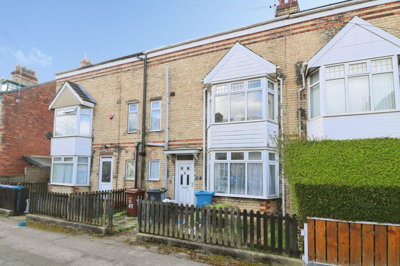
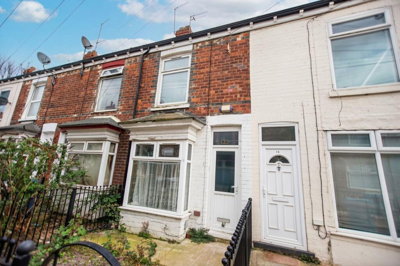
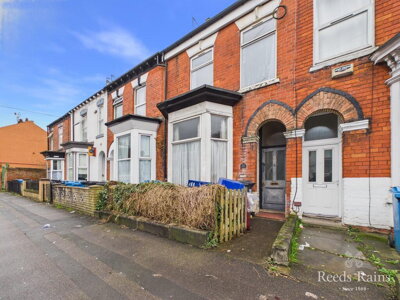
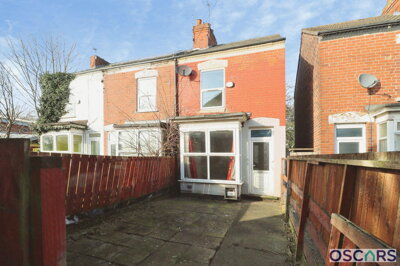
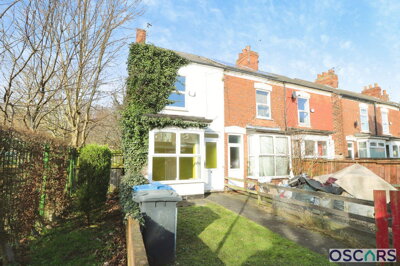
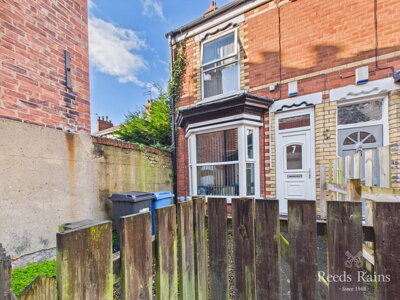
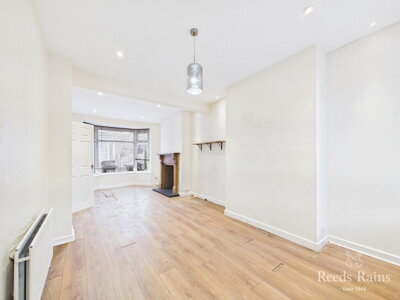
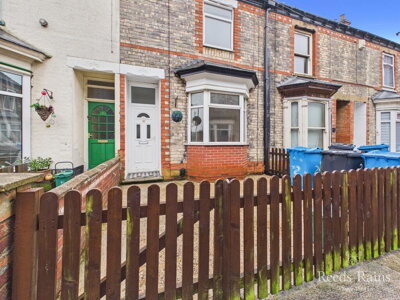
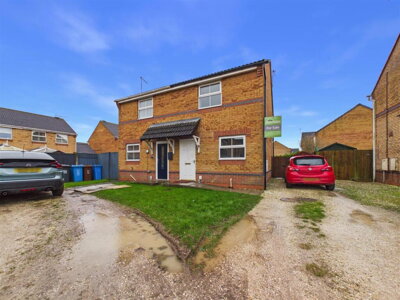
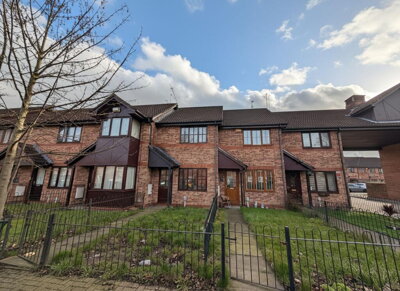
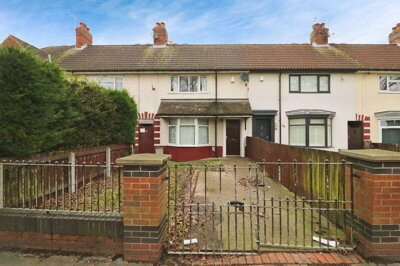
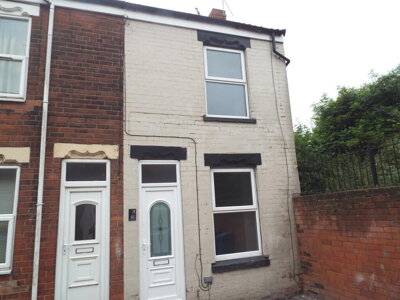
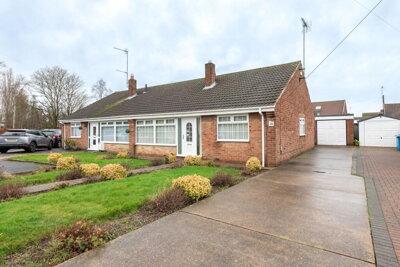
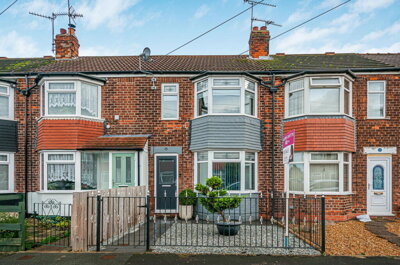
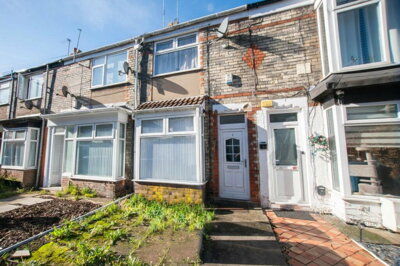
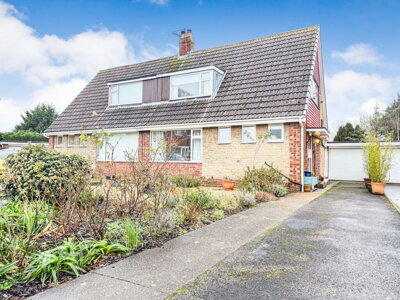
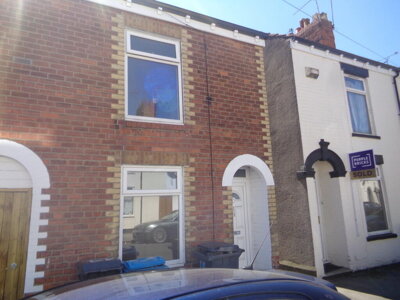
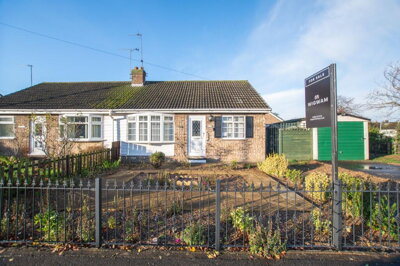
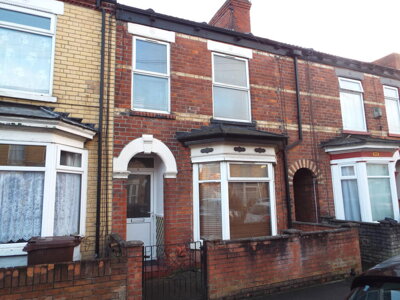
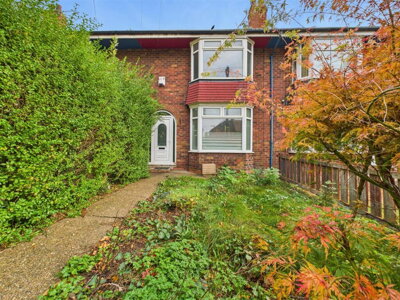
Browse 269 homes for sale in HU6 from local estate agents.
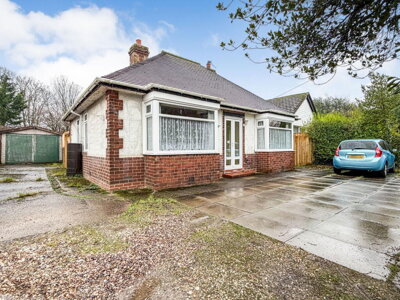
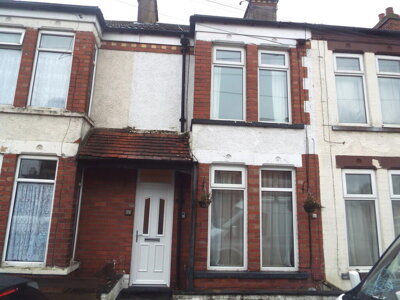
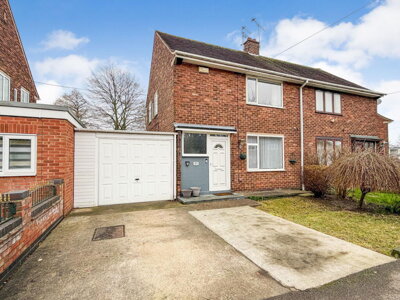
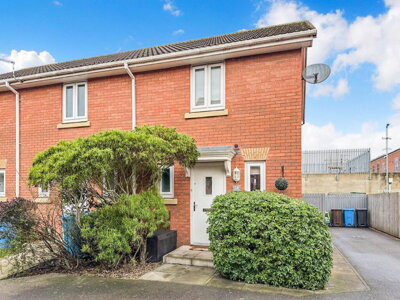
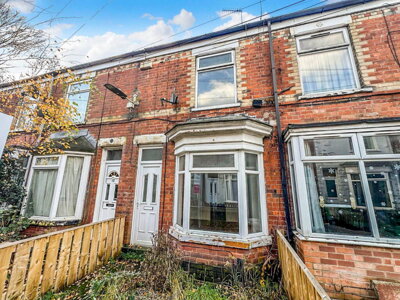
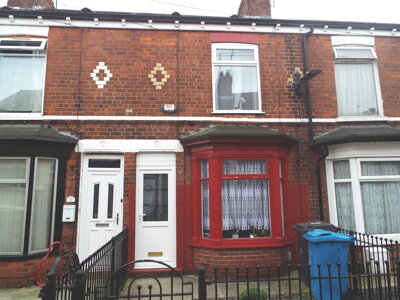
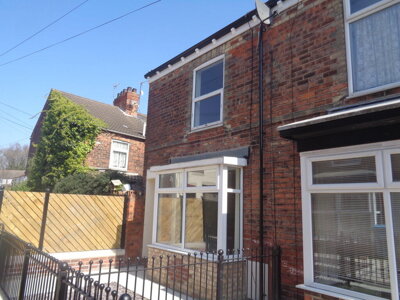
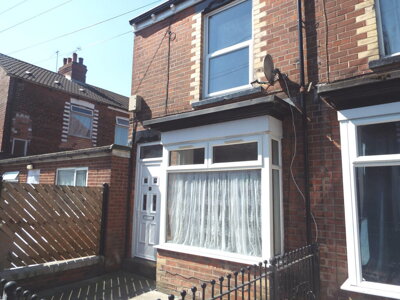
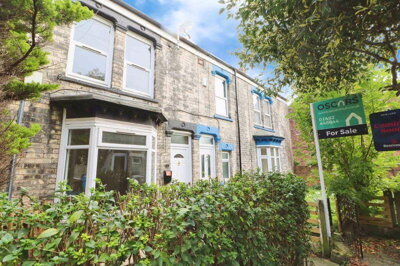
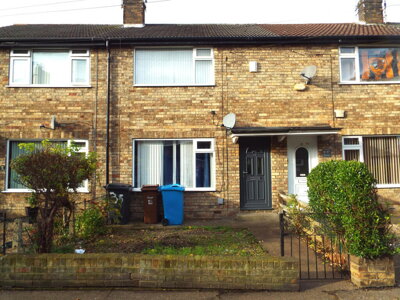
The 2 bed house market features detached, semi-detached, and terraced properties with two separate bedrooms plus living spaces. Properties in HU6 range from Victorian and Edwardian period homes to modern new builds, with pricing varying across different neighbourhoods.
£112k
16
3
85
Source: home.co.uk
Showing 16 results for 2 Bedroom Houses for sale in HU6. 3 new listings added this week. The median asking price is £112,498.
Source: home.co.uk
Terraced
12 listings
Avg £109,162
Semi-Detached
4 listings
Avg £142,488
Source: home.co.uk
Source: home.co.uk
The Hull HU6 property market has demonstrated consistent growth, with average sold prices rising 5% over the past year to reach £149,127, building on a 3% increase from the 2022 peak of £144,932. This steady upward trajectory reflects growing buyer confidence in the area and its improving reputation as a desirable place to live. The current average listing price stands at £180,848, with properties typically reducing by around 2.3% from their initial asking price before finding a buyer, indicating a competitive but balanced market where well-priced homes sell quickly.
Property types in HU6 cater to diverse buyer requirements, with terraced properties dominating the sales market at an average price of £131,310, making them ideal for first-time buyers seeking their first foothold on the property ladder. Semi-detached homes command £159,867 on average, offering generous living space for growing families, while detached properties reach £274,500, providing premium accommodation in established residential areas. Flats in the area average £75,854, presenting an accessible entry point for young professionals or investors interested in the student rental market driven by the nearby University of Hull.
The HU6 7 sub-area has shown particularly strong performance, with house prices growing 4.6% in the last year. This sub-postcode, which includes parts of Bilton and the newer developments in the northern reaches of HU6, has outperformed the wider HU6 average. The HU6 8 area, encompassing sections of Cottingham and Newland, shows slightly different pricing patterns with semi-detached homes averaging £162,694 and terraced properties at around £122,426, reflecting the popularity of these established residential streets.
Hull HU6 blends historic character with modern convenience, offering residents access to excellent local amenities, green spaces, and a genuine sense of community. The postcode includes the vibrant Newland area with its shops, cafes, and restaurants, while Cottingham provides a more suburban feel with village-like charm despite its proximity to the city centre. The area benefits from regular local events, community centres, and sports facilities that bring neighbours together and create lasting connections.
The presence of the University of Hull significantly shapes the local character of HU6, bringing a youthful energy to the area and supporting a thriving student population alongside established family homes. This mix creates a dynamic atmosphere with diverse dining options, affordable eateries, and cultural activities throughout the year. Hull's designation as UK City of Culture in 2017 left a lasting legacy, with improved arts venues, renovated public spaces, and enhanced cultural programming that continue to benefit residents today. The city offers affordable living costs compared to major UK cities, with lower property prices, reasonable council tax bands, and everyday expenses that stretch further.
Newland itself centres on its historic high street, featuring a mix of independent shops, convenience stores, and eateries that serve both students and local residents. The area around Cottingham Road offers larger supermarkets and high street retailers within easy reach. For leisure, Pearson Park provides 26 acres of Victorian green space with a lake, children's play area, and café, while the nearby Hull Marina and Old Town offer waterfront walks and historic architecture. The Albert Dock area has been transformed into a cultural destination with museums, galleries, and regular events throughout the year.

Bilton forms the western edge of HU6 and offers a mix of housing styles from different eras, including post-war semi-detached homes and newer developments built in the 1990s and 2000s. The Bilton shopping parade provides everyday essentials, while the nearby Kingswood retail park extends shopping options further. For families, Bilton Community Primary School serves the local catchment, and the area benefits from good bus connections to the city centre.
Newland represents the heart of HU6 and showcases the area's Victorian heritage through its elegant terraced properties built primarily in the late 19th and early 20th centuries. These character homes typically feature high ceilings, original fireplaces, and bay windows that appeal to buyers seeking period charm. The Newland Avenue area has become a destination in itself, with independent retailers, vintage shops, and a diverse restaurant scene reflecting the student population from the nearby university campus.
The Cottingham Road area bridges the gap between the urban character of Newland and the more suburban feel of the villages beyond. Properties here include substantial Edwardian semis and larger detached homes set in generous plots. Cottingham village itself retains its own identity with a high street featuring traditional pubs, independent shops, and the weekly farmers market, creating a village atmosphere despite being part of the HU6 postcode and only a short journey from Hull city centre.
Education provision in Hull HU6 serves families well, with a selection of primary and secondary schools within easy reach of most neighbourhoods. Primary schools in the area include Bilton Community Primary School, which has served the community for decades and offers extended school facilities, and other nearby primaries serving the catchment areas of Newland and the surrounding streets. Parents should research individual school Ofsted ratings and performance data when considering specific locations, as educational outcomes can vary between schools in the catchment area.
Secondary education options include Tweendykes School, which serves students from age 11 to 16 and has received positive recognition for its inclusive approach and dedicated teaching staff. The nearby Cottingham High School provides another option for secondary-aged students, while older students may consider the sixth form options available at schools in the wider Hull area or at the College of Further Education in the city centre. For those seeking faith-based education, schools within the area offer various denominational options that families may wish to explore.
The University of Hull itself offers undergraduate and postgraduate degree programmes, with the campus located conveniently within or very close to the HU6 postcode, making it a practical choice for local students and those relocating from further afield. The university campus features modern facilities including the newly developed Allam Medical Building, which has enhanced the university's profile as a centre for health sciences education. For younger children, several private and faith schools operate in the broader Hull area, giving families additional educational choices beyond the state system.
Hull HU6 enjoys good connectivity to the wider region via the A165 and A164 roads, providing straightforward access to the M62 motorway network connecting Leeds, Sheffield, and Manchester. The A63 runs along the southern edge of the city, linking Hull to the Humber Bridge and the south bank of the estuary. For those working in the city centre, regular bus services operate throughout HU6, with journey times typically taking 20-30 minutes depending on the specific neighbourhood and traffic conditions.
Hull Paragon Interchange serves as the main railway station, offering regular services to destinations including Leeds (approximately 90 minutes), Sheffield (around 2 hours), and London King's Cross via Doncaster (approximately 3 hours). The station is easily reachable from HU6 by bus or car, with parking facilities available for those commuting by rail. Direct trains to destinations like Manchester Piccadilly and Liverpool Lime Street also operate, making day trips and business travel to major northern cities practical without requiring a car.
For air travel, Humberside Airport is located approximately 25 miles north of Hull and offers flights to destinations across the UK and Europe, while Leeds Bradford Airport is accessible via the M62 for a wider range of international routes. Within HU6 itself, the local bus network operated by East Yorkshire provides regular services connecting residential areas to the city centre, university campus, and major shopping destinations. The Stagecoach X1 express service links Hull to Beverley and beyond, offering an alternative route for those travelling to the east of the region.
Obtain a mortgage agreement in principle before viewing properties. This strengthens your position when making offers and helps you understand your true budget within the HU6 market, where properties range from £75,000 for flats to over £270,000 for detached homes. Contact a mortgage broker or bank to discuss your options, considering both residential and buy-to-let mortgages if you are considering rental investment opportunities in the student-heavy HU6 market.
Explore different areas within HU6 to find the right fit. Consider proximity to schools if you have children, access to transport links, local amenities, and the character of each neighbourhood from the Victorian terraces of Newland to the suburban streets of Cottingham. Visit at different times of day and speak to local residents to understand the community atmosphere before committing.
Browse our comprehensive listings for HU6 properties and arrange viewings with local estate agents. Take notes during viewings and visit properties at different times of day to understand noise levels, traffic patterns, and the neighbourhood atmosphere. Many properties in HU6 attract multiple viewings quickly due to their relative affordability, so be prepared to act promptly when you find the right home.
Once your offer is accepted, arrange a RICS Level 2 survey to assess the property condition. Given HU6's mix of older properties dating from the early 1900s onwards, a thorough survey is essential to identify any structural issues, damp problems, or necessary repairs before you commit. The survey will check for defects that might not be visible during a normal viewing, potentially saving you thousands in unexpected repair costs.
Choose a conveyancing solicitor to handle the legal aspects of your purchase. They will conduct searches, review the contract, and manage the transfer of ownership. Budget for solicitor fees of around £500-1,500 depending on the property price and complexity, and ensure they are experienced in Hull-based transactions.
After satisfactory survey results and completed searches, you will exchange contracts and pay your deposit. Completion typically follows within 2-4 weeks, when you will receive the keys to your new HU6 home. At this point, arrange buildings insurance and coordinate your removal company for the move.
Property buyers in Hull HU6 should be aware of several area-specific considerations when evaluating homes. The mix of property ages in the postcode means that some homes date from the early 1900s and feature period characteristics such as original fireplaces, high ceilings, and bay windows, but may also have aging electrics, plumbing, or roofs requiring attention. Always check when major renovations were last carried out, including boiler replacement, rewire, and any extensions or alterations to the original structure.
Flood risk is a consideration in Hull generally due to its proximity to the Humber Estuary and the River Hull, though specific flood risk varies significantly between different areas of the city. Prospective buyers should request information about any previous flooding or consider purchasing appropriate insurance. The HU6 area itself is not predominantly in a flood zone, but due diligence during the conveyancing process will confirm the exact risk for any specific property you are considering purchasing. Local knowledge from neighbours and estate agents can provide valuable insights into any historic flooding issues affecting particular streets or developments.
Properties in HU6 constructed before approximately 1970 may contain materials that require assessment during the conveyancing process, including potential asbestos in artex coatings or insulation materials used historically in construction. A thorough survey will identify any concerns and allow you to budget for remediation if necessary. For properties with original single-glazed windows, upgrading to double glazing represents an additional cost to factor into your renovation budget, though many period homes have already undergone this improvement.
Hull HU6 presents compelling opportunities for property investors, particularly given the average sold price of £149,127 which sits significantly below the UK national average. The 5% annual price growth demonstrated over recent years suggests continued capital appreciation potential, while the relatively low entry point means investors can access the market without the substantial deposits required in southern England. Rental yields in Hull have historically remained attractive, with the city offering above-average returns compared to many comparable regional cities.
The University of Hull creates consistent demand for rental properties, with students seeking accommodation in the HU6 area throughout the academic year. Terraced properties and flats in Newland and near the university campus prove particularly popular for student lets, often commanding premium rents during term time. Investors should consider proximity to the university campus when evaluating properties, as this factor significantly influences rental demand and achievable rental income.
The ongoing regeneration of Hull city centre following its 2017 City of Culture designation continues to attract investment and improve the broader area. New developments in the Marina and Fruit Market areas have raised Hull's profile as a destination for culture and leisure, indirectly benefiting surrounding postcodes including HU6. Infrastructure improvements including the A63 upgrade and continued investment in public transport make the area increasingly attractive to both residents and investors looking for long-term growth potential.
The average sold price for properties in Hull HU6 over the last year was £149,127, according to sold price data. This represents a 5% increase compared to the previous year and a 3% rise from the 2022 peak of £144,932. Property prices vary significantly by type, with terraced homes averaging £131,310, semi-detached properties at £159,867, and detached houses reaching £274,500. The sub-area HU6 7 has shown particularly strong performance with 4.6% growth in the last year.
Hull City Council sets council tax bands for properties within HU6 based on the valuation band assigned by the Valuation Office Agency. Most residential properties in the area fall within bands A through D, which are among the lower council tax bands in the country. A typical terraced property in HU6 would likely fall into band A or B, while larger semi-detached or detached homes may be in bands C or D. You can check the specific band for any property through the Hull City Council website or your solicitor during the conveyancing process.
Hull HU6 offers a range of educational options including primary schools such as Bilton Community Primary School, which serves the local Bilton catchment, and several other primaries within easy reach of Newland and Cottingham. Secondary options include Tweendykes School for ages 11-16 and Cottingham High School, both serving the HU6 catchment area. The University of Hull is located within or close to the HU6 postcode. Parents should research individual school Ofsted ratings and performance data, as well as considering catchment boundaries when buying in the area.
Hull HU6 benefits from regular bus services connecting to Hull city centre and surrounding areas, with most journeys taking 20-30 minutes depending on the specific route and traffic. Hull Paragon Interchange provides mainline rail services to Leeds (90 minutes), Sheffield (2 hours), and London King's Cross (3 hours via Doncaster). The A63 and A164 roads offer straightforward access to the M62 motorway network for travel by car to Leeds, Manchester, and Sheffield. For air travel, Humberside Airport is approximately 25 miles away, with Leeds Bradford Airport accessible via the M62 for international flights.
Hull HU6 presents solid investment opportunities given its current average price of £149,127, which is significantly below the UK national average, combined with consistent price growth of around 5% annually. The presence of the University of Hull supports demand for rental properties, particularly flats and smaller houses suitable for students and young professionals. The ongoing regeneration of Hull city centre following its 2017 City of Culture status continues to attract investment and improve the broader area. Rental yields in Hull typically exceed those found in major UK cities, making HU6 attractive for landlords seeking both income and capital growth.
Standard stamp duty rates for 2024-25 apply to properties in Hull HU6: 0% on the first £250,000, 5% on £250,001 to £925,000, 10% on £925,001 to £1.5 million, and 12% on amounts above £1.5 million. First-time buyers benefit from relief on the first £425,000 (0% rate), with 5% applying between £425,001 and £625,000. At current HU6 average prices of £149,127, most buyers purchasing typical terraced or semi-detached properties will pay no stamp duty at all, making this an exceptionally affordable market for first-time buyers.
Terraced properties are the most common property type sold in Hull HU6, making them ideal for first-time buyers seeking affordable options averaging £131,310. These Victorian and Edwardian terraces, many dating from around 1910, offer period features and generous room sizes rarely found in newer construction. Semi-detached homes provide additional space for families at around £159,867, while detached properties offer premium accommodation in established residential areas. Flats averaging £75,854 serve the student rental market and first-time buyers seeking the lowest entry point to the HU6 property market.
HU6 7 covers the western portion of the postcode including parts of Bilton and newer developments, with slightly different pricing patterns including detached homes averaging £239,673 and semi-detached properties around £162,694. HU6 8 encompasses sections of Cottingham and Newland, showing terraced prices around £122,426 and flat prices closer to £84,667. Both sub-areas share the same access to local amenities and transport links, though HU6 8 includes more of the historic Victorian housing stock along Newland's tree-lined avenues.
Buying a property in Hull HU6 involves several costs beyond the purchase price, with stamp duty land tax (SDLT) being a significant consideration for most buyers. At current average property prices in HU6 of around £149,127 for all properties and £274,500 for detached homes, most buyers will find their SDLT liability falls within the lowest bands. A first-time buyer purchasing a typical terraced home at £131,310 would pay no stamp duty under current relief provisions, while a home mover purchasing at the average price would pay nothing on the first £250,000.
Beyond stamp duty, buyers should budget for solicitor conveyancing fees typically ranging from £500 to £1,500 depending on the property price and transaction complexity. A RICS Level 2 survey costs between £400 and £1,000 depending on property size and type, with larger or older properties in HU6 potentially attracting higher fees due to their age and construction complexity. Mortgage arrangement fees, valuation fees, and broker costs should also be factored in, along with removals expenses and any immediate renovation or furnishing costs for your new home.
Additional costs to budget for include building insurance, which should be arranged from the point of exchange, plus life insurance and contents cover to sort after completion. Search fees, typically around £200-400, cover local authority, drainage, and environmental searches that your solicitor will conduct during the conveyancing process. For leasehold properties, you may also need to pay ground rent and service charges, and your solicitor should advise on any major works or service charge disputes pending on the property.
Properties for Sale In London

Properties for Sale In Plymouth

Properties for Sale In Liverpool

Properties for Sale In Glasgow

Properties for Sale In Sheffield

Properties for Sale In Edinburgh

Properties for Sale In Coventry

Properties for Sale In Bradford

Properties for Sale In Manchester

Properties for Sale In Birmingham

Properties for Sale In Bristol

Properties for Sale In Oxford

Properties for Sale In Leicester

Properties for Sale In Newcastle

Properties for Sale In Leeds

Properties for Sale In Southampton

Properties for Sale In Cardiff

Properties for Sale In Nottingham

Properties for Sale In Norwich

Properties for Sale In Brighton

Properties for Sale In Derby

Properties for Sale In Portsmouth

Properties for Sale In Northampton

Properties for Sale In Milton Keynes

Properties for Sale In Bournemouth

Properties for Sale In Bolton

Properties for Sale In Swansea

Properties for Sale In Swindon

Properties for Sale In Peterborough

Properties for Sale In Wolverhampton

Enter your details to see if this property is within your budget.
Loans, cards, car finance
Estimated property budget
Borrowing + deposit
You could borrow between
Typical borrowing
Monthly repayment
Est. at 4.5%
Loan-to-value
This is an estimate only. Your actual budget may vary depending on interest rates, credit history, and personal circumstances. For an accurate affordability assessment, speak to one of our free mortgage advisors.
This calculator provides estimates for illustrative purposes only and does not constitute financial advice. Your home may be repossessed if you do not keep up repayments on your mortgage. Estimates based on 4.5% interest rate, repayment mortgage. Actual rates depend on your circumstances.
Homemove is a trading name of HM Haus Group Ltd (Company No. 13873779, registered in England & Wales). Homemove Mortgages Ltd (Company No. 15947693) is an Appointed Representative of TMG Direct Limited, trading as TMG Mortgage Network, which is authorised and regulated by the Financial Conduct Authority (FRN 786245). Homemove Mortgages Ltd is entered on the FCA Register as an Appointed Representative (FRN 1022429). You can check registrations at NewRegister or by calling 0800 111 6768.

We use cookies to show you personalised content and improve your experience of our website. Find out more in our Privacy policy and Cookie policy.