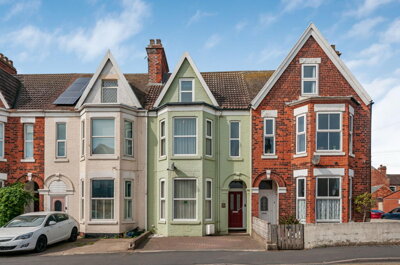
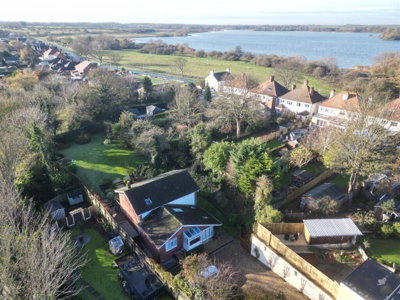
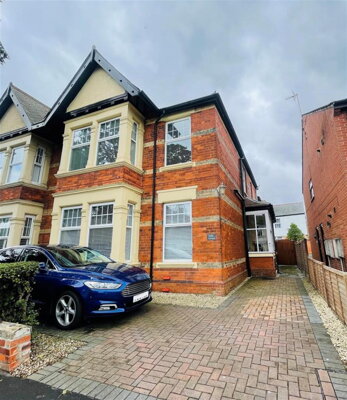
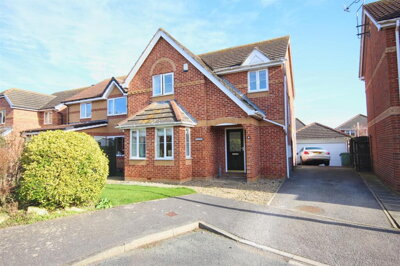
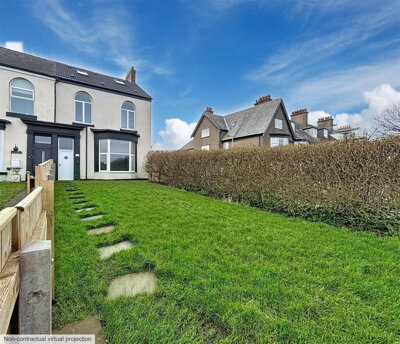
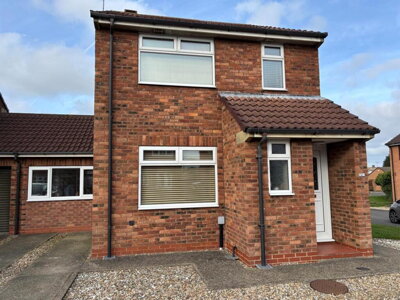
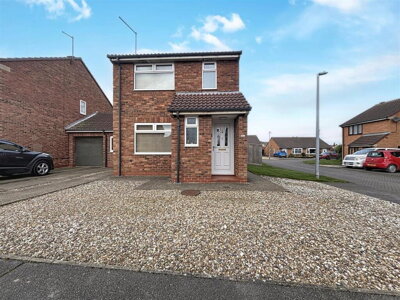
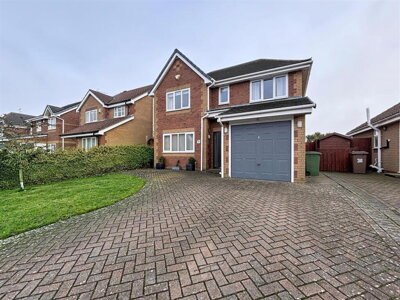
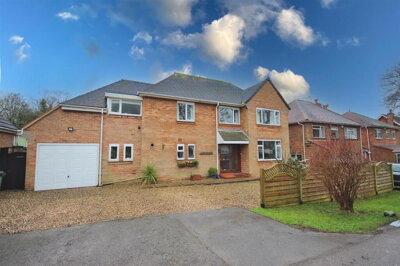
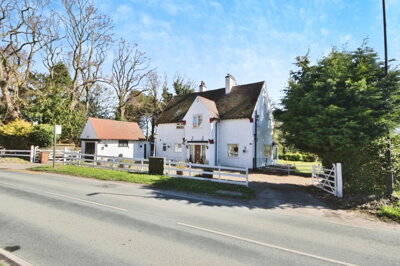
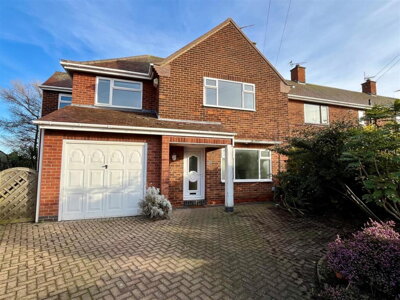
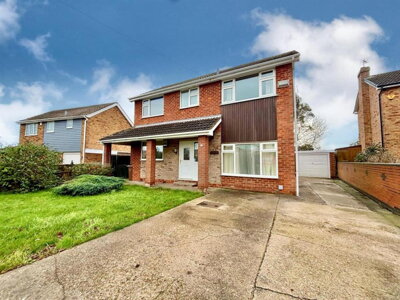
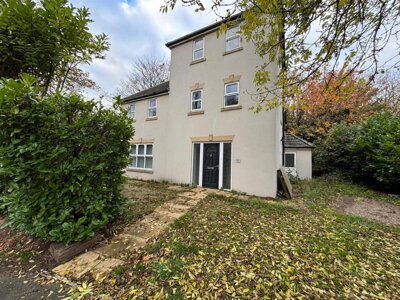
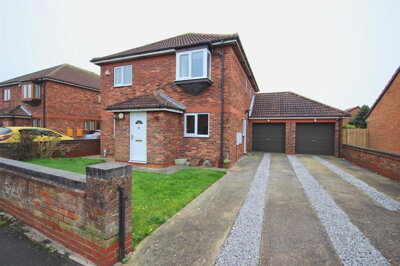
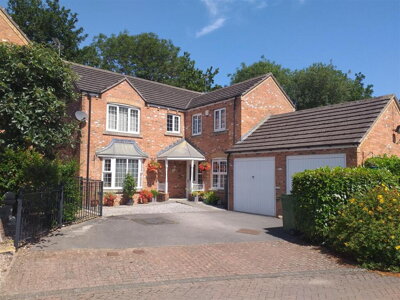
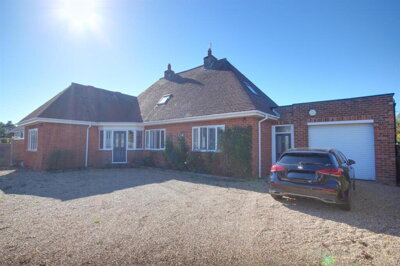
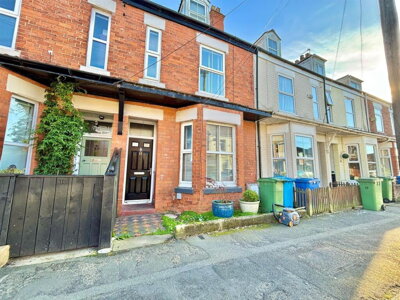
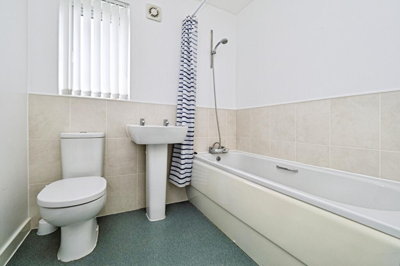
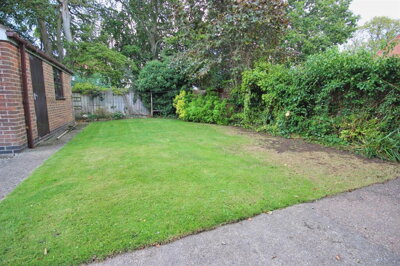
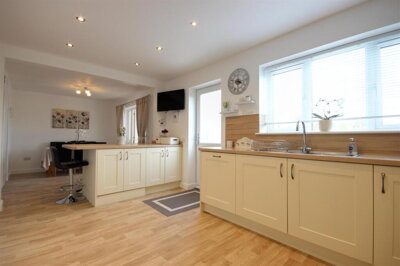
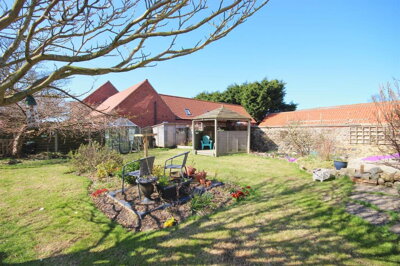
Browse 22 homes for sale in HU18 from local estate agents.
The larger property sector typically features multiple bathrooms, substantial reception space, and private gardens or off-street parking. Four bedroom houses in HU18 span detached, semi-detached, and occasionally terraced configurations, with styles ranging from period properties to modern executive homes.
£373k
6
0
90
Source: home.co.uk
Showing 6 results for 4 Bedroom Houses for sale in HU18. The median asking price is £373,498.
Source: home.co.uk
Detached
5 listings
Avg £400,398
Semi-Detached
1 listings
Avg £260,000
Source: home.co.uk
Source: home.co.uk
The Hornsea property market offers diverse options across all price brackets, with detached homes averaging £284,922 and semi-detached properties at around £194,338. Terraced houses in the area typically sell for approximately £186,761, while flats provide the most affordable entry point at around £130,457. Recent transaction data shows 121 properties have changed hands in HU18 over the past year, with the median price per square metre reaching £2,390. Half of all sales fell between £1,850 and £2,820 per square metre, indicating a healthy spread of values across the housing stock.
New-build options in the area include Mariner's View off the A1035, offering three-bedroom detached homes within walking distance of the beach. This development provides modern living with convenient access to Hull city centre, making it attractive to commuters seeking coastal space. The wider market includes properties across various ages, from 17th-century brick and cobble structures in the conservation area to Victorian terraces built during the railway boom of the 1860s and more recent 20th-century developments. Buyers should note that some older properties may have maintenance requirements, so arranging a thorough survey before purchase is advisable.
Price trends in HU18 reflect the broader East Yorkshire coastal market, with properties in the conservation area commanding premiums due to their historic character and planning restrictions that limit new development. Streets like Newbegin, Market Place, and Grosvenor Road feature period properties that consistently attract buyer interest, while more recent developments along Eastgate and the Ringwood Road area offer modern accommodation at competitive prices. The gap between terraced and semi-detached prices remains relatively narrow, suggesting good demand across both categories from buyers seeking affordable coastal homes.
Investment activity in Hornsea includes both holiday let operators targeting the tourism market and long-term landlords serving the local rental demand. Properties near the beach and town centre generate higher rental yields during summer months, though occupancy varies significantly between peak and off-peak seasons. The Hornsea Freeport development on Rolston Road has created additional employment opportunities in the retail and hospitality sectors, supporting tenant demand from workers seeking reasonably priced homes within commuting distance of their jobs.

Hornsea's population of approximately 8,432 residents enjoy a relaxed coastal lifestyle centred around the beach, independent shops, and community events. The town developed as a Victorian seaside resort following the arrival of the railway in 1864, which connected Hull commuters to coastal living and sparked a building boom that shaped much of the current housing stock. The conservation area, established in 1969 and expanded in 1976, preserves the historic Market Place, Hall Garth Park, and the elegant Victorian architecture around the former railway station and Grosvenor Road.
Local amenities include a Tesco superstore less than a mile from the town centre, alongside independent retailers, pharmacies, pubs, and restaurants catering to both residents and visitors. The Market Place hosts regular markets where local producers sell fresh produce and artisan goods, maintaining a tradition that predates the Victorian era. Hall Garth Park provides recreational space with formal gardens and children's facilities, while the Mere offers peaceful walks around one of the largest natural lakes in Yorkshire.
Hornsea's economy balances seasonal tourism with year-round manufacturing and small business activity. The Hornsea Pottery site on Rolston Road, now Hornsea Freeport, continues the area's retail tradition that began when the pottery factory employed around 250 staff producing three million articles annually. Manufacturing businesses in the surrounding area provide stable employment, while hospitality sector jobs peak during summer months. This economic mix creates diverse employment opportunities that support the local housing market across different sectors.
Community facilities in Hornsea include a leisure centre with swimming pool, medical centre on Lincoln Way, and several places of worship serving different denominations. The library on Newbegin provides valuable resources for residents, while the community hall hosts events throughout the year. Regular activities including fitness classes, youth clubs, and social groups create opportunities for newcomers to integrate quickly into local life, making Hornsea particularly attractive to families and retirees seeking an active coastal community.
Education provision in Hornsea includes primary schools serving the local catchment area, with Hornsea School and Language College located on Eastgate (HU18 1DW) providing secondary education for students from across the surrounding villages. The college serves as a significant local employer and community facility, offering sixth-form provision for students progressing from primary and junior schools in the area. Parents considering relocation will find several primary options within the town and immediate surroundings, with detailed Ofsted reports available for each establishment.
Hornsea School and Language College serves students from Hornsea and neighbouring communities including Skirlaugh, Atwick, and Skipsea. The school offers a broad curriculum at GCSE and A-Level, with particular strengths in language education that reflects the college's specialism. Sixth-form students can choose from a range of subjects, though those seeking highly specialist courses may need to travel to Hull colleges. Transport arrangements for students living in surrounding villages are well established, with dedicated bus services operating along the main routes into town.
Primary education in Hornsea includes Hornsea Community Primary School on South Street, serving children from Reception through to Year 6. The school benefits from relatively small class sizes compared to larger town primaries, allowing for more individual attention. Several nurseries and pre-school settings operate in the town, providing early years care from infancy through to school entry age. Parents should verify current catchment boundaries before purchasing property, as school admissions policies can affect which establishments serve specific addresses.
For families with children requiring specialist educational support, the East Riding local authority maintains specialist provision across the region. Transport assistance may be available for students attending specialist schools outside the immediate area. The presence of a full secondary school within HU18 eliminates the need for lengthy daily journeys that affect many rural coastal communities, making Hornsea particularly suitable for families with children of all ages. After-school activities and sports clubs at the school and leisure centre provide additional enrichment opportunities throughout the year.
Hornsea's A1035 road provides the primary vehicle route, connecting the town to Hull city centre approximately 20 miles to the west. This main road passes through the village of Skirlaugh and offers access to the wider East Yorkshire road network, including connections to Beverley and the A164 heading toward the M62 motorway. Private vehicles remain the dominant transport mode for most residents, with parking facilities available throughout the town centre and near the beach.
Bus services operating from Hornsea include routes connecting to Hull, Beverley, and the surrounding villages of the Holderness area. The X46 service provides regular connections to Hull city centre, stopping at key locations including St Stephen's Shopping Centre and Hull Royal Infirmary along the route. Local bus services connect Hornsea with smaller communities including Atwick, Skipsea, and Beeford, providing essential transport for residents without private vehicles, particularly the elderly and those with mobility considerations.
The railway station that spurred Hornsea's Victorian growth has long since closed, meaning residents currently rely entirely on road transport and bus services for longer journeys. Hull Paragon Interchange serves as the main transport hub for HU18 residents, offering comprehensive bus and rail facilities with connections to major cities including Leeds, York, Sheffield, and London via the East Coast Main Line. CrossCountry and Northern Rail services operate from Hull, providing regional and intercity options for business and leisure travel.
For air travel, Humberside Airport near Immingham offers limited international flights, while Leeds Bradford Airport provides a broader range of destinations including European holiday hotspots and major hub connections. Hull Airport at Beverley/Pagniton serves private and charter flights. Cycling enthusiasts benefit from dedicated routes along the coast and into the surrounding countryside, with the Pennine Way and regional cycle networks accessible from the town. Most residents find that a combination of private vehicle for daily needs and occasional train travel from Hull covers the vast majority of transport requirements.
Browse current listings and recent sale prices in HU18 to understand what your budget can achieve. Our platform shows all 121 available properties alongside comparable sold prices to help you identify genuine value in the Hornsea market. Pay particular attention to properties on streets like Newbegin, Eastgate, and the Ringwood Road area, where prices can vary significantly between period and modern homes.
Contact lenders or mortgage brokers to obtain an agreement in principle before viewing properties. This demonstrates your seriousness to sellers and estate agents, strengthening your position when making offers in what can be a competitive local market. Local brokers familiar with the Hornsea market can advise on products suitable for coastal properties, including those in the conservation area.
Schedule viewings of shortlisted properties, taking time to assess the neighbourhood at different times of day. Consider proximity to the beach, local shops, school catchment areas, and your daily commute requirements when evaluating locations. For investment buyers, also assess tourism potential and rental demand from the seasonal visitor market.
Given Hornsea's geological conditions and prevalence of older properties, we strongly recommend a homebuyer report. This survey checks for defects including potential damp, roof condition, and structural issues common in properties built before modern construction standards. Properties in HU18 often feature traditional construction methods including brick and cobble walls that require specialist assessment.
Appoint a solicitor to handle the legal work, including local searches examining flood risk, coastal erosion, and planning restrictions. Your solicitor will investigate the property's title, flag any issues with leasehold terms or shared boundaries, and guide you through the transaction. Properties near the coast or within the conservation area may require additional investigation.
Once surveys are satisfactory and legal queries resolved, you will exchange contracts and pay your deposit. Completion typically follows within days or weeks, when you receive the keys and take ownership of your new Hornsea home. We recommend arranging buildings insurance to commence from exchange date.
Properties in Hornsea require careful inspection due to several area-specific factors that buyers should understand before committing to a purchase. The underlying boulder clay geology, containing approximately 72% mud with underlying Flamborough Chalk around 60 to 70 feet deep, means potential shrink-swell movement can affect properties with shallow foundations or mature trees nearby. Our inspectors frequently identify signs of movement in older properties where traditional foundations may not extend below the active clay layer, particularly after periods of drought or heavy rainfall.
Coastal erosion presents an ongoing consideration for HU18 properties, particularly those closer to the seafront. While Hornsea is protected by concrete sea walls, timber groynes, and rock armour defences, erosion rates increase significantly where these defences end to the south of the town. Prospective buyers should check the Property Flood Risk from Government data alongside any local authority planning records concerning coastal management schemes. Buildings in the conservation area may face additional planning restrictions on alterations and extensions to preserve the historic character.
Damp and moisture penetration rank among the most common defects our surveyors find in Hornsea properties, particularly in buildings constructed using cobble stone or traditional brick methods without modern damp-proof courses. Signs include musty odours, peeling wallpaper, black mould on walls, and deterioration of skirting boards. Ground-floor rooms and basements are especially vulnerable given the coastal humidity and proximity to the water table. Properties with solid walls rather than cavity construction will require particular attention to ventilation and moisture management.
Electrical and plumbing systems in older Hornsea properties often fall below current standards, with many Victorian and Edwardian homes still operating with original or early replacement wiring. Consumer units may be outdated, earth bonding incomplete, and socket outlets insufficient for modern household demands. Plumbing from this era typically uses lead or early copper piping that may have corroded over decades. A thorough RICS Level 2 survey will highlight these concerns and recommend necessary upgrades before they pose safety risks.
The average house price in HU18 is currently £206,619, according to recent market data. Detached properties average £284,922, semi-detached homes around £194,338, terraced houses approximately £186,761, and flats starting from £130,457. The median price per square metre stands at £2,390, with half of all sales in the past year ranging between £1,850 and £2,820 per square metre. These figures reflect Hornsea's position as an affordable coastal market compared to nearby seaside towns like Bridlington and Filey.
Hornsea falls under East Riding of Yorkshire Council administration, with most residential properties falling within council tax bands A through D. Band A properties typically attract the lowest annual charges, while larger detached homes may fall into band D or above. You can check specific bandings via the Valuation Office Agency website using the property address. The council offers various discounts for single occupants and certain benefit recipients.
Hornsea School and Language College on Eastgate provides secondary education within HU18, serving students from across the surrounding area including Skirlaugh, Atwick, and Skipsea. Primary schools in the town include Hornsea Community Primary School on South Street, with detailed Ofsted ratings available for each establishment. School catchment areas can affect property values and desirability, so parents should confirm their preferred school's admissions policy before purchasing.
Hornsea lacks a railway station following the closure of the Victorian-era line, so residents rely on bus services and private vehicles for transport. The X46 bus service provides regular connections to Hull city centre, while the nearest railway stations are in Hull, providing connections to Leeds, York, and London via the East Coast Main Line. Most residents find a private vehicle essential for daily transport needs given the limited public transport options.
Hornsea offers relatively affordable coastal property compared to neighbouring seaside towns, with average prices around £206,000 providing accessible entry for first-time buyers and investors. The town's tourism economy, stable local population, and community facilities support rental demand, while the ongoing coastal management investment helps protect property values. However, coastal erosion risk and geological conditions should factor into any investment calculation.
Stamp duty rates from April 2025 onwards apply 0% to the first £250,000 of a property's purchase price, 5% on amounts between £250,001 and £925,000, 10% on £925,001 to £1.5 million, and 12% above £1.5 million. First-time buyers receive relief on the first £425,000 (paying 5% on £425,001 to £625,000) but no relief above £625,000. A £250,000 property therefore attracts £1,250 in stamp duty for standard buyers.
Hornsea's housing stock spans several eras, from 17th-century brick and cobble structures in the conservation area to Victorian terraces built during the railway boom of the 1860s and modern developments like Mariner's View on the A1035. The town features 29 listed buildings, including St Nicholas Church, Bettison's Folly, and the former Railway Station, reflecting its rich architectural heritage. This variety means buyers can choose between period character and modern convenience.
The main risks include coastal erosion along the Holderness Coast, geological subsidence due to boulder clay deposits containing approximately 72% mud, and flood risk from storm surges. Properties in the conservation area may have planning restrictions, while older buildings often require updates to electrical wiring, plumbing, and insulation. A thorough survey can identify these issues before purchase, potentially saving thousands in unexpected remediation costs.
Recent data shows 121 properties sold in HU18 over the past year, with median prices around £206,619 and half of all sales ranging between £1,850 and £2,820 per square metre. The market benefits from demand from both owner-occupiers seeking coastal living and investors targeting the holiday let market. New developments like Mariner's View offer modern alternatives to period properties, expanding choice for buyers at various price points.
Local searches in Hornsea typically include the Local Land Charges Register, environmental searches examining flood risk and coastal erosion, and planning searches for any coastal management schemes or conservation area designations. Given the area's boulder clay geology, a ground stability assessment may also be recommended to check for potential shrink-swell issues affecting properties with shallow foundations.
Properties in Hornsea present several characteristic defects that reflect the area's geology, age of housing stock, and coastal environment. Boulder clay soils, which underlie most of HU18, create conditions for foundation movement when moisture levels fluctuate significantly. Properties built with shallow traditional foundations are particularly susceptible to subsidence and heave damage, manifesting as diagonal cracking extending from doors and windows, uneven floors, and sticking window frames. Our surveyors commonly identify these issues in Victorian and Edwardian properties throughout the town.
Cobble stone construction, while historically common in Hornsea, creates specific challenges for modern buyers unfamiliar with traditional building methods. Walls built from large beach cobbles often lack adequate damp-proof courses, allowing moisture to rise through the fabric of the building. This can cause deterioration of mortar joints, efflorescence on internal surfaces, and damage to timber elements including floor joists and skirting boards. Properties of this construction type require careful assessment and may need ongoing maintenance to prevent moisture-related problems.
The coastal climate accelerates weathering and wear on Hornsea properties compared to inland locations. Salt-laden winds and regular exposure to rain degrade roof coverings more rapidly, with tiles and pointing requiring more frequent replacement than equivalent properties in drier areas. Fascia boards, soffits, and rainwater goods suffer similar accelerated deterioration, potentially leading to water ingress and damage to timbers and plasterwork if maintenance is neglected. Salt corrosion can also affect metalwork including gates, railings, and structural supports.
Electrical systems in Hornsea's older properties frequently require updating to meet current safety standards and accommodate modern power demands. Victorian and Edwardian installations typically feature round-tailed fuses, inadequate earth conductors, and insufficient socket outlets for contemporary household needs. Consumer units in these properties may be mounted on combustible backing boards or lack modern circuit protection. A thorough electrical inspection should precede any purchase of pre-war property in the area, with rewiring often necessary before occupancy.
Understanding how properties in Hornsea were constructed helps buyers appreciate the characteristics and potential issues they may encounter. The earliest surviving buildings date from the late 17th century, constructed from locally gathered brick and cobbles with foundations typically extending just below ground level. These traditional methods produced solid-walled buildings with excellent thermal mass but limited insulation and no formal damp-proof course. The Old Hall in Market Place exemplifies this early construction, with red brick walls on cobble footings that have stood for over three centuries.
The Victorian building boom following the railway's arrival in 1864 introduced more sophisticated construction techniques to Hornsea. Terraced houses on streets like Newbegin and within the conservation area typically feature brick cavity walls, though the cavities were often only partially filled with rubble rather than insulated. Roof construction shifted from earlier purlin and rafter arrangements to more substantial truss designs, allowing for larger room spans. Decorative features including ornate brickwork, sash windows with stone sills, and cast iron rainwater goods became standard features during this period.
The interwar period saw development of semis and smaller detached houses along Ringwood Road and other peripheral streets. These properties typically feature cavity wall construction with brick outer leaves and concrete or steel inner leaves, providing better moisture resistance than solid walls. Internal construction commonly uses timber joists for floors and traditional cut roofing with felt underlayers. Properties from this era generally meet modern floor areas but may require updates to insulation and services to achieve contemporary comfort standards.
Modern construction methods in developments like Mariner's View incorporate current building regulations including high levels of insulation, airtight construction, and mechanical ventilation systems. These properties offer advantages in energy efficiency and reduced maintenance requirements compared to older stock, though they lack the character features valued in period properties. Understanding this progression from traditional cobble construction through Victorian brickwork to contemporary methods helps buyers appreciate why surveys of different property types require varying approaches and expertise.
Beyond the property price, buyers in Hornsea should budget for additional costs including stamp duty, legal fees, survey charges, and moving expenses. Stamp duty Land Tax applies based on the purchase price, with rates of 0% on the first £250,000, rising to 5% on amounts between £250,001 and £925,000. For a typical HU18 property at the area average of £206,619, a standard buyer would pay £0 in stamp duty since the price falls below the threshold. First-time buyers purchasing properties up to £425,000 can claim relief, eliminating stamp duty on the first £425,000.
Legal costs for conveyancing typically range from £500 to £1,500 depending on the property type and complexity, covering searches, title investigation, and contract work. A RICS Level 2 survey costs from £350 and is essential given the prevalence of older properties in Hornsea with potential defects. Removal costs vary based on distance and volume, while mortgage arrangement fees typically range from £0 to £2,000 depending on the lender. Buyers purchasing flats should also factor in service charges and ground rent for leasehold properties, which can significantly affect ongoing costs.
Properties in Hornsea may incur additional costs not found in inland areas. Coastal properties sometimes require specialist insurance covering flood and storm damage, which can be significantly higher than standard policies. Listed buildings or those in the conservation area may need specialist surveys and listed building consent for alterations, adding to renovation costs. We recommend obtaining quotes for all services before committing to a purchase, ensuring your total budget accounts for every expense from exchange to completion.
121
Properties for Sale
£206,619
Average Price
£284,922
Detached Average
£194,338
Semi-Detached Average
£186,761
Terraced Average
£130,457
Flat Average
Properties for Sale In London

Properties for Sale In Plymouth

Properties for Sale In Liverpool

Properties for Sale In Glasgow

Properties for Sale In Sheffield

Properties for Sale In Edinburgh

Properties for Sale In Coventry

Properties for Sale In Bradford

Properties for Sale In Manchester

Properties for Sale In Birmingham

Properties for Sale In Bristol

Properties for Sale In Oxford

Properties for Sale In Leicester

Properties for Sale In Newcastle

Properties for Sale In Leeds

Properties for Sale In Southampton

Properties for Sale In Cardiff

Properties for Sale In Nottingham

Properties for Sale In Norwich

Properties for Sale In Brighton

Properties for Sale In Derby

Properties for Sale In Portsmouth

Properties for Sale In Northampton

Properties for Sale In Milton Keynes

Properties for Sale In Bournemouth

Properties for Sale In Bolton

Properties for Sale In Swansea

Properties for Sale In Swindon

Properties for Sale In Peterborough

Properties for Sale In Wolverhampton

Enter your details to see if this property is within your budget.
Loans, cards, car finance
Estimated property budget
Borrowing + deposit
You could borrow between
Typical borrowing
Monthly repayment
Est. at 4.5%
Loan-to-value
This is an estimate only. Your actual budget may vary depending on interest rates, credit history, and personal circumstances. For an accurate affordability assessment, speak to one of our free mortgage advisors.
This calculator provides estimates for illustrative purposes only and does not constitute financial advice. Your home may be repossessed if you do not keep up repayments on your mortgage. Estimates based on 4.5% interest rate, repayment mortgage. Actual rates depend on your circumstances.
Homemove is a trading name of HM Haus Group Ltd (Company No. 13873779, registered in England & Wales). Homemove Mortgages Ltd (Company No. 15947693) is an Appointed Representative of TMG Direct Limited, trading as TMG Mortgage Network, which is authorised and regulated by the Financial Conduct Authority (FRN 786245). Homemove Mortgages Ltd is entered on the FCA Register as an Appointed Representative (FRN 1022429). You can check registrations at NewRegister or by calling 0800 111 6768.

We use cookies to show you personalised content and improve your experience of our website. Find out more in our Privacy policy and Cookie policy.