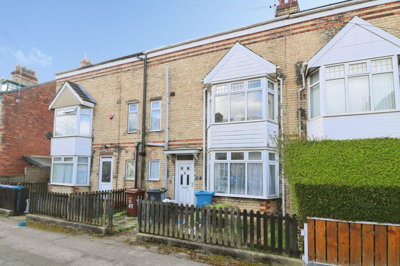
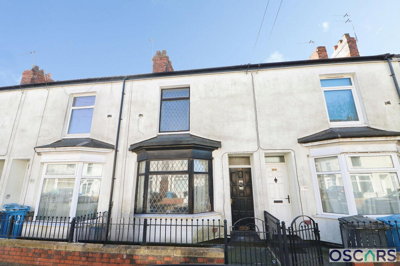
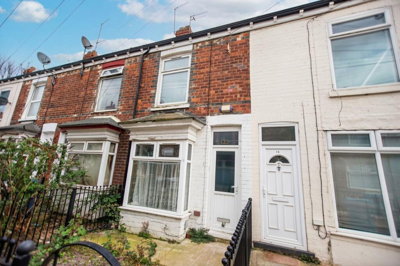
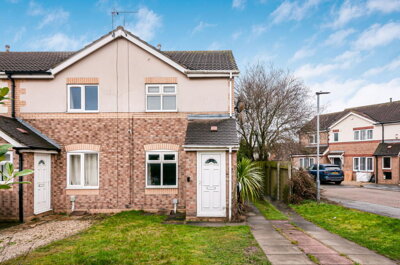
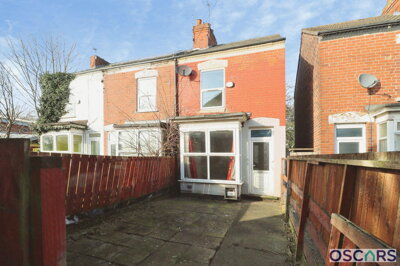
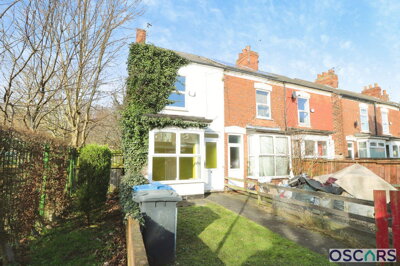
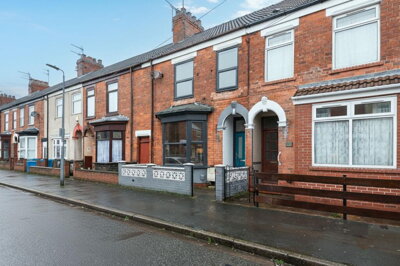
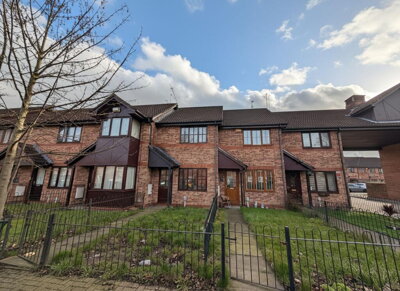
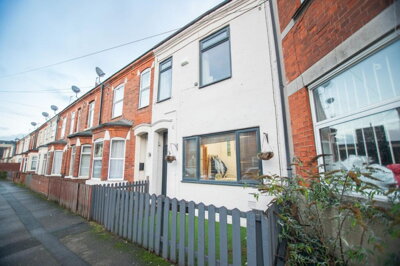
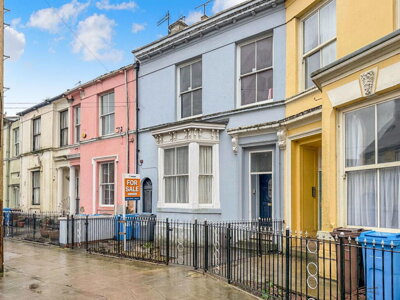
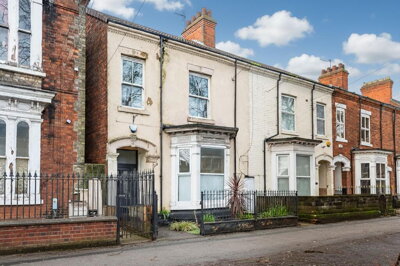
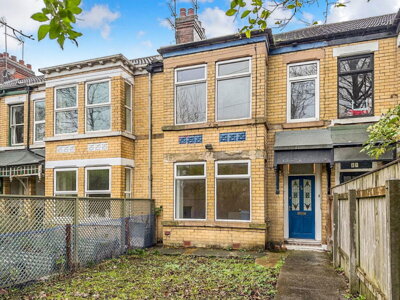
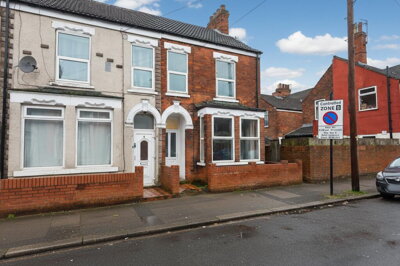
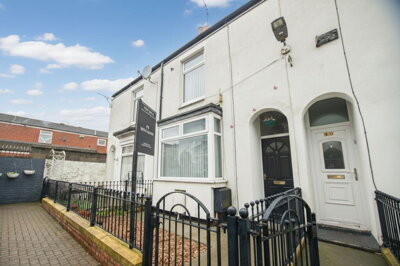
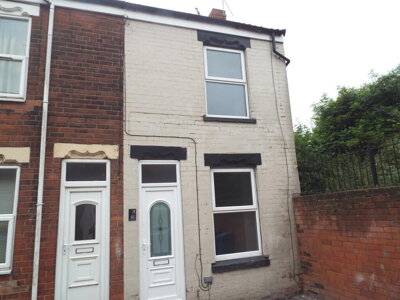
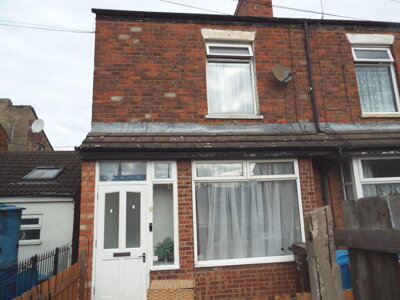
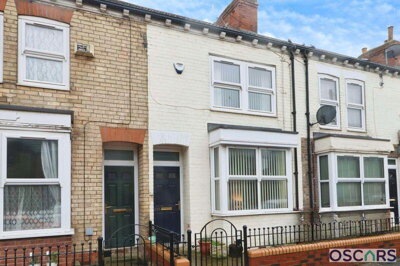
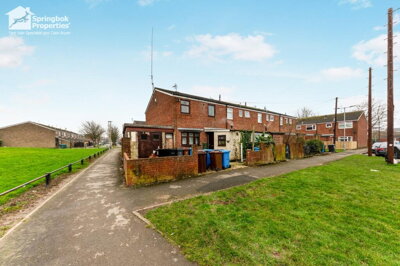
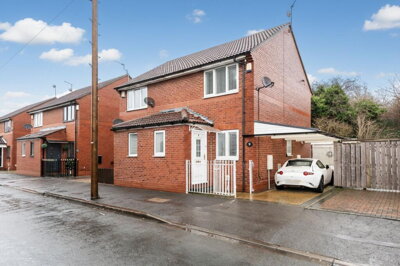
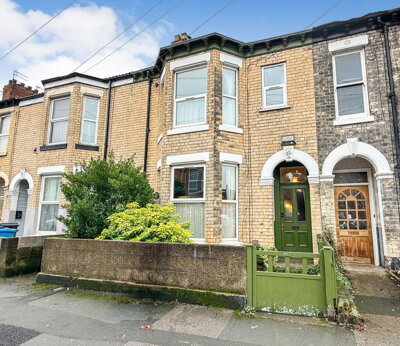
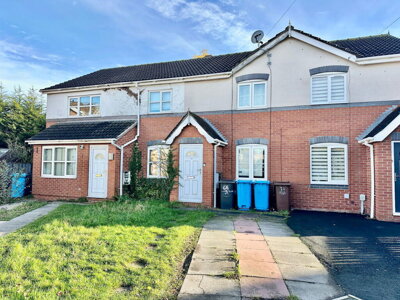
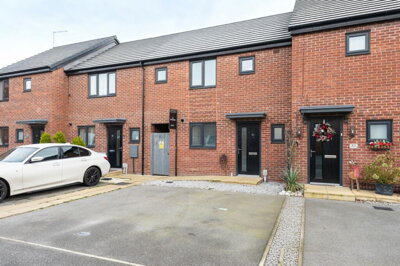
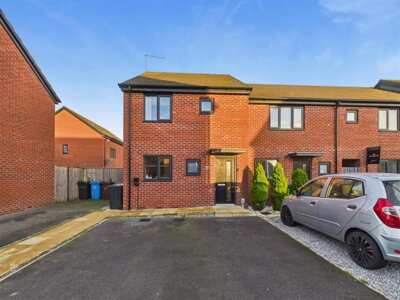
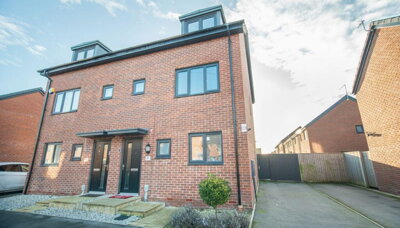
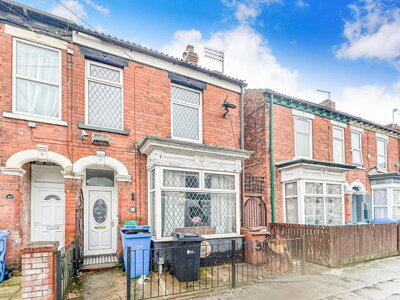
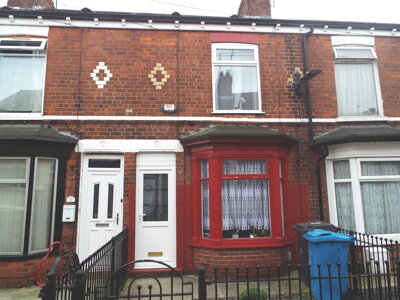
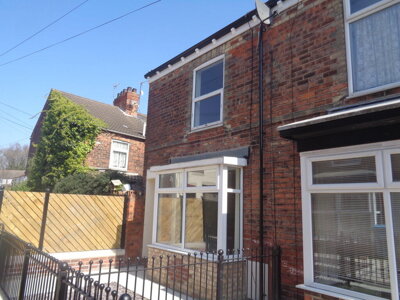
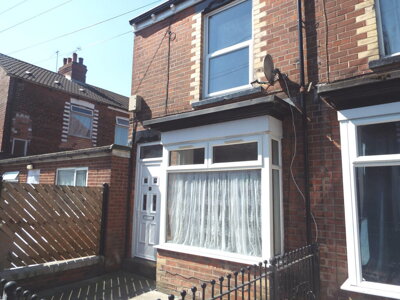
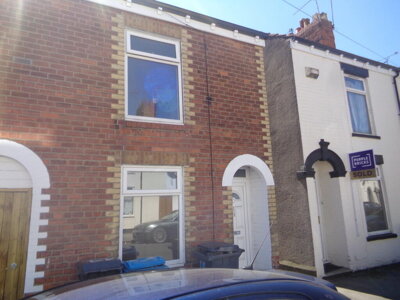
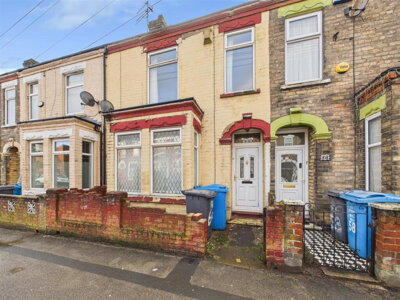
Browse 261 homes for sale in HU1 from local estate agents.
The HU1 property market offers detached, semi-detached, and terraced houses spanning various price ranges and neighbourhoods. Each listing includes detailed property information, photographs, and direct contact with the marketing agent.
£105k
2
0
110
Source: home.co.uk
Showing 2 results for Houses for sale in HU1. The median asking price is £105,000.
Source: home.co.uk
Terraced
2 listings
Avg £105,000
Source: home.co.uk
Source: home.co.uk
The HU1 property market presents a varied landscape of property types suited to different buyer needs and budgets. Flats dominate the city centre housing stock, with average prices around £95,000, making them an attractive entry point for first-time buyers and investors targeting the student and young professional rental market. Terraced properties command an average of £110,000, offering more space and often featuring the distinctive red brick Victorian and Edwardian architecture that characterises much of Hull's historic housing. Semi-detached homes in HU1 average £137,500, while detached properties reach around £220,000, though these are less common in the immediate city centre area.
New build activity continues to transform parts of HU1, with several significant developments bringing contemporary apartments and townhouses to the market. The Albion Square regeneration scheme by Wykeland Group is creating new retail, office, and residential units in the heart of the city at Albion Square, Hull, HU1 3AU. The ongoing Fruit Market development offers apartments and townhouses in one of Hull's most desirable urban neighbourhoods, with phases including Fereday Street and Horner Street areas. Horizon Apartments at Kingston Square (10-12 Kingston Square, HU1 3DA) provides 26 one and two-bedroom units, catering to those seeking modern city centre living. These developments reflect Hull's ongoing urban renaissance and offer buyers opportunities to purchase properties with warranties and contemporary specifications.
Price trends in HU1 have shown a 1.67% adjustment over the past 12 months, reflecting broader national market conditions while maintaining relative affordability compared to other UK city centres. This modest correction has created buying opportunities, particularly for investors who can take a medium-term view on capital growth as regeneration projects complete. The limited number of sales (12 in the past 12 months) indicates a relatively tight market where motivated buyers may find less competition than in larger cities, though this also means buyers should move decisively when they find suitable properties.

Hull city centre (HU1) offers a distinctive urban lifestyle shaped by its maritime heritage and ongoing regeneration. The postcode encompasses the historic Old Town, where cobbled streets are lined with Georgian and Victorian buildings housing independent shops, traditional pubs, and creative workspaces. The Fruit Market district has transformed into a cultural hub, with converted warehouses now home to artisan coffee roasters, independent restaurants, contemporary art galleries, and the famous Street Food Cafe. The Marina provides scenic waterside walks, with the iconic Your Holy Place sculptures and regular boat trips along the River Hull and out to the Humber Estuary. The area attracts a diverse demographic, including young professionals, students, artists, and families drawn to the affordable cost of living combined with an increasingly cosmopolitan atmosphere.
The local economy benefits from several major sectors that provide employment stability for residents. Retail and leisure remain significant employers, anchored by St Stephen's Shopping Centre and Princes Quay, while the public sector offers roles through Hull City Council, NHS facilities, and Hull College. The renewable energy sector has emerged as a key economic driver, with companies like Siemens Gamesa operating in the wider Humber region and creating high-skilled jobs that support the local housing market. The Port of Hull handles significant cargo volumes, contributing to logistics and supply chain employment. The University of Hull's presence, while primarily at its main campus outside HU1, influences the wider city rental market and supports the local economy with student spending in the city centre. This economic diversity helps maintain demand for city centre housing even during economic fluctuations.
The cost of living in Hull remains significantly below the national average, making HU1 particularly attractive for those relocating from more expensive cities. Council tax bands are generally competitive, with city centre flats and smaller terraced properties typically falling into bands A to C. Everyday expenses including groceries, entertainment, and dining out offer excellent value, with many independent cafes and restaurants offering quality fare at prices far below London or Manchester equivalents. This affordability extends to property maintenance costs, though buyers should budget for the ongoing upkeep that older Victorian and Edwardian properties require.

Families considering a move to HU1 will find several educational options within and near the city centre. Primary education is served by institutions including St Mary's Queen of the Martyrs Catholic Primary School, which serves the community with a strong academic record and faith-based curriculum. Stepney Primary School offers another option for city centre families, providing education for children from reception through to Year 6. For secondary education, Hull Academy provides secondary schooling within reasonable distance of HU1, while the nearby Archbishop Sentamu Academy offers another local option for families in the Hull area. Parents should research catchment areas carefully, as school places can be competitive in popular areas.
Beyond primary and secondary education, HU1 offers access to further and higher education opportunities. Hull College, located in the city centre, provides vocational courses and apprenticeships across a wide range of subjects, from business and IT to construction and creative arts. The college serves both school leavers and adult learners looking to retrain or upskill. For degree-level education, the University of Hull's main campus is located slightly outside HU1 but remains accessible, with good bus connections and cycling infrastructure linking the city centre to the campus. The university offers a broad range of undergraduate and postgraduate programmes and contributes to the intellectual and cultural life of the wider Hull area.
The educational landscape in Hull continues to evolve, with ongoing investment in school facilities across the city. For families prioritising education in their property search, we recommend visiting schools directly and speaking to current parents to gain realistic insights into daily life at each institution. Many city centre properties appeal to young professionals without school-age children, so families should be prepared for potential catchment area changes as the demographic mix shifts with new developments.
Hull city centre enjoys excellent transport connectivity that makes commuting and regional travel convenient for HU1 residents. Hull Paragon Interchange serves as the city's main railway station, offering regular services to major destinations including Leeds (approximately 2 hours), Sheffield (around 2 hours 15 minutes), and Manchester (approximately 2 hours 45 minutes). The station also provides direct services to London King's Cross, with journey times of approximately 3 hours on the flagship Hull Trains service. For air travel, Humberside Airport is located approximately 25 miles north of Hull and offers flights to destinations including Amsterdam, while Leeds Bradford Airport is accessible for a wider range of international routes. This connectivity makes HU1 viable for commuters who work in other Northern cities but wish to live in Hull's more affordable city centre.
Local transport within and around HU1 is well-developed, with extensive bus services operated by Stagecoach and other providers connecting the city centre to surrounding suburbs and towns. The city has invested in cycling infrastructure, with dedicated lanes making cycling a viable option for commuting and leisure. The flat topography of Hull makes cycling particularly comfortable, and the Sustrans National Cycle Network passes through the area. For drivers, the city is well-connected to the national road network via the A63, which runs through Hull and connects to the M62 motorway heading towards Leeds and Manchester. However, parking in the city centre can be challenging and expensive, which influences decisions for those considering HU1 for daily commuting by car.
The quality of transport connections directly impacts the attractiveness of HU1 properties for commuters and investors alike. Properties within easy walking distance of Paragon Interchange command premiums in the rental market, particularly from young professionals working in Leeds or London who can benefit from Hull's significantly lower property prices while maintaining reasonable commuting times. The ongoing improvement of digital connectivity through superfast broadband rollout also supports remote working arrangements, reducing the need for daily commuting for many residents.
Start by exploring our comprehensive listings for HU1 properties, comparing prices across different types including flats, terraced houses, and new builds. Understanding the local market, where the average price is £120,417, helps you set realistic expectations and identify areas within HU1 that match your budget and lifestyle preferences, whether you prioritise proximity to the Marina, the Fruit Market, or the Old Town. Take time to research specific developments such as Horizon Apartments at Kingston Square or properties within the Fruit Market regeneration area, as new build prices and specifications differ significantly from period properties.
Before viewing properties, obtain a mortgage agreement in principle from a lender to confirm your borrowing capacity. With average flat prices around £95,000 and terraced properties at £110,000, first-time buyers may find smaller city centre apartments particularly accessible. Having this document ready strengthens your position when making offers and demonstrates to sellers that you are a serious, financially-prepared buyer. Speak to a mortgage broker who understands the Hull market, as they can identify the best deals for your circumstances and explain how flood risk areas might affect lending criteria.
Schedule viewings of properties that match your criteria, taking time to assess the condition of each home. Given HU1's significant stock of Victorian and Edwardian properties, pay particular attention to signs of damp, roof condition, and the age of electrical and plumbing systems. Our platform allows you to book viewings directly through listed estate agents. When viewing period properties, check for typical defects such as cracking to external walls, uneven floors, and evidence of timber decay in basements or ground floor areas.
Once your offer is accepted, arrange a RICS Level 2 Survey to assess the property's condition comprehensively. Given the clay geology underlying Hull and the flood risk in some HU1 areas, a thorough survey is essential. Survey costs typically range from £400 to £700 depending on property size, with flats generally at the lower end of the scale and larger semi-detached properties at the higher end. The report will identify any structural issues, damp problems, or other defects that may require attention before completion. Our inspectors are experienced with Hull's housing stock and know the common defect patterns to look for in Victorian and Edwardian properties.
Your solicitor will handle the legal aspects of the purchase, including local searches, contract review, and registration with the Land Registry. For properties in conservation areas like the Old Town, additional checks on planning restrictions and listed building consents may be required. Conveyancing costs typically start from around £499 for standard transactions. Your solicitor will also conduct drainage and water searches, which are particularly important in HU1 given the proximity to the River Hull and the potential for surface water flooding in low-lying areas.
Once all searches are satisfactory and finances are confirmed, you will exchange contracts and pay your deposit. Completion typically follows within a few weeks, after which you will receive your keys and take ownership of your new HU1 property. For leasehold properties, ensure you receive copies of the lease, service charge estimates, and any relevant building insurance documentation before completion. Budget for additional costs if you are purchasing a listed building, as specialist insurance and conservation-approved materials may be required for future maintenance.
Property buyers considering HU1 should be aware of several area-specific factors that can affect their purchase. The flood risk in parts of HU1 is significant, particularly in areas close to the River Hull and the Humber Estuary. Surface water flooding is also a concern due to Hull's flat topography and urban drainage systems. Before purchasing, investigate the property's flood risk rating through official government databases and consider whether buildings insurance will be readily available and affordable. Some mortgage lenders may have specific requirements for properties in higher flood risk zones, so factor this into your decision-making process.
The geology of HU1 presents another important consideration for buyers. Properties built on the clay deposits common in the Hull area can be susceptible to shrink-swell movement, where clay soils expand when wet and contract during dry periods. This can potentially affect foundations, particularly for older properties with traditional footings. The superficial deposits underlying much of Hull include alluvium and boulder clay, which present varying shrink-swell risks depending on their specific composition and moisture content. A thorough RICS Level 2 Survey will assess any signs of subsidence or heave and recommend appropriate action. The prevalence of Victorian and Edwardian properties in HU1 means that many homes will have solid walls rather than cavity wall construction, requiring different approaches to insulation and renovation. Prospective buyers should also check whether properties are freehold or leasehold, as many city centre flats are leasehold with associated service charges and ground rent that add to the cost of ownership.
HU1's conservation area status and concentration of listed buildings require careful attention from buyers planning renovations or alterations. Properties within the Old Town Conservation Area are subject to planning restrictions that control external changes, and listed buildings require consent for virtually any modification. While these designations help preserve Hull's unique architectural heritage and can maintain property values, they add complexity to any future home improvements. Budget accordingly for specialist surveys if purchasing a listed property, as the cost of a RICS Level 3 Building Survey may be justified for properties with complex historical construction. Our survey team has extensive experience inspecting listed buildings across Hull and can advise on the specific requirements for properties with historic designations.
Common defects in HU1's older properties include damp issues (rising damp, penetrating damp, and condensation), deteriorated roof coverings with slipped tiles or damaged flashing, outdated electrical wiring and plumbing systems, and timber defects such as wet rot, dry rot, and woodworm. Many properties built before 1980 will have electrical systems and plumbing that do not meet current standards, so budgeting for rewiring or plumbing upgrades is prudent. Our inspectors regularly identify these issues during surveys and will clearly flag which defects require immediate attention versus those that can be monitored over time.
The average property price in HU1 stands at £120,417 as of February 2026. Property types vary significantly in price, with flats averaging around £95,000, terraced houses at approximately £110,000, semi-detached properties at £137,500, and detached homes reaching around £220,000. The market has shown a modest 1.67% adjustment over the past 12 months, with 12 property sales recorded in that period. This relatively affordable average price makes Hull city centre attractive compared to other UK city centres, offering opportunities for first-time buyers and investors alike. The limited transaction volume suggests a tight market where properties that are priced correctly tend to sell relatively quickly.
Properties in HU1 fall under Hull City Council's jurisdiction for council tax purposes. Bands range from A to H, with city centre flats and smaller terraced properties typically falling into bands A to C, while larger period homes and some new build apartments may be in higher bands. You can check the specific band for any property through the Valuations Office Agency website using the address or property reference. Council tax payments in Hull remain competitive compared to many other UK cities, contributing to the overall affordability of living in HU1. For budgeting purposes, a band C property typically costs around £1,600-£1,800 per year, significantly less than equivalent properties in Leeds or Manchester.
Hull city centre offers several primary and secondary education options for families. Primary schools serving HU1 include St Mary's Queen of the Martyrs Catholic Primary School and Stepney Primary School, both providing education within the city centre area. For secondary education, families can access Hull Academy and Archbishop Sentamu Academy, with catchment areas varying by address. Hull College provides further education opportunities in the city centre, offering vocational courses and apprenticeships. The University of Hull, while primarily located outside HU1, remains accessible and contributes to the wider educational landscape. Families moving to HU1 should note that school catchment areas can change, so verifying current arrangements with Hull City Council admissions is essential before committing to a purchase.
Hull city centre boasts excellent public transport connectivity through Hull Paragon Interchange, the city's main transport hub. Regular train services operate to Leeds (approximately 2 hours), Sheffield (around 2 hours 15 minutes), and London King's Cross (approximately 3 hours). Bus services connect HU1 to all areas of Hull and beyond, operated primarily by Stagecoach with frequent services throughout the day. The flat topography also makes cycling a practical option, with dedicated lanes and connections to the national cycle network. For air travel, Humberside Airport is approximately 25 miles away and Leeds Bradford Airport offers broader international connections for HU1 residents prepared to travel further.
Hull city centre presents several investment opportunities, particularly for buy-to-let investors targeting the student and young professional rental market. Average flat prices around £95,000 offer accessible entry points with potential for rental income. The ongoing regeneration projects, including the Fruit Market and Albion Square developments, are enhancing the city centre's appeal and potentially supporting future capital growth. The renewable energy sector's growth in the Humber region is creating skilled employment that may increase demand for quality city centre housing. However, investors should research specific postcodes carefully, as flood risk varies within HU1 and may affect some properties' desirability or insurances. Properties near Paragon Interchange and the Marina tend to command the strongest rental premiums due to their convenience for commuters and young professionals.
Stamp Duty Land Tax (SDLT) rates for standard purchases start at 0% on the first £250,000 of property value, rising to 5% on amounts between £250,001 and £925,000, then 10% up to £1.5 million, and 12% on any value above that. First-time buyers benefit from increased thresholds, paying 0% on the first £425,000 with 5% charged between £425,001 and £625,000. Given HU1's average price of £120,417, most city centre flats and terraced houses would fall entirely within the lower SDLT bands, making purchasing costs relatively modest for both standard buyers and first-time purchasers. A first-time buyer purchasing a flat at the HU1 average of £95,000 would pay no stamp duty whatsoever under current thresholds.
Buyers should be aware of several risks specific to HU1 properties. Flood risk is significant in areas near the River Hull and waterfront, with surface water flooding also possible due to Hull's flat terrain and urban drainage. The clay geology underlying the area can cause foundation movement through shrink-swell activity, particularly affecting older properties. Many properties are pre-1919 Victorian or Edwardian buildings requiring ongoing maintenance, with common issues including damp, outdated electrics, and plumbing that may need upgrading. Properties in conservation areas and listed buildings carry planning restrictions that limit renovation flexibility. A thorough RICS Level 2 Survey will identify these issues before purchase, allowing you to budget for necessary repairs or renegotiate the price if significant defects are discovered.
Yes, several new build developments are active in HU1, offering modern apartments and townhouses with the benefit of warranties and contemporary specifications. Horizon Apartments at Kingston Square (10-12 Kingston Square, HU1 3DA) provides 26 one and two-bedroom units from Kapex Construction. The Albion Square regeneration by Wykeland Group includes new residential units alongside retail and office space at Albion Square, HU1 3AU. The Fruit Market regeneration continues with various phases bringing apartments and townhouses to the Humber Street area. New build prices in HU1 typically exceed the area average due to modern specifications and warranties, but they offer reduced maintenance requirements and energy efficiency advantages over period properties.
Understanding the full costs of buying property in HU1 helps you budget accurately for your purchase. Beyond the property price itself, Stamp Duty Land Tax represents a significant upfront cost for most buyers. At current 2024-25 rates, buyers pay nothing on the first £250,000 of purchase price, 5% on amounts between £250,001 and £925,000, 10% on the next portion up to £1.5 million, and 12% on anything above that threshold. Given that HU1's average property price is £120,417, many buyers purchasing flats and terraced houses at average prices would pay no stamp duty at all, as their purchases fall entirely within the nil-rate band. First-time buyers enjoy even more generous relief, with the nil-rate band extended to £425,000 and the 5% rate applying only between £425,001 and £625,000.
Beyond stamp duty, buyers should budget for several other costs including solicitor fees for conveyancing, which typically start from around £499 for standard transactions but may be higher for leasehold properties or those in conservation areas requiring additional checks. A RICS Level 2 Survey costs between £400 and £700 depending on property size and complexity, with larger detached homes at the higher end of the range. An Energy Performance Certificate is legally required and costs from approximately £60. Surveyors recommend budgeting an additional 5-10% of the property price for unforeseen costs, particularly for older properties where issues like rewiring or plumbing upgrades may be discovered. Life in Hull remains significantly more affordable than many other UK cities, with lower property prices, competitive council tax, and reasonable living costs helping to offset these one-time purchase expenses.
Additional costs to factor into your budget include Land Registry fees for registering the title transfer (typically £20-£150 depending on property value), mortgage arrangement fees (which vary by lender and can be 0-2% of the loan amount), and surveyor's fees if a more detailed RICS Level 3 Building Survey is required for a listed or complex property. Buildings insurance must be in place from completion, and for leasehold properties, ground rent and service charges should be confirmed. Our recommended conveyancing partners understand HU1 properties well and can advise on the specific costs associated with conservation area and listed building purchases.
Properties for Sale In London

Properties for Sale In Plymouth

Properties for Sale In Liverpool

Properties for Sale In Glasgow

Properties for Sale In Sheffield

Properties for Sale In Edinburgh

Properties for Sale In Coventry

Properties for Sale In Bradford

Properties for Sale In Manchester

Properties for Sale In Birmingham

Properties for Sale In Bristol

Properties for Sale In Oxford

Properties for Sale In Leicester

Properties for Sale In Newcastle

Properties for Sale In Leeds

Properties for Sale In Southampton

Properties for Sale In Cardiff

Properties for Sale In Nottingham

Properties for Sale In Norwich

Properties for Sale In Brighton

Properties for Sale In Derby

Properties for Sale In Portsmouth

Properties for Sale In Northampton

Properties for Sale In Milton Keynes

Properties for Sale In Bournemouth

Properties for Sale In Bolton

Properties for Sale In Swansea

Properties for Sale In Swindon

Properties for Sale In Peterborough

Properties for Sale In Wolverhampton

Enter your details to see if this property is within your budget.
Loans, cards, car finance
Estimated property budget
Borrowing + deposit
You could borrow between
Typical borrowing
Monthly repayment
Est. at 4.5%
Loan-to-value
This is an estimate only. Your actual budget may vary depending on interest rates, credit history, and personal circumstances. For an accurate affordability assessment, speak to one of our free mortgage advisors.
This calculator provides estimates for illustrative purposes only and does not constitute financial advice. Your home may be repossessed if you do not keep up repayments on your mortgage. Estimates based on 4.5% interest rate, repayment mortgage. Actual rates depend on your circumstances.
Homemove is a trading name of HM Haus Group Ltd (Company No. 13873779, registered in England & Wales). Homemove Mortgages Ltd (Company No. 15947693) is an Appointed Representative of TMG Direct Limited, trading as TMG Mortgage Network, which is authorised and regulated by the Financial Conduct Authority (FRN 786245). Homemove Mortgages Ltd is entered on the FCA Register as an Appointed Representative (FRN 1022429). You can check registrations at NewRegister or by calling 0800 111 6768.

We use cookies to show you personalised content and improve your experience of our website. Find out more in our Privacy policy and Cookie policy.