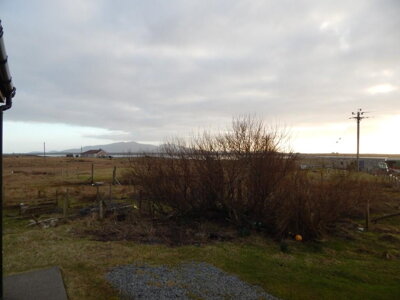
Browse 1 home for sale in HS7 from local estate agents.
The 2 bed house market features detached, semi-detached, and terraced properties with two separate bedrooms plus living spaces. Properties in HS7 range from Victorian and Edwardian period homes to modern new builds, with pricing varying across different neighbourhoods.
£0k
0
0
0
Source: home.co.uk
Showing 0 results for 2 Bedroom Houses for sale in HS7.
£153,385
Average Property Price
46%
Annual Price Growth
220+
Properties Available
£178,333
Detached Average
The HS7 property market presents a compelling picture for buyers across all property types. Detached properties command the highest prices in the area, with the average sale price reaching £178,333 over the past twelve months. These homes typically offer generous plots, sea views, and the kind of space that island living affords, making them particularly attractive to families seeking a complete lifestyle change from urban environments. The premium for detached living reflects both the scarcity of such properties and the lifestyle benefits they provide. Many detached homes in HS7 were built using traditional methods, with thick stone walls that provide excellent insulation against the Atlantic weather while maintaining comfortable internal temperatures year-round.
Semi-detached homes in HS7 offer excellent value at an average of £120,000, representing the most accessible entry point to the island property market. These properties often feature traditional island architecture with modern internal renovations, providing comfortable family accommodation at prices that would be unimaginable in Scotland's major cities. The semi-detached category includes many homes originally constructed as worker housing for fishing communities or crofting families, meaning they often occupy desirable central positions within villages. Terraced properties average £146,333, sitting between detached and semi-detached prices, and this category includes many character homes in established village locations that have been carefully maintained by their current owners.
The market has demonstrated impressive growth momentum, with the 46% year-on-year increase reflecting growing recognition of island living's advantages. Rightmove currently shows over 220 property listings in the HS7 area, giving buyers meaningful choice across all price points. This growth rate significantly outpaces both the Scottish national average and most UK regions, suggesting continued strong demand for Western Isles properties. The increase follows a broader trend of buyers seeking lifestyle changes following pandemic restrictions, with many discovering that reliable broadband makes remote working from beautiful locations entirely feasible. Buyers entering the HS7 market now join a community of residents who have already made the choice to prioritise quality of life over urban convenience.

The HS7 postcode covers communities within the Western Isles, a chain of islands off Scotland's west coast known for their dramatic landscapes, rich Gaelic heritage, and exceptionally strong community bonds. Residents enjoy access to pristine beaches that rank among Europe's finest, vast moorlands perfect for outdoor pursuits, and a pace of life that prioritises wellbeing over urban stress. The local economy centres on crofting, fishing, aquaculture, and renewable energy, with the Western Isles playing an increasingly important role in Scotland's wind and wave energy sector. Comhairle nan Eilean Siar (Western Isles Council) provides local government services across the islands, maintaining infrastructure and community facilities that support a population deeply connected to its natural environment.
Daily life in HS7 communities offers a genuine sense of belonging that urban dwellers rarely experience. Local shops, traditional pubs, and community centres form the social heart of each village, while modern amenities including healthcare facilities, supermarkets, and connectivity services ensure practical needs are well met. The Western Isles Hospital in Stornoway provides medical services for the entire archipelago, while community healthcare centres serve more remote locations. The area attracts people seeking escape from urban pressures, remote workers who have discovered they can conduct business from inspiring island locations, and families drawn by the outdoor lifestyle and supportive community environment that island schools provide. Community events including the Hebridean Celtic Festival and local Mod gatherings celebrate the unique cultural heritage of the islands throughout the year.
Property in HS7 typically ranges from traditional stone-built cottages to more recent construction, with many homes offering substantial gardens and outbuildings that reflect the crofting heritage of the islands. The sense of space here differs fundamentally from mainland urban areas, with properties often sitting on generous plots with views across moorland or towards the sea. Many properties include traditional outbuildings that can be converted into additional accommodation, home offices, or workshops, adding practical value beyond the main dwelling. This combination of affordable property prices and exceptional quality of life makes the HS7 area increasingly attractive to buyers from across the UK who are reassessing their priorities in the post-pandemic world.

Education provision in the HS7 area serves communities across the Western Isles with a network of primary schools delivering high-quality instruction in both Gaelic and English. These smaller school settings offer exceptional teacher-to-pupil ratios that allow for individual attention and a nurturing approach to learning that parents consistently praise. The strong Gaelic culture of the islands means children grow up bilingual, an increasingly valuable skill in Scotland's modern economy and one that enriches cultural understanding throughout life. Primary schools across the islands, including those serving smaller communities, maintain high standards despite their remote locations, with dedicated teachers who know each pupil individually.
Secondary education is available at schools within the Western Isles Council area, with pupils typically travelling to larger schools that offer comprehensive curricula including traditional academic subjects, vocational courses, and practical skills training. The Western Isles Council maintains strong commitments to education despite the challenges of serving a dispersed island population, and exam results in the region compare favourably with mainland counterparts when contextual factors are considered. Further education is available through Lews Castle College in Stornoway, which offers a range of vocational and academic courses, while students seeking university education can access institutions across Scotland and beyond. Sixth form provision varies by location, with some students choosing to continue their studies locally while others access further education opportunities on the mainland.
Families considering relocation to HS7 will find the educational environment particularly supportive, with community schools often serving as focal points for village life beyond standard school hours. Extracurricular activities, sports programmes, and cultural events feature prominently in the school calendar, and the outdoor learning opportunities available on these islands exceed what any mainland school could offer. School transport services operate across the islands, ensuring pupils can access education regardless of where their family home is located. The combination of academic achievement, bilingual education, and character development makes Western Isles schools genuinely attractive to families with children of all ages who are looking for an educational environment that develops the whole person rather than simply exam results.
Transport connectivity in the HS7 area relies primarily on ferry services connecting the Western Isles to the Scottish mainland and inter-island routes linking communities within the archipelago. CalMac ferries operate the essential services connecting these islands to Ullapool on the mainland and to other islands including North Uist, South Uist, and Barra. These ferry services, while reliable, require journey planning that differs fundamentally from mainland commuting patterns, and prospective residents should factor ferry timetables and crossing times into their lifestyle calculations. Ferry bookings for vehicles should be made well in advance during peak summer periods, when demand from tourists significantly exceeds supply.
Within the HS7 postcode area itself, the road network connects communities through single-track roads that traverse some of Scotland's most spectacular scenery. These roads require confident driving but offer journey experiences that transform mundane commuting into daily appreciation of the islands' natural beauty. Local bus services operate on key routes, providing essential connectivity for residents without private vehicles, while the local airstrip handles emergency services and some passenger flights connecting to the mainland network. The Western Isles has benefited from recent road improvements, including the reinstated bar markings and passing places that make single-track driving safer and more manageable for visitors unfamiliar with this driving style.
For those considering HS7 as a base for remote work, broadband connectivity has improved substantially across the Western Isles in recent years, with many properties now accessing reasonable speeds for video conferencing and cloud-based work. The Scottish Government and Highlands and Islands Enterprise have invested significantly in digital infrastructure across the islands, with fibre broadband now available in many areas and mobile network coverage expanding. Mobile phone coverage varies across the area, with some locations offering 4G connectivity while others rely on traditional landline services. The Western Isles Council and regional development agencies continue investing in digital infrastructure, recognising that connectivity is essential for sustaining and growing the island population in an increasingly digital economy. Properties in more remote locations may require satellite internet services, so prospective buyers should verify connectivity options for any specific property they are considering.
Property condition deserves particular attention in the HS7 area, where many homes are of traditional construction and may have weathered decades of exposure to Atlantic weather systems. Salt spray, strong winds, and persistent rainfall affect building materials differently than in more sheltered mainland locations, meaning roofs, external walls, and windows require careful inspection. Older stone-built properties, while often structurally sound, may have historic damp issues or outdated insulation that buyers should factor into renovation budgets. Our recommendation is always to commission a thorough RICS Level 2 Survey before completing any purchase, as our inspectors are experienced in assessing the particular challenges that island properties face.
Crofting rights and responsibilities attach to many properties in the Western Isles, and understanding these traditional land use arrangements is essential before completing a purchase. Croft tenancies may include rights to common grazing, obligations to maintain boundaries, and relationships with neighbouring crofters that new owners inherit. Your solicitor should investigate title deeds thoroughly to establish exactly what rights and responsibilities accompany any HS7 property you are considering. The Crofting Commission oversees these arrangements and can provide guidance on specific situations, while local crofting communities often welcome new participants who respect traditional practices.
Flood risk varies across the island landscape, with some coastal and low-lying properties requiring specific investigation of flood history and insurance implications. The Western Isles have experienced extreme weather events in recent years, and buyers should satisfy themselves regarding property resilience and insurance availability before committing to a purchase. The SEPA (Scottish Environment Protection Agency) flood maps can help identify properties in areas with elevated flood risk, though island flood events tend to be more localised than mainland river flooding. Home insurance costs in island locations may exceed mainland equivalents, so factoring these ongoing costs into your budget calculations is prudent. Buildings insurance is a legal requirement under Scottish property law, and insurers familiar with island properties can provide accurate quotes once they have details of the specific property construction and location.
Explore all available properties in HS7 through Homemove's comprehensive search, comparing prices across property types including detached homes at £178,333 average, semi-detached properties around £120,000, and terraced homes at approximately £146,333. Set up property alerts to receive notifications when new listings match your criteria, as desirable properties in popular island locations can attract multiple enquiries quickly.
Contact a mortgage broker to obtain your agreement in principle before viewing properties. This strengthens your position when making offers and demonstrates to sellers that you have secured financing in principle. Several lenders offer mortgages specifically for island properties, though the process may differ slightly from standard mainland purchases.
Arrange viewings of properties that match your criteria, taking time to explore the local community, check proximity to schools and amenities, and assess the condition of properties with guidance from local estate agents. We recommend staying overnight in the area if you are travelling from the mainland, as this allows you to experience daily life in HS7 communities rather than simply viewing properties in isolation.
Once you have an offer accepted, arrange a RICS Level 2 Survey to assess the property condition. Given many island properties may be older constructions, a thorough survey identifies any issues requiring attention before completion. Our RICS Level 2 Survey in HS7 starts from £350 and includes detailed assessment of construction, condition, and any defects that may affect value or safety.
Choose a solicitor experienced in Scottish property transactions to handle the legal aspects of your purchase, including title searches, local authority searches, and registration with the Registers of Scotland. Scottish conveyancing differs from the rest of the UK, so using a solicitor familiar with the Scottish system is essential.
Finalise your mortgage, sign all documentation, and receive your keys. Allow extra time for the completion process given the remote nature of HS7 transactions, which may require additional administrative steps compared to mainland purchases. Factor in ferry crossing times when arranging removals, and consider shipping larger items separately if vehicle space on ferries is limited during busy periods.
The average house price in HS7 over the past twelve months was £153,385, with detached properties averaging £178,333, semi-detached homes at £120,000, and terraced properties around £146,333. The market has shown strong growth with prices increasing 46% year-on-year and now sitting 2% above the previous 2023 peak. This represents excellent value compared to Scottish urban centres where comparable properties often command substantially higher prices. For context, the UK national average house price was £269,900 as of February 2026, meaning HS7 properties offer significant savings compared to most of mainland Britain.
Properties in the HS7 postcode area fall under Comhairle nan Eilean Siar (Western Isles Council) jurisdiction, and council tax is payable to this authority rather than a mainland council. Council tax bands range from A to H depending on property valuation, with the majority of island properties falling in lower bands due to more modest market values compared to urban areas. Exact banding depends on your specific property's assessed value, and you should verify this with the local authority upon purchase. You can check current council tax charges and any available discounts or exemptions through the Comhairle nan Eilean Siar website or by contacting their offices directly.
The Western Isles offers a network of primary schools serving local communities with the option of instruction in either Gaelic or English, reflecting the bilingual nature of island society. Secondary education is provided through schools in the area, with pupils progressing to further education either locally or on the mainland depending on their choices. School quality is monitored by Education Scotland, and parents should contact the Comhairle's education department for current information on specific school performance and catchment areas relevant to their property choice. Primary schools across HS7 communities maintain strong relationships with parents and offer rich curricula that extend beyond academic subjects to include outdoor learning, music, and traditional crafts.
HS7 is connected to the mainland via CalMac ferry services operating from ports accessible within the postcode area to Ullapool on the Scottish west coast. Inter-island ferries link communities within the Western Isles archipelago, with regular services to North Uist, South Uist, and Barra. Within the islands, a limited bus service operates on major routes, and private transport is strongly recommended for residents who need flexibility in their daily movements. Air services connect some islands to the mainland network, providing faster but less frequent alternatives to ferry travel, with flights operating from Stornoway Airport to Edinburgh and other Scottish destinations.
The HS7 property market has demonstrated impressive growth, with prices rising 46% over the past year and currently sitting above previous peaks. The combination of relatively accessible entry prices, growing recognition of island living benefits, and ongoing investment in digital infrastructure makes HS7 increasingly attractive to investors. However, island property markets can experience longer transaction times and lower liquidity than urban markets, so investors should take a long-term view and factor in potential challenges when selling. Short-term letting potential is limited by the seasonal nature of island tourism, though long-term rentals to local workers in the renewable energy and aquaculture sectors can provide steady income.
As an area of Scotland, Land and Buildings Transaction Tax (LBTT) applies rather than UK Stamp Duty, as Scotland operates its own property transaction tax system. The nil rate threshold for LBTT begins at £145,000, meaning purchases below this figure attract no tax. For a typical HS7 property averaging £153,385, the LBTT liability would be modest, calculated at 2% on the amount exceeding the nil rate band threshold. Your solicitor will provide an exact calculation based on your purchase price and circumstances, including any first-time buyer relief you may be entitled to claim.
There are no special restrictions on purchasing property in the Western Isles for UK citizens, though international buyers should check their eligibility to purchase property in Scotland. Some properties may have conditions attached to their sale, such as agricultural restrictions or requirements related to local occupancy, which your solicitor will identify during conveyancing. The Western Isles does not have the same high-profile overseas buyer issues seen in some Scottish urban areas, and properties are generally available to any qualified purchaser who can complete the transaction.
Buying property in HS7 involves Land and Buildings Transaction Tax rather than UK Stamp Duty, as Scotland operates its own property transaction tax system. The nil rate threshold for LBTT begins at £145,000, meaning purchases below this figure attract no tax. For a typical HS7 property averaging £153,385, the LBTT liability would be modest, calculated at 2% on the amount exceeding the nil rate band threshold. Your solicitor will provide an exact calculation based on your purchase price and circumstances, including any reliefs or exemptions that may apply to your particular situation.
First-time buyers purchasing residential property in Scotland receive additional relief that raises the nil rate threshold to £175,000, providing meaningful savings for those entering the property market in the HS7 area. This first-time buyer relief applies to the portion of the property price between £175,000 and £250,000 at a 2% rate, with standard rates applying above that threshold. Buyers who have previously owned property anywhere in the world do not qualify for this relief, but may still benefit from the generally lower property prices in HS7 compared to their home regions. The Scottish Government website provides detailed calculators that can help estimate LBTT liability before you begin your property search.
Beyond LBTT, buyers should budget for solicitor fees, survey costs, mortgage arrangement fees, and moving expenses. A RICS Level 2 Survey typically costs from £350 depending on property value, while more comprehensive Level 3 Structural Surveys start from £600 and are particularly advisable for older island properties. Moving costs to or from the islands include ferry transport for belongings, which may involve shipping containers for larger households. Factoring these island-specific costs into your overall budget ensures no surprises during the transaction process. Removal firms experienced in island moves can provide quotes that account for ferry crossing requirements and can advise on the most cost-effective approach for your specific circumstances.
From 4.5%
Financing your HS7 purchase from competitive rates
From £499
Scottish conveyancing solicitors experienced in island transactions
From £350
Thorough condition assessment by our qualified inspectors
From £600
Comprehensive structural survey for older island properties
Properties for Sale In London

Properties for Sale In Plymouth

Properties for Sale In Liverpool

Properties for Sale In Glasgow

Properties for Sale In Sheffield

Properties for Sale In Edinburgh

Properties for Sale In Coventry

Properties for Sale In Bradford

Properties for Sale In Manchester

Properties for Sale In Birmingham

Properties for Sale In Bristol

Properties for Sale In Oxford

Properties for Sale In Leicester

Properties for Sale In Newcastle

Properties for Sale In Leeds

Properties for Sale In Southampton

Properties for Sale In Cardiff

Properties for Sale In Nottingham

Properties for Sale In Norwich

Properties for Sale In Brighton

Properties for Sale In Derby

Properties for Sale In Portsmouth

Properties for Sale In Northampton

Properties for Sale In Milton Keynes

Properties for Sale In Bournemouth

Properties for Sale In Bolton

Properties for Sale In Swansea

Properties for Sale In Swindon

Properties for Sale In Peterborough

Properties for Sale In Wolverhampton

Enter your details to see if this property is within your budget.
Loans, cards, car finance
Estimated property budget
Borrowing + deposit
You could borrow between
Typical borrowing
Monthly repayment
Est. at 4.5%
Loan-to-value
This is an estimate only. Your actual budget may vary depending on interest rates, credit history, and personal circumstances. For an accurate affordability assessment, speak to one of our free mortgage advisors.
This calculator provides estimates for illustrative purposes only and does not constitute financial advice. Your home may be repossessed if you do not keep up repayments on your mortgage. Estimates based on 4.5% interest rate, repayment mortgage. Actual rates depend on your circumstances.
Homemove is a trading name of HM Haus Group Ltd (Company No. 13873779, registered in England & Wales). Homemove Mortgages Ltd (Company No. 15947693) is an Appointed Representative of TMG Direct Limited, trading as TMG Mortgage Network, which is authorised and regulated by the Financial Conduct Authority (FRN 786245). Homemove Mortgages Ltd is entered on the FCA Register as an Appointed Representative (FRN 1022429). You can check registrations at NewRegister or by calling 0800 111 6768.

We use cookies to show you personalised content and improve your experience of our website. Find out more in our Privacy policy and Cookie policy.