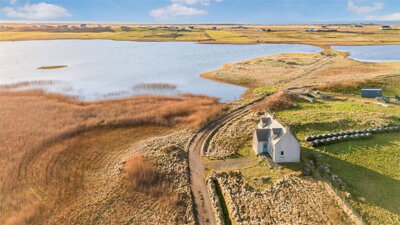
Browse 1 home for sale in HS6 from local estate agents.
The 2 bed house market features detached, semi-detached, and terraced properties with two separate bedrooms plus living spaces. Properties in HS6 range from Victorian and Edwardian period homes to modern new builds, with pricing varying across different neighbourhoods.
£0k
0
0
0
Source: home.co.uk
Showing 0 results for 2 Bedroom Houses for sale in HS6.
The HS6 property market presents a distinctive picture of island real estate, where limited supply meets steady demand from buyers seeking affordable access to Scotland's western seaboard. With only 10 property sales recorded in the past 12 months, this is a market where individual transactions carry significant weight and where buyers often find themselves competing for a small selection of quality properties. The average house price of £155,000 positions North Uist firmly within reach for first-time buyers, with terraced properties available from around £115,000 offering an accessible entry point to island ownership. The 3.3% annual price growth demonstrates that despite its remote location, HS6 continues to attract buyers and maintain property values.
Property types in HS6 reflect the rural character of the Outer Hebrides, with detached houses commanding the highest prices at approximately £175,000 due to their prominence and sea views. Semi-detached homes, typically ranging from £120,000 to £130,000, represent excellent value for families seeking more space without mainland price tags. New build activity in the postcode appears limited, meaning most properties on the market are existing homes with character and history. This older housing stock, while full of character, often requires buyers to factor in renovation or upgrade costs, particularly regarding insulation, heating efficiency, and electrical systems that may predate modern standards.

Life in the HS6 postcode revolves around the communities of North Uist and its surrounding smaller islands, where approximately 1,300 residents enjoy a quality of life increasingly rare in urban Scotland. The area belongs to Na h-Eileanan Siar council area, with public services centred around the main settlements that offer shops, medical practices, and community facilities. The local economy draws strength from traditional activities like crofting and fishing, alongside growing sectors in aquaculture, renewable energy, and tourism. Many households combine multiple income sources, reflecting the adaptable nature required for island living where employment opportunities, while genuine, differ from mainland urban centres.
The landscape of the Outer Hebrides shapes every aspect of daily life in HS6. The underlying Lewisian Gneiss geology, some of the oldest rock in Britain, creates the dramatic moorland and coastal terrain that defines this area. Peat deposits are common across the islands, remnants of the glacial past that also left behind sandy beaches and machair grassland unique to this part of Scotland. The built environment reflects centuries of adaptation to Atlantic weather, with traditional stone houses featuring thick walls, harling (rendering), and roofs of slate or corrugated iron. These construction methods, while robust, often require consideration when purchasing, and our detailed property surveys can identify any maintenance needs specific to local building traditions.
Community life in HS6 centres on local primary schools, churches, village halls, and the pubs and shops that serve as social hubs. The sparse population means that car ownership is effectively essential, with the nearest major town of Stornoway on Lewis requiring a ferry crossing to reach. However, this isolation also brings rewards: clean air, minimal traffic, dark skies for star-gazing, and a genuine sense of neighbourliness that visitors often remark upon. For families considering relocation, the HS6 postcode offers an upbringing that prioritises outdoor activities, community bonds, and access to some of Scotland's most stunning coastline.
Education provision in the HS6 postcode area reflects the challenges and adaptations required for serving a sparse island population spread across North Uist and surrounding smaller islands. Primary education is typically available within local communities through small schools that maintain excellent pupil-to-teacher ratios and strong community connections. These primary schools serve their immediate catchment areas, meaning the specific location of your property within HS6 determines which school your children would attend. Parents should obtain current catchment area information from Na h-Eileanan Siar council, as school arrangements can evolve based on pupil numbers and staffing.
Secondary education in the Outer Hebrides presents a practical consideration for families moving to HS6. Students typically travel to larger schools in areas like Lochmaddy or potentially Stornoway on Lewis, which may involve longer journeys or, in some cases, boarding arrangements during the school week. The quality of education provision is actively maintained by the local authority, with teachers experienced in delivering the curriculum effectively in small school settings. Sixth form and further education opportunities exist through the Nicolson Institute in Stornoway and the Lews Castle College campus, which offers vocational and higher education courses including distance learning options for those seeking to continue their studies while living remotely.
For buyers with school-age children, we strongly recommend making direct enquiries with Na h-Eileanan Siar council's education department to confirm current school arrangements, transport provision, and any planned changes to provision in the HS6 area. School transport on the islands is coordinated by the council, with bus services connecting outlying communities to primary schools and ferry connections to secondary schools on neighbouring islands where applicable.
Transport connections define daily life for residents of the HS6 postcode, where the islands' position in the Minch channel determines access to mainland Scotland. North Uist connects to the Scottish mainland primarily through ferry services operating from Lochmaddy on North Uist to Uig on Skye, with onward road connections to Kyle of Lochalsh, Inverness, and beyond. The ferry crossing takes approximately 1 hour 45 minutes, and ferry timetables structure daily routines for commuters and those travelling for work, education, or supplies. During summer months and school holidays, demand for ferry crossings increases significantly, and advance booking is strongly recommended.
Within the Outer Hebrides, inter-island ferry services connect North Uist to South Uist and Berneray, providing access to broader island amenities and the hospital and major services located in Stornoway on Lewis. Air travel offers an alternative for longer journeys, with Inverness accessible via flights from Benbecula Airport, which connects to the mainland network. Many residents budget regular flights to Inverness or Glasgow for appointments, shopping trips, or travel connections that require flights rather than the longer ferry and road journey. The practical reality is that island living requires acceptance of travel time as part of daily life, though many residents find the journey itself becomes part of the appeal of their chosen home.
Local transport within the HS6 postcode relies primarily on private vehicles, as public bus services operate on limited timetables unsuited to daily commuting needs. The road network includes single-track roads with passing places in many areas, reflecting the sparse population and lower traffic volumes. Road conditions are generally well-maintained by the local authority, though some minor roads may be affected by weather, particularly during winter storms when coastal erosion or flooding can temporarily disrupt access. Fuel costs in HS6 tend to be higher than mainland Scotland due to transportation costs, a factor that buyers should incorporate into their cost-of-living calculations alongside the significant savings on property prices.
Explore property listings in HS6 and understand the specific characteristics of North Uist and surrounding islands. The market moves more slowly than urban areas, with only around 10 sales monthly, so patience is essential. Consider visiting the area, staying locally, and experiencing daily life before committing to purchase. Our team can provide guidance on current listings and market conditions specific to island property transactions.
Contact lenders or use Homemove's mortgage comparison service to secure a mortgage agreement in principle before viewing properties. Given the unique nature of island properties and their construction, some lenders may have specific requirements, so seeking specialist advice early is valuable. Current average prices around £155,000 mean mortgage requirements are typically modest compared to urban markets, making island property accessible to a broader range of buyers with smaller deposits.
Visit properties that match your requirements and assess their suitability for island living. Consider factors like heating systems, insulation quality, roof condition, and exposure to coastal weather. Personal viewing helps you understand the property and identify priorities for investigation. We recommend viewing properties in different weather conditions if possible, as the Atlantic climate can reveal how well a property stands up to wind and rain.
For properties in HS6, we strongly recommend booking a RICS Level 2 Survey (HomeBuyer Report) to identify defects common to traditional island construction. Our inspectors are familiar with Outer Hebrides building methods and can assess specific concerns like damp penetration, roof condition, and peat-related ground stability. Given the remote location, allow extra time for survey scheduling and discuss any location-specific access considerations with our team when booking.
Choose a solicitor experienced in Scottish property transactions, ideally with knowledge of island property sales. They will handle title searches, property reports, and the transfer of ownership through the Land Register of Scotland. Local knowledge is valuable for identifying any unique considerations affecting the property, and our team can recommend conveyancing specialists familiar with Outer Hebrides transactions if needed.
In Scotland, the conclusion process differs from England, with date of entry agreed and missives concluded through solicitor correspondence. Your solicitor will coordinate with your mortgage provider and arrange final payments before you receive keys and can move into your new island home. Factor in ferry transport or specialist island shipping companies for your move, as logistics differ significantly from mainland relocations.
Purchasing property in the HS6 postcode requires attention to factors specific to island and exposed coastal locations that differ significantly from mainland property considerations. The Atlantic weather exposure affects all properties, meaning roof condition deserves particular scrutiny. Look for evidence of wind damage, loose or missing slates, and deterioration of flashing around chimneys and dormers. Traditional corrugated iron roofs, while robust, may require replacement after prolonged exposure, and this cost should factor into your offer. The prevalence of traditional stone construction with harling means exterior walls may show signs of weathering or cracking that a thorough survey would identify.
Damp represents one of the most common defects in HS6 properties, arising from driving rain penetration, rising damp in properties lacking modern damp-proof courses, and condensation due to inadequate ventilation in older constructions. During property viewings, look for musty smells, discoloured walls, and window frames that show signs of rot. Our inspectors frequently identify damp issues in properties built before modern construction standards, and a RICS Level 2 Survey provides detailed assessment of damp levels and recommendations for remediation. Many older properties have been updated with improved insulation and ventilation, but this cannot be assumed, and verification through documentation or professional survey is advisable.
Heating systems in HS6 typically use oil, electricity, or solid fuel, with costs varying significantly between systems. Oil heating requires tank maintenance and price volatility, while electric systems may carry higher running costs despite installation simplicity. Properties far from gas mains (which are absent in the Outer Hebrides) rely entirely on these alternatives. Energy efficiency ratings often reflect the age of construction rather than current condition, as older traditional buildings may perform differently than standard energy certificates suggest. Buyers should also investigate whether properties are within designated flood risk areas, particularly those close to the coastline, and obtain appropriate insurance quotes before completing purchase.
Given that a significant proportion of the housing stock in HS6 is over 50 years old, our surveyors often encounter issues related to outdated electrical systems and plumbing that do not meet current safety standards. Wiring that predates modern regulations may require complete rewiring, and lead or copper plumbing may need replacement. We always recommend that buyers factor these potential upgrade costs into their budgets when making offers on older island properties.

The average house price in the HS6 postcode is approximately £155,000, according to recent Land Registry data. Property prices vary by type: detached homes average around £175,000, semi-detached properties around £130,000, terraced houses approximately £115,000, and flats from £85,000. The market has shown steady growth with a 12-month price change of 3.3%, indicating consistent demand for island properties. With only 10 property sales recorded in the past year, the market is relatively small but active given the population.
Properties in the HS6 postcode fall within the Na h-Eileanan Siar council area, which uses council tax bands A through H based on property valuation. Given the typically lower property values in the islands compared to mainland Scotland, most HS6 properties fall within bands A to C. Exact band allocations depend on individual property valuations, and prospective buyers can check current council tax bands through the Na h-Eileanan Siar council website or property information available during the buying process.
Education in the HS6 area consists of local primary schools serving immediate communities, with secondary education typically requiring travel to larger settlements on North Uist or neighbouring islands. The specific school serving a property depends entirely on its catchment area within the island's geography. Parents should contact Na h-Eileanan Siar education department directly to confirm current school arrangements, catchment boundaries, and transport provision. Many families find the small class sizes and community-focused nature of island schools offer educational benefits that complement academic achievement.
Public transport connections from HS6 centre primarily on ferry services operating from Lochmaddy on North Uist to Uig on Skye, providing road access to the Scottish mainland. Within the islands, limited bus services operate on fixed timetables, making private vehicle ownership effectively essential for daily living. Benbecula Airport provides air connections to Inverness and the mainland network. Travel to major cities like Glasgow or Edinburgh requires a combination of ferry and road journeys, typically taking 4-5 hours minimum to Inverness and 6-7 hours to Glasgow or Edinburgh.
Property investment in HS6 differs from mainstream buy-to-let markets, offering modest entry costs alongside unique considerations. The average price of £155,000 provides accessible entry compared to Scottish urban markets, and rental demand exists from seasonal workers in aquaculture and tourism, MOD personnel, and those seeking temporary island accommodation. However, the small population limits tenant availability, and island isolation can complicate property management for landlords based on the mainland. Long-term capital growth potential is linked to broader trends in remote working attractiveness and island living demand. Buyers should approach investment with realistic expectations about rental yields and management complexity.
Scotland applies the Land and Buildings Transaction Tax (LBTT) rather than UK stamp duty. The LBTT residential rates start at 0% for purchases up to £145,000, then 2% on the portion from £145,001 to £250,000, and 4% above £250,000. For a typical £155,000 property in HS6, standard buyers pay approximately £200 in LBTT. First-time buyers in Scotland receive increased relief, with 0% rates applying up to £175,000, meaning most first-time buyers purchasing at the HS6 average price would pay no LBTT at all. Always verify current thresholds with Revenue Scotland or your solicitor as rates can change.
Coastal areas within the HS6 postcode are susceptible to coastal flooding and erosion, particularly during storm surges and high tides when Atlantic weather systems batter the exposed western coastline. Surface water flooding can occur in low-lying areas, especially where drainage is poor or during heavy rainfall events common in the Hebrides. Our surveyors always check the Scottish Environment Protection Agency (SEPA) flood maps when assessing properties close to the coastline, and we recommend buyers obtain appropriate insurance quotes before completing purchase. Properties elevated above sea level or set back from the shore generally face lower flood risk.
Our inspectors frequently identify damp issues in HS6 properties due to the exposure to harsh Atlantic weather and driving rain that affects the Outer Hebrides. Roof condition problems are common, with slate and corrugated iron roofs showing wear from strong winds and rain over decades of exposure. Structural movement can occur where properties sit on peat deposits, which can compress or shift differently than ground on the stable Lewisian Gneiss bedrock that underlies much of the islands. Outdated electrical systems and inadequate insulation are also frequently identified in the older housing stock that predominates in HS6. A RICS Level 2 Survey provides comprehensive assessment of these issues before you commit to purchase.
From 3.5%
Compare mortgage rates from leading lenders
From £499
Expert Scottish conveyancers for your property purchase
From £400
Thorough inspection by qualified local surveyors
From £85
Energy performance certificate for your new property
Understanding the full costs of purchasing property in HS6 requires budgeting beyond the property price itself, though the typically modest valuations in this postcode help keep total costs manageable. The primary additional cost is the Land and Buildings Transaction Tax (LBTT), Scotland's equivalent of stamp duty, which applies progressive rates to residential purchases. For a property at the HS6 average price of £155,000, a standard buyer would expect to pay approximately £200 in LBTT after the nil-rate band up to £145,000. First-time buyers benefit from Scotland's enhanced first-time buyer relief, which extends the nil-rate band to £175,000, meaning most first-time buyers purchasing at the island average would incur zero LBTT liability.
Beyond LBTT, buyers should budget for solicitor fees typically ranging from £500 to £1,500 depending on complexity and whether the property is already registered in the Land Register of Scotland. Survey costs for a RICS Level 2 Survey range from £400 to £900 nationally, though surveyors working in the HS6 postcode may add travel surcharges given the remote location, making it advisable to obtain quotes from surveyors familiar with island work. Mortgage arrangement fees, if applicable, typically range from £500 to £2,000 depending on lender and product. Land Registry registration fees in Scotland are approximately £200-300 for standard transactions. Factor in moving costs, which for island relocations include ferry transport or specialist island shipping companies, potentially adding £500-2,000 depending on volume and method.
Ongoing costs for HS6 homeowners include council tax (typically bands A-C given property values), home insurance which may be higher than mainland due to coastal weather exposure, and heating costs that vary significantly by property age and system type. Properties with solid wall construction or poor insulation can incur substantial winter heating bills, so energy efficiency should be assessed alongside purchase price. Despite these additional costs, the overall affordability of HS6 properties compared to mainland Scotland means many buyers find they can purchase with smaller mortgages and lower monthly payments than urban equivalents, improving their financial position even after accounting for island-specific expenses.
Properties for Sale In London

Properties for Sale In Plymouth

Properties for Sale In Liverpool

Properties for Sale In Glasgow

Properties for Sale In Sheffield

Properties for Sale In Edinburgh

Properties for Sale In Coventry

Properties for Sale In Bradford

Properties for Sale In Manchester

Properties for Sale In Birmingham

Properties for Sale In Bristol

Properties for Sale In Oxford

Properties for Sale In Leicester

Properties for Sale In Newcastle

Properties for Sale In Leeds

Properties for Sale In Southampton

Properties for Sale In Cardiff

Properties for Sale In Nottingham

Properties for Sale In Norwich

Properties for Sale In Brighton

Properties for Sale In Derby

Properties for Sale In Portsmouth

Properties for Sale In Northampton

Properties for Sale In Milton Keynes

Properties for Sale In Bournemouth

Properties for Sale In Bolton

Properties for Sale In Swansea

Properties for Sale In Swindon

Properties for Sale In Peterborough

Properties for Sale In Wolverhampton

Enter your details to see if this property is within your budget.
Loans, cards, car finance
Estimated property budget
Borrowing + deposit
You could borrow between
Typical borrowing
Monthly repayment
Est. at 4.5%
Loan-to-value
This is an estimate only. Your actual budget may vary depending on interest rates, credit history, and personal circumstances. For an accurate affordability assessment, speak to one of our free mortgage advisors.
This calculator provides estimates for illustrative purposes only and does not constitute financial advice. Your home may be repossessed if you do not keep up repayments on your mortgage. Estimates based on 4.5% interest rate, repayment mortgage. Actual rates depend on your circumstances.
Homemove is a trading name of HM Haus Group Ltd (Company No. 13873779, registered in England & Wales). Homemove Mortgages Ltd (Company No. 15947693) is an Appointed Representative of TMG Direct Limited, trading as TMG Mortgage Network, which is authorised and regulated by the Financial Conduct Authority (FRN 786245). Homemove Mortgages Ltd is entered on the FCA Register as an Appointed Representative (FRN 1022429). You can check registrations at NewRegister or by calling 0800 111 6768.

We use cookies to show you personalised content and improve your experience of our website. Find out more in our Privacy policy and Cookie policy.