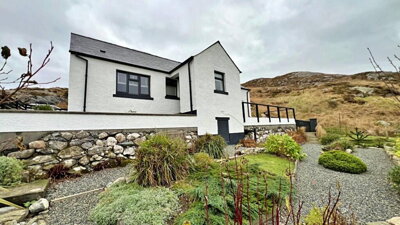
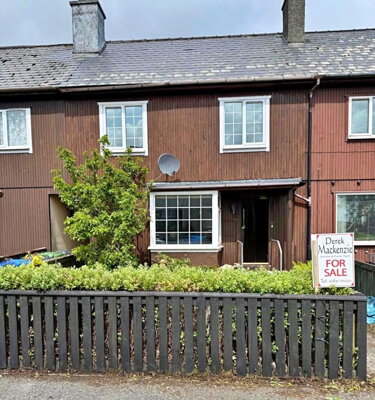
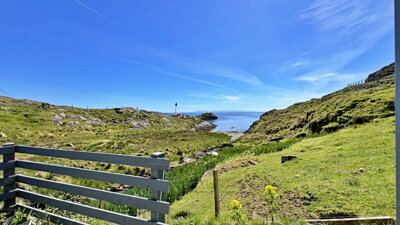
Browse 3 homes for sale in HS3 from local estate agents.
Three bedroom properties represent a significant portion of the HS3 housing market, offering space for families with multiple reception rooms and gardens in many cases. Browse detached, semi-detached, and terraced options ranging from period character homes to contemporary developments.
£182k
2
0
142
Source: home.co.uk
Showing 2 results for 3 Bedroom Houses for sale in HS3. The median asking price is £182,250.
Source: home.co.uk
Detached
1 listings
Avg £265,000
Terraced
1 listings
Avg £99,500
Source: home.co.uk
Source: home.co.uk
The HS3 property market reflects the unique character of the Isle of Harris, with detached properties forming the overwhelming majority of available homes. Traditional detached bungalows appear regularly in listings, such as those found in Borve and Urgha, offering two to four bedrooms in configurations suited to families, retirees, and those seeking a peaceful island lifestyle. Property types range from compact single-storey dwellings ideal for downsizers to substantial 1.5-storey family homes that take advantage of Harris's dramatic coastal and mountain views. The scarcity of terraced housing and apartments outside Tarbert means buyers seeking more compact urban-style living will find limited options in this postcode area.
Converted Blackhouses represent a distinctive segment of the Harris property market, offering character-rich homes that have been thoughtfully transformed from traditional island buildings. These properties showcase local craftsmanship and materials, including Lewisian gneiss stone walls and traditional roofing techniques, while incorporating modern amenities for contemporary living. Properties in areas like Scalpay and the surrounding townships often feature the distinctive white-rendered walls and black corrugated iron roofing that has become synonymous with traditional Hebridean architecture. The durability of local stone construction means many Blackhouses remain structurally sound despite their age, though careful inspection of wall ties, mortar condition, and any signs of movement is advisable before purchase.
New build activity remains minimal across HS3 due to the island's remote location and challenging logistics for construction materials, meaning the majority of available stock consists of existing properties that may require varying degrees of renovation or modernisation. This creates opportunities for buyers willing to undertake projects while also presenting considerations around property condition and survey requirements. The age profile of Harris properties means that a significant proportion will have been constructed before modern building regulations, with solid walls rather than cavity construction, original windows, and heating systems that may require updating. A thorough RICS Level 2 Survey provides essential intelligence about the condition of any property you are considering, identifying works that may be required and helping you negotiate an appropriate price.

The Isle of Harris offers an exceptional quality of life rooted in its stunning natural environment and vibrant Gaelic culture. The HS3 postcode encompasses communities including Tarbert, Borve, Urgha, and the surrounding crofting townships, with a combined population of approximately 1,900 residents across the civil parish. This small population creates an intimate community atmosphere where neighbours know one another and newcomers are readily welcomed into local life. The island's economy centres on tourism, Harris Tweed production, fishing heritage, and the celebrated Isle of Harris Distillery in Tarbert, which provides employment and draws visitors to the area throughout the year. Community events including local music sessions, agricultural shows, and cultural gatherings provide regular opportunities for social connection.
The landscape of Harris encompasses everything from the iconic golden sands of Luskentyre and Seilebost beaches to the imposing peaks of the Harris hills, providing endless opportunities for outdoor pursuits including walking, fishing, sailing, and wildlife watching. The North Harris Trust plays a vital role in community development and land management, supporting sustainable economic growth while preserving the island's natural and cultural heritage. The trust's work has helped maintain public access to significant areas of hill and moorland, ensuring that residents and visitors can continue to enjoy the island's wild landscapes. Local amenities in Tarbert include shops, restaurants, healthcare facilities, and community services, while the wider island offers primary schools, churches, and regular community events that bring residents together throughout the year.
The property market in HS3 benefits from the island's desirability while remaining grounded in practical realities of island living. Properties with sea views, particularly those overlooking the Sound of Harris toward the Uists, command a premium, while more modest homes offer accessible entry points to island life. The tourism economy supports a holiday let market, with properties in popular areas generating significant income during the summer season. However, buyers should consider that the seasonal nature of tourism means income from holiday lets will fluctuate throughout the year, and property management for remote holiday lets requires careful planning and reliable local contacts.

Education provision on the Isle of Harris serves the island's small but dedicated community of families, with Tarbert Academy providing secondary education for pupils from across the HS3 area and beyond. This school offers a range of academic and vocational subjects, with smaller class sizes allowing for personalized attention and strong teacher-student relationships. For families considering a move to Harris, the school's role as a community hub extends beyond academics to include extracurricular activities, sports, and cultural events that reflect the island's traditions and values. Pupils from more remote areas may travel significant distances to attend, making proximity to school bus routes an important consideration when selecting a property location. The school maintains strong links with the wider community and participates in local events including the Harris Highland Games.
Primary education is available at schools serving the various townships across Harris, with provision designed to accommodate the dispersed nature of island settlements. These smaller schools maintain excellent teacher-to-pupil ratios and provide a nurturing environment for young children beginning their educational journey. The Gaelic language and culture remain integral to Harris's educational provision, with Gàidhlig taught and celebrated in schools as a living part of island heritage. Parents choosing Harris for their family receive the benefit of bilingual education that immerses children in Scotland's oldest living language while providing full access to the national curriculum. The Gaelic Primary School in Scalpay serves families in that area, providing education through the medium of Gaelic with English introduced progressively.
Secondary pupils progressing beyond Tarbert Academy may pursue further education opportunities on the Scottish mainland, with ferries providing connections to Uist and to larger educational institutions in Inverness, Glasgow, and Edinburgh. The transition to mainland education often coincides with families choosing to establish mainland base arrangements, though many young people return to Harris after completing their studies, drawn back by family ties and employment opportunities. Families moving to HS3 with older children should discuss curriculum options and any specialist subject requirements with Tarbert Academy directly to ensure the school can meet their children's needs.
Transport connections to and from the Isle of Harris centre on the ferry terminal at Tarbert, which provides scheduled crossings to Uist and onward connections to the Scottish mainland. The Caledonian MacBrayne ferry service links Harris with Uig on Skye, with the journey taking approximately 1 hour 40 minutes under normal conditions. This connection enables access to the broader road network via Skye and the mainland, though residents should anticipate that travel to major population centres will involve significant journey times and ferry dependencies. The ferry service operates with varying frequencies throughout the year, with reduced sailings during winter months and additional services during the summer peak. Booking ahead is essential during holiday periods, and vehicle reservations are strongly recommended for those travelling with cars.
Within Harris, the A859 serves as the main road artery connecting Tarbert with settlements across the island, though the road network consists largely of single-track roads with passing places in more remote areas. Journey times between Tarbert and outlying settlements such as Brenish, Nisabost, and Hushinish require careful planning, particularly during winter when daylight hours are limited and weather conditions can deteriorate rapidly. The Western Isles airport at Balivanich in Benbecula provides air connections to the mainland for those seeking faster travel options, though this requires ferry transit from Harris first. Flights from Benbecula connect to Inverness, Glasgow, and Edinburgh, offering same-day access to major cities for those willing to combine ferry and air travel.
Daily life in HS3 typically revolves around having private transport, as public bus services offer limited frequency and coverage compared to mainland alternatives. A reliable vehicle is considered essential by most residents, not merely for convenience but for practical necessities including grocery shopping, medical appointments, and accessing properties in remote locations. Cycling is popular among residents during summer months, though the often-harsh Hebridean weather and exposed terrain present challenges for year-round commuting by bicycle. Those considering a move to Harris should budget for vehicle ferry crossings as part of regular travel costs, and factor the logistics of ferry-dependent living into their decision-making process.
Explore online property listings on Homemove to understand available properties, price ranges, and property types in the Isle of Harris area. Given the limited stock and unique nature of island properties, early research helps identify suitable homes and understand the local market dynamics. Register with local estate agents to receive alerts when new properties come to market, as sought-after homes in locations like Borve, Urgha, and Tarbert can attract interest quickly. Understanding the seasonal nature of island property markets can also help with timing, as summer viewings allow buyers to experience the island at its most vibrant while winter offers a truer picture of day-to-day living conditions.
Schedule viewings of properties that meet your criteria, planning your visit around ferry schedules and weather conditions. Island property viewings often require more planning than mainland visits, so coordinate with estate agents in advance and allow extra time for travel to ensure a thorough inspection. Consider staying on the island for a few days to explore the local area, meet potential neighbours, and assess whether Harris life suits your circumstances. Multiple visits are advisable for significant purchases, allowing you to experience different weather conditions and seasonal variations before committing to a transaction.
Obtain a mortgage agreement in principle before making offers, particularly important for island properties where sellers may prioritize buyers with confirmed financing. Contact lenders familiar with island properties and remote locations, as some mortgage providers have specific requirements for properties accessed by ferry. The Scottish property transaction system differs from England and Wales, with the missives process requiring experienced solicitor handling. Factor in all costs including Land and Buildings Transaction Tax, solicitor fees, survey costs, and the additional logistics expenses associated with island property transactions.
Arrange a RICS Level 2 Survey for any property you intend to purchase, as older island properties may have issues related to traditional construction, coastal exposure, or age. Given the prevalence of traditional stone buildings and older properties in HS3, a thorough survey provides essential information about condition and any necessary repairs. Our inspectors are experienced with traditional Hebridean construction and understand the specific challenges posed by Lewisian gneiss buildings, coastal weathering, and older roofing systems. The survey report will identify any defects requiring attention and help inform your final negotiation on price.
Choose a solicitor experienced with Scottish property transactions to handle the legal aspects of your purchase. Your solicitor will conduct searches, handle title deeds, and manage the completion process, with additional considerations for island properties including access rights and crofting registrations. Harris properties may be subject to crofting tenure or other local arrangements that require specialist knowledge to navigate correctly. Discuss any questions about title deeds, access arrangements, and any historical or cultural considerations with your solicitor before proceeding.
Finalize your purchase through the Scottish missives process, with completion typically arranged to suit both parties. Once complete, you can arrange connections to utilities, register with local services, and begin enjoying your new life in the Isle of Harris. Utility connections in remote areas may take time to arrange, so contact providers early to ensure services are connected before your move. Register with the local medical practice, school if applicable, and community organisations to integrate quickly into island life.
Property buyers considering the HS3 postcode should pay particular attention to construction materials and their suitability for the Hebridean climate. Traditional Harris properties often feature Lewisian gneiss stone walls, which are durable but may require repointing and maintenance over time. The Lewisian gneiss bedrock underlying much of Harris is extremely old and hard, providing generally stable foundations, though localised variations in superficial deposits can create differential settlement in older buildings. Roofing materials range from slate to corrugated iron, both capable of withstanding harsh weather when properly maintained, though corroded or damaged roofing sheets are common defects in older properties that have not received regular maintenance. Understanding the property's construction history, including any previous renovations or extensions, helps buyers anticipate ongoing maintenance requirements and associated costs that come with traditional island buildings.
Damp represents one of the most common defect categories identified in Harris properties, manifesting as penetrating damp from driving rain, rising damp in older properties without modern damp-proof courses, and condensation issues arising from inadequate ventilation. The island's exposed Atlantic position means properties regularly experience strong winds and heavy rain, testing the weatherproofing of even well-maintained buildings. Our inspectors pay particular attention to pointing condition in stone walls, window and door frames, and any signs of water staining or timber decay. Properties with solid stone walls require different treatment approaches than modern cavity construction, and understanding these differences helps buyers appreciate the maintenance character of traditional island homes.
Flood risk and coastal exposure merit careful evaluation when purchasing in HS3, given the island's significant coastline and Atlantic weather systems. Properties located near the shore or in low-lying areas require assessment for potential coastal erosion and flooding during severe weather events. SEPA flood mapping indicates coastal flood risk in certain areas, particularly around Tarbert harbour and other low-lying coastal zones, though many traditional properties were sited to avoid the worst exposures. Surface water drainage should be inspected, particularly for older properties that may lack modern systems, as heavy rainfall can overwhelm traditional drainage arrangements. Home buyers should also verify planning permissions for any additions or alterations, as the island has specific planning considerations for developments affecting the landscape and traditional buildings.
Electrical and plumbing systems in older Harris properties often require assessment, as dated installations may not meet current standards or provide adequate capacity for modern household needs. Many traditional croft houses retain original wiring and plumbing that has been partially upgraded over decades, resulting in mixed systems that require careful evaluation. A RICS Level 2 Survey will identify any electrical or plumbing concerns, and our inspectors can recommend appropriate specialists for more detailed investigation where required. Access arrangements, including private roads and shared driveways common in rural areas, should be confirmed with the seller and verified through title deeds, as these arrangements can affect property use and maintenance responsibilities.
Specific average house price data for the HS3 postcode is not aggregated by major property portals, making it difficult to provide a precise median figure. Property listings in the area include traditional detached bungalows and converted Blackhouses at various price points, with the market influenced by property condition, location, and views. A traditional two-bedroom bungalow in Borve or Urgha typically appears at different price levels than a larger four-bedroom family home in Tarbert, while converted Blackhouses with character features often command premiums. Given the limited number of annual sales and the unique nature of island properties, each transaction tends to be evaluated on its individual merits rather than against a standardized average.
Properties in the Isle of Harris fall under Comhairle nan Eilean Siar (Western Isles Council) administration, with council tax bands assigned based on property value as assessed by the Scottish Assessor. Bands range from A through H, with the majority of traditional island properties typically falling in the lower to mid bands due to their age and construction type. A modest two-bedroom detached bungalow in a rural HS3 location might be assigned Band A or B, while larger properties in Tarbert or properties with significant modern extensions could fall into higher bands. Prospective buyers can check individual property bands through the Scottish Assessors Portal using the property address.
Tarbert Academy serves as the main secondary school for HS3 residents, providing education for pupils from across the island with a focus on Gaelic and island culture alongside the standard curriculum. The school has earned a positive reputation among Harris families for its supportive environment and strong community ties, with pupils benefiting from smaller class sizes than typically found in mainland schools. Primary education is available through community schools serving local townships, offering smaller class sizes and strong community ties that reflect the close-knit nature of island settlements. The island's schools maintain good reputations among residents, though families seeking specialized educational provision may need to consider mainland options for certain requirements.
Public transport options on Harris are limited compared to mainland Scotland, with scheduled bus services providing connections between settlements but with reduced frequencies outside peak tourist seasons. The primary transport link is the ferry service from Tarbert to Uig on Skye, operated by Caledonian MacBrayne, which enables access to the wider road network via Skye and the mainland. Summer timetables typically offer more frequent crossings than winter services, and booking vehicle spaces ahead during holiday periods is strongly advisable. Air travel requires first taking a ferry to Benbecula, making private vehicle ownership effectively essential for most residents who need regular access to goods, services, and mainland connections.
The Isle of Harris property market offers distinct investment characteristics, including strong demand for holiday lets and second homes driven by the area's tourism appeal and iconic beaches. The golden sands of Luskentyre and Seilebost consistently rank among Scotland's most photographed beaches, drawing visitors throughout the year who fall in love with the island and often return to purchase their own piece of Harris. Rental yields can be attractive during peak season from May through September, though occupancy rates will vary throughout the year due to seasonal tourism patterns and the weather-dependent nature of Hebridean tourism. Capital appreciation tends to be steady rather than rapid, reflecting the niche nature of island property markets and limited buyer pool. Long-term investment success depends on property condition, location quality, and willingness to manage remote property maintenance, with proximity to Tarbert amenities often proving advantageous for holiday let properties.
As HS3 is in Scotland, buyers pay Land and Buildings Transaction Tax rather than UK Stamp Duty. LBTT rates for residential purchases include 0% on the first £145,000, 2% on the portion from £145,001 to £250,000, 5% from £250,001 to £325,000, 10% from £325,001 to £750,000, and 12% above £750,000. First-time buyers in Scotland may qualify for relief on properties up to £175,000, eliminating LBTT on purchases within that threshold. Most properties in HS3 fall within the lower LBTT bands, though larger homes or those with significant land holdings may attract higher rates. Your solicitor can calculate the exact liability based on your purchase price and circumstances.
Traditional Harris properties face specific challenges related to their age, construction methods, and exposure to Atlantic weather systems. Damp problems feature prominently, including penetrating damp through stone walls, rising damp where original damp-proof courses are absent, and condensation issues arising from modern living in traditionally-built homes. Roof condition requires careful inspection, as wind damage and weathering can affect both slate and corrugated iron coverings. Our inspectors frequently identify outdated electrical systems, with many older properties retaining original wiring that does not meet current standards. Structural movement in stone walls, often related to deteriorating mortar or shallow foundations on variable ground, requires professional assessment to determine whether remedial work is necessary.
The Isle of Harris contains a number of listed buildings reflecting the island's long history and traditional built heritage, though specific data for the HS3 postcode alone is not readily available. Properties near Tarbert harbour and in older township settlements may include listed buildings requiring special consideration for any alterations or renovations. Listed building status brings additional requirements for repairs and modifications that must respect the property's historical character, potentially increasing maintenance costs and limiting scope for changes. Your solicitor will advise on listed building status during conveyancing, and our surveyors can assess the implications for properties under consideration.
From £400
Essential for assessing traditional Harris properties including stone walls, older roofing, and weather exposure concerns
From £600
Comprehensive survey recommended for converted Blackhouses and older traditional properties
From £80
Energy performance certificate required for all property sales
From 4.5%
Finance for your Harris property purchase
Purchasing property in the HS3 postcode involves Land and Buildings Transaction Tax rather than UK Stamp Duty, as Scotland maintains its own property transaction tax system. For residential purchases, LBTT applies progressively with no tax charged on the first £145,000 of the purchase price. The rates then increase through bands, reaching 12% on any portion exceeding £750,000. First-time buyers in Scotland benefit from increased thresholds, with LBTT abolished on purchases up to £175,000 and reduced rates applying between £175,001 and £250,000. These thresholds apply regardless of property location within Scotland, so island buyers receive the same treatment as mainland purchasers. Most Harris properties fall within the lower LBTT bands given typical price points for island property.
Beyond LBTT, buyers should budget for additional costs including solicitor fees typically ranging from £500 to £1,500 for conveyancing, mortgage arrangement fees if applicable, and the cost of surveys appropriate to traditional island properties. A RICS Level 2 Survey costs from approximately £400 depending on property size, with island locations potentially attracting higher fees due to surveyor travel requirements. Land registration fees in Scotland vary based on property value, while property surveys may be particularly valuable for older Harris properties where traditional construction and coastal weathering warrant thorough professional assessment before purchase. Factor in travel costs for island visits, ferry crossings, and potential overnight accommodation when viewing multiple properties or coordinating final arrangements.
Utility connection costs in HS3 can vary significantly depending on property location and existing arrangements. Remote properties may require connection to mains electricity, with some homes relying on oil-fired central heating, bottled gas, or renewable energy systems that require maintenance and fuel supplies. Water supply arrangements also warrant investigation, as some properties connect to mains water while others rely on private water sources that require testing and maintenance. These practical considerations form an important part of budgeting for your Harris purchase and should be addressed during survey and conveyancing processes.
Properties for Sale In London

Properties for Sale In Plymouth

Properties for Sale In Liverpool

Properties for Sale In Glasgow

Properties for Sale In Sheffield

Properties for Sale In Edinburgh

Properties for Sale In Coventry

Properties for Sale In Bradford

Properties for Sale In Manchester

Properties for Sale In Birmingham

Properties for Sale In Bristol

Properties for Sale In Oxford

Properties for Sale In Leicester

Properties for Sale In Newcastle

Properties for Sale In Leeds

Properties for Sale In Southampton

Properties for Sale In Cardiff

Properties for Sale In Nottingham

Properties for Sale In Norwich

Properties for Sale In Brighton

Properties for Sale In Derby

Properties for Sale In Portsmouth

Properties for Sale In Northampton

Properties for Sale In Milton Keynes

Properties for Sale In Bournemouth

Properties for Sale In Bolton

Properties for Sale In Swansea

Properties for Sale In Swindon

Properties for Sale In Peterborough

Properties for Sale In Wolverhampton

Enter your details to see if this property is within your budget.
Loans, cards, car finance
Estimated property budget
Borrowing + deposit
You could borrow between
Typical borrowing
Monthly repayment
Est. at 4.5%
Loan-to-value
This is an estimate only. Your actual budget may vary depending on interest rates, credit history, and personal circumstances. For an accurate affordability assessment, speak to one of our free mortgage advisors.
This calculator provides estimates for illustrative purposes only and does not constitute financial advice. Your home may be repossessed if you do not keep up repayments on your mortgage. Estimates based on 4.5% interest rate, repayment mortgage. Actual rates depend on your circumstances.
Homemove is a trading name of HM Haus Group Ltd (Company No. 13873779, registered in England & Wales). Homemove Mortgages Ltd (Company No. 15947693) is an Appointed Representative of TMG Direct Limited, trading as TMG Mortgage Network, which is authorised and regulated by the Financial Conduct Authority (FRN 786245). Homemove Mortgages Ltd is entered on the FCA Register as an Appointed Representative (FRN 1022429). You can check registrations at NewRegister or by calling 0800 111 6768.

We use cookies to show you personalised content and improve your experience of our website. Find out more in our Privacy policy and Cookie policy.