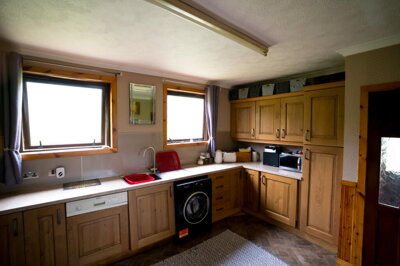
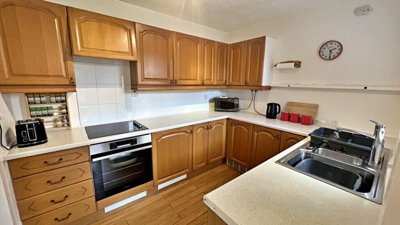
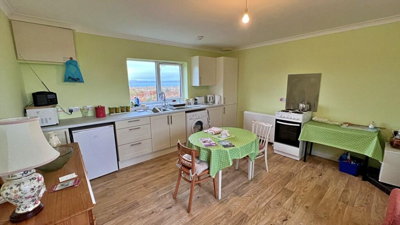
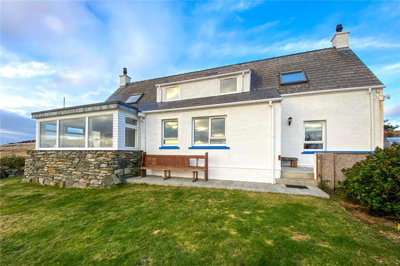
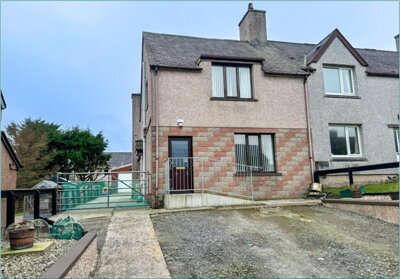
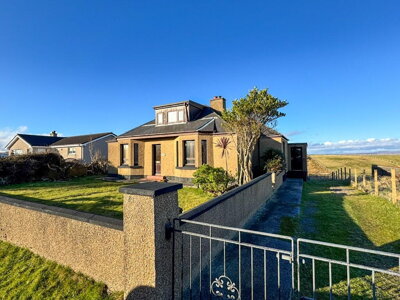
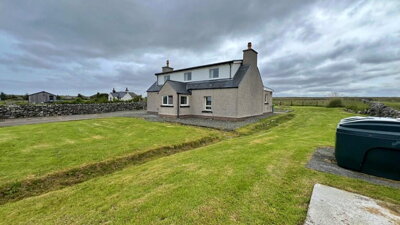
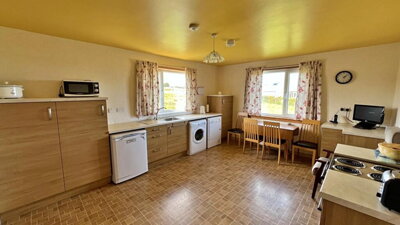
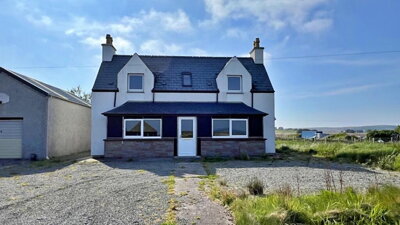
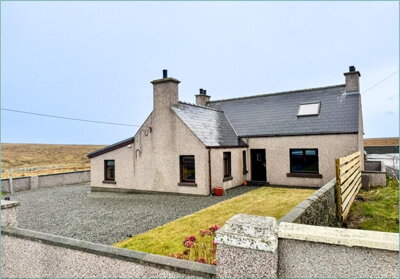
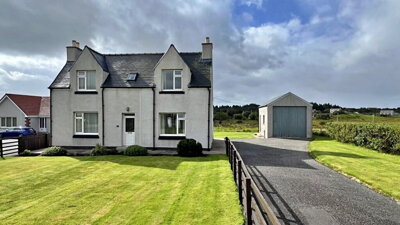
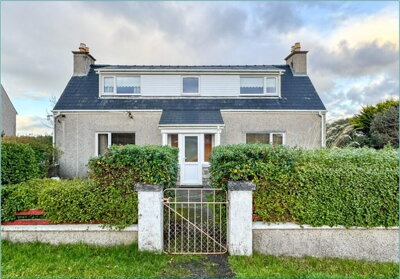
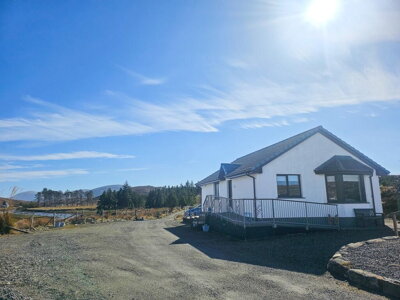
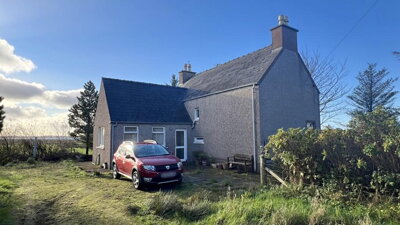
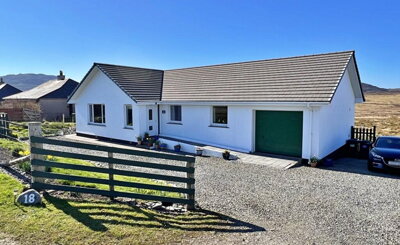
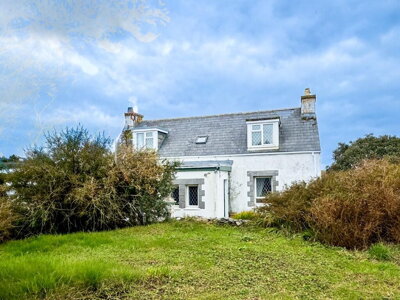
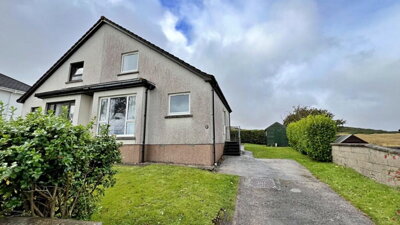
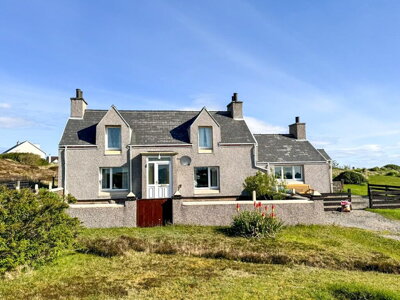
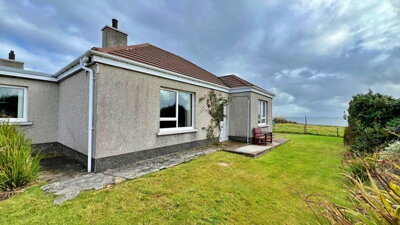
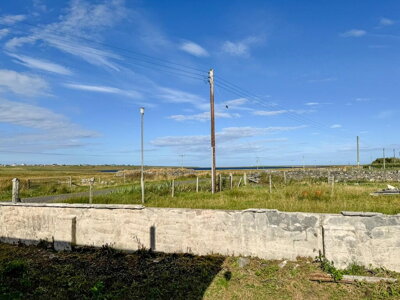
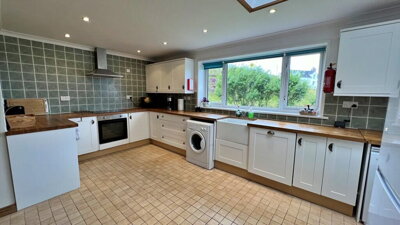
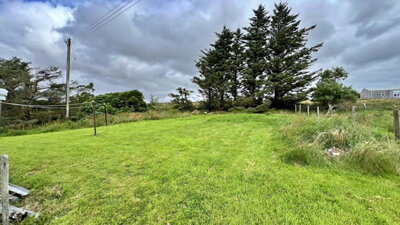
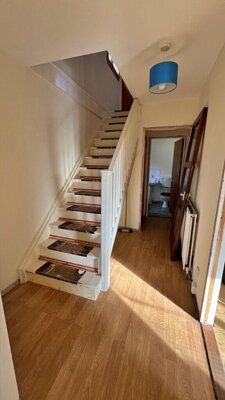
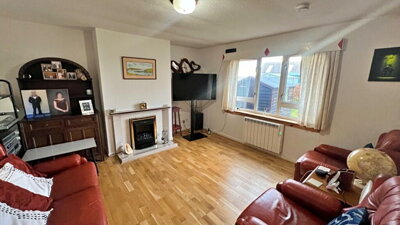
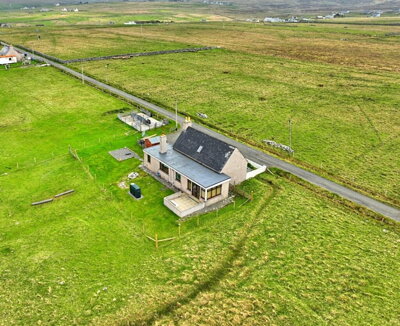
Browse 34 homes for sale in HS2 from local estate agents.
Three bedroom properties represent a significant portion of the HS2 housing market, offering space for families with multiple reception rooms and gardens in many cases. Browse detached, semi-detached, and terraced options ranging from period character homes to contemporary developments.
£160k
18
2
158
Source: home.co.uk
Showing 18 results for 3 Bedroom Houses for sale in HS2. 2 new listings added this week. The median asking price is £160,000.
Source: home.co.uk
Detached
18 listings
Avg £172,667
Source: home.co.uk
Source: home.co.uk
14,329 residents
Population
66.25 square miles
Area
Tong, Carloway, Ness, North Lochs, Park, Point, Uig, West Side
Main Settlements
Crofting, Fishing, Tourism, Public Sector
Primary Industry
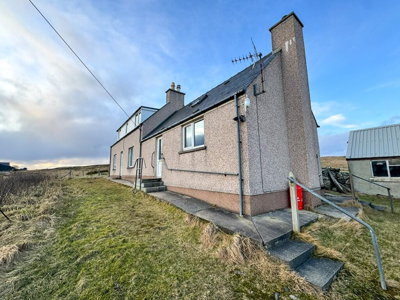
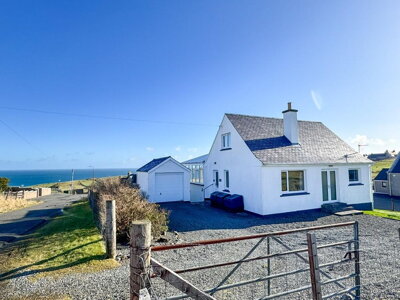
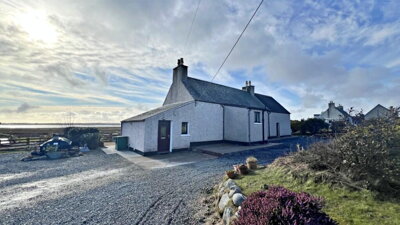
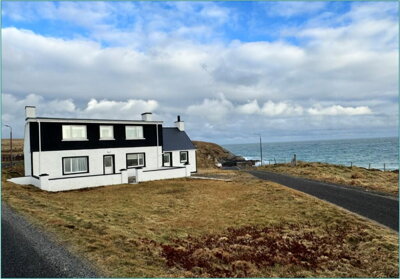
The property market in the HS2 postcode district operates quite differently from mainland UK housing markets, reflecting the unique economic and geographical characteristics of the Isle of Lewis. While detailed transaction data for this specific postcode district is not published in the same way as urban areas, the Outer Hebrides housing market is generally characterised by more affordable entry prices compared to mainland Scotland, combined with a limited supply of available properties at any given time. Properties in the HS2 area range from traditional croft houses constructed from local Lewisian Gneiss stone to purpose-built modern homes, with the majority of stock consisting of detached and semi-detached houses rather than terraced properties or flats, a pattern that reflects the rural and semi-rural nature of island living.
Traditional housing stock in HS2 often features construction methods and materials well-suited to the exposed Atlantic climate, including solid stone walls, slate or corrugated iron roofing, and traditional harling finishes that have proven durable over generations. Many properties are of considerable age, with a significant proportion constructed before modern building regulations, meaning that properties over 50 years old are common throughout the district. New build activity in the HS2 postcode is limited, with most development occurring on an individual basis rather than through large-scale housing schemes, a pattern that reflects both the remote nature of the area and the strong preference for retaining the existing character of townships and settlements across Lewis.
For buyers entering the HS2 property market, understanding local market dynamics is essential. Properties may take longer to sell than in urban areas, and vendor motivations can vary significantly between those relocating for work and those selling inherited family homes. Working with local estate agents who understand the nuances of island property transactions can provide valuable insights into pricing expectations and negotiation strategies specific to the Lewis market.

The HS2 postcode district offers an extraordinary quality of life for those who appreciate dramatic natural landscapes, outdoor pursuits and a strong sense of community that is increasingly rare elsewhere in Britain. The Isle of Lewis is dominated by the ancient Lewisian Gneiss rock formation, one of the oldest geological formations in Europe, which creates the distinctive moorland and hill landscape visible throughout the district. Superficial geology includes extensive peat deposits and glacial till, with the land varying from low-lying coastal areas to more elevated moorland, providing a diverse backdrop for daily life and recreation. The climate is typically mild for its latitude, though exposed to Atlantic weather systems that bring regular rainfall and strong winds, a factor that influences both lifestyle and property maintenance in the area.
Economic life in the HS2 district centres on traditional industries that remain vital to the local community, including fishing, aquaculture, crofting and food and drink production, alongside significant public sector employment with the Comhairle nan Eilean Siar local authority and NHS Western Isles. Tourism plays an increasingly important role in the local economy, with visitors drawn to world-class beaches, the standing stones of Callanish, the Gearrannan blackhouse village and the rich Gaelic cultural heritage that remains central to island identity. The settlements within HS2 each have their own character, from the Harris Tweed weaving communities of the West Side to the crofting townships of North Lochs and the distinctive Viking-influenced heritage of Ness near the Butt of Lewis, providing prospective residents with a range of community options depending on their lifestyle preferences.
Healthcare services in the HS2 area are accessible through community hospitals and GP practices, with the Western Isles Hospital in Stornoway (located in the HS1 postcode) providing more specialist services. Pharmacies and dental practices serve the island communities, though some specialist treatments may require travel to mainland Scotland or further afield. These factors are worth considering for families or individuals with specific healthcare needs when evaluating different settlement locations within the HS2 postcode district.
Education provision across the HS2 postcode district is well-established despite the rural and dispersed nature of the island communities, with pupils typically travelling to schools within reasonable distances of their homes. Primary education is available through a network of smaller primary schools serving individual townships or clusters of settlements, allowing children to begin their education close to home before transitioning to larger secondary schools. Secondary education for HS2 residents is typically provided at schools such as those serving the Nicolson Institute in Stornoway or the Castlebay Community School on Barra, though the specific provision depends on exact location within the extensive HS2 postcode district. The Comhairle nan Eilean Siar education authority maintains standards that meet national curriculum guidelines while also incorporating Gaelic language and cultural elements that are central to the islands' identity.
For families considering relocation to the HS2 area, understanding school catchment areas is essential, as property locations determine which schools pupils can access, and some areas may involve longer journey times than buyers from urban backgrounds might expect. Primary schools throughout the HS2 postcode typically offer small class sizes and strong community connections, with staff often having extensive knowledge of individual pupils' needs. Gaelic medium education is available at various stages, reflecting the cultural importance of the language throughout the islands.
Further and higher education opportunities are centred on the Lews Castle College campus in Stornoway, which provides vocational and academic courses including further education programmes and links with University of the Highlands and Islands. Parents are advised to contact the Comhairle nan Eilean Siar education department directly for the most current information on school placements, catchment boundaries and any planned changes to school provision that might affect their purchasing decisions in specific parts of the HS2 postcode district.
Transport connectivity from the HS2 postcode district relies primarily on ferry services connecting the Isle of Lewis to the Scottish mainland, with regular crossings from Stornoway to Ullapool on the mainland operated by Caledonian MacBrayne. The journey by ferry takes approximately two hours and forty minutes, making Lewis a relatively remote location compared to mainland Scotland, though the reliability and frequency of ferry services have improved significantly in recent years. Within the island itself, the main road network connects the various settlements of the HS2 postcode, though distances between communities can be considerable, and a car is generally considered essential for daily life and accessing services. Bus services operate throughout the HS2 area, providing public transport options for those without vehicles, though journey times and frequencies reflect the dispersed nature of the population.
Air travel provides an alternative connection to the mainland, with Stornoway Airport offering regular flights to Inverness, Edinburgh and other destinations, though this is located outside the HS2 postcode district itself in the HS1 area. The HS2 postcode does not have direct rail connections, as the railway network does not extend to the Outer Hebrides, meaning that rail travel requires the ferry crossing to the mainland followed by road or rail connections. For those considering commuting or regular travel to mainland Scotland, the ferry timetable is the critical factor in planning, with crossing times and weather-related disruptions being important practical considerations for anyone whose employment or personal circumstances require regular travel.
Cyclists and pedestrians will find the quieter roads of Lewis relatively safe for active travel, though should always account for the exposed nature of the landscape and potential for rapidly changing weather conditions. Single-track roads are common throughout the HS2 postcode, requiring drivers to use passing places appropriately, and journey times between settlements should be calculated conservatively, particularly during winter months when daylight hours are limited and weather conditions can deteriorate quickly.
Explore the different settlements within HS2, from Tong to Carloway to Ness, and consider factors such as proximity to schools, local amenities, ferry connections and community character. Each township has distinct characteristics that suit different lifestyles, so visiting at different times of year can help you understand what living in each area would be like. Local estate agents can provide valuable insights into the specific character of different areas and any upcoming developments or changes that might affect your decision.
Contact lenders or mortgage brokers to obtain an agreement in principle before you start viewing properties, as this strengthens your position when making offers in what can be a competitive local market. Properties in the HS2 area may attract buyers from across Scotland and beyond, so having your financing arranged early demonstrates serious intent to sellers. Some island-based mortgage brokers specialise in Outer Hebrides property transactions and understand the specific challenges of financing island purchases.
Work with local estate agents who understand the HS2 property market and can arrange viewings of suitable properties across the postcode district. Many properties in the area are sold with limited marketing periods, so building relationships with local agents can give you early access to new listings. Viewing properties during different seasons can reveal important information about aspects such as heating costs, daylight levels and winter accessibility.
Given the age and traditional construction of many properties in the HS2 postcode, a RICS Level 2 Survey is strongly recommended before purchasing. This survey will identify common issues in island properties such as dampness, roof condition, timber defects and any structural concerns related to the local geology or building methods. Surveyors familiar with Outer Hebrides properties understand the specific construction challenges of traditional stone buildings and the impact of Atlantic weather on property condition.
Appoint a solicitor experienced in Scottish property transactions to handle the legal aspects of your purchase. Scottish conveyancing differs from English law, and local solicitors familiar with Outer Hebrides property transactions will understand any specific considerations affecting title, crofting rights or unique aspects of island property ownership. Crofting rights and responsibilities are particularly relevant in the HS2 area and require specialist knowledge to navigate correctly.
Finalise your mortgage, pay the applicable Land and Buildings Transaction Tax and arrange your move to the Isle of Lewis. Factor in ferry bookings for transporting belongings and yourself to the island, as scheduling these around your completion date is an important practical consideration for HS2 buyers. Planning your move well in advance is advisable, as ferry space for vehicles can be limited, particularly during summer peak season.
Buyers considering properties in the HS2 postcode should pay particular attention to how the local climate and geography affect property condition, with dampness being one of the most common issues affecting older properties on the Isle of Lewis. The exposure to Atlantic weather systems means that properties may experience penetrating damp due to driving rain, rising damp in solid-wall constructions and condensation issues particularly in properties with inadequate ventilation. A thorough RICS Level 2 Survey will identify any existing damp problems and assess the effectiveness of existing damp-proof courses or other remedial measures that may have been installed. Roof condition is another critical consideration, with slate and corrugated iron roofing requiring regular maintenance in the island's climate, and any signs of wear, repair or previous storm damage warranting closer investigation before purchase.
The geology of the HS2 area, dominated by Lewisian Gneiss with overlying peat deposits, can present specific considerations for property buyers, as properties built on peat or less stable ground may experience settlement issues over time. While the shrink-swell clay subsidence common in parts of England is unlikely in this area, localised ground movement can occur, and buyers should be aware of the potential for peat-related settlement affecting older properties. Properties in low-lying coastal areas may be subject to surface water flooding following heavy rainfall, and buyers should consult Scottish Environment Protection Agency flood maps for specific location risk information.
Coastal erosion is a genuine environmental consideration for properties located near the coastline, particularly on the more exposed western shores of the HS2 postcode, and buyers should satisfy themselves as to the long-term viability of any coastal property location. Properties within or adjacent to conservation areas may be subject to additional planning restrictions, and any plans for modification or extension should be discussed with Comhairle nan Eilean Siar planning department before purchase. Older properties may have outdated electrical systems and plumbing that require updating, and a thorough survey will identify any potential issues that could affect your renovation budget or timeline.
Specific average house price data for the HS2 postcode district is not published in the same way as larger urban areas, as transaction volumes in this rural island postcode are relatively low. The Outer Hebrides property market generally offers more affordable entry points compared to mainland Scotland, though prices vary significantly based on property type, size, condition and location within the extensive HS2 postcode district. Detached properties with land or sea views typically command premium prices, while traditional croft houses requiring renovation may be available at lower price points. Prospective buyers should consult directly with local estate agents active in the HS2 area for current market values specific to their requirements and preferred locations.
Properties in the HS2 postcode area fall under the council tax jurisdiction of Comhairle nan Eilean Siar, the local authority for the Western Isles. Council tax bands in Scotland are assigned by the Scottish Assessors and are based on the notional rental value of properties as of 1991, meaning actual council tax rates are calculated by applying the Comhairle nan Eilean Siar tax rate to the assessor's band value. As an example, a Band D property in the Western Isles currently attracts an annual council tax charge that buyers should verify with the Comhairle at the time of purchase. Specific band information for individual properties can be found through the Scottish Assessors Portal, and prospective buyers should be aware that larger or higher-value properties will attract higher council tax contributions. First-time buyers and those on lower incomes may be eligible for council tax reduction schemes administered by the Comhairle.
Education provision in the HS2 postcode area includes primary schools serving individual townships and secondary schools serving wider catchment areas, with the specific schools available depending on exact property location within this extensive postcode district. The Nicolson Institute in Stornoway serves as a major secondary school for Lewis, while smaller secondaries serve other parts of the island, all operating under the Comhairle nan Eilean Siar education authority. Primary education is available through a network of smaller schools, often with Gaelic language provision, and parents should confirm which school catchment applies to any specific property address they are considering. For the most current information on school performance, catchment boundaries and enrollment procedures, buyers should contact the Comhairle nan Eilean Siar education department directly.
Public transport connectivity from the HS2 postcode area relies primarily on bus services connecting the various settlements within Lewis, with frequencies and journey times varying according to the dispersed nature of the population. The key external transport link is the ferry service from Stornoway to Ullapool, operated by Caledonian MacBrayne, with the ferry terminal located outside the HS2 postcode in the HS1 Stornoway area. Stornoway Airport also provides air connections to Inverness, Edinburgh and other destinations, again located in the HS1 postcode area. Within the HS2 district itself, those without vehicles will find public transport more limited than urban areas, and a car is generally considered essential for full participation in island life, though local bus services do provide essential connections for those relying on public transport.
Property investment in the HS2 postcode area should be considered in light of the unique characteristics of the Outer Hebrides housing market, where strong local demand combines with limited supply and the attractor of island living for buyers from mainland Scotland and beyond. Holiday letting and tourism-related investments may offer potential returns in popular areas, particularly near beaches and cultural attractions such as the Callanish standing stones, though any plans for holiday letting should be carefully researched for compliance with local planning and licensing requirements. The stability of the local economy, based on fishing, crofting, public sector employment and tourism, suggests a market that is unlikely to experience the dramatic fluctuations seen in some urban property markets. However, prospective investors should be realistic about capital growth expectations and factor in the additional costs and logistics of property management from a distance, including the practical challenges of arranging maintenance and emergency repairs on an island location.
Property purchases in the HS2 postcode area are subject to Land and Buildings Transaction Tax, Scotland's equivalent to stamp duty, rather than the UK-wide stamp duty land tax that applies in England and Northern Ireland. LBTT thresholds for residential properties include zero tax on purchases up to £145,000, with progressively higher rates above that threshold, though first-time buyers may benefit from relief on properties up to £175,000. For illustration, a property priced at £200,000 would incur LBTT of £1,100, calculated as 2% on the portion between £145,001 and £250,000. The Scottish Government periodically reviews LBTT rates and thresholds, so buyers should verify current rates at the time of their purchase. For properties above £325,000, an additional dwelling supplement applies to purchases of second homes or buy-to-let properties, and this should be factored into any investment purchase calculations. Your conveyancing solicitor will calculate the exact LBTT liability based on the purchase price and your circumstances.
From 4.5%
Finance your island property purchase
From £499
Scottish property legal services
From £350
Thorough inspection for traditional island properties
From £60
Energy performance certificate for HS2 properties
Understanding the full costs of purchasing property in the HS2 postcode is essential for budgeting effectively, with the Land and Buildings Transaction Tax being a significant consideration for all buyers except those purchasing at the lowest price points. The current Scottish LBTT residential rates apply zero tax on purchases up to £145,000, with 2% charged on the portion from £145,001 to £250,000, 5% on the portion from £250,001 to £325,000, 10% on amounts from £325,001 to £750,000 and 12% on any amount exceeding £750,000. First-time buyers in Scotland benefit from increased thresholds, with relief applying to purchases up to £175,000, and this relief can make a meaningful difference to the overall purchase costs for those entering the property market on the Isle of Lewis.
Beyond LBTT, buyers should budget for solicitor fees, which in Scotland typically include conveyancing costs, search fees and registration charges, with many local conveyancing solicitors experienced in Outer Hebrides transactions offering competitive rates. A RICS Level 2 Survey is strongly recommended for properties in the HS2 postcode given the age and traditional construction of much of the housing stock, with costs typically ranging from £400 to £800 or more depending on property size and value, and additional costs for any follow-up investigations if defects are identified. Survey costs in remote areas such as Lewis may include travel charges, so obtaining quotes from surveyors familiar with the island is advisable.
Mortgage arrangement fees, valuation fees and buildings insurance should also be factored into your overall budget, along with the practical costs of moving to an island location, including ferry transportation of belongings and any temporary accommodation costs if your move requires coordination with ferry schedules. Removal firms experienced with island moves understand the logistics of transporting furniture and vehicles via ferry, and booking these services well in advance is recommended, particularly for moves scheduled during the busy summer period when ferry availability can be constrained.

Properties for Sale In London

Properties for Sale In Plymouth

Properties for Sale In Liverpool

Properties for Sale In Glasgow

Properties for Sale In Sheffield

Properties for Sale In Edinburgh

Properties for Sale In Coventry

Properties for Sale In Bradford

Properties for Sale In Manchester

Properties for Sale In Birmingham

Properties for Sale In Bristol

Properties for Sale In Oxford

Properties for Sale In Leicester

Properties for Sale In Newcastle

Properties for Sale In Leeds

Properties for Sale In Southampton

Properties for Sale In Cardiff

Properties for Sale In Nottingham

Properties for Sale In Norwich

Properties for Sale In Brighton

Properties for Sale In Derby

Properties for Sale In Portsmouth

Properties for Sale In Northampton

Properties for Sale In Milton Keynes

Properties for Sale In Bournemouth

Properties for Sale In Bolton

Properties for Sale In Swansea

Properties for Sale In Swindon

Properties for Sale In Peterborough

Properties for Sale In Wolverhampton

Enter your details to see if this property is within your budget.
Loans, cards, car finance
Estimated property budget
Borrowing + deposit
You could borrow between
Typical borrowing
Monthly repayment
Est. at 4.5%
Loan-to-value
This is an estimate only. Your actual budget may vary depending on interest rates, credit history, and personal circumstances. For an accurate affordability assessment, speak to one of our free mortgage advisors.
This calculator provides estimates for illustrative purposes only and does not constitute financial advice. Your home may be repossessed if you do not keep up repayments on your mortgage. Estimates based on 4.5% interest rate, repayment mortgage. Actual rates depend on your circumstances.
Homemove is a trading name of HM Haus Group Ltd (Company No. 13873779, registered in England & Wales). Homemove Mortgages Ltd (Company No. 15947693) is an Appointed Representative of TMG Direct Limited, trading as TMG Mortgage Network, which is authorised and regulated by the Financial Conduct Authority (FRN 786245). Homemove Mortgages Ltd is entered on the FCA Register as an Appointed Representative (FRN 1022429). You can check registrations at NewRegister or by calling 0800 111 6768.

We use cookies to show you personalised content and improve your experience of our website. Find out more in our Privacy policy and Cookie policy.