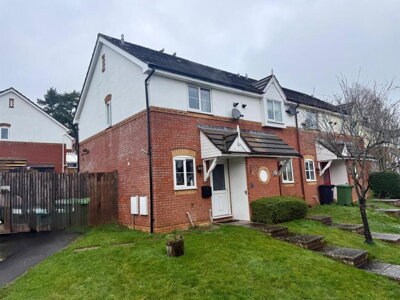
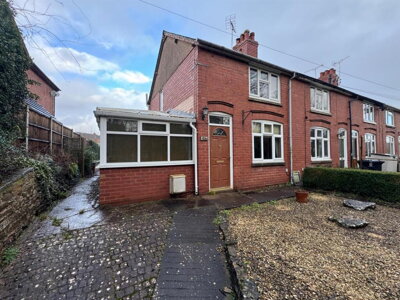
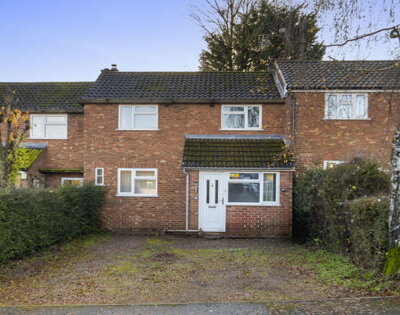
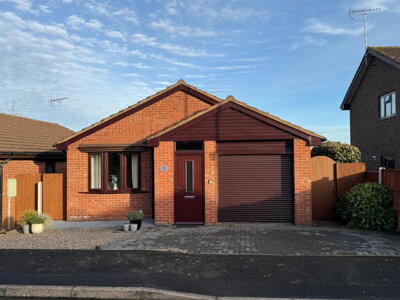
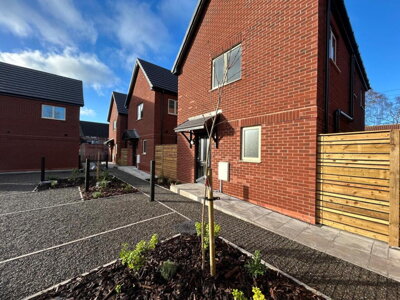
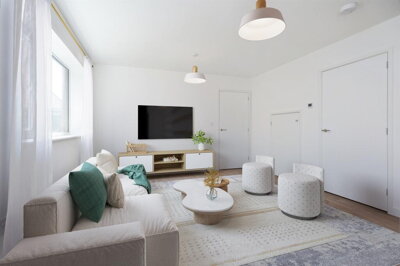
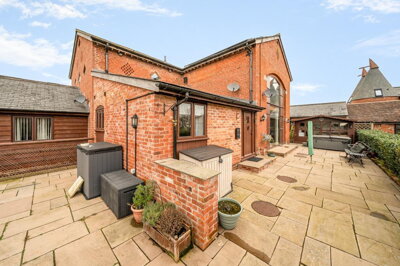
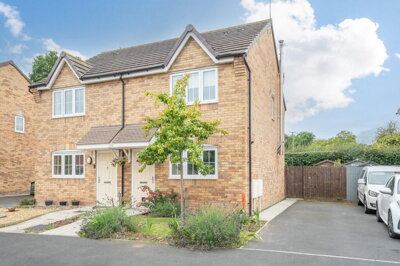
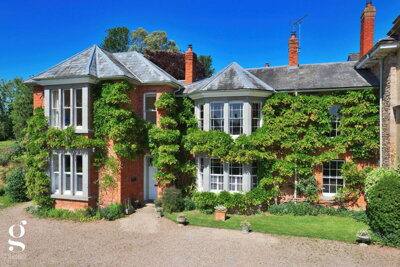
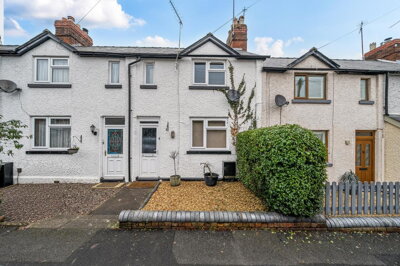
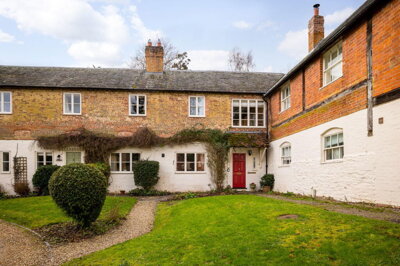
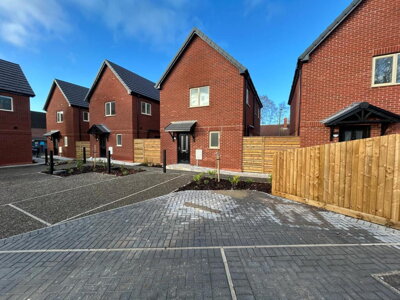
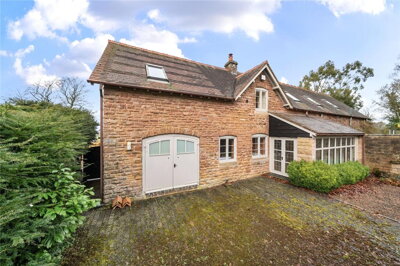
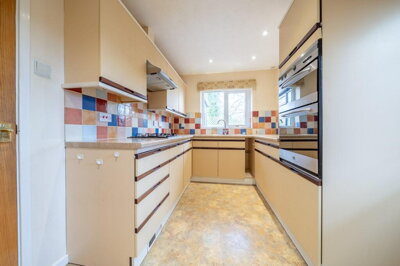
Browse 33 homes for sale in HR7 from local estate agents.
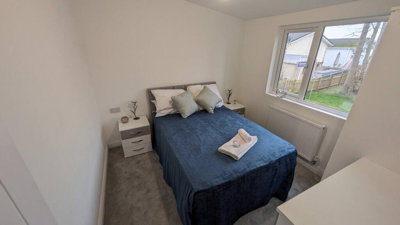
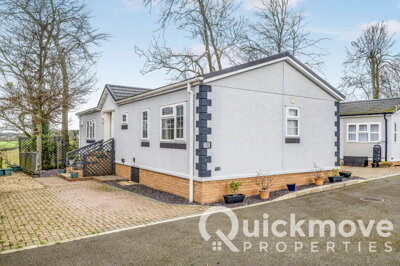
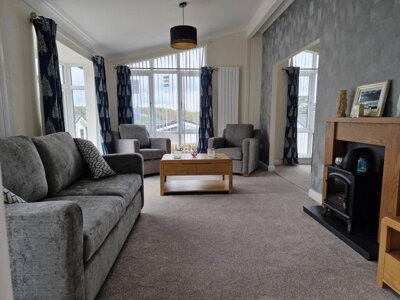
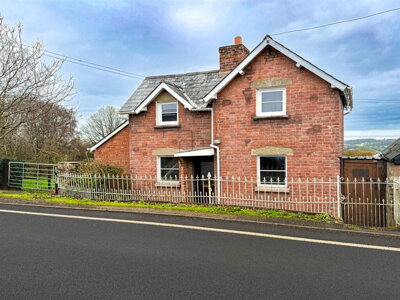
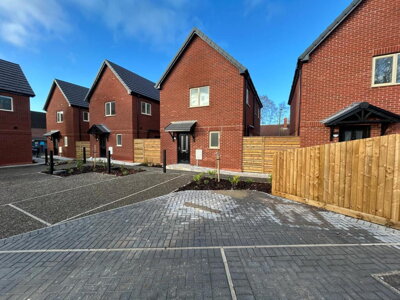
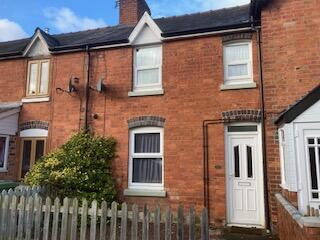
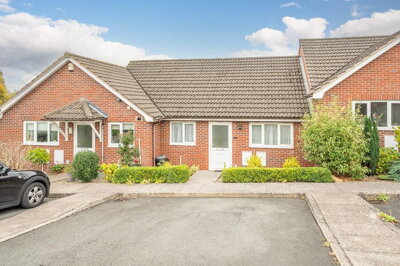
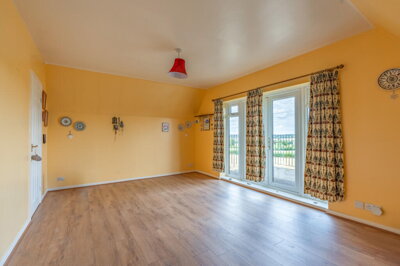
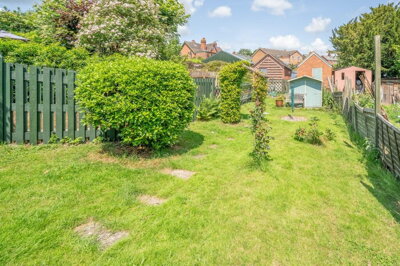
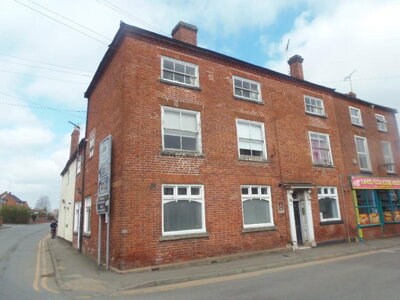
The 2 bed house market features detached, semi-detached, and terraced properties with two separate bedrooms plus living spaces. Properties in HR7 range from Victorian and Edwardian period homes to modern new builds, with pricing varying across different neighbourhoods.
£235k
10
0
117
Source: home.co.uk
Showing 10 results for 2 Bedroom Houses for sale in HR7. The median asking price is £235,000.
Source: home.co.uk
Semi-Detached
4 listings
Avg £301,250
Detached
3 listings
Avg £268,333
Terraced
3 listings
Avg £193,333
Source: home.co.uk
Source: home.co.uk
The HR7 property market demonstrates the characteristics typical of rural Herefordshire, with detached properties forming the majority of sales activity and commanding premium prices. Our data shows detached homes in this postcode area sold for an average of £414,848 over the past year, reflecting the demand for spacious properties with gardens in a semi-rural setting. Semi-detached properties proved more accessible at an average of £251,000, while terraced homes offered the most affordable entry point at around £172,700. This tiered pricing structure means buyers can find suitable accommodation across various budget levels, from compact cottages in village centres to substantial family homes on the outskirts of Bromyard.
The market has undergone a notable correction over the past year, with overall prices falling 6% compared to the previous twelve months and sitting 10% below the 2023 peak of £330,845. This price adjustment has created opportunities for buyers who may have been priced out during the height of the market, with more negotiating room available on individual properties. A total of 1,778 properties changed hands in HR7 during the past year, indicating sustained activity despite broader economic uncertainties. Planning applications throughout the area, including proposals for up to 80 new dwellings at Ashfield Way in Bromyard and various barn conversions in surrounding parishes, suggest modest new supply entering the market, which may help balance demand going forward.
Several recent planning approvals in the HR7 area indicate continued development activity within this rural postcode. Applications granted include barn conversions at Little Streetfield Farm in Thornbury, a change of use at Collington Works in Bromyard converting former office space to residential, and an outline application for up to 9 dwellings at Church Lane in Much Cowarne. These smaller-scale developments reflect the character of rural Herefordshire housing supply, where growth tends to occur through conversions and modest infill rather than large new-build estates. The proposed conversion of a historic oast round and square hop kiln in Much Cowarne to residential use, including elderly parent accommodation and a home office, demonstrates the unique character of properties available in this part of Herefordshire.

Life in the HR7 postcode area centres on Bromyard, an historic market town that has served the surrounding countryside since medieval times. The town preserves a traditional high street character where independent retailers sit alongside familiar necessities, creating a shopping experience quite different from urban chain-dominated centres. Local businesses include family-owned butcher and greengrocer shops, antique dealers, craft outlets, and cafes serving locally sourced produce. The twice-weekly market continues a tradition stretching back centuries, bringing fresh food and goods from Herefordshire producers directly to town centre stalls. This strong local economy supports community cohesion and provides everyday amenities without requiring residents to travel to larger cities.
Beyond the town centre, the HR7 area encompasses a network of picturesque villages scattered across the Herefordshire countryside, each offering their own distinct atmosphere and facilities. The landscape comprises rolling agricultural land, orchards, and woodlands that define the visual character of the region and provide extensive recreational opportunities. Walking and cycling enthusiasts appreciate the network of public rights of way connecting settlements, while the proximity to the Malvern Hills and various country parks offers days out for outdoor adventures. Community life is enriched by village halls, local pubs, sports clubs, and seasonal events ranging from flower shows to harvest festivals, fostering connections between residents in this predominantly rural area.
The HR7 area falls under Herefordshire Council jurisdiction, providing residents with access to local authority services including bin collections, planning applications, and council tax arrangements. As an inland postcode area, HR7 does not face coastal flooding risks, though prospective buyers should consult Environment Agency flood risk maps for any specific property locations near watercourses. Many properties in the area occupy conservation area boundaries or hold listed building status due to the historic nature of settlements throughout this part of Herefordshire, which can affect permitted development rights and renovation options for prospective purchasers.

Education provision in the HR7 postcode area serves families at all stages of schooling, with primary and secondary schools located within the main town of Bromyard and surrounding villages. Primary education is available through several local schools serving different catchment villages, each providing early years and Key Stage 1-2 education within reasonable travelling distance for most residents. The town's secondary school serves as the main provider for Key Stage 3 and 4 education, offering GCSE programmes across a range of subjects and preparing students for further education or employment. Parents should research individual school performance metrics and consider visiting during open days to assess which institution best matches their children's needs and learning styles.
For families requiring early years childcare, the HR7 area offers various settings including nursery schools, preschool facilities, and childminders operating from their own homes throughout Bromyard and neighbouring villages. Sixth form provision may require students to travel to nearby towns such as Worcester, Hereford, or Leominster, depending on specific subject choices and career pathways. The presence of primary and secondary schools within the main town means many families can manage school runs without lengthy commutes, contributing to the area's appeal for those seeking to balance rural living with practical educational access. When purchasing property in any particular part of the HR7 postcode, buyers should verify school catchments and admission arrangements directly with the local education authority, as catchment boundaries can affect placement decisions.
Herefordshire Council maintains school admission policies that determine which schools pupils can access based on proximity to their home address. Properties on the outskirts of Bromyard or in more isolated rural villages may fall into different catchment areas, making it essential to confirm arrangements before committing to a purchase. OFSTED inspection reports provide valuable information about school quality, and the Herefordshire Council website lists performance data for all schools within the county, enabling parents to make informed decisions alongside practical considerations such as travel times and available transport options.
The HR7 postcode area is predominantly accessed by road, with the A44 running through Bromyard connecting the town to Worcester to the northeast and Leominster to the northwest. This main arterial route provides access to the broader West Midlands road network, though journey times to major employment centres reflect the rural nature of the area. Bristol can be reached in approximately ninety minutes by car, while Birmingham requires around an hour and a quarter depending on traffic conditions and the specific village location within HR7. For those working in Hereford, the county city lies approximately forty minutes drive to the southwest, providing access to a wider range of employment opportunities and services not available locally.
Public transport options in the HR7 area are limited, reflecting the predominantly rural character of the postcode and the patterns of car dependency common in similar English countryside locations. Bus services operate between Bromyard and surrounding villages, though frequencies are generally modest compared to urban routes, making private vehicle ownership practically essential for most residents. The nearest railway stations are located in Leominster and Worcester, both offering connections to major cities including direct services to London Paddington. Those considering a move to HR7 should carefully assess their commuting requirements and ensure that available transport options align with their working patterns and flexibility to travel.
Mobile phone signal coverage varies significantly across the HR7 countryside, with some valleys and more remote properties experiencing limited reception for certain network providers. This factor merits consideration for those who rely on mobile connectivity for work communications or who work from home and need reliable data connections. Satellite broadband services offer an alternative where fixed-line coverage is poor, though speeds and reliability may not match urban connections. Prospective buyers visiting properties should test signal strength with their own devices across different network providers before committing to a purchase.
Before committing to a purchase, spend time exploring different parts of the HR7 postcode to understand which villages and neighbourhoods match your lifestyle needs. Consider factors such as distance to schools, local amenities, road access, and mobile signal coverage, which can vary across this rural area. Visit at different times of day and speak to existing residents to gain genuine insight into daily life in each location.
Obtain a mortgage agreement in principle before viewing properties to demonstrate your seriousness to sellers and speed up the purchasing process once you find your ideal home. Factor in the additional costs of moving, including stamp duty, legal fees, surveys, and removals, which can amount to several thousand pounds on top of the purchase price. For a property at the HR7 average price of around £296,816, budget approximately £2,340 in stamp duty on top of your deposit and legal costs.
Visit multiple properties across the HR7 area to compare different property types, conditions, and price points. Pay attention to the age of properties, any signs of maintenance issues, and the overall character of the neighbourhood both during the day and evening if possible. Properties in this part of Herefordshire range from Victorian terraces in Bromyard town centre to converted barns and period farmhouses in surrounding villages, each requiring different considerations.
Once your offer is accepted, instruct a qualified surveyor to inspect the property and identify any structural issues or necessary repairs. A RICS Level 2 Home Survey provides detailed information about the property's condition and is particularly valuable for older rural properties where hidden defects are more common. Properties built before 1900 may feature traditional construction methods such as wattle and daub or lathe and plaster with horsehair, requiring specialist assessment knowledge.
Your solicitor will handle searches, contracts, and land registry checks before you exchange contracts and pay your deposit. For properties in Herefordshire, searches will include local authority enquiries, drainage and water checks, and environmental data relevant to the Herefordshire landscape. Given the rural nature of many HR7 properties, additional enquiries about septic tanks, oil storage, and private water supplies may be necessary.
On completion day, the remaining funds are transferred and you receive the keys to your new HR7 home. Take meter readings, redirect your mail, and update your address with relevant organisations as you settle into your new Herefordshire property. Arrange buildings insurance to take effect from exchange of contracts, as properties in rural areas can sometimes face risks such as flooding from nearby watercourses.
Properties in the HR7 postcode area span a wide range of ages and construction types, reflecting centuries of continuous habitation in this part of Herefordshire. Many rural properties will have been built using traditional methods and materials that differ significantly from modern construction, potentially including features such as timber frames, slate or tile roofing, and solid rather than cavity walls. These older properties often possess character and charm but may require more maintenance than newer builds, and buyers should budget accordingly for ongoing upkeep and potential repairs. When viewing period properties, look carefully at the condition of roofs, walls, windows, and any signs of damp or subsidence that might indicate underlying structural concerns.
The rural location of many HR7 properties means certain practical considerations merit particular attention during the buying process. Septic tank or cess pit drainage systems are common in villages beyond the mains sewerage network, requiring regular maintenance and compliance with relevant regulations. Oil-fired central heating replaces mains gas in many outlying properties, meaning buyers should consider the cost and logistics of oil deliveries alongside electricity supplies. Mobile phone signal quality varies considerably across the Herefordshire countryside, potentially affecting those who rely on mobile connectivity for work or communication. Viewing the property at different times of day and in various weather conditions can reveal issues not apparent during a single visit, while speaking to existing neighbours provides valuable insight into daily life in that specific location.
Older properties in the HR7 area may have been constructed with materials and techniques that require specialist understanding during surveys and renovations. Properties built before 1900 commonly feature lathe and plaster walls, wattle and daub infill panels, and hand-made brickwork that differs from modern equivalents. These materials can perform differently under modern living conditions, potentially exhibiting issues with damp penetration or thermal performance that buyers should understand before purchase. A thorough RICS Level 2 survey conducted by a surveyor familiar with traditional Herefordshire construction can identify these issues and advise on appropriate remediation or maintenance programmes.
Flood risk in the HR7 area should be assessed using Environment Agency maps, as the postcode includes inland watercourses that may pose a risk during periods of heavy rainfall. Properties near rivers or streams, or those in low-lying areas, could face surface water flooding, and this risk should be factored into insurance costs and property condition assessments. Conservation area designation affects many properties in Bromyard and surrounding villages, potentially limiting permitted development rights and requiring planning permission for alterations that might not need consent elsewhere. Listed building status imposes further restrictions on alterations and renovations, requiring consent from Herefordshire Council for most external changes.
The average house price in the HR7 postcode area over the past year was £296,816, according to Rightmove and Zoopla data. Detached properties command the highest prices at around £414,848 on average, while semi-detached homes sold for approximately £251,000 and terraced properties for £172,700. The market has experienced a 6% price reduction over the last twelve months following the 2023 peak of £330,845, creating more favourable conditions for buyers seeking value in this rural Herefordshire location. This price adjustment has brought properties back to levels not seen since before the pandemic-driven market surge, offering opportunities for buyers who may have previously struggled to enter the market.
Properties in the HR7 postcode area fall under Herefordshire Council's jurisdiction, which sets council tax bands based on property valuations carried out by the Valuation Office Agency. The specific band depends on the individual property's assessed value, ranging from Band A for the lowest-valued homes to Band H for the most expensive properties. You can check the council tax band for any specific property through the Valuation Office Agency website using the property address or unique identifier, and estimated annual charges can be viewed on Herefordshire Council's website before completing your purchase. Properties in rural villages and Bromyard town centre will all fall within the same council jurisdiction, simplifying the process of estimating annual charges.
The HR7 postcode area includes primary and secondary schools in Bromyard serving the local population, with additional schools in surrounding villages providing primary education. The local secondary school serves as the main provider for Key Stage 3 and 4 education within the town itself, with good access for students travelling from nearby villages along the A44 corridor. For specific information about individual school performance, curriculum offerings, and admission arrangements, prospective buyers should consult the Herefordshire Council school admissions pages and the Ofsted website for the latest inspection reports and ratings. Schools serving the HR7 area include establishments in Bromyard itself and several village primary schools, with families typically choosing based on catchment boundaries and available transport options.
Public transport connectivity in the HR7 postcode area is limited, reflecting its predominantly rural character and the car-dependent travel patterns typical of similar English countryside locations. Bus services operate between Bromyard and surrounding villages with varying frequencies, though services to more remote settlements may run only a few times per day, making private vehicle ownership practically essential for most residents. The nearest railway stations are located in Leominster and Worcester, both requiring a drive to reach, with Worcester offering direct services to London Paddington and Birmingham. Those considering a move to HR7 should carefully evaluate their transport requirements and consider whether private vehicle ownership is practical for their circumstances, as services to major employment centres are not readily available without driving.
The HR7 area offers certain investment characteristics, including relatively affordable property prices compared to many other UK regions and the ongoing appeal of rural Herefordshire for buyers seeking countryside living. The market has experienced a price correction over the past year, with values sitting 10% below the 2023 peak, which may present buying opportunities for investors confident in longer-term property value appreciation. However, rental demand in rural Herefordshire may be more limited than in urban areas, and property values can be sensitive to broader economic conditions affecting buyer confidence and mortgage availability. Properties with planning permission for conversion or extension, such as the barn conversions approved in Thornbury and Much Cowarne, may offer additional value potential for investors willing to pursue development opportunities.
Stamp Duty Land Tax rates for 2024-25 start at zero on the first £250,000 of property value, rising to 5% on the portion between £250,001 and £925,000, then 10% up to £1.5 million, and 12% on any value exceeding £1.5 million. First-time buyers benefit from increased thresholds, paying zero duty on the first £425,000 and 5% on the portion between £425,001 and £625,000. For a typical HR7 property priced around the £296,816 average, standard buyers would pay no stamp duty on the first £250,000 and 5% on the remaining £46,816, totalling approximately £2,340 in SDLT. Properties at the higher end of the HR7 market, such as substantial detached homes averaging £414,848, would incur stamp duty of approximately £8,242 for standard buyers, while first-time buyers purchasing at this price point would pay around £5,492.
Older properties throughout the HR7 area may have been built using traditional methods including solid walls, hand-made bricks, timber frames, and traditional roof coverings that require different assessment criteria than modern construction. Features such as wattle and daub infill, lathe and plaster walls, and original timber windows are common in properties built before 1900, and these require understanding of their maintenance requirements and limitations under modern living conditions. A thorough survey from a qualified RICS surveyor should identify any defects specific to traditional construction, including potential issues with damp penetration, timber condition, and structural movement that can affect older Herefordshire properties. Buyers should also investigate whether the property lies within a conservation area or holds listed building status, as this will affect permitted development rights and renovation options.
The HR7 postcode is an inland area in Herefordshire, meaning coastal flooding is not a concern, though properties near rivers and streams should be assessed for flood risk from watercourses. The Environment Agency provides flood risk maps showing areas prone to river and surface water flooding, and prospective buyers should check these maps for any specific property location before purchase. Properties in low-lying areas of Bromyard or near the River Frome and its tributaries may face elevated flood risk during periods of heavy rainfall, and this risk should be reflected in insurance arrangements and property condition expectations. Standard surveys do not assess flood risk specifically, so buyers should conduct their own enquiries through the Environment Agency website or consult with the local authority regarding historical flooding in the area.
From £450
A detailed inspection ideal for standard properties in HR7. Identifies defects before you commit to purchase.
From £600
A comprehensive survey for older, larger, or unusual properties. Includes detailed structural assessment.
From £85
Energy performance certificate required for property sales. Shows running costs and efficiency rating.
From £499
Solicitors handling all legal aspects of your property purchase in HR7.
Understanding the full cost of purchasing property in the HR7 postcode area involves budgeting for more than just the advertised sale price. Stamp Duty Land Tax represents a significant upfront cost, with standard rates applying 0% to the first £250,000 of purchase value, 5% between £250,001 and £925,000, 10% from £925,001 to £1.5 million, and 12% on any amount exceeding £1.5 million. For a property at the HR7 average price of £296,816, a buyer without first-time buyer relief would pay approximately £2,340 in stamp duty. First-time buyers benefit from more generous thresholds, paying nothing on the first £425,000 and 5% on the portion between £425,001 and £625,000, though this relief phases out completely above £625,000.
Beyond stamp duty, buyers should budget for solicitor conveyancing fees, which typically range from £500 to £1,500 depending on complexity and whether the property is freehold or leasehold. Survey costs should also be factored in, with a RICS Level 2 Home Survey for a standard residential property generally costing between £400 and £800 nationally, potentially higher for larger or older properties. Removal costs, mortgage arrangement fees, and potential renovation or repair expenses add further to the total outlay. It is advisable to obtain a mortgage agreement in principle before searching for properties, as this demonstrates serious intent to sellers and helps streamline the purchasing process once you find your ideal home in the HR7 area.
For properties at the higher end of the HR7 market, such as substantial detached homes averaging £414,848, total stamp duty for standard buyers reaches approximately £8,242. Properties requiring a mortgage will involve arrangement fees typically ranging from £500 to £2,000 depending on the lender and product chosen, while valuation fees add a further £150 to £500 for standard properties. Buildings insurance should be arranged from the point of exchange, and buyers purchasing period properties should budget for the possibility of more extensive maintenance than comparable modern homes, particularly for roofing, plumbing, and electrical systems that may require updating to meet current standards.
Properties for Sale In London

Properties for Sale In Plymouth

Properties for Sale In Liverpool

Properties for Sale In Glasgow

Properties for Sale In Sheffield

Properties for Sale In Edinburgh

Properties for Sale In Coventry

Properties for Sale In Bradford

Properties for Sale In Manchester

Properties for Sale In Birmingham

Properties for Sale In Bristol

Properties for Sale In Oxford

Properties for Sale In Leicester

Properties for Sale In Newcastle

Properties for Sale In Leeds

Properties for Sale In Southampton

Properties for Sale In Cardiff

Properties for Sale In Nottingham

Properties for Sale In Norwich

Properties for Sale In Brighton

Properties for Sale In Derby

Properties for Sale In Portsmouth

Properties for Sale In Northampton

Properties for Sale In Milton Keynes

Properties for Sale In Bournemouth

Properties for Sale In Bolton

Properties for Sale In Swansea

Properties for Sale In Swindon

Properties for Sale In Peterborough

Properties for Sale In Wolverhampton

Enter your details to see if this property is within your budget.
Loans, cards, car finance
Estimated property budget
Borrowing + deposit
You could borrow between
Typical borrowing
Monthly repayment
Est. at 4.5%
Loan-to-value
This is an estimate only. Your actual budget may vary depending on interest rates, credit history, and personal circumstances. For an accurate affordability assessment, speak to one of our free mortgage advisors.
This calculator provides estimates for illustrative purposes only and does not constitute financial advice. Your home may be repossessed if you do not keep up repayments on your mortgage. Estimates based on 4.5% interest rate, repayment mortgage. Actual rates depend on your circumstances.
Homemove is a trading name of HM Haus Group Ltd (Company No. 13873779, registered in England & Wales). Homemove Mortgages Ltd (Company No. 15947693) is an Appointed Representative of TMG Direct Limited, trading as TMG Mortgage Network, which is authorised and regulated by the Financial Conduct Authority (FRN 786245). Homemove Mortgages Ltd is entered on the FCA Register as an Appointed Representative (FRN 1022429). You can check registrations at NewRegister or by calling 0800 111 6768.

We use cookies to show you personalised content and improve your experience of our website. Find out more in our Privacy policy and Cookie policy.