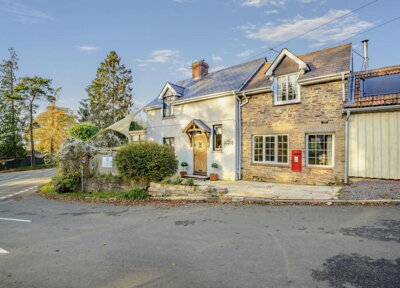
Browse 1 home for sale in How Caple from local estate agents.
The larger property sector typically features multiple bathrooms, substantial reception space, and private gardens or off-street parking. Four bedroom houses in How Caple span detached, semi-detached, and occasionally terraced configurations, with styles ranging from period properties to modern executive homes.
The property market in How Caple reflects the character of the village itself - intimate, traditional, and firmly rooted in Herefordshire's rural heritage. With limited transaction volumes typical of small rural parishes, properties that come to market tend to attract steady interest from buyers seeking countryside living without the premium prices found in larger towns. Detached homes and traditional cottages form the backbone of available housing, with semi-detached properties and bungalows also present in the mix. Zoopla records indicate approximately 5 property sales in the HR1 area in recent periods, while Rightmove shows 27 historical transactions, though many predate the current year.
Plumplot data positions How Caple Parish as the 113th most expensive out of 157 parishes in Herefordshire for properties sold since 2018, indicating mid-range affordability within the county. This ranking suggests that buyers can access Herefordshire's desirable Wye Valley at a more accessible price point compared to neighbouring villages with higher profiles such as those nearer to Ross-on-Wye or along the A49 corridor. The market evidence from Zoopla and Rightmove indicates a typical selection of rural properties including farmhouses, converted agricultural buildings, and period cottages, with prices reflecting the age, condition, and plot size of individual homes.
New build activity in the immediate vicinity is minimal, with most housing stock comprising older properties built using traditional methods. Nearby new developments include The Orchards in Hildersley near Ross-on-Wye offering properties from £255,000 and Hereford Point on Holmer Road offering 3 and 4-bedroom homes from £355,000 to £455,000. For buyers seeking modern accommodation, these nearby developments may provide alternatives, though they lack the character and established community atmosphere that properties in How Caple offer.

How Caple embodies the timeless appeal of rural Herefordshire, offering residents a lifestyle defined by rolling farmland, woodland walks, and the gentle pace of village life. The village forms part of the celebrated Wye Valley, an Area of Outstanding Natural Beauty that draws visitors from across the country for its spectacular scenery, riverside walks, and charming market towns. As a small parish community, How Caple fosters a strong sense of local identity, with traditional pub gatherings, village events, and the community centred around the historic parish church of St Andrew and St Mary.
The local economy in and around How Caple draws from agriculture, tourism, and small-scale local enterprises that serve both residents and the visiting public. Farmers markets, farm shops, and artisan food producers operate throughout the surrounding area, providing fresh local produce and contributing to the region's reputation for quality food and drink. The nearby market towns of Hereford and Ross-on-Wye offer additional shopping, dining, and entertainment options, while regular farmers markets showcase the best of Herefordshire's agricultural output including cider, cheese, and locally reared meat.
Many residents of How Caple commute to larger towns such as Hereford or Ross-on-Wye for employment, taking advantage of the village's position that offers both rural seclusion and reasonable access to broader job markets and amenities. The A49 provides a key north-south route connecting these employment centres, while the proximity to the M50 motorway opens up wider West Midlands connectivity for those requiring it. The balance of countryside living with practical commuting options makes How Caple an attractive proposition for remote workers and those with flexible employment arrangements.

Families considering a move to How Caple will find a selection of educational options available within reasonable travelling distance. The village falls within the Herefordshire local education authority, which provides a network of primary and secondary schools serving the surrounding rural communities. Primary school-aged children in the village typically attend schools in nearby villages or travel to towns such as Ross-on-Wye or Hereford, with school transport arrangements managed through the local authority for qualifying families.
Parents should research current catchment areas and admissions criteria with Herefordshire Council, as school placements are determined by residential address and can vary depending on capacity at each institution. The admissions process operates on a ranked preference system, with priority given to siblings of existing pupils, children with specific medical or social needs, and finally geographical proximity to the school. Given the competitive nature of some schools in the area, prospective buyers should verify school placement availability before committing to a purchase.
For secondary education, students typically travel to schools in nearby towns, with options including comprehensive schools and potentially grammar school provision depending on individual circumstances. Kingstone High School in Herefordshire provides secondary education for families in the northern part of the county, while Hereford Academy and Aylestone School offer additional options within the Hereford area. Sixth form and further education facilities are concentrated in Hereford, approximately 9 miles from How Caple, offering a broader range of A-level and vocational courses including access to the Herefordshire College of Arts and Technologies.
Transport connectivity from How Caple centres on road travel, with the village situated on minor roads that connect to the broader Herefordshire road network. The A49 runs through the nearby area, providing a key north-south route connecting Hereford to Ross-on-Wye and onwards to the M50 motorway and West Midlands. For daily commuting, most residents rely on private vehicle ownership, though the village's position offers relatively straightforward access to employment centres in surrounding towns. The journey time to Hereford city centre is approximately 20-25 minutes by car, while Ross-on-Wye is reachable in around 15 minutes.
Public transport options in this rural area are limited but functional, with bus services operating between villages and market towns on schedules typical of low-density rural routes. The 476 service connects Hereford with Ross-on-Wye, passing through villages in the Wye Valley area and providing a lifeline for those without private vehicles. Bus services typically operate Monday to Saturday with reduced frequencies on Sundays and public holidays, so residents should plan journeys accordingly and check current timetables with Herefordshire Council's public transport information.
The nearest railway stations are located in Hereford and Great Malvern, offering connections to destinations including Birmingham, Cardiff, and London Paddington via the West Midlands Main Line and CrossCountry services. Hereford railway station provides direct services to London Paddington (approximately 3 hours), Birmingham New Street (approximately 1.5 hours), and Cardiff Central (approximately 1.5 hours), making the village reasonably well-connected for occasional rail travel despite its rural location. For air travel, Birmingham Airport provides international connections and is accessible via the M5 and M42 motorway network within approximately 90 minutes by car from How Caple.
Explore available properties in How Caple and surrounding villages using Rightmove, Zoopla, and local estate agent listings. Understanding the price range, property types, and typical selling times in this rural Herefordshire market will help you set realistic expectations and identify the best opportunities. Given the limited transaction volumes, properties in How Caple may take longer to sell than those in urban areas, so patience is often required when searching for the right home.
Contact a mortgage broker or lender to obtain an agreement in principle before viewing properties. This demonstrates your financial readiness to sellers and estate agents, giving you a competitive edge in a market where vendors often receive multiple enquiries. With average prices around £135,000, many buyers in How Caple will find mortgage applications straightforward, though rural properties can sometimes present challenges for lenders due to non-standard construction or shared access arrangements.
Visit properties that match your criteria. In a small village market, viewing properties in person is essential to understand the condition, character, and specific features of each home. Pay particular attention to the age of properties, any signs of damp or timber defects, and the condition of traditional features such as original windows, fireplaces, and structural elements. Given the prevalence of period properties in How Caple, understanding the maintenance requirements and potential renovation costs is crucial before making an offer.
Before proceeding with a purchase, we strongly recommend commissioning a RICS Level 2 Survey to assess the property condition thoroughly. Our qualified surveyors will identify any defects, assess the structural integrity of the property, and provide professional recommendations for repairs and maintenance. This is particularly important for older properties in How Caple, where common issues include damp, roof deterioration, and timber defects that may not be apparent during a standard viewing.
Choose a conveyancing specialist to handle the legal aspects of your purchase, including local searches, contracts, and registration with HM Land Registry. Your solicitor will conduct searches including drainage and water searches, local authority checks, and environmental searches to identify any potential issues affecting the property. Given the rural location of How Caple, additional searches may be advisable to check for agricultural activities, flood risk, and planning permissions on neighbouring land.
Once all legal checks are satisfied and both parties agree, you will exchange contracts and set a completion date. On completion, the remaining funds are transferred and you receive the keys to your new home in How Caple. At this point, you should arrange buildings insurance to commence from the completion date and notify utility companies of your move. Our team can recommend local tradespeople and services to help you settle into your new rural home.
Properties in How Caple are predominantly older constructions, with a significant proportion likely dating from before 1919 based on the village's historic character and limited modern development. These period properties carry considerable charm but require careful scrutiny during the purchasing process. Common issues in older Herefordshire homes include damp affecting solid walls, deterioration of traditional roof coverings, and timber defects such as woodworm or rot that may require attention. Many properties in the village feature traditional construction methods using local stone, brick, and rendered finishes that differ significantly from modern cavity wall construction.
The local geology of Herefordshire, characterised by Old Red Sandstone and clay-rich soils derived from Silurian limestones and shales, creates potential for ground movement that can affect properties with shallow foundations. Clay-rich soils present a shrink-swell risk, particularly during periods of drought or heavy rainfall when the ground contracts or expands. Buyers should pay particular attention to any signs of subsidence, cracking, or uneven floors when viewing properties. Our surveyors are experienced in identifying these issues and will assess foundation depths and any previous movement when inspecting properties in the area.
Flood risk is another consideration given How Caple's proximity to the River Wye, and a thorough survey should assess drainage, any history of flooding, and the condition of any flood defence measures in place. Properties in close proximity to the river or in low-lying areas may be susceptible to river flooding during periods of heavy rainfall, and buyers should consult Environment Agency flood risk maps and the property's flood history before committing to a purchase. Surface water flooding is also a potential risk in rural areas due to drainage capacity limitations on minor roads and agricultural land.
Conservation considerations are important in How Caple, as the village's historic core around St Andrew and St Mary Church likely includes listed buildings and may fall within a conservation area designated by Herefordshire Council. These designations impose restrictions on alterations, extensions, and renovation works, and buyers should verify the status of any property they are considering purchasing. Properties within conservation areas or those listed may also require specialist surveys and Listed Building Consent for certain works, adding to the complexity and cost of any renovation projects.
Traditional properties in How Caple and the surrounding Herefordshire countryside were typically built using local materials that reflect the area's geology and agricultural heritage. Many cottages and farmhouses feature walls constructed from local red brick or sandstone, often with rendered finishes to protect against the elements. Roof constructions typically use timber rafters with slate or clay tile coverings, while internal elements often include original timber floorboards, cast iron fireplaces, and traditional plasterwork on lath and batten partitions. Understanding these construction methods helps buyers appreciate the character of older properties while recognising potential maintenance requirements.
Damp represents one of the most common defects our inspectors encounter in How Caple properties. Rising damp occurs when moisture from the ground travels up through solid walls lacking a damp proof course, often visible as tide marks on ground floor walls and peeling decorations. Penetrating damp results from weather ingress through walls, roofs, or windows, and may be evident as staining or mould growth on upper floors or north-facing walls. Condensation issues arise from inadequate ventilation in properties that have been modernised with replacement windows and increased insulation without corresponding ventilation improvements.
Timber defects are particularly prevalent in older Herefordshire properties due to the age of the housing stock and the damp climate conditions. Wet rot and dry rot can affect structural and non-structural timbers, with wet rot requiring moisture presence to develop while dry rot can spread through masonry even when moisture sources are removed. The common furniture beetle, often referred to as woodworm, affects timbers with relatively low moisture content and can cause significant damage to roof structures, floor joists, and furniture if left untreated. Our surveyors will use specialist equipment to assess the extent of any timber infestation and recommend appropriate treatment options.
Outdated electrical systems and plumbing are frequently encountered in period properties in How Caple. Original wiring from the mid-20th century or earlier may not meet current electrical safety standards and could pose fire risks if overloaded by modern appliances. Similarly, lead or galvanized steel water pipes common in older properties may be corroded or restricted, affecting water pressure and quality. Rewiring and replumbing are significant costs that buyers should factor into their renovation budgets, and our survey reports will clearly identify any electrical or plumbing concerns requiring attention.
The average sold house price in How Caple over the last 12 months is approximately £135,000, based on recorded sales data from Zoopla and Rightmove. This figure should be considered alongside the small number of transactions typical of a small rural parish, which means individual properties can vary significantly from this average depending on their type, condition, and size. Plumplot data ranks How Caple Parish as the 113th most expensive out of 157 parishes in Herefordshire with at least 10 sales since 2018, indicating mid-range affordability within the county's property market. Detached properties and traditional stone cottages typically command higher prices than semi-detached homes or bungalows in the village.
How Caple falls within the Herefordshire local education authority, with primary schools serving the surrounding villages and secondary schools located in nearby towns. For primary education, families typically access schools in nearby villages or use school transport to reach establishments in Ross-on-Wye or the wider Herefordshire area. Families should consult Herefordshire Council's school admissions information for current catchment areas and availability, as these can change annually based on demand and capacity. The nearest secondary schools are typically found in Hereford and Ross-on-Wye, with Kingstone High School serving families in the northern Herefordshire area, all accessible by school transport services.
Public transport options in How Caple are limited but functional, with bus services operating between villages and market towns on rural schedules. The 476 bus route connects Hereford with Ross-on-Wye, passing through villages in the Wye Valley area and providing essential connectivity for residents without private vehicles. The nearest railway stations are in Hereford and Great Malvern, offering connections to major cities including London Paddington, Birmingham, and Cardiff. Most residents rely on private vehicles for daily commuting and errands, making car ownership essential for full enjoyment of village life in this rural location.
How Caple offers a compelling investment case for buyers seeking a foothold in Herefordshire's Wye Valley at an accessible price point compared to more expensive surrounding villages. While transaction volumes are low due to the village's small size, the area's natural beauty, proximity to the River Wye, and position within an Area of Outstanding Natural Beauty contribute to long-term desirability. Properties with character, particularly those with flexible accommodation or development potential, may appeal to both lifestyle buyers and those seeking rural rental opportunities. The limited new build supply in the village helps maintain property values by preserving the character and exclusivity of the existing housing stock.
Properties in How Caple fall under Herefordshire Council's jurisdiction for council tax purposes, with bands ranging from A to H based on property valuation. Rural properties in the village typically fall in the lower to mid bands due to their modest market values compared to urban properties. Prospective buyers should verify the specific band for any property through the Herefordshire Council website or the vendor's property information forms before completing a purchase. Council tax contributions fund local services including education, waste collection, and highway maintenance throughout the parish and wider Herefordshire area.
Stamp Duty Land Tax applies to all property purchases in England, with current thresholds starting at 0% for properties up to £250,000, rising to 5% on the portion between £250,001 and £925,000. First-time buyers may benefit from relief on properties up to £425,000. Given that average property prices in How Caple are around £135,000, many purchases will qualify for zero SDLT, particularly for first-time buyers, making the overall cost of buying more affordable than in many other parts of the country. Your solicitor will calculate the exact SDLT liability based on your circumstances and any applicable reliefs at the time of purchase.
When viewing properties in How Caple, pay particular attention to signs of damp on ground floors and solid walls, the condition of traditional features such as original windows and fireplaces, and any cracking or movement in walls that might indicate foundation issues. Given the clay-rich soils common in Herefordshire, look for evidence of subsidence or ground movement, particularly near trees or in areas prone to drought. Check the age and condition of the roof, look for signs of timber infestation in floorboards and structural elements, and verify whether the property is listed or within a conservation area by checking with Herefordshire Council's planning portal.
From 4.5% APR
Find competitive mortgage deals tailored to your circumstances
From £499
Expert legal services for your property purchase
From £400
Comprehensive homebuyers survey for properties in How Caple
From £85
Energy performance certificate for your property
Purchasing a property in How Caple involves several costs beyond the purchase price, with Stamp Duty Land Tax forming a significant element of the upfront expense. For properties priced at the local average of around £135,000, a first-time buyer would pay no SDLT under current thresholds, while an additional purchaser would also pay no tax on the first £250,000. This makes How Caple an attractive option for buyers conscious of upfront purchasing costs, particularly compared to property markets in major cities where SDLT can reach thousands of pounds. Your solicitor will calculate the exact SDLT liability based on your circumstances at the time of purchase.
Beyond stamp duty, buyers should budget for solicitor conveyancing fees, which typically start from around £499 for standard purchases and increase depending on the complexity of the transaction. Rural properties may incur additional costs for specialist searches, including drainage and water searches, local authority planning searches, and environmental searches to identify any potential contamination or flooding risks. Given the proximity of properties in How Caple to the River Wye, flood risk searches are particularly advisable and should be factored into your budget.
Survey costs are particularly important in How Caple given the age of the housing stock, with RICS Level 2 Survey fees ranging from approximately £400 to £900 depending on property value and size. Our team of qualified surveyors understand the specific challenges presented by traditional Herefordshire construction and will provide detailed assessments of any defects, including damp, timber issues, and structural concerns. Land Registry fees, search costs, and disbursements add further modest expenses, while removal costs and any immediate repairs or furnishing should also be factored into the overall moving budget for your new home in How Caple.
Properties for Sale In London

Properties for Sale In Plymouth

Properties for Sale In Liverpool

Properties for Sale In Glasgow

Properties for Sale In Sheffield

Properties for Sale In Edinburgh

Properties for Sale In Coventry

Properties for Sale In Bradford

Properties for Sale In Manchester

Properties for Sale In Birmingham

Properties for Sale In Bristol

Properties for Sale In Oxford

Properties for Sale In Leicester

Properties for Sale In Newcastle

Properties for Sale In Leeds

Properties for Sale In Southampton

Properties for Sale In Cardiff

Properties for Sale In Nottingham

Properties for Sale In Norwich

Properties for Sale In Brighton

Properties for Sale In Derby

Properties for Sale In Portsmouth

Properties for Sale In Northampton

Properties for Sale In Milton Keynes

Properties for Sale In Bournemouth

Properties for Sale In Bolton

Properties for Sale In Swansea

Properties for Sale In Swindon

Properties for Sale In Peterborough

Properties for Sale In Wolverhampton

Enter your details to see if this property is within your budget.
Loans, cards, car finance
Estimated property budget
Borrowing + deposit
You could borrow between
Typical borrowing
Monthly repayment
Est. at 4.5%
Loan-to-value
This is an estimate only. Your actual budget may vary depending on interest rates, credit history, and personal circumstances. For an accurate affordability assessment, speak to one of our free mortgage advisors.
This calculator provides estimates for illustrative purposes only and does not constitute financial advice. Your home may be repossessed if you do not keep up repayments on your mortgage. Estimates based on 4.5% interest rate, repayment mortgage. Actual rates depend on your circumstances.
Homemove is a trading name of HM Haus Group Ltd (Company No. 13873779, registered in England & Wales). Homemove Mortgages Ltd (Company No. 15947693) is an Appointed Representative of TMG Direct Limited, trading as TMG Mortgage Network, which is authorised and regulated by the Financial Conduct Authority (FRN 786245). Homemove Mortgages Ltd is entered on the FCA Register as an Appointed Representative (FRN 1022429). You can check registrations at NewRegister or by calling 0800 111 6768.

We use cookies to show you personalised content and improve your experience of our website. Find out more in our Privacy policy and Cookie policy.