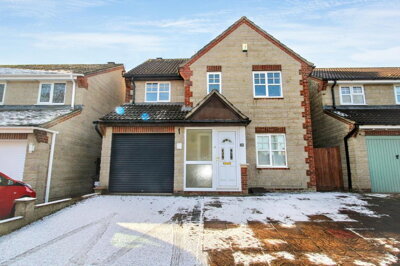
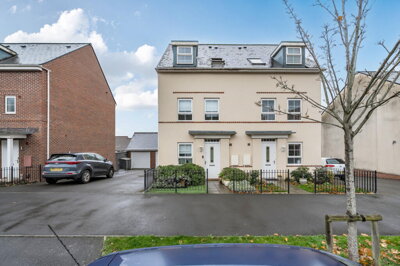
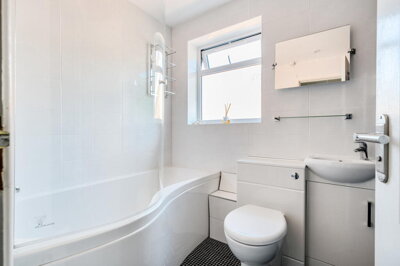
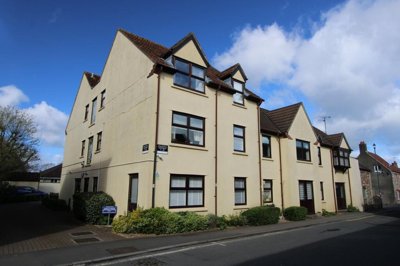
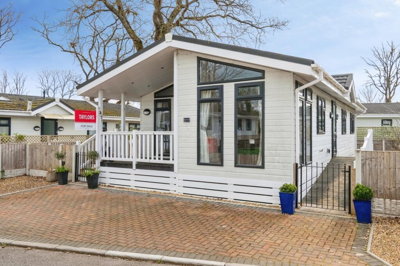
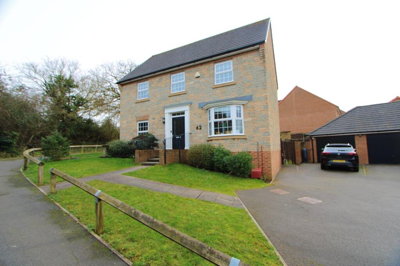
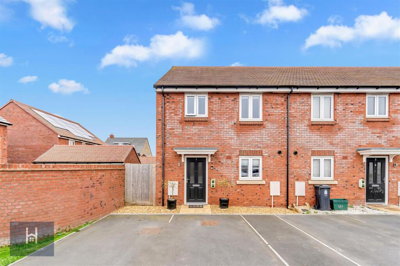
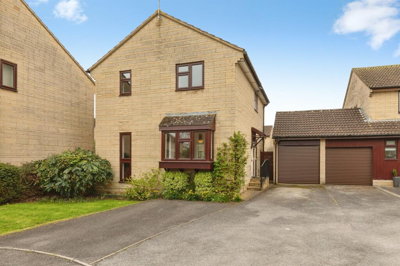
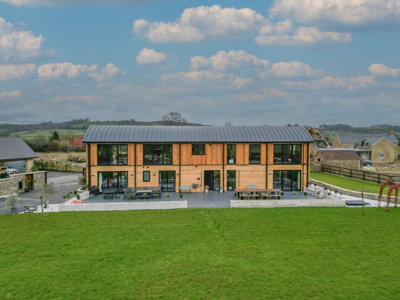
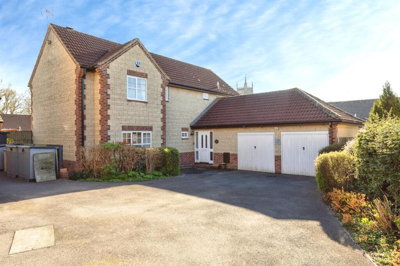
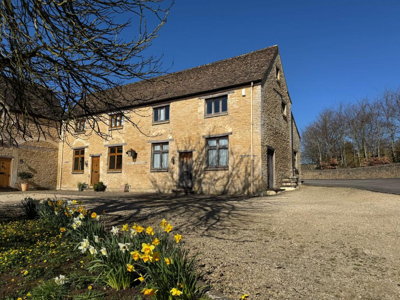
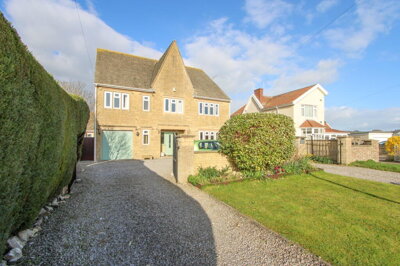
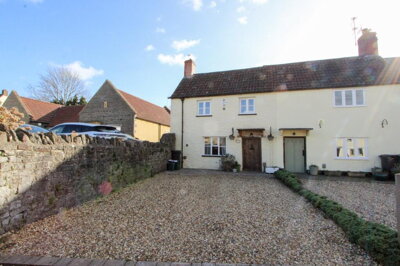
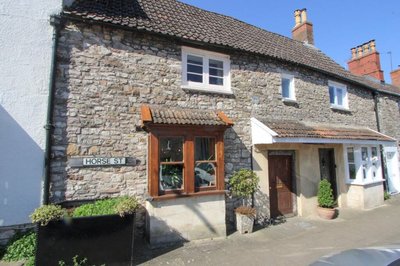
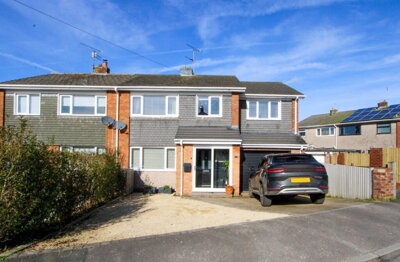
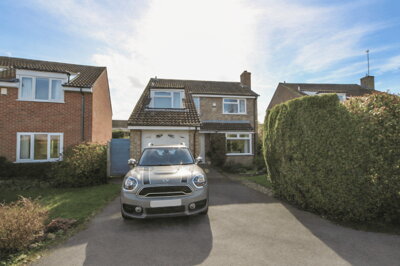
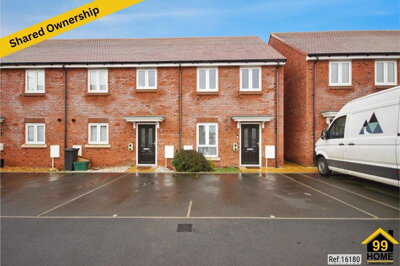
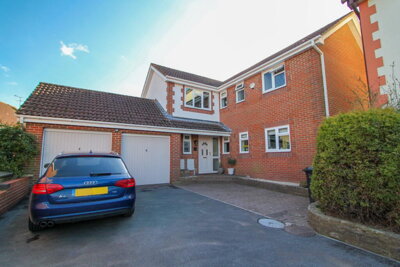
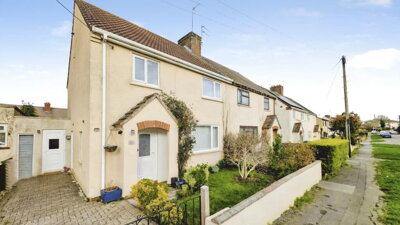
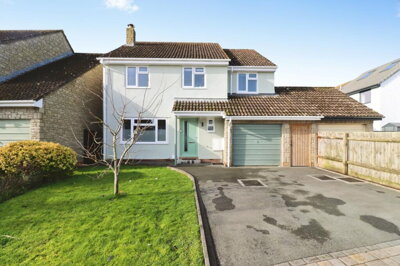
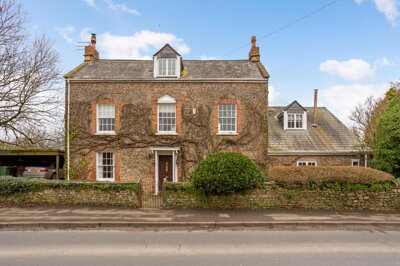
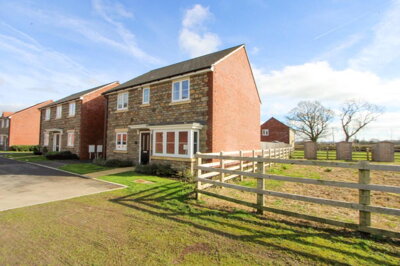
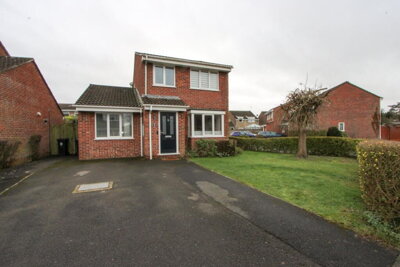
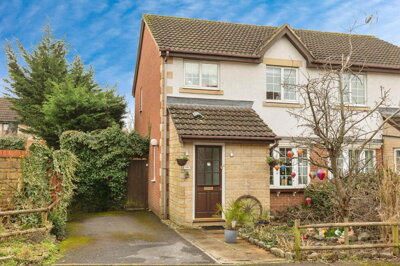
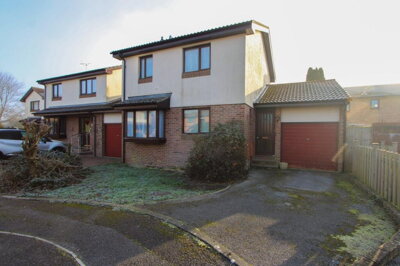
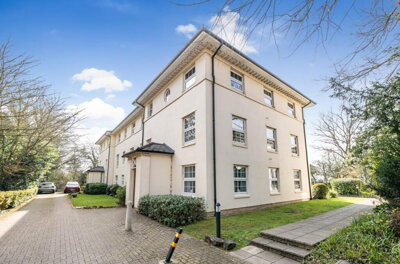
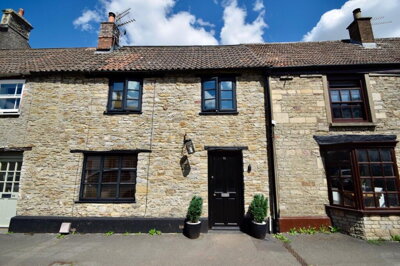
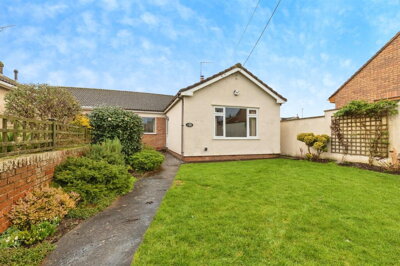
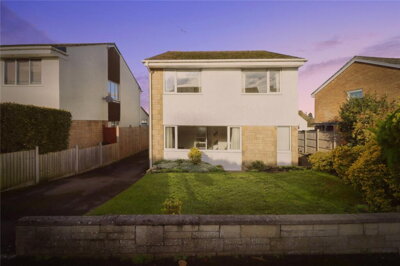
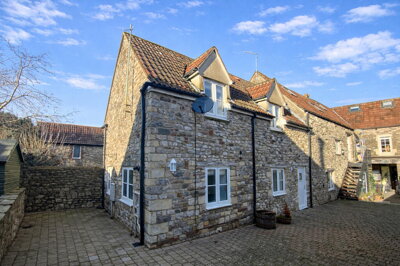
Browse 98 homes for sale in Horton from local estate agents.
£587,500
Average Property Price
£830,000
Detached Properties
£345,000
Semi-Detached Properties
£247,500
Flats Starting From
£333,000
South Gloucestershire Average
3,133
Properties Sold (South Gloucestershire)
The Horton property market reflects its desirable rural setting with prices that have shown significant variation over recent years. According to Rightmove data, the average property price in the village stands at £587,500, with detached properties commanding around £830,000 and semi-detached homes averaging £345,000. Flats in the area typically start from £247,500, though the village predominantly features houses given its residential character. This pricing positions Horton above the broader South Gloucestershire average of £333,000, reflecting the premium associated with village living and larger property types.
Market analysis indicates that prices in Horton have experienced a downward correction of approximately 39% from the 2023 peak of £962,500, settling back towards more sustainable levels. The broader South Gloucestershire market showed modest growth of 1.3% in the year to December 2025, with semi-detached properties leading the recovery with a 2.3% increase. For buyers considering Horton, this cooling period presents opportunities to enter the market at more accessible price points while still securing a property in this sought-after village location.
The small number of properties available at any given time means the Horton market can move quickly when quality homes are listed. Prospective buyers should register with multiple local estate agents covering the village and surrounding area to receive early notification of new listings. Given the village's popularity with families and commuters alike, well-presented properties in good condition typically attract competitive interest, sometimes resulting in sales above asking price.

Horton is a small village and civil parish in South Gloucestershire, positioned along the Yate to Wickwar road and situated approximately five miles east of Yate town centre. The village embodies the classic English countryside lifestyle with a historic church at its heart, traditional stone cottages, and a network of footpaths crisscrossing the surrounding farmland. The community retains a tight-knit feel despite its proximity to larger towns, with local events and gatherings contributing to a strong sense of belonging among residents.
The surrounding landscape of Horton features rolling Cotswold-edge countryside, with the village sitting at the boundary between the Cotswolds Area of Outstanding Natural Beauty. This positioning provides residents with stunning rural walks and easy access to the wider countryside of both South Gloucestershire and the Cotswold region. The village's location on the fringe of the Cotswolds means residents benefit from the area's natural beauty while still maintaining straightforward connections to urban amenities in Bristol, approximately 15 miles away.
Local amenities in Horton itself are limited, reflecting the village's small scale, but the nearby towns of Chipping Sodbury and Yate provide everyday essentials including supermarkets, pharmacies, and medical practices. Chipping Sodbury High Street retains a selection of independent shops and cafes, while Yate offers larger retail options including a shopping centre. The combination of rural tranquility and accessible urban amenities makes Horton particularly attractive to buyers seeking a balanced lifestyle.

Families considering a move to Horton will find a selection of educational options within easy reach. Primary education is available at schools in nearby Chipping Sodbury, with The Sodbury School serving as a local secondary option for older children. For families seeking grammar school education, the nearby towns of Stroud and Cheltenham offer access to selective schools, though admission depends on catchment areas and selective testing. Parents should research specific school catchments and admission policies, as these can significantly impact property values in surrounding streets.
Further education opportunities are well-represented in the region, with Gloucestershire College offering vocational courses in nearby Stroud and Cheltenham, while Bristol provides access to the University of Bristol and the University of the West of England for higher education. Several independent schools operate in the surrounding area, including schools in Cheltenham, Bristol, and Stroud, catering to families seeking alternatives to the state system. When purchasing property in Horton, prospective buyers with school-age children should verify current catchment boundaries with South Gloucestershire Council, as these are subject to periodic review.
The travel times from Horton to local schools should factor into buying decisions for families. Primary schools in Chipping Sodbury are approximately 10-15 minutes by car, while The Sodbury School secondary campus is similarly accessible. Families requiring grammar school places should note that assessment testing typically takes place during Year 6, and places are allocated based on rank position and distance from the school, making early research essential before committing to a purchase.
Horton benefits from its strategic position in South Gloucestershire, offering residents a choice of transport options for commuting and travel. The village lies approximately three miles from Yate railway station, which provides regular services to Bristol Temple Meads with journey times of around 30 minutes. From Bristol, connections extend across the national rail network, including direct services to London Paddington in approximately one hour 40 minutes. The nearby town of Chipping Sodbury also offers bus connections serving local villages and towns throughout South Gloucestershire.
Road connections from Horton provide straightforward access to the M4 motorway, which runs east-west through the region and connects to the M5 motorway near Almondsbury. This junction, approximately 10 miles from Horton, opens routes to Birmingham, the South West, and Wales. Bristol city centre lies around 15 miles to the west, accessible via the A46 and A432 roads that pass through nearby towns. For air travel, Bristol Airport is situated approximately 25 miles from Horton, offering domestic and European flights. Cyclists will find rural lanes suitable for recreational cycling, though longer distances may require transport to access dedicated cycle routes.
Commuting times from Horton vary depending on destination and time of day. During peak hours, travel to Bristol city centre typically takes 35-45 minutes by car, rising to over an hour during particularly busy periods. Train services from Yate provide a more predictable alternative, with car parking available at the station. For those working in London or other major centres, the direct rail connection from Bristol Temple Meads makes day commuting feasible, though many residents choose to work remotely on some days given the village's excellent broadband connectivity.
Properties in Horton and the surrounding South Gloucestershire countryside reflect the traditional building methods of the Cotswolds region. Many period cottages and farm buildings feature locally sourced Cotswold stone, typically laid in random rubble patterns with lime mortar pointing. This traditional construction provides excellent thermal mass but requires ongoing maintenance to prevent water penetration, which can cause stone weathering and mortar deterioration over time. Buyers should look for signs of repointing work and any areas where stonework has been replaced with incompatible materials.
Brick construction becomes more prevalent in properties from the late Victorian and Edwardian periods, with red and brown bricks commonly used for decorative features and chimney stacks. Many semi-detached and terraced properties built during these eras feature solid brick walls without cavity insulation, resulting in higher heating costs compared to modern constructions. External brickwork on these properties may show signs of weathering, efflorescence, or deterioration in areas exposed to persistent rainfall, and professional assessment should include close inspection of all elevations.
Roof construction in older Horton properties typically uses traditional cut timber roof trusses with slate or clay tile coverings. Natural slate, imported from Wales or Cornwall, was commonly used on higher-value properties, while machine-made clay tiles covered more modest homes. Both roofing materials have long service lives but become brittle with age, and individual tiles may crack or slip, leading to water ingress. A thorough survey of any property in Horton should include close inspection of the roof structure, particularly in areas not easily visible from ground level.
Given the age of much of the housing stock in Horton, several common defects require careful attention during property assessment. Damp problems feature prominently in period properties, with rising damp affecting solid floor constructions and penetrating damp occurring where roof coverings or wall pointing have deteriorated. Walls without cavity insulation can suffer from condensation issues, particularly in kitchens and bathrooms, where poor ventilation compounds the problem. A professional survey will use moisture meters and thermal imaging to identify the extent and source of any damp conditions.
The South Gloucestershire region, including areas around Horton, contains clay soils that can exhibit shrink-swell behaviour depending on moisture content. Properties with foundations in clay ground may show signs of movement if trees or large shrubs are present nearby, as root systems extract moisture from the soil during dry periods. Structural movement may manifest as cracking to walls, sticking doors or windows, and uneven floors. Any signs of movement require investigation by a qualified structural engineer to determine the cause and appropriate remedial measures.
Electrical systems in older properties often require updating to meet current safety standards. Properties constructed before the 1970s typically feature rubber or fabric-covered cables that have degraded over time, while those built before the 1990s may have aluminium wiring in circuits that require specialist assessment. Consumer units in older properties frequently lack adequate RCD protection required by modern regulations. A thorough electrical inspection should be included in any survey of an older Horton property, with costs for necessary upgrades factored into purchase negotiations.
Spend time exploring Horton village and its surroundings at different times of day to get a genuine feel for the area. Visit local amenities in Chipping Sodbury and Yate, check commute times to your workplace, and review school catchment information if you have children. Understanding the local property market data helps you set realistic expectations about prices and availability in this village setting. Driving the roads around the village at various times will reveal which routes are most suitable for your daily routine.
Before viewing properties, approach a lender to obtain a mortgage agreement in principle. This document confirms how much you can borrow and strengthens your position when making offers. Given the higher property values in Horton, with detached homes averaging £830,000, securing suitable finance is essential before engaging with estate agents on specific properties. Having your mortgage arranged in advance also demonstrates to sellers that you are a serious and capable buyer.
Work with local estate agents active in the Horton and South Gloucestershire market to arrange viewings of suitable properties. When you find your ideal home, submit a formal offer through your agent. In this village market, properties can move quickly, so being prepared with your finances in order gives you a competitive edge over other buyers. Ask the agent about the motivation of the seller and any competing interest to help structure your offer appropriately.
Once your offer is accepted, book a RICS Level 2 Survey to assess the property condition thoroughly. For older properties in Horton, which may include Victorian and Edwardian constructions, a thorough survey is particularly important to identify any structural concerns, damp issues, or maintenance requirements before you commit to the purchase. Survey findings can also provide valuable leverage for price negotiations if defects are identified.
Choose a conveyancing solicitor to handle the legal aspects of your purchase. They will conduct searches with South Gloucestershire Council, review the property title, and manage the transfer of funds. For properties in this rural village, searches may include drainage assessments and environmental reports specific to the local area. Allow approximately 8-12 weeks for the conveyancing process, though complex transactions may take longer.
Once all searches are satisfactory and your mortgage offer is confirmed, you will exchange contracts with the seller and pay your deposit. Completion typically follows within weeks, at which point you will receive the keys to your new home in Horton and can begin settling into village life. Arrange buildings insurance to commence from the exchange date, as this is when contractual responsibility for the property transfers to you as the buyer.
Properties in Horton span several eras of construction, from historic period cottages through to twentieth-century family homes. Given the village's rural location, prospective buyers should investigate potential flood risk with South Gloucestershire Council's flood maps, as some properties near watercourses may be subject to flooding. A thorough survey can identify any history of water damage or damp that might not be apparent during a standard viewing. Understanding the property's position relative to flood zones is particularly important for lower-lying areas of the village.
Buyers should verify whether properties in Horton are freehold or leasehold, as this affects ongoing costs and your ownership rights. Many village properties will be freehold, but it is worth confirming the exact tenure before proceeding. For older properties, particularly those constructed before the 1970s, potential issues include outdated electrical wiring, aging plumbing systems, and the presence of materials such as asbestos or lead paint that would require professional assessment and remediation. A RICS Level 2 Survey provides detailed analysis of these factors, giving you confidence in your purchase decision.
The boundaries of properties in rural villages like Horton can sometimes be unclear, with hedgerows and dry-stone walls marking informal divisions rather than precisely defined limits. Checking the title plan and comparing it with physical boundaries on the ground is essential to avoid boundary disputes with neighbours. Any extensions, outbuildings, or alterations to the property should be verified as having the necessary planning permissions and building regulation approvals from South Gloucestershire Council.
The average house price in Horton is currently around £587,500 according to Rightmove data. Detached properties average approximately £830,000, semi-detached homes around £345,000, and flats from £247,500. These figures position Horton above the broader South Gloucestershire average of £333,000, reflecting the village's desirable rural character and larger property types. Market conditions have seen prices correct from the 2023 peak of £962,500, offering opportunities for buyers entering this village market at more accessible price points.
Properties in Horton fall under South Gloucestershire Council's jurisdiction for council tax purposes. Specific bands depend on property valuation, with period cottages and smaller homes typically falling into bands A through D, while larger detached properties and converted farm buildings may be in higher bands E through H. Prospective buyers should check the specific band for any property they are considering on the Valuation Office Agency website, as council tax forms part of the ongoing cost of homeownership in the village. Current South Gloucestershire Council tax rates for a band D property are among the lower rates in the region.
Primary education is available at schools in nearby Chipping Sodbury and surrounding villages, with Windshire Road Primary School and St Mary's Primary School serving local families. The Sodbury School provides secondary education locally and has received positive Ofsted reports in recent years, while grammar schools in Stroud and Cheltenham offer selective education for older children. Several independent schools operate within reasonable driving distance, including options in Bristol, Cheltenham, and Stroud. Families should verify current catchment areas with South Gloucestershire Council, as these can affect school placement eligibility.
Horton has limited public transport within the village itself, with no train station directly in the village. The nearest railway station is Yate, approximately three miles away, offering regular services to Bristol Temple Meads in around 30 minutes and direct connections to London Paddington. Bus services operate through nearby Chipping Sodbury, connecting to the wider South Gloucestershire area with services to Bristol, Yate, and surrounding villages. For full connectivity, residents typically rely on a combination of local buses and rail services, with Bristol Airport approximately 25 miles away for air travel.
Horton offers potential for property investment given its desirable village setting and proximity to major employment centres in Bristol and the M4/M5 corridor. The village's rural character, combined with limited new-build supply, supports long-term demand for quality homes. However, the small size of the village means the market can be less liquid than urban areas, and prices have shown volatility in recent years with a 39% correction from the 2023 peak. Any investment decision should consider local market conditions, potential rental demand from commuters, and plans for regional development. Rental values in the area typically reflect the premium associated with village living.
Stamp duty rates for 2024-25 apply as follows: there is no duty on properties up to £250,000, 5% on the portion from £250,001 to £925,000, 10% up to £1.5 million, and 12% above that threshold. First-time buyers receive relief on properties up to £625,000, with 5% charged between £425,001 and £625,000. Given the average price in Horton of £587,500, a standard buyer purchasing at this level would pay approximately £16,875 in stamp duty after the nil-rate threshold. First-time buyers would pay around £8,125 on the same property.
As a village on the edge of the Cotswolds Area of Outstanding Natural Beauty, properties in Horton may be subject to planning restrictions designed to preserve the character of the area. Any significant extensions, outbuildings, or alterations to listed buildings require consent from South Gloucestershire Council. Buyers should review the planning portal for any existing permissions on the property and check whether permitted development rights remain intact, as these may have been removed by condition. The council's local plan provides guidance on what development is likely to be acceptable in the village.
When purchasing a property in Horton, South Gloucestershire, understanding the full cost of buying is essential for budgeting effectively. Stamp duty land tax applies to all purchases above £250,000 at standard rates, with the threshold increased to £425,000 for first-time buyers on properties up to £625,000. For a typical Horton property priced around £587,500, a first-time buyer would pay 5% on the amount between £425,000 and £587,500, totalling approximately £8,125. A home mover without first-time buyer status would pay approximately £16,875, calculated at 5% on the portion between £250,000 and £587,500.
Beyond stamp duty, buyers should budget for solicitor fees averaging £800 to £1,500 for conveyancing, plus search fees of approximately £250 to £400 for South Gloucestershire Council searches. A RICS Level 2 Survey typically costs between £350 and £600 depending on property size and value, while an Energy Performance Certificate costs from £60 to £120. Mortgage arrangement fees vary by lender but often range from £500 to £2,000. For a £587,500 property in Horton, total buying costs excluding mortgage fees typically fall between £2,500 and £4,000, making thorough preparation essential for a smooth purchase.
Additional costs to consider include removals expenses, which can vary significantly depending on the volume of belongings and distance moved. Buildings insurance must be arranged from the date of contract exchange, and life insurance or critical illness cover is worth considering for mortgage protection. Some buyers choose to budget for immediate repairs or renovations identified during survey, which can be negotiated into the purchase price or funded separately. Having a contingency fund of at least 10% of the property value is advisable to cover unexpected costs that may arise during the buying process.
From 4.5% APR
Compare competitive mortgage rates from trusted lenders for your Horton property purchase
From £499
Expert conveyancing solicitors to handle your legal work
From £350
Comprehensive condition survey for your Horton property
From £60
Energy performance certificate for your new home
Properties for Sale In London

Properties for Sale In Plymouth

Properties for Sale In Liverpool

Properties for Sale In Glasgow

Properties for Sale In Sheffield

Properties for Sale In Edinburgh

Properties for Sale In Coventry

Properties for Sale In Bradford

Properties for Sale In Manchester

Properties for Sale In Birmingham

Properties for Sale In Bristol

Properties for Sale In Oxford

Properties for Sale In Leicester

Properties for Sale In Newcastle

Properties for Sale In Leeds

Properties for Sale In Southampton

Properties for Sale In Cardiff

Properties for Sale In Nottingham

Properties for Sale In Norwich

Properties for Sale In Brighton

Properties for Sale In Derby

Properties for Sale In Portsmouth

Properties for Sale In Northampton

Properties for Sale In Milton Keynes

Properties for Sale In Bournemouth

Properties for Sale In Bolton

Properties for Sale In Swansea

Properties for Sale In Swindon

Properties for Sale In Peterborough

Properties for Sale In Wolverhampton

Enter your details to see if this property is within your budget.
Loans, cards, car finance
Estimated property budget
Borrowing + deposit
You could borrow between
Typical borrowing
Monthly repayment
Est. at 4.5%
Loan-to-value
This is an estimate only. Your actual budget may vary depending on interest rates, credit history, and personal circumstances. For an accurate affordability assessment, speak to one of our free mortgage advisors.
This calculator provides estimates for illustrative purposes only and does not constitute financial advice. Your home may be repossessed if you do not keep up repayments on your mortgage. Estimates based on 4.5% interest rate, repayment mortgage. Actual rates depend on your circumstances.
Homemove is a trading name of HM Haus Group Ltd (Company No. 13873779, registered in England & Wales). Homemove Mortgages Ltd (Company No. 15947693) is an Appointed Representative of TMG Direct Limited, trading as TMG Mortgage Network, which is authorised and regulated by the Financial Conduct Authority (FRN 786245). Homemove Mortgages Ltd is entered on the FCA Register as an Appointed Representative (FRN 1022429). You can check registrations at NewRegister or by calling 0800 111 6768.

We use cookies to show you personalised content and improve your experience of our website. Find out more in our Privacy policy and Cookie policy.