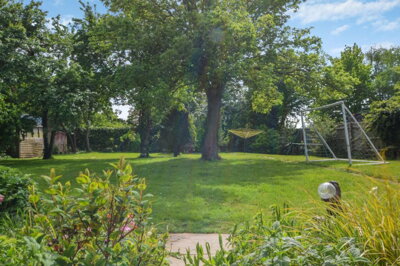
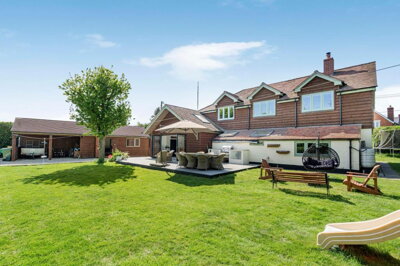
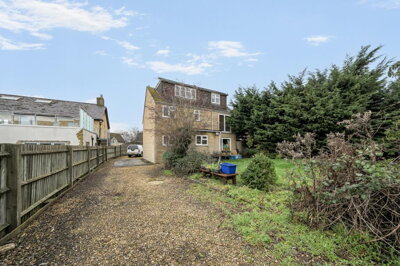
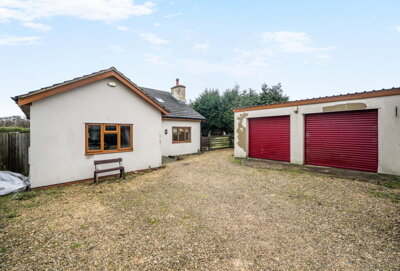
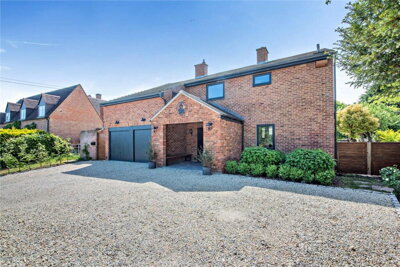
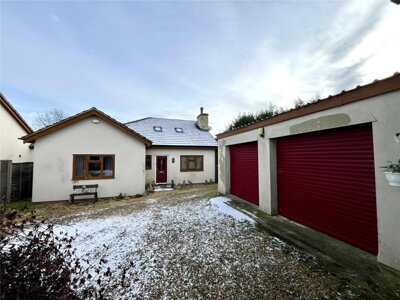
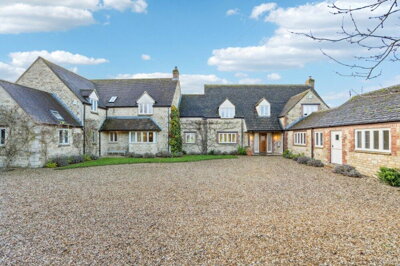
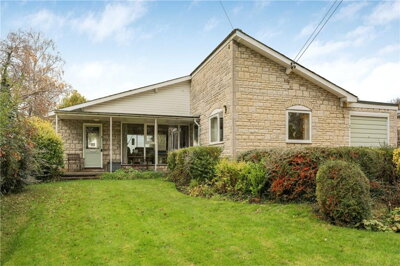
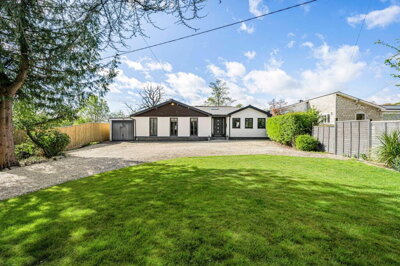
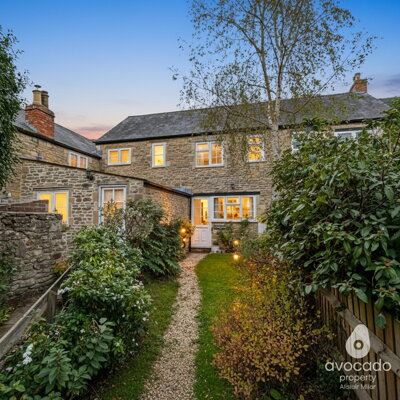
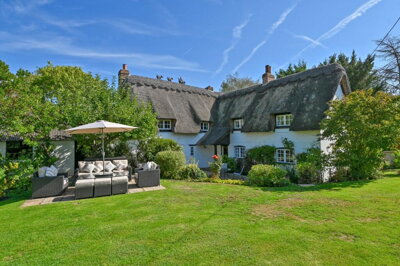
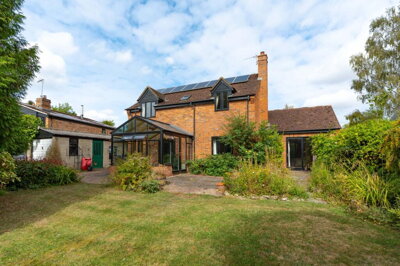
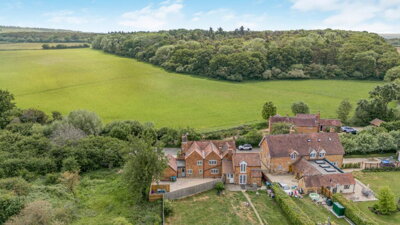
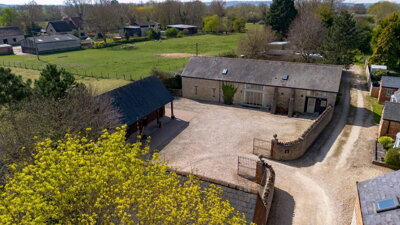
Browse 16 homes for sale in Horton-cum-Studley from local estate agents.
Great Barton's property market has demonstrated remarkable resilience and growth over recent years, with prices climbing 17% according to Rightmove data and 13.7% according to Land Registry figures. The village has experienced a significant 27% increase from the 2022 peak of £549,009, indicating sustained demand that has outpaced many neighbouring Suffolk locations. Detached properties dominate the market, comprising 72.7% of recent sales with an average price of £807,079, reflecting buyer preference for the generous space and privacy these homes offer. The market has shown particular strength in the £700,000 to £900,000 bracket, with several properties on The Street and surrounding roads achieving prices above £800,000.
Property types in Great Barton span several eras and construction styles, from early 17th-century cob farmhouses with wheat-reed thatched roofs to Victorian and Edwardian properties built in the Suffolk vernacular tradition. Semi-detached homes average £466,667, providing family accommodation at more accessible price points, while terraced properties offer the most affordable entry at around £279,625, though availability in this category remains limited. Flats are exceptionally rare in the village, with the median flat price recorded at just £20,700 in 2009 and no recent transactions indicating a continued undersupply of this property type.
The planned development at The Severals on Bury Road represents a transformative project for Great Barton, with planning permission for up to 1,375 new homes on this 194-acre site within the parish. Vistry, having acquired the site from Berkeley St Joseph Homes, anticipates starting Phase 1 construction around mid-2026, which will significantly expand housing stock over the coming decade. A second major development, The Triangle off School Road, proposes up to 191 homes with 30% affordable housing, including a high proportion of two to three-bedroom homes and bungalows. These developments underscore growing recognition of Great Barton as an expanding residential centre within West Suffolk.

Great Barton functions as a Local Service Centre, providing essential amenities that serve both residents and the surrounding rural community. The village centre along The Street features a post office, village store, and a traditional public house where locals gather, creating the warm community atmosphere that defines Suffolk village life. The Church of the Holy Innocents, a Grade I listed building standing the community, reflects centuries of spiritual and cultural heritage, while various community events throughout the year strengthen neighbourhood connections. The plateau landscape of light loams and sandy soils creates gentle countryside views that appeal to those seeking rural tranquility without the isolation of more remote locations.
The village has strong historical connections to horse racing and the former Abbey at Bury St Edmunds, cultural threads that continue to influence local character today. Many properties along The Street and surrounding lanes date from the 19th century, built under the patronage of Sir Henry Edward Bunbury, whose architectural legacy shapes the village's distinctive character. The historic Barton Hall was destroyed by fire in 1914, which led to the post-war housing developments of Hall Park and Barton Hamlet that now form part of the village's diverse housing stock. This mix of heritage properties and mid-20th century homes creates varied streetscapes that reflect Great Barton's evolution over two centuries.
An Air Quality Management Area was previously designated near the post office due to traffic volume and air quality concerns from the A143, though this was revoked in August 2025, indicating improved environmental conditions for residents. The population of approximately 2,087 residents creates a balanced community size where neighbours are known to one another while maintaining sufficient scale for local services. Average household income in 2015/16 was estimated at £37,100, though this has likely increased in subsequent years, reflecting the prosperity of the area and the significant equity held by existing homeowners.

Education provision in Great Barton is anchored by Great Barton Church of England Primary School, which serves families with children of primary age within the village itself. The school benefits from its proximity to the historic Church of the Holy Innocents, and maintains strong community ties that many families find valuable during the primary school years. Parents appreciate the convenience of children being able to walk to school, reducing traffic in the village centre while fostering independence in young people. The school regularly achieves good Ofsted ratings, though prospective parents should check the current inspection report for the most up-to-date assessment of performance.
For secondary education, residents typically access schools in Bury St Edmunds, approximately 3 miles away, with options including the historic King Edward VI School, a selective grammar school with a strong academic reputation, and St Louis Catholic Academy for families seeking faith-based education. Other secondary options in Bury St Edmunds include Bury St Edmunds County Upper School and Sybil Andrews Academy, providing diverse choices depending on catchment areas and admissions criteria. The journey from Great Barton to Bury St Edmunds secondary schools typically takes 10-15 minutes by car, with school bus services available for eligible students.
School catchment areas are determined by Suffolk County Council, and parents should verify current arrangements as these can impact which schools children are eligible to attend. Independent schooling options are available within reasonable driving distance in the Bury St Edmunds area, including Culford School and St Mary's School, for families seeking alternatives to state education. The village's growing population, driven by the planned developments at The Severals and The Triangle, may influence school capacity planning in coming years. Families are advised to contact Suffolk County Council directly for the most current information on admissions, catchment boundaries, and any planned expansions to educational provision serving Great Barton.
Great Barton enjoys a strategic position with access to the A143 and Bury Road, providing reliable road connections to surrounding towns and villages throughout Suffolk. The A14 trunk road is accessible via Bury St Edmunds, offering routes to Cambridge to the west and Ipswich to the southeast, while Norwich lies to the north via the A143. For commuters working in Cambridge, the journey time by car is approximately 45 minutes to an hour, depending on traffic conditions at the A14 junction. The proximity to Bury St Edmunds, approximately 3 miles distant, means residents benefit from the comprehensive retail, healthcare, and leisure facilities available in the market town without paying premium village property prices.
For rail commuters, journey times from Bury St Edmunds railway station reach approximately 1 hour 20 minutes to London Liverpool Street via the Cambridge route, with regular services throughout the day. Direct services from Bury St Edmunds also connect to Cambridge, where faster trains continue to London King's Cross, and to Ipswich for connections to Colchester and London Liverpool Street. Norwich is accessible via the East Anglian railway network, providing an alternative route to London Liverpool Street with journey times of around 2 hours. The station has parking facilities, though availability can be limited during peak commuting hours.
Public transport options include bus services connecting Great Barton to Bury St Edmunds, enabling residents without private vehicles to access the town's amenities and railway station. The X85 bus service provides regular connections between Bury St Edmunds and surrounding villages including Great Barton, with stops at the village centre near the post office. The village centre experiences some traffic volume given its position on a through route, though the revocation of the Air Quality Management Area in August 2025 suggests that air quality conditions have improved for pedestrians and cyclists. The relatively flat Suffolk landscape makes cycling viable for shorter journeys, though dedicated cycle infrastructure within the village itself remains limited.
Start by exploring current listings for homes in Great Barton and understanding local market dynamics. With average prices of £697,808 and 22 sales recorded in 2025, the market shows healthy activity. Consider visiting the village to experience its character firsthand, including the historic buildings along The Street, local amenities, and proximity to Bury St Edmunds. The contrast between 19th-century properties on The Street and more modern homes in Hall Park and Barton Hamlet demonstrates the variety available.
Before viewing properties, obtain a mortgage agreement in principle from a lender. With entry-level properties requiring household incomes around £90,000 and average detached prices exceeding £800,000, getting financial clarity early helps narrow your search effectively and strengthens your position when making offers. Several mortgage brokers operate in the Bury St Edmunds area with experience in West Suffolk property values.
Contact local estate agents active in Great Barton and schedule viewings of properties matching your criteria. Our platform allows you to browse all available homes and connect with agents directly to arrange inspections at your convenience. When viewing older properties, pay attention to construction materials such as Suffolk whites render, flint and brick combinations, and thatched or slate roofs.
Once you find a property, particularly an older home over 50 years old, commission a Level 2 Homebuyer Report. Given that many properties were built in the 19th century using traditional materials like Suffolk whites, flint, and thatch, a professional survey identifies defects and necessary repairs before purchase. For Grade II* and Grade I listed properties, a RICS Level 3 Building Survey is often more appropriate due to their complex construction and historical significance.
Choose a solicitor experienced in West Suffolk property transactions to handle the legal aspects of your purchase. They will conduct local searches, review contracts, and manage the transfer of ownership through the Land Registry. Local searches will include drainage and water authority checks, local authority planning records, and environmental searches relevant to the light loams and sandy soils underlying the parish.
After surveys are satisfactory and legal checks are complete, you will exchange contracts and pay your deposit. Completion typically follows within weeks, and you will receive the keys to your new Great Barton home. Stamp duty applies to purchases above £250,000, so budget approximately £22,390 for an average-priced Great Barton property of £697,808.
Buyers considering properties in Great Barton should be aware of the village's rich architectural heritage, which includes 22 listed buildings ranging from the Grade I Church of the Holy Innocents to two Grade II* structures and 19 Grade II listed buildings including Elms Farmhouse, Manor House, and The Forge. Properties within this heritage context face restrictions on modifications and alterations, and buyers should factor potential Listed Building Consent requirements into any renovation plans. A RICS Level 3 Building Survey may be particularly appropriate for Grade II* and Grade I properties due to their complex construction, historical significance, and specialist maintenance requirements. Insurance costs for listed properties also tend to be higher due to the specialist materials and craftsmanship required for repairs.
The predominant construction materials in older Great Barton properties include cob with brick plinth and wheat-reed thatched roofs on properties like Great Barton Farmhouse, Suffolk whites render with flint and brick combinations, and slate roofing on Victorian properties. These traditional materials require specific maintenance knowledge and may incur higher insurance costs than standard brick construction. Thatched roofs, while visually attractive, typically require re-rendering every 15-25 years and specialist insurance coverage. Properties built with cob construction can be susceptible to damp penetration if rendering is damaged, and wheat-reed thatch requires specialist roofing contractors for repairs.
Properties in post-World War II developments like Hall Park and Barton Hamlet offer more modern construction but typically sit on smaller plots than their Victorian and Edwardian counterparts. Barton Hall itself was destroyed by fire in 1914, leading to the post-war housing developments that now form part of the village's character. These mid-20th century properties generally feature more standard construction methods but may require updating of electrical systems, window replacement, and potential remediation of original single-skin brickwork. The plateau landscape of light loams and sandy soils underlying the parish requires consideration during property surveys, particularly for foundations on older properties where ground conditions may have changed over time.
When purchasing in Great Barton, environmental considerations include the former Air Quality Management Area near the post office, which has now been revoked, and the proximity of some properties to the A143. Flood risk specific to Great Barton requires detailed environmental searches during conveyancing, as no widespread surface water flooding was identified in available data, though individual property locations should be verified. The significant planned development at The Severals will bring 1,375 new homes and associated infrastructure, which may affect property values and living conditions in the immediate vicinity during construction phases.
According to Rightmove data, the average house price in Great Barton is £697,808, representing a 17% increase year-on-year and a 27% rise from the 2022 peak of £549,009. Detached properties average £807,079, semi-detached homes £466,667, and terraced properties around £279,625. In 2025, 22 properties sold with a median price of £531,000, demonstrating consistent market activity despite economic conditions. Zoopla data shows some variation between sub-areas, with Barton Hamlet averaging around £400,000 and School Lane properties reaching above £1,250,000, indicating the diversity within the village market.
Properties in Great Barton fall under West Suffolk Council for council tax purposes, having inherited this responsibility following the 2019 local government reorganisation that created the new authority from Forest Heath and St Edmundsbury councils. Bands range from A to H depending on the property's assessed value, with most terraced and smaller semi-detached properties typically falling in bands A-C, while larger detached homes on The Street and surrounding roads often occupy bands D-F. For precise banding on specific properties, buyers should check the Valuation Office Agency website or request this information during conveyancing searches to budget accurately for ongoing costs, which typically range from £1,400 to £2,800 annually depending on band.
Great Barton Church of England Primary School serves the village for primary education, with strong community ties and convenient walking access from properties throughout the village centre and surrounding roads. For secondary education, parents typically consider schools in Bury St Edmunds including King Edward VI School, a selective grammar school, St Louis Catholic Academy, and Bury St Edmunds County Upper School, all accessible within 10-15 minutes by car. Parents should verify current catchment areas with Suffolk County Council as these boundaries can change and directly impact school placement eligibility, particularly given anticipated population growth from The Severals and The Triangle developments.
Great Barton has bus services connecting to Bury St Edmunds, where the railway station provides access to Cambridge, Ipswich, Norwich, and London Liverpool Street with journey times around 1 hour 20 minutes to the capital. The X85 bus service stops at the village centre near the post office, providing regular connections for those without private vehicles. The village sits between the A143 and Bury Road, providing road access to the A14 and onward to Cambridge and Ipswich, with Norwich accessible via the A143 north. This connectivity makes Great Barton practical for commuters working in Suffolk's larger towns, though those requiring daily London access should factor rail journey times and car parking availability at Bury St Edmunds station.
Great Barton has demonstrated strong price appreciation of 27% since 2022, with continued growth of 17% year-on-year, outpacing many comparable villages in West Suffolk. The planned development of The Severals (up to 1,375 homes) and The Triangle (191 homes) indicates significant infrastructure investment and future demand that may support continued price growth. However, affordability challenges exist, with entry-level properties requiring incomes around £90,000 against average household incomes of approximately £37,100, which may limit rental demand and first-time buyer activity. Investors should consider that the planned developments will increase rental supply, potentially affecting yields on existing properties.
For standard purchases, stamp duty applies at 0% on the first £250,000, 5% on £250,001 to £925,000, 10% on £925,001 to £1.5 million, and 12% above £1.5 million. For an average-priced Great Barton property of £697,808, this results in SDLT of approximately £22,390. First-time buyers purchasing properties up to £625,000 benefit from enhanced relief, paying 0% on the first £425,000 and 5% on amounts between £425,001 and £625,000, significantly reducing costs for eligible purchasers. Additional costs including legal fees, survey costs, and mortgage arrangement fees should be budgeted separately, typically adding £3,000 to £5,000 to total purchase costs.
Specific flood risk areas in Great Barton were not explicitly detailed in available data, though the parish is located away from major watercourses and the coastal flood risk that affects some other parts of Suffolk. The plateau landscape of light loams and sandy soils can exhibit shrink-swell behaviour depending on clay content, particularly relevant during periods of drought or heavy rainfall, though no widespread subsidence issues were identified in the village. An Air Quality Management Area near the post office, related to traffic from the A143, was revoked in August 2025. Buyers should request a comprehensive environmental search during conveyancing for detailed flood and ground risk information specific to their chosen property location.
Great Barton has significant heritage assets including the Grade I listed Church of the Holy Innocents, two Grade II* structures (Barn at Manor Farm and Conyers Green Farmhouse), and 19 Grade II listed buildings including Elms Farmhouse, Keepers Cottage, Thingoe Cottage, and The Forge. Purchasing a listed property means facing restrictions on alterations and potential requirements for Listed Building Consent before any works, which can extend timelines for renovations. These properties often require specialist surveys and maintenance using traditional building techniques and period-appropriate materials, which should be reflected in budgeting for repairs and insurance. Properties like Great Barton Farmhouse, with its cob construction and wheat-reed thatched roof, exemplify the traditional Suffolk building methods that characterise the village's heritage.
Great Barton offers a diverse range of property types spanning several centuries of construction. Early 17th-century properties like Great Barton Farmhouse feature cob walls with brick plinths and distinctive wheat-reed thatched roofs, while 19th-century buildings along The Street showcase the Suffolk vernacular with Suffolk whites render, flint and brick combinations, and slate roofing. Post-war developments in Hall Park and Barton Hamlet provide more modern brick-built homes constructed after Barton Hall was destroyed by fire in 1914. The majority of properties (72.7% of recent sales) are detached homes, with semi-detached and terraced properties forming a smaller portion of the market. Flats are exceptionally rare in the village.
The Severals development on Bury Road, with planning permission for up to 1,375 new homes, represents the largest planned expansion for Great Barton in its history, with construction expected to begin in mid-2026. This significant investment in infrastructure and housing stock may support property values in the medium to long term by increasing demand for local services and amenities. The Triangle development on School Road, proposing 191 homes with 30% affordable housing and renewable energy heating, may create more affordable entry points to the village market. However, construction activity from these developments may temporarily affect living conditions and property values in the immediate vicinity, particularly during the multi-year build phases expected to continue through the 2030s.
From 4.5%
Secure financing for your Great Barton property purchase
From £499
Expert legal services for West Suffolk property transactions
From £455
Professional homebuyer report for Great Barton properties
From £85
Energy performance certificate for your new home
Purchasing a property in Great Barton involves several costs beyond the purchase price that buyers should budget for carefully. The current stamp duty land tax (SDLT) thresholds for standard buyers start at 0% for the first £250,000 of property value. For a typical Great Barton property priced at the village average of £697,808, SDLT applies at 5% on the portion between £250,001 and £925,000, resulting in SDLT of approximately £22,390. First-time buyers purchasing properties up to £625,000 benefit from enhanced relief, paying 0% on the first £425,000 and 5% on amounts between £425,001 and £625,000, significantly reducing costs for eligible purchasers.
Additional buying costs include mortgage arrangement fees typically ranging from 0.2% to 0.5% of the loan amount, valuation fees which are included in some mortgage products, and survey costs. A RICS Level 2 Homebuyer Report typically costs between £400 and £550 for a standard property, though costs increase for larger or higher-value homes given that average Great Barton properties exceed £500,000. For a property valued at £697,808, survey costs average around £586 based on national pricing data. Conveyancing fees in West Suffolk typically start from around £499 for straightforward transactions, rising with complexity and leasehold arrangements.
Land Registry fees, local authority searches, and stamp duty together can add between 2% and 4% to your total purchase costs beyond the property price itself. For a £697,808 property, total additional costs including SDLT (£22,390), legal fees (£499-£1,500), survey (£455-£700), and various searches and registration fees (£300-£500) could reach approximately £25,000 to £27,000. Buyers purchasing at the upper end of the market, where properties may be valued above £1.5 million, should budget for higher SDLT rates of 12% on values exceeding this threshold. Our platform provides tools to help calculate these costs accurately based on your specific purchase price and circumstances.
Properties for Sale In London

Properties for Sale In Plymouth

Properties for Sale In Liverpool

Properties for Sale In Glasgow

Properties for Sale In Sheffield

Properties for Sale In Edinburgh

Properties for Sale In Coventry

Properties for Sale In Bradford

Properties for Sale In Manchester

Properties for Sale In Birmingham

Properties for Sale In Bristol

Properties for Sale In Oxford

Properties for Sale In Leicester

Properties for Sale In Newcastle

Properties for Sale In Leeds

Properties for Sale In Southampton

Properties for Sale In Cardiff

Properties for Sale In Nottingham

Properties for Sale In Norwich

Properties for Sale In Brighton

Properties for Sale In Derby

Properties for Sale In Portsmouth

Properties for Sale In Northampton

Properties for Sale In Milton Keynes

Properties for Sale In Bournemouth

Properties for Sale In Bolton

Properties for Sale In Swansea

Properties for Sale In Swindon

Properties for Sale In Peterborough

Properties for Sale In Wolverhampton

Enter your details to see if this property is within your budget.
Loans, cards, car finance
Estimated property budget
Borrowing + deposit
You could borrow between
Typical borrowing
Monthly repayment
Est. at 4.5%
Loan-to-value
This is an estimate only. Your actual budget may vary depending on interest rates, credit history, and personal circumstances. For an accurate affordability assessment, speak to one of our free mortgage advisors.
This calculator provides estimates for illustrative purposes only and does not constitute financial advice. Your home may be repossessed if you do not keep up repayments on your mortgage. Estimates based on 4.5% interest rate, repayment mortgage. Actual rates depend on your circumstances.
Homemove is a trading name of HM Haus Group Ltd (Company No. 13873779, registered in England & Wales). Homemove Mortgages Ltd (Company No. 15947693) is an Appointed Representative of TMG Direct Limited, trading as TMG Mortgage Network, which is authorised and regulated by the Financial Conduct Authority (FRN 786245). Homemove Mortgages Ltd is entered on the FCA Register as an Appointed Representative (FRN 1022429). You can check registrations at NewRegister or by calling 0800 111 6768.

We use cookies to show you personalised content and improve your experience of our website. Find out more in our Privacy policy and Cookie policy.