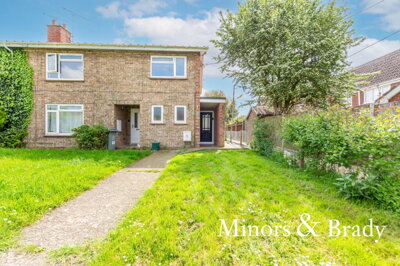
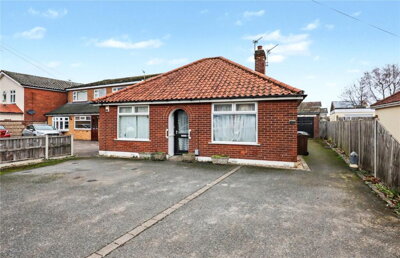
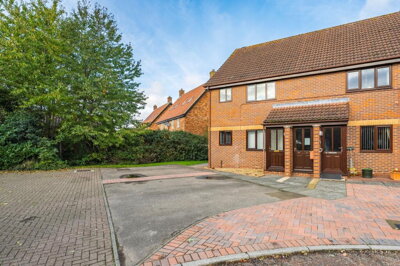
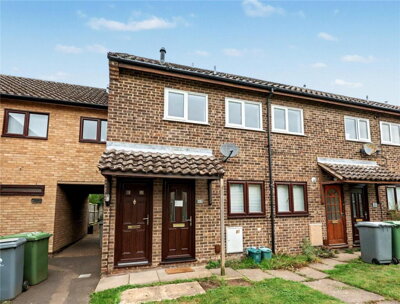
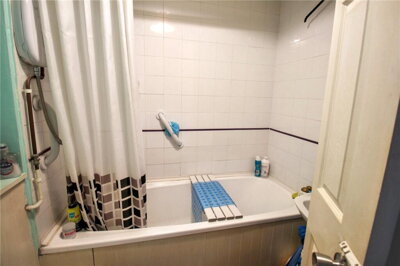
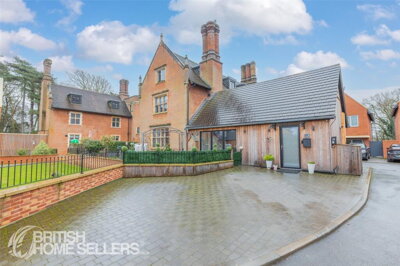
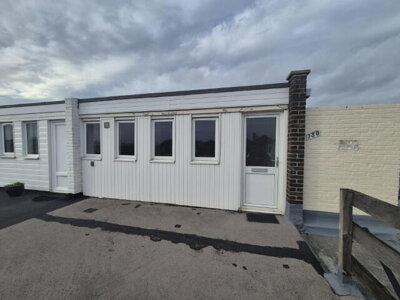
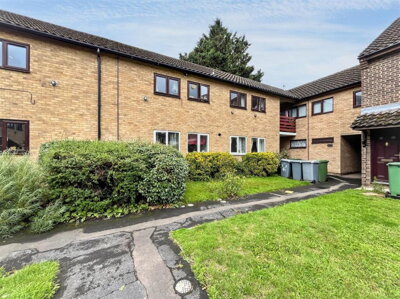
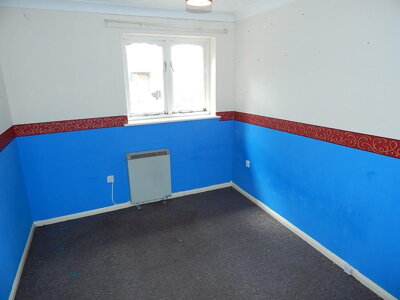
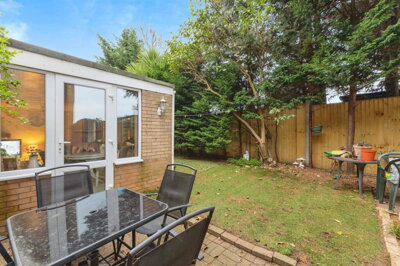
Browse 10 homes for sale in Horsford, Broadland from local estate agents.
Studio apartments feature open-plan living spaces without separate bedrooms, incorporating sleeping, living, kitchen, and bathroom facilities. The Horsford studio market includes properties in modern apartment complexes, converted Victorian and Georgian buildings, and purpose-built developments.
£0k
0
0
0
Source: home.co.uk
Showing 0 results for Studio Flats for sale in Horsford, Broadland.
The Haselbech property market operates as a niche segment within the wider West Northamptonshire housing landscape, with properties commanding premium prices reflecting the village's rural exclusivity and limited supply. Over the past twelve months, Rightmove recorded 21 property sales in Haselbech, with individual transactions ranging significantly depending on property type and scale. The village's position within the NN6 postcode district means that sales data is often aggregated with surrounding villages, making truly comparable sales analysis challenging for this intimate community.
The most recent sales data shows detached period properties achieving substantial sums, with Manor Farm on Naseby Road selling for £1,475,000 in April 2024 and The Stables on Haselbech Hill reaching £1,415,000 in January 2025. Additional notable transactions include 10 Naseby Road, which sold for £925,000 in February 2025, and Rosewood Cottage on Haselbech Hill achieving £2,350,000 in January 2024, illustrating the strong demand for character homes with land in this sought-after location. These transactions demonstrate that buyers continue to pay significant premiums for properties offering traditional character, generous grounds, and the rural lifestyle that Haselbech uniquely provides.
Despite a 37% decrease in average prices compared to the previous year, the longer-term trend remains positive, with current values standing 36% above the 2008 peak of £680,000. This short-term fluctuation likely reflects the mix of properties sold rather than underlying weakness in the market, as the village consistently attracts buyers seeking rural lifestyles with excellent transport connections to Northampton, Market Harborough, and Leicester. The village's stock predominantly consists of stone-built period properties, including several listed buildings, with very few modern developments having been constructed within the parish boundary in recent decades, ensuring that supply of character properties remains consistently limited.

Life in Haselbech revolves around the rhythms of the English countryside, with the village offering an intimate community atmosphere that belies its small population of fewer than 100 residents. The focal point of village life is the Church of St Michael, a Grade II* listed building dating from the medieval period, whose spire rises above the surrounding farmland to mark the village's location for miles around. The village hall provides a venue for community events, while the surrounding countryside offers extensive walking and cycling opportunities along public footpaths and bridleways that connect Haselbech to neighbouring villages including Kelmarsh, where the popular Kelmarsh Hall and its gardens provide a cultural amenity for residents and visitors alike.
The architectural character of Haselbech reflects its agricultural heritage and the local geology, with properties predominantly built using the distinctive Northamptonshire ironstone that gives the village its warm, russet-brown tones. This local stone, quarried from the Northampton Sand Formation, has been used for building in the area since Saxon times and remains a defining feature of the village's appearance. The ironstone found in Haselbech is particularly durable and weather-resistant, contributing to the longevity of historic buildings in the village, though the same material requires careful maintenance using appropriate lime-based mortars rather than modern cement products. Properties such as Haselbech Hall, a substantial Grade II listed residence originally constructed before 1678 and rebuilt following a fire in 1917, alongside Manor Farm, The Old Rectory, and associated railings and walls, showcase the quality and craftsmanship of historic buildings in this area.
The village's setting on Haselbech Hill provides natural drainage advantages, with the elevated position offering protection from groundwater flooding that affects lower-lying areas. However, the wider area's clay-rich geology, formed from interbedded Jurassic clays, means that properties may be susceptible to shrink-swell movement during periods of drought or heavy rainfall. This ground movement can cause structural issues in properties built on these clay soils, making property surveys particularly valuable for identifying any signs of subsidence or heave. Buyers should also be aware that while current flood risk assessments indicate very low risk for the area, Northamptonshire has experienced significant flooding from rivers and surface water in the past, and localised surface water flooding can occur after periods of dry weather when ground becomes compacted.

Families considering a move to Haselbech will find educational options within reasonable driving distance, with the village's small population meaning that local primary schooling is typically accessed in neighbouring communities. The surrounding villages host several primary schools serving the rural communities of West Northamptonshire, with many Small Schools in nearby villages providing intimate class sizes and strong community ties. These smaller educational settings often achieve excellent results and offer children a supportive learning environment that larger primary schools in towns may not provide, making them popular choices for families in the rural NN6 postcode area.
Secondary education is available in the market towns of Market Harborough and Northampton, with several well-regarded schools offering GCSE and A-Level programmes and bus services operating from the village to these institutions. King Edward VI School in Northampton has achieved consistently strong Ofsted ratings and academic results, while parents seeking alternative educational approaches may consider fee-paying options such as Northampton High School and St Andrew's Church of England Primary School. The proximity to Market Harborough also provides access to schools in Leicestershire, expanding the range of options available to families willing to travel slightly further for specific educational approaches.
The wider West Northamptonshire area includes several schools that have achieved excellent Ofsted ratings, with parents willing to travel having access to a broader selection of educational establishments. For families considering private education, the surrounding area provides options at various levels, and the proximity to major towns means that secondary school choices are not limited to the immediate locality alone. The University of Northampton and Northampton College provide further and higher education opportunities for older students remaining in the area, with the university offering a range of undergraduate and postgraduate programmes and maintaining strong links with regional employers for graduate recruitment. Researching catchment areas and admissions criteria is essential, as places at popular schools can be competitive given the rural nature of the area and the distances families may need to travel.
Despite its rural setting, Haselbech benefits from relatively good transport connections that make commuting to larger employment centres feasible for those who need to travel for work. The village is situated approximately 8 miles from Long Buckby railway station, which offers regular services to London Euston with journey times of around 50 minutes, providing direct access to the capital for business commuters. This rail connection positions Haselbech favourably for professionals working in London but seeking a rural lifestyle, with the village offering the peace and space of countryside living while maintaining practical connectivity to major employment centres.
The M1 motorway is accessible via nearby junctions, connecting Haselbech to Northampton to the south and Leicester to the north, while the A14 trunk road provides east-west connectivity across the region. The proximity of major logistics hubs, including the DIRFT (Daventry International Rail Freight Terminal) and distribution centres along the M1 corridor, provides employment opportunities within reasonable commuting distance. Northampton itself offers a diverse employment base with major employers including Barclays, Carlsberg, and the University of Northampton, with average commute times from the surrounding villages remaining manageable at around 30-40 minutes by car.
Bus services operate between surrounding villages, though frequency is limited, reflecting the rural nature of the area and making car ownership essentially necessary for most residents. The village's small population means that public transport provision cannot support frequent services, and residents should plan accordingly when considering commuting options. For those working from home or seeking employment that does not require daily travel, the village's telecommunications infrastructure supports modern remote working arrangements, allowing residents to enjoy rural living while maintaining professional connections. The nearest major towns of Market Harborough and Northampton provide comprehensive transport hubs including rail connections and bus services for longer journeys, with Market Harborough station offering access to the East Midlands and Birmingham.
Properties in Haselbech exemplify the traditional building methods that have shaped Northamptonshire's villages for centuries, with local ironstone remaining the dominant construction material throughout the village's historic core. The ironstone, extracted from the Northampton Sand Formation, was traditionally quarried locally and used in its natural state, requiring minimal processing beyond cutting to size. This locally-sourced material not only reduced transport costs but also created a visual harmony between buildings and the surrounding landscape, as the warm brown tones of the stone complement the colours of the local soil and farmland.
Traditional construction in Haselbech uses solid masonry walls, typically 400-600mm thick for substantial properties, without the cavity insulation found in modern buildings. These thick walls provide excellent thermal mass, absorbing heat during the day and releasing it slowly at night, though they require different heating strategies than modern properties. Lime mortar, made from limestone burnt and mixed with sand, was used for pointing and bedding stones, allowing the walls to breathe and moisture to evaporate naturally. When examining a property in Haselbech, look for the characteristic ridged or "rusticated" finish often applied to ironstone quoins and window surrounds, which demonstrates the craftsmanship of local builders.
Roof construction in period Haselbech properties typically features timber rafters covered with clay tiles, either the traditional plain tile or the more economical pantile profile common on agricultural buildings. Thatch remains on some older farm buildings in the wider area, requiring specialist maintenance but providing excellent insulation. Original windows in historic properties were typically timber casements or sash windows, often with thick glazing bars and small panes that reflect the limitations of historic glass manufacturing. Replacement windows should respect these original proportions, as uPVC windows of incorrect style can detract from both the appearance and value of listed properties, requiring Listed Building Consent for any changes.
Begin by exploring current listings on Homemove and understanding price trends in Haselbech and the wider NN6 postcode area. With an average property price of £925,000 and limited stock coming to market, understanding values and being prepared to move quickly is essential in this competitive niche market. Review recent sales data including Manor Farm at £1,475,000 and The Stables at £1,415,000 to understand what premium rural properties are achieving in the current market.
Before viewing properties, obtain a mortgage agreement in principle from a lender. This demonstrates your financial credibility to sellers and estate agents, which is particularly important when purchasing high-value period properties where sellers may receive multiple enquiries. For properties in the Haselbech price range, specialist rural mortgage brokers may offer products better suited to period properties with land, and having finance arranged before viewing strengthens your position when making an offer on desirable properties.
View properties in person to assess their condition, orientation, and how they match your requirements. Given the age of many properties in Haselbech, pay particular attention to the condition of stone walls, roofing, and any signs of damp or structural movement that may require attention. Look for evidence of repointing work and check whether lime mortar has been used, as Portland cement applied to historic masonry can cause moisture to become trapped, leading to deterioration of the stone. Properties with original features such as exposed beams, fireplaces, and traditional windows often require more maintenance but also offer character that modern properties cannot replicate.
For properties built before 1919, which comprise much of Haselbech's housing stock, a RICS Level 2 HomeBuyer Survey is strongly recommended. This survey identifies defects common in period properties, including damp, timber decay, and potential issues with traditional construction methods, providing negotiating leverage if repairs are needed. Given that many properties in Haselbech are listed buildings or constructed from local ironstone using traditional methods, a thorough survey is particularly valuable for identifying any issues specific to these construction types and ensuring buyers understand the maintenance requirements of historic properties.
Appoint a solicitor experienced in rural property transactions to handle the legal aspects of your purchase. They will conduct searches, review contracts, and ensure all Listed Building Consent requirements are properly addressed if you are purchasing a protected property. Given the number of listed buildings in Haselbech, including the Grade II* Church of St Michael and multiple Grade II properties, your solicitor should be familiar with the additional considerations that apply to historic buildings, including restrictions on alterations and the importance of maintaining the building's character.
Once all searches are satisfactory and financing is confirmed, your solicitor will arrange the exchange of contracts and set a completion date. Allow time for final checks on the property's condition before taking ownership of your new Haselbech home. Given the age and character of properties in the village, we recommend arranging a final inspection shortly before completion to ensure no issues have arisen since your survey was completed, and to familiarise yourself with the property's systems and maintenance requirements before moving day.
Purchasing a property in Haselbech requires careful consideration of factors specific to historic rural properties, where standard assumptions about construction and maintenance may not apply. Many properties in the village are constructed from local ironstone and sandstone, materials that absorb and release moisture naturally, meaning modern damp-proof courses and ventilation systems may work differently than in newer properties. The traditional construction methods used in these buildings, including solid walls without cavities and lime-based mortars, require different maintenance approaches than modern brick or block construction, and buyers should understand these differences before purchasing.
When viewing properties, buyers should look for signs of damp particularly in ground-floor rooms and basements, and verify that lime mortar has been used for any repairs, as Portland cement applied to historic masonry can cause moisture to become trapped, leading to deterioration of the stone. The mortar between stone joints in older buildings is designed to be softer than the stone itself, allowing the wall to breathe and preventing moisture from causing damage. Where repointing has been carried out incorrectly using cement, the mortar can be seen protruding beyond the joint faces, a phenomenon known as "ribbon pointing" that indicates work requiring correction. Check also for signs of erosion in the mortar, particularly on exposed elevations where weathering is most severe, and look for vegetation growing from walls, which can indicate ongoing moisture issues.
The presence of clay soils in the local geology means that properties may be susceptible to subsidence or heave, particularly during periods of drought or heavy rainfall. When viewing properties, look for diagonal cracks wider than 3mm, doors and windows that stick, and any signs of uneven floors that might indicate structural movement. The interbedded clays of the Jurassic geology underlying Haselbech are known for their shrink-swell behaviour, and while properties on elevated ground like Haselbech Hill benefit from natural drainage, any signs of cracking or movement should be investigated by a qualified structural engineer. Properties located near the village's older buildings, which may have deeper foundations established in more stable ground conditions, may offer advantages in this regard.
Given that several properties in Haselbech are listed buildings, prospective buyers must understand that any alterations, extensions, or significant works will require Listed Building Consent from West Northamptonshire Council, adding complexity and cost to any renovation project. The village's listed buildings include Haselbech Hall, Manor Farm, The Old Rectory, and associated structures, all of which carry obligations for their preservation. Before purchasing a listed property, buyers should budget for the additional costs of specialist surveys, heritage consultants, and potentially more expensive building works that must use appropriate materials and techniques. Our team can arrange RICS Level 2 and Level 3 surveys suitable for listed properties, providing detailed assessments of condition and maintenance requirements.
The average property price in Haselbech over the past year was £925,000, based on recorded sales data from Rightmove and Zoopla. This figure reflects the village's premium rural market, with detached period properties with land commanding the highest values. Recent sales include properties ranging from £1,415,000 for The Stables on Haselbech Hill to £1,475,000 for Manor Farm on Naseby Road, with Rosewood Cottage on Haselbech Hill achieving £2,350,000 in January 2024. While prices have shown a 37% decrease compared to the previous year, this likely reflects the mix of properties sold rather than weakening demand, as the longer-term trend shows prices standing 36% above the 2008 market peak of £680,000. Properties at the lower end of the market, such as period cottages and smaller stone-built homes, may be available at more accessible price points depending on current listings.
Properties in Haselbech fall under West Northamptonshire Council jurisdiction for council tax purposes, with specific band allocations varying by property depending on their valuation and characteristics. Period stone cottages in the village typically fall into bands C through E, while larger detached farmhouses, period estates, and properties with extensive land may be in higher bands. The Grade II listed Haselbech Hall, Manor Farm, and The Old Rectory would likely fall into higher council tax bands given their substantial size and value. Prospective buyers should check the specific band for any property they are considering, as council tax payments represent an ongoing cost that should be factored into budget calculations alongside mortgage payments and utility bills, with higher-band properties attracting significantly higher annual charges.
Haselbech's small population means that primary schools are located in surrounding villages, with several well-regarded Small Schools serving the local community and providing intimate class sizes that many families find preferable to larger primary schools. Secondary education options include schools in Market Harborough and Northampton, with several institutions achieving good or outstanding Ofsted ratings, including King Edward VI School in Northampton which has a strong academic reputation. Families should research catchment areas and admissions criteria carefully, as places at popular schools can be competitive given the rural nature of the area and the distances families may need to travel. The surrounding area also offers independent schooling options for those seeking alternatives to the state system, with schools in Northampton providing education from primary through to sixth form level, and the proximity to Market Harborough opening access to Leicestershire schools as well.
Haselbech has limited public transport options, reflecting its rural location and small population of fewer than 100 residents, which means bus services between surrounding villages operate at low frequency. Long Buckby railway station, approximately 8 miles away, provides access to London Euston with journey times of around 50 minutes, positioning the village favourably for professionals working in the capital while enjoying countryside living. The M1 motorway is accessible for those travelling by car to Northampton, Leicester, and beyond, while the A14 trunk road provides east-west connectivity across the region connecting to major destinations. The nearest major towns of Market Harborough and Northampton provide comprehensive transport hubs including rail connections and bus services for longer journeys, with Market Harborough station offering connections to the East Midlands and Birmingham.
Haselbech offers potential for property investment given its unique combination of rural character, limited supply of available properties, and proximity to excellent transport connections including Long Buckby station with its 50-minute link to London. The village's heritage, including numerous listed buildings and its unspoiled appearance within the NN6 postcode area, helps maintain property values in the wider Northamptonshire market. However, the small size of the village and limited rental demand means that capital appreciation rather than rental income is likely to be the primary investment consideration for most buyers. Properties requiring renovation may offer opportunities for value addition, particularly period cottages or buildings with development potential, though buyers should budget for the additional costs and complexities associated with listed building properties, including specialist surveys and heritage-consented works that can add both time and expense to renovation projects.
Stamp Duty Land Tax rates for residential properties purchased in 2024-25 are 0% on the first £250,000 of purchase price, 5% on the portion between £250,001 and £925,000, 10% between £925,001 and £1.5 million, and 12% on any amount above £1.5 million. First-time buyers benefit from relief on the first £425,000, with 5% charged between £425,001 and £625,000. For a typical Haselbech property at the average price of £925,000, a standard buyer would pay approximately £33,750 in stamp duty, while a first-time buyer would pay £25,000. Properties above £1.5 million, such as Manor Farm at £1,475,000 or Rosewood Cottage at £2,350,000, face progressively higher rates, with the additional complexity of the nil-rate band being narrower for properties above this threshold, making accurate calculation essential for budgeting purposes.
From 3.5%
Specialist rural mortgages for Haselbech properties including period homes with land
From £499
Experienced solicitors handling rural property transactions in West Northamptonshire
From £395
Detailed inspection of period properties including ironstone construction and listed buildings
From £60
Energy performance certificate for Haselbech properties
Budgeting for a property purchase in Haselbech requires careful consideration of all associated costs beyond the purchase price itself, with stamp duty representing a significant outgoing for higher-value rural properties. Using the standard SDLT rates for 2024-25, a property purchased at the village average of £925,000 would incur £33,750 in stamp duty, calculated at 0% on the first £250,000 and 5% on the remaining £675,000. First-time buyers would pay £25,000 at the same price point, benefiting from the increased threshold of £425,000 and the reduced 5% rate on the portion between £425,001 and £625,000. Properties above £925,000 face progressively higher rates, with purchases at £1.5 million incurring 10% on the portion above this threshold, meaning Manor Farm at £1,475,000 would attract approximately £80,000 in SDLT.
Additional buying costs include solicitor fees for conveyancing, which typically range from £500 to £2,000 depending on complexity, with properties involving listed buildings or unusual titles requiring additional work that can push costs toward the higher end. Survey costs should be budgeted at £395 to £1,250 for a RICS Level 2 HomeBuyer Survey in the Northampton area, with higher fees applying to larger, older, or listed properties due to the increased time and expertise required for their assessment. For properties over £600,000 in value, survey costs can reach £930 or more, while listed buildings may require the more comprehensive RICS Level 3 Building Survey, which provides deeper analysis of historic construction but at higher cost.
Search fees from West Northamptonshire Council, mortgage arrangement fees, and valuation costs add further expense, typically totalling £1,500 to £3,000 in additional costs that buyers should factor into their overall budget. For properties in Haselbech specifically, searches should include local authority records for the NN6 postcode area, commons registration searches, and potentially mining searches given the historical ironstone quarrying activity in Northamptonshire, though direct evidence of mining impact on Haselbech properties specifically is limited. Buyers purchasing period properties should also maintain a contingency fund for unexpected repairs identified during survey or after moving, as historic buildings frequently require ongoing maintenance that may not be immediately apparent during viewings, with properties of the age common in Haselbech often requiring attention to roofing, pointing, and timber maintenance within the first few years of ownership.
Properties for Sale In London

Properties for Sale In Plymouth

Properties for Sale In Liverpool

Properties for Sale In Glasgow

Properties for Sale In Sheffield

Properties for Sale In Edinburgh

Properties for Sale In Coventry

Properties for Sale In Bradford

Properties for Sale In Manchester

Properties for Sale In Birmingham

Properties for Sale In Bristol

Properties for Sale In Oxford

Properties for Sale In Leicester

Properties for Sale In Newcastle

Properties for Sale In Leeds

Properties for Sale In Southampton

Properties for Sale In Cardiff

Properties for Sale In Nottingham

Properties for Sale In Norwich

Properties for Sale In Brighton

Properties for Sale In Derby

Properties for Sale In Portsmouth

Properties for Sale In Northampton

Properties for Sale In Milton Keynes

Properties for Sale In Bournemouth

Properties for Sale In Bolton

Properties for Sale In Swansea

Properties for Sale In Swindon

Properties for Sale In Peterborough

Properties for Sale In Wolverhampton

Enter your details to see if this property is within your budget.
Loans, cards, car finance
Estimated property budget
Borrowing + deposit
You could borrow between
Typical borrowing
Monthly repayment
Est. at 4.5%
Loan-to-value
This is an estimate only. Your actual budget may vary depending on interest rates, credit history, and personal circumstances. For an accurate affordability assessment, speak to one of our free mortgage advisors.
This calculator provides estimates for illustrative purposes only and does not constitute financial advice. Your home may be repossessed if you do not keep up repayments on your mortgage. Estimates based on 4.5% interest rate, repayment mortgage. Actual rates depend on your circumstances.
Homemove is a trading name of HM Haus Group Ltd (Company No. 13873779, registered in England & Wales). Homemove Mortgages Ltd (Company No. 15947693) is an Appointed Representative of TMG Direct Limited, trading as TMG Mortgage Network, which is authorised and regulated by the Financial Conduct Authority (FRN 786245). Homemove Mortgages Ltd is entered on the FCA Register as an Appointed Representative (FRN 1022429). You can check registrations at NewRegister or by calling 0800 111 6768.

We use cookies to show you personalised content and improve your experience of our website. Find out more in our Privacy policy and Cookie policy.