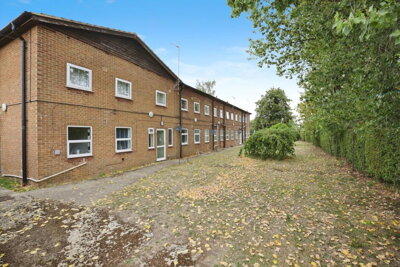
Browse 1 home for sale in Hornton, Cherwell from local estate agents.
One bed apartments provide a separate bedroom alongside distinct living space, bathroom, and kitchen areas. Properties in Hornton are available in various building types including mansion blocks, contemporary developments, and house conversions.
£0k
0
0
0
Source: home.co.uk
Showing 0 results for 1 Bedroom Flats for sale in Hornton, Cherwell.
The Hornton property market reflects the character of this small Oxfordshire village, where demand consistently outstrips supply given the limited number of homes available. Rightmove data shows an average property price of £606,250, while OnTheMarket records the average price paid as £698,000 as of early 2026. Zoopla indicates an average sold price of £745,000 in the twelve months prior, suggesting strong underlying values despite some recent price adjustments. The variation between these figures reflects the small sample sizes typical of village markets and the mix of property types completing in any given period.
Property prices in Hornton have experienced an 11% decrease year-on-year according to Rightmove, which mirrors broader national trends in rural property markets. Specific streets show varying performance, with West End, Hornton averaging £625,000 (down 26%) and Hornton Lane reaching £800,000 (down 20%). The village lacks large-scale new build developments, though exceptional individual properties such as Cawley House and Linton House represent bespoke newly-constructed residences exceeding 200 square metres across three floors. These premium new builds demonstrate continued demand for high-quality accommodation within the village setting.
Recent sales data from Zoopla provides insight into specific property values within the village. A detached house at Sheraton on Bell Street sold for £350,000 in July 2019, while a semi-detached property at 6 Perkins Close achieved £278,000 in the same month. The predominant housing stock consists of traditional stone-built properties, including handsome detached character homes and sympathetically renovated cottages. Grade II listed buildings like Cromwells add to the village's architectural heritage, though these require careful consideration during purchase. Prospective buyers should note that flats are less commonly advertised in Hornton, with the market primarily consisting of detached and semi-detached family homes set within generous plot sizes.

Hornton embodies the quintessential English village experience, situated in the Cherwell district of Oxfordshire amid rolling countryside that defines this part of south central England. The village is characterised by its traditional Hornton stone buildings, with the distinctive ironstone architecture lending an unmistakable warmth and authenticity to every street scene. This rural settlement has retained its sense of community despite proximity to larger towns, making it particularly attractive to families and those seeking an escape from urban pressures. The local community comes together through various events throughout the year, from village fetes to church activities, fostering connections among residents and newcomers alike.
The village maintains essential amenities for daily life, including a village hall and local pubs that serve as social hubs for the community. Larger shopping, dining, and leisure facilities are readily accessible in nearby Banbury, which offers comprehensive retail options, supermarkets, and healthcare facilities within approximately 15 minutes' drive. The surrounding landscape offers excellent opportunities for walking, cycling, and enjoying the Oxfordshire countryside, with public footpaths traversing farmland and woodland throughout the area. The Oxfordshire Way and other long-distance trails pass through the region, providing stunning routes for outdoor enthusiasts.
The local economy in Hornton is influenced by agriculture, local services, and commuting to nearby larger towns like Banbury. Many residents work in Banbury or commute further afield using the excellent M40 connections, which place Birmingham, Oxford, and London within reasonable reach. The village's position in north Oxfordshire provides an ideal balance for those who wish to enjoy rural tranquility while maintaining access to urban employment and amenities. Cultural attractions in the broader region include historic houses such as Broughton Castle and Upton House, gardens open to the public, and museums in nearby towns, providing plenty to explore during weekends and holidays.
Families considering a move to Hornton will find educational provision available both within the village and in the surrounding area. The village is served by primary schools in nearby settlements, with many families travelling short distances to reach highly-rated institutions. Bishop Loveday Church of England Primary School in nearby Stockington serves the primary needs of local families, while Hook Norton Primary School provides another option for younger children in the wider area. Secondary education options include the well-regarded Wykham Park Academy and the Banbury School, which offer comprehensive curricula for students aged 11-16.
The broader Cherwell district of Oxfordshire is home to several well-regarded independent schools, providing options for families seeking private education. Parents should research specific school catchments and admissions criteria when planning a purchase, as catchment areas can influence placement decisions significantly. Transport arrangements for secondary school pupils typically involve school bus services operating from the village or private transport by parents. The proximity to excellent educational institutions at all levels adds to Hornton's appeal as a family location.
For those seeking further education, Banbury hosts colleges and sixth form facilities, while Oxford's renowned universities are accessible for older students. The Henry Box School in Witney offers sixth form provision, and Banbury and Bicester College provides further education courses. When purchasing property in Hornton, families should confirm current school OFSTED ratings and consider future educational needs as part of their overall moving strategy. The strong academic performance of schools in the Cherwell district makes this an attractive area for families prioritising education.
Hornton benefits from its position in north Oxfordshire, offering convenient access to major transport routes while maintaining a peaceful rural setting. The village sits near the M40 motorway, providing direct connections to Birmingham, Oxford, and London. Junction 11 of the M40 at Ardley is approximately 10 miles from the village, offering straightforward access to the motorway network. This accessibility makes Hornton particularly attractive to commuters who work in larger urban centres but prefer countryside living. The nearest railway station is located in Banbury, offering regular services to London Marylebone (approximately 60 minutes) and Birmingham (approximately 35 minutes).
Banbury railway station provides comprehensive rail connections with services operated by Chiltern Railways and CrossCountry. The station offers parking facilities and good connections to local bus services that link with Hornton and surrounding villages. Bus services connect Hornton with Banbury town centre, providing public transport options for those who prefer not to drive. Journey times to Banbury are typically 15-20 minutes by car, allowing residents to access the town's full range of amenities without relying solely on private vehicles. For air travel, Birmingham Airport and London Oxford Airport offer international connections within reasonable driving distance.
Local road infrastructure connects Hornton with surrounding villages and market towns, supporting daily commutes and leisure travel alike. The A423 dual carriageway provides a fast route to Oxford from the nearby village of Middle Aston. Cycling infrastructure varies throughout the area, with rural lanes popular among recreational cyclists and some traffic-free routes available on minor roads. Parking provision in the village accommodates resident needs, while the proximity to Banbury ensures comprehensive transport options for all purposes. The village's position provides genuine flexibility for those who split their working week between home and office.
Explore property listings and recent sales data for Hornton to understand current market conditions, price trends, and available property types. The village's limited stock means acting quickly when suitable properties become available. Set up property alerts on Rightmove, OnTheMarket, and Zoopla to stay informed of new listings as they come to market, as desirable village properties often sell within weeks of being advertised.
Obtain a mortgage agreement in principle before viewing properties. This strengthens your position when making offers and demonstrates your financial readiness to sellers and estate agents. Given Hornton's premium pricing, ensure your mortgage broker understands the village market and can arrange suitable lending for properties potentially exceeding £600,000. Having your finances confirmed will allow you to move swiftly when you find the right property.
Visit shortlisted properties in Hornton to assess their condition, character, and suitability. Pay attention to the quality of traditional stone construction and any signs of maintenance needs. We recommend viewing properties at different times of day and in various weather conditions to fully assess the property and its surroundings. Take photographs and notes to help compare properties later in your decision-making process.
Given Hornton's older housing stock, arrange a RICS Level 2 Survey (Homebuyer Report) to identify any structural issues, damp problems, or timber defects before committing to purchase. Properties built with traditional Hornton stone require experienced surveyors who understand local construction methods and common defects in older buildings. Our inspectors regularly assess properties throughout the Cherwell district and understand the specific issues affecting traditional Oxfordshire homes.
Choose a conveyancing solicitor to handle the legal aspects of your purchase, including searches, contracts, and Land Registry documentation. Local solicitors with experience in Cherwell district transactions can efficiently manage the conveyancing process for Hornton properties. Your solicitor will conduct local authority searches, drainage searches, and environmental searches to identify any issues affecting the property.
Once all enquiries are satisfied and contracts signed, proceed to exchange and completion, typically within 4-6 weeks of exchange. On completion day, you will receive the keys to your new Hornton home. Our team can recommend local services including removal companies, tradespeople, and home maintenance specialists who serve the village and surrounding area.
Purchasing property in Hornton requires careful consideration of several area-specific factors that differ from urban property searches. The village's traditional stone construction means buyers should pay particular attention to the condition of walls, pointing, and any signs of structural movement. Properties built with Hornton ironstone require maintenance using appropriate lime-based mortars rather than modern cement, as incorrect repairs can cause moisture trapping and accelerated deterioration. Older properties may have original features that require ongoing maintenance, so budgeting for potential repairs is essential. The presence of Grade II listed buildings highlights the importance of understanding listing regulations and permitted development rights before purchasing.
Our inspectors regularly assess properties in the Cherwell district and have identified common issues affecting traditional Hornton homes. Rising damp and penetrating damp frequently affect older stone properties due to original construction methods and the absence of modern damp-proof courses. Timber defects including woodworm, wet rot, and dry rot can affect structural timbers, floorboards, and joinery in properties of this age. Roof conditions warrant particular attention, with slipped tiles, degraded pointing, and leadwork issues commonly found on older properties throughout the village.
Conservation area restrictions may apply to parts of Hornton, potentially limiting external alterations or extensions without planning permission. Properties like Cromwells, which holds Grade II listing status, require specialist surveys and contractors experienced in historic building conservation. Prospective buyers should obtain a pre-purchase planning search to confirm any relevant designations affecting their chosen property. The predominance of detached and semi-detached homes generally means larger plots, so boundaries, access rights, and shared responsibilities should be clearly established.
Flood risk in Hornton requires verification through specific environmental searches, as the village's position in Oxfordshire could indicate varying risk levels across different locations. Drainage and surface water management should be assessed, particularly for properties in lower-lying positions. The underlying geology of the area, which may include Jurassic limestones and clay deposits, can present shrink-swell risks affecting foundations. A thorough RICS Level 2 Survey will identify any signs of subsidence or movement that may require further investigation before you commit to purchase.
Understanding the traditional construction methods used in Hornton properties helps buyers appreciate the character and maintenance requirements of village homes. Hornton stone, a distinctive ironstone quarried locally, has been the primary building material in the village for centuries. This ironstone ranges from warm reddish-brown to buff tones, giving Hornton buildings their characteristic appearance that distinguishes the village from surrounding settlements. Traditional construction typically features solid stone walls, timber floor structures, and lime mortar pointing that requires specific maintenance approaches.
Our surveyors understand the specific challenges posed by traditional construction and can identify issues that may not be apparent during a casual viewing. Solid stone walls lack the cavity found in modern construction, meaning moisture management relies on breathable materials and adequate ventilation. Lime mortar, used in properties up to the early 20th century, allows walls to flex slightly and evaporate moisture naturally, whereas modern cement mortars can trap moisture and cause stone deterioration. Properties that have been incorrectly repaired with cement-based products may show signs of spalling or surface deterioration that a trained surveyor will identify.
Roof structures in older Hornton properties typically feature timber rafters, sarking, and clay or slate tiles. The condition of these elements should be assessed carefully, as roof replacement represents a significant expense. Leadwork around chimneys, valleys, and parapets requires particular attention as deterioration can lead to water ingress. Many traditional properties also feature original joinery including sash windows, panelled doors, and decorative features that form part of the building's character but may require renovation to meet modern energy efficiency standards.
Average house prices in Hornton vary across platforms, with Rightmove reporting £606,250 over the past year and OnTheMarket showing £698,000 as the average price paid. Zoopla indicates an average sold price of £745,000. Prices have decreased by approximately 11% year-on-year according to recent data, though Hornton remains a premium village location where properties command strong values given limited supply. Specific street performance varies considerably, with West End averaging £625,000 and Hornton Lane reaching £800,000.
Properties in Hornton fall under Cherwell District Council for council tax purposes. Specific band allocations depend on property value and characteristics, with most traditional homes in the village likely falling within bands D through H given the premium nature of village property. The average property price in Hornton means many homes fall into higher council tax bands. Prospective buyers should verify the exact council tax band for any specific property through the Cherwell District Council website or property listing details, as this affects ongoing annual costs.
Hornton village has access to primary schools in surrounding settlements, with Bishop Loveday Church of England Primary School serving local families and Hook Norton Primary School providing another nearby option. Well-regarded secondary schools in nearby Banbury include Wykham Park Academy and The Banbury School, both serving the wider catchment area. The Cherwell district offers various educational options including independent schools at all levels. Families should research specific catchment areas, current OFSTED ratings, and admissions criteria when choosing a property in Hornton.
Hornton is connected to nearby towns via local bus services, with the nearest railway station located in Banbury offering regular trains to London Marylebone (approximately 60 minutes) and Birmingham (approximately 35 minutes). The village sits near the M40 motorway (approximately 10 miles at junction 11), providing excellent road connections to Birmingham, Oxford, and London. However, as a rural village, public transport frequency is limited compared to urban areas, so private vehicle ownership is typical for residents. The Banbury railway station offers comprehensive rail services and connects with local bus networks.
Older properties in Hornton typically feature traditional Hornton stone construction that requires specific maintenance approaches. Our inspectors recommend paying particular attention to damp issues (rising and penetrating damp are common in traditional buildings), timber condition (woodworm and rot can affect structural elements), roof condition (slipped tiles, degraded pointing, and leadwork issues), and signs of structural movement. A thorough RICS Level 2 Survey is essential for any older property, and properties like those along the main village street and those near Hornton Lane often show age-related wear that requires professional assessment.
Stamp Duty Land Tax applies to all property purchases in England. For standard purchases, rates are 0% on the first £250,000, 5% on £250,001 to £925,000, 10% on £925,001 to £1.5 million, and 12% above £1.5 million. First-time buyers purchasing properties up to £625,000 benefit from relief, paying 0% on the first £425,000 and 5% on amounts between £425,001 and £625,000. This relief can save first-time buyers approximately £10,000. Given Hornton's average prices around £600,000 to £745,000, most buyers will pay stamp duty at the 5% rate on amounts above £250,000.
Hornton contains Grade II listed buildings including Cromwells, a beautifully renovated historic home that demonstrates the village's architectural heritage. Parts of the village are likely designated as conservation areas due to the concentration of traditional stone buildings. These designations restrict external alterations and require planning permission for certain works, which buyers should investigate before purchase. Listed buildings require surveyors with specialist expertise in historic properties, and our inspectors regularly assess traditional buildings throughout the Cherwell district.
Understanding the full costs of purchasing property in Hornton is essential for budgeting effectively. Beyond the property price, buyers should account for Stamp Duty Land Tax, which applies to all purchases in England. For properties in Hornton with an average price around £606,000 to £745,000, most buyers will pay stamp duty at the 5% rate on the portion above £250,000, resulting in costs of approximately £17,800 to £24,750 for standard purchasers. This represents a significant sum that should be factored into your overall moving budget from the outset.
First-time buyers purchasing properties up to £625,000 benefit from relief, paying 0% on the first £425,000 and 5% on amounts between £425,001 and £625,000. This relief can save first-time buyers around £10,000 compared to standard rates, making property purchase more accessible for those entering the market for the first time. Properties above £625,000 do not qualify for first-time buyer relief. Our team can provide detailed calculations based on your specific purchase price and circumstances to help you plan your budget accurately.
Additional purchasing costs include survey fees, with a RICS Level 2 Survey typically starting from £350 for a standard property in the Hornton area. Given the age and traditional construction of many village properties, our inspectors may recommend a more detailed survey for complex buildings. Conveyancing fees typically start from approximately £499, while search fees, mortgage arrangement fees, and broker costs add further expenses. Removal costs, potential refurbishment budgets, and ongoing maintenance for traditional stone properties should also be factored into your overall moving costs. Obtaining a mortgage agreement in principle before property viewings helps streamline the process and demonstrates serious intent when making offers in Hornton's competitive village market.

From 4.5%
Expert mortgage advice from qualified brokers
From £499
Conveyancing solicitors experienced in Hornton property transactions
From £350
Recommended for traditional stone properties in Hornton
From £60
Energy performance certificate for your new home
Properties for Sale In London

Properties for Sale In Plymouth

Properties for Sale In Liverpool

Properties for Sale In Glasgow

Properties for Sale In Sheffield

Properties for Sale In Edinburgh

Properties for Sale In Coventry

Properties for Sale In Bradford

Properties for Sale In Manchester

Properties for Sale In Birmingham

Properties for Sale In Bristol

Properties for Sale In Oxford

Properties for Sale In Leicester

Properties for Sale In Newcastle

Properties for Sale In Leeds

Properties for Sale In Southampton

Properties for Sale In Cardiff

Properties for Sale In Nottingham

Properties for Sale In Norwich

Properties for Sale In Brighton

Properties for Sale In Derby

Properties for Sale In Portsmouth

Properties for Sale In Northampton

Properties for Sale In Milton Keynes

Properties for Sale In Bournemouth

Properties for Sale In Bolton

Properties for Sale In Swansea

Properties for Sale In Swindon

Properties for Sale In Peterborough

Properties for Sale In Wolverhampton

Enter your details to see if this property is within your budget.
Loans, cards, car finance
Estimated property budget
Borrowing + deposit
You could borrow between
Typical borrowing
Monthly repayment
Est. at 4.5%
Loan-to-value
This is an estimate only. Your actual budget may vary depending on interest rates, credit history, and personal circumstances. For an accurate affordability assessment, speak to one of our free mortgage advisors.
This calculator provides estimates for illustrative purposes only and does not constitute financial advice. Your home may be repossessed if you do not keep up repayments on your mortgage. Estimates based on 4.5% interest rate, repayment mortgage. Actual rates depend on your circumstances.
Homemove is a trading name of HM Haus Group Ltd (Company No. 13873779, registered in England & Wales). Homemove Mortgages Ltd (Company No. 15947693) is an Appointed Representative of TMG Direct Limited, trading as TMG Mortgage Network, which is authorised and regulated by the Financial Conduct Authority (FRN 786245). Homemove Mortgages Ltd is entered on the FCA Register as an Appointed Representative (FRN 1022429). You can check registrations at NewRegister or by calling 0800 111 6768.

We use cookies to show you personalised content and improve your experience of our website. Find out more in our Privacy policy and Cookie policy.