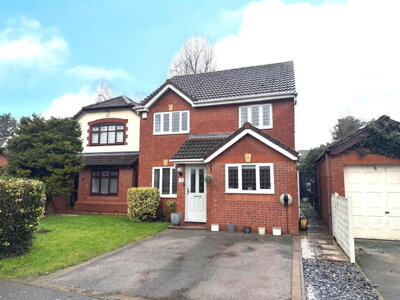
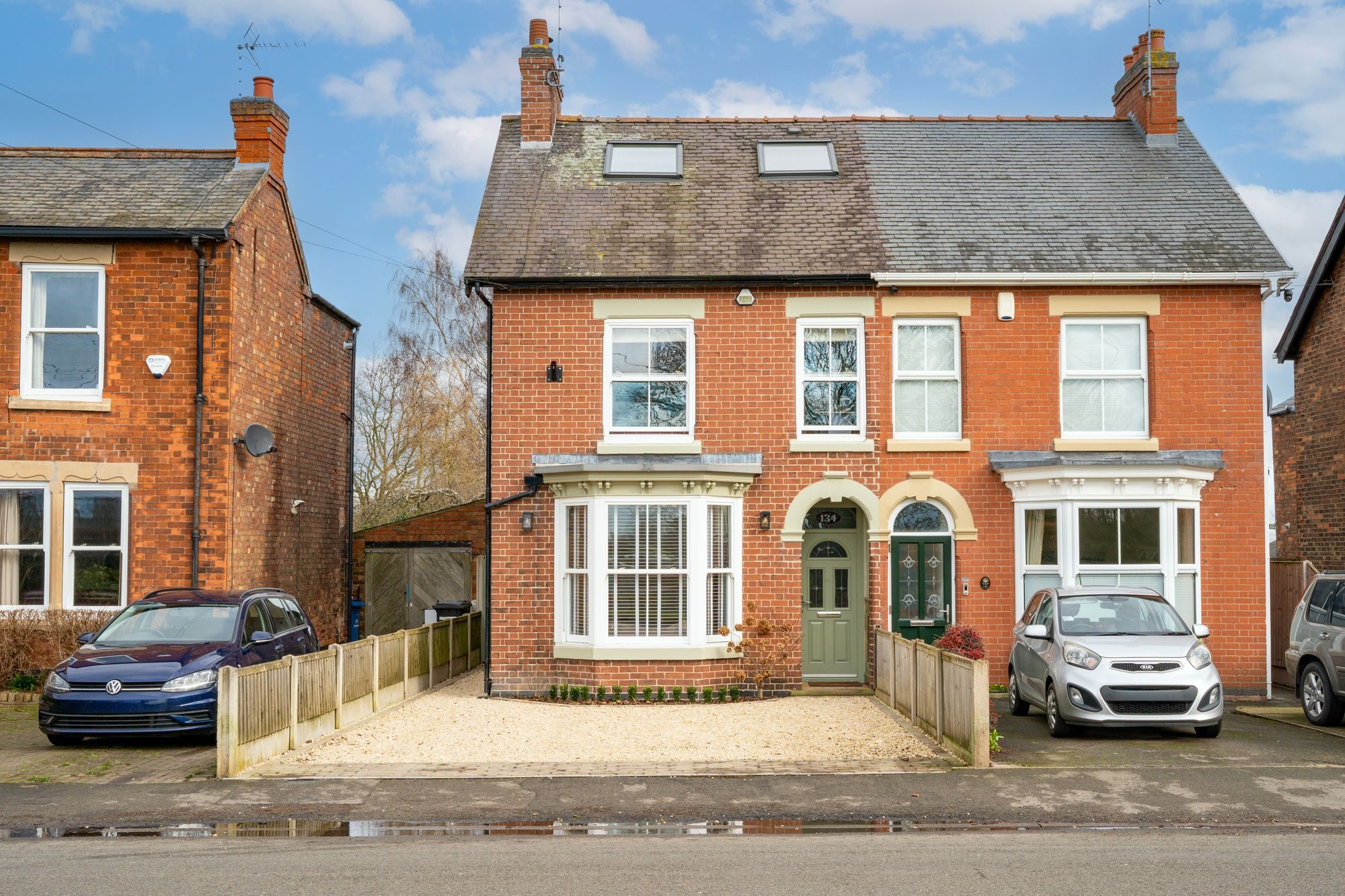
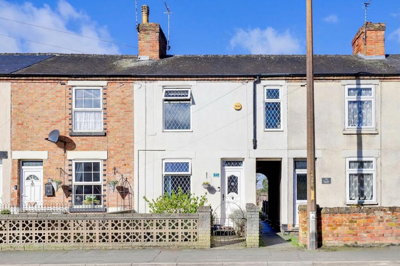
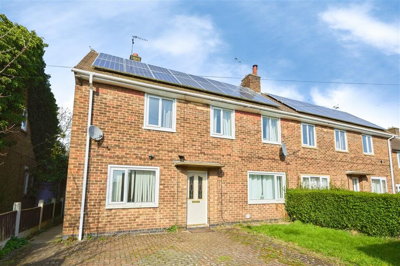
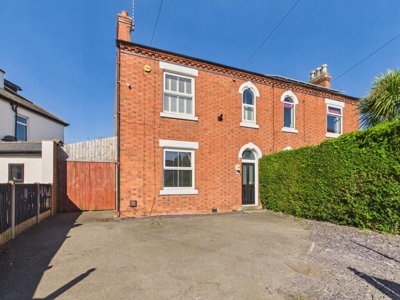
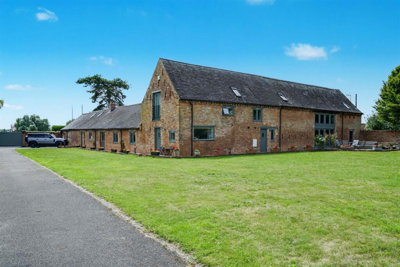
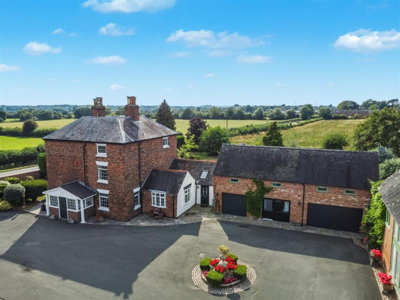
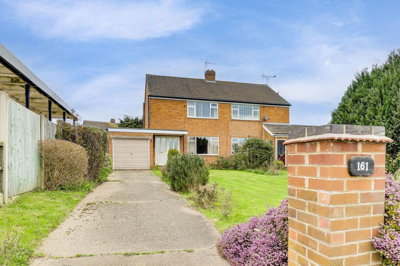
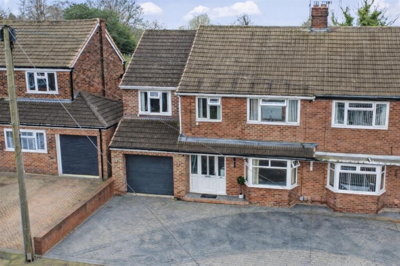
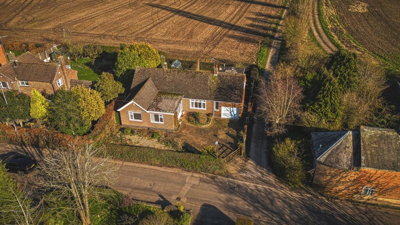
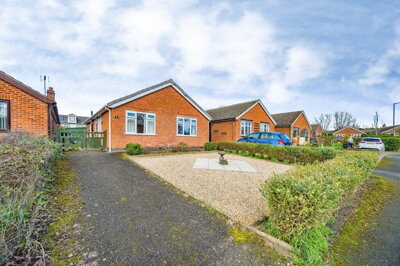
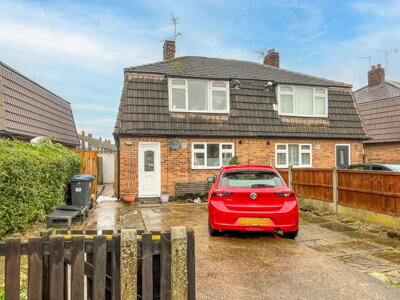
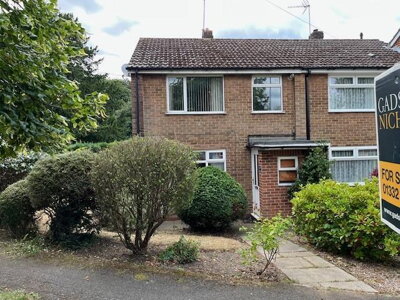
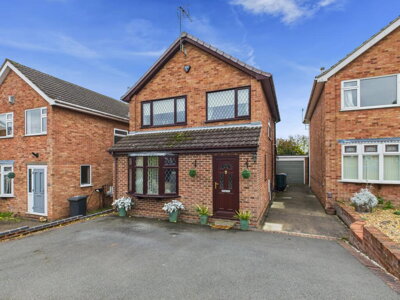
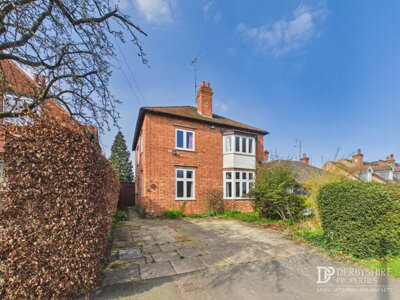
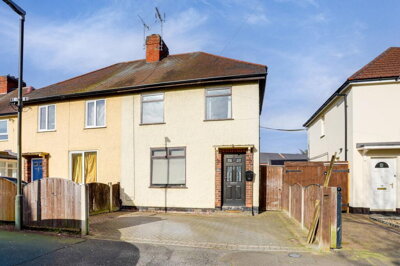
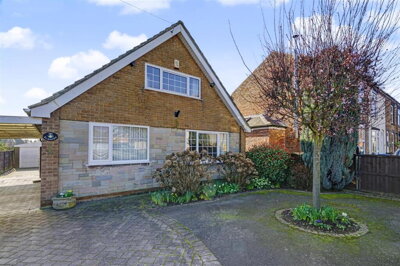
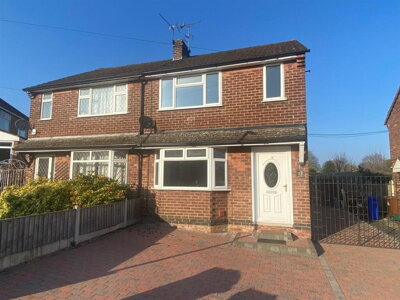
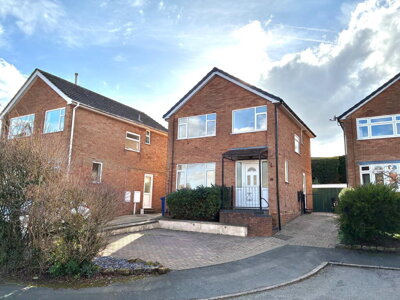
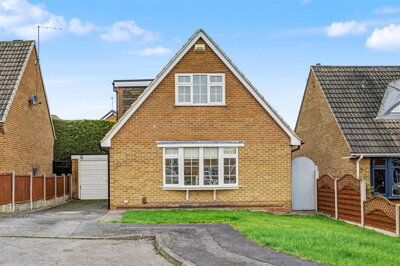
Browse 121 homes for sale in Hopwell, Erewash from local estate agents.
£0k
0
0
0
Source: home.co.uk
The property market in Hallington and the surrounding East Lindsey area offers buyers a range of traditional rural homes, from charming stone cottages to substantial detached properties. Properties in this part of Lincolnshire often feature characteristic red brick and rendered exteriors, with slate or clay tile roofs that reflect traditional building styles in the county. The housing stock includes period farmhouses, converted agricultural buildings, and more modern family homes built in keeping with the rural character of the area.
Hallington itself is a small settlement, so available properties may be limited at any given time. The broader East Lindsey district typically sees a mix of terraced cottages, semi-detached family homes, and larger detached properties. The area attracts buyers seeking countryside living, and properties with gardens, outbuildings, or land often command premium prices. Our platform updates regularly with new listings as properties come to market in this desirable corner of Lincolnshire.
Properties in rural East Lindsey villages like Hallington tend to hold their value well, with demand often exceeding supply in popular locations. The area appeals to buyers escaping larger towns and cities, seeking the peace and space that village living provides. Estate agents active in the area report consistent interest from buyers looking for character properties with period features, particularly those with original fireplaces, exposed beams, and stone walls.
Hallington sits within the East Lindsey district of Lincolnshire, an area celebrated for its unspoiled countryside, historic market towns, and strong sense of community. The village is surrounded by farmland, hedgerows, and quiet country lanes that are ideal for walking and cycling. The nearby market towns of Louth and Horncastle provide residents with access to weekly markets, independent shops, restaurants, and essential services including supermarkets, doctors' surgeries, and libraries.
The East Lindsey area boasts a rich heritage, with medieval churches, manor houses, and village greens dotted throughout the landscape. Cultural attractions include local museums, craft fairs, and seasonal events that draw visitors from across the region. The coast is accessible within a reasonable drive, offering beaches and seaside towns for day trips. Residents of Hallington enjoy a peaceful rural lifestyle while being part of a welcoming community that hosts regular events and activities.
Village life in Hallington revolves around community spirit, with local events bringing residents together throughout the year. The surrounding countryside offers excellent opportunities for outdoor pursuits, including walking, cycling, and horse riding along the network of public footpaths and bridleways. The proximity to the Lincolnshire Wolds, an Area of Outstanding Natural Beauty, provides additional scenic routes and recreational opportunities for residents who appreciate the great outdoors.
Families considering a move to Hallington will find a selection of primary schools in nearby villages and towns, with the closest schools typically located within a few miles of the village. East Lindsey has a mix of primary schools serving rural communities, many of which are rated favourably by Ofsted. These smaller village schools often benefit from close-knit environments where children receive individual attention and become embedded in their local community from an early age.
Secondary education options include schools in the nearby market towns, with some families choosing schools in larger settlements such as Louth, Horncastle, or Spilsby depending on catchment areas and transportation arrangements. For families seeking independent education, Lincolnshire offers several private schools at primary and secondary level. Sixth form and further education provision is available at colleges in Louth, Horncastle, and Lincoln, providing a range of academic and vocational pathways for older students.
School transport can be an important consideration for families moving to rural villages like Hallington. Many secondary schools operate bus services from surrounding villages, though schedules and routes should be verified before purchasing a property. Parents are advised to check specific school catchment areas, as admission policies can be competitive in popular rural locations. Researching school performance data and visiting schools directly can help families make informed decisions about their child's education.
Transport connections from Hallington reflect its rural character, with residents relying primarily on car travel for daily commuting and access to services. The village is situated near the A16 and A158 roads, which provide routes to the market towns of Louth and Horncastle, and onward connections to the city of Lincoln and the coastal town of Skegness. The nearest train stations are located in the larger towns, with services connecting to destinations across the East Midlands and beyond.
Bus services operate between villages and towns in the East Lindsey area, though frequencies may be limited compared to urban routes. Residents travelling to work in Lincoln or other larger centres typically find car travel essential for flexibility. For those working remotely or in local employment, the peaceful surroundings of Hallington offer an attractive quality of life with the A16 providing reasonable access to employment hubs in the county. Major road networks including the A1 are accessible for travel further afield.
Journey times from Hallington to nearby towns vary depending on destination, but typical drives to Louth take around 20-30 minutes, while Lincoln city centre is approximately 45-60 minutes away by car. The A158 provides access to Skegness on the coast, a popular destination for seaside days out. For those travelling further, the A1 provides connections north to Newcastle and south to Peterborough and beyond.
Spend time exploring Hallington and the surrounding East Lindsey villages to understand the local property market, community atmosphere, and proximity to services. Visit at different times of day and on weekends to get a genuine feel for living in the area. Our inspectors often recommend attending village events or visiting local pubs to gauge the community atmosphere before committing to a purchase.
Contact a mortgage broker or lender to obtain an agreement in principle before you start viewing properties. This strengthens your position when making offers and demonstrates to sellers that you are a serious, finance-ready buyer. Several lenders operate in the Lincolnshire area, and a local broker may have insights into properties coming to market soon.
Work with estate agents listing properties in Hallington to arrange viewings of homes that match your criteria. Take notes during viewings and ask about the property's history, any recent renovations, and specific considerations for rural properties such as drainage and heating systems. We recommend viewing several properties to compare conditions and identify recurring issues.
Once your offer is accepted, instruct a qualified surveyor to conduct a Level 2 survey on the property. This is particularly important for older properties and listed buildings common in rural Lincolnshire, as it will identify any structural issues, defects, or necessary repairs before you commit to the purchase. Our team works with local surveyors who understand the specific construction methods used in East Lindsey properties.
Appoint a solicitor to handle the legal aspects of your purchase, including searches, contracts, and registration of the property at the Land Registry. Your solicitor will coordinate with the seller's legal team and keep you informed throughout the transaction. Several conveyancing firms in Lincolnshire specialise in rural property transactions.
Once all searches are satisfactory and finances are confirmed, you will exchange contracts and pay a deposit. Completion typically follows shortly after, at which point you will receive the keys to your new home in Hallington. Our team can recommend removals companies familiar with the local area if needed.
When purchasing a property in a rural village like Hallington, there are several specific considerations that buyers should keep in mind. Properties in Lincolnshire often feature traditional construction methods, including solid walls, older damp-proof courses, and timber-framed elements. A thorough survey is essential to identify any issues with dampness, structural movement, or the condition of roofs and chimneys that are common in period properties.
Flood risk in the Hallington area is generally low, but buyers should check specific flood risk assessments for individual properties and low-lying land. Planning restrictions may apply to properties in rural locations, particularly if they are listed buildings or situated in conservation areas. Always verify permitted development rights before purchasing, as extensions and alterations may require planning permission from East Lindsey District Council.
Properties with private drainage systems, such as septic tanks, are common in rural areas and require maintenance. Energy efficiency varies significantly across older properties, so reviewing the EPC rating and considering potential upgrade costs is advisable. For properties with large gardens or land, factor in ongoing maintenance requirements and any relevant agricultural restrictions.
The rural housing stock in and around Hallington typically includes a high proportion of older, traditional properties that may exhibit defects common to period buildings. Our surveyors regularly encounter damp issues in properties of this age, particularly penetrating damp through solid walls, rising damp where older damp-proof courses have failed, and condensation resulting from inadequate ventilation. These issues are often exacerbated by modern energy efficiency measures that can trap moisture within traditional building fabrics.
Roof conditions frequently require attention in older properties, with deterioration of traditional slate or clay tiles, worn lead flashings around chimneys, and inadequate loft insulation being common findings. Our inspectors check for signs of water penetration, assess the condition of roof structures, and evaluate ventilation in roof spaces to identify potential problems before they become expensive repairs.
Structural movement can manifest as cracks in walls, uneven floors, or ill-fitting doors and windows. While minor cracking is often cosmetic, larger cracks or progressive movement can indicate more serious underlying issues. Properties built on clay subsoils may be susceptible to subsidence during periods of drought or waterlogging, though this varies by location. A thorough RICS Level 2 survey will assess any movement and recommend further investigation or monitoring if needed.
Properties in the Hallington area of East Lindsey typically reflect the traditional building methods used throughout Lincolnshire. Stone and brick are the predominant walling materials, with red brick being particularly common in Victorian and Edwardian properties. Earlier buildings may feature limestone or local stone, with rendered exteriors used to protect less durable materials. Roofs are traditionally finished with slate or clay tiles, though some older properties may have thatched roofs.
Solid wall construction is prevalent in older properties, meaning they lack the cavity between inner and outer walls found in modern buildings. This affects both thermal performance and moisture management, requiring different approaches to insulation and ventilation compared to newer construction. Lime-based mortars and renders were traditionally used, allowing buildings to breathe, and inappropriate modern materials can sometimes cause or exacerbate problems in historic structures.
Extensions and alterations over the years have often introduced different construction methods and materials, creating junctions that require careful inspection. Our surveyors understand how these different elements interact and can identify potential problem areas at junctions between old and new work. Properties that have been sympathetically renovated using appropriate traditional materials generally perform better than those where modern shortcuts have been taken.
Hallington is a small village, so specific average price data for the village itself is limited. The broader East Lindsey district typically sees median property prices in the range of £180,000 to £230,000, with detached properties commanding higher prices. Properties in desirable rural locations like Hallington may be priced above the district average, particularly those with character features, larger gardens, or land. Contact local estate agents for current listings and specific pricing in the village.
Properties in Hallington fall under East Lindsey District Council. Council tax bands in the area range from A through to H, with most traditional rural properties typically falling in bands B to E. The exact band depends on the property's valuation, and buyers can check specific bands on the Valuation Office Agency website using the property address.
The Hallington area is served by several primary schools in nearby villages and towns, many of which have good Ofsted ratings. For secondary education, schools in Louth, Horncastle, and Spilsby serve the surrounding area. Parents should check catchment areas and admission policies, as school places can be competitive in popular rural locations. Transport arrangements to schools outside the immediate village should be considered when choosing a property.
Public transport options from Hallington are limited, reflecting its rural character. Bus services connect the village to nearby market towns, though frequencies are typically reduced compared to urban areas. The nearest train stations are located in larger towns, with connections to Lincoln and the wider rail network. Most residents rely on car travel for daily commuting and accessing services, and this should be factored into your decision to purchase in the area.
Rural properties in the East Lindsey area can be attractive investments, particularly those with character features, good locations, and potential for rental income or future appreciation. The area appeals to tenants seeking countryside living, and holiday let opportunities exist given the region's tourism appeal. However, property values may rise more slowly than in urban growth areas, and liquidity in smaller villages can be lower. Always research local demand and rental yields before investing.
Stamp duty land tax rates from April 2025 start at zero percent for residential purchases up to £250,000, with rates of five percent on the portion from £250,001 to £925,000, ten percent from £925,001 to £1.5 million, and twelve percent above £1.5 million. First-time buyers benefit from relief on purchases up to £625,000, paying zero percent on the first £425,000 and five percent on the remainder. Always verify current thresholds with HMRC or your solicitor.
East Lindsey has a rich heritage with numerous listed buildings throughout the district, reflecting its long agricultural history. Properties that are listed buildings require special consideration when purchasing, as any alterations or extensions require listed building consent from the local planning authority. Our surveyors can advise on the implications of purchasing a listed property, including potential repair obligations and the need for specialist surveys.
Many properties in the Hallington area use private drainage systems, such as septic tanks or treatment plants, rather than connection to mains sewerage. These systems require regular maintenance and may have specific conditions attached to planning permissions. Environment Agency regulations govern the discharge of effluent from private drainage systems, and buyers should understand their responsibilities before completing a purchase. A specialist drainage survey may be advisable for properties with non-mains drainage.
The government provides online flood risk checking tools through GOV.UK that allow you to assess flood risk for any property address. While the Hallington area generally has low flood risk from rivers and surface water, individual properties may have specific vulnerabilities depending on their position and drainage. Your surveyor will note any visible signs of previous flooding or water damage during an inspection, and we recommend requesting a full flood risk assessment for properties in low-lying positions.
Older properties in the Hallington area often require more maintenance than modern homes, and buyers should budget for ongoing repairs and upgrades. Common issues include outdated electrical systems, old plumbing, worn roofing materials, and the need for redecoration. A thorough RICS Level 2 survey will identify any urgent issues and help you plan future maintenance. It is also worth checking whether the property has been updated to meet current standards for wiring, plumbing, and insulation.
From 4.5%
Expert mortgage advice and competitive rates for Hallington buyers
From £499
Specialist property solicitors for your Hallington purchase
From £380
Professional surveyors familiar with local properties
From £80
Energy performance certificate for your new home
When purchasing a property in Hallington, budget for stamp duty land tax in addition to the property price and your mortgage. For residential properties priced at £250,000 or below, no stamp duty is payable. Properties between £250,001 and £925,000 incur five percent on the amount above £250,000. Those priced between £925,001 and £1.5 million pay ten percent above £925,000, while properties exceeding £1.5 million incur twelve percent on the amount above this threshold. First-time buyers purchasing residential property up to £625,000 pay zero percent on the first £425,000 and five percent on the remainder.
Beyond stamp duty, factor in surveyor fees for a RICS Level 2 survey, which typically range from £380 to £630 depending on property value and size. A mortgage arrangement fee of around £1,000 to £2,000 may apply, though many lenders offer deals to offset this cost. Conveyancing fees for a standard property purchase in Lincolnshire typically start from around £500 to £1,000 for legal work, searches, and disbursements. Search fees from East Lindsey District Council cover local authority checks for planning, environmental factors, and drainage. Buildings insurance should be arranged from the point of exchange, and removals costs vary based on distance and volume.
Additional costs to budget for include Land Registry fees for registering the transfer of ownership, which are typically modest, and any mortgage broker fees if you use an independent adviser. For properties with non-standard construction or those requiring renovation, you may need to factor in the cost of a more detailed RICS Level 3 Building Survey. It is always advisable to obtain a full breakdown of costs from your solicitor before proceeding.
Properties for Sale In London

Properties for Sale In Plymouth

Properties for Sale In Liverpool

Properties for Sale In Glasgow

Properties for Sale In Sheffield

Properties for Sale In Edinburgh

Properties for Sale In Coventry

Properties for Sale In Bradford

Properties for Sale In Manchester

Properties for Sale In Birmingham

Properties for Sale In Bristol

Properties for Sale In Oxford

Properties for Sale In Leicester

Properties for Sale In Newcastle

Properties for Sale In Leeds

Properties for Sale In Southampton

Properties for Sale In Cardiff

Properties for Sale In Nottingham

Properties for Sale In Norwich

Properties for Sale In Brighton

Properties for Sale In Derby

Properties for Sale In Portsmouth

Properties for Sale In Northampton

Properties for Sale In Milton Keynes

Properties for Sale In Bournemouth

Properties for Sale In Bolton

Properties for Sale In Swansea

Properties for Sale In Swindon

Properties for Sale In Peterborough

Properties for Sale In Wolverhampton

Enter your details to see if this property is within your budget.
Loans, cards, car finance
Estimated property budget
Borrowing + deposit
You could borrow between
Typical borrowing
Monthly repayment
Est. at 4.5%
Loan-to-value
This is an estimate only. Your actual budget may vary depending on interest rates, credit history, and personal circumstances. For an accurate affordability assessment, speak to one of our free mortgage advisors.
This calculator provides estimates for illustrative purposes only and does not constitute financial advice. Your home may be repossessed if you do not keep up repayments on your mortgage. Estimates based on 4.5% interest rate, repayment mortgage. Actual rates depend on your circumstances.
Homemove is a trading name of HM Haus Group Ltd (Company No. 13873779, registered in England & Wales). Homemove Mortgages Ltd (Company No. 15947693) is an Appointed Representative of TMG Direct Limited, trading as TMG Mortgage Network, which is authorised and regulated by the Financial Conduct Authority (FRN 786245). Homemove Mortgages Ltd is entered on the FCA Register as an Appointed Representative (FRN 1022429). You can check registrations at NewRegister or by calling 0800 111 6768.

We use cookies to show you personalised content and improve your experience of our website. Find out more in our Privacy policy and Cookie policy.