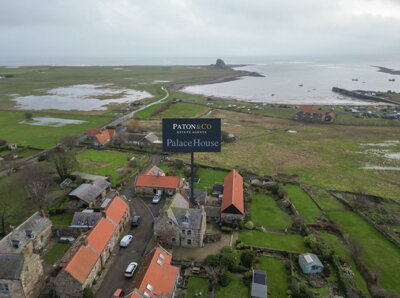
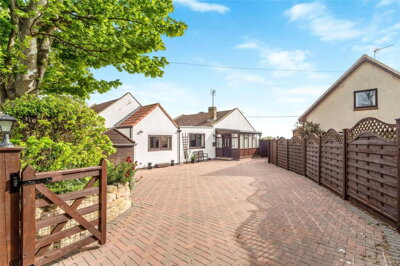
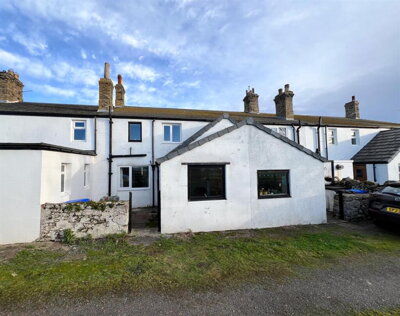
Browse 3 homes for sale in Holy Island from local estate agents.
The Holy Island property market offers detached, semi-detached, and terraced houses spanning various price ranges and neighbourhoods. Each listing includes detailed property information, photographs, and direct contact with the marketing agent.
The Holy Island property market operates quite differently from typical UK housing markets, largely due to the island's unique geography and protected status. Property prices have experienced some softening recently, with house prices down 4% over the past twelve months and currently sitting 13% below the 2018 peak of £470,000. This correction presents opportunities for buyers who have long admired the island but found prices previously beyond their reach. The limited number of properties that become available each year means that when the right home does appear on the market, it tends to attract serious interest quickly.
Recent sales data illustrates the range of property values on the island. A flat at 2 Tudor Flats, Marygate, sold for £410,000 in November 2025, while a more substantial detached property called Selby House on Market Place achieved £892,500 in May 2024. Traditional cottages command strong prices, with Captains Garden on Chare Ends selling for £615,000 in June 2023. Additional transactions further demonstrate market activity, including a property at 2 St Cuthberts Square which sold for £375,000 in February 2023, and 4 Paradise Row achieving £340,000 in November 2021.
New build activity on Holy Island remains extremely limited, which is unlikely to change given the island's protected status, conservation considerations, and the practical challenges of construction on a tidal island. This scarcity of new supply means that buyers in the market for a character property will find the existing housing stock offers the only realistic options. Many available properties are likely to be older constructions that will require ongoing maintenance and potentially specialist surveys to assess their condition thoroughly.
The predominantly older housing stock on Holy Island means that most properties will have been constructed using traditional methods and materials. Solid wall construction, traditional Northumberland stonework, and older roofing systems are all likely to be encountered, with associated issues including damp penetration, timber deterioration, and outdated electrical and plumbing systems. Understanding these construction characteristics is essential for anyone considering a purchase on the island.

Holy Island represents one of the most distinctive living environments in England, offering residents a quality of life that combines natural beauty with profound historical significance. The island covers approximately 1,300 acres and sits in the North Sea off the Northumberland coast, accessible only via a causeway that is submerged at high tide. The permanent population of around 180 residents forms a close community that is accustomed to the practical implications of island life, including planning activities around the twice-daily tidal windows and maintaining self-sufficiency during periods of isolation.
The local economy revolves primarily around tourism, hospitality, and the heritage sector, given the island's status as home to the ruins of Lindisfarne Priory and the iconic Lindisfarne Castle, designed by Sir Edwin Lutyens and now managed by the National Trust. Visitors flock to the island throughout the year, though the summer months bring the largest crowds, creating a seasonal rhythm that affects local businesses and services. The island supports a small selection of shops, pubs, and cafes that serve both residents and visitors, with community events and gatherings playing an important role in maintaining social connections throughout the year.
The surrounding landscape offers dramatic coastal scenery, with expansive beaches, dune systems, and the Holy Island of Lindisfarne National Nature Reserve providing habitat for significant bird populations. The island's geology and landscape reflect its island status and coastal position, with associated implications for property ownership including exposure to salt air, potential coastal erosion considerations, and the need for robust construction to withstand harsh weather conditions. Residents enjoy an outdoor lifestyle that includes beach walks, bird watching, and exploring the numerous footpaths that crisscross the island, making it particularly appealing to those who value natural environments and peaceful surroundings.
Property insurance costs on Holy Island tend to be higher than mainland equivalents due to the coastal exposure and flood risk associated with being a tidal island. Prospective buyers should obtain insurance quotes before completing a purchase to ensure they understand the full cost of ownership. The island's position also means properties face exposure to harsh North Sea weather, including strong winds and salt spray that can accelerate wear on external surfaces and roofing materials.

Families considering a move to Holy Island should be aware that educational facilities on the island itself are limited. The Holy Island Primary School serves the local community, providing education for children of primary age. This small rural school plays an important role in the community, though parents should research current capacity and arrangements directly with Northumberland County Council, as small schools can face challenges with pupil numbers and staffing that affect their long-term viability. The school building itself forms part of the village character and has served generations of island families.
For secondary education, children from Holy Island typically travel to mainland schools in the Berwick-upon-Tweed area, which is accessible once the causeway reopens following high tide. This arrangement requires families to plan their daily routines around the tidal windows, as missing the window of safe passage would prevent a child from attending school. Northumberland County Council provides transport for school children, but parents should understand the scheduling constraints this places on family life. This practical consideration is a significant factor for families with school-age children and represents one of the most substantial lifestyle implications of island living.
Further and higher education options are naturally concentrated on the mainland, with Berwick-upon-Tweed offering some further education provision and larger colleges and universities requiring travel to cities such as Newcastle upon Tyne or Edinburgh. The distance to these facilities is manageable for older students who can drive, but it does represent a consideration for families planning for the longer term. Many families on Holy Island choose to relocate temporarily when children reach secondary school age, while others plan for boarding education as an alternative approach to managing the tidal access constraints. The journey from Berwick-upon-Tweed to major universities in Newcastle takes approximately 90 minutes by car, while Edinburgh can be reached in about two hours.
Transport access to and from Holy Island is governed entirely by the tides, which is perhaps the most distinctive characteristic of daily life on the island. The causeway that connects Holy Island to the mainland is passable for approximately 16 hours each day, but it is submerged under several feet of seawater during high tide periods, making the island inaccessible to vehicles and pedestrians alike. Prospective residents must internalise this tidal rhythm and plan all journeys, deliveries, appointments, and emergencies around the safe crossing windows.
The crossing window typically opens around two hours after high tide and remains passable until approximately two hours before the next high tide, though exact timings vary daily and seasonally. This schedule means that residents cannot simply pop to the mainland for shopping, medical appointments, or social activities outside of these windows. For commuters or those with regular mainland commitments, this constraint requires careful advance planning and potentially significant lifestyle adjustments. Many residents find that they stock up on supplies before the causeway closes and learn to appreciate the enforced periods of island solitude.
When the causeway is open, the journey to Berwick-upon-Tweed takes approximately 20 minutes by car, while Newcastle upon Tyne is roughly 90 minutes away and Edinburgh can be reached in about two hours. The A1 trunk road runs nearby on the mainland, providing connections to the wider north-east road network. There is no rail station on Holy Island itself, with the nearest mainline railway station located in Berwick-upon-Tweed, offering connections to Edinburgh and Newcastle. For those working in mainland occupations, remote working arrangements can significantly ease the practical challenges of island commuting.
Emergency access arrangements require particular consideration, as the coastguard and RNLI provide maritime emergency services while mainland emergency services cannot reach the island during high tide periods. The local fire service and ambulance services have protocols for island emergencies, but response times will inevitably be affected by tidal conditions. Residents with health conditions requiring regular medical attention should discuss arrangements with their healthcare providers and consider the implications of potential delays during tide-bound periods.
Before viewing properties, understand how the causeway crossing works and plan how this will affect your daily life, work arrangements, and emergency access. Visit at different times to experience being temporarily stranded on the island. Spend time on the island during various tidal cycles to understand how the isolation affects daily routines and social activities.
Arrange a mortgage agreement in principle before viewing properties. Holy Island properties can attract premium valuations and specialist lenders may be needed for certain property types including listed buildings. Factor in additional costs for specialist surveys given the age and character of many island properties. Obtain buildings insurance quotes early, as coastal properties may attract higher premiums.
Search our listings for homes for sale in Holy Island and arrange viewings through the listed estate agents. Given the limited stock, act quickly when suitable properties appear and be prepared to be flexible on timing given tidal access considerations. Build relationships with local agents who may know of properties before they reach the open market.
Given the age of many Holy Island properties and their coastal exposure, we strongly recommend a RICS Level 2 Survey or Level 3 Building Survey before purchase. These reports will identify any structural issues, damp problems, or defects common in older coastal properties including those affected by salt air and storm damage. For listed buildings, a specialist RICS Level 3 Building Survey may be required to assess traditional construction methods appropriately.
Choose a solicitor experienced with Northumberland properties and potentially familiar with any unique title issues that may affect island homes. They will handle searches, contracts, and coordinate with your mortgage lender. Specifically, check whether the property is a listed building or falls within a conservation area, as additional legal checks will be required.
Once all surveys, searches, and legal work is complete and your mortgage is in place, you will exchange contracts and set a completion date. Arrange removal logistics carefully, ensuring they can access the island during a safe crossing window. Confirm the timing with the removal company well in advance and have contingency plans for weather-related delays.
Purchasing a property on Holy Island requires careful attention to factors that may not appear in standard property searches on the mainland. The island's coastal position and tidal exposure mean that flood risk requires particular consideration, with properties potentially vulnerable to coastal flooding during exceptional high tides and storm events. Buyers should investigate the flood risk profile of any specific property and factor in appropriate insurance costs, which may be higher than mainland equivalents due to the coastal exposure. The Environment Agency flood maps show varying levels of risk across the island, with lower-lying properties near the harbour being more susceptible.
Conservation area status and listed building status are highly probable for many properties on Holy Island, given the island's profound historical significance and the presence of nationally important heritage assets including Lindisfarne Priory and Lindisfarne Castle. Properties that are listed buildings or within conservation areas will be subject to planning restrictions that limit permitted development rights and require consent for alterations. These restrictions can affect the ability to extend, modify, or even maintain properties in certain ways, and buyers should investigate the specific implications for any property under offer.
The age of the housing stock on Holy Island means that many properties will have been constructed using traditional methods and materials that differ significantly from modern standards. Solid wall construction, traditional stonework, and older roofing systems are all likely to be encountered, along with associated issues such as damp penetration, timber deterioration, and outdated electrical and plumbing systems. A comprehensive building survey is essential to identify any remedial work that may be required, and buyers should budget for the possibility of significant maintenance or renovation costs when purchasing older island properties.
Structural considerations specific to coastal properties include potential salt damage to reinforced concrete elements, corrosion of fixings and fasteners, and wear to external joinery from exposure to harsh weather conditions. Roof conditions on Holy Island properties warrant particular attention, as exposure to Atlantic weather systems and salt spray can accelerate deterioration of roofing materials. Timber-framed elements may show signs of wet rot or dry rot where moisture has penetrated, particularly in older properties where original fabric has been maintained rather than replaced.
The average house price in Holy Island currently sits at £410,000, based on recent market data. However, properties range considerably from around £74,950 for more modest options up to £4.45 million for premium coastal residences. The market has experienced a 4% decline over the past twelve months and sits 13% below the 2018 peak of £470,000, potentially creating opportunities for buyers who have previously found island prices challenging. Recent transactions demonstrate the range, with a flat at 2 Tudor Flats, Marygate selling for £410,000 in November 2025 and Selby House on Market Place achieving £892,500 in May 2024.
Holy Island is connected to the mainland via a causeway that is submerged at high tide twice daily. This tidal access means the island is effectively isolated for approximately 8 hours each day, and residents must plan all journeys around the safe crossing windows. The crossing window typically opens around two hours after high tide and remains passable until approximately two hours before the next high tide. This unique characteristic significantly affects daily life and is one of the most important factors to understand before purchasing property on the island.
Properties in Holy Island fall under Northumberland County Council. Council tax bands vary by property depending on the valuation band assigned by the Valuation Office Agency. Given the range of property types and values on the island, bands can span from lower bands for modest cottages to higher bands for substantial period residences. Properties such as traditional stone cottages on streets like Marygate or Market Place typically fall in mid-range bands, while more substantial period residences may be placed in higher bands. Prospective buyers should check the specific band for any property through the Valuation Office Agency website.
Holy Island presents a niche property market with limited liquidity due to the small number of transactions each year. The island's unique status as a tidal island with profound historical significance and protected heritage assets suggests that demand from buyers seeking this distinctive lifestyle will remain. However, the practical constraints of island living, including tidal access limitations and potentially higher maintenance costs for older properties, should be carefully weighed against potential returns. Properties in prime positions with good views and access to the causeway tend to retain value well, but the limited buyer pool means capital growth should not be assumed.
Stamp Duty Land Tax in England applies to Holy Island purchases at standard rates. For main residences, buyers pay nothing on the first £250,000 of purchase price, 5% on the portion from £250,001 to £925,000, 10% on the portion from £925,001 to £1.5 million, and 12% on any amount above £1.5 million. First-time buyer relief applies where purchases are below £625,000, eliminating SDLT on the first £425,000. Second home buyers should budget for the additional 3% surcharge. For a typical £410,000 property, main residence buyers would pay £8,000 in SDLT.
Properties on Holy Island are concentrated in the village area around the historic core, with streets such as Marygate, Market Place, and the area around St Mary's Church providing the main residential zones. Properties nearer the harbour offer easy access to the causeway and boat facilities, while those positioned higher on the island may enjoy better views but could face different wind exposure. The area around Chare Ends includes some of the island's more substantial traditional properties, while the squares such as St Cuthberts Square offer quieter residential settings. The choice of location depends on individual preferences regarding accessibility, views, and proximity to community facilities.
Given the island's profound historical significance as the site of Lindisfarne Priory and its connection to the early medieval history of England, conservation area status applies to much of the island and many properties are likely to be listed buildings. Listed building status imposes significant obligations on owners, including restrictions on alterations, requirements for consent for demolition or modification, and duties to maintain the fabric of the building to appropriate standards. Buyers should investigate the specific listing status of any property they are considering and factor in the additional costs and constraints this imposes on renovation and maintenance work.
Properties on Holy Island face specific challenges related to their coastal position and the age of the housing stock. Damp penetration is common, whether rising damp, penetrating damp from driving rain and salt spray, or condensation related to heating and ventilation in traditionally constructed properties. Roof conditions warrant close inspection, as exposure to harsh coastal weather accelerates wear on roofing materials and leadwork. Timber elements including floor joists, window frames, and structural timbers may show signs of wet rot or dry rot where moisture has accumulated. Electrical and plumbing systems in older properties may be outdated and not compliant with current regulations, requiring careful assessment and likely upgrade works.
Budgeting for the purchase of a property in Holy Island requires careful consideration of all associated costs beyond the purchase price itself. Stamp Duty Land Tax represents a significant upfront cost for most buyers, with standard rates applying to purchases in England. For a typical Holy Island property at the current average price of £410,000, a main residence buyer would pay no SDLT on the first £250,000 and then 5% on the remaining £160,000, resulting in a total SDLT liability of £8,000. This represents a meaningful addition to the overall purchase cost that should be factored into financial planning from the outset.
First-time buyers may benefit from relief that raises the zero-rate threshold to £425,000 for purchases up to £625,000, which could eliminate SDLT entirely for qualifying first-time buyers purchasing at the average price point. However, properties commanding prices above £625,000 receive no first-time buyer relief, and buyers of second homes or additional properties must add a 3% surcharge to all applicable rates. Given the value of some Holy Island properties, this surcharge could add substantially to the overall cost for certain buyer categories. For example, a second home purchase at £615,000 would attract SDLT of £26,000 including the 3% surcharge.
Beyond stamp duty, buyers should budget for survey costs, with a RICS Level 2 Survey typically ranging from £350 to £1,000 depending on property size and value. Given the age of most Holy Island properties and their coastal exposure, this investment in a thorough survey is money well spent. Conveyancing fees typically start from around £499 for standard transactions but may be higher for properties with complex titles, listed building status, or unusual arrangements. Land Registry fees, search costs, and mortgage arrangement fees complete the picture of upfront purchasing costs that buyers should factor into their financial planning.
Buildings insurance represents an ongoing cost that merits particular attention for Holy Island buyers. Properties in coastal locations and tidal flood risk zones typically attract higher insurance premiums than mainland equivalents. Buyers should obtain insurance quotes before completing a purchase to ensure they understand the full cost of ownership. Maintenance costs for older traditional properties should also be budgeted conservatively, as the age of the housing stock means that remedial works and replacements are likely to arise sooner than in newer properties.
Properties for Sale In London

Properties for Sale In Plymouth

Properties for Sale In Liverpool

Properties for Sale In Glasgow

Properties for Sale In Sheffield

Properties for Sale In Edinburgh

Properties for Sale In Coventry

Properties for Sale In Bradford

Properties for Sale In Manchester

Properties for Sale In Birmingham

Properties for Sale In Bristol

Properties for Sale In Oxford

Properties for Sale In Leicester

Properties for Sale In Newcastle

Properties for Sale In Leeds

Properties for Sale In Southampton

Properties for Sale In Cardiff

Properties for Sale In Nottingham

Properties for Sale In Norwich

Properties for Sale In Brighton

Properties for Sale In Derby

Properties for Sale In Portsmouth

Properties for Sale In Northampton

Properties for Sale In Milton Keynes

Properties for Sale In Bournemouth

Properties for Sale In Bolton

Properties for Sale In Swansea

Properties for Sale In Swindon

Properties for Sale In Peterborough

Properties for Sale In Wolverhampton

Enter your details to see if this property is within your budget.
Loans, cards, car finance
Estimated property budget
Borrowing + deposit
You could borrow between
Typical borrowing
Monthly repayment
Est. at 4.5%
Loan-to-value
This is an estimate only. Your actual budget may vary depending on interest rates, credit history, and personal circumstances. For an accurate affordability assessment, speak to one of our free mortgage advisors.
This calculator provides estimates for illustrative purposes only and does not constitute financial advice. Your home may be repossessed if you do not keep up repayments on your mortgage. Estimates based on 4.5% interest rate, repayment mortgage. Actual rates depend on your circumstances.
Homemove is a trading name of HM Haus Group Ltd (Company No. 13873779, registered in England & Wales). Homemove Mortgages Ltd (Company No. 15947693) is an Appointed Representative of TMG Direct Limited, trading as TMG Mortgage Network, which is authorised and regulated by the Financial Conduct Authority (FRN 786245). Homemove Mortgages Ltd is entered on the FCA Register as an Appointed Representative (FRN 1022429). You can check registrations at NewRegister or by calling 0800 111 6768.

We use cookies to show you personalised content and improve your experience of our website. Find out more in our Privacy policy and Cookie policy.