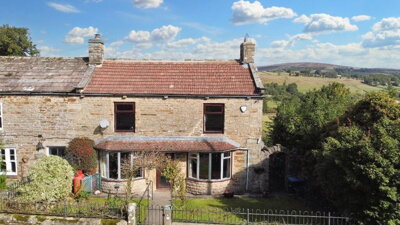
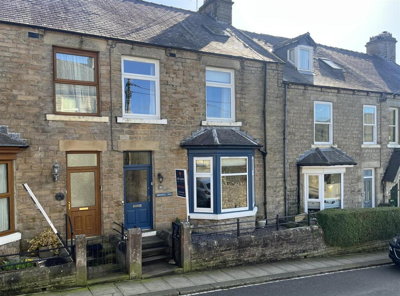
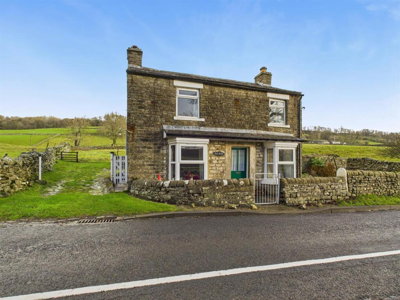
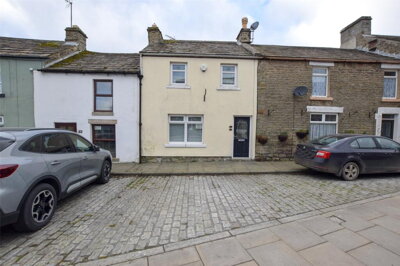
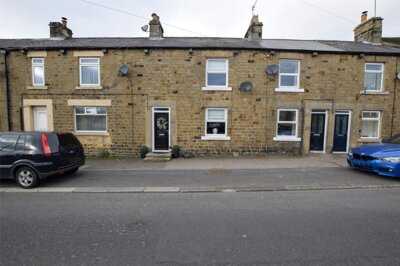
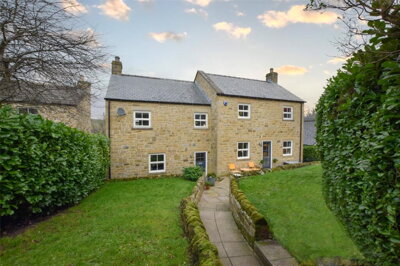
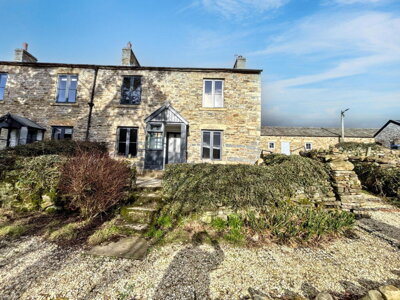
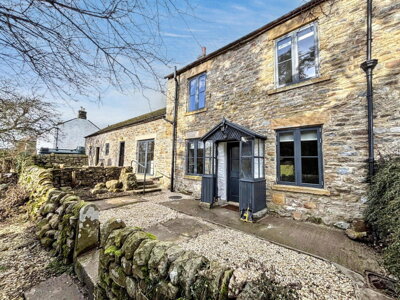
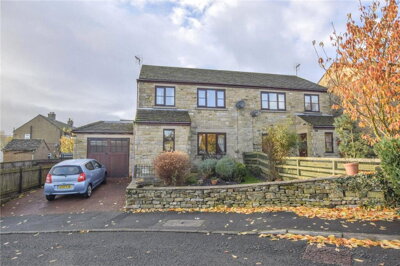
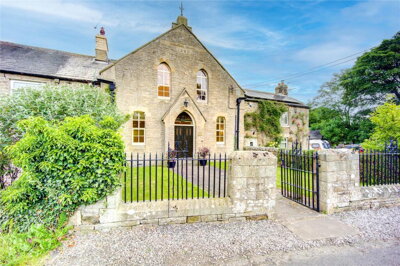
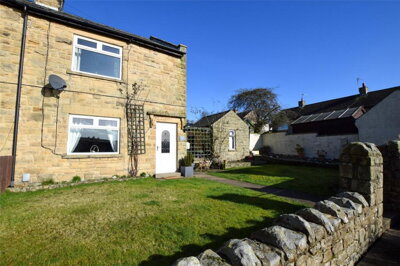
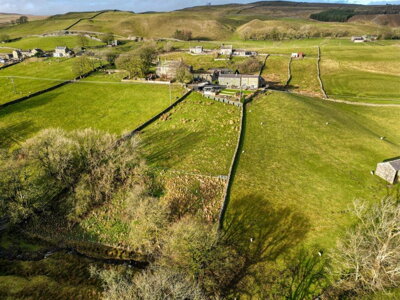
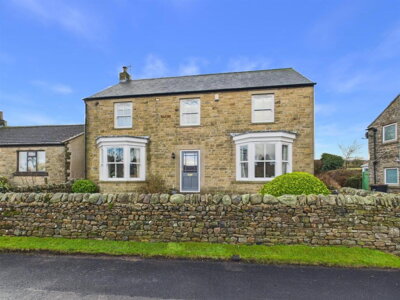
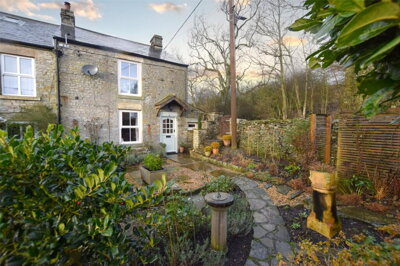
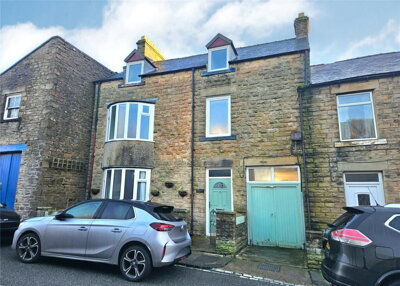
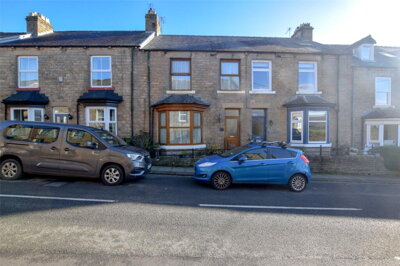
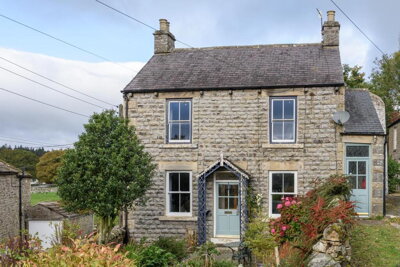
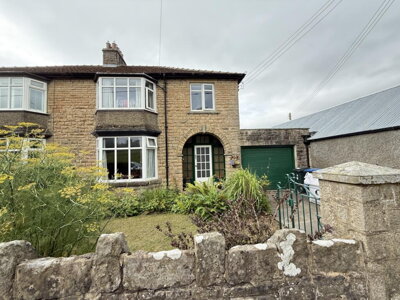
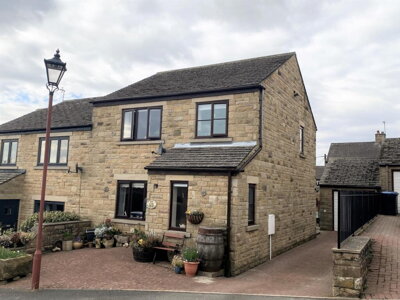
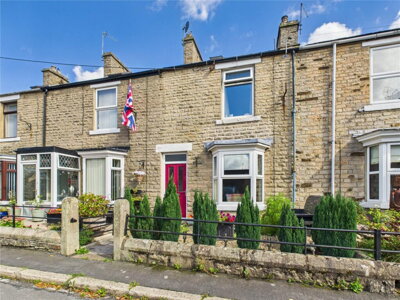
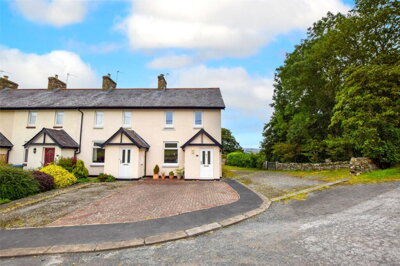
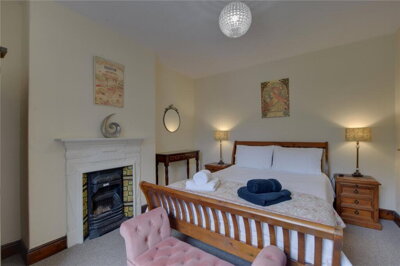
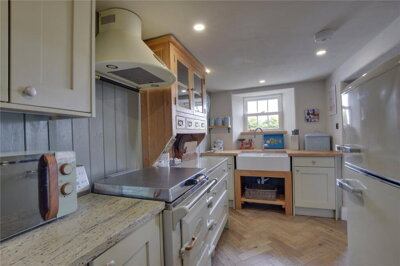
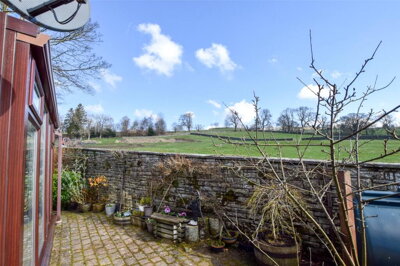
Browse 25 homes for sale in Holwick, County Durham from local estate agents.
The Holwick property market offers detached, semi-detached, and terraced houses spanning various price ranges and neighbourhoods. Each listing includes detailed property information, photographs, and direct contact with the marketing agent.
£0k
0
0
0
Source: home.co.uk
Showing 0 results for Houses for sale in Holwick, County Durham.
The Hellington property market operates within the broader South Norfolk housing landscape, where average house prices currently sit around the England average of £292,000 as of late 2025. UK house prices have shown resilience with a 2.4% annual increase in the 12 months to December 2025, reflecting steady demand across the region. Properties in Hellington itself tend to attract buyers seeking period homes with character, including traditional cottages, farmhouses, and converted agricultural buildings that reflect the hamlet's rural heritage.
Specific transaction data for Hellington remains limited given the village's small scale, with typically fewer than five property sales per year in such hamlets. However, the broader NR14 postcode area, which encompasses Hellington and surrounding villages, benefits from consistent activity supported by Norwich's economic draw. Homes in Hellington often command premiums for their character and setting, with detached period properties and homes with land particularly sought after by buyers relocating from urban areas seeking more space.
Our inspectors frequently assess properties in the South Norfolk area, and we have observed that character homes in villages like Hellington tend to hold their value well due to limited supply and consistent demand. Properties built with traditional methods using local materials often appeal to buyers who appreciate period features such as original fireplaces, exposed beams, and solid brickwork that newer constructions simply cannot replicate. The village's proximity to the River Yare valley adds to its appeal, though buyers should be aware of the implications this has for flood risk assessment and insurance.

Life in Hellington centres on community spirit and the gentle pace of Norfolk village life. The hamlet's tiny population of 86 residents creates an intimate atmosphere where neighbours know one another and local events bring the community together. Despite its small size, Hellington punches above its weight in terms of heritage, with the notable round-tower church of St John the Baptist adding significant historical character to the village. The Grade II listed Hellington Hall, a 17th-century country house, further underscores the hamlet's aristocratic connections and architectural interest.
Hellington's setting near the River Yare valley offers beautiful walking routes through Norfolk farmland and meadowland, perfect for residents who appreciate outdoor pursuits and countryside recreation. The proximity to Norwich provides convenient access to comprehensive retail, healthcare, and cultural amenities while returning each evening to the peace and quiet of village life. Local pubs and farm shops in neighbouring villages cater to daily needs, while seasonal events at Norfolk's famous lavender fields and rural attractions provide additional leisure options throughout the year.
The village falls within South Norfolk Council's jurisdiction, and residents benefit from the council's commitment to maintaining rural services and community facilities. Amenities within the immediate area include village halls used for community events, and the surrounding countryside provides extensive footpaths and bridleways for walking and cycling. Many residents appreciate the strong sense of belonging that comes with village living, where community spirit thrives despite the small population. For families and individuals seeking an escape from urban congestion while remaining within reasonable reach of city employment and entertainment, Hellington offers an increasingly attractive proposition.
Properties in Hellington predominantly reflect the traditional building methods used throughout Norfolk for centuries. The area's round-tower church, one of Norfolk's distinctive architectural features, demonstrates the historical use of local stone and flint construction that characterises many buildings in the region. Older residential properties typically feature solid masonry walls built with clay bricks and lime mortar, a breathable construction that handles Norfolk's moisture levels better than modern cement-based mortars. These traditional materials require different maintenance approaches compared to modern properties, and understanding their characteristics is essential for anyone purchasing a period property.
Our surveyors have identified that properties built before 1900 often present specific challenges related to their construction age. Solid walls lack the cavity insulation of modern properties, meaning older homes may feel colder and cost more to heat during Norfolk's damp winters. Lime mortar pointing on external walls requires reapplication every few decades rather than the one-time application of cement mortar used on newer properties. Many traditional Norfolk homes also feature original timber-framed elements, which require careful inspection for signs of woodworm, wet rot, or dry rot that can compromise structural integrity if left unaddressed.
The predominance of older construction in Hellington means that damp assessment forms a crucial part of any property survey in the area. Rising damp occurs when moisture from the ground travels up through solid brick or stone walls due to the absence or failure of damp-proof courses. Penetrating damp can affect walls exposed to prevailing winds carrying rain off the North Sea, while condensation damp results from modern lifestyle factors such as cooking, showering, and inadequate ventilation in tightly sealed older properties. A thorough RICS Level 2 or Level 3 survey will identify these issues and recommend appropriate remediation using traditional materials and methods suitable for listed and historic properties.
Families considering Hellington will find primary education available at village schools in surrounding communities, with several well-regarded primary schools within a short drive serving the NR14 postcode area. The rural Norfolk setting means children benefit from smaller class sizes and individual attention from teachers, while school transport links connect Hellington to primary schools in nearby market towns. For secondary education, students typically travel to schools in Norwich or the surrounding market towns, with several strong secondary schools and grammar schools accessible via dedicated school bus services.
Norfolk as a county offers a strong tradition of grammar school education, with selective schools in Norwich and nearby towns providing academic pathways for motivated students. Parents should note catchment areas carefully when property hunting, as school admissions in rural Norfolk are determined by geographic proximity. For higher education, the University of East Anglia in Norwich provides world-class undergraduate and postgraduate programmes, making Hellington an excellent base for families with older children pursuing university education while maintaining village living.
Our team has worked with many families relocating to South Norfolk villages, and we consistently hear that the quality of rural primary schools ranks among parents' top priorities. Schools in nearby villages such as Brooke, which hosts the well-regarded Brooke Primary School, serve the Hellington community and surrounding hamlets. For secondary education, students commonly travel to schools in Norwich including the City Academy Norwich, where transport arrangements require planning ahead. Grammar school entry testing typically takes place during Year 5 or Year 6, so families should research options and prepare accordingly when considering a move to the area.
Hellington benefits from its strategic position approximately 6.5 miles southeast of Norwich, making car journeys to the city centre straightforward via the A146 and surrounding country roads. For those commuting to Norwich, journey times typically range from 20 to 35 minutes depending on traffic conditions, with the A47 providing connections to Norwich's eastern outskirts and industrial areas. The village's rural setting means car ownership is essential for daily commuting and errands, though this is standard for Norfolk hamlet living.
Public transport options for Hellington residents include bus services connecting the village to Norwich and surrounding market towns, though frequencies are limited reflecting the rural nature of the area. Norwich railway station provides access to the wider rail network, with services to London Liverpool Street taking approximately two hours and connections to Cambridge and the Midlands via Peterborough. For air travel, Norwich International Airport offers domestic flights and connections to European destinations, located within reasonable driving distance of the village.
For commuters working in Norwich, living in Hellington offers a viable alternative to expensive city centre living while maintaining accessible daily travel times. Many residents who work in professional services, healthcare, or education in Norwich appreciate the quality of life benefits that village living provides. The A146 provides a direct route north to Norwich, passing through the village of Lingwood and connecting to the broader A47 trunk road network. Traffic levels on these routes are generally lighter than major urban commutes, though peak hour delays can occur during the morning and evening rush periods when Norwich's commuter traffic is heaviest.
Spend time exploring Hellington and surrounding villages to understand the local property market, community atmosphere, and proximity to amenities. Visit at different times of day and week to gauge noise levels, traffic, and community activity. Walking the village footpaths and visiting local pubs or farm shops can provide valuable insights into daily life here.
Contact a mortgage broker or lender to obtain an agreement in principle before beginning property viewings. This strengthens your position when making offers and demonstrates serious intent to sellers in the competitive Norfolk property market. Given that properties in Hellington are relatively rare due to limited supply, having your finances arranged before viewing gives you a significant advantage over less prepared buyers.
Arrange viewings through Homemove and local estate agents, taking time to assess each property's condition, character features, and potential maintenance requirements. Pay particular attention to older properties with traditional construction methods, noting the condition of roofs, walls, and any signs of damp or timber defects that commonly affect period properties in South Norfolk.
For older or character properties, particularly those near the River Yare or with listed building status, arrange a RICS Level 2 or Level 3 survey to identify any structural issues, damp problems, or timber defects before committing to purchase. Our inspectors have extensive experience surveying properties in the NR14 area and understand the specific challenges posed by traditional Norfolk construction.
Appoint a conveyancing solicitor to handle the legal aspects of your purchase, including searches related to flood risk, planning permissions, and any conservation area restrictions that may affect the property. Given Hellington's heritage status, searches should specifically address listed building consents and any planning conditions that affect permitted development rights.
Once all enquiries are resolved and surveys satisfactory, proceed to exchange contracts and set a completion date that allows time for removals and utility transfers to your new Hellington home. Factor in potential delays common in rural property transactions, including the time required for specialist surveys on period properties and any remediation work identified during the survey process.
Properties in Hellington frequently include historic buildings constructed using traditional methods that require careful assessment during the buying process. The presence of Grade I and Grade II listed buildings throughout the village means buyers should be prepared for potential conservation area restrictions that may affect permitted development rights and renovation options. Older properties built with solid masonry walls often lack modern damp-proof courses and may show signs of rising or penetrating damp that require professional assessment.
Given Hellington's proximity to the River Yare, prospective buyers should carefully consider flood risk when evaluating properties, particularly those in lower-lying positions or with riverside locations. A property search and environmental report will reveal flood risk classifications, while a thorough survey can identify any historical flooding or water damage. Properties with large gardens or land may incur higher maintenance costs, and buyers should factor in the condition of agricultural fencing, outbuildings, and any septic tank or private drainage systems common in rural properties.
Our inspectors have surveyed numerous properties across South Norfolk and have identified several recurring issues specific to the region's housing stock. Roof coverings on older properties often show wear from Norfolk's exposure to coastal weather, with missing or slipped tiles, deteriorating ridge mortar, and failed flashings around chimneys representing common findings. Timber-framed elements in period properties require careful inspection for woodworm activity and both wet and dry rot, which can develop where moisture has been allowed to accumulate. Electrical systems in older homes frequently require testing and possible upgrading, particularly those installed more than 25 years ago.

The majority of properties in Hellington were built before modern building regulations introduced cavity wall construction, insulation requirements, and updated electrical and plumbing standards. As a result, our surveyors regularly identify damp as a primary concern in period properties throughout the South Norfolk area. Rising damp occurs when ground moisture travels through solid walls that lack the protective barrier of a damp-proof course, often visible as tide marks on ground floor walls or deterioration of skirting boards and floor timbers. Penetrating damp affects walls exposed to wind-driven rain, particularly problematic on properties facing the prevailing south-westerly winds that bring weather from the Atlantic across East Anglia.
Timber defects represent another significant category of issues identified during surveys of traditional Norfolk properties. Wet rot develops when timber remains persistently damp, allowing fungal growth that weakens structural timbers including floor joists, roof rafters, and lintels. Woodworm activity, typically from the common furniture beetle, affects older softwood timbers that may show small exit holes and crumbling timber surface. Our inspectors pay particular attention to floor structures in older properties, as damaged or weakened joists can be expensive to repair and may indicate long-standing damp problems that require comprehensive remediation.
Structural movement and cracking require careful assessment in properties built on Norfolk's variable ground conditions. While clay soils dominate many areas of East Anglia, leading to potential subsidence from ground movement during dry periods or from tree root activity, the specific geological conditions around Hellington require individual assessment. Our surveyors examine walls for signs of cracking, noting crack patterns, width, and whether movement appears to be active or historic. Properties near the River Yare may additionally face issues with ground water levels and potential flooding, with our inspectors checking for water marks, stained plasterwork, and any evidence of previous flood events or insurance claims.
Specific average price data for Hellington itself is not published due to the hamlet's small size and limited transaction volumes. However, properties in this South Norfolk village typically fall within the broader NR14 postcode area market, where average prices align with the England average of approximately £292,000 as of late 2025. Detached period properties with land and character homes command higher prices, often exceeding £400,000 for substantial detached homes, while terraced cottages and smaller homes offer more accessible entry points to the village property market around the £250,000 to £300,000 range.
Properties in Hellington fall under South Norfolk Council's jurisdiction for council tax purposes. Bands range from A through H depending on property value, with most traditional cottages and smaller homes typically in bands A to D, while larger detached properties and period homes occupy higher bands. Prospective buyers should verify the specific band with the listing agent or during conveyancing, as council tax forms a significant ongoing cost in addition to mortgage payments and utility bills. Our conveyancing partners can provide current council tax banding information as part of the purchase process.
The Hellington area offers access to several good primary schools in nearby villages and market towns, with school quality assessed through Ofsted ratings that parents should research carefully. Brooke Primary School in the nearby village of Brooke serves the local community and achieves consistently positive Ofsted results. Secondary education options include schools in Norwich and surrounding towns, with grammar schools available for academically capable students including the grammars in Norwich such as Norwich School and Thomas Lord Rein. School transport arrangements should be confirmed before purchasing, as catchment areas in rural Norfolk can significantly affect school placement eligibility.
Hellington is a rural hamlet with limited public transport options, primarily served by local bus routes connecting to Norwich and neighbouring villages. Bus services typically operate at reduced frequencies compared to urban areas, making car ownership effectively essential for daily commuting and accessing services. The nearest railway station at Norwich provides mainline rail connections to London Liverpool Street taking approximately two hours, Cambridge taking around 90 minutes, and the Midlands via Peterborough. Norwich Airport offers domestic flights and some European destinations, situated approximately 40 minutes from Hellington by car.
Hellington and the wider South Norfolk area offer stable property values with consistent demand from buyers seeking rural lifestyles within commuting distance of Norwich. The hamlet's limited housing stock and strong community appeal support long-term value, particularly for character properties and period homes that appeal to downsizers and families relocating from urban areas. Rental demand in the village is likely limited given the small population, so investors should consider the broader South Norfolk market for rental yield opportunities. The proximity to Norwich's growing employment sectors, including healthcare, education, and professional services, supports continued demand for properties in the NR14 area.
Stamp duty rates for 2024-25 are 0% on the first £250,000 of property value, 5% on £250,001 to £925,000, 10% on £925,001 to £1.5 million, and 12% above £1.5 million. First-time buyers receive relief on properties up to £625,000, paying 0% on the first £425,000 and 5% on £425,001 to £625,000. For a typical Hellington property around the England average of £292,000, a standard buyer would pay no stamp duty on the first £250,000 and just 5% on the remaining £42,000, totalling £2,100. First-time buyers purchasing properties up to £425,000 pay no stamp duty at all, making Hellington an accessible option for those taking their first step onto the property ladder.
We strongly recommend arranging a RICS Level 2 survey for any property in Hellington, and potentially a Level 3 Building Survey for older, larger, or listed properties. Given the predominance of period construction in the hamlet, with most properties likely built before 1980 and many before 1900, professional surveys help identify issues with damp, timber defects, roof condition, and structural movement that are common in traditional Norfolk properties. Survey costs typically range from £455 to £600 for a standard property, which represents excellent value given the potential repair costs that a survey might reveal. Our team can arrange surveys through qualified RICS surveyors with extensive experience in the South Norfolk area.
Properties near the River Yare face some degree of flood risk, and we recommend checking the Environment Agency's flood maps during your property search. Properties in lower-lying positions within the village or with gardens extending toward watercourses require careful evaluation, and your survey should specifically address any signs of previous flooding or water damage. While most properties in Hellington are unlikely to be in high flood risk zones, the proximity to the river means that environmental searches during conveyancing should include detailed flood risk assessments. Buildings insurance costs may be higher for properties with elevated flood risk, and this should be factored into your overall budget when comparing properties.
Purchasing a property in Hellington involves several costs beyond the purchase price, with stamp duty land tax representing the most significant upfront expense for most buyers. For properties priced at £292,000, matching the England average, standard buyers pay no stamp duty on the first £250,000 and just 5% on the £42,000 balance, totalling £2,100. First-time buyers purchasing properties up to £425,000 pay no stamp duty at all, making Hellington an accessible option for those taking their first step onto the property ladder.
Additional buying costs include mortgage arrangement fees typically ranging from £500 to £2,000 depending on the lender and product chosen, survey costs of £455 to £600 for a RICS Level 2 survey, and conveyancing fees of approximately £500 to £1,500 including searches. Searches during the conveyancing process for properties in Hellington should include a flood risk search given the River Yare proximity, local authority search for planning history, and environmental search for ground conditions. Budget an additional £500 to £1,500 for searches, Land Registry fees, and miscellaneous costs associated with property purchase.
Buyers should budget for removal costs, which vary widely based on distance and volume, plus potential costs for new furniture or renovations if the property requires updating. Period properties in Hellington may require investment in updating electrical systems to meet current standards, replacing or repairing heating systems, and addressing any maintenance issues identified during survey. Life in rural Norfolk also means considering ongoing costs such as heating, which can be higher in period properties due to solid wall construction lacking modern insulation, and potential maintenance of private drainage systems or septic tanks rather than mains sewerage. Our conveyancing partners can provide detailed cost estimates tailored to your specific property purchase.
Properties for Sale In London

Properties for Sale In Plymouth

Properties for Sale In Liverpool

Properties for Sale In Glasgow

Properties for Sale In Sheffield

Properties for Sale In Edinburgh

Properties for Sale In Coventry

Properties for Sale In Bradford

Properties for Sale In Manchester

Properties for Sale In Birmingham

Properties for Sale In Bristol

Properties for Sale In Oxford

Properties for Sale In Leicester

Properties for Sale In Newcastle

Properties for Sale In Leeds

Properties for Sale In Southampton

Properties for Sale In Cardiff

Properties for Sale In Nottingham

Properties for Sale In Norwich

Properties for Sale In Brighton

Properties for Sale In Derby

Properties for Sale In Portsmouth

Properties for Sale In Northampton

Properties for Sale In Milton Keynes

Properties for Sale In Bournemouth

Properties for Sale In Bolton

Properties for Sale In Swansea

Properties for Sale In Swindon

Properties for Sale In Peterborough

Properties for Sale In Wolverhampton

Enter your details to see if this property is within your budget.
Loans, cards, car finance
Estimated property budget
Borrowing + deposit
You could borrow between
Typical borrowing
Monthly repayment
Est. at 4.5%
Loan-to-value
This is an estimate only. Your actual budget may vary depending on interest rates, credit history, and personal circumstances. For an accurate affordability assessment, speak to one of our free mortgage advisors.
This calculator provides estimates for illustrative purposes only and does not constitute financial advice. Your home may be repossessed if you do not keep up repayments on your mortgage. Estimates based on 4.5% interest rate, repayment mortgage. Actual rates depend on your circumstances.
Homemove is a trading name of HM Haus Group Ltd (Company No. 13873779, registered in England & Wales). Homemove Mortgages Ltd (Company No. 15947693) is an Appointed Representative of TMG Direct Limited, trading as TMG Mortgage Network, which is authorised and regulated by the Financial Conduct Authority (FRN 786245). Homemove Mortgages Ltd is entered on the FCA Register as an Appointed Representative (FRN 1022429). You can check registrations at NewRegister or by calling 0800 111 6768.

We use cookies to show you personalised content and improve your experience of our website. Find out more in our Privacy policy and Cookie policy.