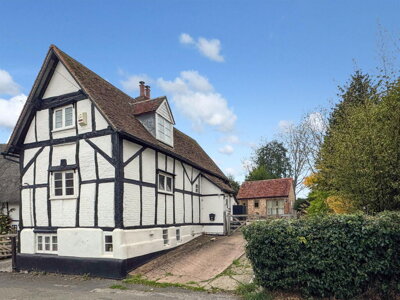
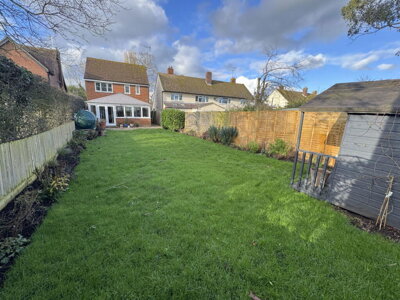
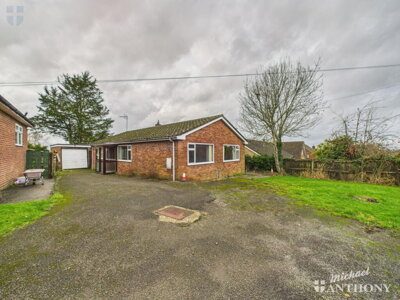
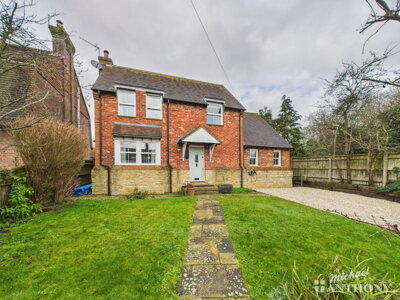
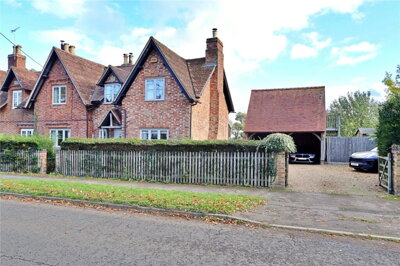
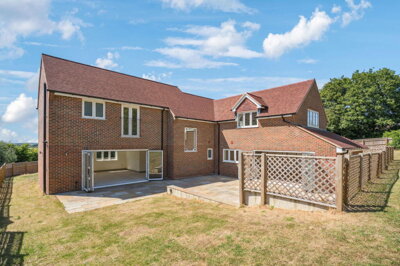
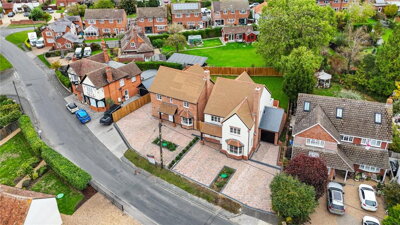
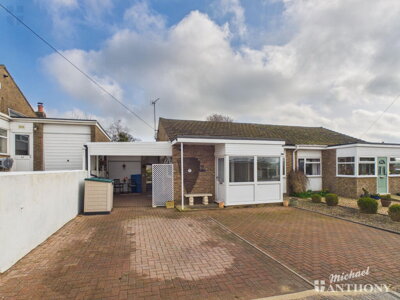
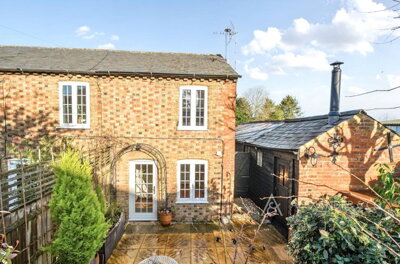
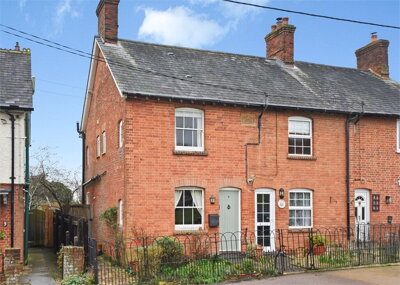
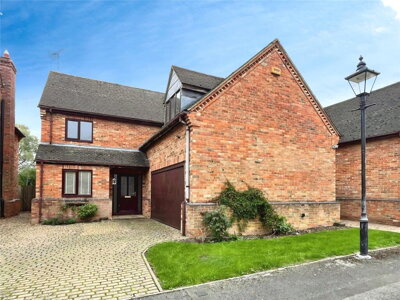
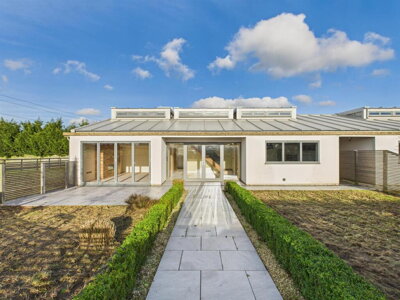
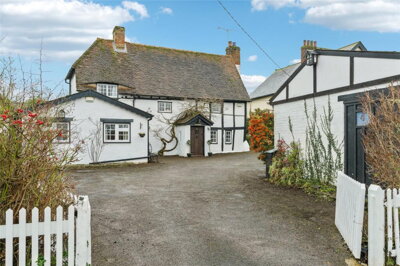
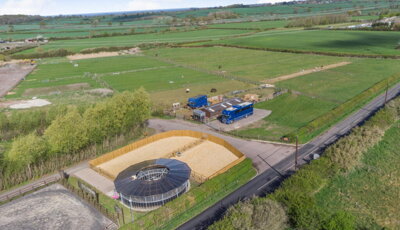
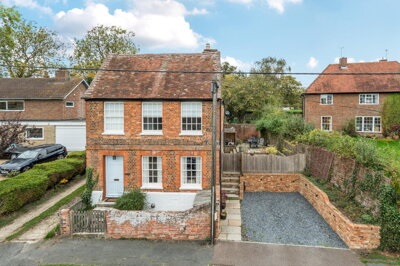
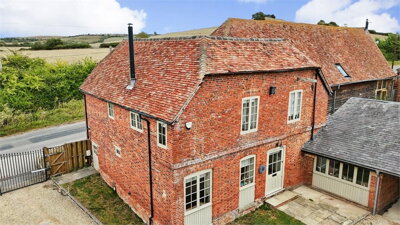
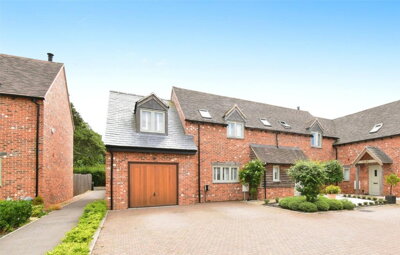
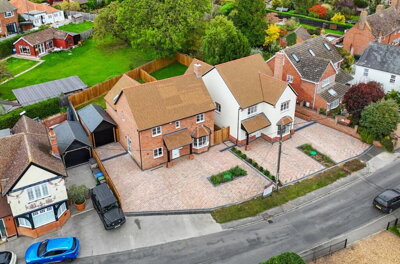
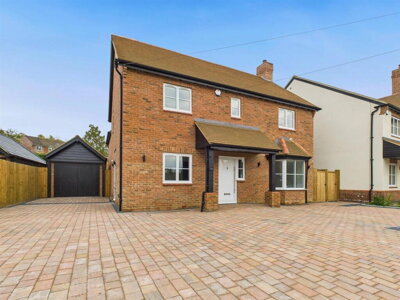
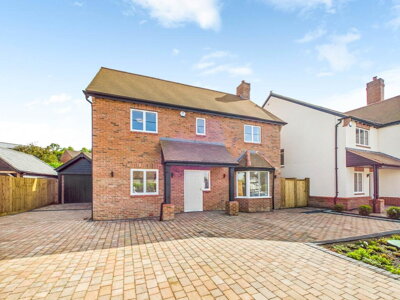
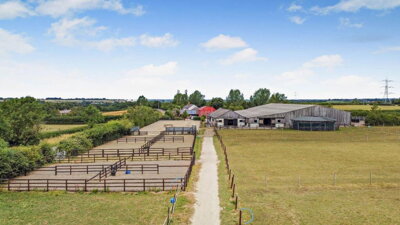
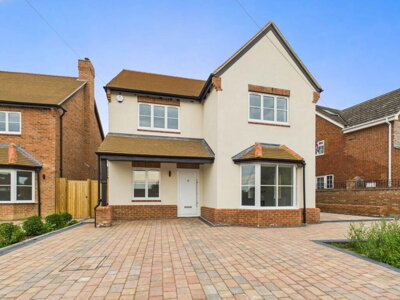
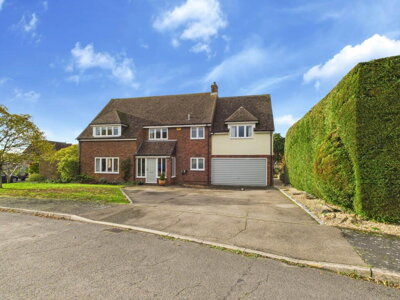
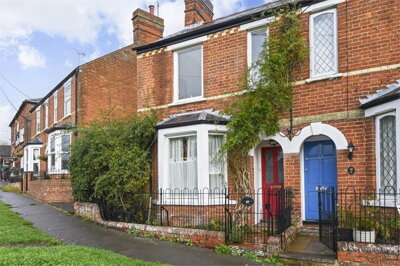
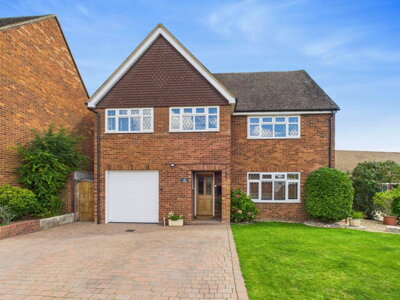
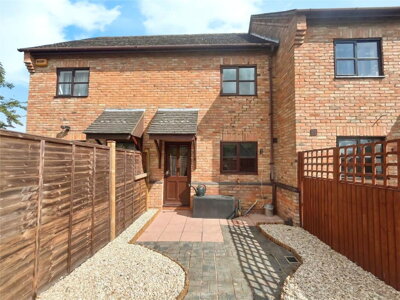
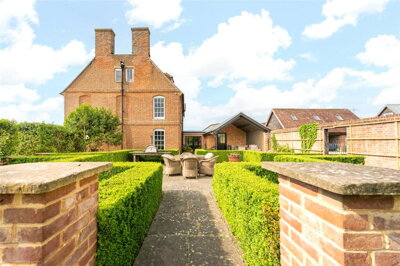
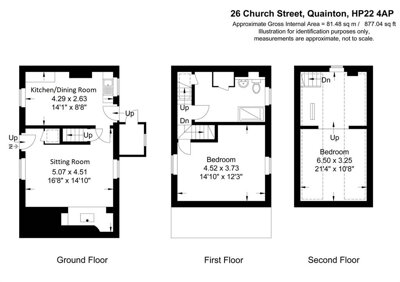
Browse 31 homes for sale in Hogshaw, Buckinghamshire from local estate agents.
The Hogshaw property market offers detached, semi-detached, and terraced houses spanning various price ranges and neighbourhoods. Each listing includes detailed property information, photographs, and direct contact with the marketing agent.
£875k
1
0
60
Source: home.co.uk
Showing 1 results for Houses for sale in Hogshaw, Buckinghamshire. The median asking price is £875,000.
Source: home.co.uk
Detached
1 listings
Avg £875,000
Source: home.co.uk
Source: home.co.uk
The Gunness property market offers a diverse mix of housing types reflecting its history as a settlement that has grown steadily over several decades. Detached properties dominate the local housing stock, accounting for 48.1% of all homes in the area, with an average price of £249,750. These substantial family homes often feature generous gardens and off-street parking, making them particularly attractive to buyers seeking space for growing families or those who work from home. The village's semi-detached properties, representing 30.6% of the housing stock, provide excellent value at an average of £140,000, offering a practical compromise between space and affordability that appeals to young families and commuters alike.
Terraced properties in Gunness average £120,000, representing the most accessible entry point into the local market for first-time buyers or those on tighter budgets. These homes make up 17.5% of the housing stock and often include character features from their construction periods, particularly those dating from the Victorian and Edwardian eras that form part of the 15.6% of pre-1919 properties. The remaining 3.8% comprises flats and apartments, though this segment of the market remains relatively limited given the predominantly suburban and rural character of the village. Property prices across all segments have shown consistent growth, with detached homes seeing the strongest appreciation at 1.9% over the past twelve months, followed by semi-detached at 1.8% and terraced properties at 1.7%.
The predominant construction material in Gunness is brick, with a mix of red and brown brick types typical of the North Lincolnshire region. Roofing predominantly features concrete tiles or slate, with some older properties potentially having clay tiles. Properties built before 1980 may have render or pebbledash finishes as protective coatings. When evaluating properties in different price brackets, buyers should consider not only the purchase price but also potential maintenance costs associated with different construction types and ages. A RICS Level 2 Survey costs between £400 and £700+ depending on property size and can identify defects that might not be apparent during a standard viewing.

Gunness sits alongside the banks of the River Trent in North Lincolnshire, a position that has shaped both the village's character and its economic history. The settlement dates back several centuries, with notable historic buildings including the Church of St Peter, Gunness Hall, and The Old Rectory standing as testament to its long heritage. These listed buildings, while requiring specialist surveys and planning considerations for any alterations, contribute significantly to the village's distinctive character and sense of history. The local geology is characterised by alluvial deposits from the river overlying Mercia Mudstone, creating a landscape of flat, fertile land that supports both agricultural activity and the village's residential development. This riverside setting, while idyllic, does bring certain considerations for prospective buyers regarding flood risk and ground conditions that we will explore in detail.
The population of approximately 1,069 residents creates a close-knit community where village life revolves around local amenities and seasonal events. The 2021 Census data shows 445 households in the area, representing a stable and established residential community. Demographically, the housing stock reflects several eras of development, with 39.5% of properties built between 1945 and 1980, 34% constructed post-1980, and 15.6% dating from the pre-1919 period. This mix of housing ages creates a varied streetscape where inter-war semis sit alongside post-war bungalows and more recent developments. The local economy benefits from proximity to Scunthorpe, with residents employed across logistics, distribution, manufacturing, and agricultural sectors, while the M180 provides crucial connections for those commuting to larger employment centres in Doncaster and Sheffield.
The local economy in Gunness and the surrounding North Lincolnshire area is supported by several key sectors that influence housing demand. Logistics and distribution businesses benefit from the area's position near major road networks including the M180 and the River Trent, which historically supported trade and transport. Proximity to Scunthorpe means some residents are employed in the steel industry or related manufacturing sectors that form the backbone of the regional economy. Agricultural activity in the surrounding rural areas continues to play a role in the local economy, while the village also functions as a commuter settlement for workers seeking more affordable housing options compared to larger towns. These economic factors contribute to steady demand for property in Gunness and support the consistent price growth observed in the local market.

Families considering a move to Gunness will find a selection of educational options available in the surrounding area. Primary education needs are served by schools in nearby villages and in Burringham, with the broader Scunthorpe area offering additional choices for primary-aged children. The village's position between several communities means that catchment areas for specific schools should be verified before purchasing a property, as admission policies can significantly impact which school your children will attend. Parents should research current school performance data through Ofsted reports and speak directly with schools to understand their admission criteria and any waiting list situations that may affect their application.
Secondary education options include schools in Scunthorpe, which can be accessed via local bus services connecting Gunness to the town. The journey time to secondary schools in Scunthorpe will depend on the specific school and current traffic conditions, but the A159 provides a direct route for students commuting by car or bus. For families requiring childcare or early years education, the village benefits from several local providers, while further education opportunities are available at colleges in Scunthorpe including North Lindsey College, which offers a wide range of vocational and academic courses for students post-16.
The proximity to the University of Hull and other regional higher education institutions is manageable for students willing to commute or travel from the Scunthorpe area. University of Hull is approximately 30 miles away, while the University of Sheffield and University of Sheffield Hallam are accessible via the M180 and M1 motorway network for those who prefer to study closer to home while maintaining flexibility. When purchasing a property in Gunness, families should verify current school performance data, catchment boundaries, and transportation arrangements, as these factors can significantly impact daily family life and property values in the area. School transport arrangements should be confirmed before purchasing a property, particularly if your preferred school requires travel beyond walking distance.
Gunness enjoys a strategic position relative to major transport routes, making it practical for residents who need to commute or travel regularly. The M180 motorway runs nearby, connecting the area to Doncaster, Sheffield, and the broader motorway network beyond including the M1 heading south towards Nottingham and Birmingham. This road link has been instrumental in establishing Gunness as a commuter village for those working in Scunthorpe or travelling further afield to regional employment hubs. The A159 provides direct access to Scunthorpe town centre, while the A18 connects the area to markets and services in the surrounding region including Grimsby and Cleethorpes to the east.
Public transport options include bus services connecting Gunness with Scunthorpe and neighbouring villages, though frequencies may be limited on certain routes, particularly during evenings and weekends. Stagecoach and other local operators serve the area, but residents should check current timetables as services can vary significantly throughout the day. For rail travel, the nearest mainline stations are located in Scunthorpe and Doncaster, offering connections to major cities including Sheffield, Leeds, Hull, and London via the East Coast Main Line from Doncaster. Doncaster Sheffield Airport, though currently not operational for commercial flights, represents potential future connectivity for international travel should the airport reopen.
The flat topography of Gunness, shaped by the alluvial deposits from the River Trent, can affect local drainage and road conditions during periods of heavy rainfall. The M180 corridor is well-maintained and sees regular gritting during winter months, but rural roads in the surrounding area may require additional care during adverse weather conditions. Residents relying on public transport should check current timetables and consider the implications for their daily commute when budgeting for a property in Gunness. Car ownership remains relatively common given the rural nature of the village and limited public transport options, so factoring in vehicle costs is important when calculating the true cost of living in this location.
Explore Gunness thoroughly before committing to a purchase. Consider flood risk areas near the River Trent, the condition of older properties given the local geology, and proximity to schools and transport links that match your needs. The area's position on alluvial deposits over Mercia Mudstone creates a moderate to high shrink-swell risk, so understanding ground conditions is important when evaluating properties of different ages.
Before viewing properties, arrange a mortgage agreement in principle with a lender. This strengthens your position when making offers and demonstrates to sellers that you have the financial capacity to proceed. Homemove's mortgage comparison tool can help you explore available rates from different lenders, with current deals starting from around 4.5% depending on your circumstances and deposit size.
Visit multiple properties across different price points to understand what is available in the market. Pay attention to property construction dates, as 66% of homes in Gunness were built before 1980 and may require additional scrutiny regarding their condition. Take notes on the age of roofs, presence of damp-proof courses, and any signs of structural movement or repair work.
Once you have had an offer accepted, commission a RICS Level 2 Survey to assess the property condition. Given Gunness's geology and the age of much of the housing stock, this survey is particularly valuable for identifying potential issues with damp, subsidence, or roofing before you commit to purchase. Local surveyors typically charge between £400 and £700+ for properties in the DN17 area, depending on size and complexity.
Choose a conveyancing solicitor to handle the legal aspects of your purchase. They will conduct searches, review contracts, and manage the transfer of ownership. Homemove can connect you with conveyancing services experienced in North Lincolnshire transactions, with typical costs ranging from £499 to £1,500 including searches and disbursements.
Once all searches are satisfactory and finances are confirmed, you will exchange contracts and pay your deposit. Completion typically follows within days or weeks, at which point you will receive your keys and take ownership of your new Gunness home. Buildings insurance should be arranged from exchange of contracts, and given the flood risk in some parts of Gunness, ensure your policy covers flood damage.
Prospective buyers should be aware of several area-specific considerations when evaluating properties in Gunness. The proximity to the River Trent brings a significant flood risk to certain parts of the village, particularly in low-lying areas near the riverbank. Parts of Gunness are designated as having high flood risk from rivers and the sea, and surface water flooding can also occur during heavy rainfall due to the flat topography and local drainage systems. Properties in these zones may face higher insurance premiums or could require specific flood resilience measures. A thorough review of flood risk data and any history of flooding should be conducted before purchasing, and your survey will assess any signs of previous water damage or damp conditions.
The local geology presents additional considerations for property buyers. The alluvial deposits and Mercia Mudstone underlying Gunness create a moderate to high shrink-swell risk, meaning clay soils can expand and contract significantly with moisture changes. This ground movement can affect foundations, particularly in older properties with shallower construction. Trees located near properties can exacerbate shrink-swell issues by extracting moisture from the soil during dry periods. If you are considering a period property, ensure your survey specifically addresses foundation condition and any signs of subsidence or heave. Properties built before 1980 may also have outdated electrical systems, plumbing, or heating that requires updating to meet current standards, with wiring predating modern safety regulations being particularly common in pre-1960s construction.
Gunness does not fall within a designated Conservation Area, though several listed buildings exist in the village including the Church of St Peter, Gunness Hall, and The Old Rectory. If you are purchasing a listed property or one adjacent to listed buildings, specialist surveys such as a RICS Level 3 Building Survey may be required and planning restrictions will apply to any alterations or extensions. For standard properties, the predominant brick construction with concrete tile or slate roofs is generally robust, though roof condition and any evidence of penetrating damp should be carefully assessed in older homes. Blocked gutters, damaged flashings, and timber decay in roof structures are common findings in properties from the inter-war and post-war periods that make up much of the local housing stock.
Given that 66% of properties in Gunness were built before 1980, buyers should pay particular attention to potential defects common in older construction. Rising damp due to lack of or failed damp-proof courses is frequently found in solid-wall properties from this era, while penetrating damp can affect roof coverings and masonry that has not been adequately maintained. Timber elements including floor joists, window frames, and structural members should be inspected for signs of rot or woodworm activity. Outdated electrical systems with inadequate earthing or fused circuit boards are common in properties that have not been rewired, and a qualified electrician should assess the condition of the wiring before purchase.
The average house price in Gunness is currently £183,167, according to recent market data. Detached properties average £249,750, semi-detached homes £140,000, and terraced properties around £120,000. The market has shown steady growth with prices increasing by 1.7% over the past twelve months, suggesting continued demand for property in this North Lincolnshire village. There have been 14 property sales in the last 12 months, indicating a relatively active local market for a village of Gunness's size.
Properties in Gunness fall under North Lincolnshire Council's jurisdiction for council tax purposes. The specific band depends on the property's assessed value and can range from Band A to Band H, with most properties in the village falling in the lower to middle bands given the average property values. Prospective buyers should verify the exact band for any property they are considering, as this will affect ongoing annual costs. Band A properties typically pay around £1,200-£1,400 per year, while higher bands command proportionally more, and these charges are payable in monthly installments throughout the financial year.
Gunness is served by primary schools in surrounding villages and the wider Scunthorpe area, with schools in Burringham and other nearby communities providing the closest options for younger children. For secondary education, students typically attend schools in Scunthorpe, accessible via local bus services along the A159 route. Specific school performance varies year by year, and parents should research current Ofsted ratings and admission policies for the schools relevant to their catchment area, as catchment boundaries can change and places may be oversubscribed in popular areas.
Gunness has bus services connecting to Scunthorpe and neighbouring villages, though frequencies may be limited outside peak hours and on weekends, which is typical for rural North Lincolnshire bus routes. The nearest mainline rail stations are in Scunthorpe and Doncaster, offering regional and national connections including services to Sheffield, Leeds, and London King's Cross. The M180 motorway provides road connections to Doncaster and Sheffield, while the A159 links directly to Scunthorpe town centre, making car travel the most practical option for many residents for daily commuting and accessing amenities.
Gunness offers several factors that may appeal to property investors, including relative affordability compared to larger towns and steady price growth of 1.7% annually that suggests a stable market. The village's role as a commuter settlement for Scunthorpe ensures ongoing demand from workers seeking more affordable housing options within easy reach of employment in the town and wider region. However, the flood risk near the River Trent and the age of much of the housing stock should be carefully considered, as maintenance costs on older properties can erode investment returns. Rental demand is likely driven by local workers, small families seeking village character, and commuters who prefer the rural lifestyle without town centre prices.
Stamp Duty Land Tax (SDLT) rates for 2024-25 are 0% on the first £250,000 of residential property purchases, 5% on the portion from £250,001 to £925,000, 10% on £925,001 to £1.5 million, and 12% above £1.5 million. First-time buyers receive enhanced relief with zero SDLT on the first £425,000 and 5% on the portion between £425,001 and £625,000. Given Gunness's average price of £183,167, many properties will fall entirely below the standard threshold, and most first-time buyers purchasing at average prices would pay no stamp duty at all on their Gunness home.
Gunness faces significant flood risk from the River Trent, particularly in areas closest to the riverbank, with parts of the village designated as high flood risk from rivers and the sea in Environment Agency data. Surface water flooding can also occur during heavy rainfall due to the flat topography created by alluvial deposits and the capacity of local drainage systems. Properties in flood risk zones may incur higher insurance premiums, and mortgage lenders may require flood risk assessments as part of their lending criteria. Your survey should specifically look for signs of previous flooding, water damage, or damp conditions, especially in older properties with solid walls and limited modern damp-proofing, and you should request copies of any flood risk reports or previous insurance claims from the seller.
Given that 66% of properties in Gunness were built before 1980, common defects include rising damp and penetrating damp in older properties lacking adequate damp-proof courses, and roofing issues such as deteriorated tiles, defective flashings, and timber decay in properties of all ages. Ground movement related to the shrink-swell properties of local clay soils can cause subsidence or heave affecting foundations and structural walls, particularly in older properties with shallower footings. Outdated electrical systems with older wiring that does not meet current regulations are common in pre-1980s properties, and drainage issues including blocked or damaged drains are frequently encountered during surveys of older homes in the area.
Understanding the full costs of purchasing property in Gunness is essential for budgeting effectively and avoiding surprises during the transaction process. The Stamp Duty Land Tax (SDLT) thresholds for 2024-25 set the zero-rate band at the first £250,000 of a property purchase. Given that Gunness's average house price of £183,167 falls below this threshold, many properties in the village may incur little or no SDLT for standard purchases, making the village particularly attractive for first-time buyers and those purchasing at average price levels. However, buyers should note that the relief applies only to residential properties where the buyer does not own any other residential property at the time of purchase.
First-time buyers benefit from enhanced relief, with zero SDLT charged on the first £425,000 and 5% on the portion between £425,001 and £625,000. This means first-time buyers purchasing at or below the average Gunness price of £183,167 would pay no stamp duty at all, representing a significant saving compared to purchasing in more expensive areas. Beyond SDLT, buyers should budget for solicitor fees, which typically range from £500 to £1,500 depending on complexity, plus disbursements for searches which can add several hundred pounds. Local search fees in North Lincolnshire cover environmental searches, drainage and water searches, and local authority checks.
Survey costs for a RICS Level 2 HomeBuyer Report typically range from £400 to £700+ depending on property size and age, with larger detached properties commanding higher fees due to their complexity and the time required for a thorough inspection. Given that 48.1% of properties in Gunness are detached, buyers should budget towards the upper end of this range for this property type. Additional costs to factor in include mortgage arrangement fees, which can range from £0 to £2,000 depending on the deal chosen, and removal costs for moving day which vary based on distance and volume of belongings. Buildings insurance should be arranged from the point of exchange, and life insurance or critical illness cover is worth considering when taking on a mortgage.
For properties in Gunness, given the flood risk near the River Trent, contents insurance premiums may be higher than average, and buyers should obtain quotes before completing to avoid surprises. Properties in designated flood risk areas may also require additional flood resilience measures, which could include flood barriers, raised electrical sockets, and waterproof render, adding to the overall cost of purchase. Homemove's partners can provide competitive quotes for mortgages, surveys, and conveyancing to help you manage these costs effectively and compare options from multiple providers to find the best deal for your circumstances.
From 4.5%
Compare mortgage deals from multiple lenders to find the best rate for your Gunness property purchase.
From £499
Expert solicitors handling your Gunness property purchase from offer to completion.
From £400
Comprehensive condition survey for properties in Gunness, ideal given local geology and housing stock age.
From £60
Energy Performance Certificate required for all property sales in North Lincolnshire.
Properties for Sale In London

Properties for Sale In Plymouth

Properties for Sale In Liverpool

Properties for Sale In Glasgow

Properties for Sale In Sheffield

Properties for Sale In Edinburgh

Properties for Sale In Coventry

Properties for Sale In Bradford

Properties for Sale In Manchester

Properties for Sale In Birmingham

Properties for Sale In Bristol

Properties for Sale In Oxford

Properties for Sale In Leicester

Properties for Sale In Newcastle

Properties for Sale In Leeds

Properties for Sale In Southampton

Properties for Sale In Cardiff

Properties for Sale In Nottingham

Properties for Sale In Norwich

Properties for Sale In Brighton

Properties for Sale In Derby

Properties for Sale In Portsmouth

Properties for Sale In Northampton

Properties for Sale In Milton Keynes

Properties for Sale In Bournemouth

Properties for Sale In Bolton

Properties for Sale In Swansea

Properties for Sale In Swindon

Properties for Sale In Peterborough

Properties for Sale In Wolverhampton

Enter your details to see if this property is within your budget.
Loans, cards, car finance
Estimated property budget
Borrowing + deposit
You could borrow between
Typical borrowing
Monthly repayment
Est. at 4.5%
Loan-to-value
This is an estimate only. Your actual budget may vary depending on interest rates, credit history, and personal circumstances. For an accurate affordability assessment, speak to one of our free mortgage advisors.
This calculator provides estimates for illustrative purposes only and does not constitute financial advice. Your home may be repossessed if you do not keep up repayments on your mortgage. Estimates based on 4.5% interest rate, repayment mortgage. Actual rates depend on your circumstances.
Homemove is a trading name of HM Haus Group Ltd (Company No. 13873779, registered in England & Wales). Homemove Mortgages Ltd (Company No. 15947693) is an Appointed Representative of TMG Direct Limited, trading as TMG Mortgage Network, which is authorised and regulated by the Financial Conduct Authority (FRN 786245). Homemove Mortgages Ltd is entered on the FCA Register as an Appointed Representative (FRN 1022429). You can check registrations at NewRegister or by calling 0800 111 6768.

We use cookies to show you personalised content and improve your experience of our website. Find out more in our Privacy policy and Cookie policy.