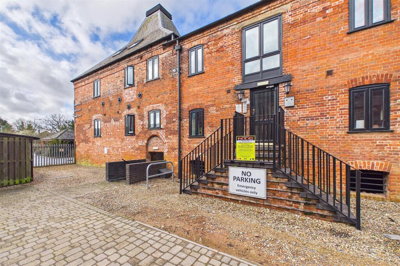
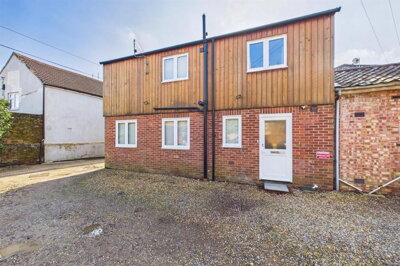
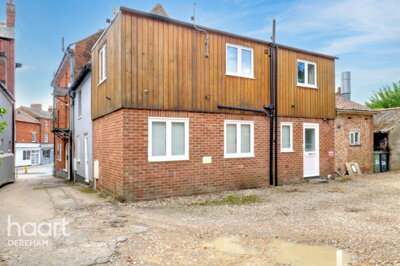
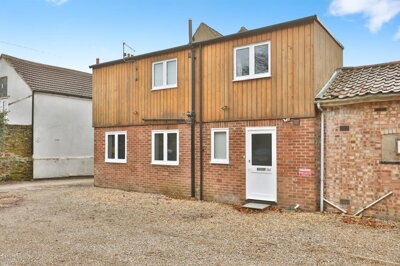
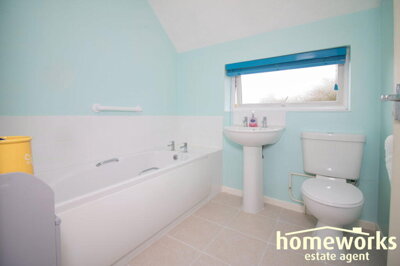
Browse 5 homes for sale in Hoe, Breckland from local estate agents.
The 2 bed flat sector typically includes two separate bedrooms, dedicated living areas, and bathroom facilities. Properties in Hoe span purpose-built blocks, converted period houses, and modern apartment complexes on various floors.
£0k
0
0
0
Source: home.co.uk
Showing 0 results for 2 Bedroom Flats for sale in Hoe, Breckland.
The Greater Willington property market offers excellent value compared to many parts of the UK, with detached properties averaging around £226,712 and semi-detached homes at approximately £127,634. Terraced properties represent the most affordable segment, with average prices around £95,043, making them particularly attractive to first-time buyers looking to get onto the property ladder without substantial deposits. The market has shown resilience despite broader national fluctuations, with some sources reporting price increases of over 16% year-on-year, indicating sustained demand from buyers recognising the area's potential. This combination of affordability and growth makes Greater Willington an compelling choice for both owner-occupiers and property investors seeking value in the North East.
One notable development in the area is Westward Green by Avant Homes, located on Monarch Way, which offers modern 2, 3, 4, and 5-bedroom houses priced from £155,000 to £275,000. This development provides options for families seeking new-build properties with contemporary specifications and energy-efficient designs. Specific plots include 2-bedroom end-of-terrace homes from £180,000, 3-bedroom terraced houses from £155,000, and 3-bedroom semi-detached properties from £169,000. Additionally, planning permission was granted in early 2024 for a scheme of up to 20 homes on land east of Ashfield Drive, including a mix of one, two, and three-bedroom dwellings, with three units designated as affordable housing. These developments demonstrate continued investment in the area and expanding options for prospective buyers at various price points.
Property prices in Greater Willington have shown some variation in recent data, with Rightmove reporting prices approximately 6% down on the previous year and 8% below the 2023 peak of £149,855. However, other sources indicate year-on-year increases of around 16%, suggesting a market in transition with different segments performing differently. The overall average price of approximately £138,259 remains significantly below the UK national average, meaning buyers can typically access more property for their money compared to most other regions. For investors and homebuyers alike, this affordability combined with strong transport connections to major employment centres makes Greater Willington worth serious consideration.

Greater Willington traces its origins back to its coal mining heritage, when the industry drove rapid population growth from just 258 residents in 1841 to 965 by 1851. This history has left a distinctive architectural character, with Victorian-era stone terraces built for mining families standing alongside post-war public housing and more recent developments. The village centre retains a traditional feel with local shops, pubs, and community facilities serving residents' everyday needs. The surrounding County Durham countryside offers beautiful landscapes for walks and outdoor activities, providing a pleasant quality of life for families and retirees alike.
The village contains several notable listed buildings that reflect its historical significance, including Willington Hall, a Grade II listed building from the mid to late 18th century possibly incorporating an earlier structure with deeds dating back to 1640. The hall features painted rough render with ashlar dressings and a Welsh slate roof, standing as the area's Georgian heritage. The Church of St Stephen, built in 1857 and extended in 1868, was designed by architect J.A. Cory and remains a landmark in the community. War memorials in both Willington and nearby Hunwick honour the area's contribution to national conflicts, with the Hunwick war memorial located at St Paul's Church along with its enclosure and railings. These heritage features add character to the neighbourhood and remind residents of the village's deep roots in County Durham's history.
The surrounding area includes additional historic structures worth noting, such as Helmington Hall including its adjacent storage building and gateway in Hunwick, plus Hunwick Hall Farmhouse with its attached wall. The wider ward contains several other listed buildings including the Fountain in Wall in Front of Number 9 North View in Hunwick. These heritage assets contribute to a sense of place and community pride that distinguishes Greater Willington from newer housing developments elsewhere. For buyers interested in historic properties, the area offers opportunities to purchase homes with genuine historical connections to the local community.

Education provision in Greater Willington serves families with children at various stages of their schooling journey. The village has primary schools within easy walking distance of most residential areas, providing a strong foundation for young learners in a community setting. Parents considering relocation will find the local schools play a central role in village life, with active parent-teacher associations and community events bringing families together throughout the year. The relatively compact nature of the village means children can often walk or cycle to school rather than requiring lengthy bus journeys, contributing to a safer and more connected community atmosphere.
Secondary education options are available in nearby towns, with bus services connecting Greater Willington to secondary schools in the surrounding area including schools in Crook and Bishop Auckland. For families prioritising academic excellence, the wider County Durham area offers several well-regarded secondary schools and colleges, including sixth form colleges providing A-level courses and vocational qualifications. The proximity to Durham city, approximately 20 minutes by car, also opens access to the University of Durham and its associated educational resources including libraries, sports facilities, and public lectures. Prospective buyers with school-age children should research specific catchment areas and admissions criteria when considering properties, as these factors can significantly influence the overall family experience in the area.
For families planning longer-term educational journeys, the proximity of Greater Willington to Durham city means access to some of the region's most respected educational institutions within a manageable commute. The University of Durham consistently ranks among the UK's top universities, and the city's colleges offer a vibrant student community alongside historic architecture. Further education options in the region include New College Durham and Durham Sixth Form Centre, providing vocational and academic routes for students completing their secondary education. This educational infrastructure adds to the appeal of Greater Willington for families at all stages of their children's schooling.
Greater Willington benefits from practical transport connections that make commuting to larger employment centres feasible for residents who work away from the village. The nearby A690 road provides direct access to Durham city, approximately 8 miles away, where residents can access the wider motorway network including the A1(M) that runs north-south through the region. For rail travel, Durham railway station offers regular services to Newcastle, York, and beyond, with journey times to Newcastle typically around 30-40 minutes. This connectivity makes Greater Willington suitable for commuters who need to reach major employment hubs while enjoying the benefits of village living.
Local bus services operate routes connecting Greater Willington to neighbouring towns including Crook, Bishop Auckland, and Spennymoor, providing options for those who prefer public transport over car travel. These bus services are particularly useful for residents working in local retail, healthcare, and education sectors across the towns of County Durham. The village's position in the heart of County Durham offers good access to the region's road network, with the A68 providing an alternative route towards Newcastle and the Scottish border for those travelling further north. For air travel, Newcastle International Airport is approximately 45 minutes away by car, offering domestic flights and international connections for business and leisure travel.
Commuters working in Newcastle will find Greater Willington particularly attractive given the relatively short journey time by rail. Durham station provides regular services to Newcastle, with the journey taking approximately 35-40 minutes, making day commuting feasible for those working in the city's financial, legal, and technology sectors. The A690 offers a scenic drive option for those preferring to travel by car, passing through attractive County Durham countryside. These transport options ensure that residents are not isolated from employment, education, and leisure opportunities across the North East region, while still benefiting from the peaceful village environment and affordable property prices.
Understanding the predominant construction methods in Greater Willington helps buyers assess potential maintenance requirements and renovation possibilities. The earliest terraced properties in the village were constructed from natural stone walling with slate roofing, built to house workers during the rapid population growth of the Victorian era. These traditional stone-built terraces represent a significant portion of the older housing stock and are characterised by solid walls that can be several inches thick, providing good thermal mass but requiring consideration when planning insulation improvements.
As the 19th century progressed, red brick became the predominant building material throughout Willington, along with render finishes for properties seeking a more refined appearance. This shift reflected both the decline in local stone availability for construction and the growing industrial capacity to produce bricks at scale. Many Victorian and Edwardian properties in the village feature red brick facades with render to the rear or on gable walls, and original features such as sash windows, fireplaces, and decorative plasterwork remain in well-maintained examples. Roofing during this period typically featured natural slate, though some properties now have artificial tile replacements due to the cost of maintaining original slates.
Post-war housing construction in Greater Willington followed national patterns, with properties typically built using cavity wall construction techniques that provided improved insulation compared to solid-walled predecessors. Modern developments including Westward Green incorporate contemporary building standards with energy-efficient designs, cavity wall insulation, and modern roofing materials. Properties with solid walls, whether stone or brick, may face limitations insulation upgrades, and buyers should factor potential improvement costs into their budget. The variation in construction types across the village means that professional surveys are particularly valuable for identifying property-specific issues before purchase.
Start by exploring our comprehensive listings for Greater Willington properties and understanding price trends in the area. With terraced homes averaging around £95,043 and semi-detached properties at approximately £127,634, you can identify properties that match your budget and requirements. Consider visiting the area at different times of day and speaking with local residents to get a genuine feel for neighbourhood character and amenities. The village's mix of Victorian terraces, post-war housing, and modern developments means each street can offer a very different living experience.
Before arranging viewings, approach a mortgage lender to obtain an agreement in principle. This document confirms how much you can borrow and demonstrates to sellers that you are a serious, financially-prepared buyer. With average property prices in Greater Willington being significantly below the UK national average, you may find your mortgage goes further here than in other regions, potentially enabling you to purchase a larger property or in a better location. Compare rates from multiple lenders and consider speaking with an independent mortgage broker who can access deals across the market.
Once you have identified suitable properties, contact the listing estate agents to arrange viewings. Pay attention to the property condition, noting any signs of maintenance issues that might require attention after purchase. If you are considering a Victorian terrace, check for evidence of damp, roof condition, and the state of original features. For modern properties, verify the Energy Performance Certificate rating and any factors affecting resale value. Consider viewing properties at different times of day to assess lighting, noise levels, and traffic patterns.
Before committing to purchase, we strongly recommend booking a RICS Level 2 Survey to assess the property condition thoroughly. This survey, sometimes called a Homebuyer Report, identifies structural issues, defects, and potential problems that may not be visible during a standard viewing. For older properties in Greater Willington, which may include Victorian terraces and post-war housing, a thorough survey is particularly valuable for identifying common issues like damp, subsidence, or outdated electrical systems. Our inspectors have experience surveying properties throughout the County Durham area and understand the typical construction methods and defect patterns found locally.
Appoint a conveyancing solicitor to handle the legal aspects of your purchase. They will conduct searches with the local authority, check for planning restrictions or listed building status, and manage the transfer of ownership. Given that Greater Willington contains several listed buildings, your solicitor will need to verify whether the property has any historic designations that affect usage or alterations. Search fees with Durham County Council and environmental searches typically cost between £200 and £400, and your solicitor will manage these on your behalf.
Once your mortgage is approved, surveys completed, and legal searches satisfactory, you will exchange contracts and pay your deposit. Completion typically follows within 2-4 weeks, at which point you will receive the keys to your new home. Congratulations on becoming a homeowner in Greater Willington. At this stage, you should arrange buildings insurance effective from the completion date and notify utility companies of your move.
When purchasing property in Greater Willington, understanding the local housing stock helps you make an informed decision. The village features a mix of property ages and construction types, from Victorian stone terraces built in the 19th century to post-war public housing and more recent developments. Victorian properties often feature traditional construction with stone walls and natural slate roofing, though many have been updated with modern extensions and improvements over the years. These period properties can offer excellent character and solid construction, but buyers should budget for potential maintenance costs associated with older homes.
Several properties in Greater Willington and the surrounding Hunwick area hold listed building status, including Willington Hall and various farmhouses and war memorials. If you are considering a listed building, be aware that any external or structural alterations require Listed Building Consent from Durham County Council, which can restrict renovation options and add complexity to future home improvements. Your solicitor will conduct searches to identify any listed status affecting the property, and you should factor these considerations into your decision-making process. Properties in conservation areas, if present, may also face similar planning restrictions regarding exterior alterations and extensions.
For properties with solid walls, whether stone or brick construction, insulation improvements may be limited compared to modern cavity-walled properties. Buyers should assess the current energy efficiency of older properties and consider the potential costs of upgrading heating systems, double glazing, and insulation when budgeting for a purchase. Many Victorian terraces in the area have undergone partial modernisation, but original features such as single-glazed sash windows and solid fuel fires may remain. A thorough survey will identify any insulation deficiencies or issues that could affect your comfort and energy bills after purchase.
The average house price in Greater Willington, County Durham, is approximately £138,259 according to recent Rightmove data, though some sources report averages closer to £121,000-£122,000 depending on the methodology used. Property prices vary significantly by type, with detached homes averaging around £226,712, semi-detached properties at approximately £127,634, and terraced houses at around £95,043. This affordability makes Greater Willington significantly cheaper than many other parts of the UK, allowing buyers to purchase more property for their money or enter the market with a smaller deposit.
Properties in Greater Willington fall under Durham County Council's jurisdiction, and council tax bands range from A to H depending on the property's assessed value. Most terraced properties and smaller semi-detached homes typically fall into band A or B, which attract the lowest annual council tax charges. Newer properties and larger detached homes may be in higher bands such as C through E. You can check the specific band for any property through the Valuation Office Agency website or your solicitor during the conveyancing process.
Greater Willington has primary schools serving the local community, with good Ofsted ratings for several establishments in the surrounding area. The village's compact size means most families can access local schools within walking distance, which is a significant advantage for families with young children. For secondary education, students typically travel to schools in nearby towns including Crook and Bishop Auckland, with bus services providing transport. The wider County Durham area offers several well-regarded secondary schools and sixth form colleges, and the proximity to Durham city provides access to additional educational opportunities including the University of Durham.
Greater Willington has bus services connecting the village to neighbouring towns including Crook, Bishop Auckland, and Spennymoor, providing practical options for local travel without a car. For rail travel, Durham railway station is approximately 20-30 minutes away by road and offers regular services to Newcastle, York, Leeds, and London King's Cross, making day trips and commuting feasible. The A690 provides direct road access to Durham city, while the A1(M) motorway is easily accessible for those travelling further afield to regions north and south. Newcastle International Airport is around 45 minutes away by car, offering domestic and international flights for business and leisure travel.
Greater Willington offers several attractions for property investors, including relatively low entry prices compared to national averages and consistent demand from buyers seeking affordable housing in County Durham. Recent price data suggests some growth in the area, with certain sources reporting year-on-year increases of around 16%. The presence of new developments like Westward Green indicates ongoing investment in the area, which can support property values and attract future buyers. Buy-to-let investors should consider rental demand from local workers, commuters, and families priced out of larger cities, as well as potential capital growth as the wider North East housing market continues to evolve.
Stamp Duty Land Tax (SDLT) rates for standard buyers start at 0% on the first £250,000 of property value, then 5% on the portion between £250,001 and £925,000. For a typical Greater Willington property priced around the £138,259 average, you would pay no SDLT as the entire amount falls below the threshold. First-time buyers benefit from relief on the first £425,000, meaning they pay nothing on properties up to that value. Your solicitor will calculate the exact SDLT due based on your circumstances and add it to your completion costs.
We strongly recommend booking a RICS Level 2 Survey before committing to purchase any property in Greater Willington. Our inspectors assess the property thoroughly, identifying structural issues, defects, and potential problems that may not be visible during a standard viewing. Older properties in Greater Willington, particularly Victorian terraces with stone walls and natural slate roofing, commonly show signs of damp, roof deterioration, or issues with solid wall construction. Post-war properties may have different concerns including original wiring, single-glazed windows, and outdated heating systems. A professional survey provides essential information for negotiating the purchase price or requiring sellers to address issues before completion. For listed buildings, additional specialist surveys may be required to assess the property's condition and any maintenance obligations.
Older properties in Greater Willington, particularly Victorian terraces built from stone with slate roofing, may show signs of damp, roof deterioration, or subsidence over time. Check for damp patches on walls, especially in ground-floor rooms and north-facing walls where moisture penetration is more common. Look for signs of structural movement such as cracks wider than 5mm, doors or windows that stick, and uneven floors that may indicate foundation issues. For properties with solid walls, insulation improvements may be limited without specialist retrofit solutions. We strongly recommend commissioning a RICS Level 2 Survey before purchase to identify any defects that might require costly repairs or affect your mortgage approval.
From 4.5% APR
Expert mortgage advice tailored to your circumstances. We compare rates from across the market to find the right deal for you.
From £499
Professional legal services for your property purchase. Our conveyancing partners handle all aspects from offer to completion.
From £455
Professional property surveys by RICS qualified inspectors. Identify defects before you commit to purchase.
From £85
Energy Performance Certificate required for all property sales. Quick turnaround available.
Buying a property in Greater Willington involves several costs beyond the purchase price, and understanding these upfront helps you budget accurately for your move. The most significant additional cost is Stamp Duty Land Tax (SDLT), though for properties at the local average price of around £138,259, standard buyers pay nothing as the entire amount falls below the £250,000 nil-rate threshold. For first-time buyers, relief extends the nil-rate band to £425,000, meaning most properties in Greater Willington remain completely exempt from SDLT. This represents a substantial saving compared to buying in more expensive regions of the UK where SDLT can add thousands of pounds to the purchase cost.
Beyond SDLT, you should budget for solicitor conveyancing fees typically ranging from £500 to £1,500 depending on the complexity of your transaction and whether the property is leasehold or freehold. Search fees with Durham County Council and environmental searches usually cost between £200 and £400, covering local authority searches, drainage and water searches, and environmental risk assessments. A mortgage arrangement fee may apply if your lender charges one, often between £0 and £2,000, though many lenders now offer fee-free deals that may be more suitable for properties at this price point.
Survey costs include a RICS Level 2 Survey at approximately £455 on average, which provides essential protection by identifying any structural issues before you commit to purchase. For older properties or those of unusual construction, you may need a more detailed RICS Level 3 Building Survey at additional cost. Land Registry fees, bank transfer costs, and removal expenses complete the typical purchase cost breakdown. We recommend setting aside an additional 10-15% of your savings beyond the deposit and fees to cover unexpected costs that can arise during the purchase process, including survey findings that require negotiation or legal issues identified during searches.
Properties for Sale In London

Properties for Sale In Plymouth

Properties for Sale In Liverpool

Properties for Sale In Glasgow

Properties for Sale In Sheffield

Properties for Sale In Edinburgh

Properties for Sale In Coventry

Properties for Sale In Bradford

Properties for Sale In Manchester

Properties for Sale In Birmingham

Properties for Sale In Bristol

Properties for Sale In Oxford

Properties for Sale In Leicester

Properties for Sale In Newcastle

Properties for Sale In Leeds

Properties for Sale In Southampton

Properties for Sale In Cardiff

Properties for Sale In Nottingham

Properties for Sale In Norwich

Properties for Sale In Brighton

Properties for Sale In Derby

Properties for Sale In Portsmouth

Properties for Sale In Northampton

Properties for Sale In Milton Keynes

Properties for Sale In Bournemouth

Properties for Sale In Bolton

Properties for Sale In Swansea

Properties for Sale In Swindon

Properties for Sale In Peterborough

Properties for Sale In Wolverhampton

Enter your details to see if this property is within your budget.
Loans, cards, car finance
Estimated property budget
Borrowing + deposit
You could borrow between
Typical borrowing
Monthly repayment
Est. at 4.5%
Loan-to-value
This is an estimate only. Your actual budget may vary depending on interest rates, credit history, and personal circumstances. For an accurate affordability assessment, speak to one of our free mortgage advisors.
This calculator provides estimates for illustrative purposes only and does not constitute financial advice. Your home may be repossessed if you do not keep up repayments on your mortgage. Estimates based on 4.5% interest rate, repayment mortgage. Actual rates depend on your circumstances.
Homemove is a trading name of HM Haus Group Ltd (Company No. 13873779, registered in England & Wales). Homemove Mortgages Ltd (Company No. 15947693) is an Appointed Representative of TMG Direct Limited, trading as TMG Mortgage Network, which is authorised and regulated by the Financial Conduct Authority (FRN 786245). Homemove Mortgages Ltd is entered on the FCA Register as an Appointed Representative (FRN 1022429). You can check registrations at NewRegister or by calling 0800 111 6768.

We use cookies to show you personalised content and improve your experience of our website. Find out more in our Privacy policy and Cookie policy.