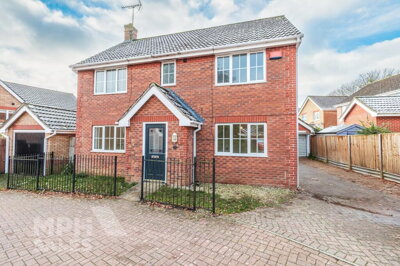
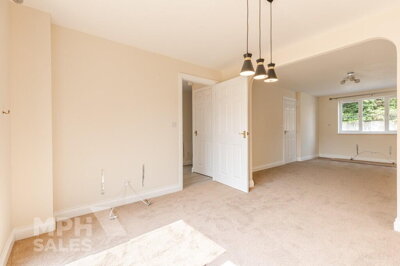
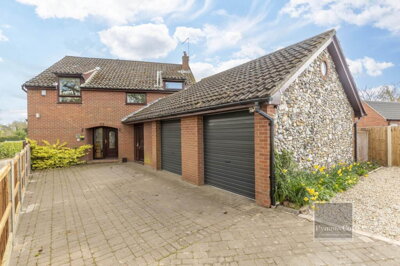
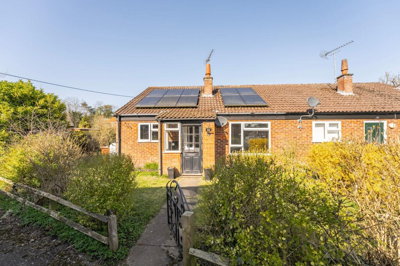
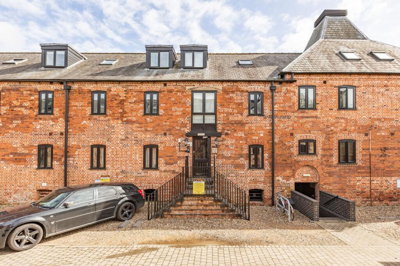
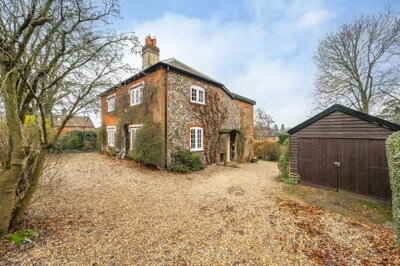
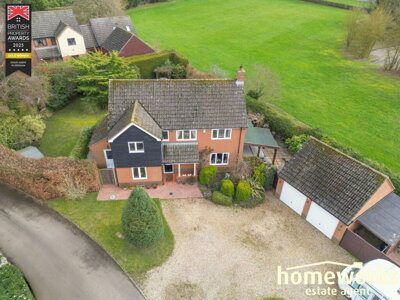
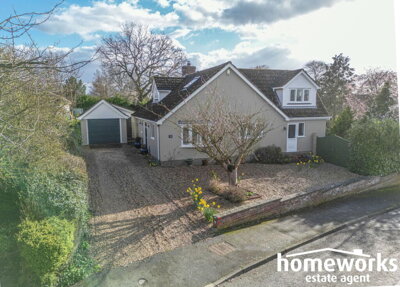
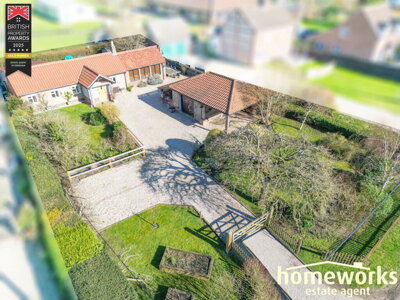
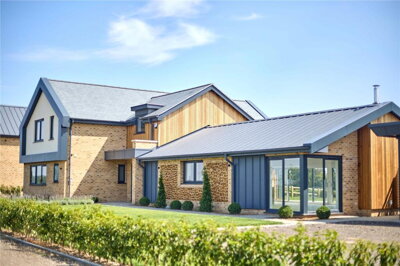
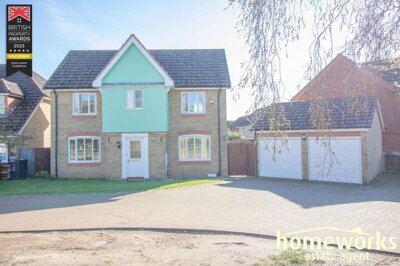
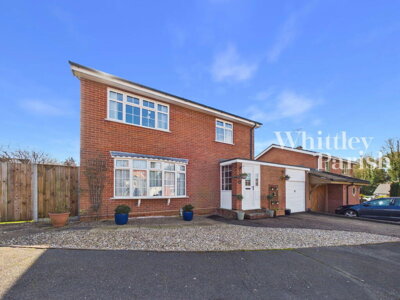
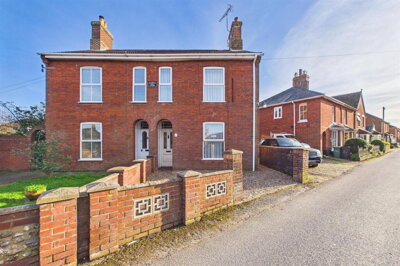
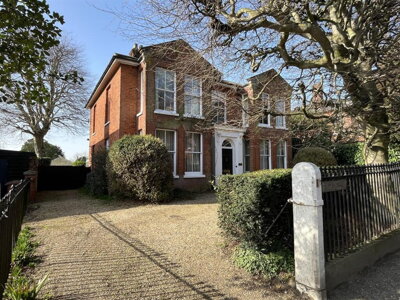
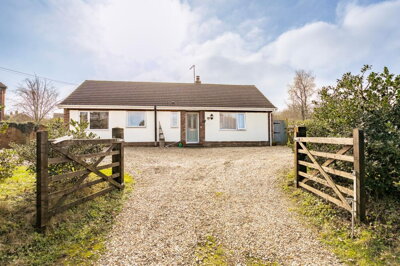
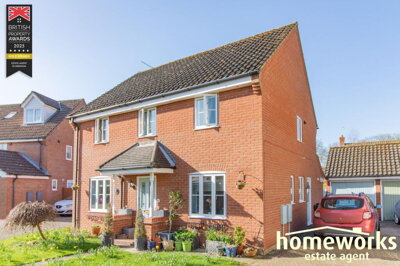
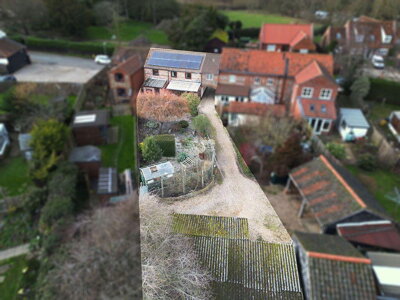
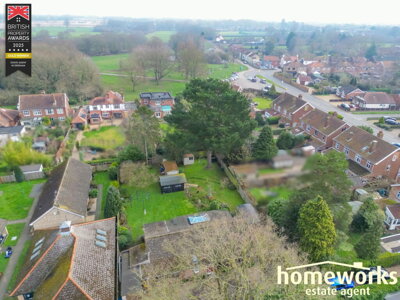
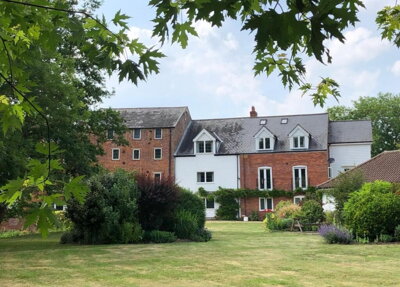
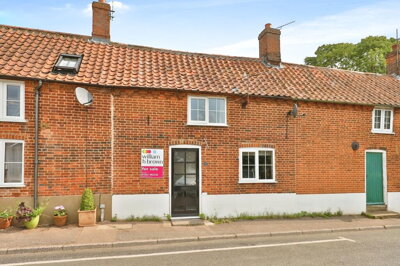
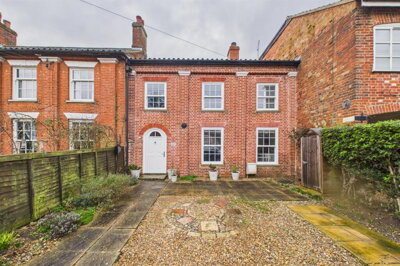
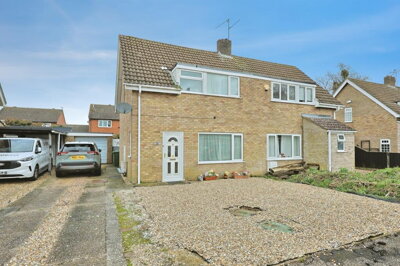
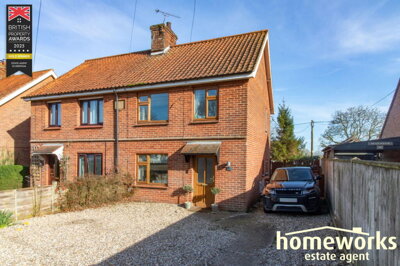
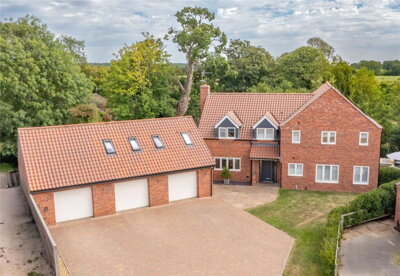
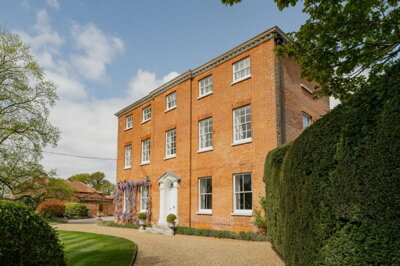
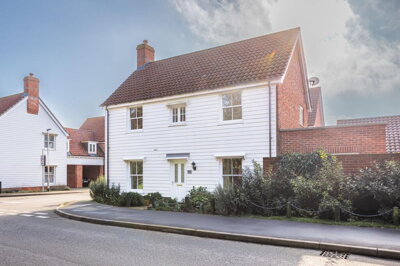
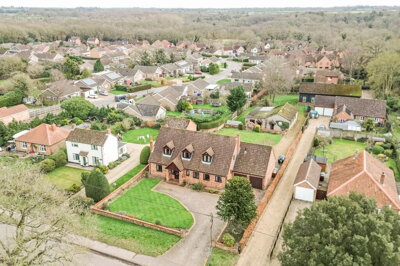
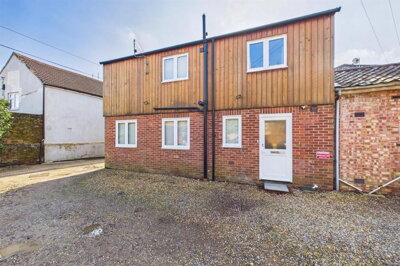
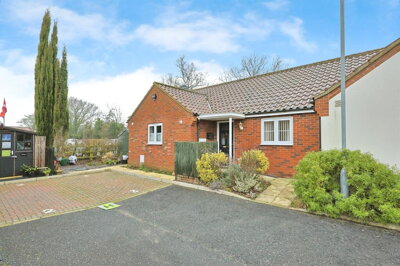
Browse 208 homes for sale in Hoe, Breckland from local estate agents.
£0k
0
0
0
Source: home.co.uk
The Greater Willington property market offers a diverse range of housing options to suit different budgets and lifestyles. Detached properties command the highest prices, averaging £226,712, reflecting the additional space and privacy these homes provide. Semi-detached houses, which form a significant portion of the local housing stock, average around £127,634, making them an attractive option for families seeking more room without the premium associated with detached homes. The price differential between property types demonstrates the value proposition that Greater Willington offers compared to surrounding areas.
Terraced properties represent the most affordable entry point into the Greater Willington market, with average prices of £95,043 according to Rightmove data. These Victorian and Edwardian terraced houses, built predominantly from red brick with original features, remain popular with first-time buyers and investors alike. The relative affordability compared to nearby Durham and Newcastle cities makes Greater Willington particularly attractive for those working in the area or commuting to larger employment centres. Many of these older terraced properties feature characteristic sash windows, exposed fireplaces, and generous ceiling heights that appeal to buyers seeking period character.
Looking at transaction volumes, approximately 1,233 properties have changed hands in Willington and the neighbouring village of Hunwick over the past decade, indicating a consistently active local market. The majority of these sales have been concentrated in the terraced and semi-detached sectors, reflecting the predominant housing stock in the area. First-time buyers represent a significant proportion of purchasers in the terraced segment, drawn by the combination of low purchase prices and manageable maintenance costs on properties that typically require some modernisation investment.
One notable development in the area is Westward Green by Avant Homes, located on Monarch Way in the DL15 0UT postcode. This new build development offers 2, 3, 4, and 5 bedroom houses priced from £155,000 to £275,000, providing modern living options for those preferring newer construction. Specific plots include 2-bedroom end-of-terrace homes from £180,000, 3-bedroom terraced properties from £155,000, and 3-bedroom semi-detached houses from £169,000. Additionally, planning permission was granted in February 2024 for a proposed development of up to 20 homes on land to the east of Ashfield Drive on Durham Road, which will include a mix of one, two, and three-bedroom dwellings with three units designated as affordable housing.

Greater Willington carries a rich industrial heritage that continues to shape its character today. The village grew dramatically during the 19th century coal mining boom, expanding from a population of just 258 in 1841 to 965 by 1851 as miners and their families settled in the area. This rapid growth led to the construction of extensive terraced housing for mining workers, many of which still stand today as the village's working-class roots. The transition from a mining economy has brought regeneration and new housing developments that blend seamlessly with the historic built environment, creating a settlement that respects its past while providing for contemporary living needs.
The local architecture reflects this layered history, with the earliest properties constructed from traditional stone walling topped with natural slate roofing. As the 19th century progressed, red brick became the dominant building material, often finished with render for added weather resistance. Today, you will find grey and terracotta artificial tiles alongside original Welsh slate on many roofs throughout the village. This variety in construction styles adds visual interest to the streetscape while presenting buyers with properties of varying ages and maintenance requirements. Understanding the construction materials used in your potential new home helps you anticipate maintenance schedules and associated costs.
The village centre maintains essential local amenities including convenience shops, pubs, and community facilities that serve everyday needs. Willington Hall, a Grade II listed building dating from the mid to late 18th century with possible origins dating back to 1640, stands as a landmark of local historical significance. The building features painted rough render with ashlar dressings and a Welsh slate roof, exemplifying the architectural quality of the village's historic built environment. The Church of St Stephen, built in 1857 and extended in 1868, continues to serve as a focal point for community gatherings and reflects the spiritual heritage of the area. Additional listed buildings in the wider area include the Willington, Oakenshaw, and Page Bank War Memorial Cross located by the entrance to Willington Park, and several structures in neighbouring Hunwick including Helmington Hall and the Hunwick War Memorial at St Paul's Church.
For outdoor recreation, the surrounding County Durham countryside provides extensive walking and cycling opportunities, with the Weardale valley offering scenic routes into the North Pennines Area of Outstanding Natural Beauty. The River Wear flows nearby, providing additional opportunities for riverside walks and wildlife observation. Residents benefit from the best of both worlds: the convenience of village amenities combined with easy access to the natural beauty of the Durham Dales.

Families considering a move to Greater Willington will find a selection of educational establishments within easy reach. The village has access to primary schools serving the immediate community, with additional options available in neighbouring settlements. Understanding the local education landscape is essential for parents seeking to secure places in popular schools, as catchment areas can significantly influence property values and availability in certain streets. Primary school-aged children in Greater Willington typically attend schools within the village or in nearby Crook, with transport arrangements varying depending on the specific school and family circumstances.
Secondary education options in the wider County Durham area include schools with varying academic and vocational offerings across Spennymoor, Bishop Auckland, and Durham city. Parents should research individual school performance data through Ofsted reports and consider transportation arrangements when evaluating options beyond the immediate village. The presence of grammar schools in nearby towns provides additional educational pathways for academically gifted students, though admission competitive nature means early planning is advisable. School performance can influence both the educational outcomes for children and the long-term value of residential properties in surrounding catchment areas.
Further and higher education opportunities are readily accessible through daily commuting to universities and colleges in Durham, Newcastle, and Sunderland. Durham University, consistently ranked among the UK's top institutions, is reachable within 30 minutes by car, making it practical for students living in Greater Willington to commute rather than pay city-centre accommodation costs. Newcastle University and the University of Sunderland similarly offer accessible options for residents pursuing undergraduate or postgraduate qualifications. These larger cities offer comprehensive degree programmes and vocational courses, making Greater Willington a practical base for students pursuing higher education while enjoying lower accommodation costs than city-centre living.
Sixth form provision in nearby towns ensures students have local options for continuing their education post-16 without necessarily travelling to larger cities. T-level qualifications and vocational training routes are available through colleges in Bishop Auckland and Durham, providing alternative pathways for students not pursuing traditional A-level routes. The variety of educational options within reasonable travelling distance makes Greater Willington suitable for families at all stages of their educational journey.
Transport connectivity from Greater Willington centres primarily on road networks, with the village positioned to take advantage of major routes connecting County Durham with surrounding regions. The A688 provides direct access to Bishop Auckland and Spennymoor, while connections to the A1(M) enable straightforward travel to Newcastle, Leeds, and beyond. For commuters working in Durham city centre, the journey typically takes around 20-30 minutes by car depending on traffic conditions and the specific destination. The strategic position of Greater Willington on the A688 corridor offers residents genuine flexibility in choosing employment locations while maintaining a more affordable base than city-centre living would provide.
Public transport options include bus services connecting Greater Willington with surrounding towns and villages, though frequencies may be limited on certain routes and during evening or weekend periods. The X93 and related bus routes operated by various carriers connect the village with Durham, Bishop Auckland, and intermediate settlements, though passengers should check current timetables as service frequencies can vary. Residents without access to a private vehicle should factor public transport availability into their location choices within the village, as services can vary by specific area. The nearest railway stations are typically found in Durham or Bishop Auckland, providing connections to the wider national rail network for longer-distance travel.
Rail connections from Durham station provide access to the East Coast Main Line, with regular services to London King's Cross taking approximately three hours. Newcastle Central station offers alternative rail access with connections to the north and Scotland via the East Coast route. For domestic travel, Durham provides Virgin Trains and LNER services to London, Edinburgh, and Birmingham, while Newcastle offers additional carriers and routes. The relatively short journey to rail hubs makes Greater Willington practical for commuters who need occasional access to the national rail network for business or leisure travel.
Cycling infrastructure in the area has seen gradual improvements, with quieter country lanes providing alternatives to busier roads for confident cyclists. Many residents choose to drive for daily commuting needs, and parking provision at local amenities generally accommodates this reliance on private vehicles. The relative proximity to employment hubs in Durham, Newcastle, and Teesside makes car ownership practically essential for most working residents, though the lower cost of vehicle ownership and parking compared to major cities provides some offset. Average garage and parking costs in Greater Willington are significantly below those in nearby cities, representing a meaningful saving for households who would otherwise require rented parking.
Spend time exploring Greater Willington at different times of day and week to understand the neighbourhood character, noise levels, and community atmosphere. Visit local shops, pubs, and amenities to ensure the area matches your lifestyle expectations and practical needs. Pay particular attention to the proximity of listed buildings and older terraced streetscapes, which contribute to the village character but may also bring implications for property maintenance and planning permissions.
Contact a mortgage broker or lender to obtain an agreement in principle before starting your property search. Having this in place strengthens your position when making offers and demonstrates to sellers that you are a serious, financed buyer capable of proceeding quickly. Given the average property prices in Greater Willington, most buyers will fall within standard mortgage lending criteria, though it's worth discussing your specific circumstances with a local broker familiar with the County Durham market.
Use Homemove to browse all available properties in Greater Willington, setting up alerts for new listings that match your criteria. Arrange viewings promptly as desirable properties can receive multiple offers quickly in this active market. Properties priced competitively for the local market, particularly well-presented terraced houses under £100,000, tend to attract strong interest from first-time buyers and investors alike.
Once you find your ideal home, submit an offer through the estate agent handling the sale. Be prepared to negotiate on price and terms, considering factors such as chain status, desired completion dates, and any items included in the sale. In the Greater Willington market, buyers should be aware of the mix between cash and mortgage-funded purchases, which can influence negotiating dynamics.
Commission a RICS Level 2 Survey to assess the property condition before proceeding to exchange. Given the age of many properties in Greater Willington, dating predominantly from the Victorian and Edwardian periods, this professional inspection can identify structural issues, damp problems, or roof concerns that may affect your decision or provide negotiating leverage. Our inspectors have extensive experience examining properties throughout County Durham and understand the typical defects found in local construction.
Appoint a conveyancing solicitor to handle the legal transfer of ownership, including local searches, contracts, and Land Registry registration. Exchange contracts when all legal work is satisfactory, and arrange building insurance before completion. Your solicitor will conduct local authority searches with Durham County Council and environmental searches to identify any potential issues affecting the property.
Property buyers in Greater Willington should pay particular attention to the construction and condition of older terraced properties, many of which date from the Victorian and Edwardian periods when the village experienced its most rapid expansion. Common issues in properties of this age include damp penetration through walls or floors, deterioration of original timber windows, and potential problems with outdated electrical systems that may not meet current safety standards. The stone-built earlier properties may show signs of weathering or structural movement, while brick-built terraces often exhibit mortar deterioration or subtle subsidence indicators that warrant professional assessment.
The presence of listed buildings throughout Greater Willington and the surrounding Hunwick area means some properties may be subject to additional planning restrictions and maintenance obligations. Grade II listed properties cannot be altered without planning permission from the local authority, and buyers should factor potential restoration costs into their budgeting. The historic character of these homes comes with responsibilities that may not suit all buyers, so understanding the implications before proceeding is essential. Properties affected by listed building status include Willington Hall, the Church of St Stephen, and various structures in the Hunwick conservation area.
Post-war housing estates in Greater Willington were constructed from the 1950s onwards using different building methods and materials than the Victorian and Edwardian properties. These homes may exhibit their own characteristic defects, including concrete panel deterioration, flat roof issues, and original window systems approaching the end of their serviceable life. Properties in these estates tend to offer more generous room sizes and garden areas than their Victorian counterparts, appealing to families prioritising space over period character.
Newer developments such as Westward Green offer properties built to contemporary standards with modern insulation, heating systems, and construction techniques. These homes typically require less immediate maintenance but may have higher service charges or leasehold arrangements that warrant careful examination. Understanding the difference between freehold and leasehold ownership, ground rent obligations, and any communal area maintenance fees is crucial before making an offer on any property in the area. Our team can recommend appropriate survey types for properties across all construction periods and conditions.
The average house price in Greater Willington, based on Willington, County Durham data, stands at approximately £138,259 according to Rightmove, with other sources reporting averages between £121,000 and £122,293. Detached properties average £226,712, semi-detached homes around £127,634, and terraced properties approximately £95,043. The market has shown some volatility, with Rightmove reporting prices 6% down on the previous year and 8% down on the 2023 peak of £149,855, though OnTheMarket indicates a 16.3% rise over the last twelve months. Consulting current listings on Homemove provides the most accurate picture of what you can expect to pay for specific property types and locations within the area.
Properties in Greater Willington fall under Durham County Council's jurisdiction for council tax purposes. Band A properties are the most common in the area, particularly among older terraced housing dating from the Victorian and Edwardian periods, though the post-war housing estates and newer developments include properties in bands B through D. You can verify the specific band for any property by checking the listing details or contacting Durham County Council directly, as this affects your ongoing annual costs for local services. For context, Band A properties in County Durham currently pay around £1,400-£1,500 per year depending on the specific property and any applicable discounts.
Greater Willington is served by primary schools within the village itself, with secondary options available in nearby towns including Spennymoor, Bishop Auckland, and Durham city. The quality of individual schools should be researched through Ofsted reports, as ratings can change over time and parents should verify current performance data before making location decisions. Families should also consider catchment area boundaries when purchasing, as proximity to popular schools can significantly influence both admission chances and property values in surrounding streets. The nearest secondary schools include those in Bishop Auckland and Spennymoor, with Durham-based grammar schools available for academically able students who can meet competitive entry requirements.
Public transport options from Greater Willington include bus services connecting the village with surrounding towns including Bishop Auckland, Spennymoor, and Crook, though frequencies may be limited during evenings and weekends. The nearest railway stations are located in Durham and Bishop Auckland, providing access to the national rail network for travel to Newcastle, Leeds, London, and other major destinations. Durham station offers Virgin Trains and LNER services to London King's Cross in approximately three hours. Most residents rely on private vehicle ownership for daily commuting and shopping, and the village's position near the A688 provides reasonable road connections to nearby employment centres in the A1(M) corridor and beyond.
Greater Willington offers potential for property investment given its relative affordability compared to nearby Durham and Newcastle. The presence of new development at Westward Green indicates ongoing market activity, while demand for rental properties exists from local workers and those seeking more affordable accommodation than city centres provide. Average terraced property prices of around £95,043 represent a relatively low entry point for buy-to-let investors, though rental yields will depend on specific location, property condition, and current rental market conditions in the DL15 postcode area. However, investors should carefully consider rental demand, void periods, and potential maintenance costs on older properties before committing to a purchase.
Stamp Duty Land Tax (SDLT) applies to property purchases in England, with standard rates starting at 0% on the first £250,000 of purchase price, then 5% on the portion between £250,001 and £925,000. First-time buyers benefit from increased thresholds, paying 0% on the first £425,000 and 5% between £425,001 and £625,000. For a typical Greater Willington property averaging around £138,259, most buyers would pay no stamp duty at all under the nil-rate band, making this an attractive feature of the local market for first-time buyers. Properties priced above £250,000 would incur charges on the amount exceeding that threshold, which may apply to larger detached properties averaging £226,712.
From 4.5%
Expert mortgage advice from local brokers
From £499
Expert conveyancing solicitors
From £350
Professional property surveys by RICS qualified surveyors
From £85
Energy Performance Certificate
Buying a property in Greater Willington involves several costs beyond the purchase price itself, and understanding these from the outset helps you budget accurately and avoid delays during the transaction. The largest additional cost is typically Stamp Duty Land Tax, which applies to all property purchases in England above certain thresholds. For properties priced at the Greater Willington average of around £138,259, most buyers would pay no SDLT under the standard nil-rate band, though properties priced between £250,001 and £925,000 incur 5% on the amount above £250,000. This zero SDLT position applies to the majority of transactions in the local market, representing a meaningful saving compared to higher-value areas.
First-time buyers purchasing properties up to £625,000 can benefit from increased SDLT relief, with 0% charged on the first £425,000 and 5% on the amount between £425,001 and £625,000. This relief can save first-time buyers several thousand pounds compared to standard rates, making property purchase more accessible for those entering the market for the first time. Properties purchased as second homes or additional residential properties incur a 3% surcharge on all SDLT bands, so buyers already owning property should factor this into their calculations. The relatively low average property prices in Greater Willington mean that even first-time buyers purchasing terraced properties at around £95,043 fall well within the nil-rate threshold.
Solicitor conveyancing fees typically start from around £499 for straightforward transactions, though complex purchases involving leases, shared ownership, or unusual terms may cost more. Additional legal costs include search fees, Land Registry registration, and bank transfer charges, which can add several hundred pounds to the overall legal bill. A RICS Level 2 Survey costs around £350-£455 depending on property size and the surveyor chosen, with our team providing competitive rates for properties throughout Greater Willington and the wider County Durham area. Energy Performance Certificates are mandatory and typically cost from £85, while buildings insurance must be arranged before completion and mortgage arrangement fees may apply depending on your chosen lender and product.
Properties for Sale In London

Properties for Sale In Plymouth

Properties for Sale In Liverpool

Properties for Sale In Glasgow

Properties for Sale In Sheffield

Properties for Sale In Edinburgh

Properties for Sale In Coventry

Properties for Sale In Bradford

Properties for Sale In Manchester

Properties for Sale In Birmingham

Properties for Sale In Bristol

Properties for Sale In Oxford

Properties for Sale In Leicester

Properties for Sale In Newcastle

Properties for Sale In Leeds

Properties for Sale In Southampton

Properties for Sale In Cardiff

Properties for Sale In Nottingham

Properties for Sale In Norwich

Properties for Sale In Brighton

Properties for Sale In Derby

Properties for Sale In Portsmouth

Properties for Sale In Northampton

Properties for Sale In Milton Keynes

Properties for Sale In Bournemouth

Properties for Sale In Bolton

Properties for Sale In Swansea

Properties for Sale In Swindon

Properties for Sale In Peterborough

Properties for Sale In Wolverhampton

Enter your details to see if this property is within your budget.
Loans, cards, car finance
Estimated property budget
Borrowing + deposit
You could borrow between
Typical borrowing
Monthly repayment
Est. at 4.5%
Loan-to-value
This is an estimate only. Your actual budget may vary depending on interest rates, credit history, and personal circumstances. For an accurate affordability assessment, speak to one of our free mortgage advisors.
This calculator provides estimates for illustrative purposes only and does not constitute financial advice. Your home may be repossessed if you do not keep up repayments on your mortgage. Estimates based on 4.5% interest rate, repayment mortgage. Actual rates depend on your circumstances.
Homemove is a trading name of HM Haus Group Ltd (Company No. 13873779, registered in England & Wales). Homemove Mortgages Ltd (Company No. 15947693) is an Appointed Representative of TMG Direct Limited, trading as TMG Mortgage Network, which is authorised and regulated by the Financial Conduct Authority (FRN 786245). Homemove Mortgages Ltd is entered on the FCA Register as an Appointed Representative (FRN 1022429). You can check registrations at NewRegister or by calling 0800 111 6768.

We use cookies to show you personalised content and improve your experience of our website. Find out more in our Privacy policy and Cookie policy.