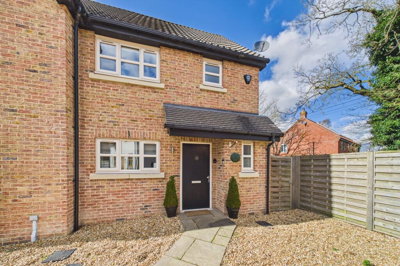
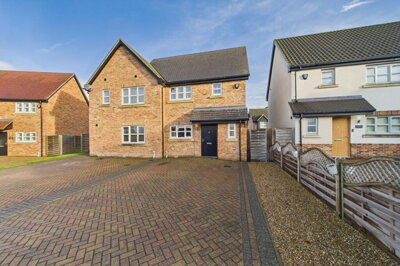
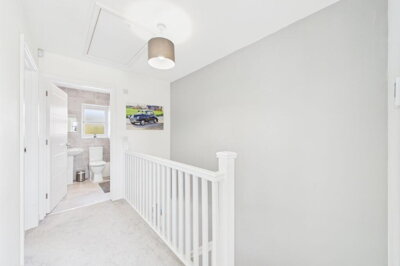
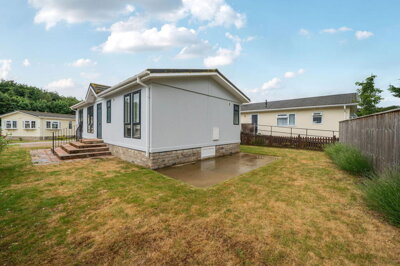
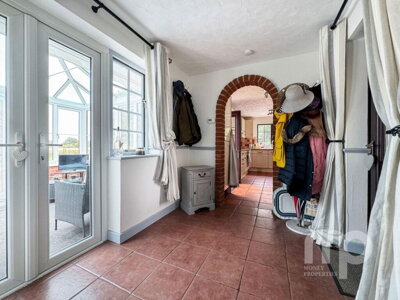
Browse 5 homes for sale in Hockham, Breckland from local estate agents.
The 2 bed house market features detached, semi-detached, and terraced properties with two separate bedrooms plus living spaces. Properties in Hockham range from Victorian and Edwardian period homes to modern new builds, with pricing varying across different neighbourhoods.
£0k
0
0
0
Source: home.co.uk
Showing 0 results for 2 Bedroom Houses for sale in Hockham, Breckland.
The Hockham property market reflects the broader trends affecting rural Norfolk, with values adjusting following the significant growth seen during the pandemic years. Current data shows an average price paid of £304,000 as of February 2026, representing a 22% fall over the last 12 months. Zoopla reports a slightly higher figure of £371,250 for the past year, while Rightmove indicates £342,143 as the overall average. These variations reflect different methodologies and the mix of properties sold during each measurement period.
Property types in Great Hockham have achieved varying price points over the last year. Detached properties command the highest values at an average of £355,833, reflecting the premium placed on space and privacy in rural locations. Terraced properties have sold for an average of £260,000, while semi-detached homes achieved £249,000. Flats remain less common in this village setting, and specific average price data for apartment-style properties in Hockham is not currently verified.
The village has seen limited new build activity, with a development of 18 family homes by Broadland Housing Association completing on Wretham Road in May 2023. This scheme included 10 affordable homes (8 for rent and 2 for shared ownership) alongside 8 open market properties. Beyond this development, the local housing stock consists predominantly of traditional properties constructed using the materials and methods characteristic of East Anglia, including brick, flint, and clay lump construction. The proportion of older properties predating 1967 is likely to be significant given the rural character of the village and its heritage designations.

Understanding the construction methods common in Hockham properties helps buyers appreciate both the character and the potential maintenance considerations of homes in this area. The predominant building materials reflect the local geology, with Norfolk Reds brick, flint, and clay lump construction forming the backbone of the traditional housing stock. Clay lump construction is unique to East Anglia and typically features walls built on low brick or flint plinths, finished with clay or lime renders that allow the structure to breathe. This traditional method creates thick walls with good thermal mass, though the material requires appropriate maintenance to prevent moisture-related issues.
Timber framing with wattle and daub infill was also historically common in the region, and some properties may contain elements of this construction method beneath latercladding or rendering. Flint was readily available locally and was traditionally used for wall construction, particularly in combination with brick for quoins and door surrounds. The warm reddish tones of Norfolk brick remain a defining feature of the village streetscene, with properties often displaying the craftsmanship of local builders working with materials sourced from nearby deposits.
The Breckland geology includes chalk, flint, and areas of boulder clay, which means clay-rich soils are present in the region. These soils can exhibit shrink-swell behaviour in response to moisture changes, potentially causing subsidence or heave issues particularly during prolonged dry spells or where large trees are present near foundations. A thorough property survey will assess these geological considerations and identify any signs of structural movement that might require further investigation. Given the age of much of the local housing stock, buyers should expect to encounter traditional construction methods throughout the village.
Hockham sits within the distinctive Breckland landscape of Norfolk, an area characterised by its unique geology and natural beauty. The region features chalk, flint, and patches of boulder clay deposits, with the local building tradition reflecting these materials through brick, flint, and the unusual clay lump construction method that is unique to East Anglia. Properties in the village often display the warm tones of Norfolk Reds brickwork combined with flint detailing, creating the charming aesthetic that defines this part of the county.
The village provides essential amenities for daily life while maintaining its rural character. The broader Breckland district encompasses market towns including Thetford and Swaffham, offering supermarkets, independent shops, and regular markets. Local attractions include the Brecks, a designated National Character Area renowned for its military training history, ancient pine forests, and rare heathland habitats. The area attracts visitors throughout the year with its network of walking trails, cycling routes, and opportunities to observe wildlife including the famous stone curlew. The community spirit in Hockham remains strong, with the village hall and local pub serving as focal points for residents.
Norfolk's economy offers diverse employment opportunities across sectors including clean energy, agri-food and agri-tech, advanced manufacturing and engineering, digital and ICT services, financial services, and tourism. The construction sector also plays a significant role in the regional economy. While specific local employment opportunities within Hockham itself are limited given its village status, the wider Norfolk economy provides options for those working remotely or commuting to larger centres. The peaceful rural setting combined with reasonable access to larger towns makes Hockham an attractive base for those who can work flexibly or who are approaching retirement.
Families considering a move to Hockham will find educational options available within reasonable travelling distance. The village falls within the Breckland local authority area, which maintains a network of primary schools serving rural communities. Primary education in the surrounding villages provides an intimate setting where teachers know students individually, fostering strong academic foundations during the early years. The specific Ofsted ratings and performance data for the nearest primary schools should be verified directly through the Ofsted website when considering a specific property location.
Secondary education options include schools in nearby market towns, with students typically travelling to schools in Thetford approximately 15 miles away, or to Swaffham which also offers secondary provision. The distance and transport arrangements will vary depending on the specific school catchment area applicable to a chosen property. For families seeking grammar school education, the nearest grammar schools are located in competitive areas requiring pass marks for entry, and parents should research admission arrangements carefully before committing to a property purchase.
Sixth form and further education provision is available at colleges in the larger towns of Norfolk, including Norwich, which is accessible via the A11 route. Parents should always verify current school admissions policies, catchment area boundaries, and transport arrangements, as these can change and directly impact the educational options available to their children. The Norfolk County Council school admissions website provides comprehensive information about schools, catchment areas, and application procedures for families relocating to the region.
Transport connectivity from Hockham reflects its rural Norfolk location, with residents typically relying on private vehicles as the primary means of transport for most journeys. The village sits within reasonable distance of major road routes, with the A11 providing access to Norwich to the north (approximately 30 miles) and Cambridge to the south, while the A14 offers connections to Bury St Edmunds and the wider motorway network. The journey to Norwich by car typically takes around 45 minutes to an hour depending on traffic conditions, making Hockham a feasible base for those who split their working week between home and office.
The nearest railway stations are located in surrounding towns, with Norwich offering the most comprehensive rail connections including regular services to London Liverpool Street with journey times of approximately two hours. Cambridge station provides alternative rail access with connections to London King's Cross and Cambridge itself is reachable in around 40 minutes by car. Bus services operate in the area connecting Hockham with nearby villages and market towns, though frequencies are limited compared to urban routes and schedules should be checked with local operators.
Cyclists benefit from quieter rural lanes and the generally flat East Anglian landscape, though longer distances between destinations mean cycling is primarily practical for local journeys rather than commuting to larger towns. Parking availability in the village is generally good, reflecting the lower density of traffic in this peaceful rural community. For those considering Hockham as a base, factoring in the necessity of private vehicle ownership is important, as public transport alternatives are limited for daily requirements and evening or weekend travel.
Spend time exploring Hockham and surrounding villages to understand the local property market, amenities, and community atmosphere. Visit at different times of day and week, check out local pubs and shops, and talk to residents about their experience of living in the area. Pay particular attention to the condition and construction type of properties you view, noting features like brick and flint detailing or clay lump walls that are characteristic of the locality.
Contact a mortgage broker or lender to obtain an Agreement in Principle before you start viewing properties. Given the current market conditions with prices having corrected from the 2022 peak, there may be opportunities for buyers to secure properties at competitive values. An Agreement in Principle strengthens your position when making offers and demonstrates to sellers that you are a serious buyer with financing in place.
Use Homemove to browse available properties in Hockham and schedule viewings with the listed estate agents. Take notes during each viewing and ask about the property age, construction materials, any recent renovations, and the results of previous surveys. For older properties, about the maintenance history of traditional construction elements like renders, brickwork, and flint detailing.
Before proceeding with a purchase, arrange a RICS Level 2 Survey to assess the property condition. Given the traditional building materials in Hockham, including brick, flint, and clay lump construction, a professional survey is particularly valuable for identifying any issues specific to these construction types. The typical cost of a RICS Level 2 Survey in Norfolk is around £498.95, with the national average ranging between £416 and £639 depending on property size and value.
Choose a conveyancing solicitor to handle the legal aspects of your purchase. They will conduct searches, review contracts, and manage the transfer of ownership through to completion. For properties in conservation areas or those that are listed buildings, additional searches and considerations may apply that your solicitor should advise on.
Once all surveys, searches, and legal work are satisfactory, you will exchange contracts and pay your deposit. Completion typically follows within a few weeks, after which you will receive the keys to your new Hockham home. Given the rural nature of the village, consider arrangements for utilities, broadband, and other services when taking ownership of your new property.
Purchasing a property in Hockham requires attention to several area-specific factors that reflect the local building heritage and geological conditions. The Breckland district contains numerous listed buildings and properties within conservation areas, which means buyers should verify whether their potential new home carries any listed building status or planning restrictions that might affect future renovations or extensions. To determine if a specific property lies within a conservation area or is listed, the Breckland Council's My Maps system or Historic England's National Heritage List for England would need to be consulted.
The clay lump construction method used in some East Anglian properties requires specialist knowledge during survey and maintenance, as this traditional material can be susceptible to moisture ingress if original renders have deteriorated. A thorough RICS Level 2 Survey will assess these risks and identify any signs of structural movement that might require further investigation. Look for evidence of cracking, bulging walls, or deterioration of renders that might indicate underlying issues with clay lump construction.
The geological conditions in Norfolk, with its chalk, flint, and areas of boulder clay, mean that clay-rich soils are present in the region. These soils can exhibit shrink-swell behaviour in response to moisture changes, potentially causing subsidence or heave issues particularly during prolonged dry spells or where large trees are present near foundations. Surveyors will look for signs of subsidence including cracking patterns, doors and windows that stick, and uneven floors. Properties with large trees nearby, or those that have experienced significant vegetation changes, warrant particularly careful assessment. Buyers should also verify the tenure of properties, as while leasehold properties are less common in rural villages, they do exist, and understanding ground rent obligations and any service charges is essential before committing to a purchase.
The average property price in Hockham varies depending on the data source. Rightmove reports an overall average of £342,143 over the past year, which was 6% down on the previous year and 24% down from the 2022 peak of £448,667. Zoopla indicates £371,250 for the last 12 months, while other data shows £304,000 as the average price paid as of February 2026. Detached properties average £355,833, terraced properties £260,000, and semi-detached homes £249,000. The property market has seen a 22% reduction over the last 12 months, offering opportunities for buyers seeking value in rural Norfolk.
Properties in Hockham fall under Breckland Council's jurisdiction for council tax purposes. Specific band distributions for Hockham parish can be verified through the Valuation Office Agency website or the Breckland Council local tax records. Each property is assigned a band from A through H based on its assessed value, with bands A through D typically applying to properties of lower value and bands E through H reserved for higher value homes. Given the village's mix of property types from traditional cottages to larger family homes, council tax bands will vary accordingly.
Hockham itself is a small village parish, with primary education typically provided by schools in nearby villages. The nearest primary schools serve the immediate surrounding communities, with secondary schools located in market towns such as Thetford approximately 15 miles away and Swaffham. Parents should consult the Norfolk County Council school admissions website to verify current catchment areas, check individual school Ofsted ratings, and understand transport arrangements, as school transport eligibility depends on distance from the school and specific criteria.
Hockham has limited public transport connections reflecting its rural Norfolk location. Bus services operate between villages and market towns, though frequencies are lower than in urban areas. The nearest major railway stations are located in Norwich offering services to London Liverpool Street and in Cambridge with connections to London King's Cross. Residents typically rely heavily on private vehicles for daily commuting and accessing services not available locally. The A11 provides road access to Norwich city and the A14 offers routes to Cambridge and beyond, with Norwich approximately 30 miles north and Cambridge around 40 miles south.
Hockham and the broader Breckland area offer different investment considerations compared to urban markets. The village provides a peaceful lifestyle appealing to buyers seeking rural living, with property prices having corrected following the pandemic peak. The area's heritage, with 50 conservation areas and over 1,600 listed buildings across Breckland, suggests demand for character properties will persist. However, rural properties may experience longer marketing times and lower liquidity than urban homes. The local economy benefits from Norfolk's diverse sectors including clean energy, agriculture, and tourism, though specific local employment opportunities in Hockham itself are limited given its village status.
Stamp duty rates for England from April 2025 start at 0% for properties up to £250,000, rising to 5% on the portion between £250,001 and £925,000, 10% between £925,001 and £1.5 million, and 12% above £1.5 million. First-time buyers benefit from relief on properties up to £625,000, paying 0% up to £425,000 then 5% between £425,001 and £625,000. Given the average Hockham price of £342,143, a standard buyer would pay no stamp duty, while first-time buyers would also pay nothing on this valuation. Properties priced above £250,000 would incur stamp duty at the standard rates on the portion exceeding that threshold.
Hockham is located within the Breckland District, which contains 50 designated Conservation Areas and over 1,600 listed buildings in total. All of Breckland's Conservation Areas also contain listed buildings, indicating the heritage significance of the region. To determine if a specific property in Hockham lies within a conservation area or is listed, prospective buyers should consult the Breckland Council's My Maps system online or search the Historic England's National Heritage List for England database. Listed buildings may require specialist surveys and Listed Building Consent for certain alterations, adding considerations to the purchase process.
From £498
A detailed inspection of the property condition, ideal for traditional properties common in Hockham
From £625
A comprehensive building survey recommended for older or complex properties
From £85
Energy Performance Certificate required for all property sales
From £499
Legal services to handle your property purchase
Understanding the full costs of buying a property in Hockham helps you budget accurately for your purchase. The current stamp duty land tax rates in England apply to the purchase price, with the nil-rate threshold sitting at £250,000 for standard buyers as of April 2025. Given that the average property price in Hockham stands at approximately £342,143, many properties will attract minimal or no stamp duty. For properties priced above £250,000, a 5% rate applies on the portion between £250,001 and £925,000. First-time buyers benefit from more generous thresholds, paying no stamp duty on the first £425,000 of their purchase.
Beyond stamp duty, buyers should budget for solicitor conveyancing fees, which typically start from £499 for a straightforward transaction but can increase depending on complexity. A RICS Level 2 Survey costs approximately £498 on average in Norfolk, rising for larger or more valuable properties. An Energy Performance Certificate is legally required and costs from around £85. Mortgage arrangement fees vary by lender, ranging from zero to several hundred pounds, while broker fees if applicable may be charged as a percentage of the loan or a fixed fee.
Additional costs to factor in include search fees charged by local authorities (typically £200-300), land registry fees for title registration, and bank transfer charges. Survey costs in Hockham align with the Norfolk average of around £498.95 for a Level 2 survey, though larger or more complex properties may incur higher fees. Budgeting 1-2% of the property price for legal fees, survey costs, and miscellaneous expenses provides a reasonable contingency for the purchase process. For a property at the average Hockham price of £342,143, this would represent approximately £3,400 to £6,800 in additional buying costs beyond the deposit and mortgage.
Properties for Sale In London

Properties for Sale In Plymouth

Properties for Sale In Liverpool

Properties for Sale In Glasgow

Properties for Sale In Sheffield

Properties for Sale In Edinburgh

Properties for Sale In Coventry

Properties for Sale In Bradford

Properties for Sale In Manchester

Properties for Sale In Birmingham

Properties for Sale In Bristol

Properties for Sale In Oxford

Properties for Sale In Leicester

Properties for Sale In Newcastle

Properties for Sale In Leeds

Properties for Sale In Southampton

Properties for Sale In Cardiff

Properties for Sale In Nottingham

Properties for Sale In Norwich

Properties for Sale In Brighton

Properties for Sale In Derby

Properties for Sale In Portsmouth

Properties for Sale In Northampton

Properties for Sale In Milton Keynes

Properties for Sale In Bournemouth

Properties for Sale In Bolton

Properties for Sale In Swansea

Properties for Sale In Swindon

Properties for Sale In Peterborough

Properties for Sale In Wolverhampton

Enter your details to see if this property is within your budget.
Loans, cards, car finance
Estimated property budget
Borrowing + deposit
You could borrow between
Typical borrowing
Monthly repayment
Est. at 4.5%
Loan-to-value
This is an estimate only. Your actual budget may vary depending on interest rates, credit history, and personal circumstances. For an accurate affordability assessment, speak to one of our free mortgage advisors.
This calculator provides estimates for illustrative purposes only and does not constitute financial advice. Your home may be repossessed if you do not keep up repayments on your mortgage. Estimates based on 4.5% interest rate, repayment mortgage. Actual rates depend on your circumstances.
Homemove is a trading name of HM Haus Group Ltd (Company No. 13873779, registered in England & Wales). Homemove Mortgages Ltd (Company No. 15947693) is an Appointed Representative of TMG Direct Limited, trading as TMG Mortgage Network, which is authorised and regulated by the Financial Conduct Authority (FRN 786245). Homemove Mortgages Ltd is entered on the FCA Register as an Appointed Representative (FRN 1022429). You can check registrations at NewRegister or by calling 0800 111 6768.

We use cookies to show you personalised content and improve your experience of our website. Find out more in our Privacy policy and Cookie policy.