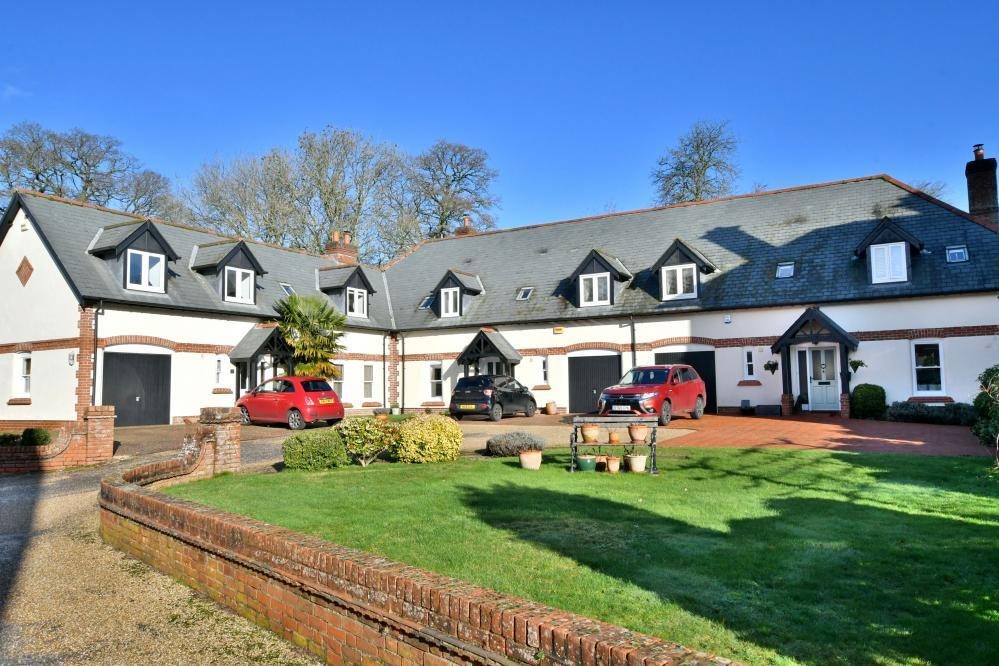
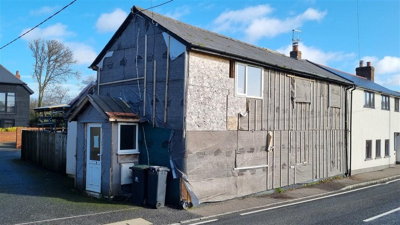
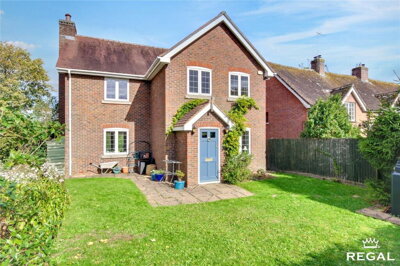
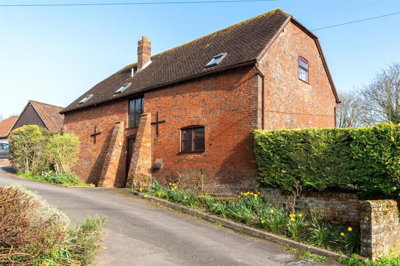
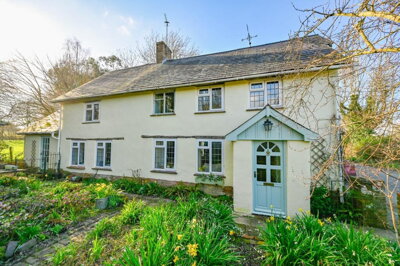
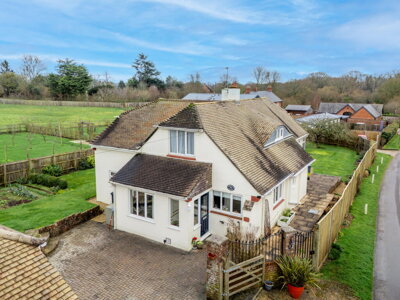
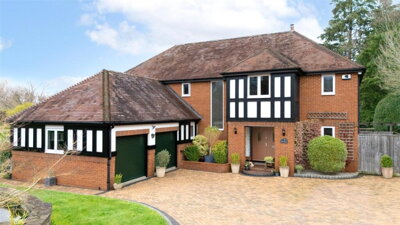
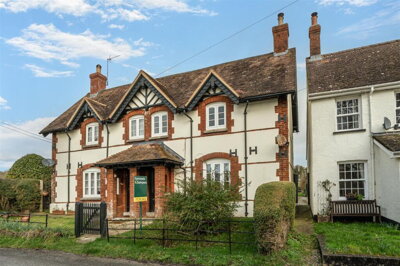
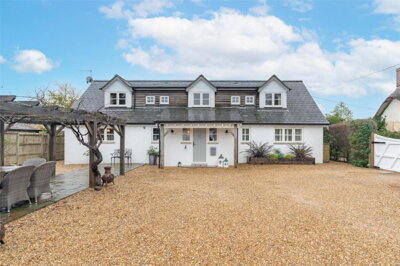
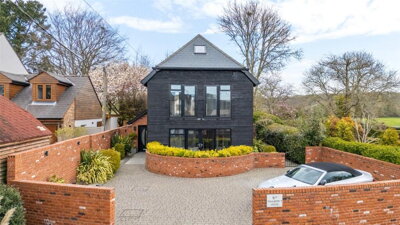
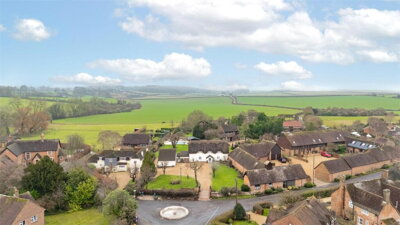
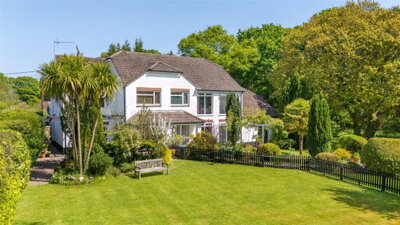
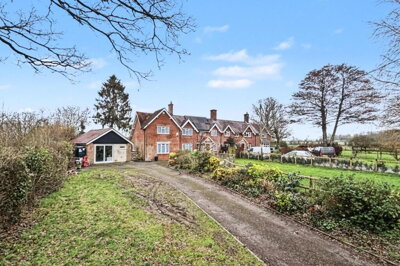
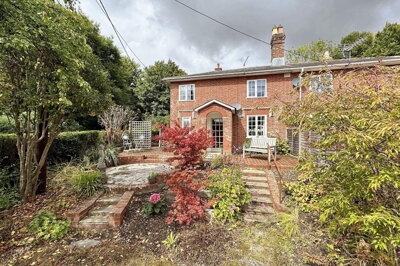
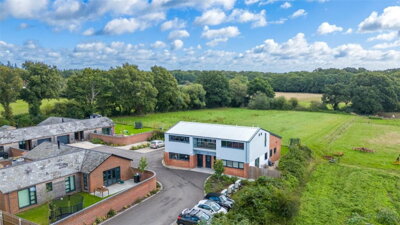
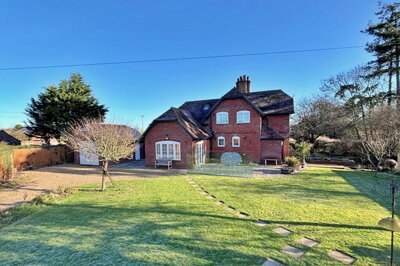
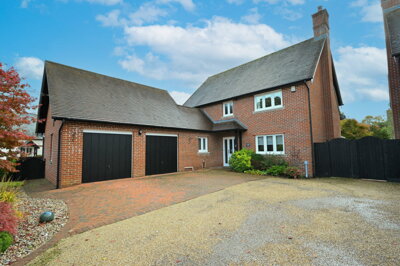
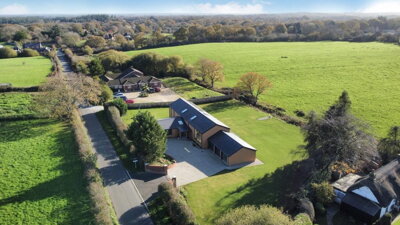
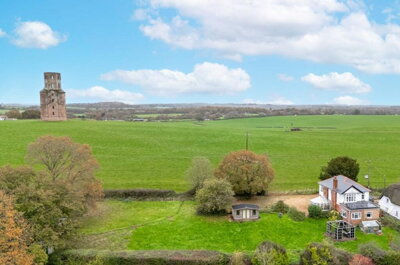
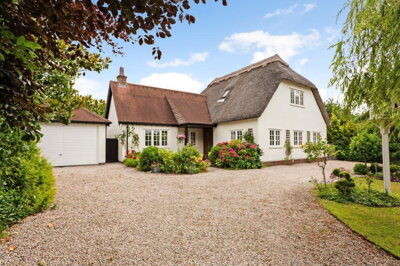
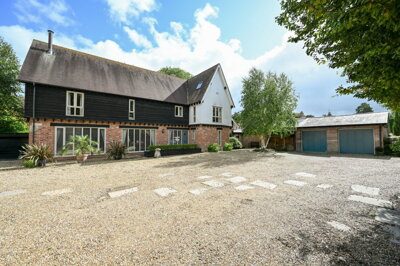
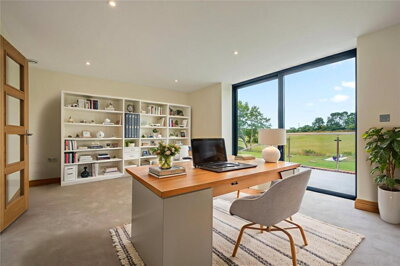
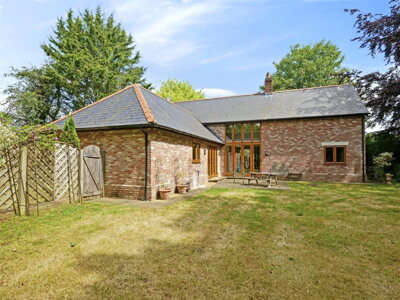
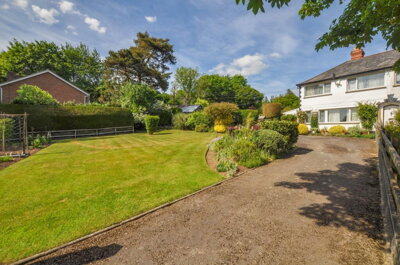
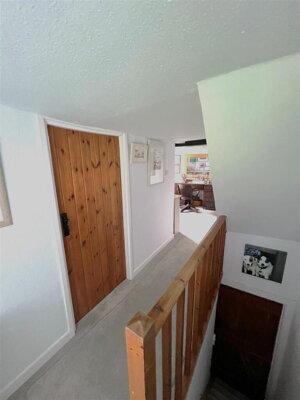
Browse 29 homes for sale in Hinton from local estate agents.
The St. Kew property market offers a range of housing options to suit different budgets and preferences. Detached properties command the highest prices, with the average sitting at £485,000, reflecting the desirability of spacious family homes with gardens in this rural setting. Semi-detached properties provide more accessible entry points at around £300,000, while terraced homes can be found from approximately £275,000, making them attractive options for first-time buyers or those seeking a holiday let investment. Flats are uncommon in this village setting, though the wider Cornwall average for apartments sits around £200,000.
The housing stock in St. Kew predominantly features traditional stone-built cottages and farmhouses dating from the pre-1919 period, constructed using local stone and topped with slate roofs. These historic properties retain much of their original character, including features such as exposed beams, inglenook fireplaces, and thick stone walls that provide natural thermal mass. Properties from various periods of the 20th century add further variety to the market, while post-1980 builds are limited to individual infill developments or small clusters. This mix means buyers can choose between period character homes requiring some modernisation or more contemporary properties offering turn-key convenience.
New build activity specifically within the St. Kew postcode area (PL30 5) remains limited, with most new development concentrated in larger nearby towns such as Wadebridge and Bodmin. This scarcity of new supply has helped maintain property values in the village, as discerning buyers recognise the rarity of acquiring a character property in such a well-connected rural location. The combination of limited stock, traditional construction quality, and the enduring appeal of North Cornwall ensures the St. Kew market remains active despite its small scale, with typically around 10 property sales completing each year.

Understanding the traditional construction methods used in St. Kew properties helps buyers appreciate the character and maintenance requirements of these historic homes. The village and surrounding parish feature a distinctive building style rooted in Cornwall's rural heritage, with local materials sourced from the immediate landscape. Stone walls, typically constructed from Devonian slate and sandstone quarried locally, form the structural backbone of most period properties in the area. These materials have proven durable over centuries, though they require different maintenance approaches compared to modern brick construction.
Lime mortar pointing was traditionally used in St. Kew's historic buildings, allowing the stone walls to breathe and release moisture naturally. Many older properties in the village have had sections of lime mortar replaced with cement pointing, which can trap moisture within the stonework and lead to deterioration over time. Prospective buyers should look for evidence of appropriate lime mortar repointing, particularly on south-facing walls where weather exposure is greatest. The thick walls of these traditional properties, typically 300-450mm thick, provide excellent thermal mass that helps regulate internal temperatures throughout the year.
Slate roofing predominates throughout St. Kew, with material sourced from Cornish quarries that produced roofing slate of exceptional quality. Many properties still feature original or early-generation slate that has served reliably for generations, though the condition of these traditional roofs varies considerably depending on maintenance history. Natural slate requires careful handling during repairs, and matching replacement slates can be challenging as production from Cornish quarries has declined. Buyers should budget for periodic maintenance of slate roofs, including repointing of ridge tiles and replacement of any slipped or damaged slates.
Life in St. Kew revolves around community, countryside, and the slower pace that rural Cornwall offers. The village centres around the magnificent Grade I listed St. James' Church, a medieval landmark that dominates the local skyline and serves as a focal point for village events and celebrations. The historic Kelvin House Farm shop provides locally sourced produce, while the nearby St. Kew Highway offers essential services including a petrol station and convenience store. For dining, the village pub provides a welcoming atmosphere where locals gather for Sunday roasts and community quiz nights throughout the year.
The local economy around St. Kew is largely driven by agriculture, with farming remaining central to the parish character, alongside tourism and small businesses serving the wider North Cornwall area. Many residents enjoy the best of both worlds by working remotely or commuting to larger towns like Wadebridge, Bodmin, or even Truro for employment while residing in this peaceful village setting. The area attracts a diverse mix of permanent residents, including families seeking space for children to roam safely, retired couples downsizing from larger properties, and professionals who value the ability to work from home surrounded by beautiful countryside.
The desirability of St. Kew and surrounding North Cornwall for second homes and holiday lets has influenced the local property market, with some properties purchased as weekend retreats or investment opportunities. This demand adds vibrancy to the community while also contributing to local economic activity through tourism spending. The village benefits from an active community spirit, with events organised through the village hall and regular gatherings that bring residents together throughout the seasons. Outdoor pursuits are abundant, with easy access to the Camel Trail for cycling and walking, while the north coast beaches at Polzeath and Rock remain within a short drive for surfing and coastal walks.
Families considering a move to St. Kew will find several educational options within easy reach of the village. St. Kew Primary School serves the immediate community, providing education for children from reception through to Year 6. This village school maintains strong links with the local community and typically offers small class sizes that allow for individual attention. For secondary education, students typically travel to Wadebridge School, a well-established comprehensive school that serves the wider North Cornwall area and offers a range of academic and vocational qualifications.
The wider North Cornwall area provides additional educational opportunities, including grammar schools in nearby towns for those who meet the entrance criteria. For families seeking independent education, several private schools in Cornwall offer boarding and day options, with some located within reasonable driving distance of St. Kew. Further education and sixth form provision can be found at schools in Bodmin and Truro, ensuring that students have clear pathways through their education regardless of whether they choose academic A-levels or vocational qualifications.
When purchasing property in St. Kew, parents should research specific school catchments and admission arrangements carefully, as catchment areas can significantly impact school placements. The proximity to quality schools remains a key factor for families moving to the area, and properties within good school catchments often command premium values. Visiting schools during open days and speaking with current parents can provide valuable insights into the educational environment before committing to a property purchase in this sought-after location.
St. Kew benefits from excellent road connections that make car travel the primary mode of transport for most residents. The village sits just off the A39 Atlantic Highway, providing direct access to Wadebridge approximately 4 miles to the north and Bodmin to the east. This main road connects through to Barnstaple in Devon and to the M5 motorway, giving residents straightforward access to the national motorway network. The nearby A30 trunk road offers additional routes to Truro and the south of Cornwall, making regional travel convenient for both work and leisure purposes.
Public transport options serving St. Kew include bus routes that connect the village to Wadebridge and surrounding towns, though frequencies are limited compared to urban areas and may not suit those requiring daily commuting options. The nearest railway stations are at Bodmin Parkway (with services to London Paddington via Plymouth) and the more local station at Roche, providing connections for occasional rail travel. For daily commuters to major employment centres, driving to a station with better parking facilities or using the bus to connect with train services forms the most practical approach.
Cycling is increasingly popular in the St. Kew area, with the nearby Camel Trail providing an excellent traffic-free route between Wadebridge and the coast at Padstow. The trail forms part of the National Cycle Network and is suitable for all ages and abilities, making cycling a viable option for leisure and occasional shopping trips to Wadebridge. For commuters to larger towns, cycle storage facilities at stations have improved in recent years, supporting those who combine cycling with rail travel. The peaceful country lanes surrounding St. Kew also offer pleasant cycling opportunities for those comfortable sharing roads with vehicles, though cycling as a primary commute option remains limited given the rural location.

Start by exploring current listings in St. Kew and the surrounding North Cornwall area. Understanding the average prices for different property types (detached homes average £485,000, semi-detached around £300,000) will help you set realistic expectations and identify properties that match your budget and requirements. Pay particular attention to property age and construction type, as many homes in this village are traditional stone buildings that may require different maintenance approaches compared to modern properties.
Before viewing properties, secure a mortgage agreement in principle from a lender. This document demonstrates to sellers that you have financial backing and can move quickly when you find your ideal property. With average prices around £408,000, most buyers will require a mortgage, and having this in place strengthens your negotiating position considerably in what can be a competitive local market.
View multiple properties in St. Kew to compare the quality of different homes, the condition of traditional stone construction, and the practical aspects of living in this rural location. Pay particular attention to the age of properties, any signs of damp in older stone cottages, and the condition of slate roofs which commonly require maintenance. Viewing properties at different times of day can reveal lighting conditions and any traffic or noise considerations.
Once your offer is accepted, arrange a RICS Level 2 Survey (Homebuyer Report) to assess the property condition. For properties in St. Kew, expect to pay between £400 and £900 depending on property size and value. This survey will identify defects common in older Cornish properties, including potential radon issues, timber defects, and the condition of traditional construction. Given the prevalence of pre-1919 properties in the village, a thorough survey is particularly valuable.
Appoint a solicitor to handle the legal aspects of your purchase, including local searches, title checks, and contract exchange. Your solicitor will investigate any planning restrictions, conservation area implications, and ensure the property's history is clear before you commit fully to the purchase. For listed buildings or properties with unusual features, additional specialist searches may be required.
Once all legal requirements are satisfied and your mortgage is finalised, you will exchange contracts and pay your deposit. Completion typically follows shortly after, when the remaining funds are transferred and you receive the keys to your new St. Kew home. At this point, you should arrange buildings insurance, which must be in place from exchange of contracts onwards.
Properties in St. Kew require careful inspection due to the prevalence of traditional stone construction and older buildings in the village. The local geology comprises Devonian slates and sandstones, which generally present lower shrink-swell clay risk compared to other regions, but localised ground movement can still occur, particularly near trees or where drainage systems are inadequate. When viewing properties, look for signs of subsidence such as cracking to walls, doors that stick, or uneven floors, which may indicate underlying ground movement that requires further investigation.
Radon gas represents a significant consideration for property buyers in Cornwall, as the county falls within a high radon risk area. St. Kew properties should have been tested for radon levels, and if elevated concentrations are found, mitigation measures such as positive ventilation systems or radon sumps may have been installed. A RICS Level 2 Survey will check for existing radon test results and report on any mitigation measures, but buyers purchasing older properties without current certificates should budget for testing as part of their purchase costs.
The condition of traditional slate roofs requires particular attention when buying in St. Kew. Many properties feature original or early slate roofing that can suffer from slipped or broken tiles, deteriorated pointing, and timber decay to the supporting structure. Regular maintenance of these traditional roofs is essential, and potential buyers should seek evidence of recent roof repairs or renewal. Similarly, older properties often have solid walls without modern damp-proof courses, making them susceptible to rising and penetrating damp, especially where lime mortar pointing has been replaced with cement, which can trap moisture within the stonework.
Buyers should also investigate whether properties fall within any conservation area designations or include listed buildings, as these designations impose restrictions on alterations, extensions, and exterior changes. St. Kew features several listed buildings, and purchasing a listed property carries additional responsibilities and costs for maintaining its historic character. Service charges and maintenance contributions for any shared facilities should be clarified, while leasehold details and ground rent terms require careful review for any properties sold on these terms, though freehold ownership predominates in this village setting.
The average house price in St. Kew currently sits at £408,000 based on recent sales data. Detached properties average £485,000, semi-detached homes around £300,000, and terraced properties from £275,000. Prices have increased by approximately 2% over the past twelve months, reflecting sustained demand for properties in this North Cornwall village. The exact price you pay will depend on the property type, condition, size, and specific location within the parish. Given the limited number of sales each year, property prices in St. Kew can fluctuate more than in larger markets, making individual property condition a particularly important factor in assessing value.
Properties in St. Kew fall under the Cornwall Council jurisdiction for council tax purposes. Most residential properties in the village fall within council tax bands A through D, with band valuations based on the property's open market value as of April 1991. Banding for specific properties can be confirmed through the Cornwall Council website or your solicitor during the conveyancing process. As a general guide, smaller cottages and period properties often fall into lower bands, while larger detached homes may be in bands C or D. The current council tax charges for Cornwall Council range from £1,400 to £2,100 annually depending on the band, and these charges should be factored into your ongoing cost calculations when budgeting for a move to St. Kew.
St. Kew Primary School serves the immediate village community for primary education, providing classes from reception through to Year 6. This village school maintains strong links with the local community and typically offers small class sizes that allow for individual attention. For secondary education, students typically attend Wadebridge School, a comprehensive school serving the wider North Cornwall area. Several grammar schools operate in nearby towns for those meeting entry requirements. Parents should verify current catchment areas and admission policies, as these can change and directly affect school placements for families considering properties in the parish. The admissions process for Cornwall schools typically opens in November each year for the following September intake.
Public transport connectivity in St. Kew reflects its rural village location, with bus services providing the primary public transport option. Bus routes connect the village to Wadebridge and surrounding towns, though service frequencies are limited compared to urban areas. The nearest railway stations are Bodmin Parkway (with connections to London Paddington taking approximately 4 hours) and Roche station. For commuters requiring daily rail travel, driving to a station with better parking facilities is typically necessary. The A39 Atlantic Highway passes nearby, making car travel the most practical option for most residents. Those working from home will find St. Kew well-served by broadband infrastructure, supporting the growing number of remote workers in the village.
St. Kew offers several factors that may appeal to property investors. The village's proximity to popular north Cornwall beaches including Polzeath and Rock, combined with access to the Camel Trail, attracts holidaymakers throughout the year, suggesting potential for holiday let income or Airbnb rentals. Property values in North Cornwall have shown resilience and modest growth, with prices increasing 2% over the past year. However, investors should consider the limited pool of potential tenants for long-term rentals and the impact of second home demand on local property availability and prices. The holiday let market in Cornwall is subject to specific regulations, including the need for planning permission for certain types of short-term lets, and prospective investors should seek advice on these requirements before purchasing.
For properties purchased in St. Kew, standard Stamp Duty Land Tax rates apply: 0% on the first £250,000, 5% on £250,001 to £925,000, 10% on £925,001 to £1.5 million, and 12% on any amount above £1.5 million. First-time buyers benefit from relief on the first £425,000 (0% rate), with 5% applying between £425,001 and £625,000. Given the average property price of £408,000 in St. Kew, most purchases would incur no stamp duty for first-time buyers, while other buyers would pay 5% on the amount above £250,000, equating to £7,900 on an average-priced property. Your solicitor will calculate the exact SDLT liability based on your specific circumstances and any additional properties you own.
Property buyers in St. Kew should be aware of several environmental considerations specific to Cornwall. The county is classified as a high radon risk area, so properties should be tested and any necessary mitigation measures installed. Surface water flooding can occur during heavy rainfall, particularly in low-lying areas or near smaller watercourses, and the Environment Agency flood risk maps should be consulted for specific properties. Coastal erosion is not a concern for St. Kew as the village sits inland, though proximity to watercourses in the surrounding farmland should be considered. While Cornwall has a mining heritage, St. Kew itself is not a major mining area and mineworking risks are unlikely to affect properties in the village itself. Your solicitor should arrange environmental searches as part of the conveyancing process to identify any specific risks affecting a property.
Properties in St. Kew, many of which predate 1919, commonly exhibit defects typical of traditional stone construction. These include damp issues in solid-walled properties with inadequate damp-proofing, deterioration of traditional lime mortar pointing (sometimes inappropriately replaced with cement), and wear to original slate roofs including slipped tiles, broken slates, and timber decay to the supporting structure. Electrical and plumbing systems in older properties often fall below modern standards and require updating to meet current regulations. Many period homes also lack adequate insulation, leading to heat loss and higher energy costs. Timber defects including woodworm and rot can affect roof structures and floor joists, particularly where ventilation is poor. A thorough RICS Level 2 Survey will identify these issues and help you negotiate repairs or price adjustments before completing your purchase.
Understanding the full costs of purchasing property in St. Kew helps you budget accurately for your move. Beyond the property price, buyers must account for Stamp Duty Land Tax (SDLT), which applies to all purchases above £250,000. For a typical St. Kew property at the current average price of £408,000, a standard buyer purchasing with a mortgage would pay SDLT at 5% on the amount exceeding £250,000, resulting in a tax liability of £7,900. First-time buyers purchasing properties up to £425,000 would pay no SDLT, making the market particularly accessible for those taking their first step onto the property ladder.
Solicitor conveyancing fees for buying in St. Kew typically range from £500 to £1,500 depending on the complexity of the transaction and whether the property is freehold or leasehold. Your solicitor's fees cover title investigations, local authority searches (including Cornwall Council searches), contract preparation, and registration of your ownership at the Land Registry. Disbursements, which are third-party costs passed through by your solicitor, can add several hundred pounds and include items such as Land Registry fees and bankruptcy searches. For leasehold properties, notice fees and any consent requirements may incur additional charges.
Survey costs represent another important budget item, particularly given the age and traditional construction of many St. Kew properties. A RICS Level 2 Survey (Homebuyer Report) typically costs between £400 and £900 depending on property size and value, providing a thorough assessment of condition that can reveal defects requiring attention or negotiation. For listed buildings or properties requiring more detailed structural assessment, a RICS Level 3 Building Survey may be appropriate, though costs will be higher. Additionally, mortgage arrangement fees typically range from 0% to 2% of the loan amount, though many lenders now offer fee-free mortgages that compensate through slightly higher interest rates. Building insurance must be in place from exchange of contracts, and removals costs should also be factored into your moving budget.
Properties for Sale In London

Properties for Sale In Plymouth

Properties for Sale In Liverpool

Properties for Sale In Glasgow

Properties for Sale In Sheffield

Properties for Sale In Edinburgh

Properties for Sale In Coventry

Properties for Sale In Bradford

Properties for Sale In Manchester

Properties for Sale In Birmingham

Properties for Sale In Bristol

Properties for Sale In Oxford

Properties for Sale In Leicester

Properties for Sale In Newcastle

Properties for Sale In Leeds

Properties for Sale In Southampton

Properties for Sale In Cardiff

Properties for Sale In Nottingham

Properties for Sale In Norwich

Properties for Sale In Brighton

Properties for Sale In Derby

Properties for Sale In Portsmouth

Properties for Sale In Northampton

Properties for Sale In Milton Keynes

Properties for Sale In Bournemouth

Properties for Sale In Bolton

Properties for Sale In Swansea

Properties for Sale In Swindon

Properties for Sale In Peterborough

Properties for Sale In Wolverhampton

Enter your details to see if this property is within your budget.
Loans, cards, car finance
Estimated property budget
Borrowing + deposit
You could borrow between
Typical borrowing
Monthly repayment
Est. at 4.5%
Loan-to-value
This is an estimate only. Your actual budget may vary depending on interest rates, credit history, and personal circumstances. For an accurate affordability assessment, speak to one of our free mortgage advisors.
This calculator provides estimates for illustrative purposes only and does not constitute financial advice. Your home may be repossessed if you do not keep up repayments on your mortgage. Estimates based on 4.5% interest rate, repayment mortgage. Actual rates depend on your circumstances.
Homemove is a trading name of HM Haus Group Ltd (Company No. 13873779, registered in England & Wales). Homemove Mortgages Ltd (Company No. 15947693) is an Appointed Representative of TMG Direct Limited, trading as TMG Mortgage Network, which is authorised and regulated by the Financial Conduct Authority (FRN 786245). Homemove Mortgages Ltd is entered on the FCA Register as an Appointed Representative (FRN 1022429). You can check registrations at NewRegister or by calling 0800 111 6768.

We use cookies to show you personalised content and improve your experience of our website. Find out more in our Privacy policy and Cookie policy.