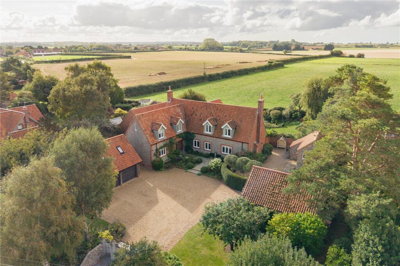
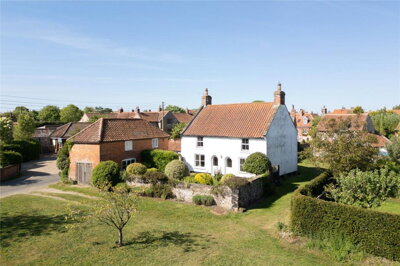
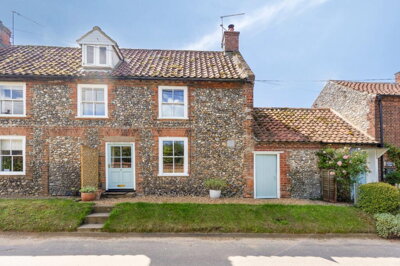
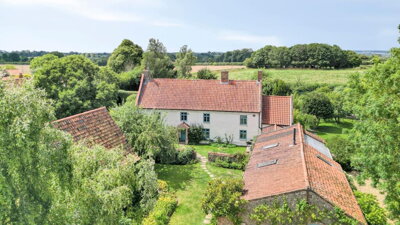
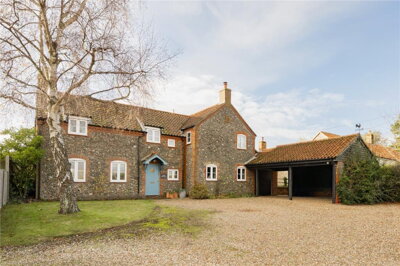
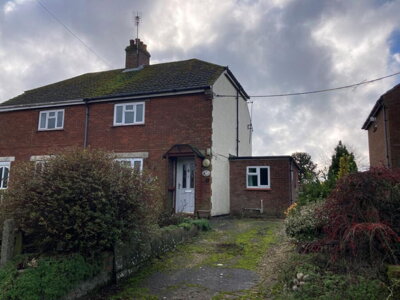
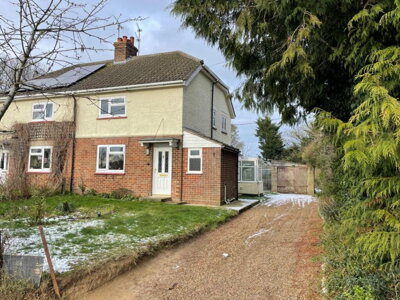
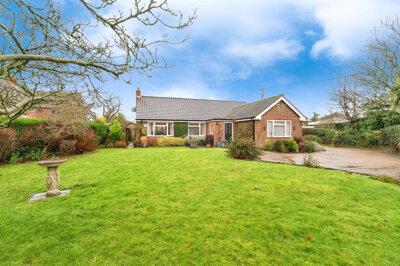
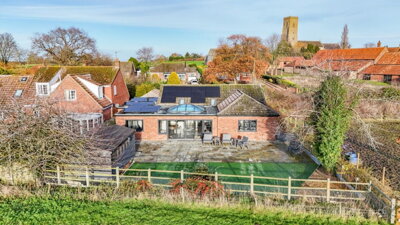
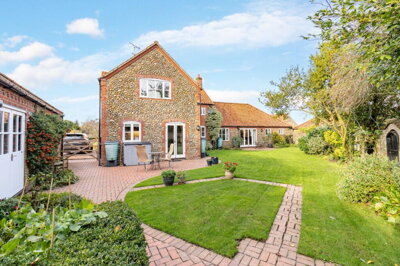
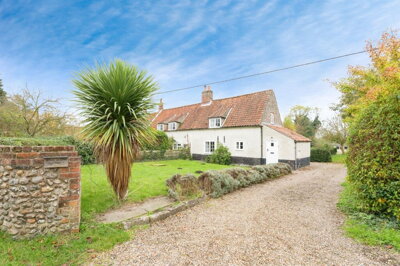
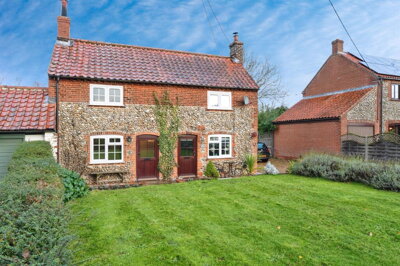
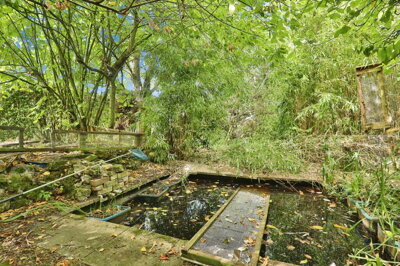
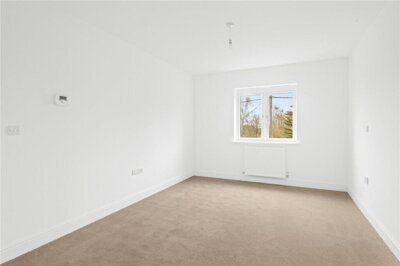
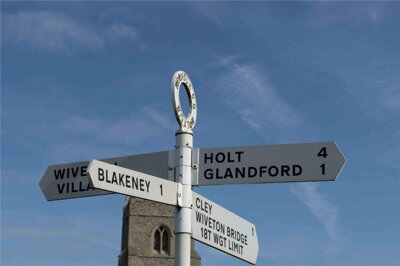
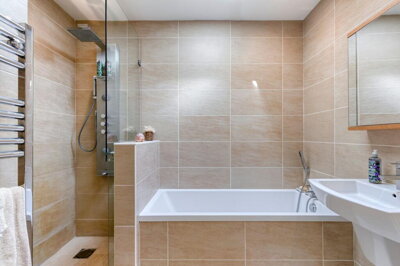
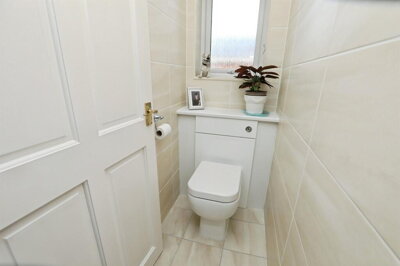
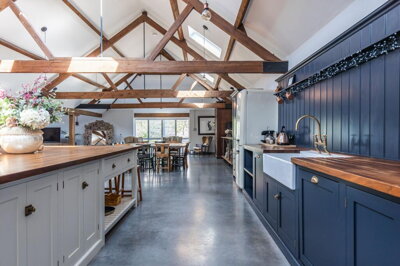
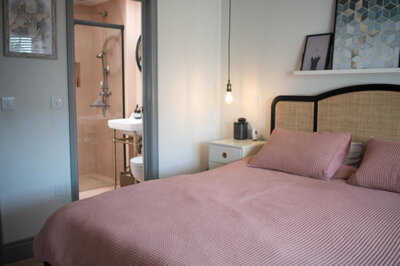
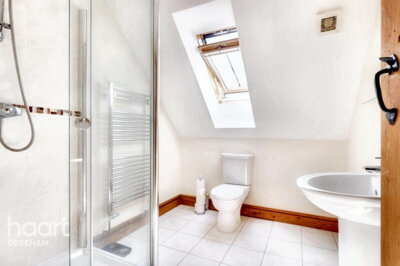
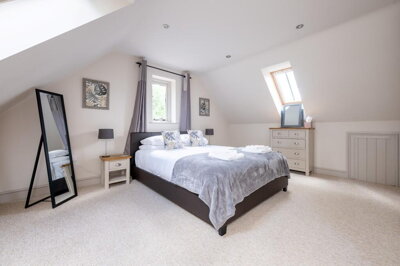
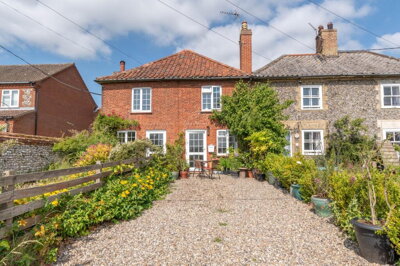
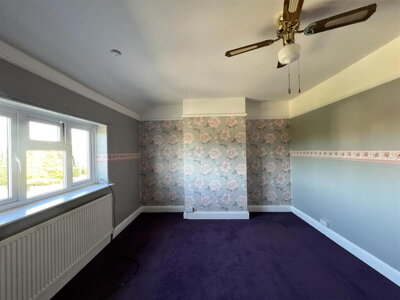
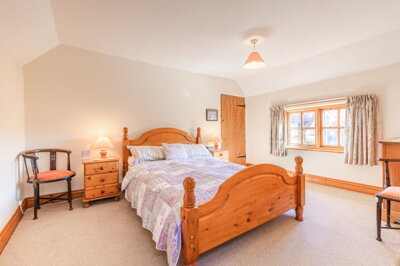
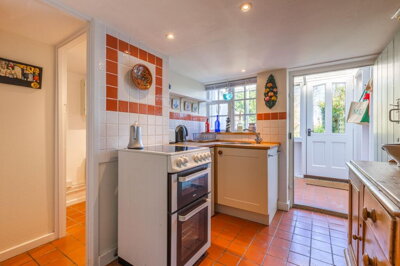
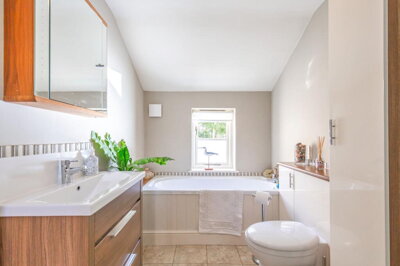
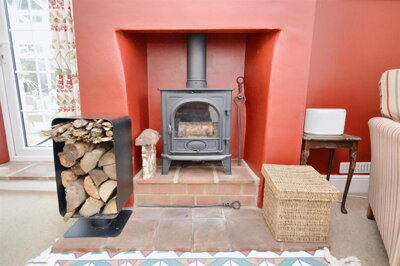
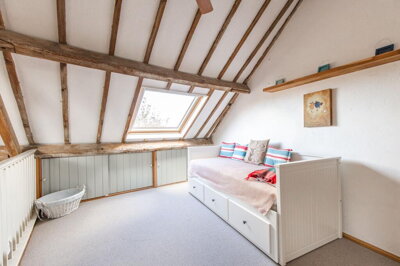
Browse 33 homes for sale in Hindringham, North Norfolk from local estate agents.
The Hindringham property market offers detached, semi-detached, and terraced houses spanning various price ranges and neighbourhoods. Each listing includes detailed property information, photographs, and direct contact with the marketing agent.
£440k
5
0
183
Source: home.co.uk
Showing 5 results for Houses for sale in Hindringham, North Norfolk. The median asking price is £440,000.
Source: home.co.uk
Detached
2 listings
Avg £1.05M
Terraced
2 listings
Avg £485,000
Semi-Detached
1 listings
Avg £230,000
Source: home.co.uk
Source: home.co.uk
The Chedgrave property market presents a nuanced picture for buyers in 2025. The overall average house price currently stands at £357,500, though this figure masks considerable variation across property types. Detached homes command an average of £452,000, reflecting the premium placed on space and privacy in this semi-rural location. Semi-detached properties average £263,750, while terraced homes fetch around £260,000, making these more accessible options for first-time buyers and growing families seeking a foothold in the local market.
Recent market data indicates that property values in Chedgrave have experienced a correction, with prices falling by approximately 13% over the past twelve months according to PropertyResearch.uk analysis of Land Registry sales data. This follows a broader trend, as current prices sit 19% below the 2022 peak of £440,250. For buyers, this market adjustment creates opportunities to purchase property in a desirable village location at more realistic valuations than the pandemic-era highs. The median sale price across 13 transactions in 2025 was £290,000, suggesting that mid-market properties remain active despite the broader cooling seen in premium segments.
New build activity in Chedgrave has been limited but notable. The Ceatta Woods development by Ingram Homes, situated on Norwich Road adjacent to Chedgrave Manor, offers four large bespoke detached properties completed at guide prices ranging from £795,000 to £900,000. This development represents the upper echelon of the local market and has now reached completion. Church View by Vello Homes, comprising five luxury three-bedroom bungalows, was under development near Loddon, while St Felix Park by Bennett Homes continues to offer two, three, four, and five-bedroom homes in the village. These new build options supplement a housing stock dominated by character properties from the late 18th and 19th centuries.
The housing market in the Loddon and Chedgrave combined area shows notable characteristics that distinguish it from urban markets. Census data reveals that semi-detached homes are the most prevalent property type, while the proportion of bungalows exceeds the South Norfolk district average by nearly 20%, reflecting the family-oriented nature of the community and its appeal across generations. Three-bedroom homes dominate the local stock, with a lower proportion of larger four-bedroom properties compared to the wider district. This supply profile means that buyers seeking spacious family homes may face more limited choices, while those looking for manageable two-bedroom properties or bungalows will find reasonable options within the village.

Life in Chedgrave revolves around its peaceful village atmosphere and strong sense of community. The village forms part of a combined settlement with neighbouring Loddon, together functioning as a Key Service Centre for the surrounding rural area. This partnership provides residents with access to a wider range of amenities than either village could sustain alone, including convenience shops, a post office, pubs, and essential services. The population stands at approximately 1,101 residents according to 2024 estimates, creating an intimate community where neighbours often know one another by name. Of note, around 10.4% of dwellings in the Loddon and Chedgrave area are estimated to be second homes or holiday lets, reflecting the area's appeal beyond permanent residence.
The character of Chedgrave is unmistakably East Anglian, shaped by its River Chet valley location and centuries of agricultural heritage. Building materials throughout the village reflect this tradition, with red brick predominating in late 18th and 19th-century properties alongside steeply pitched roofs covered in red or black clay pantiles. Some prominent buildings, including larger Georgian houses along Beccles Road and Victorian structures like the village library, feature slate roofing. The historic Mill building, dating from the 1700s, showcases whitewashed weatherboard finishes, while earlier constructions employed timber framing with wattle and daub infill and local flint stone. Decorative barge boards on properties along Langley Road add distinctive visual interest to the street scene.
The area around All Saints' Church forms the heart of Chedgrave's Conservation Area, designated in June 1975 and encompassing the wider rural setting that gives the village its essential character. Several listed buildings dot the village, including the Grade I listed Church of All Saints and Grade II listed Chedgrave Manor alongside its associated gate, stable blocks, and The Old Rectory. Properties at 3 Norwich Road and 7 and 9 Hardley Road also carry Grade II listing, reflecting the village's architectural heritage. These heritage designations help preserve the village's historic appearance and restrict unsympathetic development, contributing to Chedgrave's enduring appeal as a place where traditional English village life remains tangible.
Historically, Chedgrave's prosperity was tied to river trade and agriculture. The opening of Woods, Sadd, Moore and Co. yards for wherries in 1884 and the seed merchants Cannell's & Sons in 1906 brought employment and growth to the village. Today, the area attracts families drawn to the peaceful lifestyle, professionals who commute to Norwich, and retirees seeking a quiet retirement in handsome surroundings. The village's position between Norwich and Lowestoft, combined with good public transport links, means residents can access employment in the offshore energy sector and other growing industries while enjoying the benefits of rural village life.

Families considering a move to Chedgrave will find educational provision centred primarily on Loddon, which shares strong community ties with its neighbour. The Loddon and Chedgrave neighbourhood supports a network of schools serving different age groups and educational needs. Local primary education is available within easy reach, with schools in the surrounding villages and Loddon itself providing foundation stage and key stage one provision. The housing stock in the area includes a notably high proportion of bungalows, almost 20% above the South Norfolk district average, reflecting the family-oriented nature of the community and its appeal across generations.
Secondary education options in the wider area include schools in Loddon and nearby market towns, with many students travelling to access specialist subjects and broader curriculum choices. Sixth form provision can be found at colleges in surrounding towns, providing clear progression routes for students completing their GCSEs. The emphasis on educational attainment within the community, combined with the peaceful learning environment offered by rural Norfolk, makes Chedgrave an attractive proposition for parents prioritising their children's education. Schools in the South Norfolk area generally perform well in national assessments, though specific Ofsted ratings and examination results vary by institution and change over time. Parents should verify current performance data and consider school capacity when purchasing property, as popular schools can have catchment areas that extend beyond the immediate village.
The character of housing in the area also influences educational considerations. Many properties in Chedgrave date from the late 18th and 19th centuries, meaning that families may find themselves living in period homes that were originally designed without children in mind. The three-bedroom homes that predominate locally provide practical accommodation for most families, though those with larger households may need to consider properties with more generous proportions or extension potential. The mix of property ages and styles means that school catchment areas and accessibility form an important part of property research for family buyers. Properties near the village centre generally offer easier access to bus routes serving local schools, while those on the village periphery may require private transport for school runs.
Chedgrave benefits from transport connections that balance its semi-rural character with practical accessibility to larger centres of employment. The village sits between Norwich to the north-west and Lowestoft to the east, positioning residents to take advantage of employment opportunities in both cities. The Key Service Centre status of Loddon and Chedgrave reflects this strategic location, with good public transport links connecting the village to surrounding towns and villages. Bus services provide essential connectivity for those without private vehicles, linking Chedgrave to Loddon, Norwich, and other destinations in South Norfolk. The village's position within the River Chet valley does mean that some rural lanes can become narrower in places, so cyclists and drivers should exercise appropriate caution on less-maintained routes.
For commuters with access to private vehicles, the road network offers straightforward access to the A146 and subsequently to Norwich, which lies approximately 12 miles away. The journey to Norwich takes around 25-30 minutes by car under normal conditions, making day-to-day commuting feasible for those working in the city. Norwich itself offers major employers across sectors including financial services, technology, healthcare, and the growing offshore energy sector, which has become increasingly important to the Norfolk economy. The city also provides comprehensive retail, cultural, and leisure amenities that supplement what is available locally. For those working further afield, the A47 provides connections to Great Yarmouth and King's Lynn, broadening employment options.
Rail connections from Norwich provide access to the wider rail network, with regular services to London Liverpool Street taking around two hours. Cambridge and Birmingham can also be reached with a single change, opening up employment and leisure opportunities beyond the immediate region. Norwich railway station is well-served by regular bus connections from the Chedgrave area, making rail travel accessible without reliance on private vehicles. The combination of accessible road and rail links means that Chedgrave residents do not need to sacrifice career opportunities in exchange for village living. For those working from home, the Norfolk countryside provides an enviable backdrop, though prospective buyers should verify broadband speeds at specific properties given the variable coverage in some rural areas. The local geology, which includes sand and gravel deposits, can sometimes affect mobile signal strength in certain locations.
Start by exploring current property listings in Chedgrave and understanding price trends. With prices having corrected by approximately 13% over the past year, buyers may find better value than during the pandemic peak. Consider both period properties requiring renovation and modern homes including new builds at Ceatta Woods. Set up property alerts to stay informed about new listings, as the village's limited stock means desirable properties can sell quickly.
Before arranging viewings, obtain a mortgage agreement in principle from a lender. This strengthens your position when making offers and demonstrates to sellers that you have financing secured. Our mortgage partners can help you compare rates and find the best deal for your circumstances. Given the variety of property types in Chedgrave, from Victorian terraces to bespoke new builds at £900,000, ensure your mortgage in principle reflects the full range of properties you intend to view.
Visit properties that match your requirements and assess their suitability. Pay particular attention to the condition of older properties given the prevalence of Victorian and Georgian housing stock. Check for signs of damp, roof condition, and the state of original features. If considering a listed building or conservation area property, verify any planning restrictions that may affect your plans. The age of much local housing means timber-framed construction, original sash windows, and period fireplaces are commonly encountered features.
For most properties in Chedgrave, we recommend a RICS Level 2 HomeBuyer Report. This survey identifies defects common in older properties, including damp, structural issues, and outdated electrics. Given that many homes date from the 18th and 19th centuries, professional surveys are particularly valuable. A Level 2 survey for a typical three-bedroom property costs around £437 on average. For listed buildings or properties with complex historic construction, a more detailed RICS Level 3 building survey may be more appropriate.
Choose a conveyancing solicitor to handle the legal aspects of your purchase. They will conduct searches, review contracts, and manage the transfer of ownership. Our conveyancing partners offer competitive fixed fees from £499 for standard purchases. Searches should include local authority checks for planning permissions, building regulations history, and environmental searches that will flag any flood risk areas, particularly relevant for properties near the River Chet valley floor.
Once all searches are satisfactory and finances are confirmed, your solicitor will exchange contracts and agree a completion date. On completion day, the remaining funds are transferred and you receive the keys to your new Chedgrave home. Factor in time for removals and any immediate maintenance requirements, particularly for period properties where maintenance backlogs are common in older housing stock.
Purchasing property in Chedgrave requires awareness of several local factors that distinguish this village from urban markets. The age of much of the housing stock is the primary consideration, as properties built in the late 18th and 19th centuries often require ongoing maintenance and may present defects unknown to newer homes. The traditional construction methods of the era, including timber framing with wattle and daub infill, breathable lime mortar, and suspended timber floors, mean that modern repair techniques can sometimes cause unintended problems. We strongly recommend commissioning a RICS Level 2 survey before proceeding with any purchase of a period property.
Flood risk warrants careful investigation when considering properties in Chedgrave. The village sits within the River Chet valley, placing certain areas at risk of fluvial and surface water flooding. Properties in the vicinity of Wherry Close and Pits Lane fall within Flood Zone 2 and 3 extents, meaning they face elevated risk during periods of heavy rainfall or river swelling. While current flood warnings for the NR14 6NQ area show no active alerts and short-term risk is low, the long-term flood risk from rivers and surface water should be factored into any purchasing decision. Insurance costs and future resale value may be affected in higher-risk areas.
The presence of listed buildings and the conservation area designation impose additional considerations for buyers. Any property within the Loddon and Chedgrave Conservation Area requires planning permission for certain alterations that might be permitted without consent elsewhere. Listed buildings, of which Chedgrave has several including the Grade I Church of All Saints and Grade II listed Manor and associated structures, require specific consent for modifications, and owners remain liable for unauthorised changes even those made by previous owners. If you are considering a period or listed property, budget for specialist surveys and potentially higher maintenance costs.
The geological conditions in the area, with clay-rich soils susceptible to shrink-swell, mean that subsidence risk should be considered, particularly for properties with mature trees or shallow foundations. The British Geological Survey warns that climate change is likely to increase subsidence issues from shrink-swell in the future, with projections showing significant rises by 2070. The area is also underlain by a Mineral Safeguarding Area for sand and gravel, though this does not typically affect residential property. Properties built on older clay-lump construction, common in 19th-century East Anglian buildings, may have different maintenance requirements to standard brick-built properties. Energy efficiency presents another consideration, as period properties often have poor insulation by contemporary standards, leading to higher heating costs, though improvements to windows, insulation, and heating systems can substantially reduce ongoing expenses.
The overall average house price in Chedgrave stands at £357,500 based on last year's data. Detached properties average £452,000, semi-detached homes £263,750, and terraced properties around £260,000. The median sale price across 13 transactions in 2025 was £290,000. Property prices have corrected by approximately 13% over the past twelve months and sit 19% below the 2022 peak of £440,250, creating more accessible entry points for buyers compared to recent market highs.
Properties in Chedgrave fall under South Norfolk Council's jurisdiction for council tax purposes. Specific banding depends on the property's valuation, with typical residential properties in this price range falling within bands B through E. The council regularly updates its records and offers online lookup tools where you can verify the specific band for any listed property. Council tax rates for South Norfolk for 2024-25 range from £1,431.84 for band A properties to £2,863.68 for band H, meaning annual costs vary considerably depending on your property's valuation.
Chedgrave itself is a small village, with primary and secondary education primarily centred in neighbouring Loddon and the surrounding area. Schools in the Loddon and Chedgrave neighbourhood serve foundation stage through to secondary education, with sixth form provision available at colleges in nearby market towns. The South Norfolk area maintains generally good standards of education, though specific school performance varies and catchment areas can change. Families should verify current Ofsted ratings and school capacities when considering properties, particularly given the popularity of the area with families seeking rural schooling options. School transport arrangements for properties outside catchment areas should also be confirmed before committing to a purchase.
Chedgrave benefits from public transport links reflecting its status as a Key Service Centre within South Norfolk. Bus services connect the village to Loddon, Norwich, and surrounding destinations, providing essential access for those without private vehicles. Norwich city centre lies approximately 12 miles away and can be reached by bus or car in around 30 minutes. Norwich railway station offers connections to London Liverpool Street in approximately two hours, with regular services throughout the day. The combination of bus and rail options means that Chedgrave residents can manage without a car if needed, though most households find private vehicles convenient for daily life.
Chedgrave offers several factors that appeal to property investors. The village forms part of a Key Service Centre with good transport connections to Norwich and the wider region, supporting demand from commuters and those seeking rural lifestyles without sacrificing accessibility. The limited new build supply, with only a few recent developments, means that demand for the existing housing stock remains steady. However, the market has shown vulnerability to broader economic conditions, with prices falling 13% over the past year. Flood risk in certain areas and the conservation restrictions may limit some investment strategies. Prospective investors should carefully consider rental demand, void periods, and maintenance costs for period properties before committing.
Stamp duty land tax (SDLT) rates for 2024-25 apply to all purchases in Chedgrave. For properties purchased at the current average price of £357,500, a first-time buyer would pay no SDLT on the first £425,000, with 5% due on the amount between £425,000 and £625,000. For a typical £357,500 purchase, first-time buyers would therefore pay no stamp duty. Buyers who are not first-time purchasers would pay 5% on amounts above £250,000, which would amount to £5,375 on a £357,500 property. Buyers purchasing above £625,000 should seek specific SDLT advice, as higher rates apply to portions of the purchase price above these thresholds.
Many properties in Chedgrave fall within the Loddon and Chedgrave Conservation Area, designated in June 1975, which imposes restrictions on external alterations and new development. Planning permission may be required for extensions, outbuildings, and changes to windows or doors that might be permitted without consent in non-designated areas. The village also has several listed buildings, including Grade I and Grade II structures, where specific consent is required for any modifications. These restrictions help preserve Chedgrave's historic character but mean that renovation options may be more limited than in non-designated areas. If you are considering significant works to a period property, consult with South Norfolk Council's planning department before purchasing.
The majority of properties in Chedgrave date from the late 18th and 19th centuries, meaning buyers should be aware of defects common in period housing. These include dampness arising from penetrating rainwater through aging brickwork, rising damp where original damp-proof courses have failed, and timber defects such as rot or woodworm. Roof condition is a key consideration, as natural wear and tear leads to missing tiles, sagging roof lines, and deteriorating chimney stacks. The local clay-rich geology creates potential for subsidence, particularly in properties with mature trees or shallow foundations. Outdated electrics and plumbing that do not meet modern safety standards are also frequently encountered in older homes. A thorough RICS Level 2 survey is essential for any period property purchase.
🏠
From 4.5% mortgage rates available through our partner lenders
🏠
Fixed-fee conveyancing from £499 for standard purchases
🏠
From £437 for a typical three-bedroom property
🏠
Energy performance certificate from £85
Understanding the full costs of purchasing property in Chedgrave extends beyond the advertised price to encompass stamp duty, legal fees, survey costs, and moving expenses. For a typical Chedgrave property at the current average price of £357,500, a first-time buyer would benefit from SDLT relief, paying nothing on the first £425,000 of the purchase price. This means most first-time buyers purchasing at or near the median price of £290,000 would incur zero stamp duty. Non-first-time buyers would pay 5% on amounts above £250,000, resulting in SDLT of £5,375 on a £357,500 purchase. Properties above £625,000 attract higher rates, with the portion between £925,000 and £1.5 million taxed at 10% and anything above £1.5 million at 12%.
Professional services constitute a significant portion of buying costs. Conveyancing fees for a standard property purchase typically start from £499 with fixed-fee providers, though complex transactions involving listed buildings or conservation area properties may cost more. RICS Level 2 surveys for three-bedroom properties average around £437, though costs vary based on property value and condition, with premiums for larger homes or those requiring more detailed inspection. Additional costs include Land Registry fees, local authority searches, electronic money transfer charges, and potentially mortgage arrangement fees. Buyers should budget for removals and potential renovation works, particularly when purchasing older properties where maintenance backlogs may exist.
When calculating the true cost of your Chedgrave purchase, factor in ongoing costs that differ from your current arrangements. Council tax in South Norfolk varies by property band, while buildings insurance for period properties may cost more than modern equivalents due to higher rebuild costs and the presence of traditional materials. Energy costs require particular attention in older homes, which often have poor insulation by contemporary standards and may have single-glazed windows and solid walls without cavity insulation. Properties with high proportions of the housing stock built before modern thermal standards may incur higher heating bills, though improvements to windows, insulation, and heating systems can substantially reduce costs over time. Our conveyancing and mortgage partners can provide detailed estimates tailored to your specific circumstances, helping you plan a purchase that fits comfortably within your budget while leaving room for any immediate works your new Chedgrave home may require.
Properties for Sale In London

Properties for Sale In Plymouth

Properties for Sale In Liverpool

Properties for Sale In Glasgow

Properties for Sale In Sheffield

Properties for Sale In Edinburgh

Properties for Sale In Coventry

Properties for Sale In Bradford

Properties for Sale In Manchester

Properties for Sale In Birmingham

Properties for Sale In Bristol

Properties for Sale In Oxford

Properties for Sale In Leicester

Properties for Sale In Newcastle

Properties for Sale In Leeds

Properties for Sale In Southampton

Properties for Sale In Cardiff

Properties for Sale In Nottingham

Properties for Sale In Norwich

Properties for Sale In Brighton

Properties for Sale In Derby

Properties for Sale In Portsmouth

Properties for Sale In Northampton

Properties for Sale In Milton Keynes

Properties for Sale In Bournemouth

Properties for Sale In Bolton

Properties for Sale In Swansea

Properties for Sale In Swindon

Properties for Sale In Peterborough

Properties for Sale In Wolverhampton

Enter your details to see if this property is within your budget.
Loans, cards, car finance
Estimated property budget
Borrowing + deposit
You could borrow between
Typical borrowing
Monthly repayment
Est. at 4.5%
Loan-to-value
This is an estimate only. Your actual budget may vary depending on interest rates, credit history, and personal circumstances. For an accurate affordability assessment, speak to one of our free mortgage advisors.
This calculator provides estimates for illustrative purposes only and does not constitute financial advice. Your home may be repossessed if you do not keep up repayments on your mortgage. Estimates based on 4.5% interest rate, repayment mortgage. Actual rates depend on your circumstances.
Homemove is a trading name of HM Haus Group Ltd (Company No. 13873779, registered in England & Wales). Homemove Mortgages Ltd (Company No. 15947693) is an Appointed Representative of TMG Direct Limited, trading as TMG Mortgage Network, which is authorised and regulated by the Financial Conduct Authority (FRN 786245). Homemove Mortgages Ltd is entered on the FCA Register as an Appointed Representative (FRN 1022429). You can check registrations at NewRegister or by calling 0800 111 6768.

We use cookies to show you personalised content and improve your experience of our website. Find out more in our Privacy policy and Cookie policy.