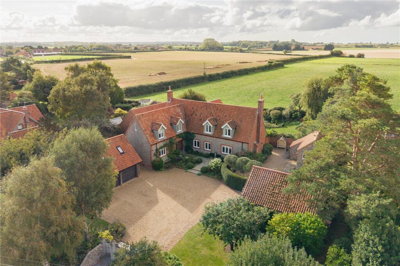
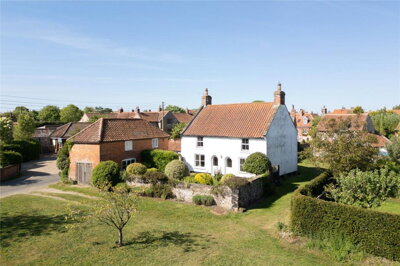
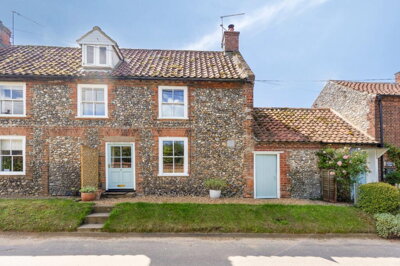
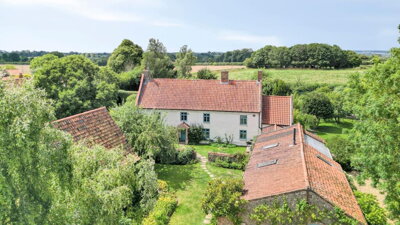
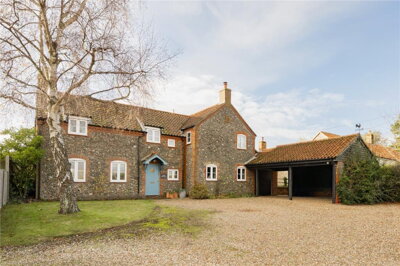
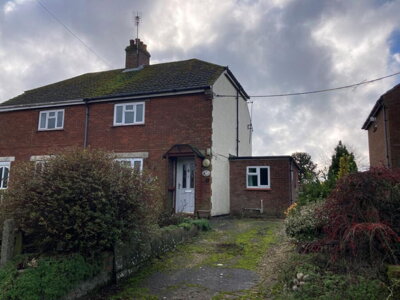
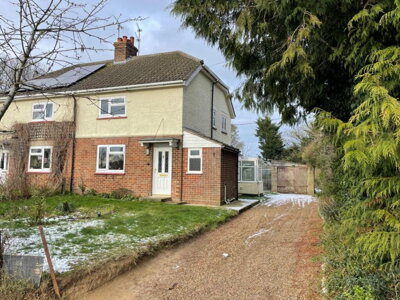
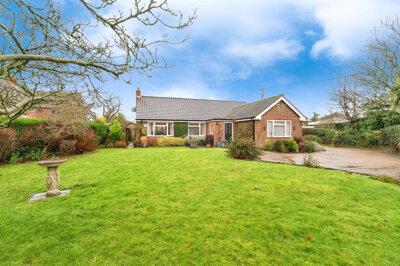
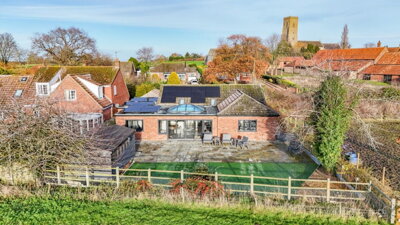
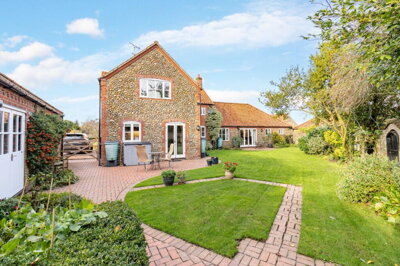
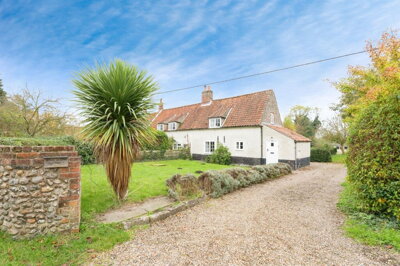
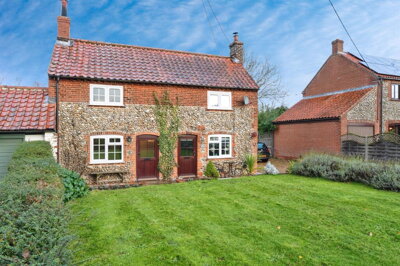
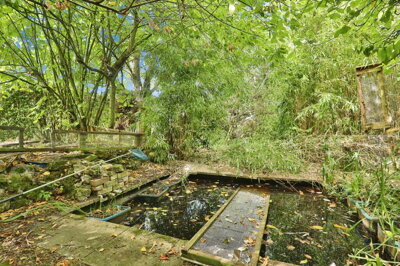
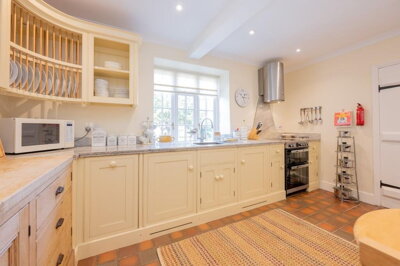
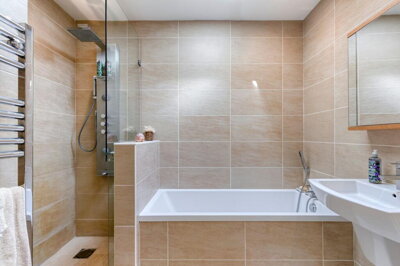
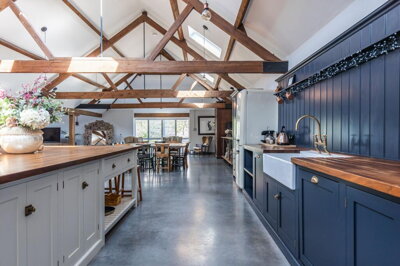
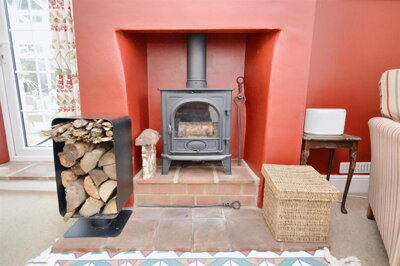
Browse 34 homes for sale in Hindringham, North Norfolk from local estate agents.
£440k
9
0
244
Source: home.co.uk
Source: home.co.uk
Cottage
2 listings
Avg £335,000
Detached
2 listings
Avg £1.05M
Terraced
2 listings
Avg £485,000
Detached Bungalow
1 listings
Avg £595,000
End of Terrace
1 listings
Avg £475,000
Semi-Detached
1 listings
Avg £230,000
Source: home.co.uk
Source: home.co.uk
£290,000
Median Sale Price
£354,545
Average Sold Price
13
Properties Sold (2025)
20% Bungalows
Housing Stock
The Chedgrave property market offers a compelling mix of traditional Norfolk homes and select new build opportunities. Our current listings reflect the village's character, with average prices standing at £357,500 based on last year's transactions. Detached properties command the highest values at approximately £452,000, while semi-detached homes typically sell for around £263,750 and terraced properties for £260,000. These figures represent a notable correction from the 2022 peak of £440,250, with prices falling by around 13% year-on-year according to PropertyResearch.uk data.
The new build sector has brought fresh options to Chedgrave in recent years. Ceatta Woods by Ingram Homes, situated on Norwich Road adjacent to Chedgrave Manor, offers four large bespoke detached properties priced between £795,000 and £900,000. Church View by Vello Homes delivered five luxury three-bedroom bungalows to the market, while St Felix Park by Bennett Homes provides family homes ranging from two to five bedrooms. For buyers seeking established properties, the village features numerous late 18th and 19th-century brick-built homes, many of which retain original features such as steeply pitched clay pantile roofs and decorative architectural details.
Housing stock in the area shows a strong prevalence of semi-detached homes and a notably higher-than-average proportion of bungalows, accounting for nearly 20% of the local housing stock compared to district averages. Three-bedroom properties dominate the market, reflecting the family-oriented nature of the community. The combination of period properties, mid-century estates, and premium new builds creates a varied landscape for prospective buyers to explore.
Several new build developments have added contemporary options to Chedgrave's traditional housing stock. Ceatta Woods represents the premium end of the market, with four bespoke detached properties overlooking the historic Chedgrave Manor grounds. Church View brought five luxury bungalows to the village, appealing to downsizers seeking single-storey living in a rural setting. St Felix Park offers the broadest range of property sizes, from compact two-bedroom homes to spacious five-bedroom family houses. These developments complement rather than dominate the village character, maintaining the architectural standards expected within the conservation area. Future development pressure continues with proposals for residential schemes on Langley Road, though any new builds remain subject to planning approval from South Norfolk Council.

Life in Chedgrave revolves around community spirit and the gentle rhythms of rural Norfolk. The village traces its origins to the Twelfth Century, with All Saints' Church standing as a Grade I listed testament to its long history. The Old Mill, dating from the 1700s, once served the agricultural community and now forms part of the village's heritage landscape. The River Chet flows through the valley, providing scenic walks and contributing to the area's unspoiled character that has attracted residents for generations.
The combined settlement of Loddon and Chedgrave functions as a Key Service Centre, offering residents a surprising range of amenities despite the rural setting. Local shops, traditional pubs, and essential services are within easy reach, reducing the need for frequent journeys to larger towns. The village hall hosts community events throughout the year, fostering connections among the population of approximately 1,052 residents. Historical employment in the area included Woods, Sadd, Moore and Co. wherry yards from 1884 and Cannell's & Sons seed merchants from 1906, reflecting the agricultural heritage that shaped the community.
The area's architectural character is defined by red brick construction, a hallmark of late 18th and 19th-century buildings in the district. Steeply pitched roofs clad with red or black clay pantiles are ubiquitous, while larger properties along Beccles Road feature slate roofing. Decorative barge boards on properties along Langley Road add visual interest to the streetscape. Whitewashed weatherboard finishes, seen on The Mill and other historic buildings, reflect the vernacular building traditions of East Anglia, where flint and timber framing were also commonly employed. Working-aged adults in Chedgrave are employed locally within the two parishes or commute to adjacent settlements including Norwich, with the offshore energy sector identified as a growing economic driver for the wider region.
Understanding the local construction methods helps buyers appreciate the properties they may purchase in Chedgrave. The predominant building material is red brick, used extensively for late 18th and 19th-century buildings throughout the village. Many of these properties are two-storey constructions with brick finishes, reflecting the prosperity of the area during the agricultural boom periods. The vernacular building traditions of East Anglia also employed timber frame structures with wattle and daub or wood plank infill, while clay-lump construction - unfired earth mixed with straw - was popular in the 19th century across the clayland areas of Norfolk and Suffolk.
Roofing throughout Chedgrave predominantly uses steeply pitched roofs clad with red or black clay pantiles, a characteristic feature of Norfolk properties that requires periodic maintenance. Some larger Georgian and Victorian properties, particularly those along Beccles Road, feature slate roofing imported from Welsh quarries. The area is underlain by a Mineral Safeguarding Area for sand and gravel, though no active mining issues affect current properties. Whitewashed weatherboard finishes appear on historic buildings like The Mill, while decorative barge boards on houses along Langley Road demonstrate the craftsmanship of local builders from previous centuries.
Many Georgian and Victorian houses in the area were designed to be breathable, using permeable materials like lime mortar and clay bricks alongside suspended timber floors and timber-framed windows. This traditional construction allows natural ventilation throughout the building. However, modern repair techniques that reduce this natural ventilation can actually cause problems, leading to damp and condensation issues. A professional survey can identify where inappropriate modern materials may have been introduced, potentially compromising the building's long-term condition. Properties within the conservation area benefit from careful oversight, but buyers should understand that approved works maintain the historic character that makes Chedgrave desirable.
Families considering a move to Chedgrave will find educational provision accessible within the local area. The village sits within South Norfolk's schooling catchment, with primary schools available in the nearby town of Loddon. These schools serve the combined communities of Loddon and Chedgrave, providing education for children from the surrounding villages. The proximity of educational facilities within the Key Service Centre ensures that families have access to local schooling without the need for lengthy daily commutes.
Loddon and Chedgrave together form a Key Service Centre, and the educational infrastructure reflects this administrative designation. Primary schools in the area typically serve children from reception through Year 6, with class sizes and facilities varying by specific location. The community-focused nature of village schools means that teachers often develop strong relationships with families, creating supportive learning environments. Parents should verify current catchment boundaries directly with Norfolk County Council, as these can change and may differ from postcode assumptions.
Secondary education options in the area include schools in the broader South Norfolk district, with many students travelling from Chedgrave to attend schools in nearby towns. Sixth form provision is available at colleges in Norwich and other larger settlements, offering a wide range of A-level subjects and vocational courses for post-16 students. The area's connectivity to Norwich means that families can also consider the city's renowned grammar schools and independent educational establishments as alternative options. When searching for property in Chedgrave, parents should research specific catchment areas and admissions criteria, as these can influence school allocations and travel arrangements for children.
Chedgrave enjoys a strategic position between Norwich and Lowestoft, making it an attractive location for commuters seeking rural living without sacrificing connectivity. The village benefits from regular bus services linking it to surrounding towns, providing sustainable travel options for those without private vehicles. Road connections are equally strong, with the A146 providing direct access to Norwich city centre and the broader Norfolk road network extending throughout the region. The village's status as a Key Service Centre with good public transport links was reinforced in local planning assessments, recognizing the importance of connectivity for residents.
Norwich railway station offers mainline services to London Liverpool Street, with journey times of approximately two hours, making the capital accessible for business travel or leisure visits. The station also provides connections to Cambridge, Birmingham, and other major destinations. For commuters working in Norwich itself, the journey from Chedgrave typically takes around 30 minutes by car, depending on traffic conditions, making day-to-day commuting practical and manageable. Cycling infrastructure in the area has developed in recent years, with quieter country lanes providing pleasant routes for cyclists.
The offshore energy sector is identified as a key economic driver for the wider Norfolk region, with employment opportunities centred around Great Yarmouth and the coastal area. For those working in this growing sector, Chedgrave's position relative to coastal employment hubs adds to its appeal as a residential location. The village's proximity to both Norwich and the coast means residents can access diverse employment opportunities while maintaining a rural lifestyle. Regular bus services connecting Chedgrave to Loddon and beyond provide alternatives to car travel for those working locally or studying in nearby towns.
Before viewing properties in Chedgrave, research local house prices, neighborhood characteristics, and your mortgage affordability. With median prices around £290,000 and detached homes averaging £452,000, understanding the market helps you focus your search effectively. The village offers diverse property types from period cottages to new builds, so defining your requirements early saves time. Obtain a mortgage agreement in principle before starting viewings to demonstrate your position to sellers.
Contact local estate agents representing properties in Chedgrave to arrange viewings. The village features diverse property types from period cottages to new builds, so view several options to compare character, condition, and value. Take notes and photographs during viewings to help differentiate between properties after visiting multiple homes. Pay particular attention to the condition of period features, roof coverings, and any signs of damp or structural movement in older properties.
Given Chedgrave's older housing stock, which includes many late 18th and 19th-century properties, a RICS Level 2 Survey is strongly recommended. This homebuyer report identifies defects such as damp, roof condition, and structural issues common in period properties. For listed buildings or more complex historic homes, consider a RICS Level 3 Building Survey for more detailed analysis. Our inspectors are familiar with the common defects found in Norfolk's older properties, including issues with clay pantile roofs, lime mortar pointing, and potential subsidence from clay soils.
Once your offer is accepted, instruct a solicitor to handle the legal aspects of your purchase. They will conduct searches, review contracts, and coordinate with your mortgage lender. Local conveyancing solicitors familiar with Norfolk properties can efficiently handle transactions involving conservation areas or listed buildings. Searches will include local authority records, drainage and water authority checks, and environmental data relevant to the River Chet valley.
Your solicitor will arrange for contracts to be signed and deposits paid before exchange of contracts, legally committing you to the purchase. Completion typically follows within days or weeks, at which point you receive the keys to your new Chedgrave home. Register ownership with the Land Registry and update your address with relevant organizations. Factor in time for any negotiations on repairs identified in your survey report before final completion.
Properties in Chedgrave require careful inspection due to the age of the local housing stock and specific environmental considerations. Flood risk is a particular consideration, as Chedgrave sits in the River Chet valley. Properties near Wherry Close and Pits Lane fall within Flood Zone 2 and 3 extents, meaning buyers should review flood risk assessments and consider appropriate insurance and mitigation measures. While current flood warnings are not active, the long-term river and surface water flood risk warrants due diligence.
The presence of clay-rich soils in the area creates potential for subsidence issues, particularly for older properties with shallow foundations. Look for signs of cracking, uneven floors, or doors that do not close properly, which may indicate structural movement. The British Geological Survey warns that climate change is likely to increase subsidence issues from shrink-swell clay movement, with projections showing significant rises by 2070. Properties with mature trees nearby are particularly susceptible, as tree roots extract moisture from the clay, causing it to shrink. A professional survey will identify these issues and assess the property's condition.
Chedgrave's conservation area status brings planning considerations for any modifications or extensions. The village features several listed buildings including the Grade I All Saints' Church, Grade II Chedgrave Manor, and various other historically significant properties including The Old Rectory and properties at 3 Norwich Road and 7-9 Hardley Road. If purchasing a listed building or a property within the conservation area, consult with South Norfolk Council planning department before committing to ensure you understand any restrictions on alterations or permitted development rights. Energy efficiency is another consideration in older properties, as many lack modern insulation standards, potentially leading to higher heating costs.

The overall average house price in Chedgrave stands at £357,500 based on last year's data. Detached properties average £452,000, semi-detached homes around £263,750, and terraced properties approximately £260,000. Recent sales in 2025 show a median price of £290,000 across 13 transactions. Prices have corrected from the 2022 peak of £440,250, showing a 13% decline year-on-year, which may present buying opportunities for those entering the market. The average sold price for the last 12 months was £354,545 according to PropertyResearch.uk data.
Properties in Chedgrave fall under South Norfolk Council's jurisdiction for council tax purposes. Specific bandings depend on property valuation, with bungalows and smaller homes typically falling in bands A to C, while larger detached properties and premium new builds such as those at Ceatta Woods may be in higher bands. The proportion of bungalows in Chedgrave, at nearly 20% of housing stock, is notably higher than district averages, reflecting the preference for single-storey living among certain buyers. Contact South Norfolk Council or view the Valuation Office Agency website to confirm the council tax band for any specific property you are considering purchasing.
Chedgrave does not have schools within the village itself, but primary education is available in nearby Loddon, serving the combined communities as part of the Key Service Centre designation. Schools in the Loddon area serve children from reception through to secondary age, with the specific catchment school depending on your exact location in Chedgrave. Secondary schools in the surrounding South Norfolk district provide education for older children, with further education colleges in Norwich offering sixth form and vocational courses. When buying in Chedgrave, research specific school catchment areas and admissions policies directly with Norfolk County Council, as these can vary and influence which schools your children may attend.
Chedgrave benefits from regular bus services connecting it to Loddon, Norwich, and surrounding villages, with the village's Key Service Centre status reflecting its good public transport links. The A146 provides direct road access to Norwich city centre, approximately 30 minutes away by car, while Norwich railway station offers mainline services to London Liverpool Street in around two hours. The strategic position between Norwich and Lowestoft means residents can access employment in either location, with the growing offshore energy sector around Great Yarmouth particularly accessible for those working in the sector.
Chedgrave offers several factors that may appeal to property investors. The village's designation as a Key Service Centre provides some economic resilience, while its position between Norwich and Lowestoft supports demand from commuters. The offshore energy sector is identified as a growth driver for the wider Norfolk region, potentially increasing local employment and housing demand. However, the market has seen price corrections recently, falling 13% year-on-year from the 2022 peak. Any investment should account for factors such as flood risk in the River Chet valley, conservation area restrictions on alterations, and the nature of the local rental market. A RICS survey can help assess any property's condition and potential maintenance requirements before committing to a purchase.
Stamp Duty Land Tax applies to all property purchases in England. For residential purchases, you pay nothing on the first £250,000 of property value, 5% on £250,001 to £925,000, 10% on £925,001 to £1.5 million, and 12% on amounts exceeding £1.5 million. First-time buyers benefit from relief on the first £425,000, paying 5% between £425,001 and £625,000. Given Chedgrave's average price of £357,500, a first-time buyer purchasing at the median price would pay no stamp duty, while a second home buyer would pay £7,875 under current thresholds. Additional 3% surcharge applies for second properties purchased after October 2016.
Chedgrave sits in the River Chet valley, which creates flood risk for certain properties in the village. Properties near Wherry Close and Pits Lane are within Flood Zone 2 and 3 extents according to Environment Agency mapping, meaning they have a higher probability of flooding from the river. As of February 2026, there are no active flood warnings in the Chedgrave NR14 area, and the five-day flood risk is very low. However, long-term flood risk from rivers, surface water, and groundwater should be considered when purchasing any property in the valley. Buildings Insurance for properties in Flood Zones 2 or 3 may cost more, and you should obtain quotes before completing your purchase.
Given that much of Chedgrave's housing stock dates from the late 18th and 19th centuries, several defect types are commonly found during surveys. Damp issues are prevalent, including penetrating damp through aging brickwork, rising damp where original damp-proof courses have failed, and condensation resulting from modern ventilation reductions. Roof problems affect many period properties, with deteriorating clay pantile tiles and chimney stacks requiring attention. Structural movement related to clay soil shrink-swell affects properties with shallow foundations, particularly those with mature trees nearby. Outdated electrics and plumbing are common in older homes, as original systems rarely meet current safety standards. Our inspectors regularly identify these issues during surveys and can provide detailed reports on any property in Chedgrave.
From 3.84%
Find competitive mortgage rates for your Chedgrave purchase
From £499
Local solicitors handling Norfolk property transactions
From £455
Professional survey for standard properties
From £600
Detailed survey for older or complex properties
Understanding the full costs of buying property in Chedgrave helps you budget accurately for your purchase. Beyond the property price, buyers should account for Stamp Duty Land Tax, solicitor fees, survey costs, and mortgage arrangement fees. For a property priced at the village's median of £290,000, a first-time buyer would pay no SDLT under current thresholds, while a second home buyer would incur a 3% surcharge on the total amount, resulting in £8,700 in stamp duty. The higher rate for additional properties applies unless the main residence is sold before completion.
Survey costs vary based on property value and type, with a RICS Level 2 Survey for a typical three-bedroom home in Chedgrave costing approximately £437 on average. For Ceatta Woods properties valued at £795,000 to £900,000, survey costs would be higher at around £586 average for homes above £500,000. Given the prevalence of older properties in the area, including many with period features or potential structural concerns, investing in a thorough survey provides valuable information and negotiating leverage if defects are identified. For listed buildings or more complex historic homes, a RICS Level 3 Survey may be advisable at additional cost.
Conveyancing fees for property purchases in Norfolk typically start from around £499 for standard transactions, rising for more complex cases involving conservation areas, listed buildings, or new build properties. Additional costs include local authority searches, Land Registry fees, and teleport charges, typically amounting to £300-500. Local search fees through South Norfolk Council cover drainage and water authority checks and environmental data relevant to the River Chet valley. Mortgage arrangement fees vary significantly between lenders, ranging from free offers to 1% or more of the loan amount. Factor these costs into your overall budget alongside your deposit and moving expenses when planning your Chedgrave purchase.
Properties for Sale In London

Properties for Sale In Plymouth

Properties for Sale In Liverpool

Properties for Sale In Glasgow

Properties for Sale In Sheffield

Properties for Sale In Edinburgh

Properties for Sale In Coventry

Properties for Sale In Bradford

Properties for Sale In Manchester

Properties for Sale In Birmingham

Properties for Sale In Bristol

Properties for Sale In Oxford

Properties for Sale In Leicester

Properties for Sale In Newcastle

Properties for Sale In Leeds

Properties for Sale In Southampton

Properties for Sale In Cardiff

Properties for Sale In Nottingham

Properties for Sale In Norwich

Properties for Sale In Brighton

Properties for Sale In Derby

Properties for Sale In Portsmouth

Properties for Sale In Northampton

Properties for Sale In Milton Keynes

Properties for Sale In Bournemouth

Properties for Sale In Bolton

Properties for Sale In Swansea

Properties for Sale In Swindon

Properties for Sale In Peterborough

Properties for Sale In Wolverhampton

Enter your details to see if this property is within your budget.
Loans, cards, car finance
Estimated property budget
Borrowing + deposit
You could borrow between
Typical borrowing
Monthly repayment
Est. at 4.5%
Loan-to-value
This is an estimate only. Your actual budget may vary depending on interest rates, credit history, and personal circumstances. For an accurate affordability assessment, speak to one of our free mortgage advisors.
This calculator provides estimates for illustrative purposes only and does not constitute financial advice. Your home may be repossessed if you do not keep up repayments on your mortgage. Estimates based on 4.5% interest rate, repayment mortgage. Actual rates depend on your circumstances.
Homemove is a trading name of HM Haus Group Ltd (Company No. 13873779, registered in England & Wales). Homemove Mortgages Ltd (Company No. 15947693) is an Appointed Representative of TMG Direct Limited, trading as TMG Mortgage Network, which is authorised and regulated by the Financial Conduct Authority (FRN 786245). Homemove Mortgages Ltd is entered on the FCA Register as an Appointed Representative (FRN 1022429). You can check registrations at NewRegister or by calling 0800 111 6768.

We use cookies to show you personalised content and improve your experience of our website. Find out more in our Privacy policy and Cookie policy.